Everest Base Camp Trekking in Autumn: The Complete Season Guide
If you’ve been scrolling through photos of Everest Base Camp and wondering when to actually book your flight, autumn is the answer most experienced trekkers and guides will give you first. There’s a reason the trail gets busy every October — the weather cooperates, the views hold up, and the whole experience just feels easier to plan around. Here’s everything you need to know before locking in your dates.
Why Autumn Is the Best Time for the Everest Base Camp Trek
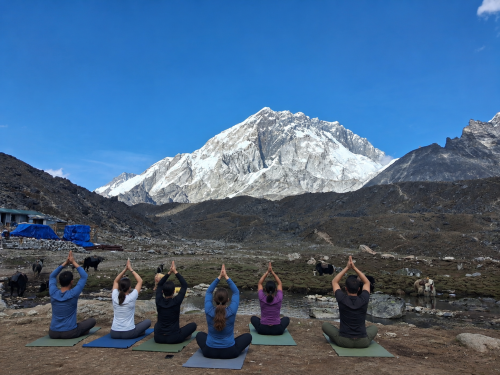
Autumn, running roughly from September through November, is widely considered the best season for trekking to Everest Base Camp. Once the summer monsoon clears out, the Khumbu region settles into a long stretch of dry, stable weather. Skies stay clearer for longer, humidity drops, and the trail conditions become far more predictable than during other times of the year.
For anyone doing this trek for the first time, that predictability matters more than it might seem. You’re not just hoping for a good sunrise at Kala Patthar — you’re planning flights, acclimatization days, and a two-week itinerary around weather you can actually count on.
What the Weather Is Really Like
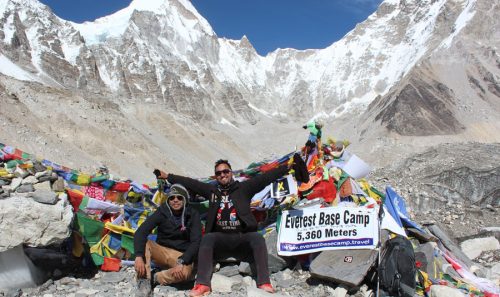
Autumn weather on this trek isn’t uniform from start to finish, and it’s worth knowing how it shifts as you gain elevation and move through the season.
Down in Lukla and Phakding, daytime temperatures generally sit between 15°C and 20°C — comfortable hiking weather in a t-shirt and light layer. As you climb toward Base Camp and Kala Patthar, daytime highs drop to somewhere around 5°C to 10°C, cool enough that you’ll want a mid-layer on even in bright sun.
Nights are a different story. At higher villages like Dingboche, Lobuche, and Gorak Shep, temperatures regularly fall below freezing, and by late November they can dip to -10°C or colder. Early September tends to be milder overall, sometimes still carrying a few leftover monsoon showers, while late November brings the coldest nights of the season paired with the clearest skies.
Trail Conditions You Can Actually Trust

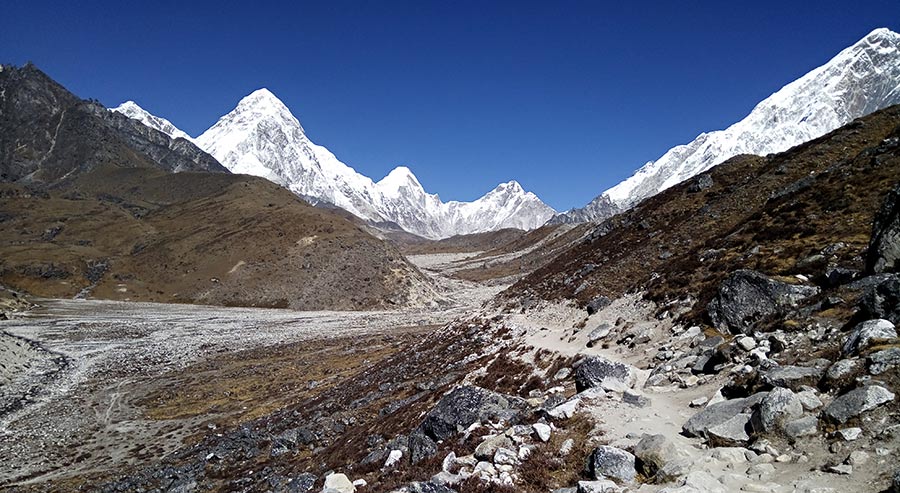
One of the underrated perks of autumn trekking is simply how the trail feels underfoot. Once the monsoon rains taper off in early September, the paths dry out and firm up, which makes a real difference on the steeper, rockier sections. River crossings are safer, visibility is better, and the landslide risk that looms over monsoon season drops off almost entirely.
Snow at higher elevations stays minimal through most of autumn, with only light snowfall showing up occasionally by late November as winter starts creeping in. That means you can trek through most of the season without needing specialized winter gear or crampons.
The Views Everyone’s Chasing
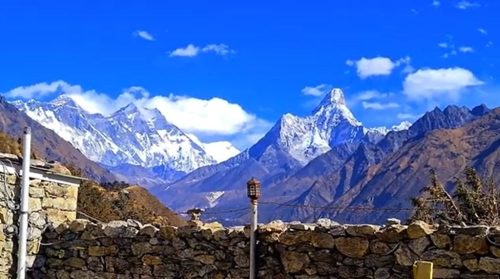
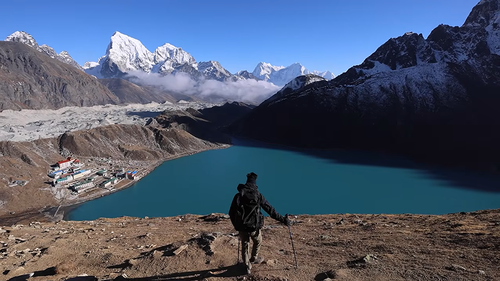
This is really what autumn is known for. Low humidity and minimal cloud cover mean panoramic views of Everest, Lhotse, Nuptse, and Ama Dablam stay visible for long stretches of the day, not just in the narrow golden-hour windows you sometimes get in other seasons. From Kala Patthar, the Everest View Hotel, and Base Camp itself, the visibility during autumn is about as reliable as it gets anywhere on this route.
Autumn Month-by-Month: What to Expect
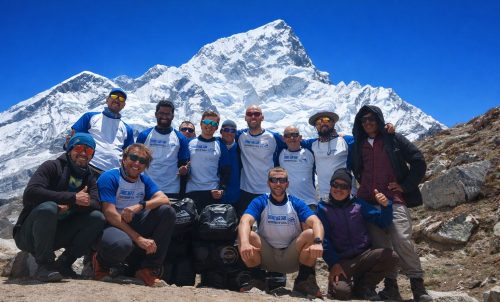
September – Transitional month as the monsoon fades. Occasional lingering showers early on, but trails and views improve steadily as the month progresses. Fewer crowds than peak October.
October – The most popular month to trek EBC. Weather is typically at its most stable, skies are clear, and daytime temperatures are comfortable. Expect busy teahouses and a lively trail.
November – Still excellent trekking conditions with often the clearest skies of the season, but nights get noticeably colder, especially at higher elevations. Crowds start thinning toward the end of the month.
Yes, It Gets Crowded
Because the conditions are so favorable, autumn is also the busiest season on the EBC trail. Namche Bazaar, Tengboche, and Dingboche fill up fast during October and November, and Lukla’s airstrip runs a heavy daily flight schedule. If you’re trekking during this window, book your flights and teahouse stays as early as you can, and go in expecting a more social, bustling trail rather than a quiet, solitary one.
A Cultural Bonus You Might Not Expect
Autumn in Nepal overlaps with two of the country’s biggest festivals — Dashain and Tihar. Passing through Sherpa villages during this stretch often means catching genuine local celebrations, rituals, and a festive energy in the teahouses that you simply won’t find at other times of year. It’s a nice reminder that this trek isn’t just about the mountains — it’s also a window into Sherpa culture and daily life in the Khumbu.
Packing for Autumn at High Altitude
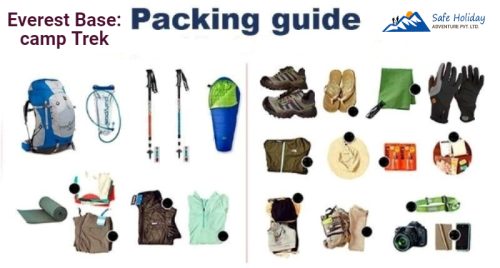
The trick with autumn packing is layering for warm days and genuinely cold nights. A solid packing list includes:
- A warm down jacket for evenings and higher camps
- Moisture-wicking base layers for daytime hiking
- A four-season sleeping bag rated for sub-zero temperatures
- Waterproof, insulated trekking boots
- Gloves, a warm hat, and a buff for wind protection
- Sunglasses and sunscreen, since UV exposure stays strong even in cooler air
Teahouse heating is usually limited to the dining room, so your sleeping bag and layers are doing most of the work once the sun goes down.
Practical Tips for an Autumn EBC Trek
- Book early. Flights to Lukla and popular teahouses sell out fast during peak weeks.
- Don’t skip acclimatization. Good weather doesn’t lower your altitude sickness risk — stick to your rest days at Namche and Dingboche.
- Hike in the mornings. Skies are usually clearest early, with clouds building by early afternoon.
- Prepare for temperature swings. A warm afternoon can turn into a freezing evening within an hour of sunset.
- Build in flexibility. Teahouse space can get tight during Dashain and Tihar, so a little schedule flexibility helps.
Frequently Asked Questions
1. What Is the Best Month for Everest Base Camp Trek?
October and November are popular months because of generally clear skies and favorable trekking conditions.
2. Is Autumn a Good Season for the EBC Trek?
Yes, autumn is a popular season for trekking to Everest Base Camp because of good mountain views and suitable weather.
3. What Is the Autumn Weather Like on the EBC Trek?
Autumn usually brings clear skies, less rain, and colder temperatures at higher elevations.
4. Is September Good for the Everest Base Camp Trek?
Yes, late September can be a good time, although occasional rain and clouds are possible.
5. Can I Trek to Everest Base Camp in November?
Yes, November is suitable, but temperatures are colder, especially at night.
6. How Cold Is Everest Base Camp in Autumn?
Nights are very cold at higher elevations, so warm clothing and a sleeping bag are essential.
7. Does It Snow During the Autumn EBC Trek?
Snow is possible at higher altitudes, especially in late November, depending on weather conditions.
8. Can I See Mount Everest Clearly in Autumn?
Yes, autumn often offers excellent mountain visibility, although clouds can affect views.
9. Is the EBC Trek Crowded in Autumn?
Yes, autumn is a busy trekking season, particularly in October and November.
10. Should I Book My Autumn EBC Trek in Advance?
Yes, advance booking helps arrange flights, accommodation, and trekking services during the busy season.
11. Is the Everest Base Camp Trek Difficult in Autumn?
Yes, it is physically demanding because of high altitude, steep trails, and long walking days.
12. Do I Need a Guide for the Autumn EBC Trek?
A guide provides support with navigation, acclimatization, communication, and trekking logistics.
13. What Clothes Should I Pack for the Autumn EBC Trek?
Pack thermal layers, a down jacket, waterproof clothing, gloves, and warm trekking gear.
14. Is Altitude Sickness a Risk in Autumn?
Yes, altitude sickness can occur in any season. Gradual acclimatization and proper preparation are important.
15. Are Lukla Flights Reliable in Autumn?
Autumn weather is often favorable, but flights can still be delayed or canceled due to weather conditions.
16. How Many Days Does the Autumn EBC Trek Take?
A standard Everest Base Camp Trek usually takes around 12–14 days, depending on the itinerary.
17. Can Beginners Do the EBC Trek in Autumn?
Yes, beginners can trek to EBC with proper fitness, preparation, and acclimatization.
18. What Are the Benefits of Trekking to EBC in Autumn?
Autumn offers beautiful mountain views, generally favorable weather, and an unforgettable Himalayan experience.
19. Is Late September Suitable for EBC Trekking?
Yes, late September can be suitable, but occasional rain and cloudy weather may occur.
20. Why Choose a Local Guide for the Autumn EBC Trek?
A local guide helps with navigation, local culture, accommodation, and trekking support.
Final Thoughts
Autumn remains the gold standard season for trekking to Everest Base Camp, and it’s easy to see why once you break down the specifics — dry trails, dependable views, manageable temperatures, and a genuine cultural backdrop woven into the journey. Yes, you’ll share the trail with more people than you would in winter or early spring, but for most trekkers, that trade-off is well worth the payoff of clear mountains and a smoother, more predictable trek.