
12 Mar 2020 11 min to read
The Everest Base Camp (EBC) trek remains one of the world’s most sought-after adventures, taking hikers through Sherpa villages and beneath some of the planet’s tallest peaks. It’s an unforgettable journey. Below, Safe Holiday Adventure answers the questions our trekkers ask most, so you can plan with confidence.
Have a question we haven’t covered? Reach us anytime on WhatsApp at 9851231026, email safeholidayadventure@gmail.com, or visit
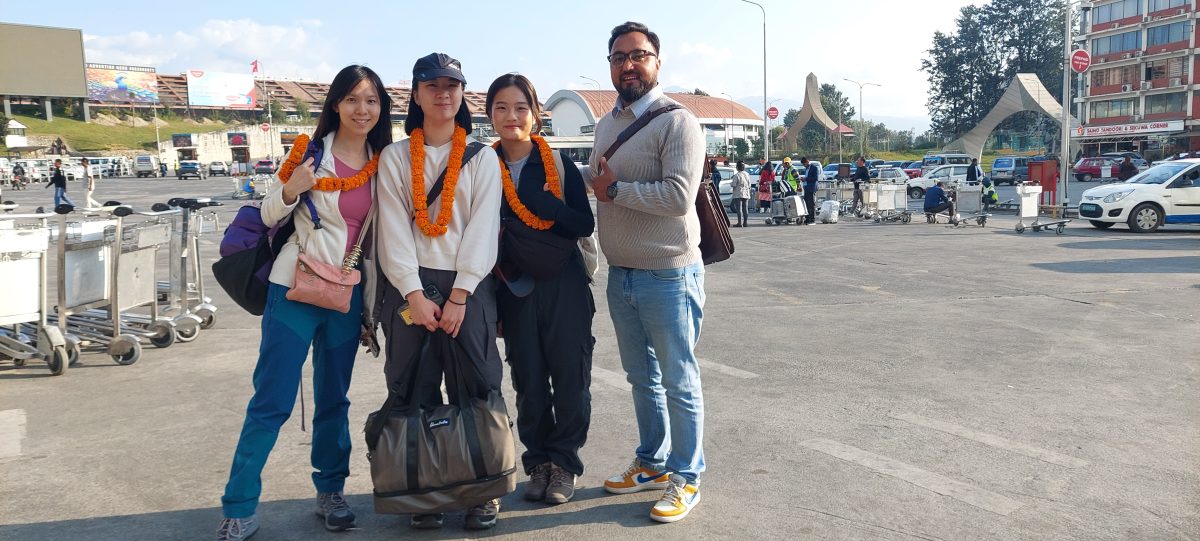
Yes. Tribhuvan International Airport (TIA) issues tourist visas on arrival for most nationalities at the visa counter, right before immigration. You’ll need:
Pricing:
Fill out the arrival visa form (paper or via Nepal’s online arrival card system) before you land to save time at the counter. Citizens of a small number of countries — including Afghanistan, Iraq, Nigeria, Cameroon, Ghana, Zimbabwe, Somalia, Ethiopia, Liberia, and Palestine — cannot get a visa on arrival and must apply at a Nepalese embassy or consulate beforehand. Visa rules do change, so check your country’s status close to your travel date rather than relying on older information.
Yes — airport pickup is included for our guided trekking clients. Here’s how it works:
This is especially useful after a long international flight, when navigating an unfamiliar airport and negotiating a taxi fare is the last thing you want to deal with. Let us know if you’re arriving with a group so we can arrange a vehicle.
EBC is generally rated a moderate-to-strenuous trek. It doesn’t require technical climbing skills or ropes, but several factors add real difficulty:
Good news: you don’t need prior mountaineering experience. Regular cardio training in the months beforehand, combined with a sensible acclimatization schedule, is enough preparation for most healthy adults.
A guided EBC trek in 2026 typically runs US$1,500–2,500 per person for a 12–14 day itinerary. What that generally includes:
Costs vary by season, group size, and whether you choose a shared porter, private room upgrades, or additional acclimatization days. Independent trekking without a guide can lower costs to roughly $1,200–1,600, but most trekking companies — ourselves included — recommend a guide for safety, permit handling, and local support at altitude, where things can go wrong quickly.
Two permits are mandatory for every trekker entering the Everest region:
As of 2026, the standalone TIMS card is no longer required for this route — the municipality permit has absorbed that tracking function. Lukla or at the Monjo checkpoint on the trail itself. We arrange both permits for every guided client, so you won’t need to queue or handle paperwork yourself.
The original route to Everest Base Camp runs from Jiri to EBC, predating the construction of Lukla’s airport. It takes 21–23 days and covers roughly 170 km, passing through villages including Deurali, Sete, Bupsa, Surke, Phakding, Namche Bazaar, Tengboche, Dingboche, Lobuche, and Gorak Shep.
Most trekkers today fly directly into Lukla, cutting the trip to about 12–14 days, a multi-day approach walk. The Jiri route remains a strong option if you have extra time and want a deeper, slower immersion in Solu-Khumbu culture before reaching the high mountains — and it avoids the sometimes-delayed Lukla flights entirely.
Daily walking time ranges from 4 to 8 hours, depending on the day’s elevation gain and your pace. A rough breakdown for a classic 12-day itinerary:
Day 1: Lukla to Phakding — ~3 hours
Day 2: Phakding to Namche Bazaar — ~5–6 hours
Day 3: Acclimatization day in Namche Bazaar
Day 4: Namche Bazaar to Tengboche — ~5–6 hours
Day 5: Tengboche to Dingboche — ~5–6 hours
Day 6: Acclimatization day in Dingboche
Day 7: Dingboche to Lobuche — ~5–6 hours
Day 8: Lobuche to Gorak Shep, with a side trip to Everest Base Camp — ~7–8 hours
Day 9: Hike to Kala Patthar and back to Gorak Shep — ~7–8 hours
Day 10: Gorak Shep to Pheriche — ~5–6 hours
Day 11: Pheriche to Namche Bazaar — ~5–6 hours
Day 12: Namche Bazaar to Lukla — ~6–7 hours
The two acclimatization days aren’t rest days in the strict sense — they usually involve a shorter uphill hike followed by a return to the same elevation, which helps your body adjust without adding net altitude gain overnight.
You’ll stay in teahouses — small family-run lodges found in every village along the route. Rooms are simple: typically twin beds, blankets, and shared bathrooms, with private bathrooms becoming rarer the higher you go. Communal areas, centered around a wood or yak-dung stove, serve as the social hub each evening.
Food-wise, expect a mix of:
Vegetarian and vegan meals are widely available; tell us your dietary needs before departure so we can flag them to teahouse owners along the way. Bring a warm sleeping bag rated for sub-zero temperatures and earplugs, since teahouses can be noisy and nights get cold even indoors.
Facilities vary by altitude and teahouse quality:
Pack your own toilet paper and hand sanitizer, since these aren’t always supplied. Facilities generally get more basic the higher you climb.
Sometimes, but it’s not guaranteed. Larger, more developed teahouses (especially in Namche Bazaar and Lukla) often have private rooms, usually at a premium. In smaller or higher-altitude villages, shared rooms may be the only option, particularly during spring and autumn peak seasons when teahouses fill quickly.
Booking through a guide improves your odds, since guides often have working relationships with specific teahouses. If a private room matters to you, let us know when booking so we can prioritize it where possible.

Core gear for the EBC trek includes:
In Kathmandu’s Thamel district, numerous outdoor shops cater specifically to trekkers. Renting is often more cost-effective than buying if you don’t plan to trek regularly — inspect items for wear and proper fit before heading out, since quality varies between shops.
Spring and autumn are out well in advance, so booking flights and teahouse space early is worthwhile if you’re targeting those windows.
Not legally required, but strongly recommended for good reason:
If you hire independently rather than through an agency, choose reputable, properly insured guides and porters, and make sure they’re paid fairly for the work.
Yes, with a few precautions. Use a padded, weather-resistant bag or case, keep batteries charged and carry spares (cold drains batteries faster), and protect devices from moisture and dust on the trail, often for a small fee per device.
Acute Mountain Sickness (AMS) is common above 2,500–3,000m and can affect anyone, regardless of fitness level. Symptoms include:
If symptoms appear: rest, hydrate, and avoid climbing higher until they ease. If symptoms worsen or don’t improve, descending 500–1,000m is often the fastest fix. Severe cases can progress to HAPE or HACE, both medical emergencies requiring immediate descent and evacuation. Our guides are trained to recognize early warning signs and will not hesitate to adjust your itinerary for safety.
No official age limit. What matters more than age is:
Older trekkers complete EBC successfully every season — the key is training beforehand and choosing an itinerary with adequate acclimatization time rather than rushing.
Yes, though don’t expect city-level reliability:
Treat connectivity as a bonus, not a guarantee — let people at home know in advance that updates may be sporadic.
Plan for roughly $200–500 USD in Nepali rupees for snacks, drinks, souvenirs, hot showers, device charging, and tips for your guide and porter. ATMs become scarce past Namche Bazaar and often charge high fees or run out of cash during peak season, so withdraw what you need in Kathmandu or Namche before heading higher.
Yes, a few alternatives exist:
Each option trades time, cost, and convenience differently — worth discussing with us if Lukla flight delays or cancellations (common in poor weather) affect your schedule.
Ready to trek Everest Base Camp in 2026? Safe Holiday Adventure offers fully guided treks with licensed local guides, transparent pricing, and personal support from planning to summit. Message us on WhatsApp (9851231026) or visit safeholidayadventure.com to book your spot.
There is a moment on every Everest trek when your legs have an opinion. For most people, it arrives
Continue Reading
If you are asking how difficult the Everest Three Passes Trek is, the honest answer is this: it is t
Continue Reading
My name is Peng Chang, and I travelled to Nepal from Malaysia with a small group of friends. Before
Continue Reading
In this story Why I Chose Everest Base Camp My name is Chyling, and I come from Malaysia, a country
Continue Reading
Ask anyone who has finished the Annapurna Circuit which day they remember most, and the answer is al
Continue Reading
Introduction Kathmandu doesn’t ease you in. You step out of the airport into a chorus of horns
Continue Reading