Safe Holiday Adventure
+977-9849116284 (Santosh) | info@safeholidayadventure.com
  Ask to Expert

Trekking in Nepal without a Mountain Guide

March 10, 2018

Trekking in Nepal without a Mountain Guide

Is It Safe to Trek in Nepal Without a Guide?

Trekking in Nepal without a guide is generally safe if you are well-prepared, experienced, and aware of the risks. Popular trekking routes like the Annapurna Circuit, Poon Hill, and Langtang are well-marked, allowing independent trekkers to navigate confidently. However, safety depends on your trekking experience, physical fitness, and knowledge of the terrain. Solo trekking demands careful planning, understanding altitude sickness symptoms, and awareness of weather conditions. While most trails are safe, remote areas may pose challenges such as poor communication or unexpected weather changes. It’s important to stay connected and inform others of your plans regularly.

Unfamiliarity with the environment can increase risk. Trekking alone means you won’t have immediate help from a guide in emergencies. Injuries, illnesses, or altitude sickness may be harder to manage without professional support. Local knowledge from guides about weather, trail conditions, and cultural norms is invaluable. Additionally, guides can facilitate better interactions with local communities and help negotiate accommodation and porters. Ultimately, trekking without a guide is safe for confident, well-informed trekkers, but beginners should consider hiring guides for enhanced safety and support.

Pros and Cons of Trekking Without a Mountain Guide in Nepal

Trekking without a mountain guide offers greater freedom to set your own pace, choose your routes, and enjoy solitude in nature. Independent trekking can also be more budget-friendly since you avoid guide fees. You can be spontaneous, exploring less crowded paths or resting longer in places you like. This autonomy allows you to immerse yourself deeply in the natural beauty and local culture on your terms, enhancing the personal adventure. Many trekkers appreciate the challenge and independence that trekking alone or without a guide brings.

However, there are drawbacks. Without a guide’s local knowledge, you risk getting lost, missing important landmarks, or misunderstanding cultural customs. Guides provide vital support with language barriers and can mediate if problems arise with accommodation or permits. They also monitor your health for altitude sickness and navigate difficult weather or trail conditions safely. Emergencies can become more critical without a guide. For first-time trekkers or those unfamiliar with Nepal’s terrain and culture, trekking without a guide may not be ideal. Balancing these pros and cons helps decide what suits your experience and comfort level.

Popular Trekking Routes in Nepal Suitable for Independent Trekkers

Several popular trekking routes in Nepal are well-suited for independent trekkers due to good trail markings and established infrastructure. The Annapurna Circuit is a classic choice, offering varied landscapes from subtropical forests to high alpine passes, with plenty of tea houses and lodges. The route is easy to follow, and permits can be obtained independently. The Poon Hill trek is another excellent option, short and scenic, perfect for beginners who want panoramic mountain views and cultural immersion without a guide.

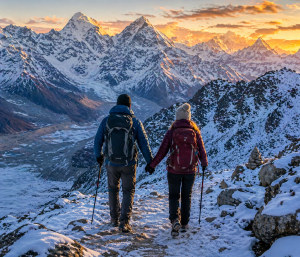
Trekkers walking along a narrow mountain trail with Mount Everest visible in the distance

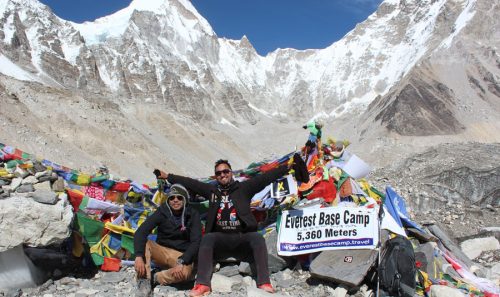
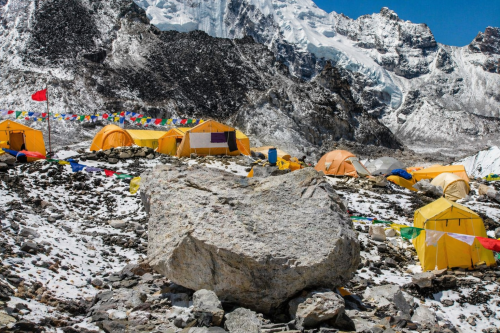
At Gorakshep-5,180m

The Langtang Valley trek provides beautiful nature, friendly villages, and relatively manageable altitude, making it ideal for solo trekkers. Everest Base Camp trekking can be done independently but requires careful planning, especially for permits and flight bookings. Shorter trails like Ghorepani or Mardi Himal also attract independent trekkers looking for less crowded experiences. These routes offer enough infrastructure to support trekkers traveling alone, but still require preparation for self-navigation and health safety.

How to Prepare for Trekking Alone in Nepal Without a Guide

Preparation is crucial for trekking alone in Nepal. Start with researching your chosen trail thoroughly, including maps, accommodation, and weather patterns. Physical fitness is key; begin training with hikes carrying a loaded backpack to build stamina. Arrange all permits and documents before arrival to avoid delays. Pack wisely, focusing on essentials such as warm clothing, first aid, navigation tools, and sufficient food. Learn basic Nepali phrases to help communication with locals.

Everest base camp trekking

Trekking route from Pangboche to Dingboche

Inform someone trustworthy about your itinerary and check in regularly to ensure safety. Study altitude sickness symptoms and plan acclimatization days. Bring a reliable communication device like a satellite phone or a local SIM with internet. Understanding cultural customs and respectful behavior is important to blend well with local communities. Lastly, prepare mentally for solitude and self-reliance, embracing challenges with a positive mindset.

Essential Permits and Documents Needed for Independent Trekkers in Nepal

Independent trekkers must carry specific permits to legally trek in Nepal. The most common are the TIMS card (Trekkers’ Information Management System), required for many trekking regions to monitor and regulate visitors. The Annapurna Conservation Area Permit (ACAP) is necessary for the Annapurna region, while the Sagarmatha National Park Permit is mandatory for Everest Base Camp and surrounding areas. Langtang and Manaslu also require special permits.

ghorepani trek

Permits can be purchased in Kathmandu, Pokhara, or authorized trekking offices. Always carry your passport as identification when applying for permits. Additional documents may include a visa for Nepal, which you can obtain on arrival or beforehand. If trekking alone, keep photocopies of all permits and documents in case originals are lost. Having permits ensures legal trekking and supports local conservation efforts, so obtaining and carrying them properly is essential.

Navigation Tips and Tools for Solo Trekking in Nepal

Navigating Nepal’s trekking trails solo requires careful planning and reliable tools. Most popular trails are well-marked with signposts and colored flags, but some sections may be confusing or under construction. Carry detailed trekking maps, such as printed maps from trekking agencies or waterproof maps from outdoor stores. A GPS device or smartphone with offline map apps like Maps.me or Gaia GPS is invaluable for route tracking.

Always download maps before your trek and ensure your device is fully charged with backup power banks. Local villages and tea houses can provide directions, so don’t hesitate to ask locals when uncertain. Learn to recognize natural landmarks like rivers, ridges, and passes. If possible, use a compass along with your maps for additional orientation. Avoid relying solely on technology—prepare for situations where devices might fail. A combination of traditional map-reading skills and digital tools enhances safety and confidence.

Cultural Etiquette and Interactions When Trekking Without a Guide

Respecting local customs is crucial when trekking without a guide in Nepal. The country is home to diverse ethnic groups with unique traditions, languages, and religious practices. Always greet locals politely, using phrases like “Namaste” with hands pressed together. Dress modestly, especially when visiting villages and monasteries. Avoid loud behavior, and ask permission before photographing people or their homes.

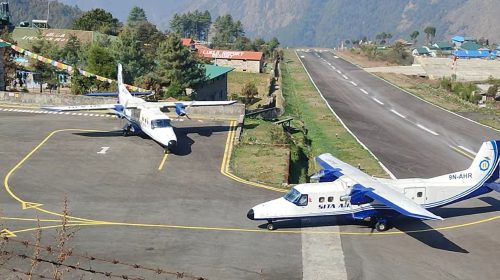
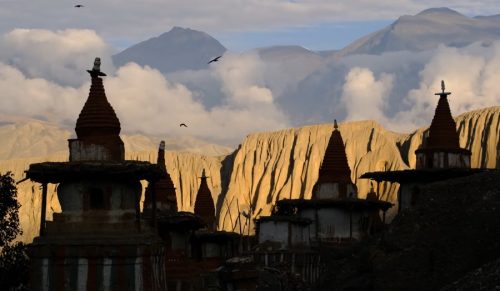
Stupas and Mani Walls along the trekking route to Phakding from Lukla

Offer small tips or gifts if appropriate, especially to porters, guides, and tea house staff. Be patient and open-minded when communication is difficult. Follow local rules, such as removing shoes before entering homes or religious sites. Avoid touching sacred objects or entering restricted areas. Responsible trekking means minimizing environmental impact by not littering and using eco-friendly products. Showing genuine respect for local culture enriches your experience and fosters positive relationships with communities.

Budget Benefits of Trekking Without a Mountain Guide

Trekking without a guide significantly reduces your overall costs. Guide fees can add hundreds of dollars to your trekking budget, depending on the route and length of your trip. Independent trekking eliminates this expense, allowing you to spend more on accommodations, food, or souvenirs. You also gain flexibility in choosing cheaper lodging options like basic tea houses or guesthouses.

Without a guide, you avoid tipping costs and can negotiate directly with porters or services, often resulting in better prices. Self-planned treks let you control your itinerary, avoiding forced expenditures or unnecessary stops. However, cost savings should be weighed against the potential risks and extra responsibility you assume. Independent trekking is ideal for budget-conscious adventurers who have experience navigating and managing logistics themselves.

What to Do in Case of Emergency When Trekking Alone

Emergencies can happen anytime while trekking alone, so preparation is key. Carry a fully charged mobile phone with a local SIM or satellite phone for remote areas. Know the emergency numbers for Nepal, such as 112 for police and 102 for medical emergencies. Inform your hotel or contact person of your daily plans so they can raise an alarm if you don’t check in.

In case of illness, altitude sickness, or injury, try to descend to a lower altitude immediately and seek help at the nearest village or medical post. Carry a well-stocked first aid kit and know basic first aid procedures. Travel insurance that covers evacuation is essential. If you encounter serious trouble, local guides or porters can be hired quickly to assist, so always have some local contacts ready. Staying calm and acting swiftly improves your chances of a safe outcome.

Accommodation Options for Independent Trekkers in Nepal (Tea Houses, Lodges, Camping)

Independent trekkers in Nepal have various accommodation choices depending on the region and route. Tea houses are the most common, especially on popular trails like Annapurna and Everest. These simple lodges offer basic rooms with shared bathrooms and meals. They are affordable and provide opportunities to interact with other trekkers. Booking is usually on a first-come, first-served basis, so arriving early is advisable.

Cheap/Budget Everest Base Camp Trek- pay less and enjoy your trip in The Himalaya

Stunning view of Mt. Pumori from Gorakshep-5180m

Some routes offer lodges with better facilities, including private rooms, hot showers, and Wi-Fi. In more remote areas or off-season, options may be limited, making camping necessary. Camping gives you freedom to choose your spots but requires carrying all gear and food, increasing your pack weight. Independent trekkers should research accommodation availability along their route and plan accordingly. Always carry cash, as cards are rarely accepted in remote areas.

Packing Checklist for Trekking Without a Guide

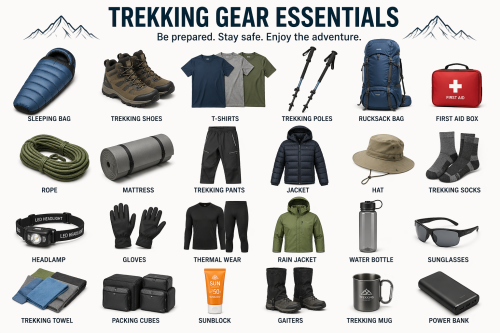
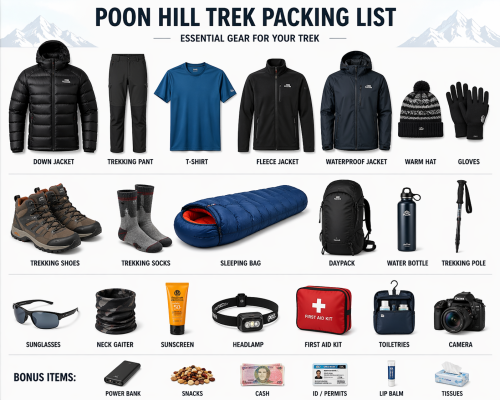
Packing well for trekking without a guide ensures comfort and safety. Essential items include layered clothing for varying temperatures, waterproof jackets, and sturdy trekking boots. Carry a warm sleeping bag, trekking poles, and a headlamp. A first aid kit with altitude sickness medication, painkillers, blister treatment, and bandages is crucial.

Bring navigation tools like maps, a compass, and a fully charged phone with offline maps. Water purification tablets or filters prevent illness from unsafe water. Snacks, a refillable water bottle, and sunscreen protect your energy and skin. A power bank helps keep electronics charged. Don’t forget toiletries, insect repellent, and a multi-tool. Packing light but comprehensively allows easier mobility and preparedness for emergencies.

Best Seasons for Solo or Independent Trekking in Nepal

The best trekking seasons in Nepal are autumn (late September to November) and spring (March to May). During these periods, the weather is generally stable with clear skies and moderate temperatures, ideal for trekking without a guide. Autumn offers stunning mountain views and vibrant festivals, while spring delights with blooming rhododendrons and pleasant weather.

Winter (December to February) is cold, especially at high altitudes, but lower routes remain accessible. Summer (June to August) is the monsoon season, bringing heavy rains, landslides, and leeches, making trekking risky. Solo trekkers should avoid monsoon months due to dangerous trail conditions. Planning your trek during autumn or spring maximizes safety and enjoyment, providing the best environment for independent trekking.

How to Hire Porters or Local Support Without a Guide

If trekking without a guide, you can still hire porters directly at trailheads or in villages. It is advisable to negotiate wages upfront and agree on the carrying capacity. Porters help carry heavy loads, allowing you to trek more comfortably. Hiring local porters supports the local economy and provides employment.

Use your basic Nepali or English to communicate clearly, or seek help from tea house owners or trekking agencies to find reliable porters. Always ensure porters are treated fairly, given proper meals, and adequate rest. Carrying your load is possible, but hiring porters enhances safety and reduces fatigue, especially on longer or difficult routes.

Language Tips for Communicating Without a Guide

Nepali is the official language of Nepal, but English is widely spoken in tourist areas and trekking regions. Learning basic Nepali phrases helps in daily interactions and shows respect for locals. Simple greetings like “Namaste” (Hello) and “Dhanyabad” (Thank you) go a long way. Phrases related to food, directions, and numbers help in negotiating and ordering.

Use body language and gestures to communicate when language barriers arise. Carry a small phrasebook or translation app for quick reference. Locals appreciate attempts to speak their language, which can improve your experience and facilitate help if needed.

How to Manage Altitude Sickness Without a Guide’s Support

Altitude sickness can be dangerous if untreated. Without a guide, you must monitor symptoms like headache, nausea, dizziness, and fatigue closely. Ascend slowly, allowing time for acclimatization by including rest days in your itinerary. Stay hydrated and avoid alcohol.

If symptoms worsen, descend immediately to a lower altitude. Carry medications like Diamox (acetazolamide) if prescribed by your doctor. Having oxygen and a pulse oximeter can help monitor oxygen levels. Know local health posts and emergency evacuation options. Taking responsibility for altitude sickness management is critical when trekking independently.

Local Resources and Information Centers for Independent Trekkers

Several local resources support independent trekkers. Tourism offices in Kathmandu and Pokhara provide maps, permit information, and safety advice. Conservation Area offices along trekking routes check permits and can assist with trail conditions. Some trekking agencies offer day services without full guiding packages.

Tea house owners and residents often have valuable knowledge about current weather, trail conditions, and lodging availability. Independent trekkers should visit information centers before starting and use local advice to adapt their plans. Having a list of emergency contacts and local resources helps ensure a smoother trek.

Technology and Apps to Help You Trek Without a Guide

Technology greatly aids solo trekking in Nepal. Offline map apps like Maps.me and Gaia GPS help with navigation even without internet. Weather apps provide forecasts to plan daily treks. Translation apps assist with language barriers. Emergency apps can alert contacts or local rescue teams.

Carry power banks and solar chargers to keep devices operational. Use social media or messaging apps to update friends or family. Some apps track altitude, pace, and health metrics, which is valuable for safety monitoring. Integrating technology with traditional trekking knowledge empowers independent trekkers.

Insurance and Safety Precautions for Independent Trekkers

Travel insurance covering trekking activities is essential for independent trekkers. Look for plans that include emergency evacuation, helicopter rescue, and medical treatment for altitude sickness. Carry a copy of your policy and emergency contact numbers.

Follow safety precautions such as informing someone of your itinerary, avoiding risky weather, and trekking with adequate gear. Learn first aid basics and recognize early signs of altitude sickness. Avoid trekking alone at night or in poor visibility. Proper insurance and safety measures minimize risks on your solo adventure.

How to Respect Local Communities While Trekking Without a Guide

Respecting local communities enriches your trek and preserves culture. Observe local customs, dress modestly, and ask permission before taking photos. Support local businesses by buying food, handicrafts, or hiring porters fairly.

Kids playing around the Everest region trek in Nepal

Avoid loud behavior or littering. Use water and resources sparingly, and follow conservation rules. Engage politely with locals and learn about their traditions. Independent trekkers bear responsibility for minimizing their impact and fostering goodwill through respectful behavior.

Personal Stories and Experiences of Trekking in Nepal Without a Guide

Many trekkers share inspiring stories of solo trekking in Nepal. Some speak of the freedom to explore hidden trails and connect deeply with nature. Others mention challenges like navigating difficult sections or facing altitude sickness alone. Stories often highlight kindness from strangers, local hospitality, and moments of self-discovery.

These experiences show that independent trekking can be rewarding but requires preparation and resilience. Sharing personal narratives helps future trekkers understand what to expect and how to prepare emotionally and physically for solo adventures.

Comparison: Trekking With a Guide vs. Trekking Without a Guide in Nepal

Trekking with a guide offers safety, local knowledge, cultural insight, and ease of logistics, especially for first-timers. Guides help with permits, accommodation, and altitude sickness management. The experience can be more social and educational.

Trekking without a guide provides autonomy, lower cost, and a more personal connection to the landscape. It demands more planning, navigation skills, and responsibility. The choice depends on your trekking experience, confidence, budget, and personal preferences. Both have unique advantages and challenges.

Legal Restrictions and Regulations About Trekking Without Guides in Nepal

Nepal does not legally require guides for most trekking routes, but some restricted areas like Upper Mustang or Manaslu Circuit Trek need special permits and sometimes mandatory guides for safety and preservation. Independent trekkers must carry valid permits and follow conservation regulations.

It’s important to check the latest government rules before trekking independently. Hiring guides in restricted regions supports local economies and ensures compliance with environmental laws. Ignoring legal restrictions can result in fines or being stopped by authorities.

How to Plan Your Own Trekking Itinerary Without a Guide

Planning your itinerary involves researching routes, distances, altitude profiles, and accommodation options. Start by choosing a trail matching your fitness and experience. Allocate the remaining days for acclimatization and emergencies. Use trekking forums, guidebooks, and maps for detailed information.

Arrange permits ahead of time and book flights or transportation. Consider the weather and the best trekking seasons. Have contingency plans for bad weather or health issues. Self-planning encourages flexibility and independence but requires thorough preparation and realistic pacing to ensure a safe and enjoyable trek.

Common Challenges Faced by Independent Trekkers in Nepal

Independent trekkers often face challenges like navigation errors, language barriers, altitude sickness, and unpredictable weather. Lack of local knowledge can cause missed routes or inefficient itineraries. Communication difficulties may complicate accommodation bookings or hiring porters.

Solo trekkers may feel isolated or unsafe in emergencies. Carrying heavy loads without porters adds physical strain. Trail closures and limited infrastructure during the off-season can pose problems. Awareness of these challenges and proactive planning help mitigate risks and improve the trekking experience.

How to Find Reliable Local Information Without a Guide

Reliable local information can be found at tourism offices, trekking agencies, tea houses, and conservation area posts. Talking to experienced trekkers and locals provides up-to-date trail and weather conditions. Online trekking forums and recent trip reports are helpful pre-trip resources.

Always verify information from multiple sources to avoid misinformation. Investing time in gathering accurate data ensures safer and smoother trekking. Building rapport with local hosts often leads to valuable advice and support during your journey.

© 2025

Safe Holiday Adventure Pvt. Ltd.

P.O.Box: 20065 Tarkeshwor-6, Kathmandu, Nepal
Cell: 00977 9849116284
Email: info@safeholidayadventure.com, safeholidayadventure@gmail.com

Europe Contact
Mark Brosius
mark.brosius@hotmail.com
Oude baan, 41, 3060 Bertem, Belgium


Trip Advisor Trust Pilot

We are associated with

Nepal GovernmentNTBTAANNMAKEEP

We accept