Safe Holiday Adventure
+977-9849116284 (Santosh) | info@safeholidayadventure.com
  Ask to Expert

10-Day Everest Base Camp Trek for Nepali Citizens

Are you a Nepali citizen dreaming of trekking to Everest Base Camp but struggling to find an agency that accepts local bookings? Don’t worry—Safe Holiday Adventure, proudly organizes the 10-day Everest Base Camp trek specially for Nepali travelers. While many agencies focus only on foreigners, we believe Everest is for all Nepalis too. Our package is affordable, well-managed, and includes experienced local guides, meals, permits, and flights. Whether you’re trekking solo or in a group, we’ll make sure your journey is smooth, safe, and unforgettable. Contact us today and let us help you reach the base of the world’s highest peak!

⦁ Medical examination or emergency rescue, ⦁ Donations, ⦁ Extra meals or snacks between provided meals, ⦁ Mineral water, tea, and Coffee, during the day ⦁ Tips for staff (Guide, Porter, etc.) ⦁ Other personal expenses – laundry, battery charging, shower, bar bills, bakery items, etc. lead by safe holiday adventure

10-Day Everest Base Camp Trek for Nepali Citizens – Introduction

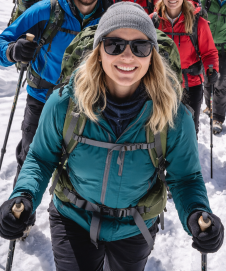
The Everest Base Camp Trek is one of the most popular and rewarding treks in Nepal. While many international tourists come each year to see Mount Everest, this trek is also a great adventure for Nepali citizens. It gives you a chance to explore the pride of your own country and walk through the stunning Himalayan trails that many people only dream of.

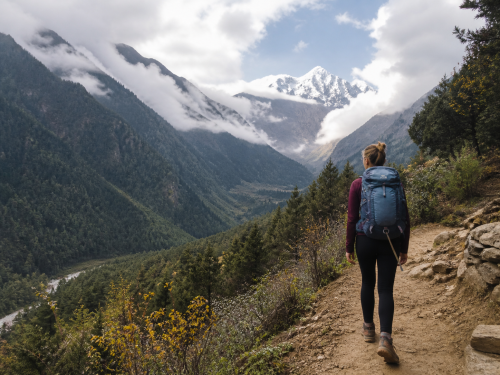
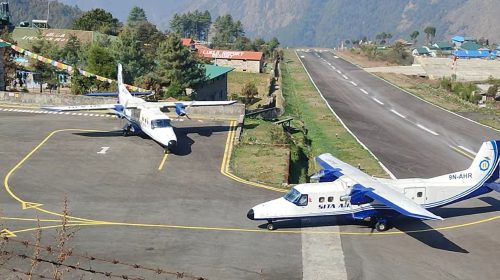
This 10-day trek begins with a scenic flight to Lukla, which is the gateway to the Everest region. From there, the trail leads you through beautiful villages such as Phakding, Namche Bazaar, Tengboche, Dingboche, and Lobuche. Along the way, you can see snow-covered mountains, Buddhist monasteries, and traditional Sherpa culture. These places are not only beautiful but also very peaceful and spiritual.

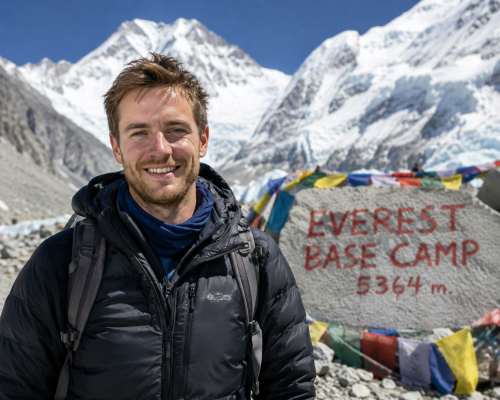
As you go higher, you’ll feel the excitement grow. The two main highlights of the trek are the visit to Everest Base Camp (5,364m) and the morning hike to Kala Patthar (5,545m), where you can enjoy the best close-up view of Mount Everest. The mountain views are clear and magical, especially in spring and autumn.

This trek is also a chance to meet other Nepali travelers who love nature and the mountains. With the right guide, good planning, and steady walking, most healthy Nepali people can complete this trek without major problems. It is not only an adventure but also a proud journey to the base of the world’s highest peak.

We offers this 10-day package at a fair price, with experienced guides and full support throughout the trek.


Best Time for Nepali Citizens to Trek Everest Base Camp – When to Go and Why

If you’re a Nepali citizen dreaming of reaching Everest Base Camp, choosing the right season is very important for safety, comfort, and the best mountain views. Luckily, Nepal offers two ideal trekking seasons: spring (March to May) and autumn (September to November).

Spring Season (March to May)

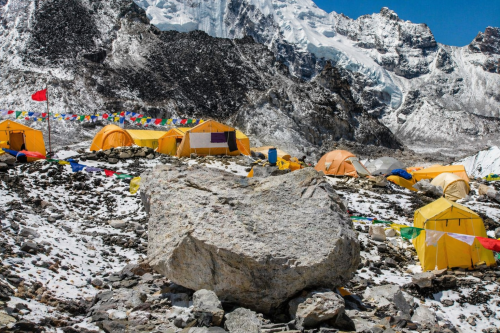
Spring is one of the best times to trek to EBC. The weather is generally clear and warm, making it easier to hike during the day. You’ll enjoy colorful rhododendron forests, stable skies, and excellent views of Everest, Lhotse, and Ama Dablam. It’s also the climbing season, so you may see mountaineers preparing for Everest expeditions at Base Camp.

Autumn Season (September to November)

Autumn is the most popular season for trekking to Everest Base Camp. After the monsoon rains, the air becomes fresh and clean, offering clear visibility, stunning views, and less chance of rain or snow. The weather is dry and stable, and trails are in the best condition. It’s perfect for local trekkers who want a safe and rewarding adventure.

When to Avoid

Try to avoid the monsoon season (June to August) due to slippery trails, landslides, and poor visibility. Mid-winter (late December to early February) can also be very cold, with snow and icy trails, making the trek much more difficult unless you are highly experienced.

Why It Matters for Nepali Trekkers

As a Nepali traveler, planning your trek during the right time helps you enjoy the best scenery, comfortable weather, and safer trail conditions. You’ll also meet other local and international trekkers, making the journey more enjoyable and social.

Why This Trek Is Ideal for Nepali Tourists

✔️ A chance to explore the crown jewel of Nepal — Everest Base Camp
✔️ Affordable and customizable package tailored for Nepali citizens
✔️ Culturally familiar surroundings and food during the trek
✔️ Explore historic Sherpa villages, monasteries, and mountain lifestyle
✔️ Walk alongside other Nepali adventurers and share the spirit of the Himalayas
✔️ Guided by professional Nepali guides with full safety management
✔️ Group joining and private trek options available


Key Highlights of the Trek

✅ Scenic mountain flight to Lukla

✅ Stay in historic Sherpa villages: Phakding, Namche, Tengboche

✅ Guided visit to Tengboche Monastery – the largest in Khumbu

✅ Hike to Everest View Hotel for a panoramic mountain scene

✅ Reach Everest Base Camp – the starting point of summit climbers

✅ Climb to Kala Patthar (5,545m) for up-close views of Everest

✅ Explore Sagarmatha National Park, a UNESCO World Heritage Site

✅ Cross glacial rivers, see yak caravans, and enjoy peaceful trails

✅ Taste authentic Himalayan food and connect with local culture

✅ Meet both Nepali and international trekkers from around the world


Is It a Challenging Trek for Nepali Tourist?

The Everest Base Camp Trek is a moderate to challenging hike due to its high altitude (up to 5,545m) and daily 5–7 hour walking schedule. However, with proper preparation, a steady pace, and a guided itinerary, most physically fit Nepali travelers can complete this trek without difficulty.

Our team provides full support, altitude care, and emergency backup — making it achievable even for first-time high-altitude trekkers.


Want More? Extend to Gokyo via Cho La Pass!

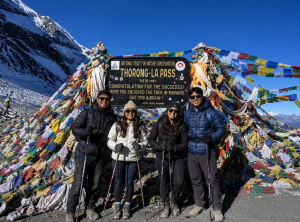
If you’re looking to make your Everest Base Camp trek even more exciting, you can add a 3 to 4-day extension to visit the beautiful Gokyo Valley. This route includes crossing either the Cho La Pass (5,420m) or Renjo La Pass (5,360m) — two of the most stunning high-altitude passes in the Everest region.

Why Add Gokyo to Your EBC Trek?

By extending your trek, you’ll explore Gokyo Lakes, a series of turquoise glacial lakes sitting quietly beneath some of the world’s highest peaks. These lakes are surrounded by dramatic mountains, peaceful landscapes, and fewer crowds compared to the main EBC trail. The views from Gokyo Ri (5,360m) are even more breathtaking, offering panoramic scenes of Everest, Lhotse, Makalu, and Cho Oyu.

If you choose the Cho La Pass route, you’ll walk over a rugged glacier trail between Dzongla and Gokyo, adding a thrilling adventure to your trip. Alternatively, Renjo La Pass offers a quieter path with wide views of the entire Everest range and deep into the Gokyo Valley.


Booking & Contact Details

📞 Call/WhatsApp (24/7): +977-9849116284
📧 Email: safeholidayadventure@gmail.com


Join the Everest Base Camp Trek and Make Your Dream a Reality

Don’t just see Everest in books or on TV — experience it with your own eyes.
With Safe Holiday Adventure Pvt. Ltd., you’re not just a tourist — you’re exploring your own Himalayan legacy.

Book now and receive free trekking gear rental (jackets, poles, sleeping bag) for Nepali trekkers!

Day 1: Kathmandu/Ramechhap to Lukla Flight – Trek to Phakding

  • Altitude: Lukla (2,840m) → Phakding (2,610m)

  • Trekking time: 3 to 4 hours

  • Ascent/Descent: Descend approx. 230m

After an early morning flight from Kathmandu or Ramechhap, you arrive at Lukla, the gateway to the Everest region. The flight itself is an exciting start, offering spectacular views of the Himalayan peaks and valleys. From Lukla, the trail gently descends through pine forests and alongside the fast-flowing Dudh Koshi River. You will cross several suspension bridges and pass small Sherpa villages, greeting locals who are busy with daily life. The day’s trek is relatively easy and helps you start your acclimatization slowly. You spend the night in cozy tea houses in Phakding, preparing for the more challenging days ahead.

Day 2: Trek from Phakding to Namche Bazaar

  • Altitude: 2,610m → 3,440m

  • Trekking time: 6 to 7 hours

  • Ascent: Approx. 830m

Today is a longer and more physically demanding day, with a steady climb toward Namche Bazaar, the largest village in the Khumbu region. The trail winds through lush rhododendron and pine forests, passing beautiful waterfalls and several suspension bridges over the roaring Dudh Koshi River. You enter Sagarmatha National Park, a protected area and UNESCO World Heritage site. The final section is a steep uphill climb to Namche Bazaar, a vibrant Sherpa trading town bustling with shops, cafes, and lodges. Here, you can explore local markets and prepare for your acclimatization day tomorrow. The breathtaking views of Mount Everest and Ama Dablam greet you as you arrive.

Day 3: Acclimatization Day in Namche Bazaar – Hike to Everest View Hotel and Surroundings

  • Altitude: Namche Bazaar (3,440m) → Everest View Hotel (3,880m)

  • Trekking time: 4 to 5 hours (round trip)

  • Ascent/Descent: Ascend approx. 440m, then descend

This day is vital for acclimatization and gives your body time to adjust to the higher altitude. You take a short trek from Namche Bazaar to the famous Everest View Hotel, which offers spectacular panoramic views of Everest, Lhotse, Nuptse, and Ama Dablam. Along the way, enjoy the fresh mountain air and stunning landscapes. You can also visit the local Sherpa museum and interact with friendly villagers to learn more about their culture and lifestyle. After the hike, return to Namche for a restful evening, preparing for the more challenging days ahead.

Day 4: Trek from Namche Bazaar to Tengboche

  • Altitude: 3,440m → 3,860m
  • Trekking time: 5 to 6 hours
  • Ascent/Descent: First descend 300m, then ascend approx. 720m

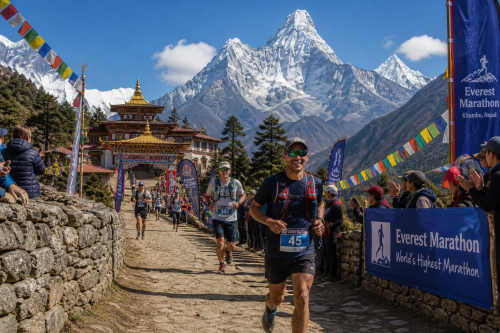
You start the day with a gentle trail that offers magnificent views of Everest, Nuptse, and Lhotse. After about 2 hours of walking, the path descends to the Dudh Koshi River at Phunki Tenga (3,250m), where you’ll stop for lunch. After that, a tough uphill section takes you through pine and rhododendron forests all the way to Tengboche. The highlight of this village is the famous Tengboche Monastery, the largest in the Khumbu region. From here, you get an incredible close-up view of Ama Dablam. It’s a peaceful place with great mountain energy.

Day 5: Trek from Tengboche to Dingboche

  • Altitude: 3,860m → 4,410m
  • Trekking time: 5 to 6 hours
  • Ascent: Approx. 550m

Today’s trail descends through a beautiful forest before crossing a suspension bridge over the Imja Khola River. You pass small Sherpa villages like Pangboche, where you can take a break and enjoy the views. The landscape becomes more open and dry as you ascend further into the alpine zone. You’ll reach Dingboche in the afternoon — a scenic village in a wide valley surrounded by stone-walled potato fields and snow-capped peaks. The air is thinner now, and you’ll feel the altitude more. You’ll stay overnight here, adjusting further before heading to higher ground.

Day 6: Trek from Dingboche to Lobuche

  • Altitude: 4,410m → 4,910m
  • Trekking time: 5 to 6 hours
  • Ascent: Approx. 500m

Leaving Dingboche, the trail gradually climbs toward Dughla, where you stop for tea or lunch. Then, you face a tough uphill to Thukla Pass (4,830m), where memorials of climbers who lost their lives on Everest are placed. It’s a moving place with a strong emotional feeling. After the pass, you walk along a rocky valley with stunning views of Lobuche Peak and Pumori. You arrive at Lobuche by late afternoon and rest for the night. The altitude gain is significant here, so you’ll walk slowly and stay hydrated.

Day 7: Trek from Lobuche to Gorak Shep – Hike to Everest Base Camp and Back

  • Altitude: Lobuche (4,910m) → Gorak Shep (5,140m) → Everest Base Camp (5,364m) → Return to Gorak Shep
  • Trekking time: 7 to 8 hours total
  • Ascent/Descent: Ascent approx. 450m round trip

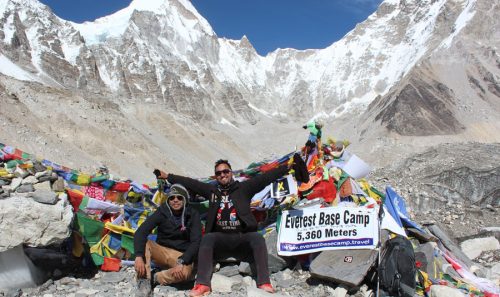
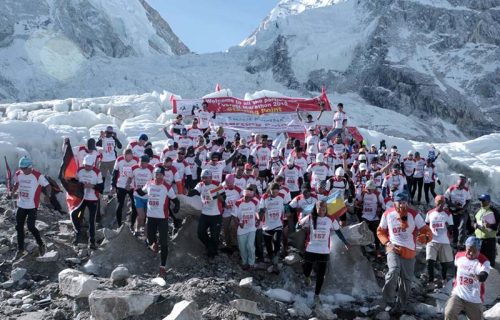
This is the most exciting day of the trek! You start early and walk toward Gorak Shep on a rough, glacier moraine trail. After reaching Gorak Shep and dropping your bags, you continue the final stretch to Everest Base Camp. The path is rocky and challenging, but the reward is unforgettable. Standing at Everest Base Camp (5,364m), you’ll see the mighty Khumbu Icefall and be surrounded by massive peaks. After taking photos and celebrating your achievement, you return to Gorak Shep for the night.

Day 8: Early Hike to Kala Patthar – Trek Down to Pheriche

  • Altitude: Gorak Shep (5,140m) → Kala Patthar (5,545m) → Pheriche (4,240m)
  • Trekking time: 7 to 8 hours
  • Ascent/Descent: Ascend 405m to Kala Patthar, then descend over 1,300m

You’ll start very early before sunrise to hike up to Kala Patthar, the best viewpoint of Mount Everest. From the top (5,545m), enjoy the golden sunrise shining on Everest, Nuptse, Pumori, and other peaks. It’s the highest point of your trek and a memory for life. After returning to Gorak Shep for breakfast, you begin the long descent down to Pheriche, a beautiful village located in a windy valley. The air feels thicker and more comfortable as you lose altitude.

Day 9: Trek from Pheriche to Namche Bazaar

  • Altitude: 4,240m → 3,440m
  • Trekking time: 6 to 7 hours
  • Descent: Approx. 800m

The trail takes you back through Pangboche and Tengboche, passing through lush forest trails with rhododendron and pine trees. You’ll stop for lunch at Phunki Tenga or Tengboche. After that, continue your descent toward Namche Bazaar, enjoying views of Everest and Ama Dablam one last time. After days of high-altitude trekking, Namche feels very comfortable. You can enjoy a good shower, recharge your phone, or explore the local shops again.

Day 10: Trek from Namche Bazaar to Lukla

  • Altitude: 3,440m → 2,840m
  • Trekking time: 6 to 7 hours
  • Descent: Approx. 600m

This is your final trekking day. You retrace your steps through forests, Sherpa villages, and suspension bridges. Though it’s downhill, it can still be hard on the knees, so take your time. Upon reaching Lukla, you’ll celebrate the completion of your Everest Base Camp adventure with your team. It’s your last night in the mountains, and a great time to reflect on your incredible journey.

What is included
  • Domestic airport pickup and drop-off facility
  • Domestic flight: Kathmandu to Lukla and back
  •  Teahouse accommodation during the trek
  • Meals (breakfast, lunch, dinner) with Tea In the Morning,
  • Experienced trekking Guide
  • All ground staff, with allowances and insurance
  • Medical kit
  • Safe Holiday’s duffle bag, and T-shirt,
What is not included
  • Medical examination or emergency rescue,
  • Donations,
  • Extra meals or snacks between provided meals,
  • Mineral water, tea, and Coffee, during the day
  •  Tips for staff (Guide, Porter, etc.)
  • Other personal expenses – laundry, battery charging, shower, bar bills, bakery items, etc.
Start Date End Date Price In US Dollar($) AVAILABILITY Booking
A private departures on any day all around the year can be arranged for this trek/tour, for more details and dates E-mail info@safeholidayadventure.com

AVAILABILITY OPTIONS

OPENED: This date is available and open for bookings.
LIMITED: There are very limited number of available places on this departure. Immediate booking.
GUARANTEED: We have reached minimum numbers and this trip is guaranteed to depart.
CLOSED: This date is currently unavailable. Please contact us, if you are interested in travelling on this date.

Your Program Duration = 10 days Days
All the Prices are in GBP (£) Per Person.

No Special Trekking Permit Required for Nepalis

Unlike foreigners, Nepali citizens do not need TIMS cards or special permits. However, Sagarmatha National Park entry (NPR 100) and local Khumbu Pasang Lhamu Rural Municipality fee (NPR 100) may still apply in some areas, and it’s best to carry your citizenship card or voter ID for verification.


Trek Preparation & Fitness

Although you are trekking in your own country, the trail is challenging, especially above 3,500m. You must be physically fit. Start basic walking/jogging practice 2–3 weeks in advance. Be ready for 5–8 hours of trekking per day, including steep ascents and descents.


Altitude Sickness Awareness

Even for Nepali trekkers, altitude sickness is common. Namche Bazaar (3,440m) and Gorakshep (5,164m) are high-altitude zones. Drink plenty of water, avoid alcohol, walk slowly, and take rest days. Consider carrying Diamox tablets as a precaution.


Right Clothing and Gear

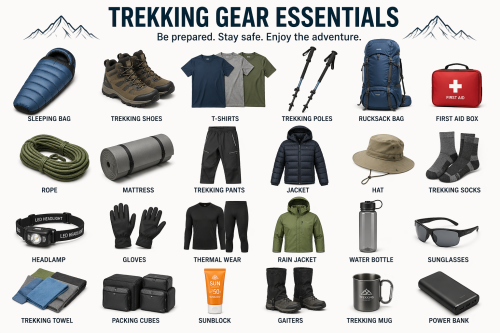
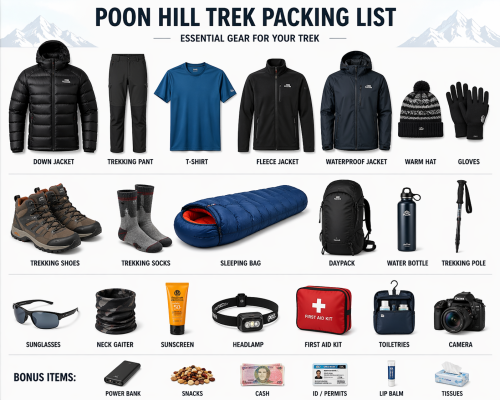
Weather in the Everest region is cold and unpredictable. Bring warm layers, a windproof jacket, gloves, hat, and good trekking shoes. A small backpack, water bottle, headlamp, and sunglasses are also important. Though you’re Nepali, be well-equipped.


Accommodation & Food

Most tea houses provide simple shared rooms with basic beds and blankets. Food is mostly dal bhat, noodles, potatoes, or Tibetan bread. Prices are lower for Nepali tourists compared to foreigners, but carry some cash (NPR) for the trek.


Network and Charging

Mobile networks (NTC/Ncell) work in some areas like Namche and Tengboche, but higher up they are weak or unavailable. Electricity is limited, and charging devices may cost extra. Bring a power bank.


Emergency Contact and Insurance

While insurance is optional for Nepali trekkers, it’s good to inform family or friends before you go. In case of emergency, helicopter rescue is possible, but costly if not insured. Stay safe and go with a guide if unsure.


Trek Budget

The average cost for Nepali trekkers is around NPR 90,000 to NPR 100,000 for a 10-day package. This includes flights, guide, porter, food, permits, and basic lodging. Prices may vary depending on the season and group size.

© 2025

Safe Holiday Adventure Pvt. Ltd.

P.O.Box: 20065 Tarkeshwor-6, Kathmandu, Nepal
Cell: 00977 9849116284
Email: info@safeholidayadventure.com, safeholidayadventure@gmail.com

Europe Contact
Mark Brosius
mark.brosius@hotmail.com
Oude baan, 41, 3060 Bertem, Belgium


Trip Advisor Trust Pilot

We are associated with

Nepal GovernmentNTBTAANNMAKEEP

We accept