
11 Aug 2026 13 min to read
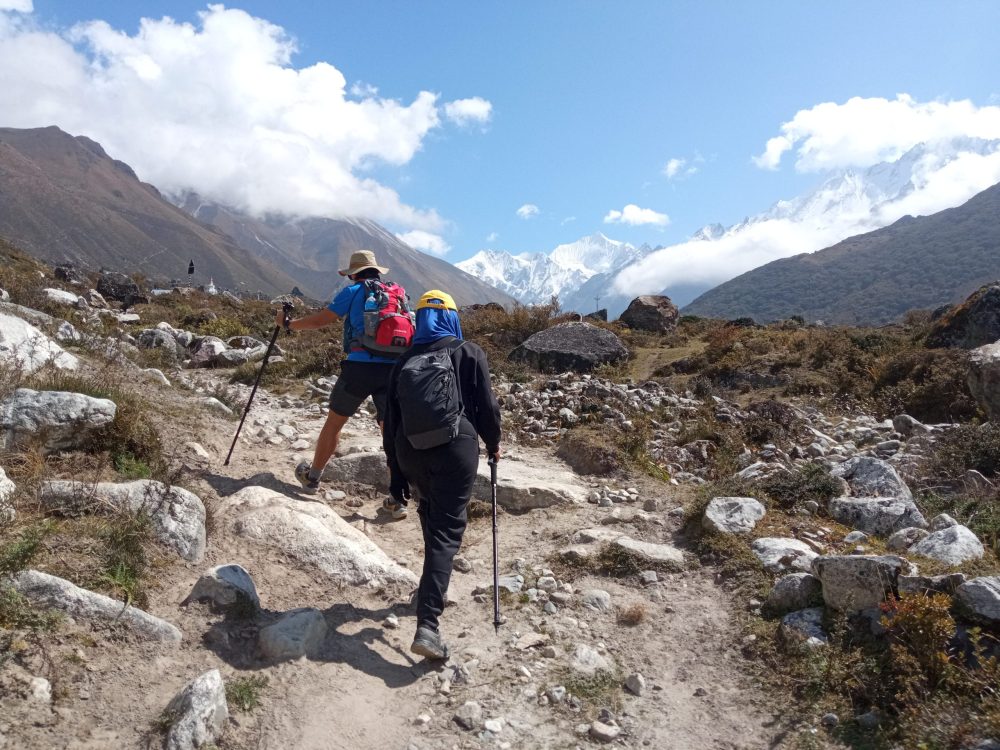
Tucked away just north of Kathmandu, Langtang National Park holds a special place in Nepal’s conservation history as the country’s first national park in the Himalayan region. Established in 1976 and spread across roughly 1,710 square kilometers in the Rasuwa, Nuwakot, and Sindhupalchok districts, the park stretches from lush subtropical forest at lower elevations all the way up to the icy heights of Langtang Lirung, which towers above 7,200 meters. This dramatic range in altitude is exactly what makes the park so ecologically diverse, and so rewarding to explore.
What sets Langtang apart from more famous trekking regions like Everest or Annapurna is its blend of accessibility and quiet authenticity. It’s one of the closest Himalayan wilderness areas to the capital, yet trails here see far fewer crowds, offering trekkers a more peaceful encounter with glacial valleys, rhododendron forests, and traditional Tamang villages that still carry strong Tibetan Buddhist influences.
Beyond its scenery, the park is a genuine wildlife sanctuary. It shelters red pandas, Himalayan black bears, musk deer, and elusive snow leopards, alongside more than 250 species of birds, including Nepal’s national bird, the danphe. For nature lovers and culture seekers alike, Langtang National Park offers a rare combination: rugged Himalayan wilderness paired with living mountain traditions, all within reach of a shorter, less commercialized journey than its better-known neighbors.
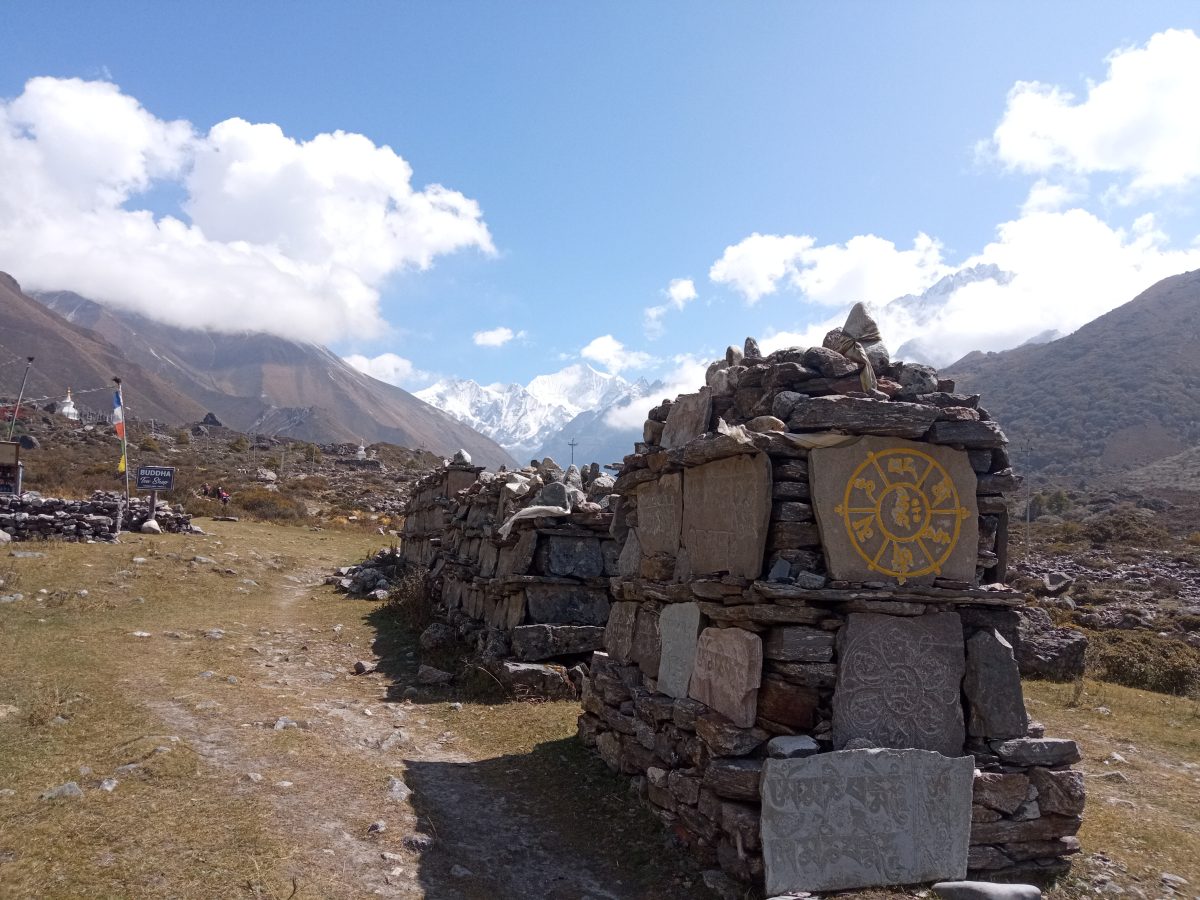
Langtang National Park lies in central Nepal, approximately 130 km north of Kathmandu. The park extends toward the Tibetan border and is dominated by spectacular Himalayan peaks, including Langtang Lirung (7,245 m).
The park was established in 1976 and covers about 1,710 square kilometres. It is one of Nepal’s major protected areas and contains a striking variety of ecosystems.
For trekkers, the most important gateway is usually Syabrubesi, while Dhunche serves as the park headquarters and another important access point.
Despite being relatively close to Kathmandu, the landscape changes dramatically as you move deeper into the valley. Terraced hills and villages gradually give way to dense forests, waterfalls, rugged cliffs, glacial landscapes, and high mountain valleys.
Langtang offers an excellent balance between accessibility and wilderness.
Unlike some longer Himalayan journeys, you do not need weeks of transportation and acclimatization simply to reach the trailhead. The region can be reached by road from Kathmandu, making it particularly attractive for travelers with limited time.
Here are some of the main reasons to consider Langtang:
The Nepal Tourism Board describes Langtang as a combination of natural beauty and cultural richness, with Tamang culture forming an important part of the experience.
The best seasons for trekking in Langtang are generally spring and autumn.
Spring brings warmer conditions and colorful rhododendron forests. March can still feel cold at higher elevations, while April and May are generally more comfortable for trekking.
The lower and middle sections of the trail become especially attractive when rhododendrons are flowering.
Autumn is traditionally one of the best periods for trekking in Langtang. After the summer monsoon, the atmosphere often becomes clearer, creating excellent mountain views.
October and November are also popular months, so accommodation can become busier on the classic routes.
Winter brings cold temperatures and snow at higher elevations. The lower sections may remain accessible, but conditions around Kyanjin and high passes can become considerably more difficult.
If you plan to trek during winter, check current trail and weather conditions before departure.
The summer monsoon brings rain, slippery trails, clouds, and possible landslides. Trekking is still possible in some circumstances, but it is generally less predictable.
The Nepal Tourism Board identifies October–November and March–May as the main recommended seasons for Langtang, with winter bringing snow at higher elevations and monsoon conditions from June to September.
Langtang is not just one trekking trail. Several routes allow you to experience different sides of the park.
The Langtang Valley Trek is the classic choice.
Most itineraries begin around Syabrubesi and follow the Langtang River through forests and traditional settlements before reaching the upper valley and Kyanjin Gompa.
Kyanjin is one of the major highlights of the trek. From here, trekkers can spend an additional day exploring the surrounding mountains, viewpoints, and glacial landscape.
Depending on your itinerary and pace, the trek can be planned as a relatively short Himalayan adventure or extended with additional acclimatization and exploration days.
Kyanjin Gompa is more than simply a stopping point.
The village sits in an impressive high-altitude setting surrounded by Himalayan peaks and offers access to several viewpoints and side hikes.
An extra day here can make a major difference to the experience. Instead of arriving, sleeping, and immediately descending, you can use the day to explore the upper valley and nearby viewpoints.
Gosaikunda Lake is one of the most important religious and natural attractions in the Langtang region.
Situated at approximately 4,380 metres, the sacred lake attracts both trekkers and Hindu and Buddhist pilgrims. The wider Gosaikunda area contains several high-altitude lakes and forms part of the Langtang protected landscape.
The Gosaikunda route can also be connected with the Helambu region, creating a longer Himalayan journey.
For travelers interested in culture as much as mountains, the Tamang Heritage Trail is an excellent alternative.
The route passes through traditional Tamang settlements where travelers can experience local architecture, food, customs, and hospitality.
The Nepal Tourism Board notes that the trail can connect places including Gatlang, Thuman, Timure, and Briddim, with options to connect onward toward the Langtang trek.
For experienced trekkers looking for a more challenging route, Ganja La provides a considerably more demanding adventure.
The pass reaches approximately 5,122 metres, so this route requires appropriate acclimatization, preparation, and favorable mountain conditions.
It should not be treated like a standard teahouse walk.
Permit requirements are one of the most important things to check before your trek.
According to the current Nepal Tourism Board information, the Langtang National Park entry fee for foreign visitors is NPR 3,000 per person per entry, while SAARC nationals pay NPR 1,500. Children below 10 years are listed as free.
The TIMS system also matters.
Current Nepal Tourism Board guidance lists the Langtang Trek, Langtang Gosaikund Trek, Tamang Heritage Trek, Tamang Heritage Langtang Trek, Ganja La Pass Trek, and other Langtang routes among routes covered by the revised TIMS provisions. The listed TIMS charge is currently NPR 2,000 for non-SAARC applicants and NPR 1,000 for SAARC applicants.
Because trekking regulations can change, check the latest official requirements before departure rather than relying on an old blog or forum post.
This is an important question for anyone planning a Langtang trek independently.
Current Nepal Tourism Board guidance states that the revised TIMS provisions apply to Langtang trekking routes and require trekkers on listed routes to be accompanied by a licensed trekking guide and carry a trekking-agency-issued TIMS card.
Therefore, travelers planning a 2026/2027 Langtang trek should verify the current guide and TIMS requirements when booking.
A guide can also be useful for more than paperwork. Local guides understand changing trail conditions, weather, accommodation availability, altitude issues, and local customs.
Accommodation along the main Langtang routes is primarily based around teahouses and mountain lodges.
Facilities vary from village to village. In lower settlements, you may find relatively comfortable rooms and dining facilities, while higher villages offer more basic accommodation.
The Nepal Tourism Board confirms that lodges, teahouses, and camping options are available in the region.
Do not expect luxury-hotel standards at high altitude. The attraction is the experience: a warm dining room, simple food, a basic bed, and mountain views outside your window.
During peak trekking seasons, booking ahead can be useful, particularly for popular stops.
Dal bhat remains one of the most practical meals during a Nepal trek. It is filling, familiar, and widely available.
You can also find noodles, soups, potatoes, eggs, rice, pasta, momos, pancakes, tea, and other simple meals depending on the lodge.
At higher elevations, keep your diet simple and stay hydrated.
For drinking water, avoid assuming that clear mountain water is automatically safe. Use treated, filtered, or otherwise properly purified water.
Carrying reusable bottles also reduces the amount of plastic waste generated along the trail.
Altitude is one of the most important considerations on a Langtang trek.
The elevation rises significantly as you travel from the lower valley toward Kyanjin and the surrounding high points. The challenge is not simply physical fitness; your body needs time to adapt to thinner air.
A sensible itinerary should avoid rushing upward.
Watch for symptoms such as headache, unusual fatigue, dizziness, nausea, or shortness of breath. If symptoms become severe or worsen, descend and seek medical assistance rather than continuing higher.
The safest approach is to build gradual elevation gain and allow adequate time for acclimatization.
Langtang is also a wildlife destination, although spotting animals in the wild requires patience and luck.
The park is home to species including red panda, Himalayan tahr, musk deer, Himalayan black bear, goral, serow, langur, rhesus monkey, and snow leopard. Nepal Tourism Board information also lists hundreds of bird species, including Himalayan pheasants.
The red panda is one of the park’s most famous animals, but it is elusive. Do not plan your trek around seeing one.
Instead, enjoy the broader experience of walking through changing Himalayan ecosystems.
Your packing list should change depending on the season and itinerary.
Essential items include:
For winter or high-pass itineraries, additional cold-weather equipment may be necessary.
The golden rule is simple: pack for the highest point of your trek, not the temperature in Kathmandu.
The journey normally begins in Kathmandu.
Road travel takes you north toward the Rasuwa district and the Langtang trekking area. Dhunche and Syabrubesi are important gateways, with Syabrubesi commonly used as the starting point for the Langtang Valley Trek.
The Nepal Tourism Board lists Dhunche at approximately 117 km by road from Kathmandu.
Travel time can vary considerably because mountain roads are affected by traffic, weather, road conditions, and seasonal disruptions.
For this reason, avoid scheduling an important international flight immediately after your trek without a reasonable buffer.
A classic Langtang Valley itinerary can often be completed in around 7–10 days, depending on transportation, walking pace, acclimatization, and side trips.
A longer itinerary may include:
There is no single perfect itinerary. The right duration depends on your fitness, experience, available time, and whether you want a relaxed cultural journey or a more demanding mountain trek.
Langtang is a protected area, so responsible travel matters.
Carry your rubbish with you, minimize single-use plastic, use established trails, respect wildlife, and ask before photographing local people.
Support local teahouses, guides, porters, and community businesses whenever possible.
The region’s natural beauty is inseparable from its communities. A respectful trek benefits both the visitor and the people who live along the trail.
Langtang offers something that is increasingly valuable in Himalayan travel: a relatively accessible mountain journey without sacrificing dramatic scenery or cultural depth.
You can begin near Kathmandu and, within a few days, find yourself walking beneath towering Himalayan peaks, passing through forests, visiting mountain monasteries, and exploring high-altitude valleys.
The Langtang Valley Trek is the obvious starting point, but the wider park rewards travelers who stay longer. Gosaikunda adds a sacred high-altitude landscape, the Tamang Heritage Trail adds cultural depth, and more challenging routes provide opportunities for experienced trekkers.
If you are planning a Nepal trekking holiday for 2026 or 2027, Langtang deserves serious consideration.
Just remember that permits, TIMS procedures, transportation, trail conditions, and local regulations can change. Check current official information before setting out.
Langtang is known for Himalayan scenery, Langtang Valley, Kyanjin Gompa, Gosaikunda, Tamang culture, forests, glaciers, and wildlife including the red panda.
October, November, April, and May are among the most popular months. March can also be good, particularly as spring conditions develop. Weather varies with altitude and year.
The elevation changes substantially along the route. Kyanjin Gompa is around 3,870 metres, while nearby viewpoints and passes climb significantly higher.
The current Nepal Tourism Board listing gives a foreign visitor fee of NPR 3,000 per person per entry and NPR 1,500 for SAARC nationals.
Current Nepal Tourism Board guidance lists Langtang routes under the revised TIMS provisions. Trekkers should arrange the required TIMS through a registered trekking agency and travel with a licensed guide as required by the current rules.
Yes, the classic Langtang Valley route can be suitable for reasonably fit beginners when undertaken with a sensible itinerary and proper acclimatization. More demanding routes and high passes require greater experience and preparation.
Langtang National Park is one of Nepal’s most rewarding Himalayan destinations for travelers who want mountains, culture, nature, and adventure in one journey.
It is close enough to Kathmandu to fit into a relatively short holiday, yet deep enough in the Himalayas to feel genuinely remote.
For 2026/2027, plan around the season, allow enough time for acclimatization, arrange the correct permits and TIMS requirements, and keep your itinerary flexible enough to respond to mountain weather.
Most importantly, do not rush Langtang.
Walk slowly. Stay an extra night when you can. Talk with local people. Look up from the trail.
The mountains are the destination, but the journey through the valley is what makes Langtang unforgettable.

Introduction Kathmandu doesn’t ease you in. You step out of the airport into a chorus of horns
Continue Reading
Every Everest Base Camp trekking package includes a line item for “guide” and “por
Continue Reading
Understanding Everest Base Camp Trek Permits Cost is one of the first things every Everest Region tr
Continue Reading
Introduction Namche Bazaar is the beating heart of the Khumbu region and the first major stop for ev
Continue Reading
Standing at the foot of the world’s highest mountain is a moment that stays with you forever.
Continue Reading
The Everest Base Camp trek is moderate to hard. There is no climbing, no ropes and no technical skil
Continue Reading