
25 Jun 2026 8 min to read
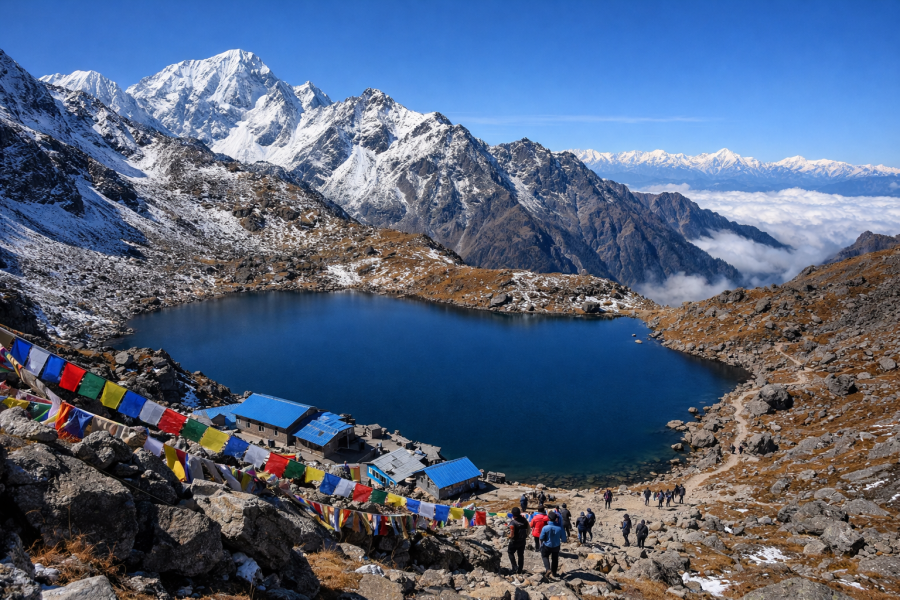
The Langtang Gosaikunda Trek Cost is one of Nepal’s most beautiful and rewarding trekking adventures. Combining the spectacular Langtang Valley, traditional Tamang villages, dense rhododendron forests, high mountain landscapes, and the sacred alpine lakes of Gosaikunda, this trek offers an unforgettable Himalayan experience at a surprisingly reasonable cost.
One of the most frequently asked questions by trekkers is: How much does the Langtang Gosaikunda Trek cost?
The simple answer is that a fully organized Langtang Gosaikunda Trek package typically costs between USD 600 and USD 1,200 per person. However, there is no single fixed price. The final cost depends on several factors, including group size, guide and porter services, transportation choices, hotel standards, trip duration, and the level of comfort you wish to enjoy throughout the journey.
A budget-conscious trekker joining a group may pay close to USD 600–700, while travelers seeking private services, upgraded accommodation, private transportation, and personalized support may spend USD 1,000–1,200 or more.
| Service | Typical Cost (USD) |
|---|---|
| Langtang National Park Permit | $25–35 |
| TIMS Card (if applicable) | $10–20 |
| Guide (per day) | $30–40 |
| Porter (per day) | $20–30 |
| Tea House Accommodation | $5–15 per night |
| Breakfast | $4–8 |
| Lunch | $5–10 |
| Dinner | $6–12 |
| Tea / Coffee | $1–4 |
| Hot Shower | $2–5 |
| Device Charging | $1–4 |
| Wi-Fi / Internet | $2–5 |
| Kathmandu Hotel (Standard) | $25–60 per night |
| Kathmandu Hotel (Deluxe) | $70–150+ per night |
| Airport Pick-up | $10–20 |
| Airport Drop-off | $10–20 |
| Shared Jeep/Bus Transportation | $15–40 |
| Private Jeep Transportation | $180–350 per vehicle |
Note: Prices are approximate and may vary depending on the season, location, service provider, and exchange rates.
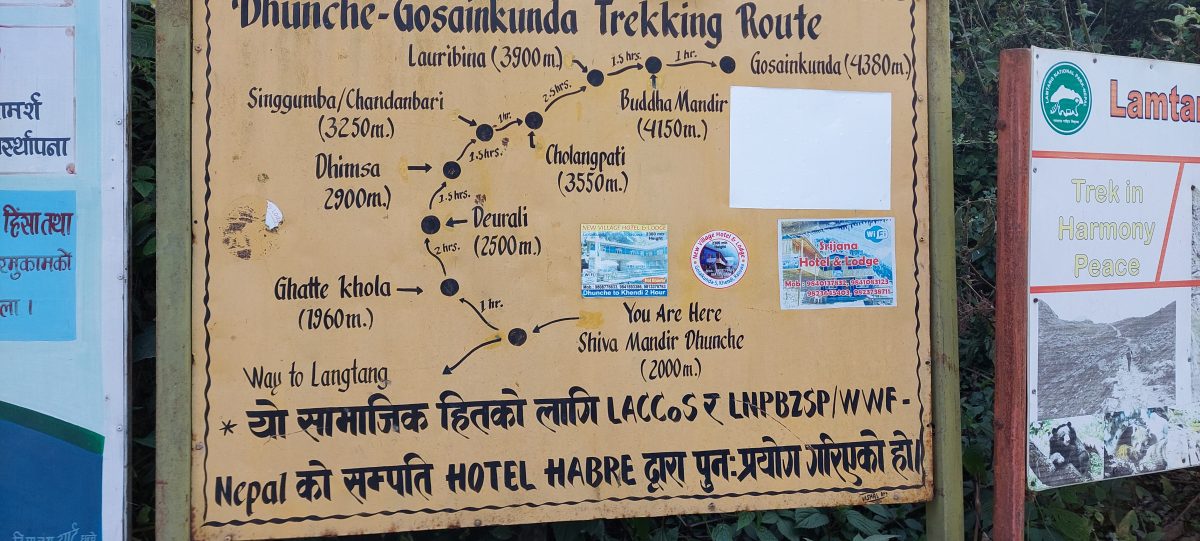
Many trekkers notice that different trekking companies advertise different prices for what appears to be the same trek. The reason is simple: not all trekking packages include the same services.
Some operators focus on budget travel and provide basic services, while others offer more personalized experiences with experienced guides, porter support, private transportation, better accommodation, and additional safety measures.
When comparing trekking packages, it is important to look beyond the advertised price and carefully examine what is included. A slightly higher-priced package may provide significantly better value through improved service and comfort.
The number of trekkers in your group is one of the most important factors affecting the final cost.
Solo trekkers generally pay the highest price because transportation, guide fees, and logistical expenses are not shared with anyone else. Even if only one person joins the trek, the company must still arrange guides, permits, transportation, and support services.
For groups of two or more people, many expenses can be shared. Transportation costs are divided among participants, and guide expenses become more affordable on a per-person basis.
Larger groups often receive the best prices because operational costs are spread across multiple trekkers. This is why many trekking companies offer group discounts.
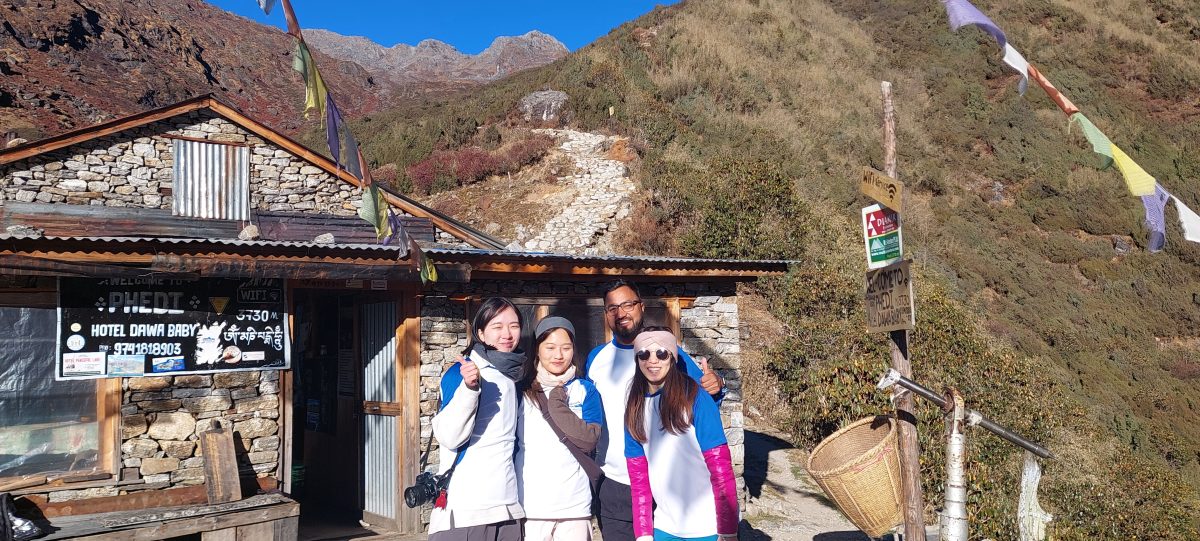
A professional licensed guide is highly recommended for the Langtang Gosaikunda Trek. Guides provide route navigation, local cultural knowledge, weather information, safety assistance, and emergency support when needed.
Guide costs usually range between USD 30 and USD 40 per day depending on experience and qualifications.
A porter carries trekking bags and equipment, allowing trekkers to walk comfortably while conserving energy for the more challenging sections of the route.
Porter costs generally range between USD 20 and USD 30 per day. One porter can often carry luggage for two trekkers, making porter services more affordable for couples and small groups.
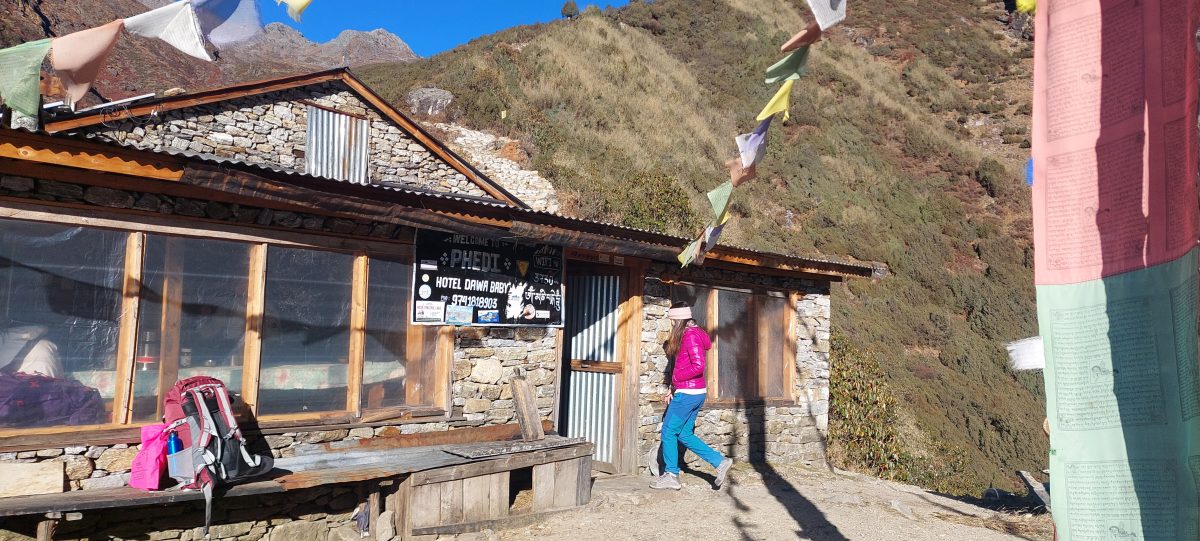
Accommodation during the Langtang Gosaikunda Trek is mainly provided by local tea houses and mountain lodges. These family-run lodges offer trekkers a warm and comfortable place to rest after a long day on the trail. Although the facilities are generally simple, they provide everything needed for a pleasant trekking experience in the Himalayas.
Most tea houses offer basic twin-sharing rooms equipped with two single beds, a mattress, pillow, blanket, and bed sheet. The rooms are usually small and designed primarily for sleeping rather than spending long periods indoors. In many villages, bathrooms are shared among guests, although a few lodges in lower elevations may provide attached bathrooms and private facilities.
Accommodation standards vary depending on the village and altitude. Lower villages such as Syabrubesi, Lama Hotel, and Langtang Village often have more comfortable lodges with better facilities. As trekkers move higher toward Kyanjin Gompa, Lauribina, and Gosaikunda, accommodation becomes more basic due to the remote mountain environment and the difficulty of transporting building materials and supplies.
The cost of accommodation generally ranges from USD 5 to USD 15 per night per room. In lower elevations, rooms may cost around USD 5 to USD 8, while higher-altitude lodges near Gosaikunda can charge USD 10 to USD 15 or more during the busy trekking seasons. Prices may also vary depending on room type, location, and seasonal demand.
Many tea houses keep room prices relatively low because they earn most of their income from food and drinks. For this reason, trekkers staying in a lodge are usually expected to eat their meals at the same establishment. Purchasing breakfast, lunch, and dinner from the tea house helps support local families and businesses operating in the region.
During the peak trekking seasons of spring (March to May) and autumn (September to November), popular lodges can fill quickly. Trekkers may occasionally need to share rooms or stay in more basic accommodations if they arrive late in the afternoon. Booking through a trekking company or local guide often helps secure accommodation in advance, especially during busy months.
Most lodges provide a communal dining hall with a wood stove in the center. This warm gathering area becomes the social hub of the evening, where trekkers relax, enjoy meals, charge devices, and exchange stories from the trail. While bedrooms are usually unheated, the dining room offers a cozy atmosphere during cold mountain nights.
Additional services such as hot showers, Wi-Fi, device charging, and boiled drinking water are usually available for an extra fee. These services typically become more expensive at higher elevations because supplies must be carried by porters or transported by mules. Trekkers should budget a small amount of extra cash for these optional expenses.
For travelers booking a complete trekking package, accommodation costs are often included in the overall trek price. This makes budgeting easier and eliminates the need to pay for rooms separately during the trek. However, independent trekkers should still plan for daily accommodation expenses as part of their overall trekking budget.
Overall, accommodation on the Langtang Gosaikunda Trek is simple, welcoming, and perfectly suited to the mountain environment. While luxury facilities are limited, the warmth of local hospitality, stunning mountain surroundings, and authentic Himalayan atmosphere create a memorable experience that is far more valuable than modern comforts.
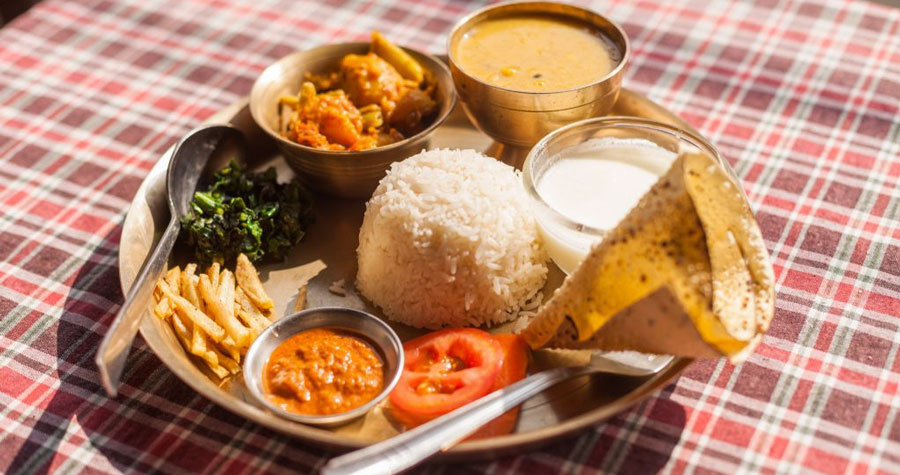
Food costs increase gradually as you move higher into the mountains because supplies must be transported by porters, mules, or local carriers.
A typical breakfast costs between USD 4 and USD 8, while lunch generally ranges from USD 5 to USD 10. Dinner is usually the largest meal of the day and may cost between USD 6 and USD 12.
Popular trekking meals include Dal Bhat, fried rice, noodles, soups, Tibetan bread, potatoes, eggs, pancakes, and seasonal vegetables.
Many trekking packages include three meals per day, helping trekkers avoid unexpected expenses during the trek.
Transportation is another significant part of the overall trekking budget.
Budget packages often use public buses or shared jeeps, which help keep costs low. Shared transportation is a popular option for independent travelers and small groups.
Private jeep transportation offers greater comfort, flexibility, and convenience. It is particularly popular among families and private groups who prefer a smoother travel experience.
Choosing private transportation can increase overall costs but often improves comfort significantly.
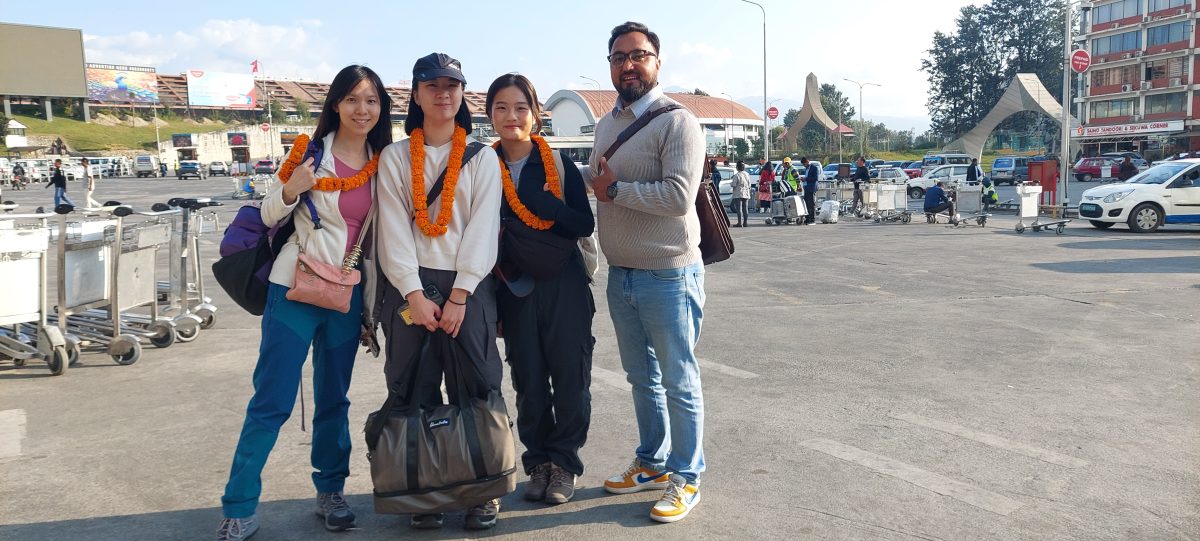
Most trekkers spend at least one or two nights in Kathmandu before and after the trek.
Standard hotels generally cost between USD 25 and USD 60 per night, while deluxe hotels may range from USD 70 to USD 150 or more.
Airport transfers are often included in organized trekking packages. When booked separately, airport pick-up and drop-off services generally cost between USD 10 and USD 20 each way.
These services may seem minor, but they contribute to the overall convenience of the trip.
Every trekker must obtain the required permits before entering the Langtang region.
Permit fees contribute to conservation, trail maintenance, environmental protection, and local tourism management.
Most organized trekking companies include permit costs in their package price, eliminating the need for trekkers to arrange permits independently.
Always verify permit inclusions when comparing different trekking packages.
The cheapest package is not always the best value.
When comparing offers, consider the experience of the guide, quality of accommodation, transportation arrangements, safety standards, porter services, company reputation, and overall itinerary quality.
A well-organized package may cost slightly more but can greatly improve comfort, safety, and enjoyment throughout the trek.
The Langtang Gosaikunda Trek cost typically ranges from USD 600 to USD 1,200 per person, depending on the services included and the overall trekking style you choose.
Factors such as group size, guide and porter support, transportation, hotel standards, trip duration, and personal preferences all influence the final price.
For trekkers seeking outstanding mountain scenery, authentic local culture, sacred Himalayan lakes, and excellent value for money, the Langtang Gosaikunda Trek remains one of the best trekking adventures in Nepal. Whether you choose a budget-friendly group departure or a fully customized private trek, the memories and experiences gained along this spectacular route are worth every dollar spent.
This format is much stronger for SEO and conversions because readers immediately see a cost table, then detailed explanations of each expense category, which keeps them on the page longer and answers nearly every cost-related question.

Introduction Kathmandu doesn’t ease you in. You step out of the airport into a chorus of horns
Continue Reading
Every Everest Base Camp trekking package includes a line item for “guide” and “por
Continue Reading
Understanding Everest Base Camp Trek Permits Cost is one of the first things every Everest Region tr
Continue Reading
Introduction Namche Bazaar is the beating heart of the Khumbu region and the first major stop for ev
Continue Reading
Standing at the foot of the world’s highest mountain is a moment that stays with you forever.
Continue Reading
The Everest Base Camp trek is moderate to hard. There is no climbing, no ropes and no technical skil
Continue Reading