

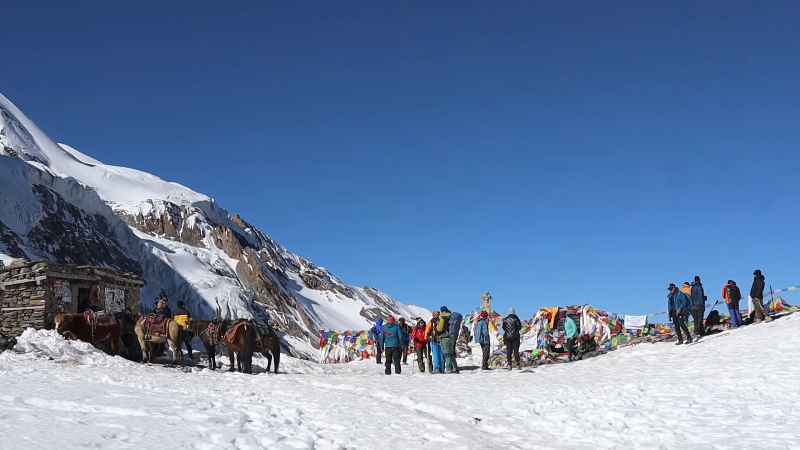

Tilicho Lake and Thorong la Pass Trek Highlights: Highlights
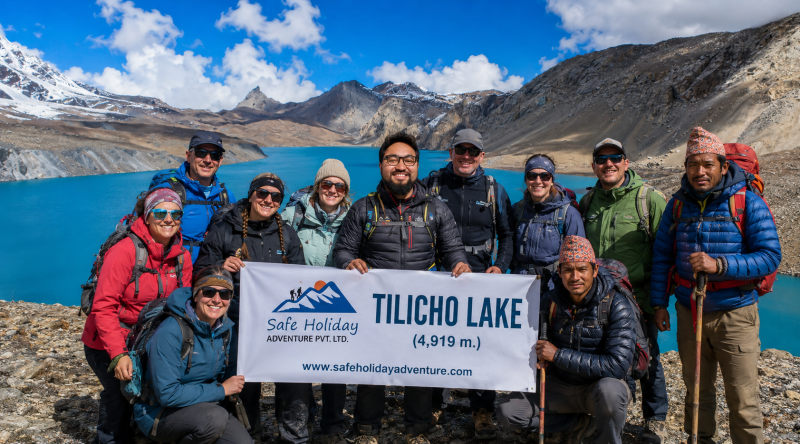
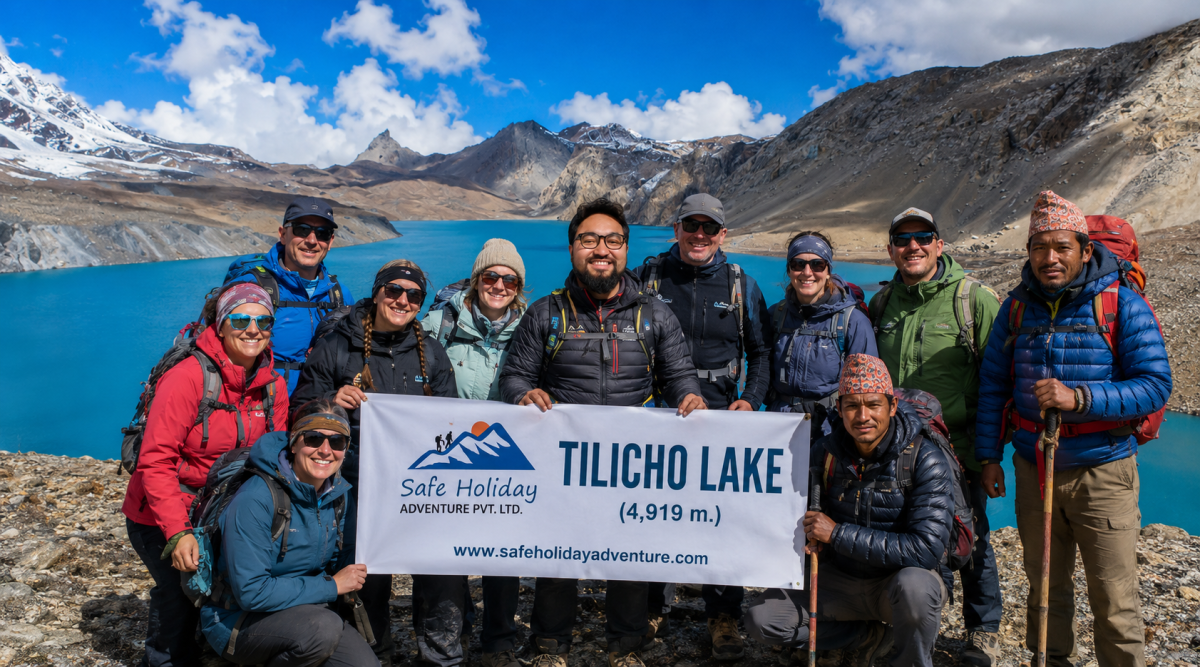
- Trekking to Tilicho Lake: Reach the highest lake in the world at an altitude of 4,919 meters.
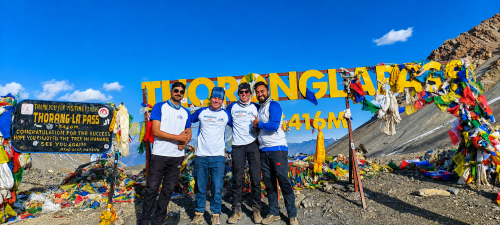
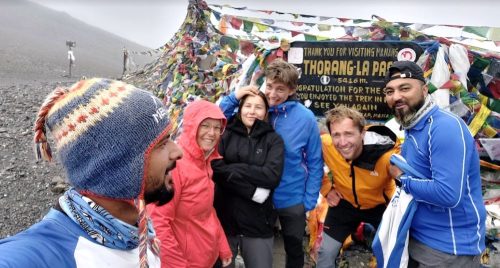
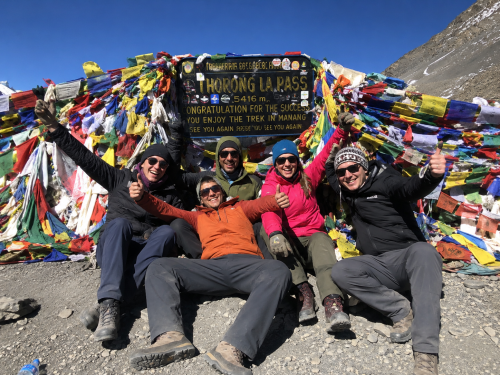
- Crossing Thorong-La Pass: Conquer the highest point of the trek at 5,416 meters.
- Passing through lush Rhododendron forests: Walk through vibrant forests in full bloom during the spring season.
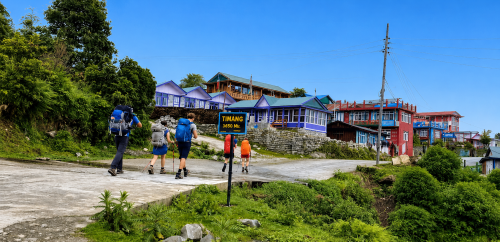
- Exploring traditional villages: Discover authentic mountain culture, lifestyle, and local traditions.
- Challenging high-altitude sections (Yak Kharka & Thorong Phedi): Experience demanding terrain and gradual acclimatization zones.
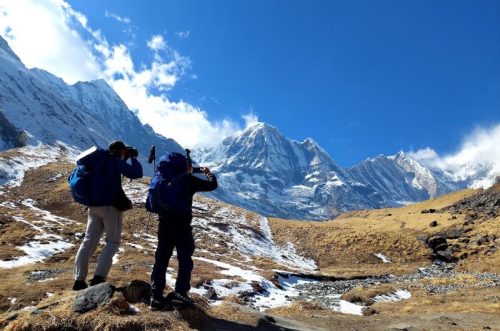
- Panoramic Himalayan views: Admire breathtaking sights of Annapurna South, Annapurna I, Dhaulagiri, and Thorong Peak.
- Gazing at Kali Gandaki Valley: Witness the deepest gorge in the world, carved between towering Himalayan ranges.
- Spotting diverse wildlife: Encounter musk deer, blue sheep, snow leopards, and various Himalayan bird species.
- Experiencing varied landscapes: Journey through lush forests, alpine terrain, and dramatic high-altitude passes across the Himalayas.
Tilicho Lake & Thorong la Pass Trek Introduction: Overview
The Tilicho Lake and Thorong La Pass Trek is an exceptional adventure that merges the breathtaking beauty of Tilicho Lake with the renowned Annapurna Circuit (Round Annapurna Trek). This trek offers a captivating journey through the Annapurna region of Nepal, showcasing diverse landscapes from lush forests and terraced fields to alpine meadows and glaciers. It provides stunning views of the Annapurna and Dhaulagiri ranges and immerses trekkers in the rich cultural tapestry of the local communities.
The adventure begins with an arrival in Kathmandu, where you’ll be greeted and transported to your hotel. This vibrant city serves as the gateway to the Himalayas Everest, Manaslu, Langtang, and Annapurna Region mainly) and is where you’ll meet your trek leader and finalize preparations. The next day, you drive from Kathmandu to Besishahar(6 hours), a scenic journey that introduces you to the beautiful landscapes and small towns of Nepal.
From Besisahar, the trek officially begins as the trail follows a mix of lush forests, terraced fields, and mountain landscapes toward Chame, the administrative center of Manang District. The trail can be steep and rocky in places, but the changing scenery and views of the Annapurna and Dhaulagiri ranges make the walk rewarding. From Chame, the route continues to Pisang, where staying overnight at Upper Pisang Village is highly recommended for its beautiful views of Annapurna and the chance to experience the local mountain culture. The following day takes you toward Manang, where you spend an important acclimatization or rest day. This break allows your body to adjust to the increasing altitude and helps reduce the risk of altitude sickness. You can also explore the village, visit local temples, or simply enjoy the spectacular Himalayan surroundings.
After acclimatizing in Manang, the trek heads toward Tilicho Base Camp, taking you away from the main Annapurna Circuit trail into a quieter and more remote landscape. The route is steep and rocky in sections and requires good physical fitness, but the impressive mountain scenery makes the effort worthwhile. From Tilicho Base Camp, you make the challenging hike to Tilicho Lake, one of the highest lakes in the world. Surrounded by alpine terrain and dramatic Himalayan peaks, the lake is one of the major highlights of the journey. After spending time at Tilicho Lake, you retrace the route and descend toward Yak Kharka, before continuing to Thorong Phedi, the final overnight stop before crossing Thorong-La Pass. At 5,416 meters, Thorong-La is the highest point of the trek, and the climb can be demanding. Reaching the top, however, brings spectacular panoramic views and a strong sense of achievement.
After crossing Thorong-La, the trail descends to Muktinath (3,800 m), an important pilgrimage site for both Hindus and Buddhists, famous for its temples and 108 water spouts. From Muktinath, the journey continues to Jomsom, a scenic town in Mustang District, where the landscape gradually changes from the dry, high-altitude desert into greener valleys. The trekking adventure then comes to an end with a drive from Jomsom to Pokhara, taking around 9 hours, followed by the journey from Pokhara back to Kathmandu. Along the way, you can enjoy Nepal’s changing landscapes one more time. Overall, the 14-day Tilicho Lake and Thorong la Pass Trek combines high mountain scenery, challenging trails, sacred sites, local villages, and the unique landscapes of the Annapurna and Mustang regions, making it a memorable Himalayan adventure.
Weather and Temperature During Tilicho Lake and Annapurna Circuit Trek
The weather and temperature for the Tilicho Lake and Annapurna Circuit Trek vary with the seasons:
Spring (March to May):
During spring, daytime temperatures are generally mild, ranging from 10°C to 15°C (50°F to 59°F). Mornings and evenings are cooler, with temperatures dropping to around -5°C (23°F). The weather is usually clear with occasional light rain.
Summer (June to August):
Summer brings warmer days, with temperatures ranging from 15°C to 20°C (59°F to 68°F). However, nights are quite cold, often reaching -10°C (14°F). This season can also bring heavy rain, especially in June and July.
Autumn (September to November):
Autumn offers pleasant daytime temperatures between 10°C and 15°C (50°F to 59°F). Nights are chilly, with temperatures falling to -10°C (14°F). The weather is generally stable and clear, making it a popular time for trekking.
Winter (December to February):
Winter is the coldest season, with daytime temperatures ranging from 0°C to 5°C (32°F to 41°F). Night temperatures can drop significantly, reaching -15°C (5°F) or lower. Snowfall is common, especially at higher altitudes, and the weather can be unpredictable.
Each season offers a different trekking experience, so choose based on your weather preference and readiness for cold conditions.
Tilicho Lake Trail from Yak Kharka
Trail Condition: Yak Kharka to Tilicho Lake
The trail from Yak Kharka to Tilicho Lake is a moderately challenging route. It begins with a steady ascent through a mix of rocky paths and alpine meadows. As you climb, the trail becomes steeper and more rugged, with loose stones and uneven ground making footing tricky at times. The path is well-marked but can be narrow in places, especially as you approach the higher altitudes near the lake.
Along the way, you’ll encounter several switchbacks and rocky sections, which can be demanding but rewarding with stunning views of the surrounding peaks. The trail is often exposed, so be prepared for variable weather conditions. Despite the challenges, the path is manageable for most trekkers with a good level of fitness and careful navigation.
Trail Condition: Tilicho Lake to Yak Kharka
The return journey from Tilicho Lake to Yak Kharka follows the same trail, but the descent can be just as demanding. The rocky and uneven terrain requires careful attention to avoid slips and falls. The trail can be particularly challenging in the descent due to loose stones and steep sections, which can be hard on the knees.
Thorong La Pass: The High Point of the Annapurna Circuit Trek
Thorong La Pass, at 5,416 meters (17,769 feet), is the highest point on the Annapurna Circuit Trek and a dream destination for many trekkers. The trail to the pass is challenging but rewarding, with rocky paths and stunning views. Once you reach the top, you’re greeted with breathtaking views of the Annapurna, Dhaulagiri, and Gangapurna mountain ranges. The panoramic view from Thorong La is one of the finest spots to see these majestic peaks. Standing here, you feel a deep sense of achievement and awe, making it a truly unforgettable experience. It’s a moment many trekkers cherish, connecting them with the incredible beauty of the Himalayas.
Why You Should Trek to Tilicho Lake and Thorong La Pass
The Tilicho Lake and Thorong La Pass trek is on the bucket list of many trekkers for several compelling reasons:
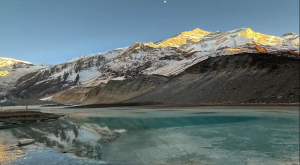
Scenic Beauty: The trek offers breathtaking views of the Annapurna and Dhaulagiri ranges. Tilicho Lake, the highest lake in the world, provides stunning turquoise waters against a backdrop of snow-capped peaks.
Challenge and Achievement: Crossing Thorong La Pass, one of the highest trekking passes in the world at 5,416 meters (17,769 feet), is a significant accomplishment and attracts trekkers looking for a challenging adventure.
Diverse Landscapes: The trek showcases a variety of landscapes, from lush green valleys and terraced fields to high-altitude desert terrain and glacial areas, offering a unique and diverse trekking experience.
Cultural Experience: Trekkers experience the rich culture of the local Tibetan and Gurung communities. The journey through traditional villages and monasteries adds a cultural dimension to the trek.
Remote and Less Crowded: Compared to some other popular treks in Nepal, this route is less crowded, providing a more tranquil and immersive trekking experience.
Tilicho Lake’s Unique Appeal: As one of the highest lakes in the world, Tilicho Lake holds a special allure for trekkers seeking unique and rare natural wonders.
Variety of Trekking Routes: The trek allows trekkers to explore different routes and combinations, including the Annapurna Circuit and additional detours like Tilicho Lake, offering flexibility and customization.
Sense of Adventure: The combination of high-altitude trekking, challenging passes, and remote locations adds an element of adventure that many trekkers seek.
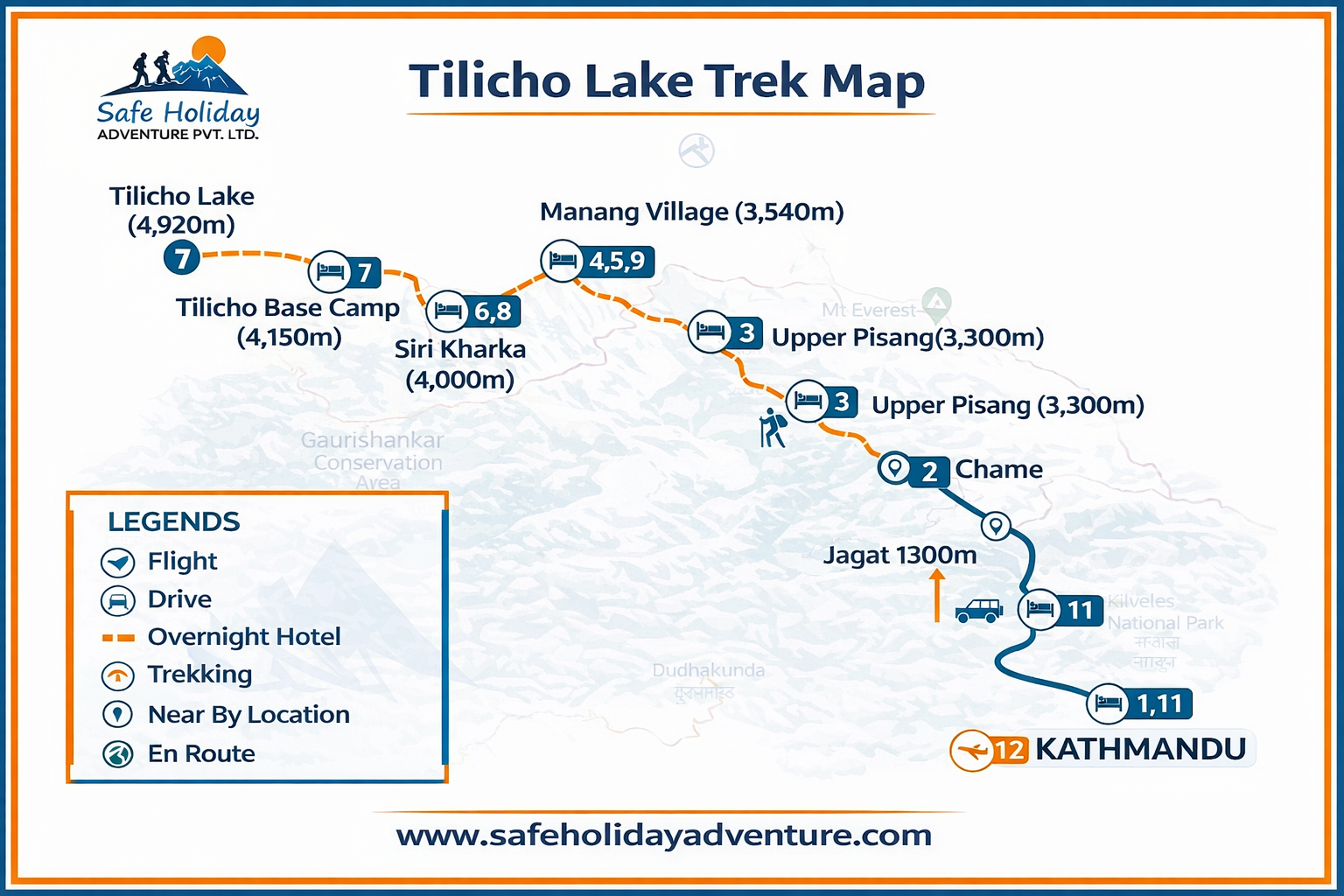
Tilicho Lake and Thorong la Pass Trek OutlineOutline Itinerary
Day 1: Arrival in Kathmandu (1,400 m / 4,593 ft)
Arrival at Kathmandu. Rest, trip briefing, and permit preparation.
Day 2: Drive from Kathmandu to Dharapani (1,860 m / 6,102 ft)
Scenic drive from Kathmandu to Dharapani via Besisahar and the Marsyangdi Valley.
Day 3: Trek from Dharapani to Chame (2,670 m / 8,760 ft)
Trek through forests and river valleys to Chame, the district headquarters of Manang.
Day 4: Trek from Chame to Pisang (3,300 m / 10,827 ft)
Gradual ascent along the Marsyangdi River to Pisang with dramatic mountain views.
Day 5: Trek from Pisang to Manang (3,540 m / 11,614 ft)
Trek into the high-altitude valley to Manang, a key acclimatization village.
Day 6: Acclimatization Day in Manang (3,540 m / 11,614 ft)
Rest day in Manang with optional hikes for altitude adaptation (Ice Lake / Gangapurna viewpoint).
Day 7: Trek from Manang to Tilicho Base Camp (4,150 m / 13,615 ft)
Climb toward Tilicho Base Camp through rugged alpine terrain.
Day 8: Trek from Tilicho Base Camp to Tilicho Lake (4,919 m / 16,138 ft)
Early morning ascent to Tilicho Lake, one of the world’s highest lakes.
Day 9: Trek from Tilicho Lake to Yak Kharka (4,050 m / 13,287 ft)
Descend carefully back to Yak Kharka, passing high cliffs and alpine landscapes.
Day 10: Trek from Yak Kharka to Thorong Phedi (4,540 m / 14,895 ft)
Short but steep trek to Thorong Phedi, the base for the high pass crossing.
Day 11: Cross Thorong La Pass (5,416 m / 17,769 ft) and trek to Muktinath (3,800 m / 12,467 ft)
Early morning ascent over Thorong La Pass, then descent to the sacred site Muktinath.
Day 12: Drive from Muktinath to Pokhara (822 m / 2,697 ft)
Long scenic descent from Muktinath to Pokhara.
Day 13: Drive from Pokhara to Kathmandu (1,400 m / 4,593 ft)
Return drive to Kathmandu, ending the journey.
Whats Included?
- Trekking Permits – Annapurna Conservation Area Permit (ACAP).
- Private Transport – To and from the starting and ending points of the trek.
- Guide and Porter Services – Experienced trekking guide and porter for your assistance.
- Accommodation – Teahouses and lodges during the trek.
- Meals During Trek – Breakfast, lunch, and dinner while trekking.
- Local Taxes – All necessary local taxes and fees.
- Emergency Helicopter Management – In case of a serious emergency.
- Lunch and Dinner in Kathmandu and Pokhara – Meals outside the trekking route.
- Travel Insurance – Essential for covering unforeseen events.
- International Flights and Departure Tax – Flights to and from Nepal.
- Personal Expenses – Costs for souvenirs, extra snacks, etc.
- Nepal Entry Visa Fee – Required for entering Nepal.
- Bar Bills – Charges for any drinks at bars.
- Alcoholic and Non-Alcoholic Drinks – Any beverages not included in meals.
- Rescue Operation Costs – For any non-emergency rescue situations.
- Tips for Guides and Porters – Optional but appreciated for excellent service.
Dates and Availability Departures
All our published dates are guaranteed departures. We also provide customized departures tailored to your travel plans.
There are no group joining dates available at the moment. Please contact us for a private trip.
Travellers Reviews

Tess Locco
Germany | October, 2025
Tilicho Lake & Thorong La Pass Trek – An Unforgettable Himalayan Adventure
In October 2025, my friend Rupesh and I completed the incredible Tilicho Lake and Thorong La Pass Trek, and it remains one of the most rewarding adventures we’ve ever experienced. From the breathtaking mountain scenery to the warm hospitality of the local people, every day brought new memories and unforgettable views.
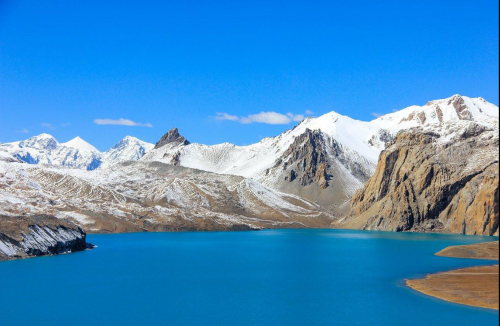
Tilicho Lake, one of the world’s highest lakes, was absolutely stunning. The crystal-clear turquoise water surrounded by towering snow-covered peaks created a peaceful and magical atmosphere that made every step of the journey worthwhile.
Crossing Thorong La Pass (5,416 meters) was the highlight of the trek. It was physically demanding, but reaching the summit filled us with an incredible sense of achievement. The panoramic views of the Annapurna and Dhaulagiri mountain ranges were simply spectacular.
The trail offered a perfect mix of beautiful forests, alpine landscapes, charming villages, suspension bridges, and dramatic mountain scenery. The teahouses were comfortable, the food was satisfying, and the local people were friendly, welcoming, and supportive throughout the journey.
Proper acclimatization, careful planning, and maintaining a steady pace made the trek enjoyable and safe. We highly recommend carrying warm clothing, staying hydrated, and respecting the mountain environment.
We are grateful to everyone who helped make this journey so memorable. Completing this trek together was a proud achievement and an experience that we will treasure forever.
If you’re looking for a challenging yet incredibly rewarding Himalayan adventure, the Tilicho Lake and Thorong La Pass Trek should definitely be on your bucket list. It offers stunning landscapes, unforgettable experiences, and memories that will last a lifetime.
Highly Recommended!
Genaral Trip InfoInfos
Itinerary
The trek typically spans 15 to 20 days. It begins in Kathmandu, where you’ll prepare for the journey and travel to the starting point of the trek. From there, you’ll hike through various picturesque villages and remote areas. Key highlights include reaching Tilicho Lake and crossing Thorong La Pass. Each day involves trekking to a new destination, with designated rest days to help acclimate and recover. The itinerary is designed to offer a balance of hiking, sightseeing, and relaxation.
Tilicho Lake
Tilicho Lake is a striking alpine lake situated at an altitude of about 4,919 meters (16,138 feet). It is renowned for its vivid blue color and stunning mountain backdrop. The lake is one of the highest in the world and is a major highlight of the trek. The best time to visit Tilicho Lake is between April and October when the weather is generally clear and conducive for trekking and sightseeing.
Thorong La Pass
Thorong La Pass, standing at 5,416 meters (17,769 feet), is one of the highest mountain passes globally. Crossing this pass is a demanding yet exhilarating experience, providing panoramic views of the surrounding peaks and valleys. The altitude and the challenge make the crossing a memorable part of the trek, often considered the pinnacle of the journey.
Trek Difficulty and Preparation
This trek is physically demanding due to its high altitude and the long distances covered each day. You need to be in good physical condition to handle the rigorous trekking and the potential for altitude-related issues. Preparation involves regular physical training, including cardio and strength exercises. Essential gear includes warm clothing for cold conditions, sturdy hiking boots, and proper trekking poles.
Accommodation and Food
During the trek, accommodations are typically in lodges or tea houses, which offer basic amenities. Rooms are simple but comfortable, and meals generally consist of rice, dal (lentils), vegetables, and potatoes. The food is designed to be nutritious and energy-boosting to support your trekking efforts. While the accommodations are basic, they provide a cozy resting place after a day of trekking.
Permits and Regulations
To trek, you need two essential permits: the Annapurna Conservation Area Permit (ACAP) and the TIMS card (Trekkers’ Information Management System). These can be obtained in Kathmandu or Pokhara. It’s crucial to follow local regulations and respect environmental guidelines to ensure the protection of the natural and cultural heritage along the trekking route.
Weather and Best Time to Trek
The weather varies with altitude and can be quite cold and windy, particularly at higher elevations. The optimal times for trekking are April to May and September to November, when the weather is usually clearer and more stable, offering better visibility and more comfortable trekking conditions.
Altitude Sickness and Health Tips
Altitude sickness is a common issue on high-altitude treks. Symptoms can include headaches, nausea, and dizziness. To minimize the risk, it’s important to ascend gradually, stay well-hydrated, and listen to your body. Rest days for acclimatization are critical. If symptoms persist or worsen, seek medical assistance promptly.
Cultural and Scenic Highlights
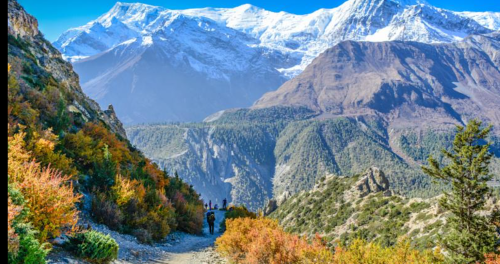
The trek offers rich cultural experiences as you pass through traditional villages inhabited by local ethnic groups. You’ll witness their unique customs and lifestyles. Scenic highlights include breathtaking views of the Annapurna and Dhaulagiri mountain ranges, picturesque landscapes, and numerous opportunities for photography.
Transportation and Access
To reach the trek’s starting point, you’ll need to travel from Kathmandu. Options include taking a bus or hiring a private vehicle. The journey can be lengthy and varies depending on the specific trek start point. Planning transportation ensures a smoother transition from Kathmandu to the trekking area.
Safety and Emergency Procedures
Safety is paramount during the trek. Follow your guide’s advice and be aware of emergency procedures. Know the locations of nearby medical facilities and have a clear plan for evacuation if necessary. Ensuring you have comprehensive travel insurance that covers high-altitude trekking is also advisable.
Tilicho Lake and Annapurna Circuit Trek Cost and Budgeting
For the Tilicho Lake and Annapurna Circuit Trek, you should budget approximately USD 700-1,000 per person. This cost includes various elements essential for a comfortable trekking experience.
Permits are a significant part of the budget. You’ll need the Annapurna Conservation Area Permit (ACAP) and TIMS Card, costing around USD 30 and USD 10 respectively, plus an additional USD 10 for the special permit required for Tilicho Lake.
Guide and porter fees are another major expense. A guide typically costs USD 25-30 per day, while a porter costs around USD 15-20 per day. Accommodation in teahouses or lodges usually ranges from USD 5-10 per night, depending on the location and amenities. Meals are an additional cost, with daily food expenses estimated at USD 15-20.
Transportation costs include bus fares from Kathmandu to Besi Sahar, costing about USD 10-15, and jeep rides from Besi Sahar to Chame, which range from USD 15-20. If you opt for a flight from Jomsom to Pokhara, it will add approximately USD 100-120 to your budget.
Finally, consider miscellaneous expenses such as hot showers and charging devices, which may cost USD 5-10 per day, and optional tips for your guide and porter, generally USD 50-100 in total. Planning and carrying sufficient cash, along with having travel insurance, will help ensure a smooth and enjoyable trek.
Travel Tips and Recommendations
Pack essentials like warm clothing, a well-fitted backpack, and trekking poles. Bring sufficient cash, a reusable water bottle, and a camera for capturing memories. Being well-prepared with the right gear and supplies will enhance your trekking experience, making it more comfortable and enjoyable.
Detailed ItineraryItinerary
Arrival in Kathmandu (1,400 m/ 4,593 ft)
Upon arrival at Tribhuvan International Airport in Kathmandu, our airport representative will greet you and escort you to a private vehicle for transportation to your hotel. Along the way, they will also point out a safe holiday adventure billboard. If you arrive after 4 pm, your pre-trip briefing will be conducted by our guide at the hotel. If you arrive before 4 pm, the briefing will take place at our office on the same day. During the briefing, you will meet your trek leader/guide and it is important to bring your passport, three passport-sized photos, and a copy of your travel insurance policy. At this time, any remaining balance for the trip must be paid and a legally binding trip form and non-liability disclaimer must be signed.
Accommodation : Hotel
Drive from Kathmandu to Besishahar (830 m/ 2,723 ft)
A drive from Kathmandu to Besishahar is a journey that takes you from the capital city of Nepal to the town of Besishahar, located in the Lamjung district. The drive typically takes around 6-7 hours, depending on the traffic and road conditions. The distance is around 160km. The route takes you through picturesque landscapes, passing through small towns and villages, and offering views of the Himalayan mountain range. The road is a mix of paved and rough roads. The elevation of Besishahar is 830m (2723ft) which is lower than Kathmandu which is at an elevation of 1300m. Once you reach Besishahar, you can explore the town, which is known for its beautiful temples and monasteries, as well as its traditional Newari culture.
Accommodation : Tea House
Trek from Besishahar to Chame (2,710 m/ 8,891 ft)
A trek from Besishahar to Chame is a journey that takes you through the beautiful Annapurna region of Nepal. The trek typically takes around 6-7 days, depending on your pace and the route you take. The distance between Besishahar and Chame is around 80km. The trail is a mix of steep inclines and descents, rocky terrain, and narrow paths. The trek starts with a drive from Besishahar to the trailhead, where you will begin your trek. The trail passes through lush forests, terraced fields, and traditional villages, offering stunning views of the Annapurna and Lamjung Himalayan ranges. As you trek higher in elevation, the vegetation changes to rhododendron forests, and finally to alpine meadows. Chame is the administrative headquarters of the Manang district, located at an altitude of 2710m (8891ft) and offers a great view of the Annapurna and Dhaulagiri ranges. Along the way, you will have the opportunity to learn about the culture and lifestyle of the local people and experience the unique biodiversity of the region.
Accommodation : Tea house
Trek from Chame to Pisang (3,300 m/ 10,827 ft)
The trek from Chame to Pisang is a journey that takes you from the village of Chame to the village of Pisang in the Annapurna region of Nepal. The trek typically takes around 2-3 days, depending on your pace and the route you take. The distance between Chame and Pisang is around 20km. The trail is steep and rocky, passing through lush forests, terraced fields, and traditional villages. As you trek higher in elevation, the vegetation changes to rhododendron forests and finally to alpine meadows. Pisang is located at an altitude of 3300m (10827ft) and offers great views of the Annapurna and Dhaulagiri ranges. Along the way, you will have the opportunity to experience the unique culture and lifestyle of the local people and the biodiversity.
Accommodation : Tea house
Trek from Pisang to Manang (3,540 m/ 11,614 ft)
The trek from Pisang to Manang is a journey that takes you from the village of Pisang to Manang in the Annapurna region of Nepal. The trek typically takes around 3-4 days, depending on your pace and the route. The distance between Pisang and Manang is around 40km. The trail is steep and rocky, passing through lush forests, terraced fields, and traditional villages. As you trek higher in elevation, the vegetation changes to rhododendron forests and finally to alpine meadows. Manang is located at an altitude of 3540m (11614ft) and offers great views of the Annapurna and Dhaulagiri ranges. This is a very important point, as this is the point above where AMS (Acute Mountain Sickness) is common, so trekkers are advised to take rest and acclimatize before continuing the trek. Along the way, you will have the opportunity to experience the unique culture and lifestyle of the local people and the biodiversity of the region.
Accommodation : Tea house
Acclimatization Day in Manang
An acclimatization day in Manang is a day set aside during the trek to allow the body to adjust to the increasing altitude. Acclimatization is important because as the altitude increases, the air becomes thinner, and there is less oxygen available for the body to function properly. This can cause symptoms such as headaches, fatigue, and shortness of breath. To prevent altitude sickness, it is recommended to have an acclimatization day every 1000m of elevation gain.
Manang is located at an altitude of 3540m (11614ft) and it is considered a crucial point for acclimatization before continuing the trek to a higher altitude. During the acclimatization day, trekkers can spend time exploring the village, visiting local temples and monasteries, or simply relaxing and taking in the beautiful mountain views. They also can take a short hike to a nearby peak to help the body adjust to the altitude. It is also recommended to hydrate well and avoid alcohol and heavy meals during the process.
It is important to listen to your body and if you experience any symptoms of altitude sickness, it is important to descend immediately and seek medical help.
Trek from Manang to Tilicho Base Camp (4,150 m/ 13,615 ft)
The trek from Manang to Tilicho Base Camp is a journey that takes you from the village of Manang to Tilicho Base Camp in the Annapurna region of Nepal. The trek typically takes around 4-5 days, depending on your pace and the route you take. The distance between Manang and Tilicho Base Camp is around 60km. The trail is steep and rocky, passing through lush forests, terraced fields, and traditional villages. As you trek higher in elevation, the vegetation changes to rhododendron forests and finally to alpine meadows. Tilicho Base Camp is located at an altitude of 4150m (13615ft) and offers great views of the Annapurna and Dhaulagiri ranges.
It is important to note that this trek is considered an off-beaten path and it is not as popular as the main Annapurna Circuit Trek, which makes it more remote and challenging, with less infrastructure and facilities, and requires a high level of physical fitness and trekking experience. Along the way, you will have the opportunity to experience the unique culture and lifestyle of the local people, and the biodiversity of the region. Also, you will be able to experience Tilicho Lake, which is considered one of the highest lakes in the world and offers a great view.
It is important to take necessary precautions and to be well prepared for this trek by carrying appropriate gear and clothing, and by being aware of the risks associated with high-altitude trekking, such as altitude sickness and cold weather.
Accommodation : Tea house
Trek from Tilicho Base Camp to Tilicho Lake (4,919 m/ 16,138 ft)
The trek from Tilicho Base Camp to Tilicho Lake is a journey that takes you from the Tilicho Base Camp to the Tilicho Lake, which is located in the Annapurna region of Nepal. The trek typically takes around 1-2 days, depending on your pace and the route you take. The distance between Tilicho Base Camp and Tilicho Lake is around 15km. The trail is steep and rocky, and it requires a high level of physical fitness and trekking experience. As you trek higher in elevation, the vegetation changes to alpine meadows and glaciers. Tilicho Lake is located at an altitude of 4919m (16138ft) and offers great views of the Annapurna and Dhaulagiri ranges. It is considered one of the highest lakes in the world.
It is important to take necessary precautions and to be well prepared for this trek by carrying appropriate gear and clothing, and by being aware of the risks associated with high-altitude trekking, such as altitude sickness and cold weather. Also, it is important to note that this trek is considered an off-beaten path and it is not as popular as the main Annapurna Circuit Trek, which makes it more remote and challenging, with less infrastructure and facilities. Along the way, you will have the opportunity to experience the unique culture and lifestyle of the local people, and the biodiversity of the region.
It is important to have a proper guide to be well-informed about the weather conditions and trail conditions before starting the trek, and to have a proper plan and backup plan in case of emergencies.
Accommodation : Tea house
Trek from Tilicho Lake to Yak Kharka (4,000 m/ 13,123 ft)
The trek from Tilicho Lake to Yak Kharka is a journey that takes you from Tilicho Lake to Yak Kharka, which is located in the Annapurna region of Nepal. The trek typically takes around 1-2 days, depending on your pace and the route you take. The distance between Tilicho Lake and Yak Kharka is around 20km. The trail is steep and rocky, and it requires a high level of physical fitness and trekking experience. As you trek lower in elevation, the vegetation changes to alpine meadows and glaciers. Yak Kharka is located at an altitude of 4000m (13,123ft) and offers great views of the Annapurna and Dhaulagiri ranges.
It is important to take necessary precautions and to be well prepared for this trek by carrying appropriate gear and clothing, and by being aware of the risks associated with high-altitude trekking, such as altitude sickness and cold weather. Also, it is important to note that this trek is considered an off-beaten path and it is not as popular as the main Annapurna Circuit Trek, which makes it more remote and challenging, with less infrastructure and facilities. Along the way, you will have the opportunity to experience the unique culture and lifestyle of the local people, and the biodiversity of the region.
It is important to have a proper guide to be well-informed about the weather conditions and trail conditions before starting the trek, and to have a proper plan and backup plan in case of emergencies.
Accommodation : Tea house
Trek from Yak Kharka to Thorong Phedi (4,600 m/ 15,091 ft)
The trek from Yak Kharka to Thorong Phedi is a journey that takes you from Yak Kharka to Thorong Phedi in the Annapurna region of Nepal. The trek typically takes around 1-2 days, depending on your pace and the route you take. The distance between Yak Kharka and Thorong Phedi is around 10km. The trail is steep and rocky, and it requires a high level of physical fitness and trekking experience. As you trek higher in elevation, the vegetation changes to alpine meadows and glaciers. Thorong Phedi is located at an altitude of 4600m (15091ft) and offers great views of the Annapurna and Dhaulagiri ranges.
It is important to take necessary precautions and to be well prepared for this trek by carrying appropriate gear and clothing, and by being aware of the risks associated with high-altitude trekking, such as altitude sickness and cold weather. Along the way, you will have the opportunity to experience the unique culture and lifestyle of the local people, and the biodiversity of the region.
It is important to have a proper guide to be well-informed about the weather conditions and trail conditions before starting the trek, and to have a proper plan and backup plan in case of emergencies. Thorong Phedi is considered a crucial point for acclimatization before continuing the trek to the Thorong La Pass.
Accommodation : Tea house
Cross Thorong-La Pass (5,416 m/ 17,078 ft) and trek to Muktinath (3,800 m/ 12,467 ft)
The Thorong-La Pass is a high mountain pass located in the Annapurna region of Nepal. It sits at an elevation of 5,416 meters (17,078 feet) and is considered one of the most challenging and strenuous treks in the region. The trek to Thorong-La Pass typically starts in the town of Pokhara and goes through a variety of landscapes, including lush forests, steep inclines, and high-altitude plateaus. The pass itself is often covered in snow and can be extremely windy.
After crossing the pass, the trek continues to Muktinath, a sacred pilgrimage site for both Hindus and Buddhists. It is located at an elevation of 3,800 meters (12,467 feet) and is known for its 108 water spouts and two temples dedicated to Lord Vishnu. The trek to Muktinath is considered relatively easier than the trek to Thorong-La Pass, but it still requires good physical fitness and acclimatization to the high altitude.
Accommodation : Tea house
Trek from Muktinath to Jomsom (2,700 m/ 8,858 ft)
The trek from Muktinath to Jomsom is relatively short compared to the trek to Thorong-La Pass. Jomsom is located at an elevation of 2,700 meters (8,858 feet) and is the administrative center of the Mustang District. It is a popular destination for trekkers and hikers due to its proximity to the Annapurna and Dhaulagiri mountain ranges.
The trek from Muktinath to Jomsom is less challenging than the trek to Thorong-La Pass and typically takes 6 hours to Jomsom. It takes you through a dramatic transition of landscape, from the high-altitude desert of Mustang to the lush subtropical valley of Jomsom. The trail passes through charming villages and terraced fields and along the Kali Gandaki river. Along the way, you will have an opportunity to experience the unique culture and lifestyle of the local people.
Accommodation : Tea house
Drive from Jomsom to Pokhara
The drive from Jomsom to Pokhara is a scenic journey that takes you through a diverse range of landscapes and cultures. The distance between Jomsom and Pokhara is about 200 km and it takes about 8-10 hours by car.
The drive starts from Jomsom, a small town located in the Mustang district, and takes you through the Kali Gandaki River Valley. The valley is known for its stunning landscapes, including the Annapurna and Dhaulagiri mountain ranges, as well as the unique culture and lifestyle of the local people. The road is mostly unpaved and winding, so the journey can be a bit bumpy. You will pass through several small towns and villages along the way, offering an opportunity to see the traditional lifestyle of the local people.
As you get closer to Pokhara, the road becomes paved and the landscape changes to subtropical, with lush vegetation, terraced fields, and rivers. Pokhara is a popular tourist destination known for its natural beauty and adventure activities. The drive ends in Pokhara, a beautiful lakeside city that offers an array of accommodation, food, and entertainment options.
Accommodation : Hotel
Drive from Pokhara to Kathmandu
The drive from Pokhara to Kathmandu is a scenic journey that takes you through a diverse range of landscapes and cultures. The distance between Pokhara and Kathmandu is about 200 km and it takes about 6-7 hours by car or bus.
The drive starts from Pokhara, a beautiful lakeside city known for its natural beauty and adventure activities, and takes you through the lush subtropical landscape of the Annapurna region. The road is mostly paved and winding, so the journey can be a bit bumpy. You will pass through several small towns and villages along the way, offering an opportunity to see the traditional lifestyle of the local people.
As you get closer to Kathmandu, the road becomes more urbanized and the landscape changes to a more mountainous terrain. The drive ends in Kathmandu, the capital and largest city of Nepal. It is a vibrant city known for its rich history, culture, and architecture, as well as its temples, shrines, and monuments.
The drive from Pokhara to Kathmandu is a great way to end a trekking or adventure trip in Nepal, as it offers an opportunity to see the contrasts between the different regions of the country and to experience the diverse culture and lifestyle of the local people.
Accommodation : Hotel
Tilicho Lake and Thorong la Pass Trek- 11 Days FAQs
The Thorong La Pass and Tilicho Lake trekking is considered a challenging trek due to its high altitude and strenuous climb to the Thorong La Pass. It requires good physical fitness and acclimatization to the high altitude.
The best time to trek Thorong La Pass and Tilicho Lake is between September and November when the weather is clear and the skies are mostly blue.
The Thorong La Pass and Tilicho Lake trek typically take around 18-21 days to complete, depending on the itinerary and the pace of the trek.
The highest altitude on the Thorong La Pass and Tilicho Lake trek is Thorong La Pass at 5,416 meters (17,078 feet).
While it is possible to trek independently, hiring a guide and porter is recommended for the Thorong La Pass and Tilicho Lake trek as it can be challenging, especially at high altitudes.
The cost of the Thorong La Pass and Tilicho Lake trek varies depending on factors such as the itinerary, the number of days, and the services included, but it generally ranges from around $1000 – $2000.
Accommodation during the Thorong La Pass and Tilicho Lake trek is typically in teahouses or guesthouses, which offer basic facilities such as shared bathrooms and dining areas.
The Thorong La Pass and Tilicho Lake trek requires TIMS (Trekkers’ Information Management System) and Annapurna Conservation Area Permit (ACAP)
Electricity is available in most of the teahouses, but it is recommended to carry a power bank as it can be hard to find charging points in remote areas.
Some essential items to pack for the Thorong La Pass and Tilicho Lake trek include warm clothing, a good pair of hiking boots, a waterproof jacket and pants, a sleeping bag, a first aid kit, a water purification system, and a headlamp.
Refund & Cancellation Policy
- Booking requires 20% non-refundable deposit (Nepal) or 100% upfront (Tibet/Bhutan).
- Remaining payment due before the trip or on arrival (trip-dependent).
Cancellation charges:
- 31+ days: 20%
- 16–30 days: 45%
- 8–15 days: 75%
- 7 days or less: 90%
- Prices may change due to flights, taxes, or exchange rates.
- Trip changes are allowed, but extra costs apply.
- If the company cancels, a full refund, except for unavoidable events (some costs deducted).
- Good health and travel insurance are mandatory.
- No refund if removed for unsafe or illegal behavior.
- Travel involves personal risk, which the client accepts.