
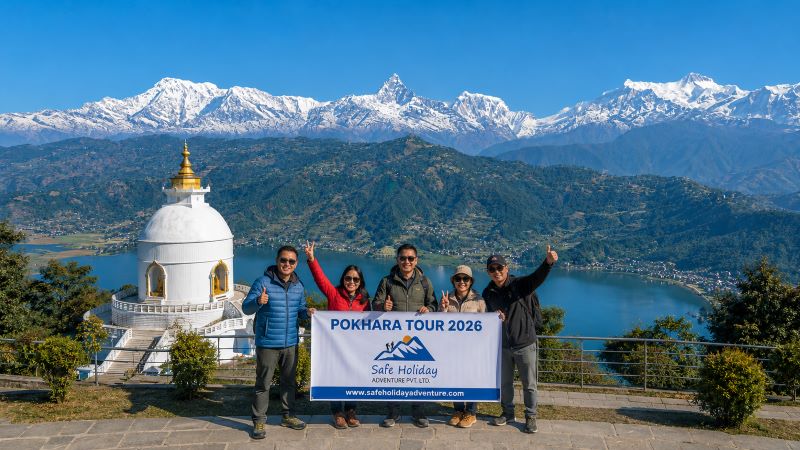
2 Jul 2026 18 min to read
Nestled beneath the magnificent Annapurna mountain range, Pokhara is one of Nepal’s most enchanting travel destinations. Whether you’re a nature lover, adventure enthusiast, honeymoon couple, solo traveler, or family vacationer, Pokhara offers an unforgettable experience that perfectly blends natural beauty, cultural heritage, and exciting outdoor activities.
Known as the Gateway to the Annapurna Region, Pokhara welcomes millions of domestic and international tourists every year. From the tranquil waters of Phewa Lake to the spectacular sunrise at Sarangkot, every corner of this charming city tells a unique story.
This comprehensive Pokhara Travel Guide covers everything you need to know—including top attractions, travel tips, hidden gems, food recommendations, itineraries, FAQs, and much more.
Pokhara is widely regarded as the tourism capital of Nepal, offering an extraordinary combination of breathtaking natural beauty, rich cultural heritage, and world-class adventure experiences. Nestled at the foothills of the majestic Annapurna mountain range, the city captivates visitors with its crystal-clear lakes, panoramic Himalayan views, lush green hills, cascading waterfalls, mysterious caves, and a peaceful atmosphere that sets it apart from any other destination in the country.
One of Pokhara’s greatest distinctions is its role as the gateway to Nepal’s most popular trekking routes. Every year, thousands of trekkers from around the world begin their Himalayan adventures from Pokhara, making it the ideal base for exploring the Annapurna region. Some of Nepal’s most iconic trekking destinations accessible from Pokhara include the Poon Hill Trek, renowned for its spectacular sunrise over the Annapurna and Dhaulagiri ranges; the Mardi Himal Trek, famous for its pristine alpine landscapes and close-up views of Machhapuchhre (Fishtail Mountain); and the legendary Annapurna Base Camp (ABC) Trek, one of the world’s most celebrated trekking experiences. In addition to these renowned routes, Pokhara serves as the starting point for numerous shorter, less crowded treks, such as the Australian Camp Trek, Dhampus Trek, Panchase Trek, Khopra Danda Trek, Mohare Danda Trek, and several community-based hiking trails that offer authentic village experiences and stunning mountain scenery.
Beyond trekking, Pokhara is recognized as Nepal’s premier adventure destination. Visitors can enjoy world-famous paragliding, ultralight flights, ziplining, bungee jumping, mountain biking, boating on the tranquil Phewa Lake, and scenic helicopter tours. The city’s relaxed Lakeside district, vibrant cafés, boutique accommodations, and welcoming hospitality create an ideal environment for travelers seeking both adventure and relaxation.
Pokhara is also a cultural crossroads where visitors can experience the traditions of Gurung, Magar, Newar, and other ethnic communities. Local festivals, traditional dances, authentic Nepali cuisine, and warm hospitality add depth to every journey, allowing travelers to connect with Nepal’s diverse cultural heritage.
Whether you are an adventure enthusiast, nature lover, photographer, spiritual seeker, or someone simply looking to unwind amidst spectacular mountain scenery, Pokhara offers an unforgettable experience. Its unique blend of natural wonders, outdoor adventures, cultural richness, and easy access to the Himalayas makes it one of the most remarkable destinations in South Asia and an essential stop on any Nepal travel itinerary.
What makes Pokhara unique?
The reflection of Machhapuchhre (Fishtail Mountain) on Phewa Lake creates one of Nepal’s most iconic views.
Pokhara lies approximately 200 kilometers west of Kathmandu at an elevation of around 822 meters (2,697 feet) above sea level.
Historically, Pokhara served as an important trading hub between Nepal and Tibet. Today, it has evolved into Nepal’s leading tourism destination while preserving its cultural identity and natural charm.
The city is surrounded by:
It is also home to numerous rivers, caves, waterfalls, and lakes formed by glacial activity.
Each season offers a unique experience.
Perfect weather with blooming rhododendrons and crystal-clear mountain views.
Best for:
The most popular tourist season due to pleasant temperatures and excellent visibility.
Ideal for:
Cool mornings and evenings with fewer crowds.
Perfect for:
Lush greenery and dramatic waterfalls dominate the landscape.
Although rainfall is frequent, nature lovers appreciate the vibrant scenery.
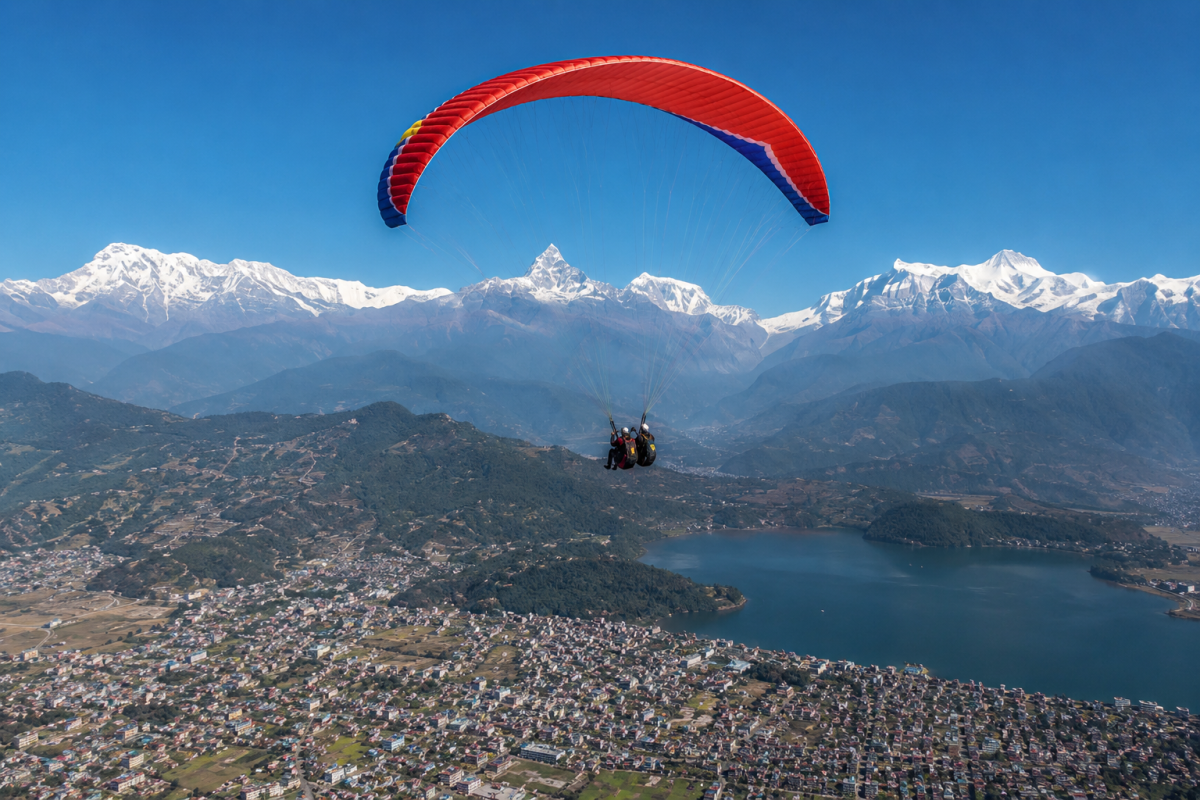
Flying from Kathmandu to Pokhara is the fastest and most convenient way to travel. The flight takes approximately 25–30 minutes and offers breathtaking aerial views of the Himalayas, lush hills, and winding rivers, making the journey an experience in itself.
Daily domestic flights operate between the two cities, making air travel ideal for visitors with limited time. Booking tickets in advance is recommended, especially during the peak spring and autumn tourist seasons.
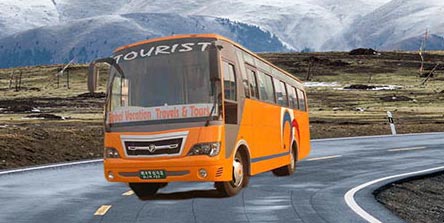
Traveling from Kathmandu to Pokhara by tourist bus is one of the most popular and budget-friendly options. The journey covers approximately 200 kilometers and usually takes 6–8 hours, depending on road and traffic conditions. Tourist buses depart early in the morning from Kathmandu and offer comfortable seating with scheduled rest stops.
The route follows the scenic Prithvi Highway, passing through beautiful towns and riverside landscapes. Along the way, you’ll travel by Thankot, Naubise, Malekhu, Mugling, Damauli, and Dumre before finally reaching Pokhara. The drive offers stunning views of green hills, terraced farms, the Trishuli River, and charming local villages.
For a comfortable journey, book your ticket in advance, carry light snacks and water, and keep your camera ready to capture Nepal’s breathtaking countryside along the way.
Travel time: 6–8 hours
This is the most economical and popular option.

Traveling from Kathmandu to Pokhara by private vehicle offers the freedom to explore Nepal at your own pace. The journey covers around 200 kilometers and usually takes 6–7 hours, depending on traffic and road conditions. It is an excellent option for families, groups, or travelers seeking a more comfortable and flexible experience.
The drive follows the scenic Prithvi Highway, passing through Thankot, Naubise, Malekhu, Mugling, Damauli, and Dumre before reaching Pokhara. Along the route, you’ll enjoy beautiful views of the Trishuli and Marsyangdi Rivers, rolling green hills, terraced fields, and traditional villages. You can stop at local restaurants, riverside cafés, and scenic viewpoints, making the road trip as memorable as the destination itself.
Phewa Lake is the most iconic attraction in Pokhara and the second-largest lake in Nepal. Surrounded by lush green hills and the magnificent Annapurna mountain range, it offers one of the country’s most breathtaking landscapes. On clear days, the calm waters reflect the snow-capped peaks of Machhapuchhre (Fishtail Mountain), creating a picture-perfect scene.
The lake is a popular destination for boating, kayaking, and sightseeing. Colorful wooden boats glide across its crystal-clear waters, while the vibrant Lakeside area provides cafés, restaurants, shops, and scenic walking paths. At the center of the lake stands the sacred Tal Barahi Temple, an important religious site accessible only by boat.
Whether you are seeking peaceful moments in nature, stunning photography opportunities, or a relaxing boat ride with panoramic Himalayan views, Phewa Lake delivers an unforgettable experience. Its natural beauty, cultural significance, and tranquil atmosphere make it the heart of every Pokhara tour and a must-visit destination for travelers from around the world.
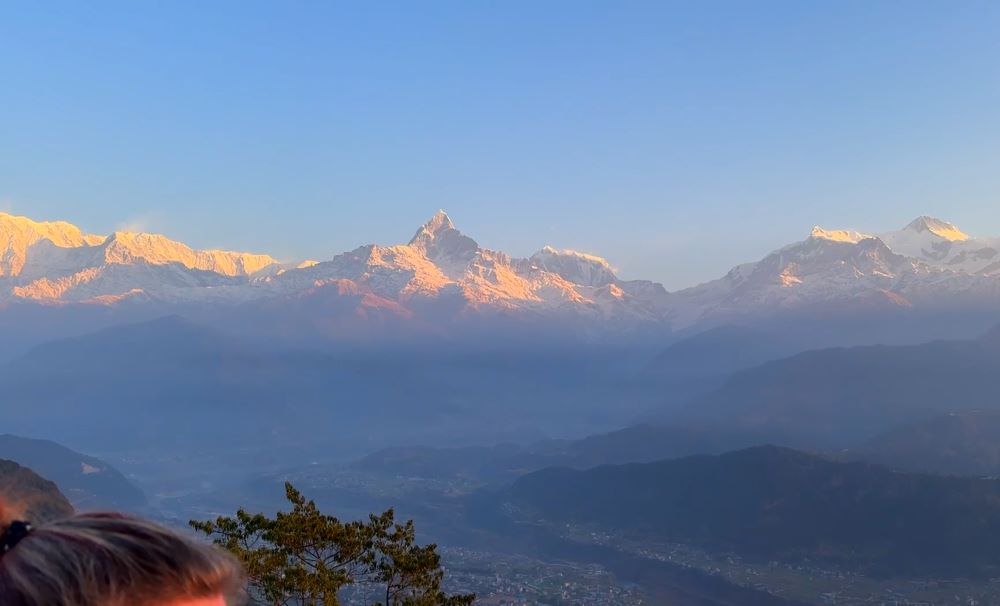
Sarangkot is the most famous sunrise viewpoint in Nepal and one of the top attractions in Pokhara. Perched on a scenic hill, it offers breathtaking views of the Annapurna Range, Machhapuchhre (Fishtail Mountain), Dhaulagiri, Phewa Lake, and Pokhara Valley. Before dawn, visitors gather to watch the golden sunrise as the snow-capped peaks glow with the morning light.
Sarangkot is also a paradise for adventure lovers. It is one of the world’s best destinations for paragliding, where colorful gliders soar above Pokhara Valley. Visitors can also enjoy an exciting zipline ride or explore the beautiful surroundings through hiking. Combining stunning Himalayan scenery with thrilling outdoor activities, Sarangkot is a must-visit destination for every traveler.
Standing peacefully on a green hill above Pokhara, the World Peace Pagoda is one of the city’s most rewarding places to visit. The brilliant white stupa was built as a symbol of peace, compassion, and harmony, welcoming people from every culture and religion. Its quiet surroundings, fresh mountain air, and peaceful atmosphere make it a perfect escape from the busy city below.
The pagoda sits at an elevation of 1,100 meters (3,609 ft) on Anadu Hill, overlooking the sparkling Phewa Lake and the beautiful Pokhara Valley. From this viewpoint, visitors can enjoy a breathtaking Himalayan panorama. The most striking peak is Machhapuchhre (Fishtail) – 6,993 meters (22,943 ft), famous for its unique fish-tail-shaped summit. Other mountains visible include Annapurna South – 7,219 meters (23,684 ft), Hiunchuli – 6,441 meters (21,132 ft), Lamjung Himal – 6,983 meters (22,910 ft), and on exceptionally clear days, Annapurna I – 8,091 meters (26,545 ft), the world’s tenth-highest mountain.
Sunrise and sunset are the most magical times to visit. As the first rays of sunlight touch the snow-covered peaks, the mountains glow with shades of gold and orange, creating an unforgettable view. Whether you come for the peaceful atmosphere, panoramic scenery, or spiritual experience, the World Peace Pagoda is a place that captures the true beauty and serenity of Pokhara.
Davis Falls is one of the most popular attractions in Pokhara, famous for its powerful waterfall and unique underground drainage system. It is a must-visit destination for travelers exploring the city’s natural beauty.
Unlike ordinary waterfalls, the rushing water suddenly disappears into a deep underground tunnel, creating a rare and captivating geological feature. During the monsoon season, the waterfall becomes even more spectacular.
The waterfall is surrounded by beautiful gardens, walking paths, and viewing platforms where visitors can safely admire its impressive flow. The peaceful atmosphere makes it a perfect spot for photography and sightseeing.
Located near other major attractions, Davis Falls is surrounded by souvenir shops, local restaurants, and cafés. Visitors can enjoy authentic Nepali cuisine, shop for handmade gifts, and experience the vibrant local culture, making it an essential stop on any Pokhara Tour.
Located just opposite Davis Falls, Gupteshwor Cave is one of Pokhara’s most fascinating natural and spiritual attractions. The cave offers a unique journey through ancient limestone passages filled with mystery and history.
Inside, visitors can explore the sacred Shiva temple, admire stunning limestone rock formations, and witness the impressive underground view of Davis Falls. The peaceful surroundings create a truly spiritual experience for every traveler.
For a safe and enjoyable visit, wear comfortable shoes with good grip, as some sections of the cave can be wet and slippery.
Seti Gorge is one of Pokhara’s hidden natural wonders, carved by the powerful Seti River flowing deep beneath the city. Located about 3 km from Lakeside, it takes around 8–10 minutes by taxi or 35–40 minutes on foot to reach the popular viewing point near Mahendra Pul. The gorge is easily accessible and can be combined with other nearby attractions.
The gorge is famous for its narrow limestone canyon, where the milky-white waters of the Seti River rush through a deep underground channel. From the viewing platform, visitors can admire the dramatic cliffs, hear the roaring river below, and witness one of Pokhara’s most unique geological formations. It is an excellent spot for photography and nature lovers.
The best time to visit is during the spring (March–May) and autumn (September–November) when the weather is clear and the views are at their best. Morning and late afternoon offer pleasant temperatures and beautiful lighting for photos. While visiting, stay behind the safety barriers, as the gorge is extremely deep with steep rocky walls.
If you’re interested in mountaineering and Himalayan culture, this museum is a must-visit.
Exhibits include:
It’s both educational and inspiring.

Lakeside Pokhara is the vibrant heart of Nepal’s tourism capital and the most popular place to stay while exploring Pokhara. Stretching along the eastern shore of Phewa Lake, this lively area offers a perfect blend of natural beauty, modern comforts, and local culture. Whether you’re visiting for adventure, relaxation, or sightseeing, Lakeside provides everything within easy walking distance.
From cozy budget guesthouses to luxurious lakeside resorts, accommodation options suit every type of traveler. Many hotels feature private balconies with breathtaking views of Phewa Lake, the snow-capped Annapurna Range, and the iconic Machhapuchhre (Fishtail Mountain). Waking up to the reflection of the Himalayas on the calm lake is an unforgettable experience that makes Lakeside one of Nepal’s most scenic destinations.
Lakeside is also famous for its wide variety of restaurants, cafés, bakeries, bars, dance clubs, live music venues, spas, yoga centers, and massage parlors. Visitors can enjoy authentic Nepali cuisine, international dishes, fresh coffee, lakeside dining, and vibrant nightlife all in one place. The area is considered one of the safest and most tourist-friendly destinations in Nepal, making it ideal for solo travelers, couples, families, and groups.
The location is an excellent base for exploring Pokhara’s top attractions. Phewa Lake, Tal Barahi Temple, Davis Falls, Gupteshwor Cave, World Peace Pagoda, Seti Gorge, and Sarangkot are all just a short drive away. Adventure enthusiasts can also book paragliding, ultralight flights, ziplining, bungee jumping, boating, trekking, and mountain tours directly from the many travel agencies located throughout Lakeside.
Whether you want to relax beside the lake, watch the sunset over the Himalayas, enjoy local shopping, taste delicious food, or begin your next adventure, Lakeside Pokhara offers an unforgettable experience. It is more than just a place to stay—it’s the perfect gateway to discovering the natural beauty, adventure, and warm hospitality that make Pokhara one of Nepal’s most loved travel destinations.

Pokhara is widely known as the Adventure Capital of Nepal, attracting thrill-seekers from around the world. Surrounded by the majestic Annapurna Himalayas, beautiful lakes, rivers, and lush hills, the city offers unforgettable outdoor experiences for every type of traveler.
Pokhara is one of the world’s top paragliding destinations. Flights usually take off from Sarangkot, soaring above Phewa Lake, green valleys, and snow-capped mountains. It is a must-try adventure for anyone visiting Pokhara.
Experience one of Asia’s longest, steepest, and fastest ziplines. The ride offers incredible speed while treating you to breathtaking views of forests, mountains, and the Pokhara Valley.
If you love an adrenaline rush, bungee jumping is the perfect challenge. Feel the excitement of a thrilling free fall in a safe and professionally managed environment.
Enjoy a once-in-a-lifetime flight above Pokhara and the Annapurna Range. These lightweight aircraft provide spectacular close-up views of Machhapuchhre (Fishtail Mountain), glaciers, lakes, and the surrounding Himalayan landscape.
Discover Pokhara on two wheels by riding through peaceful villages, forest trails, lakeside roads, and scenic hilltops. Mountain biking is a great way to experience the region’s natural beauty and local culture.
Pokhara is the main gateway to Nepal’s most famous trekking routes. Popular adventures include Annapurna Base Camp, Mardi Himal, Ghorepani Poon Hill, and Australian Camp. These treks offer breathtaking mountain scenery, charming villages, rhododendron forests, and unforgettable Himalayan sunrises.
Whether you’re looking for a gentle outdoor activity or a heart-pounding adventure, Pokhara offers world-class experiences that make every trip exciting, memorable, and truly unique.
While Pokhara is one of Nepal’s most popular tourist destinations, much of the city has developed around international tourism. Lakeside, the main tourist hub, is filled with hotels, restaurants, cafés, and adventure businesses, making it less representative of the region’s traditional lifestyle.
To experience Pokhara’s authentic culture, visitors should explore the surrounding villages rather than staying only in the city center. Nearby communities such as Hemja, Kahun, Pumdikot, and Sarangkot offer a glimpse into the daily lives of the Gurung, Magar, Brahmin, and Newar communities, where traditional homes, farming practices, and local customs remain an important part of everyday life.
Local festivals, folk dances, traditional music, and homemade Nepali cuisine provide meaningful cultural experiences throughout the year. Visiting local markets and family-run tea houses also allows travelers to connect with the warm hospitality for which Pokhara is known.
Although Pokhara itself has become a modern tourism hub, taking a short trip into the surrounding countryside reveals the authentic culture, traditions, and rural lifestyle that have shaped the region for generations.
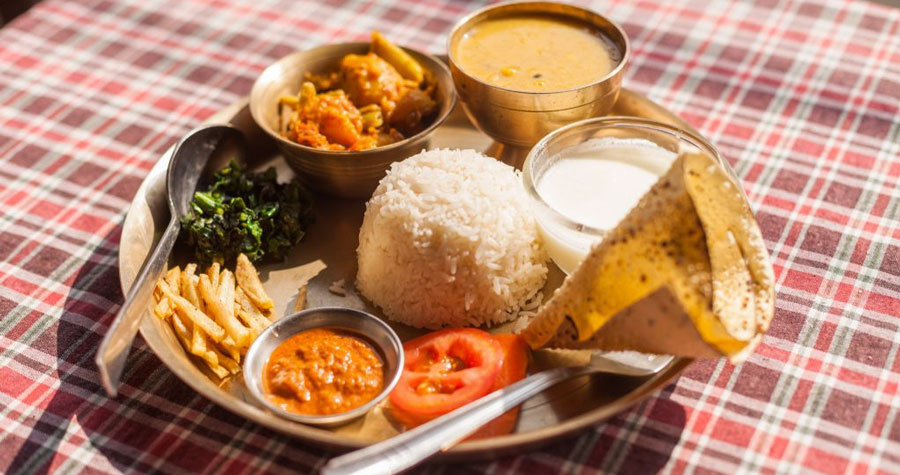
Pokhara offers a delicious blend of traditional Nepali cuisine and international flavors. Whether you are exploring the lakeside streets or local markets, tasting authentic dishes is an essential part of the experience.
Nepal’s traditional meal of rice, lentil soup, seasonal vegetables, pickles, and curry. It is healthy, filling, and enjoyed by locals every day.
These famous Nepali dumplings are served steamed, fried, or chili-style with flavorful dipping sauce. They are one of the most popular snacks in Pokhara.
A complete meal featuring rice, lentils, meat or vegetables, leafy greens, pickles, and local spices. It is known for its rich taste and balanced nutrition.
A traditional homemade rice bread with a crispy outside and soft center. It is commonly prepared during festivals and special occasions.
The mountain streams around Pokhara are famous for fresh trout. Many restaurants serve grilled or fried trout with local herbs and vegetables.
Taste locally produced yak cheese and pure Himalayan honey, both popular regional specialties that make excellent souvenirs.
This can also be optimized further with keywords like Pokhara food guide, best local food in Pokhara, and traditional Nepali dishes if you’re targeting search engine rankings.
Looking beyond the popular attractions? Explore these lesser-known gems:
A peaceful escape from the crowds.
Ideal for birdwatching and relaxation.
One of Nepal’s tallest Shiva statues with panoramic views.
An exciting limestone cave inhabited by bats.
Perfect for hiking, sunrise views, and village experiences.
These hidden treasures offer authentic experiences away from the busiest tourist spots.
Day 1
Day 2
Add:
Include:
Pokhara is located in Gandaki Province, about 200 km west of Kathmandu, surrounded by beautiful lakes and the Annapurna mountain range.
Most city tours take 6 to 8 hours, allowing enough time to visit the major highlights.
Popular stops include Phewa Lake, Davis Falls, Gupteshwor Cave, World Peace Pagoda, Sarangkot, and Bindhyabasini Temple.
Yes. The tour is suitable for all age groups, with comfortable transportation and easy sightseeing.
Spring and autumn are the best seasons because of the pleasant weather and clear Himalayan views.
Yes. A well-planned itinerary allows you to explore most of Pokhara’s top attractions in a single day.
Most tour operators provide hotel pickup and drop-off within the Pokhara area.
Carry comfortable shoes, a camera, sunglasses, sunscreen, drinking water, and a light jacket.
Some packages include entrance fees, while others require separate payment. Check the package details before booking.
Yes. Private tours can usually be customized to match your interests and schedule.
A guide is not mandatory, but having one helps you understand the history, culture, and significance of each attraction.
Yes. Pokhara city tours operate year-round, although weather conditions may affect mountain views during the monsoon season.
An early morning start is recommended to avoid traffic and enjoy clear mountain scenery.
Yes. Many travelers add paragliding, boating, ziplining, or a visit to Sarangkot after completing the city tour.
A guided tour saves time, provides local insights, ensures comfortable transportation, and helps you experience the best of Pokhara without hassle.
Pokhara is more than just a travel destination—it’s an experience that captures the heart of every visitor. From the serene waters of Phewa Lake and the awe-inspiring sunrise at Sarangkot to thrilling adventures, vibrant local culture, and delicious cuisine, Pokhara has something for everyone.
Whether you’re planning a short getaway, an adventurous trekking holiday, or a peaceful retreat surrounded by nature, this Himalayan city promises memories that will last a lifetime.
If you’re looking for a destination that combines breathtaking landscapes, warm hospitality, and unforgettable experiences, Pokhara deserves a place at the top of your travel bucket list.

My name is Peng Chang, and I travelled to Nepal from Malaysia with a small group of friends. Before
Continue Reading
In this story Why I Chose Everest Base Camp My name is Chyling, and I come from Malaysia, a country
Continue Reading
Ask anyone who has finished the Annapurna Circuit which day they remember most, and the answer is al
Continue Reading
Introduction Kathmandu doesn’t ease you in. You step out of the airport into a chorus of horns
Continue Reading
Every Everest Base Camp trekking package includes a line item for “guide” and “por
Continue Reading
Understanding Everest Base Camp Trek Permits Cost is one of the first things every Everest Region tr
Continue Reading