
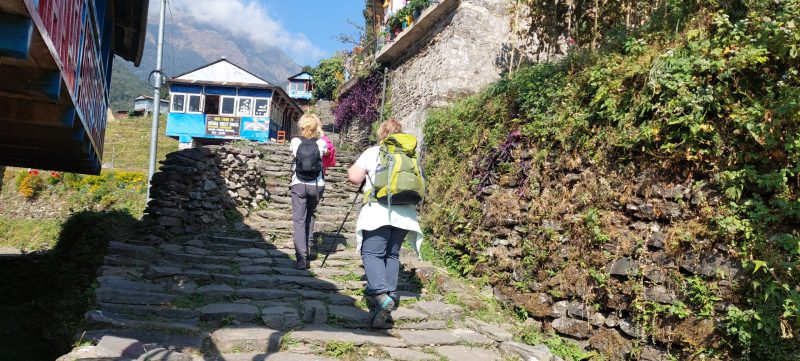
16 May 2019 12 min to read
Not everyone has three weeks to spare for the Himalayas. The good news is that 5 amazing treks in Nepal can be completed in a week or less, and each one delivers snow peaks, mountain villages and warm local hospitality. This guide compares five short routes by length, altitude, difficulty and approximate cost, so you can pick the one that fits your schedule and fitness.
| Trek | Duration | Highest Point | Difficulty | Best For |
|---|---|---|---|---|
| Chisapani–Nagarkot | 2–3 days | ~2,300 m | Easy | Beginners, families, trips near Kathmandu |
| Ghorepani Poon Hill | 4–5 days | 3,210 m | Easy to moderate | First-time trekkers, sunrise views |
| Mardi Himal | 5–6 days | ~4,500 m | Moderate | Quiet ridge walking, Machhapuchhre views |
| Short Annapurna Base Camp | 5–6 days | 4,130 m | Challenging | Fit trekkers short on time |
| Everest Panorama | 6–7 days | ~3,900 m | Moderate | Seeing Everest without going to base camp |
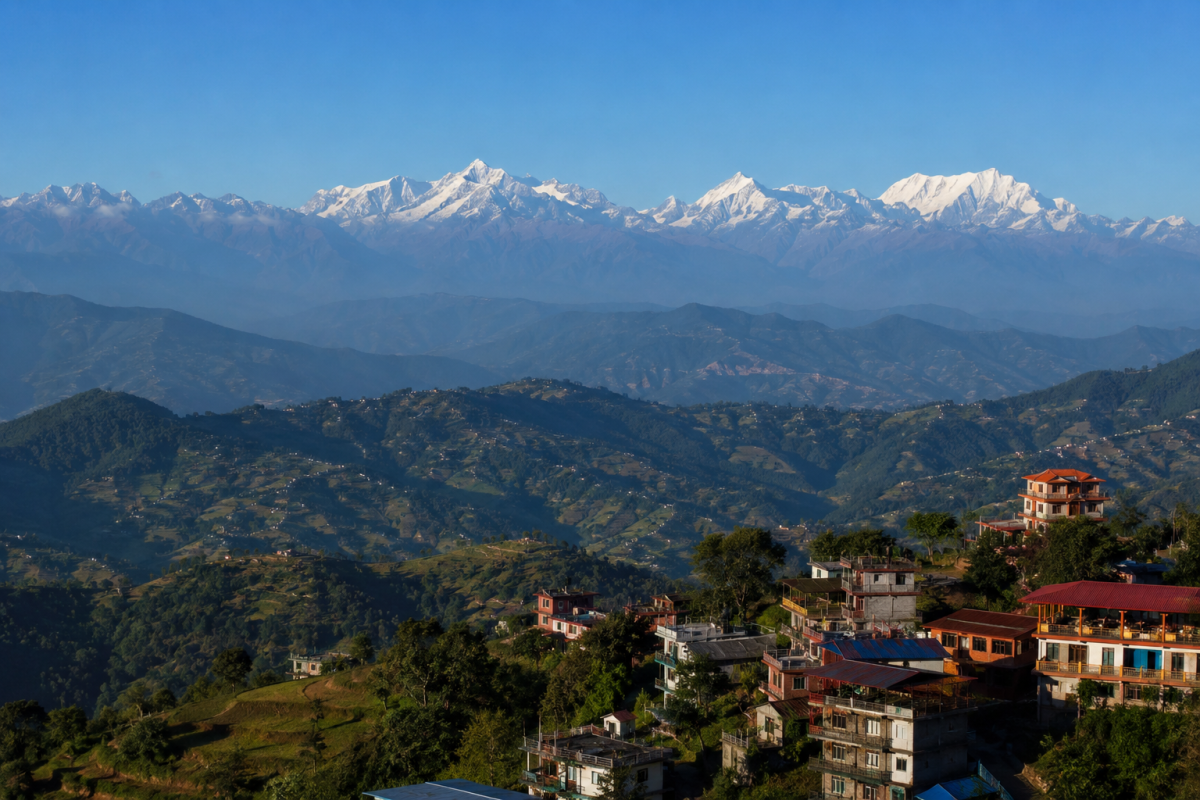
Chisapani Nagarkot hiking is the perfect escape for anyone who wants real mountain scenery without leaving the Kathmandu Valley far behind. The route begins at Sundarijal, a short drive from the city, and winds uphill through the oak and rhododendron forests of Shivapuri Nagarjun National Park. After reaching the ridge village of Chisapani, the trail follows quiet forested hilltops and small Tamang and Sherpa settlements before ending at the hilltop viewpoint of Nagarkot. Over two to three easy days, you enjoy fresh air, birdsong, and wide views of the Langtang, Ganesh Himal, and Jugal ranges, with Mount Everest visible on clear mornings from Nagarkot.
This hike suits first-time trekkers, families, and travelers short on time, since the trail is gentle, the altitude stays below 2,200 m, and comfortable teahouses and lodges are available along the way. The best months are October to November and March to April, when the skies are clear, though the forest looks lovely after the monsoon too. You only need a Shivapuri park entry ticket and comfortable walking shoes, and a local guide can add cultural stories and make the planning effortless. Whether you want a weekend getaway or a warm-up before a bigger Himalayan trek, this hike is a rewarding taste of Nepal’s trails.
Day 1: Kathmandu to Sundarijal to Chisapani: Drive 15 km (about 45 minutes) to Sundarijal, then trek about 9 km (5 to 6 hours) through Shivapuri forest to Chisapani (2,165 m).
Day 2: Chisapani to Nagarkot: After a sunrise view, trek about 15 km (6 to 7 hours) along forested ridges and villages to Nagarkot (2,175 m).
Day 3: Nagarkot to Kathmandu: Watch the sunrise over the Himalayas, then drive about 32 km (1.5 to 2 hours) back to Kathmandu.
If you only have a long weekend before or after other travel plans, this is your trek.
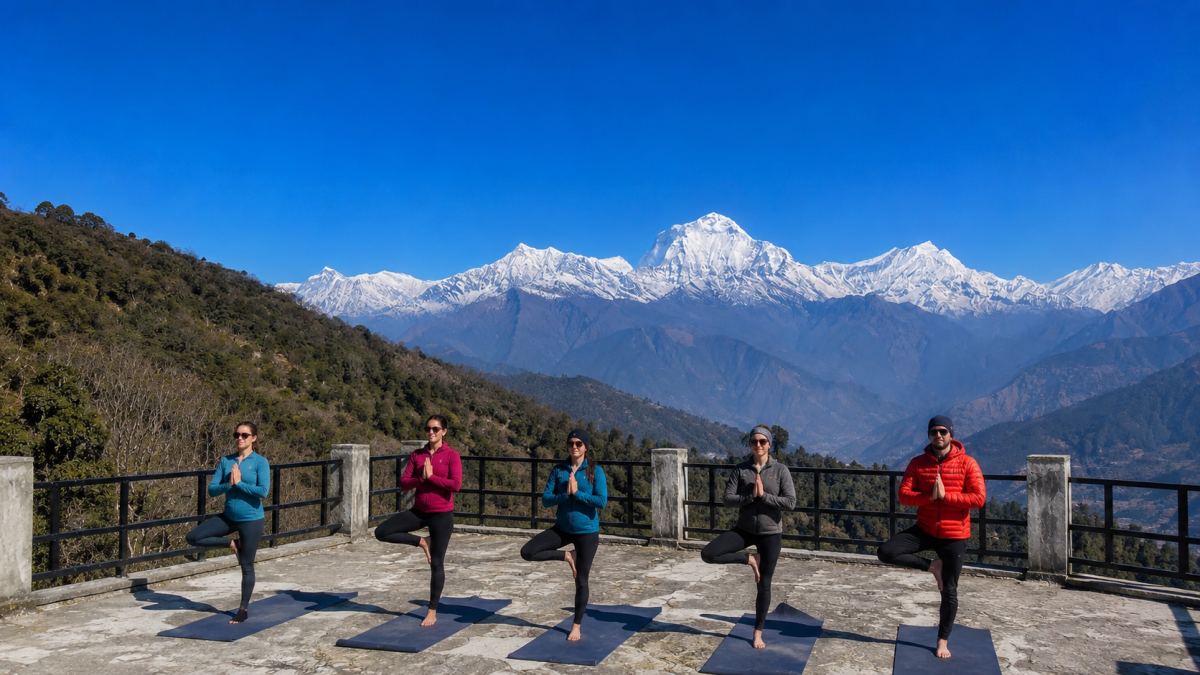
The Ghorepani Poon Hill Trek is one of the best short treks in Nepal, perfect for first-time trekkers, families, and anyone with limited time. Starting from Nayapul near Pokhara, the 4 to 5 day route climbs through lush rhododendron forests, terraced farmland, and traditional Gurung and Magar villages like Ulleri and Ghorepani. The trek is moderate, with no technical sections and a maximum altitude of 3,210 m at Poon Hill, so most walkers with basic fitness can complete it comfortably. The best seasons are spring (March to May) and autumn (September to November), when skies are clear and the trails are at their best.
The highlight is the sunrise hike to Poon Hill, where golden light spreads over Dhaulagiri, Annapurna South, Machhapuchhre, and dozens of other Himalayan peaks. Along the way you stay in friendly teahouses, enjoy hot dal bhat, and soak in the hot springs at Tatopani if you extend the trip. You will need an ACAP permit and a TIMS card, and costs are affordable compared with other Himalayan treks. Whether you book with a local operator or plan independently, this Annapurna region trek delivers big mountain views, rich culture, and a memorable Himalayan experience in just a few days.
Day 1: Pokhara to Nayapul to Ulleri: Drive 42 km (1.5 hours), then trek about 10 km (5 to 6 hours) to Ulleri (2,070 m).
Day 2: Ulleri to Ghorepani: Trek about 8 km (4 to 5 hours) through rhododendron forest to Ghorepani (2,860 m).
Day 3: Poon Hill to Tadapani: Hike up Poon Hill (3,210 m) for sunrise, then trek about 9 km (5 to 6 hours) to Tadapani (2,630 m).
Day 4: Tadapani to Ghandruk to Pokhara: Trek about 11 km (4 to 5 hours) down to Nayapul, then drive 42 km (1.5 hours) to Pokhara.
Distances and times are approximate. I can also make a version that starts and ends in Kathmandu if you’d like.
Spring (March–May) turns the forests red and pink with rhododendron blooms, while October and November give the clearest skies. For more detail, read our Ghorepani Poon Hill Trek guide.
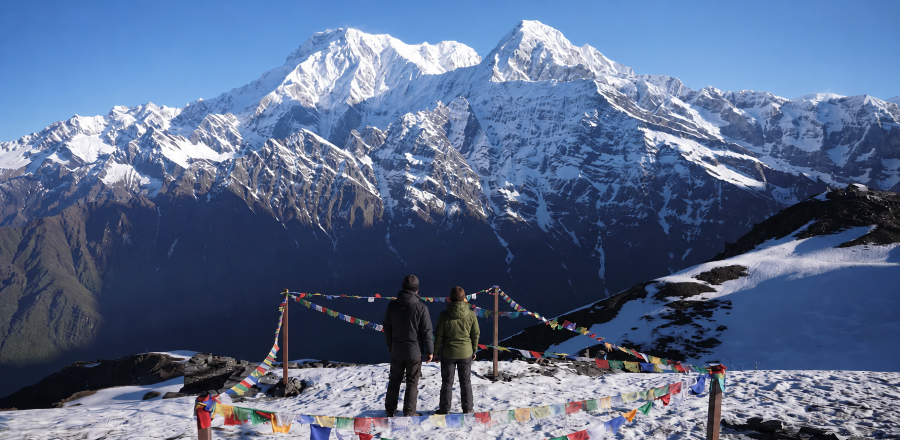
The Mardi Himal Trek is one of the most rewarding short treks in the Annapurna region of Nepal. Starting near Pokhara, the trail climbs through rhododendron forest and open ridgelines to Mardi Himal Base Camp at 4,500 meters.You can complete this trek in five to seven days. The route is moderate, the teahouses are simple and comfortable, and the trails are much quieter than on the classic Annapurna routes. It suits first-time trekkers as well as experienced hikers.
The reward is a close-up view of Machapuchare (Fishtail), Annapurna South, Hiunchuli and Dhaulagiri from High Camp. Trek with us for a peaceful Himalayan adventure, and let our local guides take care of every detail.
Day 1: Pokhara to Kande to Forest Camp: Drive 25 km (1 hour) to Kande, then trek about 9 km (5 to 6 hours) via Deurali and Pothana to Forest Camp (2,550 m).
Day 2: Forest Camp to High Camp: Trek about 6 km (4 to 5 hours) through rhododendron forest and open ridge to High Camp (3,550 m).
Day 3: High Camp to Mardi Himal Base Camp and back to Low Camp: Hike about 5 km (3 hours) up to Base Camp (4,500 m) for sweeping views, then descend about 6 km (3 hours) to Low Camp (3,050 m).
Day 4: Low Camp to Siding: Trek about 10 km (5 to 6 hours) down through Badal Danda to the village of Siding (1,750 m).
Day 5: Siding to Pokhara: Drive about 30 km (1.5 hours) back to Pokhara.
The final push toward the base camp area at around 4,500 m is long and exposed, so start early and carry warm layers.

The Short Annapurna Base Camp Trek is a faster way to reach the heart of the Annapurna Sanctuary without giving up the big mountain views. Instead of walking from Nayapul, you take a jeep from Pokhara deep into the Modi Khola valley, which saves about two days of trekking. From there, the trail climbs through Chomrong, bamboo forests, and the Machhapuchhre Base Camp area to Annapurna Base Camp at 4,130 m, surrounded by Annapurna I, Hiunchuli, and Machhapuchhre.
This 5-day plan suits trekkers with limited time and reasonable fitness, and the best seasons are March to May and September to November. Because the altitude gain is quicker, walk at a steady pace, drink plenty of water, and watch for signs of altitude sickness. You need an ACAP permit and a TIMS card, and a local guide makes the trip safer and smoother.
Short Annapurna Base Camp Trek: 5-Day Itinerary
Day 1: Pokhara to Jhinu Danda to Sinuwa: Drive about 55 km (4 to 5 hours) by jeep, then trek about 6 km (3 to 4 hours) via Chomrong to Sinuwa (2,340 m).
Day 2: Sinuwa to Deurali: Trek about 10 km (6 to 7 hours) through bamboo and rhododendron forest to Deurali (3,230 m).
Day 3: Deurali to Annapurna Base Camp: Trek about 6 km (4 to 5 hours) via Machhapuchhre Base Camp to Annapurna Base Camp (4,130 m) for sunset views.
Day 4: Annapurna Base Camp to Jhinu Danda: After sunrise, trek about 17 km (7 to 8 hours) down to Jhinu Danda (1,780 m) and relax in the hot springs.
Day 5: Jhinu Danda to Pokhara: Drive about 55 km (4 to 5 hours) back to Pokhara.
Be honest about your fitness here. A compressed schedule leaves less time to acclimatize, so watch for headaches and nausea, and descend if symptoms worsen. Our Annapurna Base Camp trek post covers longer, gentler schedules.

Want Everest without the two-week commitment? The Everest Panorama trek flies you to Lukla, then climbs through Sherpa country to Namche Bazaar, Khumjung and Tengboche. You will see Everest, Lhotse, Ama Dablam and Thamserku without going to base camp itself.
Mountain flights can be delayed by weather, so keep a spare day in your schedule. If this trek whets your appetite, our Everest Base Camp trek guide is the natural next step.
The best time for short treks in Nepal is autumn (September to November) and spring (March to May). The weather is steady, the skies are clear and temperatures are comfortable, which means better mountain views and easier walking. October and April are usually the best months of all.
Winter (December to February) is still a good choice for low-altitude routes like Chisapani–Nagarkot. Days are crisp and sunny, mornings can be cold, and the trails are far quieter than in peak season.
Monsoon (June to August) is the toughest season, with heavy rain, leeches and cloudy views. If you must trek then, choose rain-shadow areas such as Upper Mustang, where rainfall is much lighter. Pack a rain jacket and keep your dates flexible in case of delays.
Most routes in the Annapurna region need an Annapurna Conservation Area Project (ACAP) permit plus the local entry card or TIMS card in force at the time. Chisapani–Nagarkot requires a national park entry ticket, and Everest-region treks require the Sagarmatha National Park permit and local municipality fee. Fees change regularly, so confirm current rates with your operator or the official offices before you go.
Prices above are typical ranges and depend on group size, season, accommodation and guide quality.
1. What are the top 5 amazing treks in Nepal?
Ghorepani Poon Hill, Chisapani Nagarkot, Annapurna Base Camp, Mardi Himal, and Everest Base Camp are among the most popular and rewarding.
2. Which trek is best for beginners?
Chisapani Nagarkot and Ghorepani Poon Hill are the easiest, with gentle trails and low altitudes.
3. What is the best time to trek in Nepal?
Spring (March to May) and autumn (September to November) offer clear skies and stable weather.
4. How many days do these treks take?
Chisapani Nagarkot takes 2 to 3 days, Poon Hill 4 to 5 days, Mardi Himal 5 days, ABC 5 to 10 days, and Everest Base Camp 12 to 14 days.
5. Do I need a permit?
Yes. Annapurna and Mardi Himal treks need an ACAP permit and TIMS card, Everest requires Sagarmatha National Park and local permits, and Chisapani needs a Shivapuri park ticket.
6. How difficult are these treks?
They range from easy (Chisapani) to moderate (Poon Hill, Mardi Himal, ABC) to challenging (Everest Base Camp) because of altitude and trek length.
7. Do I need a guide or porter?
It’s not mandatory on most routes, but a guide improves safety, navigation, and cultural insight, and a porter lightens your load.
8. How much does a trek cost?
Short treks like Chisapani and Poon Hill cost less, while Everest Base Camp costs the most. Prices depend on group size, season, and services.
9. Where do you stay during the trek?
You stay in local teahouses with basic rooms and hot meals, and they get simpler at higher altitudes.
10. What food is available on the trail?
Dal bhat, noodles, soups, momos, eggs, and tea are served everywhere, and dal bhat is the most popular choice.
11. Is altitude sickness a risk?
It is a concern on Annapurna Base Camp and Everest Base Camp. Climb slowly, stay hydrated, and descend if symptoms appear.
12. Can I trek solo?
Yes, but solo trekkers should be experienced, carry travel insurance, and inform their lodge of their route.
13. What should I pack?
Pack layered clothing, sturdy boots, a warm jacket, a rain shell, a sleeping bag, a water bottle, sunscreen, and a basic first-aid kit.
14. Do I need travel insurance?
Yes. Choose a policy that covers trekking and emergency helicopter evacuation up to your maximum altitude.
15. Is there a mobile network and Wi-Fi?
Coverage is good on lower treks like Poon Hill, but patchy at higher altitudes. Wi-Fi is available in many teahouses for a small fee.
Whether you pick a gentle ridge walk near Kathmandu or a quick dash to Annapurna Base Camp, these 5 amazing treks in Nepal prove you don’t need weeks to feel the Himalayas. Choose the route that matches your fitness, time and season, and the mountains will do the rest.
If you are asking how difficult the Everest Three Passes Trek is, the honest answer is this: it is t
Continue Reading
My name is Peng Chang, and I travelled to Nepal from Malaysia with a small group of friends. Before
Continue Reading
In this story Why I Chose Everest Base Camp My name is Chyling, and I come from Malaysia, a country
Continue Reading
Ask anyone who has finished the Annapurna Circuit which day they remember most, and the answer is al
Continue Reading
Introduction Kathmandu doesn’t ease you in. You step out of the airport into a chorus of horns
Continue Reading
Every Everest Base Camp trekking package includes a line item for “guide” and “por
Continue Reading