Safe Holiday Adventure
+977-9849116284 (Santosh) | info@safeholidayadventure.com
  Ask to Expert

Mardi Himal Trek – Nepal’s Best Budget Trek

December 2, 2025

Mardi Himal Trek – Nepal’s Best Budget Trek

The Mardi Himal Trek has quickly become one of Nepal’s most loved trekking routes—and for good reason. If you dream of standing before the majestic Annapurna and Machhapuchhre (Fishtail) mountains without spending a huge amount of money or taking weeks off from your schedule, then Mardi Himal is the trek for you.

Short, spectacular, quiet, and budget-friendly, this trail gives you an authentic taste of the Himalayas in just 4–6 days and fits perfectly into the travel plans of both experienced and first-time trekkers.

In this complete guide, you’ll discover everything you need to know about Mardi Himal Trek—cost, itinerary, difficulty, weather, packing list, permits, accommodation, food, safety, and insider tips to help you plan a perfect and affordable adventure.


Table of Contents

  1. Mardi Himal Trek Overview
  2. Why Mardi Himal is the Best Budget Trek in Nepal
  3. Trek Highlights
  4. Difficulty Level
  5. Best Time to Trek
  6. Detailed Itinerary (4–6 Days Options)
  7. Cost Breakdown – How to Do It on a Budget
  8. Permits Required
  9. Accommodation on the Trek
  10. Food & Drinking Water
  11. How to Get to the Trailhead
  12. Guide or No Guide?
  13. Packing List
  14. Altitude Sickness & Safety Tips
  15. Weather by Season
  16. Tips to Reduce Your Budget
  17. Who the Mardi Himal Trek Is Best For
  18. Conclusion

1. Mardi Himal Trek Overview


magical Fishtail mountain view from Mrdi Himal View Point

Where is Mardi Himal?

Mardi Himal lies in the Annapurna Conservation Area, just east of the famous Annapurna Base Camp trail. Despite its proximity to major trekking routes, Mardi Himal remained hidden for decades, officially opening only in 2012.

Quick Facts

  • Trek Duration: 4–6 days
  • Maximum Altitude: 4,500m (Mardi Viewpoint) / 4,200m (Mardi Base Camp)
  • Starting Point: Kande or Dhampus
  • Ending Point: Sidhing or Phedi
  • Lodging Type: Tea houses
  • Difficulty: Moderate
  • Required Permits: ACAP + TIMS
  • Best Seasons: Spring & Autumn

2. Why Mardi Himal is the Best Budget Trek in Nepal

Travelers love Mardi Himal for many reasons, but one stands out: it delivers top-level Himalayan views at the lowest cost and shortest time.

Reasons Mardi Himal is Budget-Friendly

✔ Short duration = lower cost

Only 4–6 days means lower accommodation and food costs.

✔ No expensive domestic flights

Unlike Everest Base Camp, you don’t need a flight to Lukla (USD 180–220 one-way).

✔ Accommodation is cheap

Tea houses along the trail offer budget rooms and affordable meals.

✔ Close to Pokhara

Transport to the trek start is cheap and quick.

✔ Minimal gear required

Since the trail is moderate, you don’t need expensive high-altitude equipment.

✔ Perfect for backpackers

Mardi Himal delivers a full Himalayan experience without breaking the bank.

If you want a high-value trek at a low cost, nothing beats Mardi Himal.


3. Major Highlights of the Mardi Himal Trek

Best short trek in Nepal- Mardi trails

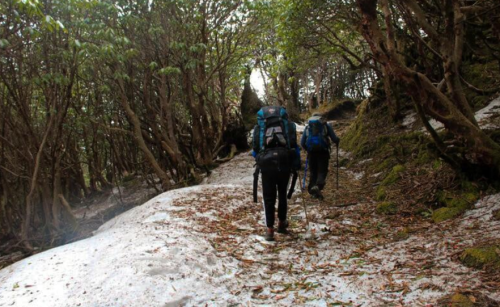
Trekking path in the Mardi Himal trek through the Forest

1. Unreal close-up views of Machhapuchhre (Fishtail Mountain)

You see Fishtail from an angle that feels unbelievably close—almost within touching distance.

2. Full panorama of Annapurna South, Hiunchuli & Annapurna Range

From High Camp and Viewpoint, the views are breathtaking.

3. Peaceful forest trails

Rhododendron forests, moss-covered trees, and quiet paths make the journey magical.

4. Authentic local tea houses

You stay with local families who run small lodges—warm hospitality guaranteed.

5. Rich flora and fauna

The route is ideal for birdwatching and nature photography.

6. Perfect for sunrise/sunset photography

The lighting above High Camp is spectacular.

7. Cheapest short high-altitude trek in Nepal

No flights, short days, low expenses—perfect for budget travelers.


4. Difficulty Level – Is Mardi Himal Easy or Hard?

The trek is considered moderate.

What Makes It Manageable

  • Daily walking hours: 4–6 hours
  • No technical climbing
  • Well-marked trail
  • Tea house accommodation (no camping)

Challenging Sections

  • Steep ascent from Low Camp → High Camp
  • Cold temperatures at night
  • Wind and snow at higher elevations during winter

If you can walk 8–10 km a day, you can do this trek comfortably.


5. Best Time for the Mardi Himal Trek

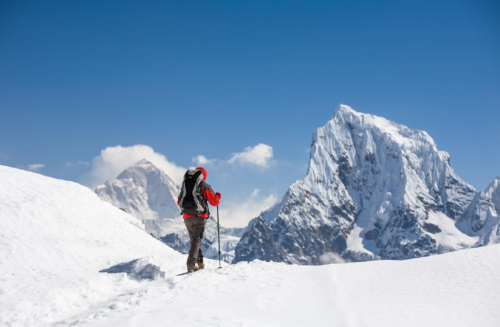
Magical snow fall during himal trekking

Spring (March–May) – Highly Recommended

  • Rhododendrons in full bloom
  • Clear mornings
  • Warm daytime temperatures
  • Excellent mountain views

Autumn (September–November) – Best for Clear Skies

  • Best visibility
  • Stable weather
  • Very comfortable trekking conditions

Winter (December–February)

  • Cold temperatures
  • Snow possible above High Camp
  • Crystal-clear skies
  • Perfect for photographers

Monsoon (June–August)

  • Slippery trails
  • Leeches in lower regions
  • Mountain views are often blocked

Spring and autumn are the best for first-timers.


6. Detailed Mardi Himal Trek Itinerary (4 Days)

mardi himal base camp trek

Mount Fishtail View from High Camp

Pokhara → Kande → Rest Camp → High Camp → View Point → Sidhing → Pokhara


Day 1: Drive from Pokhara to Kande, then drive to Rest Camp (Overnight at Rest Camp)

Your journey begins with a scenic morning drive from Pokhara to Kande, passing through small villages, terraced fields, and beautiful countryside views. The road offers an inspiring warm-up for the adventure ahead. From Kande, you continue by jeep deeper into the forested hills until you reach Rest Camp (2,450m). This location sits peacefully inside the rhododendron forest, offering fresh mountain air, quiet surroundings, and the first glimpse of the Machhapuchhre (Fishtail) peak. After checking into your tea house, enjoy lunch and take a short acclimatization walk around the area. Spend the evening relaxing in the cozy dining hall as temperatures cool down and the forest becomes calm, preparing for the next day’s ascent.


Day 2: Trek from Rest Camp to High Camp (3,600m)

Today’s trekking trail is one of the most scenic parts of the Mardi Himal route. Leaving Rest Camp, you ascend gradually through mossy forests filled with oak, birch, and rhododendron trees. As you gain altitude, the vegetation becomes thinner, and the clouds often float below you, creating a magical atmosphere. After about 2–3 hours, you reach Low Camp, where you can enjoy the first close-up view of Machhapuchhre. The trail then continues along a ridge towards Middle Camp and eventually High Camp, offering expanding views of Annapurna South, Hiunchuli, and the valley below. High Camp is perched dramatically on an open ridge, providing outstanding sunset views and a perfect base for the next morning’s viewpoint hike.


Day 3: Early Morning Hike to View Point (4,200–4,500m) and Descent to Sidhing Village

Before sunrise, you begin the highlight of the trek—a stunning hike to the Mardi Himal View Point. The trail is steep but rewarding, offering panoramic views of Machhapuchhre, Annapurna South, Hiunchuli, and the surrounding Himalayan range. As the sun rises, the mountains glow with golden light, creating unforgettable photography opportunities. After spending time at the viewpoint and enjoying the high-altitude atmosphere, descend back to High Camp for breakfast. Then continue the long downhill trail to Sidhing Village, which follows a quieter, less-traveled route through forests and traditional settlements. Sidhing offers a peaceful local environment, warm hospitality, and a relaxing place to stay after your biggest trekking day.


Day 4: Drive from Sidhing Village to Pokhara

After breakfast in Sidhing, you board a private jeep or shared vehicle for the scenic drive back to Pokhara. The road winds through charming Gurung villages, farmland, and dense forest, eventually joining the main Pokhara highway. The drive takes around 2–3 hours, depending on road conditions. Once you reach Pokhara, you can check into your hotel, rest, and enjoy the comforts of lakeside cafés, restaurants, and warm showers. This marks the end of your Mardi Himal adventure—short, beautiful, and filled with unforgettable Himalayan moments. Many trekkers celebrate the successful trek with a relaxing walk around Phewa Lake or enjoy a well-deserved meal overlooking the water.


7. Mardi Himal Trek Cost Breakdown (How to Do It on a Budget)

A major reason this trek is popular is its low cost.

Average Cost for Budget Travelers

Expense Cost (USD)
Accommodation $5–10 per night
Meals $20–25 per day
Transport Pokhara–Kande/Sidhing $5–15
Permits ~$40 total
Guide (optional) $25–30 per day
Porter (optional) $18–22 per day

Total Budget (Without Guide): $150–250

Total Budget (With Guide): $280–380

The trek is easily one of Nepal’s cheapest high-altitude adventures.


8. Permits Required for Mardi Himal Trek

You need two permits:

1. ACAP (Annapurna Conservation Area Permit)

The Annapurna Conservation Area Permit (ACAP) is an official entry permit required for all trekkers visiting the Annapurna region, including popular routes such as Mardi Himal, Annapurna Base Camp, Annapurna Circuit, and Ghorepani Poon Hill. Managed by the National Trust for Nature Conservation (NTNC), ACAP helps protect the area’s fragile ecosystems, support local communities, and maintain trekking trails. The permit fee contributes directly to conservation programs, wildlife protection, waste management, and sustainable tourism development. ACAP can be obtained from the tourism offices in Pokhara or Kathmandu upon submitting your passport and a passport-size photo. Trekkers must carry the permit at all times, as it will be checked at conservation checkpoints throughout the trek.


9. Accommodation on the Mardi Himal Trail

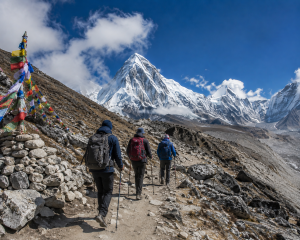
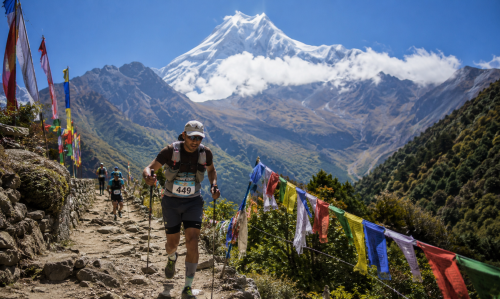
Trekker walking along the Mardi Himal ridge with close-up views of Machhapuchhre and the Annapurna range.

A stunning scene from the Mardi Himal Trek showing a hiker walking along a narrow mountain ridge with panoramic views of Machhapuchhre (Fishtail), Annapurna South, and Hiunchuli. The sky is clear, the landscape is green and rugged, and the trail leads toward High Camp, showcasing the natural beauty of the Annapurna region.

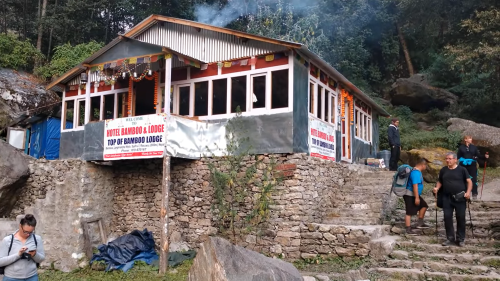
Tea houses are basic but cozy.

Facilities:

  • Twin-sharing wooden rooms
  • Shared bathrooms
  • Blankets (but still bring a sleeping bag)
  • Dining hall with a stove
  • Solar charging (extra cost)
  • Limited Wi-Fi in some places

Price Range

  • Room: $5–10
  • Heating: $1–3
  • Hot Shower: $1–2

Rooms are cheap, but tea houses expect you to eat meals at their dining area.


10. Food & Water on the Trek

Tea houses offer a variety of meals.

Popular Foods

  • Dal Bhat (unlimited refills)
  • Noodles
  • Momos
  • Fried rice
  • Pancakes & porridge
  • Tea, coffee, ginger, honey, lemon

Water

  • Mineral water: $1–3 per bottle
  • Cheaper option: Use a water purifier

11. How to Get to the Starting Point

Pokhara → Kande (Most Common Start)

  • By taxi: 1 hour
  • By local bus: 1.5 hours

Ending Point Options

  • Sidhing: Jeep access
  • Pothana / Dhampus: Beautiful forest descent

Transport is easy and cheap, making the trek budget-friendly.


12. Should You Take a Guide?

A guide is not mandatory but recommended.

Advantages of Hiring a Guide

  • Safety in unfamiliar terrain
  • Avoid getting lost
  • Help with accommodation
  • Knowledge of mountains, culture, and wildlife
  • Support during bad weather or illness

Cost of Guide

  • $25–30 per day

13. Packing List for Mardi Himal Trek

Trekking gear list for trekking in nepal

Trekking gear list for ABC trekking in Nepal

Clothing

  • Base layers
  • Fleece jacket
  • Down jacket
  • Trekking pants
  • Warm hat & gloves
  • Rain jacket
  • Hiking boots
  • Trekking socks

Gear

  • Daypack (30L)
  • Sleeping bag (-10°C recommended)
  • Water bottle
  • Walking poles
  • Headlamp

Personal Items

  • Sunscreen
  • Lip balm
  • First aid kit
  • Power bank

Travel light—Mardi Himal does not require heavy high-altitude gear.


14. Altitude Sickness & Safety Tips

Symptoms

  • Headache
  • Nausea
  • Loss of appetite
  • Dizziness

Preventive Tips

  • Walk slowly
  • Drink 3–4 liters of water
  • Acclimatize at High Camp
  • Avoid alcohol
  • Descend if symptoms worsen

Mardi Himal is safer than other high-altitude treks but still requires caution.


15. Weather Conditions by Season

Spring

  • Temp: 5°C to 15°C
  • Rhododendrons blooming
  • Moderate traffic

Autumn

  • Temp: 0°C to 12°C
  • Best visibility
  • Popular season

Winter

  • Temp: -10°C to 5°C
  • Snow at High Camp
  • Calm and quiet

Monsoon

  • Foggy & rainy
  • Leeches in the lower sections

16. Tips to Reduce Your Budget Even More

✔ Start early—avoid helicopter or emergency rescue risk
✔ Choose Nepali dishes (cheapest)
✔ Carry a water filter
✔ Avoid expensive snacks
✔ Share a jeep with other trekkers
✔ Bring your own gear instead of renting


17. Who Is the Mardi Himal Trek Best For?

Perfect for:

  • Budget trekkers
  • Beginners
  • Families
  • Short-time travelers
  • Photographers
  • Nature lovers
  • Trekking enthusiasts who prefer off-beat trails

Not ideal for:

  • Those expecting luxury accommodation
  • People with severe altitude sensitivity

18. Conclusion – Why Mardi Himal Should Be Your Next Trek

If you want a truly unforgettable Himalayan adventure without spending too much money or time, the Mardi Himal Trek is the perfect choice. It offers everything—mountains, forests, local culture, adventure, and breathtaking scenery—at a fraction of the cost of other treks.

Beautiful, budget-friendly, and achievable in under a week, Mardi Himal is the ideal trek for any traveler exploring Nepal.

© 2025

Safe Holiday Adventure Pvt. Ltd.

P.O.Box: 20065 Tarkeshwor-6, Kathmandu, Nepal
Cell: 00977 9849116284
Email: info@safeholidayadventure.com, safeholidayadventure@gmail.com

Europe Contact
Mark Brosius
mark.brosius@hotmail.com
Oude baan, 41, 3060 Bertem, Belgium


Trip Advisor Trust Pilot

We are associated with

Nepal GovernmentNTBTAANNMAKEEP

We accept