

Manaslu Trail Race Highlights: Highlights
- One of the most spectacular multi-stage trail races in the Himalayas.
- Run through the remote and untouched Manaslu region of Nepal.
- Stunning views of Mount Manaslu (8,163m), the world’s eighth-highest mountain.
- Seven exciting race stages across diverse Himalayan landscapes.
- Race on ancient mountain trails used by local communities for centuries.
- Experience authentic Tibetan-influenced culture and traditional villages.
- Pass through picturesque settlements including Jagat, Namrung, Lho, Samagaon, and Samdo.
- Visit the beautiful Pungyen Gompa and Hinang Monastery.
- Special overnight stay at the historic Hinang Gompa monastery.
- Run to the spectacular Manaslu Base Camp trail viewpoint.
- Enjoy breathtaking scenery of glaciers, alpine meadows, and yak pastures.
- Explore the turquoise waters of Birendra Lake.
- Active acclimatization hike to Rui La Pass and the Tibetan border.
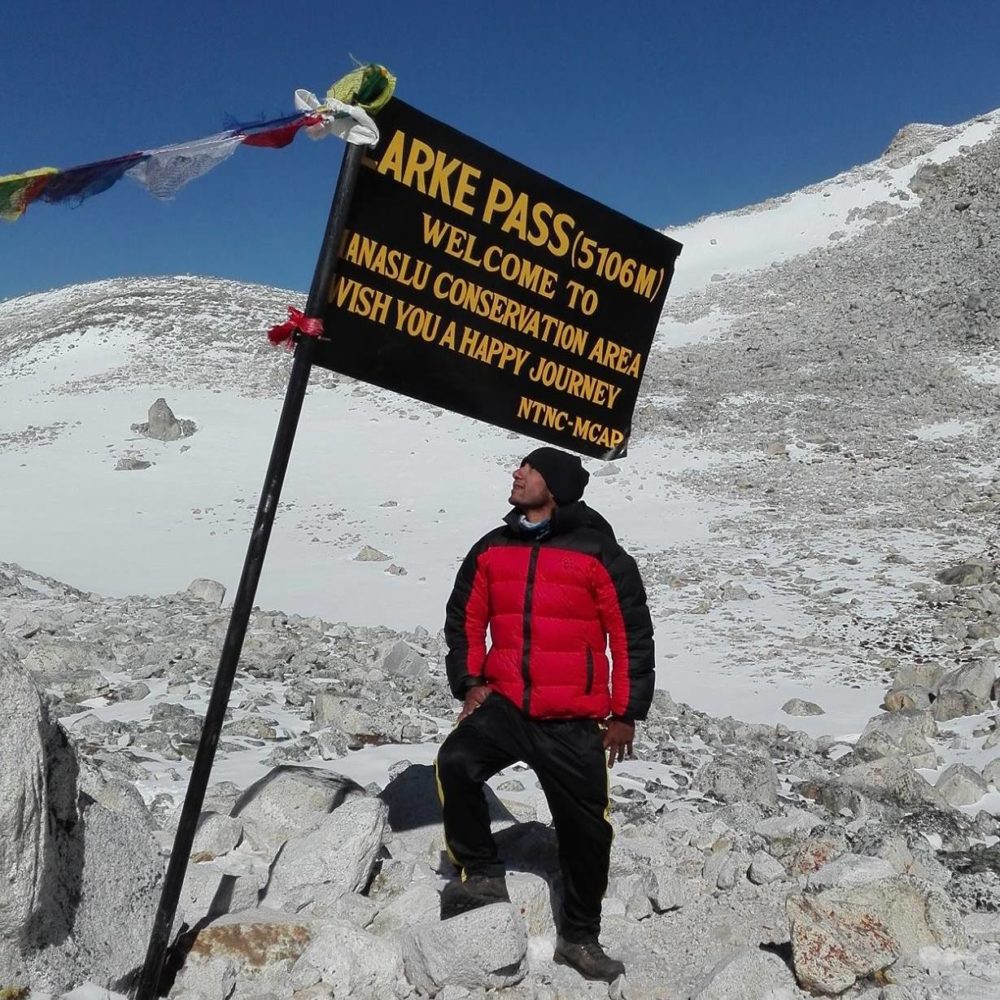
- Cross the legendary Larkya Pass (5,106m), one of Nepal’s finest mountain passes.
- Panoramic views of Manaslu, Himal Chuli, Ngadi Chuli, Himlung Himal, and Annapurna II.
- Run through forests of pine, rhododendron, and Himalayan fir.
- Experience challenging high-altitude racing above 3,500 meters.
- Fully supported race with checkpoints, medical assistance, and logistics support.
- Meet trail runners from around the world in a unique international event.
- Combine trail running, trekking, culture, and mountain adventure in one journey.
- Discover one of Nepal’s least crowded and most scenic trekking regions.
- Finish the race in the beautiful village of Tilje after an unforgettable Himalayan adventure.
- Celebrate your achievement with fellow runners at the race finish and awards ceremony.
- Create lifelong memories in one of the world’s most spectacular mountain environments.
Manaslu Trail Race Introduction: Overview
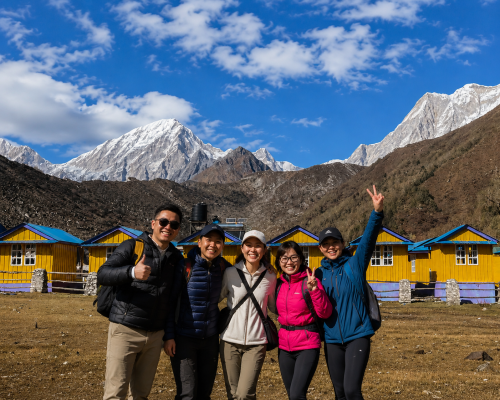
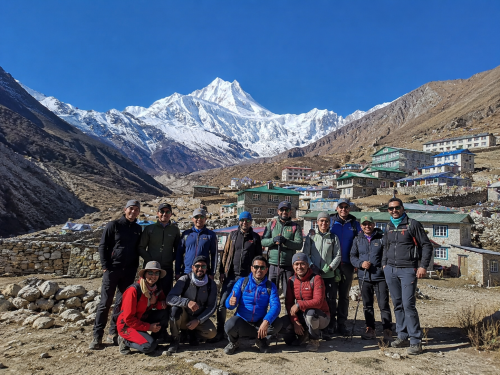
The Manaslu Trail Race is one of the most exciting mountain running events in Nepal. It takes place in the remote Manaslu region. The race combines trail running, trekking, culture, and Himalayan adventure. Participants run through beautiful villages, alpine valleys, and high mountain landscapes.
The journey begins in Kathmandu. Runners arrive in Nepal and prepare for the adventure ahead. After a short briefing, the trip starts with a scenic drive toward the Manaslu region. The road follows rivers, green hills, terraced farms, and traditional settlements.
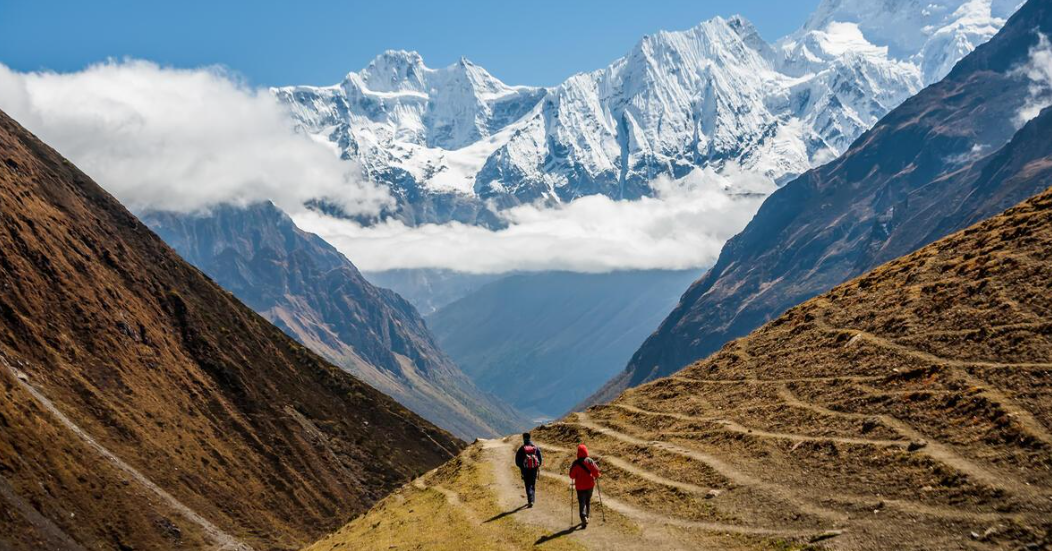
The trekking section starts from the lower Budhi Gandaki Valley. The trail passes through forests, waterfalls, suspension bridges, and small mountain villages. Every day brings new scenery and fresh experiences. The path gradually climbs into the heart of the Himalayas.
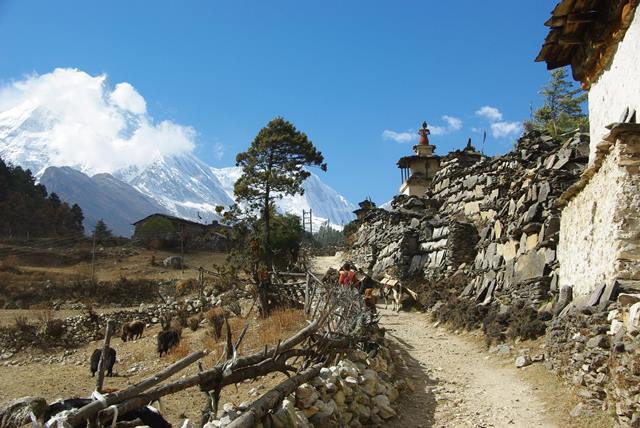
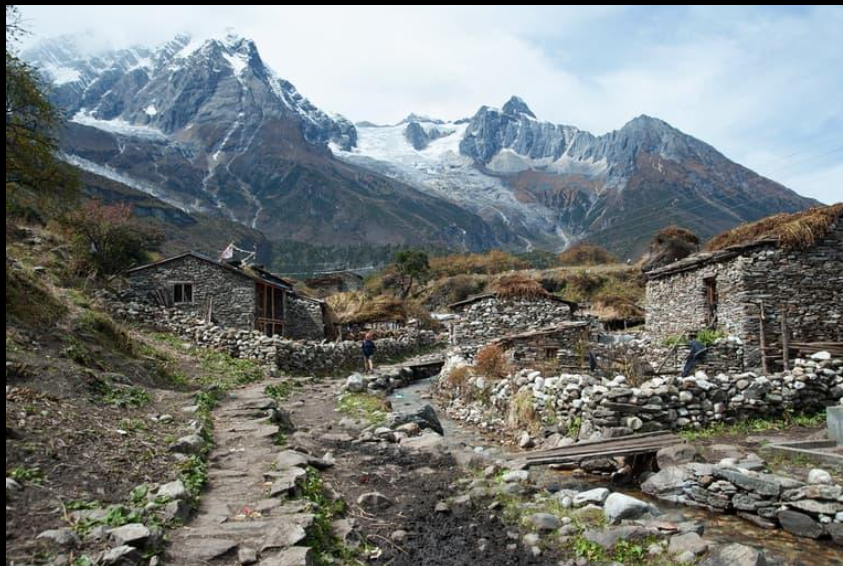
As runners move higher, the landscape changes. Dense forests become open valleys. Snow-covered mountains appear closer each day. Traditional stone houses, prayer flags, and ancient monasteries add a unique cultural experience to the journey.
The route passes through villages such as Jagat, Deng, Namrung, Lho, and Samagaon. Each village offers a different glimpse of local life. The people are friendly and welcoming. Their culture reflects strong Tibetan influences that have remained unchanged for generations.
One of the highlights of the trip is Samagaon. This beautiful mountain village sits beneath the towering slopes of Manaslu. The surrounding scenery is breathtaking. Glaciers, yak pastures, and dramatic peaks create a spectacular setting. Runners spend time here for acclimatization before race day.
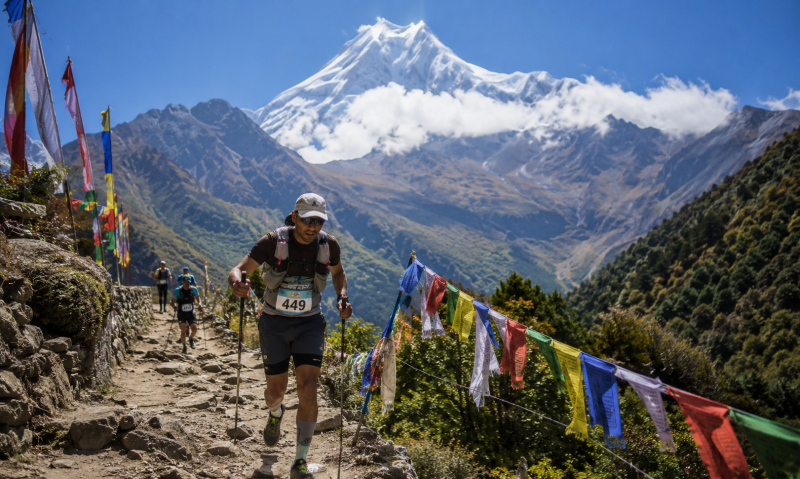
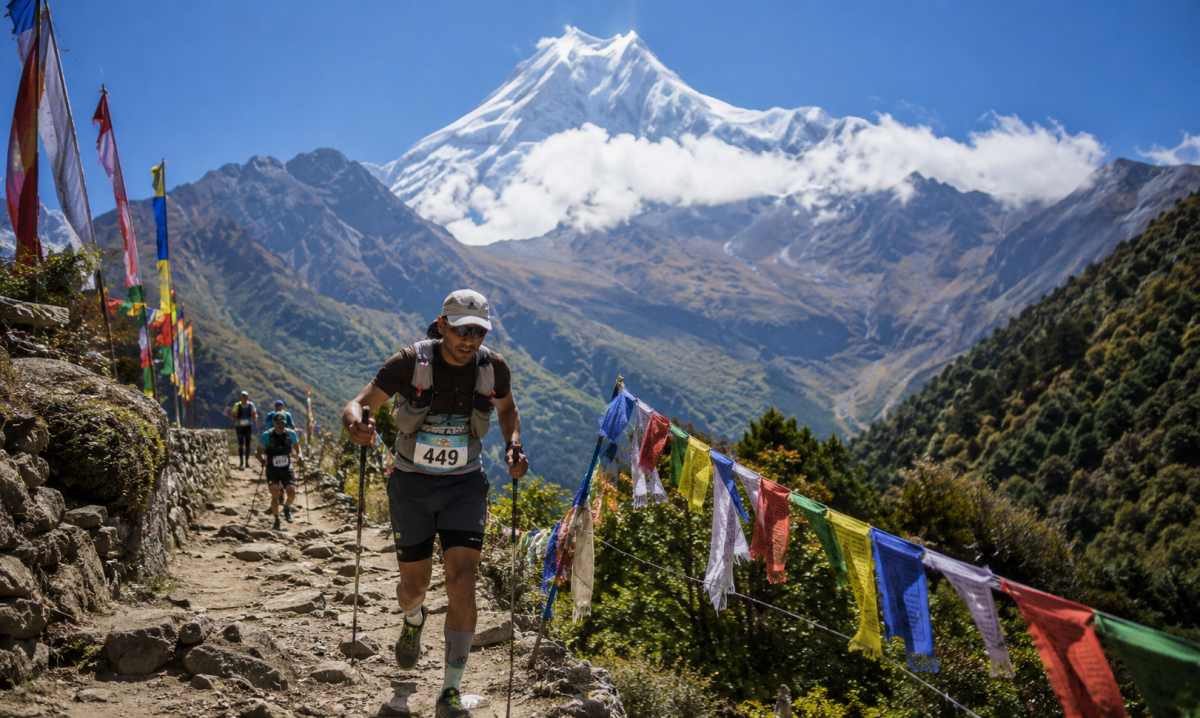
Race day is the most exciting part of the adventure. Participants run along high-altitude trails surrounded by magnificent Himalayan views. The route tests endurance, strength, and determination. Every step rewards runners with unforgettable mountain scenery.
The Manaslu Trail Race is more than a competition. It is an opportunity to experience one of Nepal’s most remote and beautiful regions. The event brings together runners from different countries who share a passion for trail running and mountain adventure.
After the race, the journey continues deeper into the mountains. The trail leads toward Samdo and Dharamsala. The landscape becomes more rugged and dramatic. High Himalayan peaks dominate the horizon.
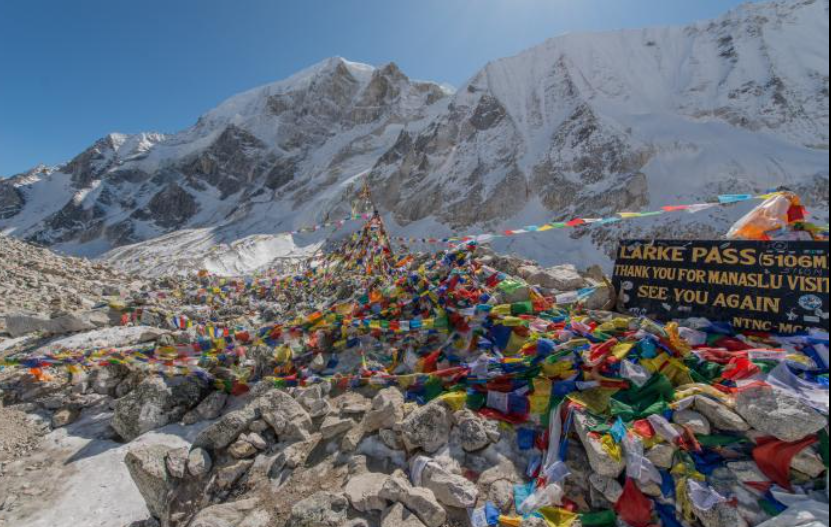
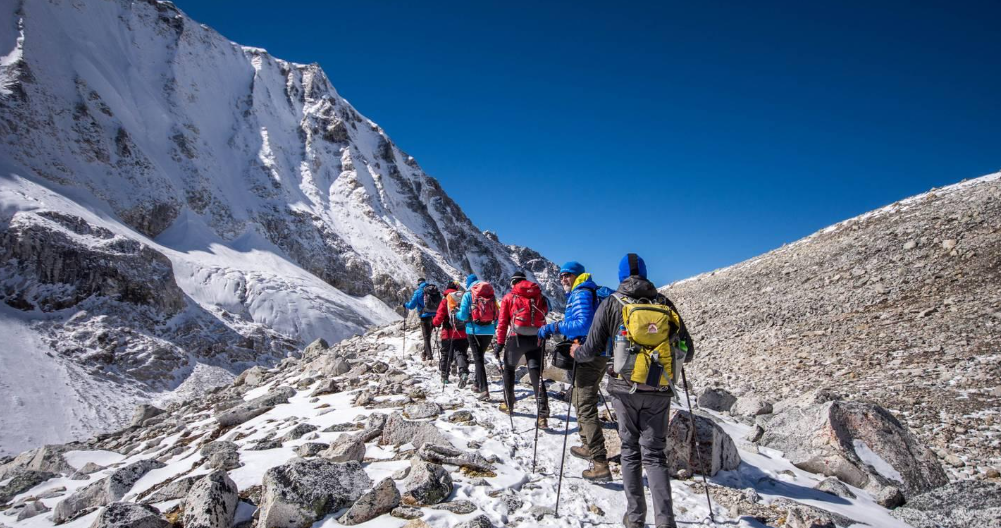
The final challenge is crossing Larke Pass at 5,106 meters. This famous mountain pass offers panoramic views of glaciers, valleys, and snow-capped summits. Reaching the top is a rewarding achievement. It is one of the most memorable moments of the entire trip.
From Larke Pass, the trail descends into the beautiful Annapurna region. Forests, rivers, and mountain villages accompany the final days of the journey. The adventure ends with a drive back to Kathmandu.
The 13 Day Manaslu Trail Race is a perfect combination of trail running and trekking. It offers stunning scenery, rich culture, and a true Himalayan challenge. From the first day in Kathmandu to the final return journey, every moment is filled with adventure. It is an unforgettable experience for runners seeking a unique mountain race in Nepal.
How to Join the Manaslu Trail Race with us?
Joining the Manaslu Trail Race is easy with Safe Holiday Adventure Pvt. Ltd. Simply contact our team to reserve your place and complete the registration process. We will provide race details, travel information, packing recommendations, and payment instructions.
After confirming your booking, arrive in Kathmandu before the race briefing. Our team will assist with airport transfers, accommodation, permits, transportation, and race logistics throughout the event.
From the starting point at Soti Khola to the finish line in Tilje, we ensure a safe, well-organized, and memorable Himalayan trail running experience. Whether you are an experienced trail runner or adventure enthusiast, we are here to help you complete one of Nepal’s most spectacular mountain races.
To Join the Manaslu Trail Race:
✔ Contact Safe Holiday Adventure Pvt. Ltd.
✔ Reserve your race package and secure your spot.
✔ Book your international flight to Kathmandu.
✔ Submit the required registration documents.
✔ Arrive in Kathmandu before the race briefing day.
✔ Complete gear inspection and race registration.
✔ Start your Manaslu Trail Race adventure in the Himalayas.
Safe Holiday Adventure Pvt. Ltd. is proud to assist international runners with professional race logistics, trekking expertise, and personalized service throughout the Manaslu Trail Race experience.
History and Background of Manaslu Trail Race
Stage-by-Stage Race Format Explained:
The Manaslu Trail Race is organized in a multi-stage format, meaning runners complete the course over several days instead of a single continuous run. Each day covers a different section of the Manaslu Circuit, combining trail running and high-altitude trekking through remote Himalayan terrain.
A typical stage includes 15–30 km of running per day, depending on altitude and terrain. Routes pass through villages, forests, river valleys, and steep mountain trails, with gradual elevation gain as the race progresses toward higher Himalayan zones.
Between stages, runners stay in local tea houses or camps, allowing recovery, cultural interaction, and acclimatization. This format helps participants safely manage altitude while experiencing authentic village life.
The final stages often include crossing high passes like Larke La (5,160m) before descending, making the race both a physical challenge and a complete Himalayan expedition experience.
Why the Manaslu Trail Race is Suitable for You:
- High-altitude experience with support
The race reaches over 4,000–5,000m, but includes guided stages, acclimatization days, and medical support, making it safer for well-prepared runners. - No heavy backpack running
Your main luggage is carried by porters or support teams, so you run only with a light pack, allowing better performance and enjoyment. - Gradual multi-day format
Instead of one extreme push, the race is divided into stages (around 7 days), helping your body adapt step-by-step to altitude and terrain. - Scenic Himalayan environment
You pass through forests, rivers, glaciers, monasteries, and traditional villages, making it ideal if you value nature and cultural immersion. - Moderate to challenging but achievable
The race is tough but not technical; with good fitness and preparation, many runners successfully complete it. - Cultural immersion in remote Nepal
You stay in local tea houses and interact with mountain communities, giving a deeper travel experience beyond just racing. - Improves endurance and mental strength
Long trail days, altitude, and changing terrain help build strong physical endurance and mental resilience. - Well-organized stage logistics
Accommodation, meals, and route support are arranged, reducing planning stress so you can focus on running and experience.
Manaslu Trail Race Itinerary:Outline Itinerary
Day 01: Arrival in Kathmandu (1,400m) and transfer to hotel.
Day 02: Race briefing, registration, gear check, and final preparation in Kathmandu.
Day 03: Drive from Kathmandu to Soti Khola (710m), the starting point of the Manaslu Trail Race.
Day 04: Stage 1 – Race from Soti Khola to Dhoban (1,070m) via Machha Khola (24.9 km).
Day 05: Stage 2 – Race from Dhoban to Deng (1,860m) via Jagat and Philim (27 km).
Day 06: Stage 3 – Race from Deng to Hinang Gompa (3,150m) via Namrung (23.5 km).
Day 07: Stage 4 – Race from Hinang Gompa to Samagaon (3,530m) via Shyala and Pungyen Gompa (24 km).
Day 08: Stage 5 – Manaslu Base Camp Challenge, race from Samagaon and return to Samagaon (12.6 km).
Day 09: Stage 6 – Race from Samagaon to Samdo (3,875m) via Birendra Lake (7.9 km).
Day 10: Active acclimatization hike from Samdo to Rui La Pass (4,998m) and Tibetan Border, then return to Samdo.
Day 11: Trek and run from Samdo to Bhimtang (3,720m) via Larkya Pass (5,106m).
Day 12: Stage 7 – Final race from Bhimtang to Tilje (2,300m) through alpine forests and villages (18.2 km).
Day 13: Scenic drive from Tilje back to Kathmandu and farewell celebration.
Day 14: Transfer to Kathmandu Airport for final departure.

Whats Included?
- Airport pickup and drop-off to hotel,
- Ground transport to race start point,
- Welcome cultural dinner in Kathmandu (arrival day),
- Group dinner in Kathmandu (Sunday evening),
- Manaslu Restricted Area Permit (RAP),
- Annapurna Conservation Area Permit (ACAP),
- Stage-wise tea-house accommodation,
- Full board meals (breakfast, packed lunch, dinner),
- On-route medical support with high-altitude race doctor,
- Official race T-shirt,
- Race kit (buff, SIM card, sanitizer, info pack),
- Support for Nepali elite runners participation.
- International flights to/from Nepal
- Travel insurance (mandatory but not included)
- Kathmandu meals (lunch and personal dining)
- Personal shopping and expenses
- Alcoholic drinks and soft drinks during race
- Extra meals outside provided full-board plan
- Tips for guides, porters, and support staff
- Personal trekking/running gear and equipment
- Additional emergency evacuation or personal costs
Dates and Availability Departures
All our published dates are guaranteed departures. We also provide customized departures tailored to your travel plans.
There are no group joining dates available at the moment. Please contact us for a private trip.
Travellers Reviews
Ahmed Al Mansoori
Dubai | April,2024
Amazing Manaslu Adventure with Safe holiday adventure
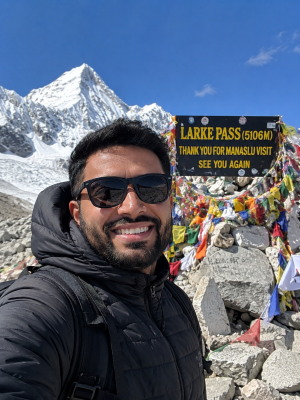
The 13 Days Manaslu Larke Pass Trek was an incredible experience. Every day brought spectacular mountain scenery, peaceful villages, and unforgettable Himalayan landscapes. Our guide, Rupesh, was professional, knowledgeable, friendly, and always ready to help, making the journey safe and enjoyable from start to finish.
Crossing Larke Pass was the highlight of the trek and a truly rewarding achievement. I highly recommend Safe Holiday Adventure Pvt. Ltd. to anyone planning to explore the Manaslu region in Nepal.
Thank you 🙏
Ahmed Al Mansoori – Dubai, UAE
Luca Tamburini
Dubai | April,2025
Memorable Manaslu Circuit Trek – Highly Recommended!
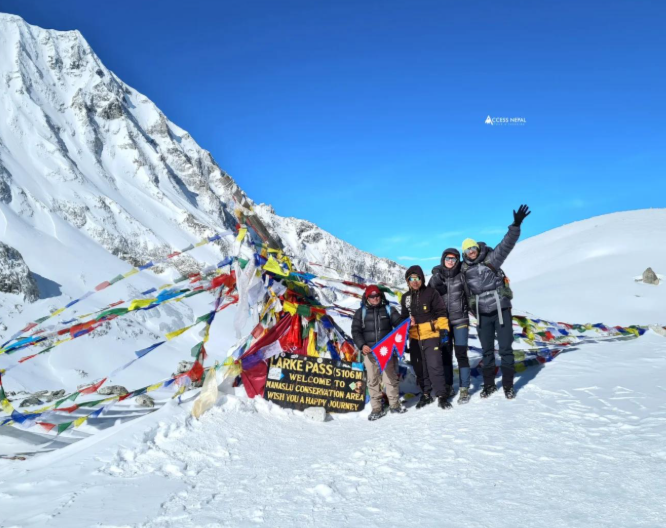
My friends and I from Dubai had an amazing time on the 13-day Manaslu Larke Pass Trek. The mountain views were spectacular, the local culture was fascinating, and crossing the Larke Pass was the highlight of our adventure.
A big thank you to our guide, Rupesh, for his professionalism, kindness, and excellent support throughout the trek. He made us feel safe, motivated, and well cared for every day.
We highly recommend this trek to anyone looking for an unforgettable Himalayan experience!
Genaral Trip InfoInfos
Difficulty Level of Manaslu Trail Race
The Manaslu Trail Race is a highly challenging high-altitude endurance event that demands strong physical fitness, stamina, and prior experience in mountain running or trekking preparation required.
The biggest difficulty comes from extreme altitude, with the route crossing high passes above 5,000 meters, where oxygen levels are significantly lower and fatigue increases quickly rapidly.
Runners also face long daily distances, steep climbs, remote trails, and changing weather conditions, making the race physically and mentally demanding for all participants overall challenge.
Acclimatization Strategy During High Altitude Stages
Acclimatization during high-altitudethe stages focuses on gradual ascent, allowing the body to adapt to lower oxygen levels and reducing risk of altitude sickness effectively overall.
Runners should follow the “climb high, sleep low” principle, take rest days, hydrate well, and monitor symptoms like headache, dizziness, or nausea during ascent stages carefully daily.
Proper acclimatization also includes slow pacing, balanced nutrition, and immediate descent if symptoms worsen, ensuring safety and performance during demanding Himalayan trail race conditions overall management plan.
Food and Nutrition During the Race Days:
Food and nutrition during the Manaslu Trail Race days are essential for maintaining energy, endurance, and recovery at high altitude. Runners require a balanced intake of carbohydrates, protein, fats, and hydration to sustain performance in extreme mountain conditions.
During race stages, athletes rely on quick energy sources such as rice, noodles, energy gels, bars, and soups. Electrolyte drinks and water are consumed frequently to prevent dehydration and maintain stamina.
After running long mountain sections, recovery meals include protein rich foods, fruits, nuts, and herbal teas. These help muscle repair, restore energy, and prepare runners for the next demanding stage effectively.
Packing List for Manaslu Trail Race Participants
1. Running Gear (Essential for Race Day)
- Trail running shoes (well broken-in, high grip, half size larger for descents)
- Lightweight running shorts or tights
- Moisture-wicking t-shirts (2–3 sets)
- Long-sleeve technical running top (sun + cold protection)
- Lightweight windproof running jacket
- Running cap / sun visor
- Buff or neck gaiter (multi-use protection)
- Sunglasses (UV protection essential at high altitude)
2. Cold & High-Altitude Clothing (Mandatory Safety Layer)
- Insulated down jacket (for 3000m–5000m cold zones)
- Thermal base layer (top + bottom)
- Fleece mid-layer
- Waterproof shell jacket (rain + wind protection)
- Waterproof running pants or overtrousers
- Warm hat / beanie
- Light insulated gloves + warm gloves (two layers system)
3. Mandatory Race Equipment
- Lightweight running backpack (10–15L)
- Hydration bladder (1.5–2L minimum)
- Soft flasks (optional backup hydration)
- Headlamp with extra batteries (for early starts/slow finishes)
- Emergency whistle
- Lightweight survival blanket or bivy sack
- Basic first aid kit (blister care is most important)
4. Nutrition & Hydration
- Energy gels / bars (for full race duration)
- Electrolyte tablets or powder
- Salt capsules (important for long climbs)
- Small high-energy snacks (nuts, dried fruits, chocolate)
- Water purification tablets (backup safety)
5. Mandatory Overnight / Safety Gear
- Lightweight sleeping bag (rated -5°C to -10°C minimum depending season)
- Compact sleeping liner
- Spare dry clothes for after running
- Lightweight sandals for camp recovery
6. Personal & Health Items
- Sunscreen SPF 50+
- Lip balm with SPF
- Toilet paper / wet wipes
- Hand sanitizer
- Personal medicines (pain relief, altitude meds if prescribed)
- Blister treatment kit (Compeed or similar)
7. Documents & Money
- Passport / ID copy
- Race registration confirmation
- Travel insurance (must cover high-altitude running + evacuation)
- Small cash (Nepali rupees for tea houses, charging, snacks)
8. Electronics & Navigation
- GPS watch or tracker (fully charged)
- Power bank (10,000–20,000 mAh)
- Charging cables
- Mobile phone with offline maps
- Spare batteries for headlamp
9. Optional but Highly Recommended
- Trekking poles (useful for steep climbs & descents)
- Compression socks (recovery support)
- Extra dry bags (rain protection for gear)
- Ear plugs (tea house sleep comfort)
- Lightweight camera (if not using phone)
Key Packing Principles for Manaslu Trail Race
- Lightweight is survival – every extra gram matters at altitude
- Layering is critical – weather changes from hot valley to freezing pass
- Safety first – always carry cold protection even if start is warm
- Test everything before race day – shoes, hydration pack, gear
Permits and Entry Requirements for Manaslu Region
Access to the Manaslu region requires several official permits due to its restricted trekking status. Trekkers must obtain the Manaslu Restricted Area Permit (RAP), which can only be arranged through a registered trekking agency and requires a minimum of two participants. Additionally, the Manaslu Conservation Area Permit (MCAP) and Annapurna Conservation Area Permit (ACAP) are mandatory. Hiring a licensed guide is compulsory to ensure safety, compliance, and proper navigation throughout the trek.
How to Join Manaslu Trail Race Step by Step
Detailed ItineraryItinerary
Arrival in Kathmandu
Welcome to Nepal. Upon arrival at Tribhuvan International Airport, our team will greet you and transfer you to your hotel. The rest of the day is free to relax, recover from your journey, and explore the vibrant streets of Kathmandu.
Accommodation: Hotel
Accommodation : Hotel in Kathmandu
Race Briefing, Registration & Final Preparation
Today is dedicated to race registration, gear inspection, and the official race briefing. Meet fellow runners from around the world and learn about the route, checkpoints, safety procedures, and race regulations. The afternoon is free for sightseeing, shopping, or final preparations.
Accommodation: Hotel
Accommodation : Hotel in Kathmandu Meals : Breakfast
Drive from Kathmandu to Soti Khola
Leave Kathmandu behind and journey toward the remote Manaslu region. The scenic drive follows winding mountain roads, rivers, terraced farmland, and traditional villages. By late afternoon, arrive at Soti Khola, the official starting point of the Manaslu Trail Race.
Driving Time: 8–10 Hours
Accommodation : Tea Houses Meals : Breakfast, Lunch & Dinner
Race Day Stage 1 – Soti Khola to Dhoban
RACE STAGES
The adventure begins. Follow the roaring Budhi Gandaki River through subtropical forests, cascading waterfalls, and dramatic suspension bridges. The trail climbs steadily through remote villages before reaching Dhoban.
Checkpoint: Machha Khola
Distance: 24.9 km
Elevation Gain: +2,080m
Elevation Loss: -1,650m
Accommodation : Tea House Meals : Breakfast, Lunch & Dinner
Stage 2 – Dhoban to Deng
Today’s stage enters the heart of the Manaslu Conservation Area. Run through the picturesque villages of Jagat and Philim before entering a spectacular narrow canyon carved by the Budhi Gandaki River. Ancient trails, stone staircases, and dense forests make this a memorable day.
Checkpoints: Jagat & Philim
Distance: 27 km
Elevation Gain: +1,730m
Elevation Loss: -740m
Accommodation : Tea House Meals : Breakfast, Lunch & Dinner
Stage 3 – Deng to Hinang Gompa (3,150m)
A demanding mountain stage with significant elevation gain. The scenery changes dramatically as Tibetan culture becomes increasingly visible. Prayer flags, mani walls, and traditional stone villages line the route. Beyond Namrung, breathtaking Himalayan views dominate the horizon. Finish beside the peaceful Hinang Monastery beneath the magnificent Himal Chuli.
Checkpoint: Namrung
Distance: 23.5 km
Elevation Gain: +2,130m
Elevation Loss: -920m
Accommodation : Tea House Meals : Breakfast, Lunch & Dinner
Stage 4 – Hinang Gompa to Samagaon
One of the most beautiful stages of the race. The route traverses alpine meadows, yak pastures, and traditional settlements before climbing toward Pungyen Gompa. Here, runners are rewarded with their first close-up views of Mount Manaslu. Continue across a stunning high mountain landscape before arriving in Samagaon.
Checkpoints: Shyala & Pungyen Gompa
Distance: 24 km
Elevation Gain: +1,500m
Elevation Loss: -780m
Accommodation : Tea House Meals : Breakfast, Lunch & Dinner
Stage 5 – Manaslu Base Camp Challenge
Today’s stage is a spectacular out-and-back run toward the legendary Manaslu Base Camp trail. Climb above Samagaon through glacial valleys and rugged mountain terrain. Reach the designated high-point checkpoint beneath the massive icefalls of Manaslu before descending back to the village.
The views today are simply unforgettable.
Distance: 12.6 km
Elevation Gain: +1,100m
Elevation Loss: -1,100m
Accommodation : Tea House Meals : Breakfast, Lunch & Dinner
Stage 6 – Samagaon to Samdo
A shorter stage but one that takes place entirely above 3,500 meters. The route begins near the turquoise waters of Birendra Lake and follows a broad glacial valley toward the Tibetan frontier. The final climb into Samdo provides a fitting challenge before tomorrow’s active recovery day.
Distance: 7.9 km
Elevation Gain: +530m
Elevation Loss: -310m
Accommodation : Tea House Meals : Breakfast, Lunch & Dinner
Active Recovery Day – Rui La & Tibetan Border Excursion
A non-competitive day designed for acclimatization and exploration. Hike to Rui La Pass (4,998m), located on the historic trade route between Nepal and Tibet. Enjoy spectacular views of the Tibetan Plateau, surrounding glaciers, and remote Himalayan peaks.
Runners may also choose a shorter acclimatization hike depending on energy levels.
Distance: Up to 20 km
Elevation Gain/Loss: ±1,200m
Accommodation : Tea House Meals : Breakfast, Lunch & Dinner
Samdo to Bhimtang via Larkya Pass
The crown jewel of the entire adventure.
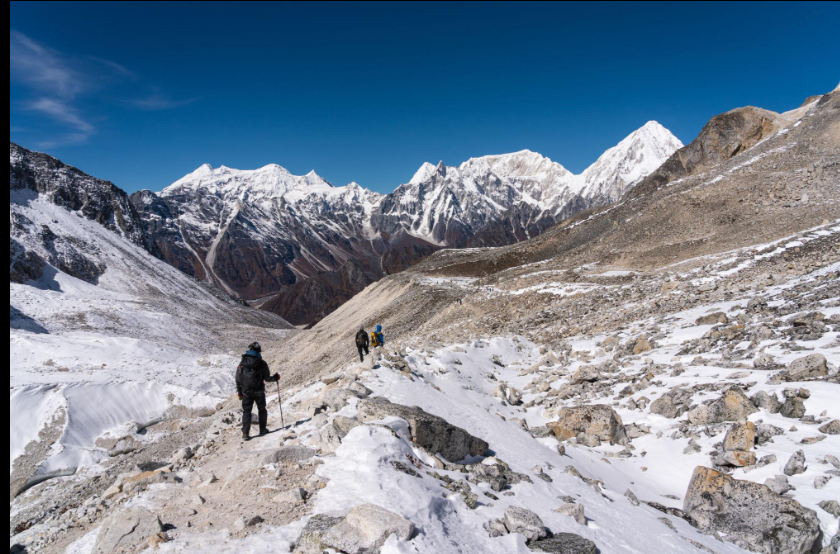
Depart early and climb gradually toward Larkya Pass, the highest point of the journey. Prayer flags mark the summit while panoramic views stretch across Himlung Himal, Cheo Himal, Kang Guru, Annapurna II, and vast glacier systems.
After celebrating at the pass, descend through glacial moraines and alpine valleys to beautiful Bhimtang.
This is undoubtedly one of Nepal’s finest mountain crossing experiences.
Distance: 22 km
Elevation Gain: +1,490m
Elevation Loss: -1,594m
Accommodation : Tea House Meals : Breakfast, Lunch & Dinner
Stage 7 – Bhimtang to Tilje– Final Race Stage
The final stage begins with sunrise views over the surrounding peaks. Descend through rhododendron forests, pine woodlands, wooden bridges, and charming mountain villages. The trail is fast, flowing, and perfect for a strong finish.
Cross the finish line in Tilje and celebrate your achievement as an official Manaslu Trail Race finisher.
Distance: 18.2 km
Elevation Gain: +550m
Elevation Loss: -1,980m
Accommodation : Tea House Meals : Breakfast, Lunch & Dinner
Return Journey to Kathmandu
After breakfast, begin the scenic drive back to Kathmandu. Travel through river valleys, hillside villages, and mountain landscapes before returning to the capital.
In the evening, join the farewell dinner, race awards ceremony, and celebration with fellow runners, crew members, and organizers.
Driving Time: 7–9 Hours
Accommodation : Hotel in Kathmandu Meals : Breakfast
Departure from Kathmandu
Your Manaslu Trail Race adventure comes to an end. Transfer to the airport for your international departure flight.
Leave Nepal with incredible memories of remote mountain trails, authentic Himalayan culture, lifelong friendships, and one of the most rewarding trail running experiences on Earth.
Meals: Breakfast
Meals : Breakfast
Manaslu Trail Race 13 Days Itinerary FAQs
The race takes place in the Manaslu region of Nepal, mainly around the Manaslu Circuit trekking route in the central Himalayas.
The total distance varies by edition, but it usually ranges between 100 km to 200+ km, divided into multiple stages.
Runners can reach elevations of around 5,100 meters at Larkya La Pass, one of the highest points on the route.
Yes, it is considered a challenging high-altitude race due to steep climbs, long distances, and thin air.
Yes, prior trail running or long-distance endurance experience is strongly recommended.
The event usually lasts around 10 days, depending on the stage design and itinerary.
Most packages include permits, accommodation, meals, guide support, logistics, and race organization services
Training should include hill running, endurance running, altitude preparation, strength training, and multi-day back-to-back runs.
Yes, altitude sickness is a major risk, and proper acclimatization and hydration are essential.
Yes, basic medical support and evacuation arrangements are usually available during the race.
You can register through official race organizers or trekking/running tour companies in Nepal.
Yes, the race is open to both Nepali and international participants.
Refund & Cancellation Policy
- Booking requires 20% non-refundable deposit (Nepal) or 100% upfront (Tibet/Bhutan).
- Remaining payment due before the trip or on arrival (trip-dependent).
Cancellation charges:
- 31+ days: 20%
- 16–30 days: 45%
- 8–15 days: 75%
- 7 days or less: 90%
- Prices may change due to flights, taxes, or exchange rates.
- Trip changes are allowed, but extra costs apply.
- If the company cancels, a full refund, except for unavoidable events (some costs deducted).
- Good health and travel insurance are mandatory.
- No refund if removed for unsafe or illegal behavior.
- Travel involves personal risk, which the client accepts.