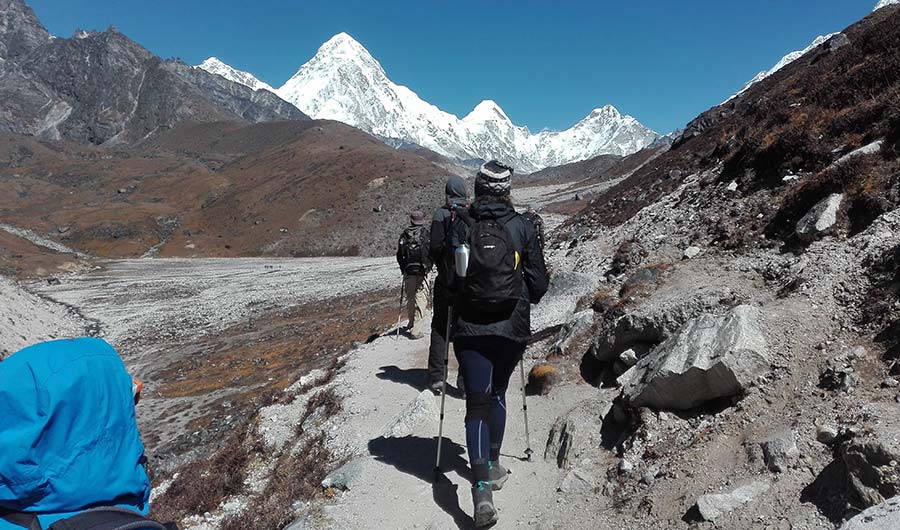
Everest Base Camp to Gokyo Trek Highlights: Highlights
Lukla Flight & Himalayan Gateway
- Scenic mountain flight into the Everest region
- First breathtaking views of the Khumbu Himalayas
- Start of the classic Everest trekking experience
Sherpa Culture & Namche Bazaar Experience
- Vibrant mountain hub of the Everest region
- Traditional Sherpa culture, markets, and mountain lifestyle
- Stunning amphitheater views of Everest and surrounding peaks
Tengboche Monastery & Spiritual Himalayas
- Iconic Buddhist monastery set against the Everest backdrop
- Peaceful spiritual atmosphere in the high mountains
- Panoramic views of Ama Dablam and surrounding giants
Alpine Valleys of Dingboche & High-Altitude Landscapes
- Expansive valleys surrounded by towering peaks
- Dramatic shift into high-altitude Himalayan terrain
- Immersive views of Lhotse, Island Peak region, and glaciers
Everest Base Camp – Iconic Achievement Point
- Stand at the base of Mount Everest (the world’s highest peak)
- Close-up experience of Khumbu Icefall and glacier terrain
- A milestone moment for every Himalayan trekker
Kala Patthar – Everest Sunrise Panorama
- Best close-up sunrise view of Mount Everest
- 360-degree Himalayan panorama from a legendary viewpoint
- One of the most photographed spots in Nepal
Cho La Pass – High-Altitude Adventure Crossing
- Challenging glacier pass connecting two major valley
- Snow, ice, and dramatic alpine terrain
- True expedition-style trekking experience
Gokyo Lakes – Turquoise Himalayan Jewel
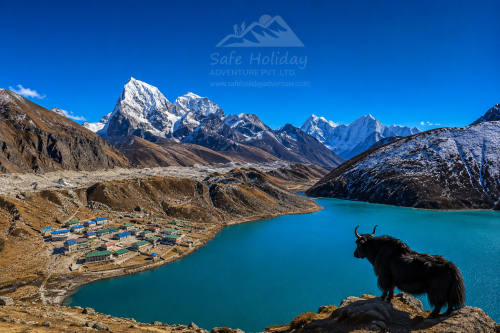
- Stunning series of glacial lakes with crystal-blue waters
- One of the most beautiful landscapes in the entire Everest region
- Peaceful, less-crowded alternative Himalayan experience
Gokyo Ri – Ultimate Himalayan Panorama
- One of the best viewpoints in the Everest region
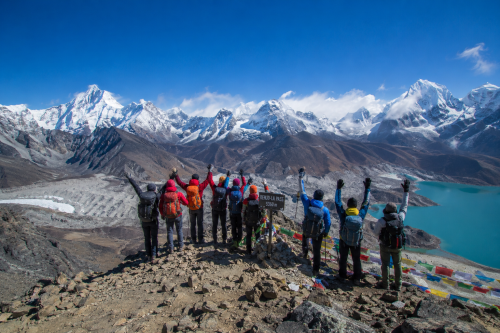
- Spectacular views of Everest, Lhotse, Makalu, and Cho Oyu
- Unmatched sunrise and mountain photography spot
Return Journey Through the Khumbu Valley
- Scenic descent through traditional Sherpa villages
- Reflection of a complete Everest circuit adventur
- Return to Lukla marking the completion of a legendary trek
Everest Base Camp to Gokyo Trek Introduction Overview
The Everest Base Camp to Gokyo Trek is an adventure that lets trekkers experience the incredible beauty of the Himalayas. This journey has become a dream trek for people around the world. As you walk through high mountain trails, you’ll see the impressive Mount Everest and the peaceful Gokyo Lakes. The trek mixes natural beauty, adventure, and culture.
This 12-day trek begins in Lukla and takes you through the Khumbu region. With moderate fitness, most trekkers can complete the route. The path leads through colorful Sherpa villages, long suspension bridges, and Buddhist prayer flags fluttering in the wind. Forests filled with rhododendron trees add color, and with luck, you may see rare animals like the snow leopard.
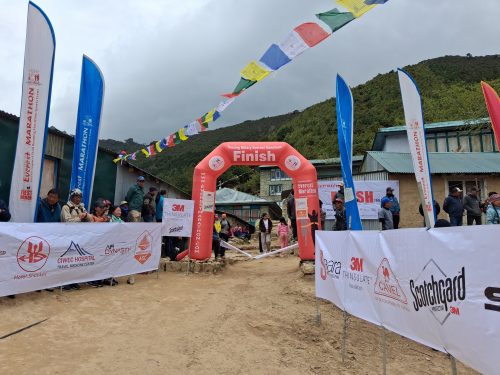
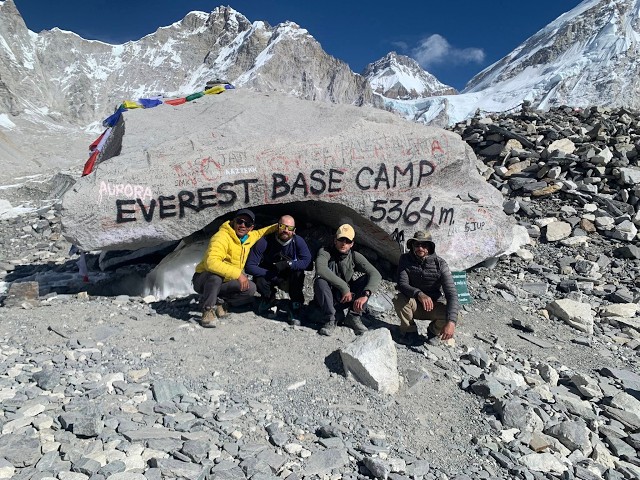
Reaching Everest Base Camp– 5,364 meters is a major highlight. Standing at the foot of the tallest mountain in the world is a powerful experience. From here, you can see the Khumbu Icefall and feel the atmosphere of real mountaineering. After this, the trek continues to the Gokyo Lakes, a group of high-altitude lakes surrounded by tall snowy peaks. Their deep blue color reflects the surrounding mountains.
For safety, it is important to acclimate properly. Plan rest days during the trek to let your body adjust to the altitude. Bring proper trekking gear, such as good boots, warm clothes, and a backpack. Hiring a local guide improves your safety and helps you learn about the region. It’s also important to protect the environment by not leaving waste and respecting local customs.
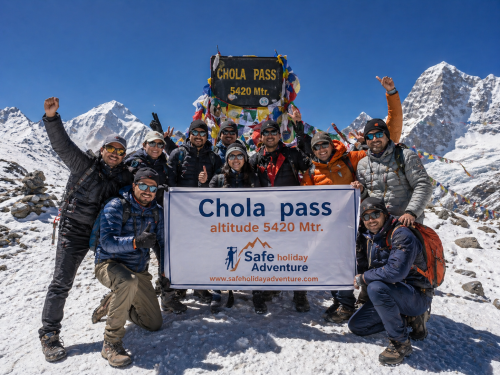
The Everest base camp and Gokyo Trek via Chola Pass(5,420m) will give you unforgettable memories. You’ll face adventure and enjoy the peace of nature. Every step brings you closer to the heart of the Himalayas.
Preparing for the Everest Base Camp to Gokyo Valley Trek
To prepare for the Everest Base Camp to Gokyo Valley trek, you need good fitness, proper gear, and careful planning.
First, improve your stamina by walking, hiking, or running for several weeks before the trip. Second, pack warm clothing, sturdy trekking boots, a waterproof jacket, gloves, and a good backpack. Third, allow time to acclimatize to avoid altitude sickness, as the trek goes above 5,000 meters.
Also, carry essential items like a first aid kit, water purification tablets, sunscreen, and energy snacks. Finally, consider hiring a guide or porter for safety and support.
Good preparation will make your trek safer and more enjoyable.
Best Time to Go on the Gokyo Everest Trek
The best time to do the Everest Base Camp to Gokyo Trek is from March to May (before monsoon) and September to November (after monsoon). These seasons offer clear skies, stable weather, and comfortable temperatures. Visibility is excellent, making it easy to enjoy the mountain views.
During spring, the trail is colorful with blooming flowers, especially rhododendrons. Autumn brings clean air and crisp mountain scenes. Rain is rare during these months, so trails are dry and safer. There are also more fellow trekkers, giving you chances to share stories and enjoy the journey together.
Why Choose the Everest Base Camp to Gokyo Trek?
- Two Iconic Destinations in One Trek
Combines Everest Base Camp and Gokyo Ri, giving you both the classic Everest route and the scenic Gokyo Valley. - Best Everest Panorama Views
Enjoy wide Himalayan views of Everest, Lhotse, Makalu, and Cho Oyu from Gokyo Ri - Stunning Gokyo Lakes
Visit the turquoise glacial lakes, one of Nepal’s most beautiful high-altitude lake systems. - Less Crowded Trail
Experience a quieter and more peaceful trekking route compared to the main EBC trail. - Cho La Pass Adventure
Cross the thrilling 5,420m Cho La Pass for a challenging high-altitude experience. - Rich Sherpa Culture
Explore traditional villages and monasteries such as Namche Bazaar and Tengboche. - Better Acclimatization
Gradual altitude gain helps improve safety and reduces altitude sickness risk - Great for Photography
Capture glaciers, peaks, lakes, and valleys—ideal for landscape photography. - Diverse Landscapes
Trek through valleys, glaciers, icefalls, lakes, and mountain passes in one journey. - Ultimate Everest Experience
Considered one of the most complete and rewarding Everest region trekking routes.
What to Pack for the Everest Base Camp to Gokyo Trek
For the trek between Everest Base Camp and Gokyo Valley, pack light but smart:
- Warm down jacket + thermal clothes
- Waterproof jacket and trekking pants
- Strong trekking boots + warm socks
- Backpack (40–60L) + sleeping bag (-15°C)
- Trekking poles + headlamp
- Water bottle + purification tablets
- Sunscreen, lip balm, first aid kit
- Snacks (energy bars, nuts, chocolate)
- Power bank + cash + permits
Keep it simple, warm, and essential for high altitude.
Everest Base Camp to Gokyo Trek OutlineOutline Itinerary
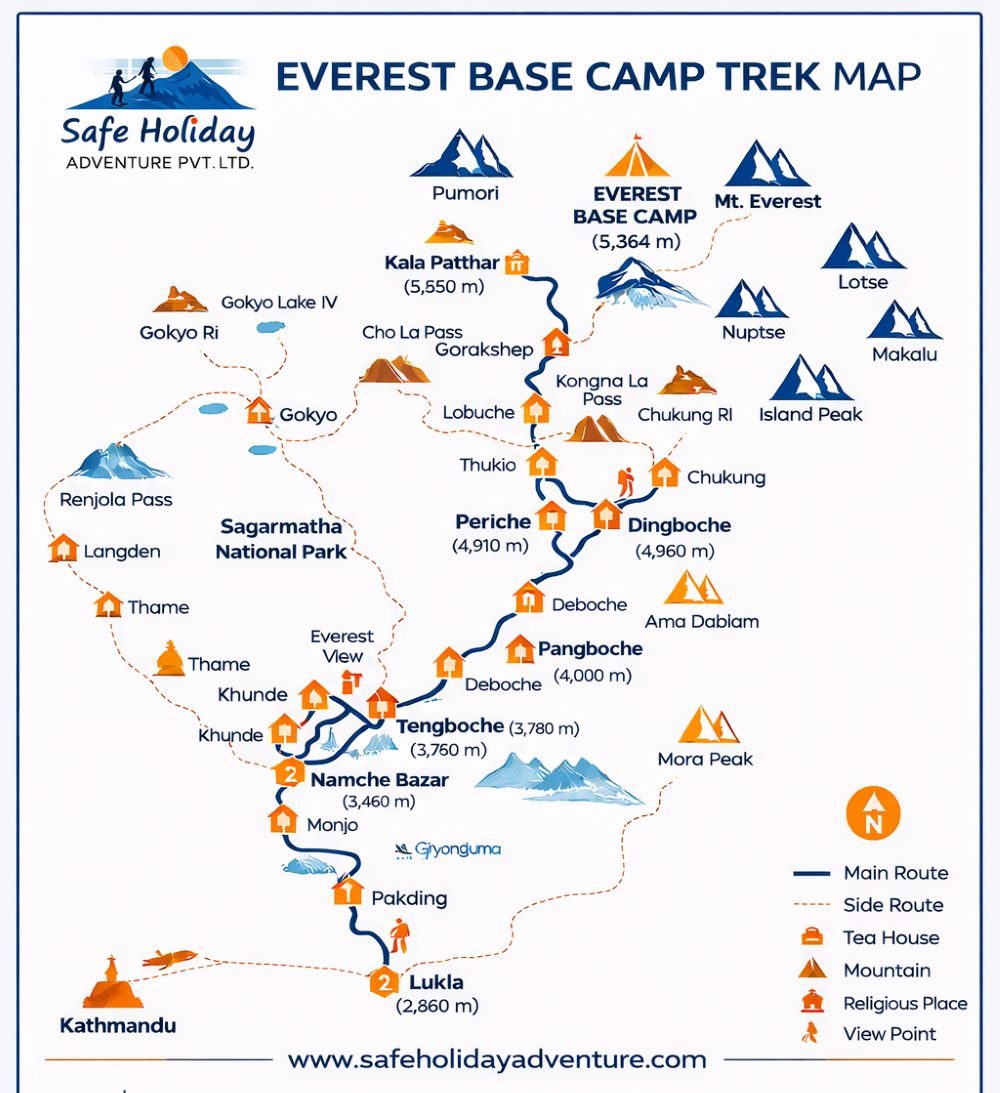
Day 1: Kathmandu (1,400m) – Lukla (2,800m) – Phakding (2,652m)
Day 2: Phakding – Namche Bazaar (3,440m)
Day 3: Namche Bazaar – Tengboche (3,867m)
Day 4: Tengboche – Dingboche (4,350m)
Day 5: Dingboche – Lobuche (4,940m)
Day 6: Lobuche – Gorak Shep (5,164m) – Everest Base Camp (5,364m) – Gorak Shep
Day 7: Gorak Shep – Kala Patthar (5,545m) – Dzongla (4,830m)
Day 8: Dzongla – Cho La Pass (5,420m) – Gokyo (4,800m)
Day 9: Gokyo Ri (5,357m) – Machhermo (4,470m)
Day 10: Machhermo – Namche Bazaar (3,440m)
Day 11: Namche Bazaar – Lukla (2,800m)
Day 12: Lukla – Kathmandu (1,400m)
Whats Included?
- Private airport transfers in Kathmandu with warm greetings
- Licensed English-speaking guide with all expenses and insurance covered
- Comfortable accommodation in authentic tea houses on the trek
- Three fresh meals daily: breakfast, lunch, and dinner
- Round-trip domestic flights between Kathmandu and Lukla
- All required permits: Sagarmatha National Park and local entry fees
- Two nights’ hotel stay in Kathmandu with breakfast
- Full insurance coverage for your guide and all hidden costs
- Complimentary Safe Holiday Adventure trekking T-shirt
- Traditional Nepali farewell dinner with cultural experience
- International flights to and from Nepal must be arranged independently
- Kathmandu hotel accommodation before and after the trek is not included
- Extra drinks like tea, coffee, soft drinks, and soups are payable on-site
- Nepal visa fees (paid on arrival) are not included
- Mandatory personal travel insurance covering high-altitude trekking is required
- Personal expenses such as souvenirs, snacks, laundry, and phone calls are excluded
- Tips for guides and porters are optional but highly appreciated
- Additional hotel nights and meals in Kathmandu due to early trek termination are at your cost
- Any activities or services not listed in the inclusions will be charged separately
Dates and Availability Departures
All our published dates are guaranteed departures. We also provide customized departures tailored to your travel plans.
September 2026
October 2026
December 2026
Travellers Reviews
Oliver Brown
U K | Feb, 2026
Wonderful Everest Base Camp Adventure
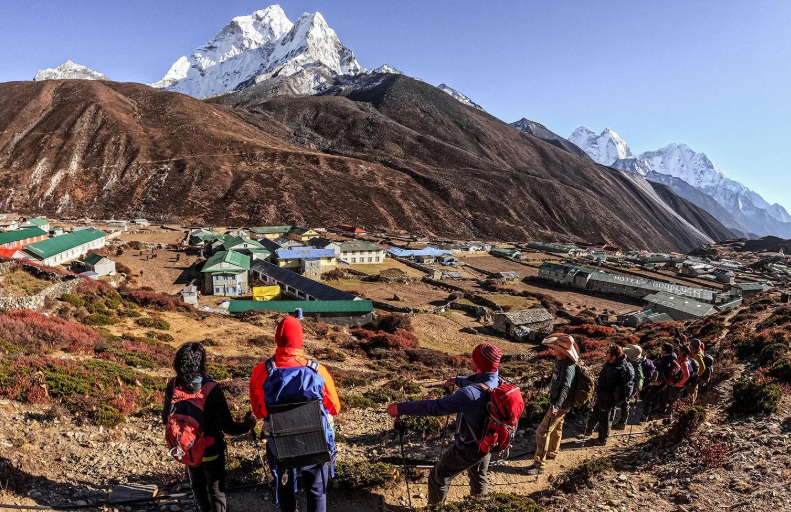
My name is Oliver Brown, and I traveled from the United Kingdom to experience the Everest Base Camp Trek. It was one of the most memorable adventures of my life. Our guide, Santosh, and our porter, Dupka, were very helpful throughout the journey. Everything was well organized, and the Himalayan views were breathtaking. A fantastic experience that I will always remember!
John Miller
UK | feb,2026
Our Family Adventure in the Everest Region – Short Trek Experience
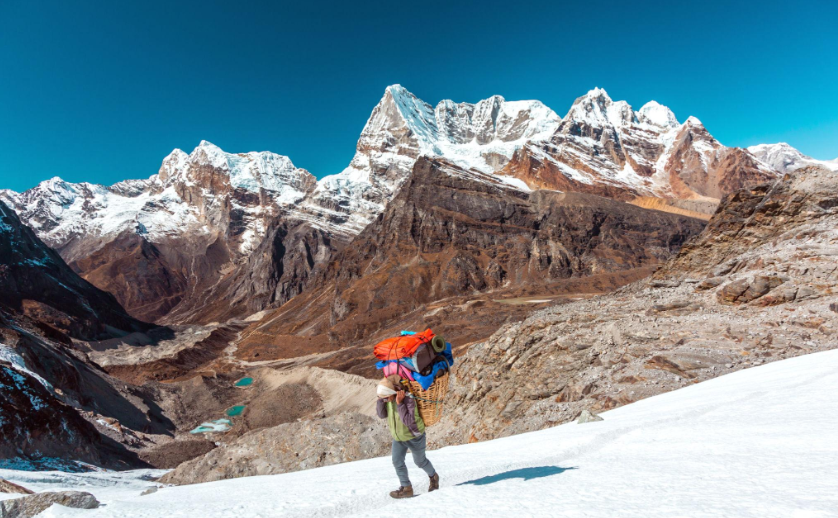
Excellent service from start to finish. The entire trekking experience was extremely well organized by Safe Holiday Adventure Pvt. Ltd. From the moment we arrived in Nepal, everything was handled professionally, including airport pickup, accommodation, permits, and trekking arrangements.
Our guide was very experienced, friendly, and always attentive to altitude safety, which made a huge difference during high-altitude sections of the trek. He carefully monitored our pace, ensured proper acclimatization, and made sure we always felt comfortable and confident on the trail.
The porter service was also excellent. Our porter was strong, reliable, and very supportive throughout the journey, helping us greatly on steep and challenging terrain. We truly appreciated his hard work and positive attitude every day.
What impressed us the most was the company’s focus on safety, organization, and personal care. Even in remote mountain areas, everything felt well-managed and secure. Communication was always clear, and the team was quick to respond to any needs or questions.
Reaching high passes and enjoying the breathtaking Himalayan scenery was an unforgettable experience, and we always felt that we were in safe hands.
We highly recommend Safe Holiday Adventure Pvt. Ltd. to anyone planning a trek in Nepal. It is truly a trustworthy company that takes care of every detail from start to finish.
John Miller
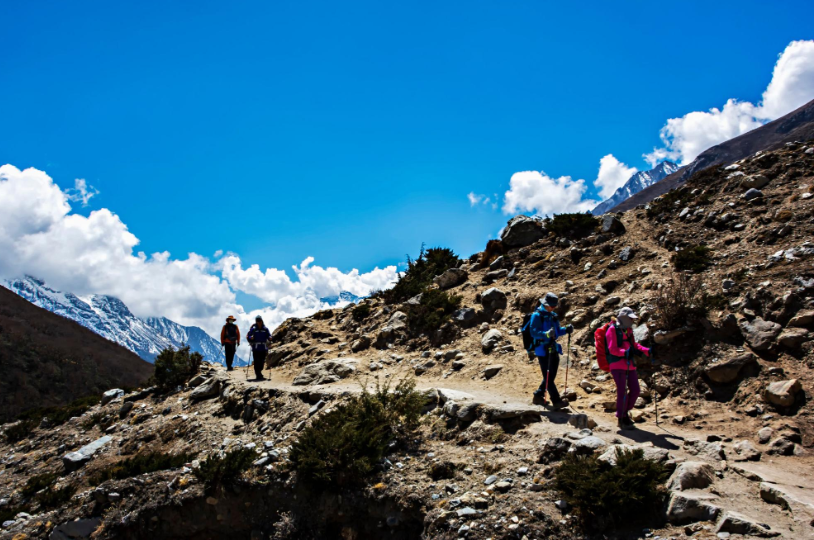
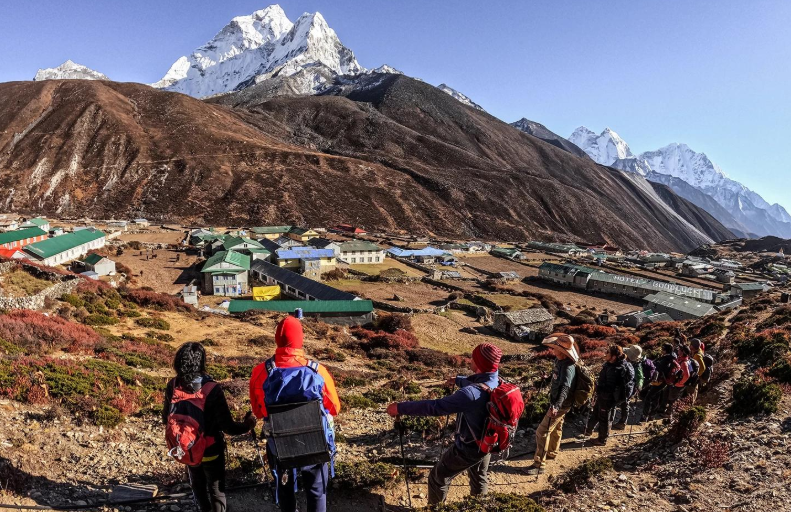
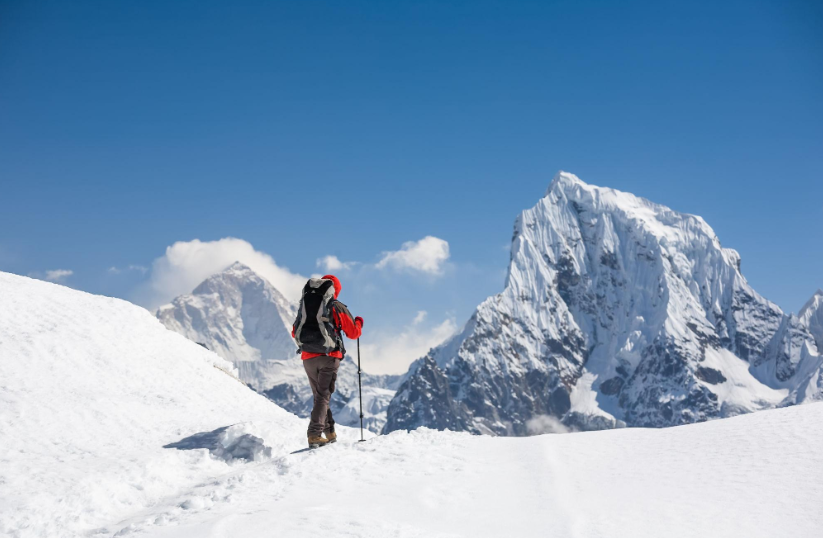
Brisa Allen
Australia | Feb ,2026
A Safe and Scenic Himalayan Trek – Gokyo Renjo La Pass Adventure
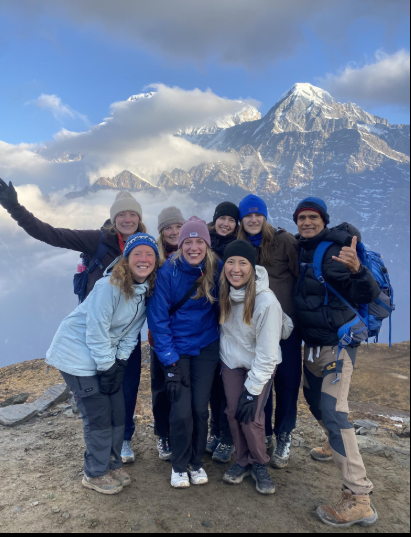
Two friends and I from Australia completed the 12-day Gokyo Renjo La Pass Trek with Safe Holiday Adventure Pvt. Ltd.. It was an incredible journey filled with stunning Himalayan views, beautiful Gokyo Lakes, and the challenging but rewarding crossing of Renjo La Pass.
We would like to sincerely thank our guide Dharma, who was extremely professional, knowledgeable, and caring throughout the trek. He ensured everything was well organized, safe, and smooth from beginning to end, while also sharing valuable insights about the mountains and local culture.
Special appreciation also goes to our porter Ram, whose hard work and dedication made the trek much easier for us. His support on the trail was highly appreciated and contributed greatly to our comfortable experience.
Overall, we had an unforgettable adventure and highly recommend the Gokyo Renjo La Pass Trek with Safe Holiday Adventure Pvt. Ltd. for anyone looking for a safe, well-managed, and memorable Himalayan trekking experience.
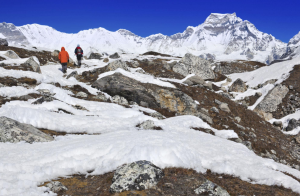
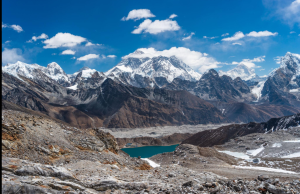
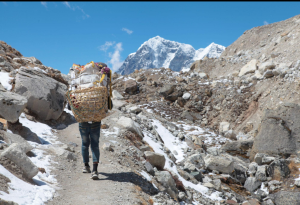
EBC Trekking with Safe Holiday Adventure

Andrea
Australia | Dec 2025
EBC – CHO LA PASS TREK Great Hike
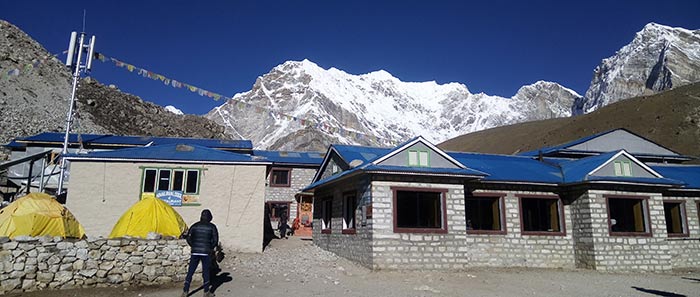
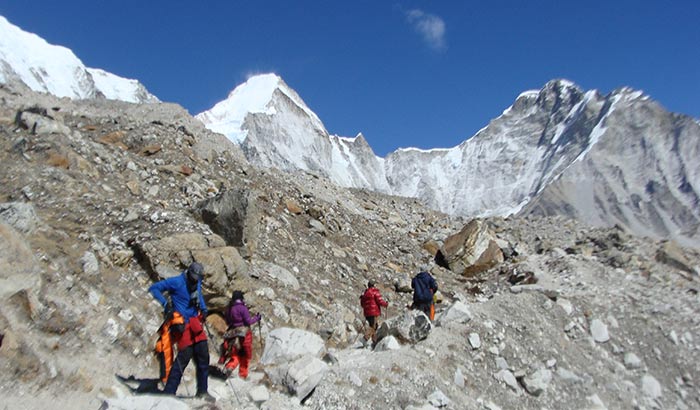
Genaral Trip InfoInfos
Is the EBC to Gokyo Lakes trek very challenging?
Everest Base Camp to Gokyo Trek Packing List
- Clothing: Thermal layers, fleece/down jacket, waterproof jacket, trekking pants, warm hat & gloves, sun hat, t-shirts, trekking socks, underwear, buff/scarf
- Footwear: Trekking boots, camp shoes/sandals, gaiters (optional)
- Gear: Trekking poles, backpack (35–50L), daypack, sleeping bag (−10°C), headlamp, sunglasses, water bottle, camera/phone
- Personal Items: Sunscreen/lip balm, toiletries, quick-dry towel, toilet paper, meds/first-aid, moisturizer
- Miscellaneous: Snacks, power bank, travel documents & permits, cash (small notes), plastic bags
Tip: Pack light, layer clothes, and keep essentials handy.
High-Altitude Tips for Everest Base Camp to Gokyo Trek
- Go Slow & Steady – Walk at a comfortable pace; don’t rush.
- Stay Hydrated – Drink plenty of water every day.
- Acclimatize Properly – Take rest days to adjust to higher altitudes.
- Eat Enough – High-energy meals help your body cope with altitude.
- Listen to Your Body – If you feel dizzy, have a headache, or nausea, rest immediately.
- Avoid Alcohol & Smoking – Both make altitude sickness worse.
- Layer Clothes – Temperature changes quickly; use warm and breathable layers.
- Use Sun Protection – Sunglasses, sunscreen, and a hat are musts.
- Bring a First-Aid Kit – Include medicine for headaches, stomach, and altitude sickness.
- Keep Positive – Mental strength is as important as physical fitness.
Tea House Accommodation on the Everest Base Camp – Gokyo Trek
Experience the Everest Base Camp to Gokyo Lakes trek with cozy, local tea house accommodation. These family-run lodges offer a warm place to rest, hearty meals, and stunning Himalayan views.
Rooms & Comfort
- Simple twin rooms with foam mattresses and blankets (bring a sleeping bag).
- Shared bathrooms; hot showers available at many stops.
- Charging and Wi‑Fi in lower villages (for a fee).
Meals
Enjoy Nepali and Tibetan cuisine, including dal bhat, soups, noodles, and hot drinks—perfect for refueling after long days.
Tips
- Arrive early or book through a guide during peak seasons.
- Bring warm gear, power banks, and headlamps for higher-altitude lodges.
Tea houses aren’t about luxury—they’re about Himalayan hospitality, culture, and unforgettable mountain memories.
How to Prevent Altitude Sickness on the Everest Base Camp & Gokyo Lake Trek
Enjoy the Himalayas safely! Ascend slowly and take rest days at key stops like Namche Bazaar and Dingboche. Drink plenty of water, eat carb-rich meals, and avoid alcohol. Listen to your body—stop or descend if dizzy or tired. With careful pacing and preparation, you can experience Everest Base Camp and Gokyo Lake without altitude sickness!
Detailed ItineraryItinerary
Kathmandu (1,400m) – Lukla (2,800m) – Phakding (2,652m)
Distance: 7.5 km / 4.6 miles
Lunch: Ghat or Phakding
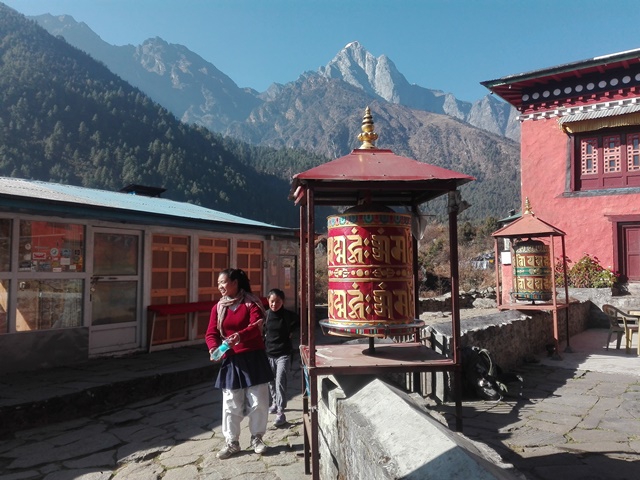
Your day begins with a 35-minute scenic flight from Kathmandu to Lukla, offering spectacular views of Himalayan peaks and deep valleys. After landing at the Tenzing-Hillary Airport, you meet your trekking crew and start your walk on a well-paved trail. The trek passes Chheplung and Ghat villages, with beautiful mani walls, chortens, and prayer wheels along the way. You walk beside the Dudh Koshi River, crossing suspension bridges, and through fresh pine forest areas. The trail descends slightly and then gently rises until you reach the peaceful village of Phakding, where you stay overnight in a cozy teahouse near the river.
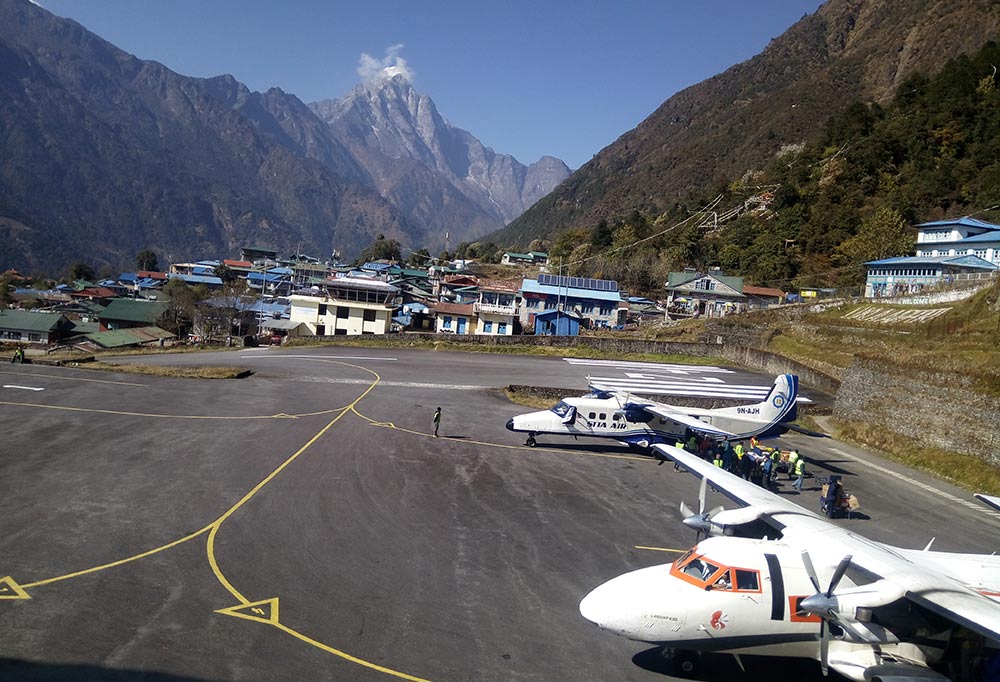

Accommodation : Tea House Meals : Lunch and Dinner
Phakding – Namche Bazaar (3,440m)
Distance: 10–11 km / 6.2–6.8 miles
Lunch: Jorsalle
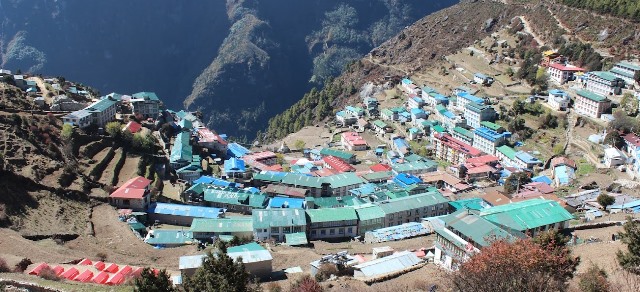
Today’s trek follows the Dudh Koshi River, crossing several high suspension bridges. You walk through Tok Tok and Benkar, then reach Monjo, the entrance to Sagarmatha National Park, where you check your permits. After a short descent, you reach Jorsalle for lunch. From here, the trail follows the river, then begins a steep uphill climb through a dense pine forest. You’ll cross the famous Hillary Bridge and ascend to Top Danda, where you can enjoy the first view of Mount Everest if the weather is clear. After a final steep stretch, you reach Namche Bazaar, a lively Sherpa town full of bakeries, gear shops, and smiling faces. Overnight at a teahouse.
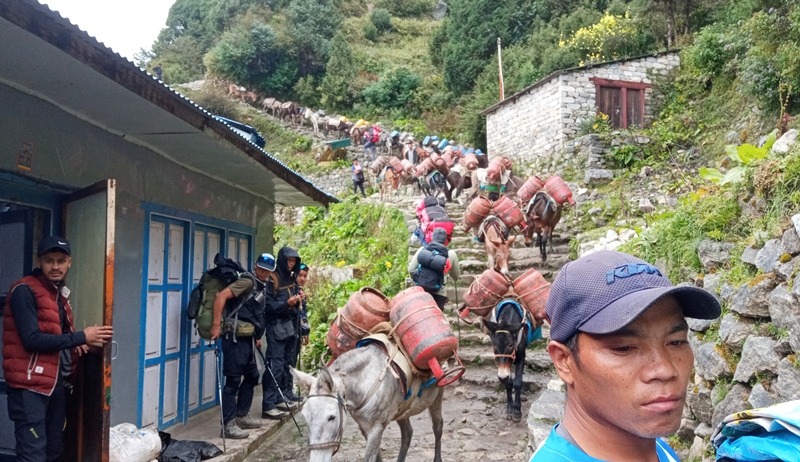
Accommodation : Tea House Meals : Breakfast, Lunch & Dinner
Namche Bazaar – Tengboche (3,867m)
Distance: 9.5 km / 5.9 miles
Lunch: Phunki Tenga
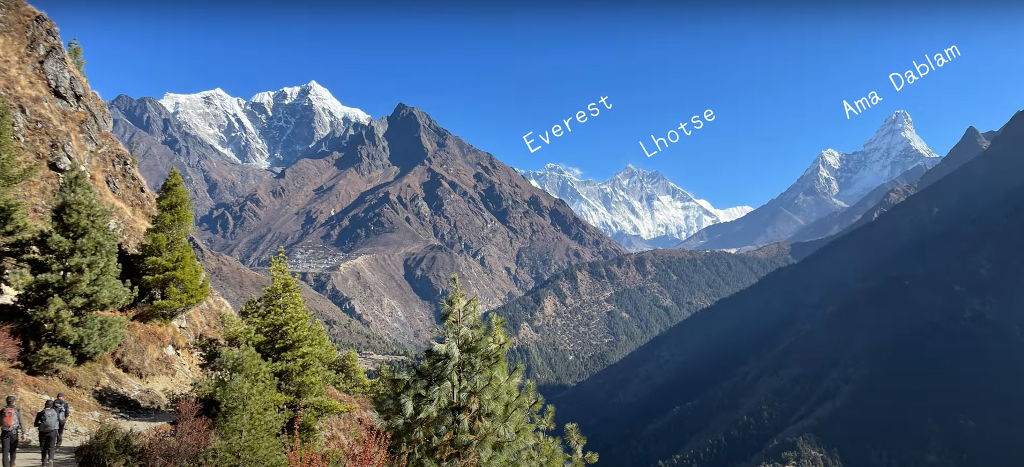
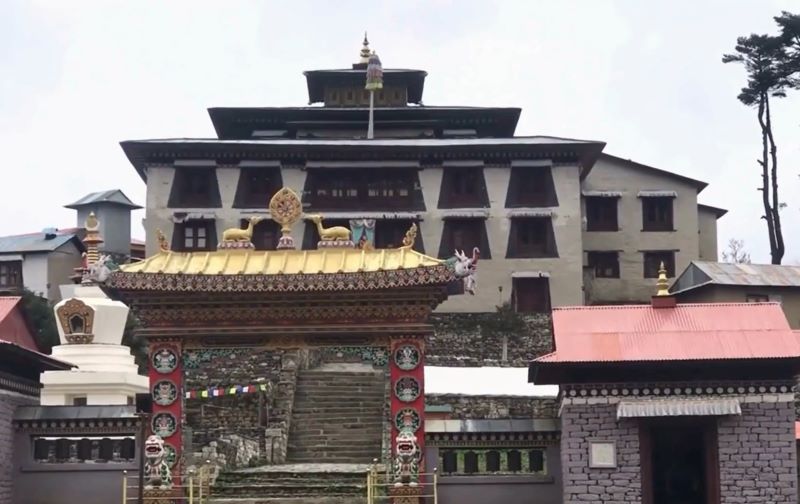
The trail starts with a fairly easy walk, curving around the hillside with panoramic views of Everest, Ama Dablam, and Thamserku. After about two hours, you descend through a beautiful forest to the riverside village of Phunki Tenga for lunch. From here, a steady uphill climb begins through dense rhododendron and pine forest, where you may spot Himalayan birds and musk deer. After 2 more hours of climbing, you reach the open hilltop of Tengboche, home to the region’s largest monastery. You can visit the peaceful Tengboche Monastery, enjoy the mountain views, and stay overnight in a teahouse nearby.
Accommodation : Tea House Meals : Breakfast, Lunch & Dinner
Tengboche – Dingboche (4,350m)
Distance: 11–12 km / 6.8–7.5 miles
Lunch: Shomare
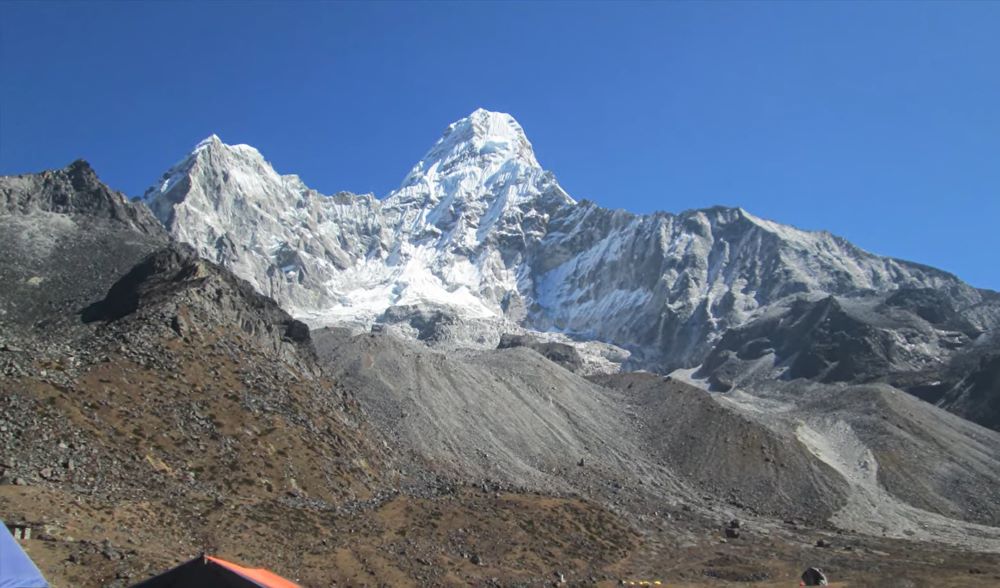
You begin the day descending through tall trees to Debuche, then cross a wooden bridge over the Imja Khola River. The trail gradually climbs past Pangboche, one of the oldest Sherpa villages, with great views of Ama Dablam. After about 3 hours, you stop for lunch at Shomare. From here, the landscape becomes more open and dry, with fewer trees. You trek across stone-walled fields and yak pastures before finally arriving in Dingboche, a wide village in the Imja Valley surrounded by towering peaks. This village is peaceful and perfect for acclimatization.

Accommodation : Tea House Meals : Breakfast, Lunch & Dinner
Dingboche – Lobuche (4,940m)
Distance: 8–9 km / 5–5.6 miles
Lunch: Thukla (Dughla)
The day begins with a gradual uphill climb through a valley filled with alpine shrubs and stunning views of Taboche and Cholatse. After about 2–3 hours, you reach Thukla (Dughla) for lunch. From here, a steep 45-minute climb brings you to the Everest Memorial Park, where stone monuments honor climbers who lost their lives in the mountains. After a break, continue on a rocky path beside the Khumbu Glacier to reach the small settlement of Lobuche, where you spend the night in a high-altitude teahouse.

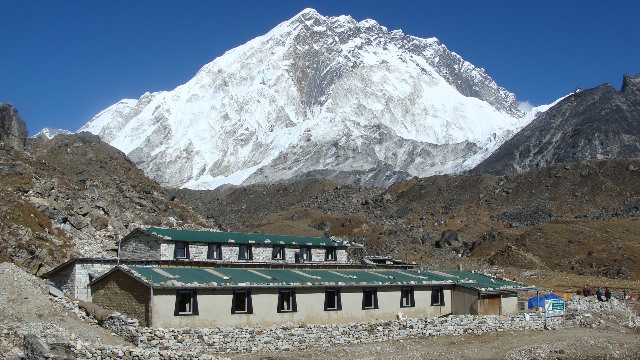
Accommodation : Tea House Meals : Breakfast, Lunch & Dinner
Lobuche – Gorak Shep (5,164m) – Everest Base Camp (5,364m) – Gorak Shep
Distance: 12 km / 7.5 miles (round trip)
Lunch: Gorak Shep
This is one of the most exciting days. You begin walking beside the Khumbu Glacier, passing rocky trails and moraine fields until you reach Gorak Shep, the last village with basic lodges. After lunch and a short rest, you continue towards Everest Base Camp, walking on rocky paths and glacier terrain. After about 2.5 hours, you reach EBC, where colorful prayer flags and mountaineers’ tents cover the ice in spring. Take time for photos and enjoy the proud moment. Afterward, you return to Gorak Shep for the night.

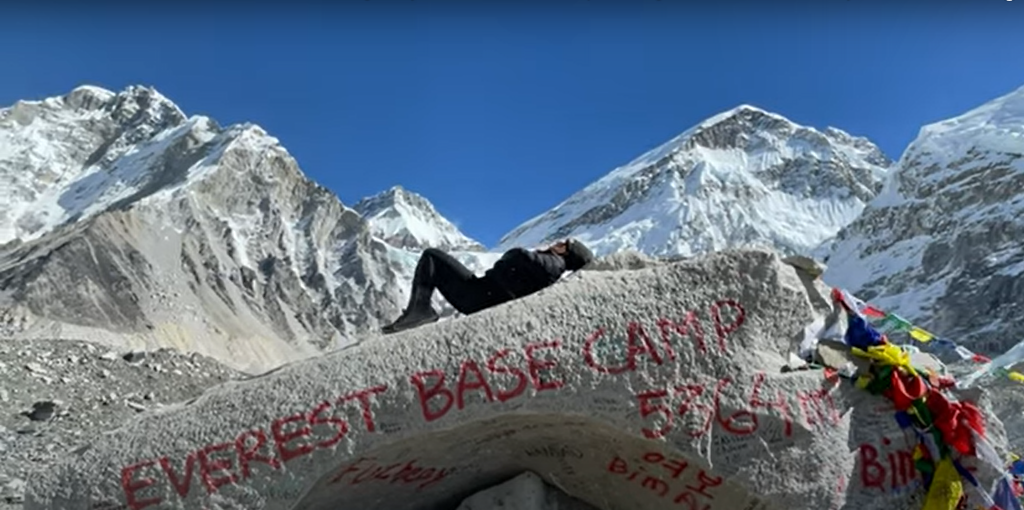
Accommodation : Tea House Meals : Breakfast, Lunch & Dinner
Gorak Shep – Kala Patthar (5,545m) – Dzongla (4,830m)
Distance: 11 km / 6.8 miles
Lunch: Gorak Shep (after Kala Patthar climb)
You wake up early—often before sunrise—for a steep 2-hour hike up to Kala Patthar, the most famous viewpoint in the Khumbu. From the top, you see a 360° view of Everest, Pumori, Lhotse, and the entire Khumbu Icefall. After photos and a short rest, descend back to Gorak Shep for breakfast. Then you start a new trail heading west toward Dzongla, a small and quiet village below the Cho La Pass. The trail is peaceful and scenic, offering views of lakes, glaciers, and peaks. Overnight in Dzongla.
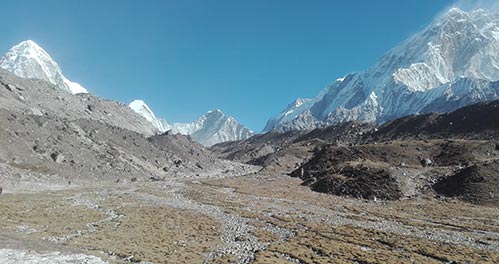

Accommodation : Tea House Meals : Breakfast, Lunch & Dinner
Dzongla – Cho La Pass (5,420m) – Gokyo (4,800m)
Distance: 11–12 km / 7–7.5 miles
Lunch: Thagnak
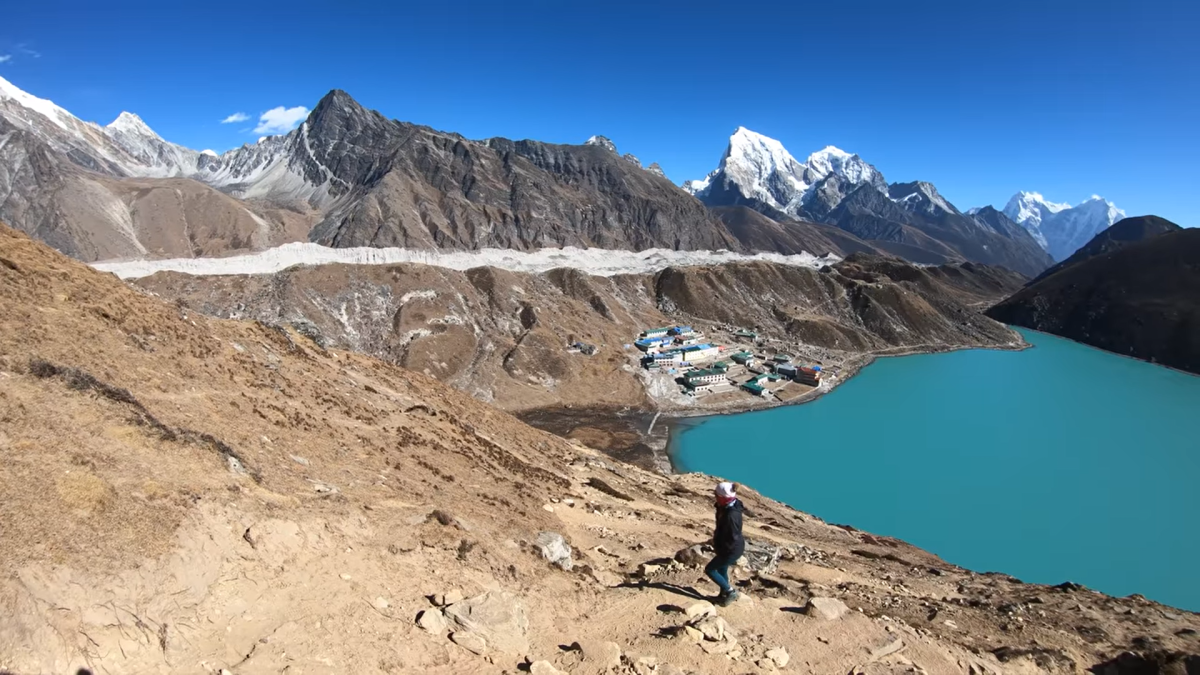
This is a big day, so you start early. The trail climbs steeply over rocky terrain, then crosses glacier fields as you make your way to the top of Cho La Pass. The pass is often icy and challenging, but the views are breathtaking, with mountains and glaciers all around. After taking photos on the top, descend carefully to Thagnak, where you stop for lunch. Then you continue walking across the edge of the Ngozumpa Glacier, eventually reaching the beautiful lake village of Gokyo, by the side of Dudh Pokhari Lake.
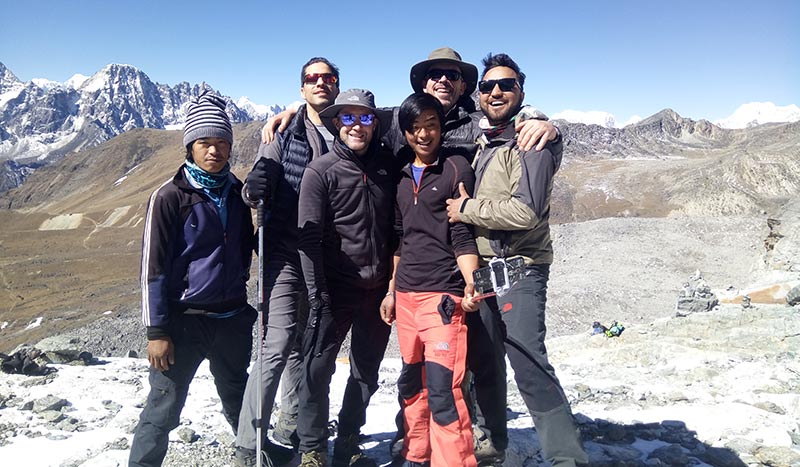
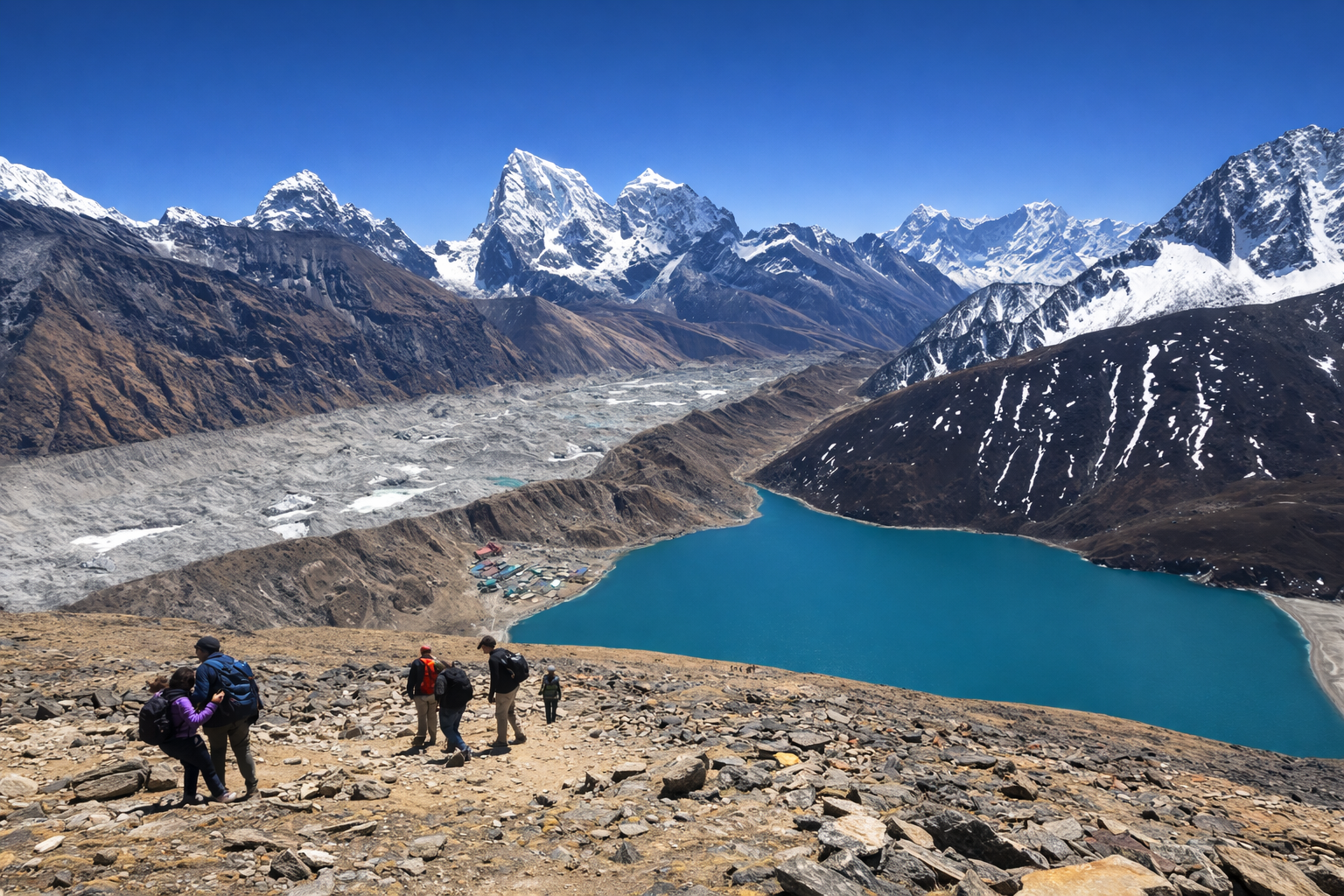
Accommodation : Tea House Meals : Breakfast, Lunch & Dinner
Gokyo Ri (5,357m) – Machhermo (4,470m)
Distance: 10 km / 6.2 miles
Lunch: Gokyo (after Gokyo Ri climb)
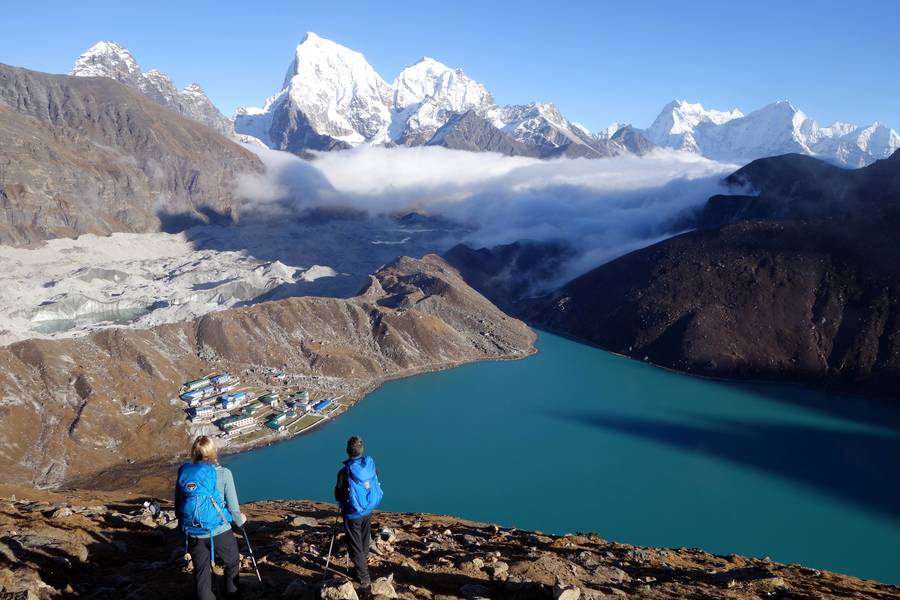
You begin the day with an early morning climb to Gokyo Ri, a viewpoint above the lake. It’s a steep 2-hour hike, but from the top, you’ll enjoy panoramic views of Everest, Cho Oyu, Makalu, and the sparkling Gokyo Lakes. After photos, descend to Gokyo village for breakfast and start trekking downhill. You pass First and Second Lakes, grazing yaks, and small Sherpa huts as you follow the Dudh Koshi Valley. The trail leads you gently to Machhermo, a charming village with a few warm teahouses and wide valley views.
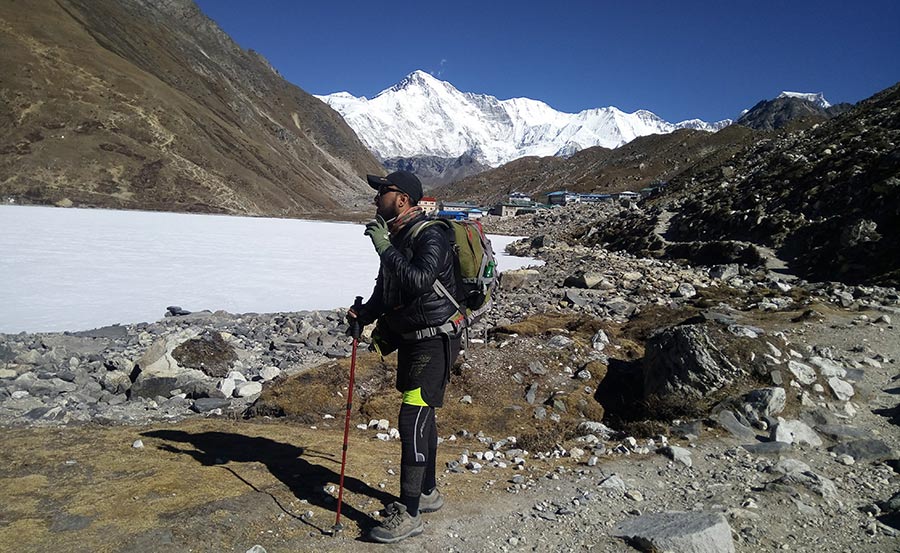
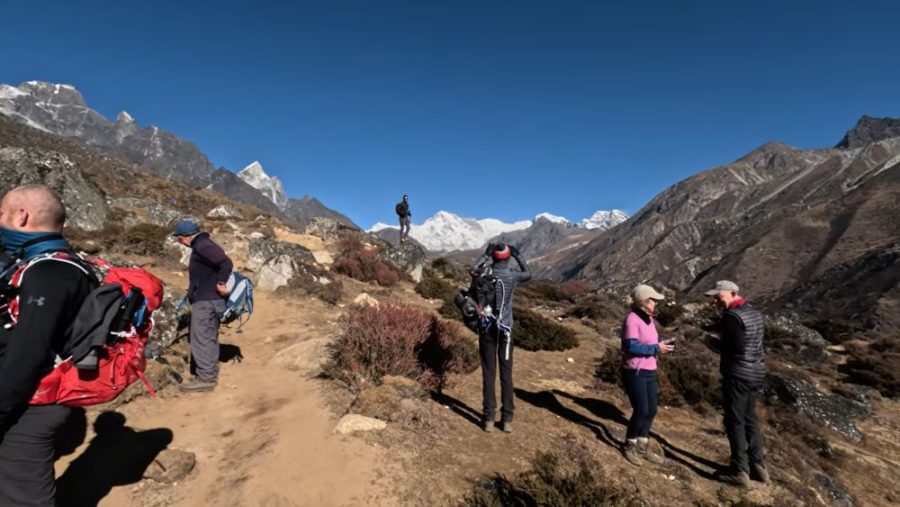
Accommodation : Tea House Meals : Breakfast, Lunch & Dinner
Machhermo – Namche Bazaar (3,440m)
Distance: 12 km / 7.5 miles
Lunch: Mong Danda
Today is mostly downhill. You walk through Dole, Lhabarma, and Luza, descending beside the Dudh Koshi River with wonderful mountain views. After about 3 hours, reach Phortse Tenga for lunch. From here, you climb a bit through forest and rejoin the main Everest trail. You’ll pass Kyangjuma and eventually reach Namche Bazaar, where you can relax, enjoy a hot shower, and maybe treat yourself to a bakery item or souvenir shopping.

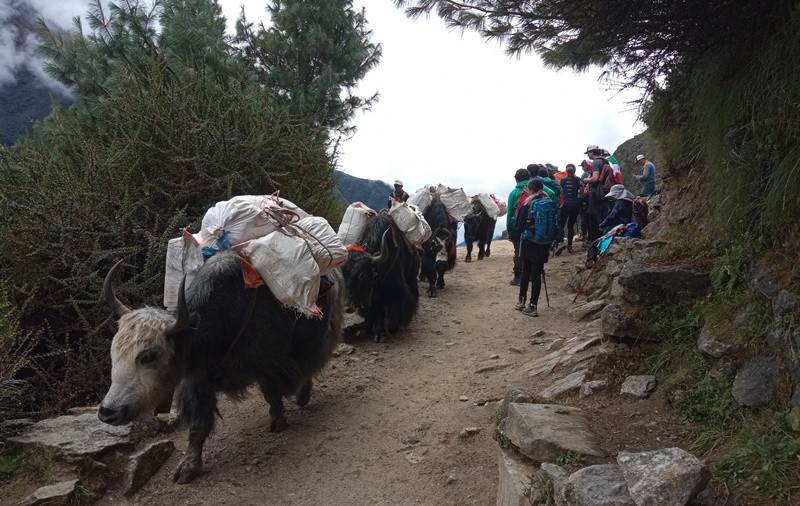
Accommodation : Tea House Meals : Breakfast, Lunch & Dinner
Namche Bazaar – Lukla (2,800m)
Distance: 18 km / 11.2 miles
Lunch: Phakding
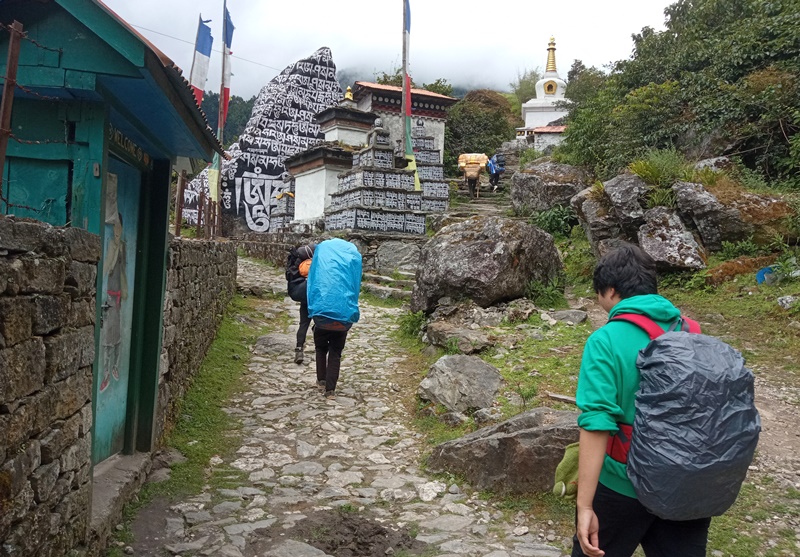
The final trekking day is long but filled with joy. You descend back down through Monjo, Jorsalle, and Phakding, walking beside the Dudh Koshi River and crossing familiar bridges. After lunch in Phakding, you continue on a slight uphill to Lukla, where your trekking journey ends. In the evening, you can celebrate with your guide and porter, share stories, and enjoy a well-earned rest.

Accommodation : Tea House Meals : Breakfast, Lunch & Dinner
Lukla – Kathmandu (1,400m)
Distance: 35-minute flight
Trekking: None
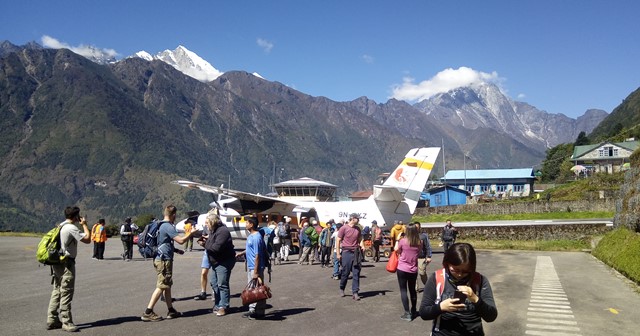
After breakfast, you take a morning flight back to Kathmandu, saying goodbye to the Khumbu mountains. From the sky, you’ll get one last look at the amazing landscapes you just walked through. Upon landing, you transfer to your hotel and enjoy a relaxing day in the city.
Accommodation : Hotel
Everest Base Camp to Gokyo Trek- 14 Days FAQs
The trek typically takes around 12-16 days, including acclimatization and rest days.
The total distance covered is approximately 120-130 kilometers (75-80 miles) round trip.
The highest point reached is Kala Patthar at an altitude of 5,545 meters (18,192 feet).
Yes, there are tea houses and lodges available for accommodation and meals throughout the trek.
While it is possible to trek independently, hiring a guide is recommended for navigation, safety, and local knowledge.
You need to obtain the Sagarmatha National Park Permit and the TIMS (Trekkers’ Information Management System) card.
Yes, altitude sickness is a concern. It is important to acclimate properly and be aware of the symptoms.
Risks include altitude sickness, weather changes, and trekking hazards. Follow safety guidelines, drink plenty of water, and trek with a guide.
Yes, most tea houses offer hot shower facilities for an additional cost.
Yes, most tea houses provide charging facilities, but it may come at an extra cost.
Tea houses offer a variety of meals, including Nepali, Tibetan, and Western dishes. Dal Bhat (lentil soup with rice) is a popular local dish.
Bottled and boiled water is available for purchase along the trail. You can also use water purification tablets or filters to treat tap water.
Yes, it is possible to trek in either direction. Many trekkers prefer to do the Gokyo portion first for better acclimatization.
Yes, there are several shops in Kathmandu where you can rent trekking gear if you don’t have your own.
The only alternative is a multi-day trek from Jiri, which adds about a week to the overall trekking duration.
Yes, there are a few ATMs available in Namche Bazaar. However, it’s recommended to carry enough cash as ATMs can be unreliable.
Yes, many solo female trekkers have completed the Everest Base Camp to Gokyo Trek. It’s important to take necessary safety precautions and consider hiring a guide for added support.
Yes, helicopter rescue services are available in the Everest region for medical evacuations if needed. However, it’s essential to have appropriate travel insurance that covers helicopter evacuation.
The highlights include stunning views of Mount Everest and other Himalayan peaks, visiting Everest Base Camp, ascending Kala Patthar for sunrise views, exploring the Gokyo Valley and its serene lakes, and immersing in the Sherpa culture and monasteries along the trail.
Refund & Cancellation Policy
- Booking requires 20% non-refundable deposit (Nepal) or 100% upfront (Tibet/Bhutan).
- Remaining payment due before the trip or on arrival (trip-dependent).
Cancellation charges:
- 31+ days: 20%
- 16–30 days: 45%
- 8–15 days: 75%
- 7 days or less: 90%
- Prices may change due to flights, taxes, or exchange rates.
- Trip changes are allowed, but extra costs apply.
- If the company cancels, a full refund, except for unavoidable events (some costs deducted).
- Good health and travel insurance are mandatory.
- No refund if removed for unsafe or illegal behavior.
- Travel involves personal risk, which the client accepts.