Everest Base Camp Trek Key Highlights: Highlights
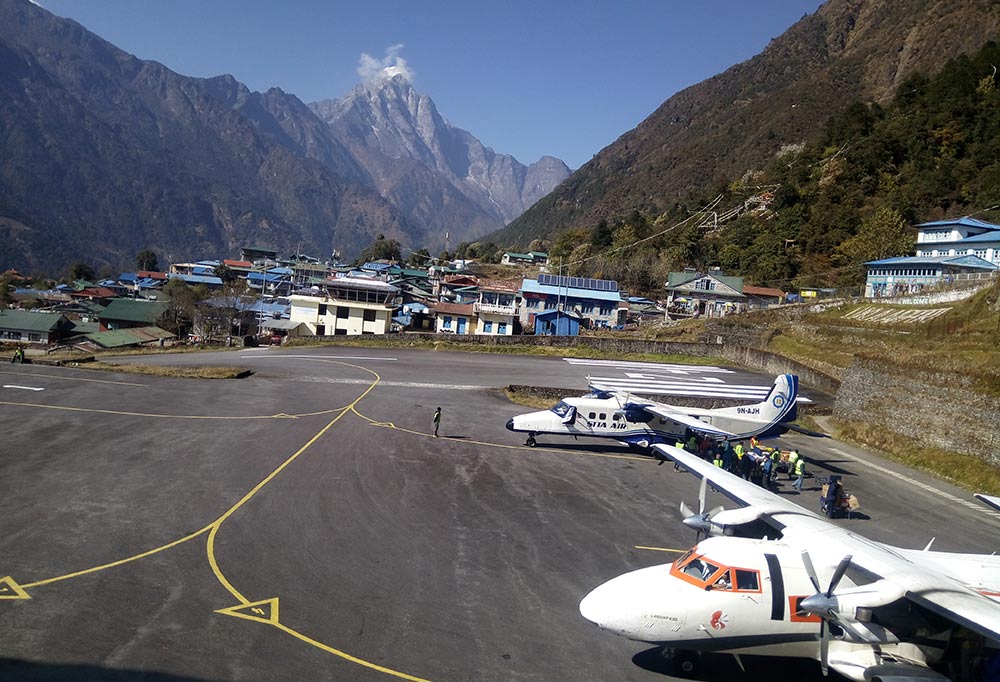
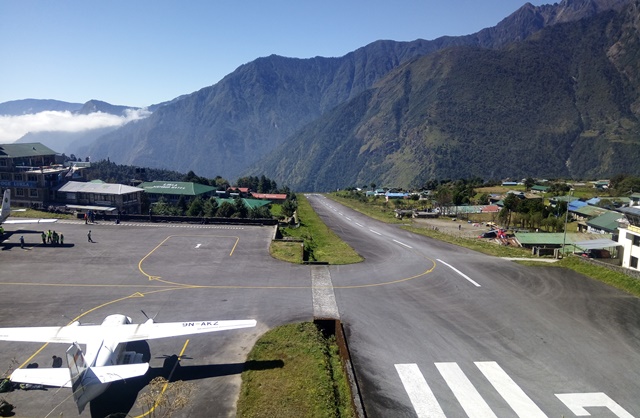
- Thrilling Flight to Lukla (2,860 m): One of the world’s most dramatic mountain flights, landing on a short, sloped runway surrounded by high hills. This is the true starting point of the trek.
- Walk Through Sherpa Villages (Phakding, Monjo, Namche): Authentic Sherpa settlements where you see stone houses, prayer wheels, mani walls, and daily mountain life shaped by trekking and trade.
- Sagarmatha National Park Entry: UNESCO World Heritage Site with alpine forests, wildlife (musk deer, Himalayan tahr), and the first real feeling of entering the Everest region.
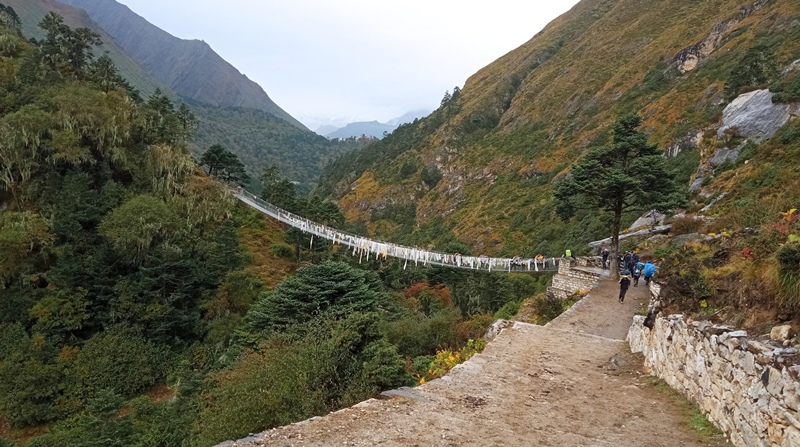
- Suspension Bridges Over the Dudh Koshi River: Iconic high bridges decorated with prayer flags, including the famous Hillary Suspension Bridge, before Namche Bazaar.
- First View of Mount Everest: Between Jorsalle and Namche, you get the first clear sight of Everest (8,848.86 m), usually visible behind Lhotse and Nuptse.
- Namche Bazaar (3,440 m) – Sherpa Capital: The main trading town of the Khumbu with bakeries, gear shops, cafes, banks, and the best place for acclimatization.
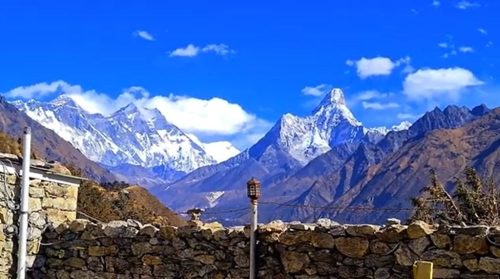
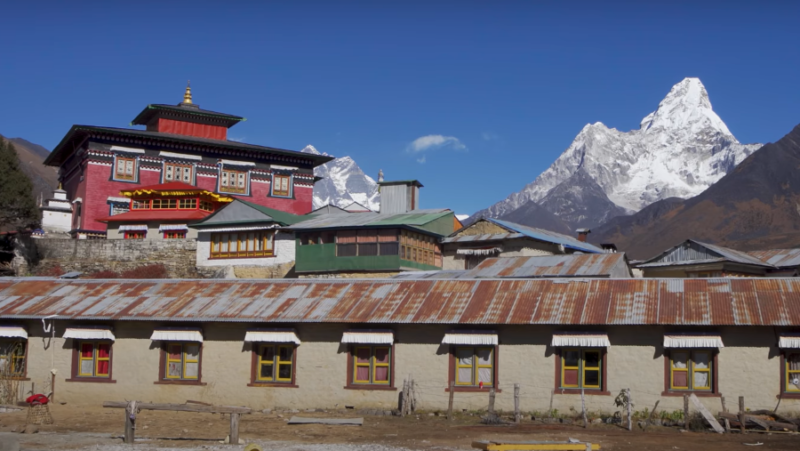
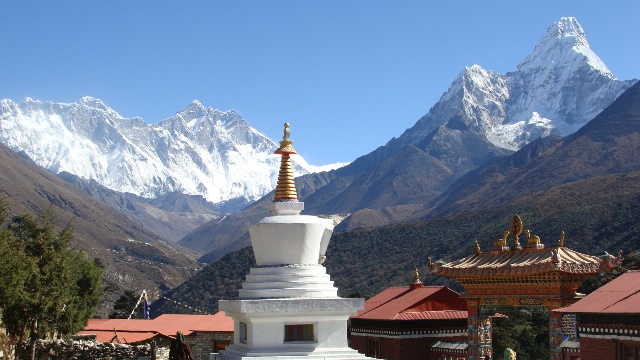
- Tengboche Monastery (3,867 m): The most important Buddhist monastery in the Everest region is set against a spectacular backdrop of Everest, Ama Dablam, Lhotse, and Nuptse.
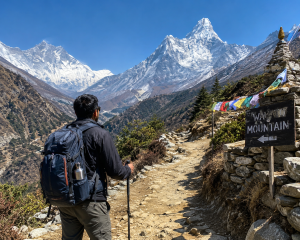
- Ama Dablam Views Along the Trail: Considered one of the most beautiful mountains in the world, Ama Dablam dominates the skyline from Tengboche to Dingboche.
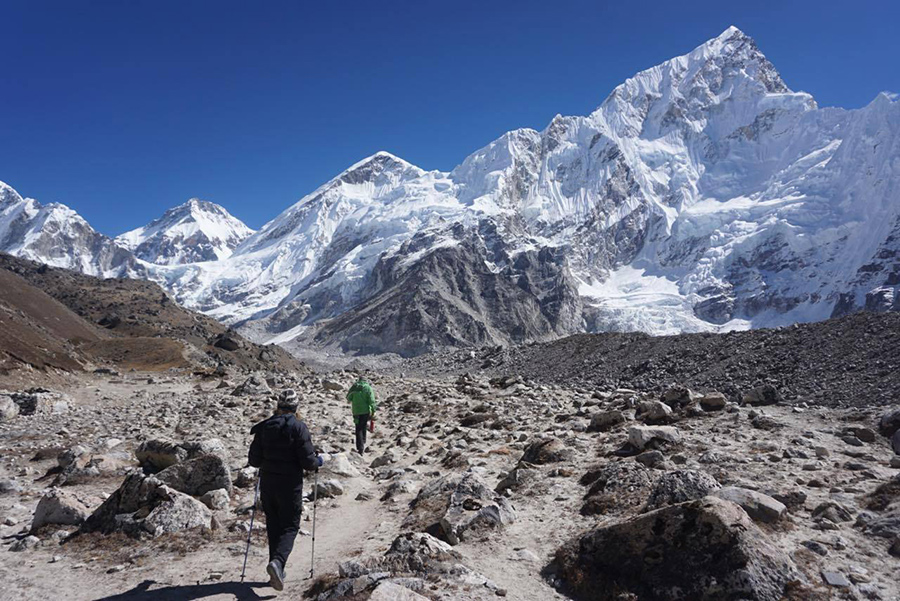
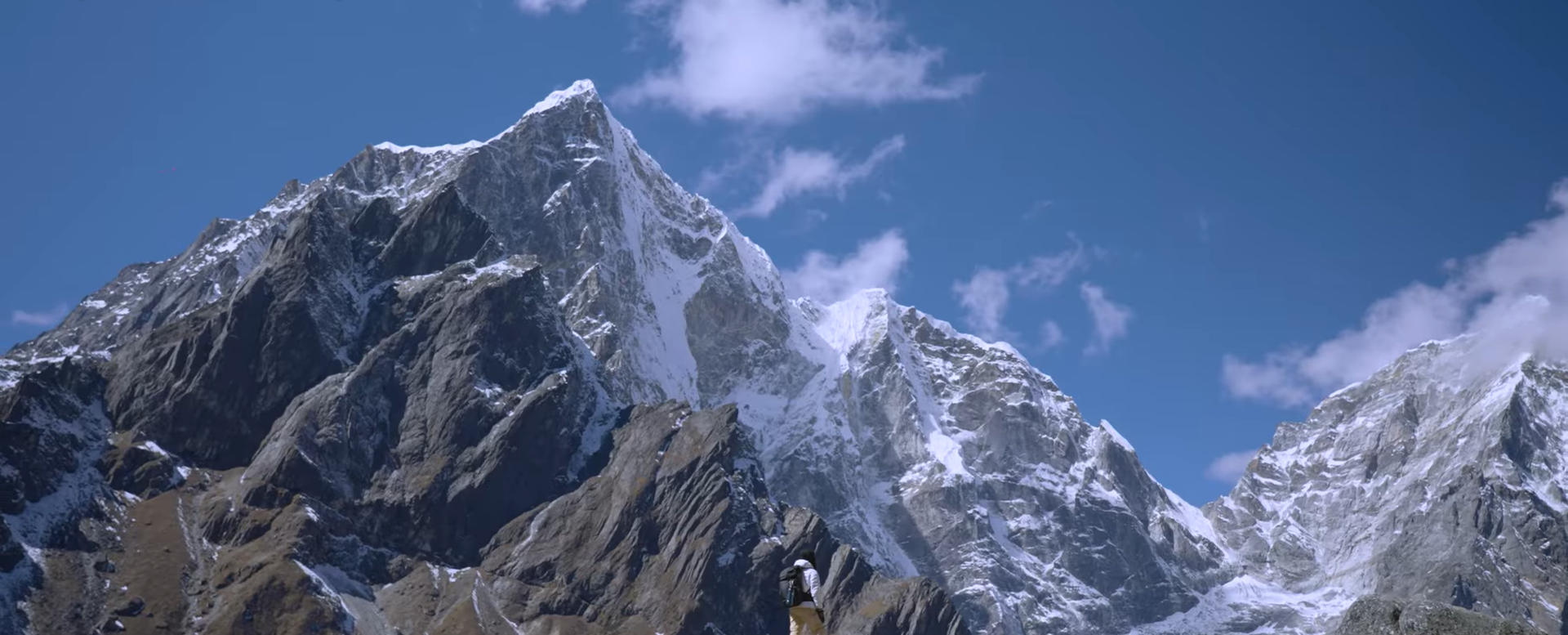
- High-Altitude Landscape Above Dingboche & Lobuche: The trail becomes stark and dramatic with glacial valleys, moraine paths, memorials to fallen climbers, and thin air.
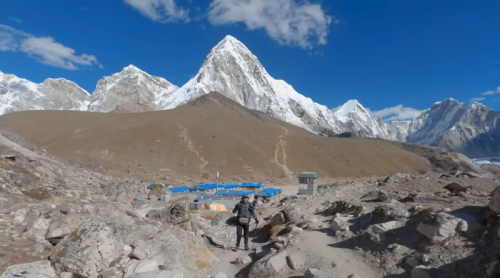
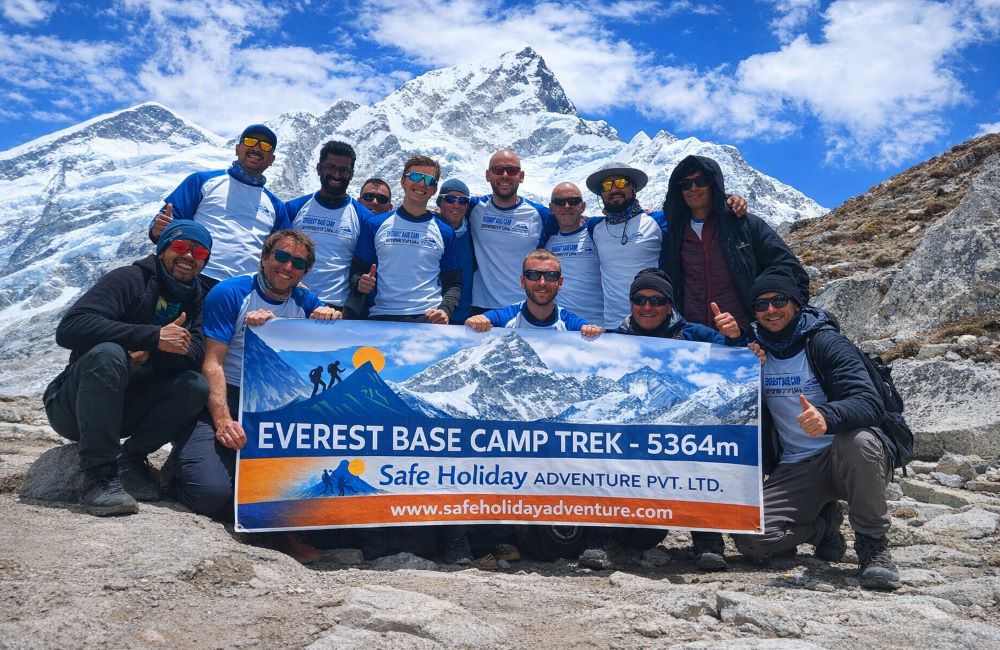
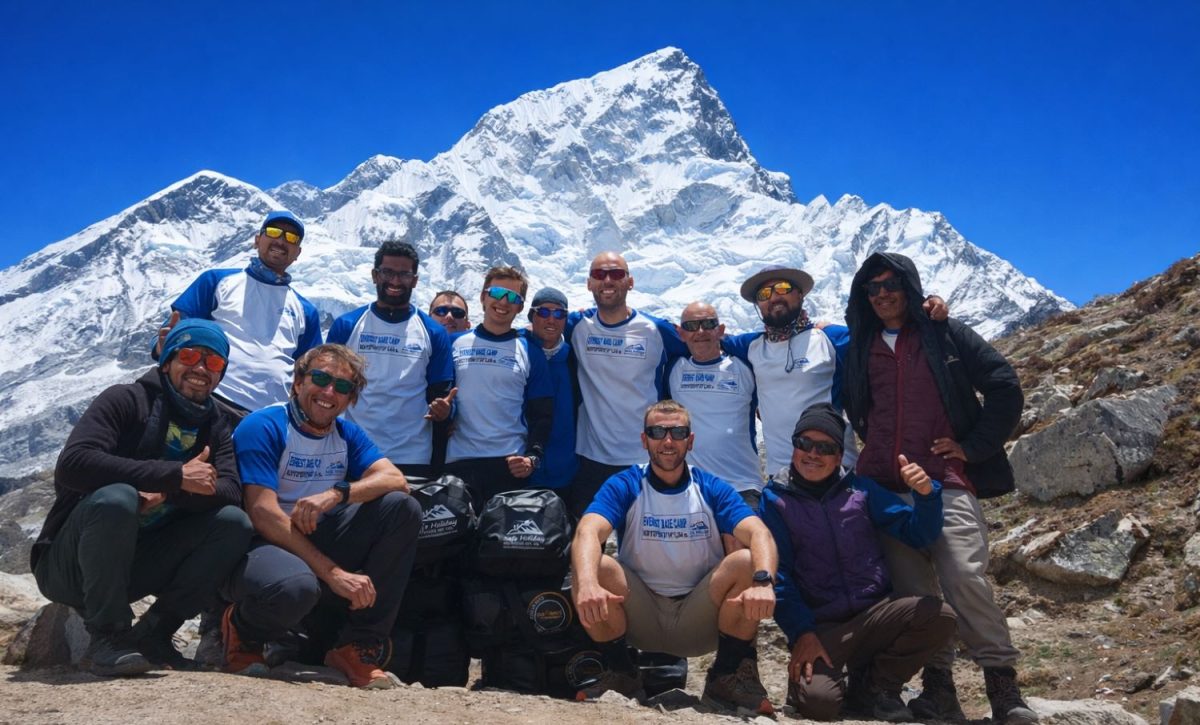
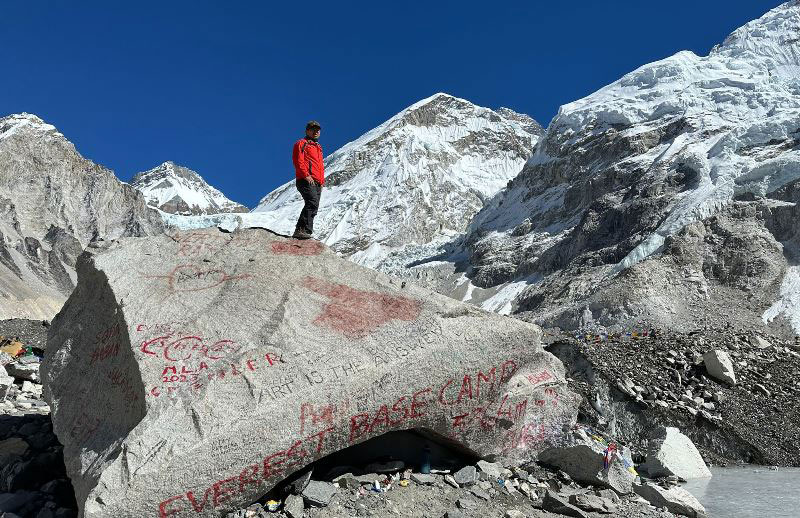
- Everest Base Camp (5,364 m): Standing at the foot of the world’s highest mountain, surrounded by icefall, glaciers, and expedition camps (especially lively in spring).
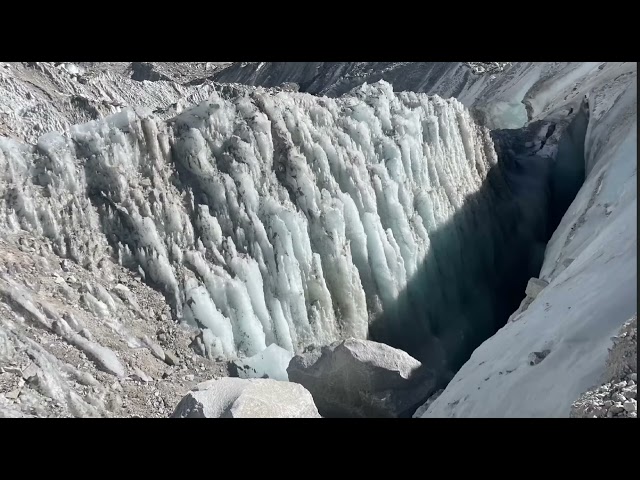
- Khumbu Glacier & Icefall – The most dangerous section of the Everest climb, visible near base camp.
Everest Base Camp Trek 12 Days – Overview Overview
The 12-day Everest Base Camp Trek is an unforgettable Himalayan adventure that takes you through the heart of the Khumbu region to the base of Mount Everest (8,848.86 m). The journey combines spectacular mountain scenery, Sherpa culture, Buddhist monasteries, suspension bridges, and traditional mountain villages.
Your adventure begins with a scenic flight from Kathmandu to Lukla (2,860 m), followed by a trek through Phakding, Namche Bazaar, Tengboche, Dingboche, Lobuche, and Gorakshep before reaching Everest Base Camp (5,364 m). You will also have the opportunity to hike to Kala Patthar (5,545 m) for one of the best panoramic views of Mount Everest and the surrounding Himalayan peaks.
To support safe and gradual acclimatization, our 12-day itinerary includes dedicated acclimatization days in Namche Bazaar (3,440 m) and Dingboche (4,410 m). During these days, you can enjoy short hikes to higher elevations while allowing your body to adjust before continuing toward Everest Base Camp.
At Safe Holiday Adventure, our experienced local guides and professional porters provide support throughout the journey. Whether you are an experienced trekker or planning your first Himalayan adventure, we can customize your Everest Base Camp Trek according to your preferred pace, services, budget, and travel dates.
Is Everest Base Camp Trek Suitable for Beginners?
Yes, the Everest Base Camp Trek is suitable for beginners with good health and basic fitness. You do not need previous high-altitude trekking experience. However, the trek is physically challenging, with several hours of walking each day.
Proper acclimatization is important because you will trek to high altitudes. Our itinerary includes rest days in Namche Bazaar and Dingboche, allowing your body to adjust safely. Walking at a steady pace, staying hydrated, and listening to your guide are key to a successful trek.
With experienced guides, a well-planned itinerary, and proper preparation, first-time trekkers can confidently reach Everest Base Camp. At Safe Holiday Adventure, we provide the support you need throughout the journey.
How to Stay Safe from Altitude Sickness on the Everest Base Camp Trek:
Altitude sickness is one of the main challenges of the Everest Base Camp Trek, especially as you reach higher elevations. With proper acclimatization, a steady pace, good hydration, and careful attention to symptoms, you can significantly reduce the risk and enjoy a safer trekking experience.
Simple Ways to Reduce the Risk of Altitude Sickness
- Ascend gradually: Avoid rushing to higher elevations. A gradual ascent gives your body more time to adapt to lower oxygen levels.
- Take acclimatization days: Rest and acclimatization days in places such as Namche Bazaar and Dingboche allow your body to adjust before continuing higher.
- Stay hydrated: Drink enough water throughout the day and maintain regular fluid intake while trekking.
- Avoid alcohol and smoking: Alcohol and smoking can make it more difficult for your body to adjust to high altitude.
- Eat well: Take regular, nutritious meals to maintain your energy during the trek.
- Walk at a steady pace: Trek slowly and comfortably rather than overexerting yourself. Your guide can help you maintain a suitable pace.
- Recognize the symptoms: Headache, dizziness, nausea, unusual tiredness, and loss of appetite can be early signs of altitude sickness. Inform your guide immediately if you experience any symptoms.
- Descend when necessary: If symptoms become severe or continue to worsen, descending to a lower altitude is the safest response. Your guide will help assess the situation and arrange appropriate assistance when required.
With proper preparation, gradual acclimatization, and guidance from an experienced trekking team, you can enjoy a safer and more comfortable journey to Everest Base Camp.
Is the Everest Base Camp Trek Difficult? Find Out Before You Go
The Everest Base Camp trek is a challenging adventure, both physically and mentally. The route includes steep ascents and descents, rocky paths, and high-altitude conditions that make walking more demanding than usual.
One of the main difficulties is altitude sickness, which becomes more common as trekkers climb higher. Symptoms can include headache, nausea, and shortness of breath. The thin air also makes simple tasks, like carrying a backpack, feel much harder than normal.
In addition, the weather can be unpredictable and harsh, with strong winds and very cold temperatures. Trekking for several days in a row can be exhausting, and the limited facilities along the way mean trekkers must be well-prepared and self-sufficient. Overall, the Everest Base Camp trek requires physical fitness, mental strength, and a willingness to face challenges.
Everest Base Camp Trek Acclimatization:
Acclimatization is an important part of a safe and successful Everest Base Camp Trek. Our 12-day itinerary includes dedicated acclimatization days in Namche Bazaar (3,440 m) and Dingboche (4,410 m), allowing your body to gradually adjust to the increasing altitude.
On these days, you can enjoy short hikes to higher elevations while returning to a lower altitude to sleep. Our experienced guide will monitor your condition and help you maintain a safe and comfortable pace throughout the trek.
Gradual ascent, proper hydration, sufficient rest, and listening to your body are key to a safer Himalayan adventure.
Why Choose Us for the Everest Base Camp Trek?
- Expert Local Guides: Navigate Everest safely with our experienced, knowledgeable guides.
- Tailored Trek Packages: Custom itineraries to match your fitness, time, and interests.
- Safety First: Planned acclimatization, health monitoring, and emergency support.
- Cultural Immersion: Explore Sherpa villages, monasteries, and authentic local life.
- Eco & Community Friendly: Trek responsibly with sustainable practices supporting locals.
- All-Inclusive Services: We handle permits, meals, accommodation, and transport.
- Great Value: Quality services at competitive, traveler-friendly prices.
- Happy Travelers: Loved by trekkers worldwide for unforgettable experiences.
Everest Base Camp Trek Route Options:
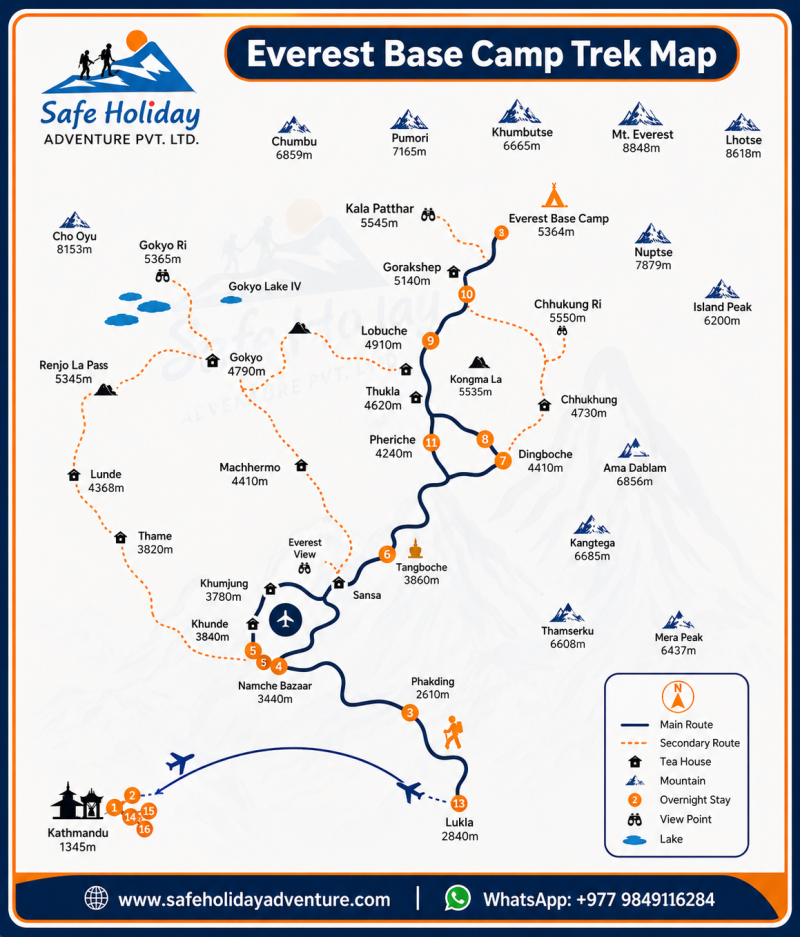
The classic 12-day Everest Base Camp Trek follows the scenic route from Lukla through Phakding, Namche Bazaar, Tengboche, Dingboche, Lobuche, and Gorakshep to Everest Base Camp. With acclimatization days in Namche and Dingboche, it provides a well-paced trekking experience for most travelers.
If you have limited time, shorter 9-day and 10-day Everest Base Camp Trek options are also available. For a longer adventure, you can combine Everest Base Camp with Gokyo Lakes and Cho La Pass, or choose a helicopter return after reaching the Everest region.
We can customize your route, trekking pace, services, and return options according to your available time and preferences.
Is the Everest Base Camp Trek right for you?
Good fit if:
- You can walk 5–7 hours daily → trek involves long walking days for 10–12 days
- You are moderately fit → no technical climbing, but steady uphill/downhill trekking
- You handle altitude well (or are willing to acclimatize) → route goes above 5,000m at Everest Base Camp
- You are okay with basic lodges → simple teahouse accommodation, not luxury hotels
- You like adventure over comfort → rewards are mountain views and experience, not luxury
- You can manage cold weather → nights can drop below freezing
Not a good fit if:
- You cannot walk long distances daily
- You need high comfort, private bathrooms, or luxury stays
- You struggle with cold or high altitude
- You prefer short, easy holidays
Book or Customize Your Everest Base Camp Trek:
Ready to experience the legendary Everest Base Camp Trek? Safe Holiday Adventure offers flexible trekking options designed around your time, budget, and travel preferences.
Choose from a guided trek, porter service, a Guide-and-Porter package, or a fully organized, all-inclusive trekking package. We can also customize the itinerary, services, accommodation, transportation, and trekking dates to suit your needs.
Plan your Everest adventure with a trusted local trekking team in Nepal.
For booking, customized itineraries, or more information, contact us:
Email: Safeholidayadventure@gmail.com
Everest Base Camp Short Itinerary:Outline Itinerary
Day 01: Arrival in Kathmandu, Nepal – rest and preparation (no trekking).
Day 02: Fly from Kathmandu to Lukla Airport (30–35 min) and trek to Phakding – 3–4 hrs / ~8 km.
Day 03: Phakding to Namche Bazaar – 6–7 hrs / ~10–11 km.
Day 04: Acclimatization day in Namche Bazaar – short hike 2–3 hrs/rest and exploration.
Day 05: Namche Bazaar to Tengboche – 5–6 hrs / ~9–10 km.
Day 06: Tengboche to Dingboche – 5–6 hrs / ~11–12 km.
Day 07: Acclimatization in Dingboche – 3–4 hrs hike/rest day.
Day 08: Dingboche to Lobuche – 5–6 hrs / ~8–9 km.
Day 09: Lobuche to Gorak Shep – 3–4 hrs / ~4–5 km, then trek to Everest Base Camp (5–6 hrs round trip) and return to Gorak Shep.
Day 10: Hike to Kala Patthar (2–3 hrs) for sunrise view, then trek down to Pheriche – 5–6 hrs.
Day 11: Pheriche to Namche Bazaar – 6–7 hrs / ~14–15 km.
Day 12: Namche Bazaar to Lukla – 6–7 hrs / ~18–20 km.
Day 13: Fly from Lukla to Kathmandu – 30–35 min.
Day 14: Departure from Kathmandu.
Flight delay or cancellation at Lukla.
Flight delays and cancellations at Lukla, a small airport in Nepal, are not uncommon due to the challenging weather conditions in the area. Lukla, also known as the Tenzing-Hillary Airport, is located at 2,860 meters (9,383 feet) in the Solu-Khumbu region of Nepal, near Mount Everest. The airport has a short and steep runway for planes to take off and land under certain weather conditions.
If your flight to or from Lukla is delayed or canceled due to weather, you may have to wait until conditions improve before you can travel. It is a good idea to allow extra time in your travel schedule when flying to or from Lukla, as delays and cancellations can occur. You should also be prepared for the changes to your travel plans and have a backup plan in case your flight is delayed.
Whats Included?
Airport & Transportation Services
- Private airport pickup and drop-off in Kathmandu (Tribhuvan International Airport – TIA) by car or jeep
- All ground transportation as per the trekking itinerary
- Round-trip domestic flights: Kathmandu ↔ Lukla
Trekking Services
- Fully guided Everest Base Camp trek in a small group setting
- Experienced, licensed trekking guide with all wages, insurance, and expenses covered
- Required trekking permits and Sagarmatha National Park entry fees & Pasang Lamu Village municipality entry fees
Meals During Trek
- Daily full-board meals during the trek (Breakfast, Lunch, and Dinner)
- Hygienic and locally prepared meals along the trekking route
Cultural & Experience Inclusions
- Entry to Sherpa Museum in Namche Bazaar
- Guided cultural insight into Sherpa villages and the Himalayan lifestyle
Safety & Support
- Assistance in emergency rescue coordination if required
- Basic trek safety support and guidance throughout the journey
(Travel insurance with high-altitude coverage is strongly recommended)
International Travel
- International flights to and from Nepal
Visa & Personal Entry Costs
- Nepal visa fees (available on arrival at Kathmandu Airport)
- Personal travel documents or passport-related expenses
Accommodation in Kathmandu
- Hotel stays in Kathmandu before and after the trek (can be arranged upon request)
Personal Expenses
- Drinks (soft drinks, alcoholic beverages, bottled water, tea/coffee outside meals)
- Snacks, chocolates, and personal food items
- Hot showers, Wi-Fi, and charging services in mountain lodges (where applicable)
Personal Gear
- Trekking equipment (boots, jackets, sleeping bag, etc.)
- Personal clothing and gear for high-altitude trekking
Insurance & Emergency Costs
- Travel insurance (mandatory but not included)
- Emergency helicopter evacuation or medical treatment costs (covered by insurance only)
Optional Tips & Extras
- Tips for guides and porters
- Optional sightseeing tours or extra activities not mentioned in the itinerary
Dates and Availability Departures
All our published dates are guaranteed departures. We also provide customized departures tailored to your travel plans.
September 2026
October 2026
November 2026
December 2026
Travellers Reviews
Khanzada Khan
Indian | January, 2025
Best Trekking Experience in Nepal – Highly Recommended!
We had an amazing trekking experience in Nepal with Budget Trekking in Nepal! My girlfriend and I came from India, and from the very beginning, everything was well organized and comfortable. Our guide, Dharma, was absolutely fantastic—very friendly, helpful, knowledgeable, and professional. He made sure we were safe and comfortable throughout the trek and always guided us with a positive attitude.
Thanks to Dharma and the entire team, we were able to enjoy the beautiful mountains, local culture, and unforgettable moments without any stress. We highly recommend Budget Trekking in Nepal to anyone looking for a reliable and friendly trekking company. If you are planning a trek, definitely ask for Dharma as your guide!
Thank you for making our Nepal adventure so memorable. We will definitely come back again!

Dani Chong
Singapore | January, 2026
An Amazing Luxury Everest Base Camp Trek Experience
My name is Dani Chong, and I am from Singapore. I recently completed the Luxury Everest Base Camp Trek with my friend, and it was an unforgettable experience. Our guide, Santosh, and our porter, Dharma, were extremely friendly, helpful, and professional throughout the journey.
Santosh was an excellent guide who made us feel safe and comfortable during the trek. Dharma was also very hardworking and always ready to help us with our luggage. Their warm hospitality and great support made our Everest Base Camp adventure truly special.
I highly recommend this trek and the wonderful team of Santosh and Dharma to anyone planning to explore the Everest region. Thank you for making our journey so memorable!
James Wilson
Australia | march, 2025
An Unforgettable EBC Trek Experience
I am James Wilson from Australia, and I trekked to Everest Base Camp with my family. The experience was amazing from beginning to end. Our guide Santosh took excellent care of us, and our porter Muskan was hardworking and helpful. The stunning mountains, Sherpa villages, and peaceful trails made this an incredible adventure.
I highly recommend this trek!
John Miller
UK | feb,2026
Our Family Adventure in the Everest Region – Short Trek Experience
Excellent service from start to finish. The entire trekking experience was extremely well organized by Safe Holiday Adventure Pvt. Ltd. From the moment we arrived in Nepal, everything was handled professionally, including airport pickup, accommodation, permits, and trekking arrangements.
Our guide was very experienced, friendly, and always attentive to altitude safety, which made a huge difference during high-altitude sections of the trek. He carefully monitored our pace, ensured proper acclimatization, and made sure we always felt comfortable and confident on the trail.
The porter service was also excellent. Our porter was strong, reliable, and very supportive throughout the journey, helping us greatly on steep and challenging terrain. We truly appreciated his hard work and positive attitude every day.
What impressed us the most was the company’s focus on safety, organization, and personal care. Even in remote mountain areas, everything felt well-managed and secure. Communication was always clear, and the team was quick to respond to any needs or questions.
Reaching high passes and enjoying the breathtaking Himalayan scenery was an unforgettable experience, and we always felt that we were in safe hands.
We highly recommend Safe Holiday Adventure Pvt. Ltd. to anyone planning a trek in Nepal. It is truly a trustworthy company that takes care of every detail from start to finish.
John Miller
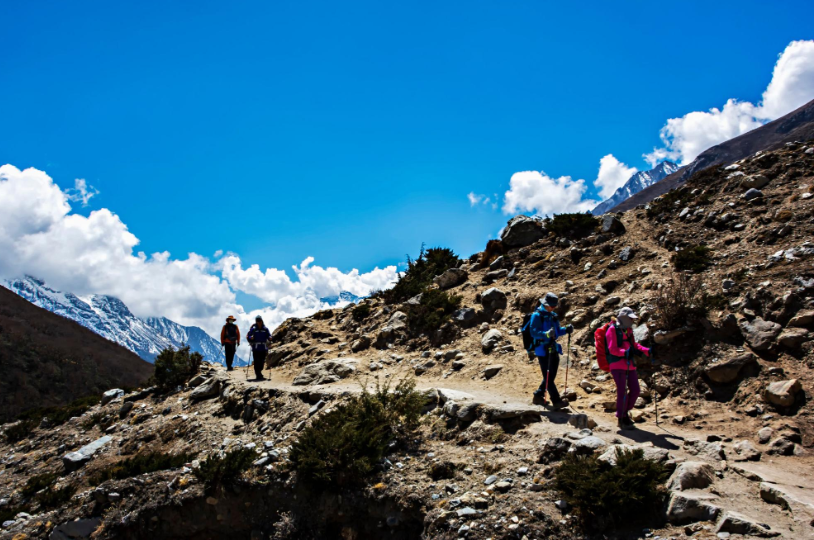
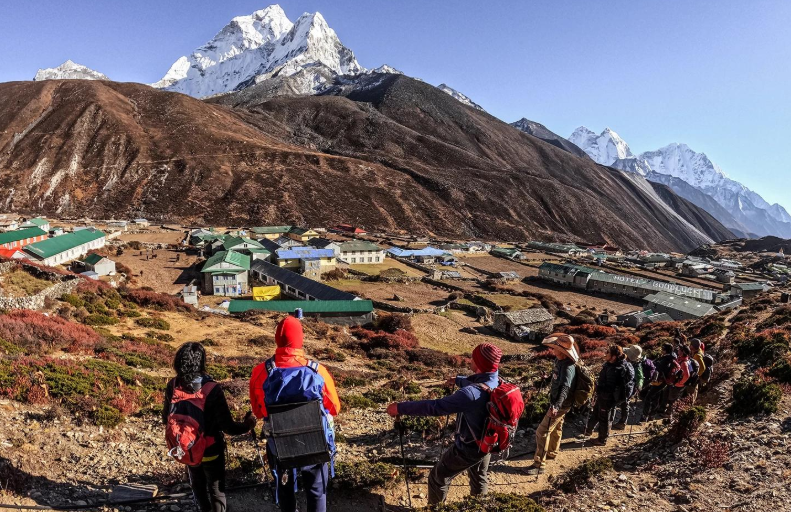
Zona Tres & Luca Tamburini
Brazil | April, 2026
We Experience on the 7-Day Everest Base Camp Trek
Discover Nepal Step by Step!!!
We recently completed the incredible 7-Day Everest Base Camp Trek with Safe Holiday Adventure, and it was an unforgettable experience in the Himalayas.
The entire journey was well organized, with stunning mountain scenery, beautiful local villages, and a great trekking atmosphere from beginning to end.
We would especially like to thank our guide Ram for his professionalism, kindness, and excellent care throughout the trek. He was very knowledgeable and friendly, and he always made sure we felt safe and comfortable during the journey.
Special thanks also go to our porter, Prem, who worked incredibly hard and always wore a warm smile. His support and dedication were deeply appreciated every day of the trek.
We highly recommend Safe Holiday Adventure to anyone planning a trekking adventure in Nepal. Thank you for the wonderful memories and excellent hospitality.
— Brizel, Zona Tres & Luca Tamburini
Genaral Trip InfoInfos
Everest Base Camp Packing Checklist:
Packing for the Himalayas is not just about carrying gear—it’s about traveling light, staying warm, and moving smart. Here’s a refined list that feels more practical for real trekking conditions:
Mountain-Ready Clothing (Layer is Everything)
Instead of overpacking, focus on smart layering:
- Insulated down jacket for freezing mornings
- Waterproof shell (wind + snow protection)
- 2–3 moisture-wicking trekking shirts
- Warm fleece for evenings
- Thermal innerwear for high altitude nights
- Lightweight trekking pants + one warmer pair
- Sun hat for daytime, wool beanie for altitude cold
Footwear That Carries You Higher
Your feet decide your journey:
- Well-broken trekking boots (most important item)
- Warm trekking socks (quick-dry or wool blend)
- Light camp shoes or sandals for lodge evenings
Trekking Essentials (Your Daily Survival Kit)
Keep your backpack functional, not overloaded:
- 30–50L trekking backpack with rain cover
- Sleeping bag rated for sub-zero temperatures
- Adjustable trekking poles for steep climbs
- Headlamp for early starts and power cuts
- Reusable water bottles or hydration bladder
Comfort & Protection Items
Small things that make a big difference:
- High SPF sunscreen (mountain sun is intense)
- UV-protection sunglasses
- Lip balm for dry, cold air
- Lightweight toiletries & quick-dry towel
- Hand sanitizer & wet wipes
Health & Safety Basics
Be prepared, not worried:
- Personal first-aid kit (bandages, pain relief, blister care)
- Altitude sickness medication (consult before trek)
- Any personal prescription medicines
Smart Extras (Optional but Valuable)
Pack only what adds real value:
- Power bank or solar charger
- Camera or smartphone for memories
- Light snacks (energy bars, nuts, chocolate)
- Lightweight book or journal
How to Prepare Physically for Everest Base Camp Trek?
About Lukla weather and Lukla Airport
Lukla is a small town in the Khumbu region of eastern Nepal and the main gateway to the Everest region. It has a relatively mild climate, with temperatures ranging from 5°C to 20°C throughout the year. The best time to visit Lukla is during spring (March to May) and autumn (September to November), when the weather is generally clear and stable.
Lukla Airport, officially known as Tenzing-Hillary Airport, is one of the most famous mountain airports in the world. It is located at an altitude of 2,845 meters and has a short runway measuring only 527 meters long. Due to its mountainous location, weather conditions can change quickly.
Despite these challenges, Lukla Airport is an essential transportation hub for trekkers and climbers heading toward the Everest Base Camp and Everest region. Most trekkers begin their Everest journey from Lukla, making it an important and exciting starting point for the Everest Base Camp Trek.
How Do You Get to Lukla?
There are several options for getting to the town of Lukla, which is the starting point for the Everest Base Camp Trek:
- By plane: The most popular and convenient way to reach Lukla is by taking a domestic flight from Kathmandu to the Tenzing-Hillary Airport in Lukla. The flight takes around 30 minutes and offers stunning views of the Himalayas. However, flights to Lukla can be expensive and are often subject to delays and cancellations due to adverse weather conditions.
- By bus: Another option is to take a bus from Kathmandu to the town of Jiri and then trek to Lukla. This route takes longer (around 8-9 days of hiking) and is more strenuous, but it is generally cheaper than flying.
- By private vehicle: If you have your private vehicle or are willing to hire one, you can drive from Kathmandu to the town of Salleri and then take a short flight or hire a private vehicle to Lukla. This option offers more flexibility and is generally faster than taking the bus, but it can be more expensive.
Regardless of how you choose to get to Lukla, it is important to plan and allow for extra time in case of delays or unforeseen circumstances. The roads and flights to Lukla can be affected by weather and other factors, so it is a good idea to have a backup plan in place.
Best Time of Year to Trek to Everest Base Camp:
The best time to trek to Everest Base Camp is during spring (March to May) and autumn (September to November). These seasons offer clear mountain views, comfortable temperatures, and the most reliable weather for trekking.
During spring, the trails come alive with blooming rhododendron forests, while autumn brings crisp skies and excellent visibility after the monsoon. Both seasons provide ideal conditions for enjoying the stunning Himalayan scenery.
Although trekking is possible in winter and the monsoon season, colder temperatures, snowfall, or heavy rain can make the journey more challenging. For the best overall experience, most trekkers choose spring or autumn.
What Food and Drinks Can You Expect on the Everest Base Camp Trek?
On the Everest Base Camp trek, trekkers usually eat at teahouses and lodges along the route. These places serve both local and international meals. Common food includes Dal Bhat, pasta, momos, fried rice, potato dishes, eggs, porridge, pancakes, Tibetan bread, and toast. You can also find desserts, tea, coffee, and hot chocolate.
It is important to eat only cooked food during the trek. Avoid raw vegetables and fruits to reduce the risk of foodborne illness. For drinking water, trekkers should use a water purification system or buy bottled water. Staying hydrated is very important at high altitude. You should drink around 3–4 liters of water each day.
Snacks like nuts, energy bars, and chocolate are also helpful. They give quick energy while walking long distances. Overall, eating balanced and nutritious food will help you stay strong and healthy during the Everest Base Camp trek.
What Are the Signs of Altitude Sickness on the Everest Base Camp Trek?
The Everest Base Camp (EBC) trek takes you to very high altitudes, where the air has less oxygen. Because of this, some trekkers may experience altitude sickness, also called Acute Mountain Sickness (AMS). It can affect anyone, no matter how fit they are.
What is Altitude Sickness?
Altitude sickness happens when your body struggles to adjust to lower oxygen levels at high elevations. On the EBC trek, symptoms usually start above 2,500–3,000 meters and become more common as you go higher.
Common Symptoms of Altitude Sickness
Early signs of altitude sickness include:
- Headache
- Dizziness or light-headed feeling
- Nausea or loss of appetite
- Tiredness or weakness
- Trouble sleeping
- Shortness of breath during light activity
If symptoms get worse, it may become serious. Severe signs include confusion, vomiting, or difficulty walking.
How to Prevent Altitude Sickness
You can reduce the risk by taking simple precautions:
- Ascend slowly and avoid rushing the trek
- Take acclimatization days (especially in Namche Bazaar and Dingboche)
- Drink plenty of water (3–4 liters daily)
- Avoid alcohol and smoking during the trek
- Eat light, high-energy meals
- Listen to your body and rest when needed
What to Do If You Feel Sick
If symptoms start:
- Stop ascending immediately
- Rest at the same altitude
- Drink water and stay warm
- Inform your guide or trekking partner
If symptoms get worse, the safest solution is to descend to a lower altitude as soon as possible.
Safety Tip
Travel insurance with helicopter evacuation is strongly recommended for the Everest Base Camp trek. In serious cases, quick evacuation can save lives.
Do You Need a Guide or Porter for the Everest Base Camp Trek?
Trekking guides play a vital role in making your Everest Base Camp Trek safer and more enjoyable. They lead the correct route, monitor your health, assist in emergencies, and share fascinating stories about the Sherpa culture, local traditions, and the Himalayan region.
Porters carry your trekking luggage, allowing you to walk with a lighter backpack and save energy for the journey. A lighter load makes the trek more comfortable and helps reduce physical fatigue, especially at higher altitudes.
Hiring local guides and porters also supports families and communities in the Everest region. Your trek directly contributes to the local economy while promoting responsible and sustainable tourism in the Himalayas.
Everest Trek Safety: What Trekkers Should Know
Trekking in the Everest region is a challenging and rewarding experience, but it also comes with potential risks and safety considerations that should be taken seriously. Here are some of the key safety considerations to keep in mind:
- Altitude sickness: Altitude sickness can be a serious and potentially life-threatening condition. Trekkers should take the necessary precautions to acclimatize properly, stay hydrated, and recognize the symptoms of altitude sickness.
- Weather conditions: Weather in the Everest region can be unpredictable and potentially dangerous. Trekkers should be prepared for extreme cold, high winds, and heavy snowfall, particularly at higher elevations.
- Terrain and trail conditions: The trail to Everest Base Camp includes steep ascents and descents, narrow paths, and potentially treacherous terrain. Trekkers should be physically fit and prepared for the demands of the trek.
- Gear and equipment: Proper gear and equipment, including appropriate footwear, warm clothing, and a good quality sleeping bag, are essential for a safe and comfortable trek.
- Cultural considerations: Trekkers should respect the local culture and customs of the Sherpa people, who live in the region, and take care not to cause offense or disrespect their traditions.
- Travel insurance: It is important to have comprehensive travel insurance that covers medical emergencies, evacuation by helicopter, and trip cancellations or delays.
Climate Change in the Everest Region: What Trekkers Should Know
The Everest region is experiencing the visible effects of climate change. Rising temperatures are causing glaciers to melt faster, creating larger glacial lakes and increasing the risk of floods, landslides, and changing mountain conditions. These changes affect both the natural environment and the people who call the Himalayas home.
Climate change is also impacting wildlife, plants, and the traditional way of life in local mountain communities. Protecting this unique landscape requires responsible tourism and continued conservation efforts for future generations.
When you trek with Safe Holiday Adventure Pvt. Ltd., you support responsible and sustainable tourism. We encourage eco-friendly trekking practices that help preserve the beauty of the Everest region while allowing future trekkers to experience its incredible mountains, culture, and nature.
What Are the Best Side Trips on the Everest Base Camp Trek?
Trekkers can make their Everest Base Camp journey more adventurous by adding popular side trips such as the Chola Pass Trek and Gokyo Valley Trek. These routes offer stunning mountain views, peaceful landscapes, and a chance to explore more of the Everest region.
For experienced trekkers, the Renjo La Pass Trek and Island Peak Climbing are exciting options. These side trips can be added to the itinerary depending on your time, fitness, and trekking experience.
How Much Weight Can a Porter Carry on the Everest Base Camp Trek?
For the Everest Base Camp Trek, one porter is assigned to every two trekkers. The maximum recommended carrying weight is 20 kg per porter, which means each trekker should pack around 10 kg of personal belongings for the porter to carry.
This 20 kg limit helps protect the health and safety of our porters while ensuring they can comfortably carry luggage throughout the trek. We encourage all trekkers to pack only the essentials and travel as light as possible.
If your luggage exceeds the standard weight limit, it may be possible to add a few extra kilograms upon request. However, this is subject to porter availability and requires an additional porter fee or extra salary. We recommend informing us before the trek so proper arrangements can be made.
By following the porter weight limit, you help support responsible trekking practices and ensure a safer, more enjoyable experience for both trekkers and porters.
Lukla Flight Baggage Allowance: How Much Weight Can You Carry?
If you are flying from Kathmandu to Lukla, the standard baggage allowance is 10 kg of checked luggage and 5 kg of hand carry, giving you a total of 15 kg per passenger. Because Lukla flights operate on small aircraft, airlines strictly enforce baggage limits to ensure safe operations.
If your luggage exceeds the allowed weight, you can usually pay an extra baggage fee, which is typically around USD 1 per additional kilogram, although the exact cost may vary depending on the airline and flight conditions. During the busy trekking seasons, overweight baggage may be transported on a later flight if there is not enough space on your scheduled flight. To avoid extra charges and delays, we recommend packing only the essentials for your Everest Base Camp Trek.
Guided vs. Independent Everest Base Camp Trek: Which Is Better?
Both guided and independent treks can take you to Everest Base Camp, but for most trekkers, a guided Everest Base Camp trek is the best choice. It offers greater safety, comfort, and a more enjoyable experience, especially for first-time visitors.
A professional local guide knows the trail, weather, altitude, and local culture. They help manage your pace, arrange accommodation, handle unexpected changes, and provide support if altitude sickness or other issues arise. This lets you enjoy the trek with greater confidence.
While an independent trek offers more flexibility, it also requires careful planning and experience. For a safer, smoother, and more rewarding adventure, we highly recommend choosing a guided Everest Base Camp trek. It allows you to enjoy the Himalayas while learning about the region from an experienced local guide.
Emergency & Evacuation Process on the Everest Base Camp Trek:
Your safety is our highest priority throughout the Everest Base Camp Trek. Our experienced guides are trained to recognize the early signs of altitude sickness, injuries, and other medical emergencies. They carefully monitor your condition and take immediate action whenever necessary.
If an emergency occurs, our team will assess the situation and arrange the fastest and safest solution. Depending on the severity, this may include descending to a lower altitude, providing first aid, or organizing a helicopter evacuation to the nearest medical facility. We stay in close contact with local rescue teams and helicopter operators to ensure a quick response.
We also assist with the evacuation process, including communication, rescue coordination, and insurance paperwork whenever possible. With Safe Holiday Adventure Pvt. Ltd., you can trek with confidence, knowing that our experienced team is prepared to support you throughout your Himalayan adventure.
Detailed ItineraryItinerary
Welcome to Kathmandu, Nepal.
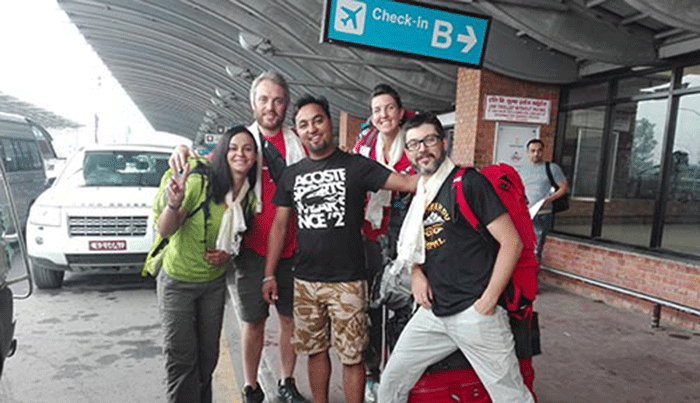
Upon arrival at Tribhuvan International Airport (TIA) in Kathmandu, our Safe Holiday Adventure team will warmly welcome you and transfer you to your hotel. After check-in, you can relax, refresh, and prepare for your upcoming Everest Base Camp Trek.
In the evening, we will meet for a welcome dinner and trek briefing. Your guide will introduce the trekking team, explain the itinerary and important safety information, and answer any questions you may have before the journey begins.
If time permits, enjoy a short orientation walk around Thamel, Kathmandu’s lively tourist district. Explore its colorful streets, local shops, restaurants, and unique atmosphere before returning to the hotel.
We will finish the day with a traditional Nepali dinner and a warm welcome from our team. Afterward, enjoy a good night’s rest in Kathmandu as you prepare for your Himalayan adventure.

Accommodation : Hotel In Kathmandu
Morning Flight to Tenzing Hillary Airport, Lukla, then the hike to Phakding (2,660 m)
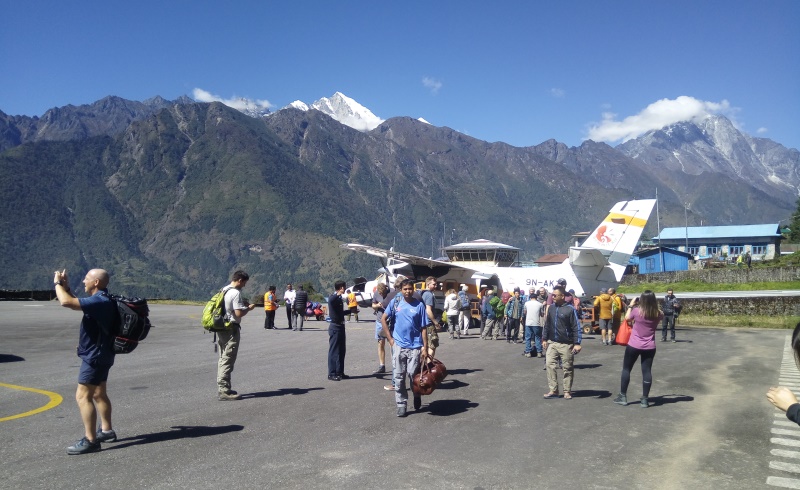
After an early morning flight from Kathmandu to Tenzing-Hillary Airport in Lukla, your Everest Base Camp adventure officially begins. The scenic flight offers spectacular views of the Himalayan landscape before landing at one of Nepal’s most famous mountain airports.
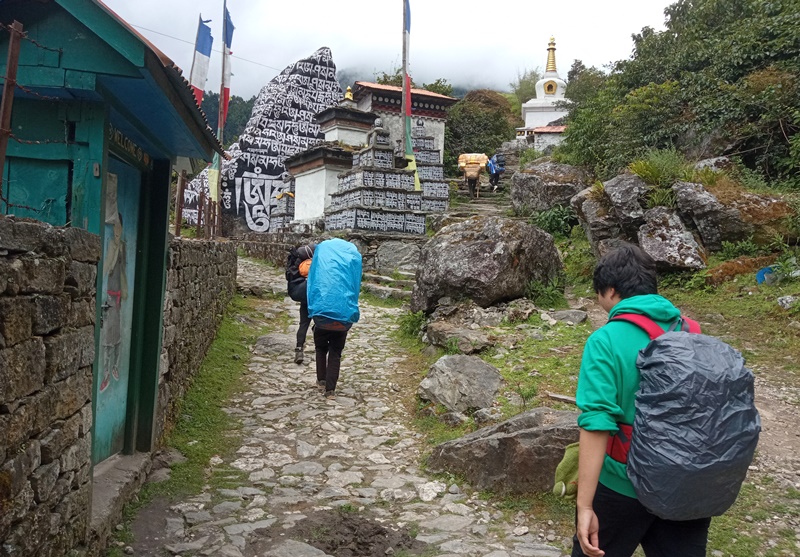
After meeting our local trekking team in Lukla, we begin walking toward Phakding. The trail gradually descends and follows the Dudh Koshi River, passing through peaceful Sherpa settlements, pine forests, suspension bridges, prayer wheels, and colorful prayer flags. Along the way, you can enjoy your first close look at the unique culture and landscapes of the Everest region.
We arrive at Phakding, a peaceful riverside village surrounded by green hills and Himalayan scenery. After checking into the teahouse, you can relax and explore the village, visit nearby monasteries, or simply enjoy the tranquil atmosphere beside the Dudh Koshi River. This first trekking day provides a gentle introduction to the trail before continuing toward Namche Bazaar.
Accommodation : Tea House Meals : Breakfast, Lunch & Dinner
Phakding to Namche Bazaar (We trek through the Village and Farmlands today). 3,450 m/11,318 ft
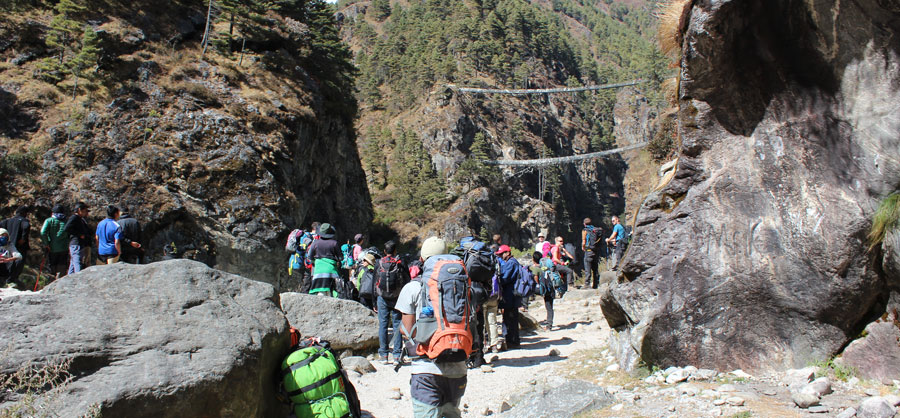
We leave Phakding after breakfast and follow the trail along the beautiful Dudh Koshi River, passing through peaceful Sherpa villages and pine forests. The route includes several suspension bridges, including the famous Hillary Suspension Bridge, as we gradually make our way deeper into the Everest region.
As we continue toward Namche Bazaar, the trail becomes steeper and more challenging. We take regular breaks along the way to enjoy the surrounding Himalayan scenery and maintain a comfortable pace. The changing landscape, mountain views, and traditional villages make this one of the most memorable sections of the Everest Base Camp Trek.
After reaching Namche Bazaar, the vibrant gateway to the Everest region, you can settle into your teahouse and explore the colorful streets. Namche is surrounded by spectacular Himalayan peaks and offers cafés, local shops, trekking stores, and opportunities to experience Sherpa culture.
Our overnight stay in Namche also prepares us for the upcoming acclimatization day, allowing your body to adjust gradually before we continue toward higher elevations.

Accommodation : Tea House Meals : Breakfast, Lunch & Dinner
Acclimatization in Namche Bazaar
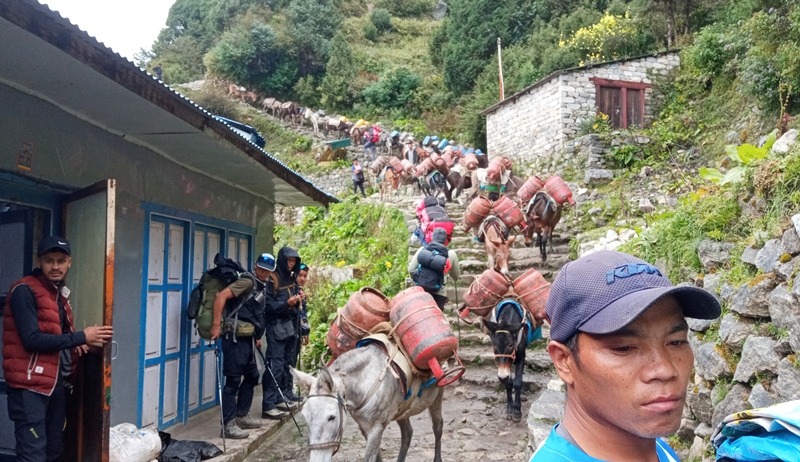
Today is an important acclimatization day in Namche Bazaar. Instead of staying at the lodge all day, we take a short hike to a higher elevation and return to Namche to sleep. This gradual approach gives your body time to adjust before we continue toward the higher parts of the Everest region.
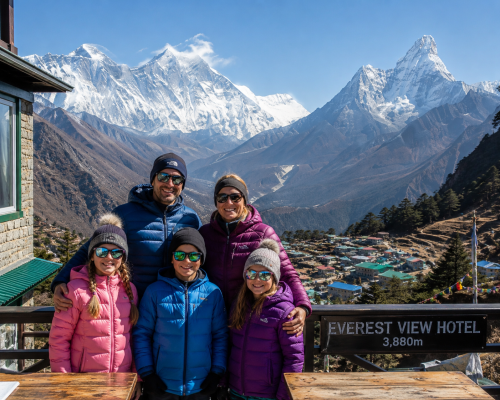
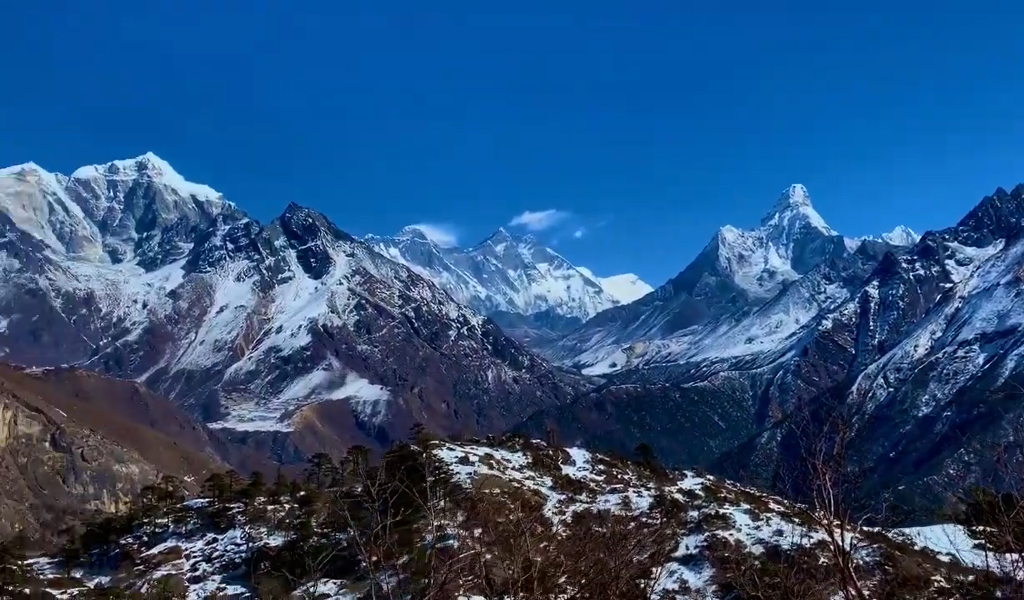
Depending on weather and group conditions, we can hike toward the Everest View Hotel and nearby viewpoints, where you can enjoy spectacular views of Mount Everest, Lhotse, Ama Dablam, and Thamserku. The hike also offers an excellent opportunity to experience the beautiful landscape surrounding Namche.
After returning to Namche, you can explore the colorful Sherpa market, visit the Sherpa Museum, browse local shops, or relax at your lodge with a warm drink. Our guide will monitor the group’s condition and help maintain a comfortable pace throughout the day.
Staying hydrated, eating well, getting enough rest, and listening to your body are important during acclimatization. After a relaxed evening in Namche, we prepare for the next stage of our journey toward Tengboche and the higher Khumbu Valley.
Accommodation : Lodge in Namche Bazaar Meals : Breakfast, Lunch & Dinner
Namche Bazaar to Tengboche (3780m)
After breakfast, we leave Namche Bazaar and follow a scenic mountain trail overlooking the Dudh Koshi Valley. The route passes through peaceful forests and traditional Sherpa settlements, with spectacular views of Mount Everest, Ama Dablam, Lhotse, Nuptse, and Thamserku appearing along the way.
The trail gradually descends toward the river before climbing through beautiful pine and rhododendron forests toward Tengboche. We take breaks along the way to enjoy the mountain scenery and maintain a comfortable pace as we continue into the higher Khumbu Valley.
Upon reaching Tengboche, we settle into our teahouse and take time to explore the peaceful surroundings. The village is home to the famous Tengboche Monastery, an important Buddhist center in the Everest region. If the monastery is open to visitors, you can experience its peaceful atmosphere and observe traditional Buddhist prayers and rituals.
Tengboche is also one of the most scenic stops on the trek, offering magnificent views of Ama Dablam and the surrounding Himalayan peaks. After enjoying the mountain landscape and monastery, we relax and prepare for the journey toward Dingboche the following day.

Accommodation : Tea House Meals : Breakfast, Lunch & Dinner
Tangboche to Dingbuche
After breakfast, we leave Tengboche and descend through peaceful forests toward Debuche. The trail continues through the beautiful Khumbu landscape before crossing a suspension bridge and gradually climbing toward Pangboche, one of the oldest and most scenic Sherpa settlements in the Everest region.
From Pangboche, we continue through the open mountain landscape toward Somare, where we can take a break and enjoy lunch. Beyond Somare, the scenery becomes increasingly rugged as we enter the higher reaches of the Khumbu Valley. The trail passes through small settlements and follows the valley toward Dingboche.
As we approach Dingboche, spectacular Himalayan views unfold, including Ama Dablam, Lhotse, Nuptse, Island Peak, Cholatse, and Taboche. We settle into our teahouse in Dingboche, where we will spend the next two nights as part of our planned acclimatization.
Dingboche is a traditional Sherpa village surrounded by the wide Imja Valley, with teahouses, bakeries, small shops, and beautiful mountain scenery. After arriving, you can relax, explore the village, and enjoy the peaceful high-altitude environment before our acclimatization hike the following day.

Accommodation : Lodge Meals : Breakfast, Lunch & Dinner
Acclimatization day at Dingboche
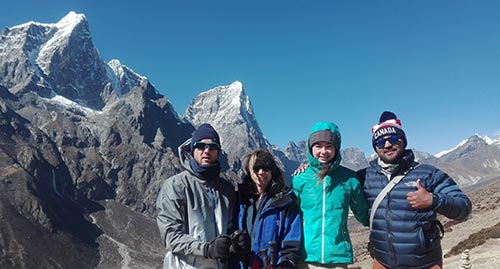
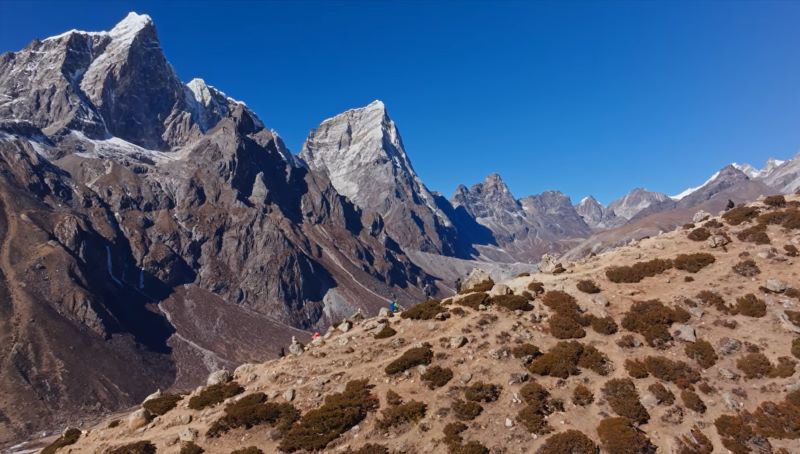
Today is an important acclimatization day in Dingboche. Instead of spending the entire day at the lodge, we take a gradual hike to higher elevation before returning to Dingboche to sleep. This active acclimatization helps your body adjust before we continue toward the higher Khumbu Valley.
Depending on weather and group conditions, we hike toward Nangkartshang Hill (approximately 5,000 m), one of the popular viewpoints above Dingboche. From higher on the hill, you can enjoy impressive views of Ama Dablam, Lhotse, Island Peak, Makalu, and the surrounding Himalayan peaks.
After returning to Dingboche, enjoy lunch and a relaxing afternoon. You can explore the village, visit a local bakery, or simply enjoy the mountain scenery while preparing for the next stage of the trek.
Accommodation : Lodge Meals : Breakfast, Lunch & Dinner
Dingboche to Lobuche
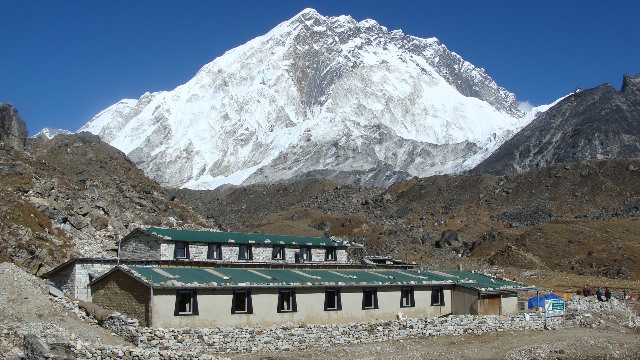
After breakfast, we leave Dingboche and follow the trail into the increasingly rugged landscape of the upper Khumbu Valley. The route offers beautiful views of Ama Dablam, Cholatse, and Taboche as we gradually gain elevation.
We stop at Thukla for a short rest before tackling the climb toward the Thukla Pass. The memorials dedicated to climbers and Sherpas who lost their lives in the Himalayas create a quiet and meaningful moment along the trail.
From the pass, the trail becomes gentler as we continue through the glacial valley toward Lobuche. After arriving at the settlement, we settle into our teahouse and rest in preparation for the exciting journey toward Everest Base Camp.

Accommodation : Lodge Meals : Breakfast, Lunch & Dinner
Lobuche to Gorak Shep – Everest Base Camp – Gorak Shep
We start early from Lobuche and follow the trail through the rugged landscape of the upper Khumbu Valley. The route gradually becomes more rocky as we approach Gorak Shep, with spectacular views of the surrounding Himalayan peaks and the Khumbu Glacier along the way.
After reaching Gorak Shep, the last settlement before Everest Base Camp, we check into our teahouse, have some food, and leave our main luggage before continuing with a lighter daypack toward Everest Base Camp.
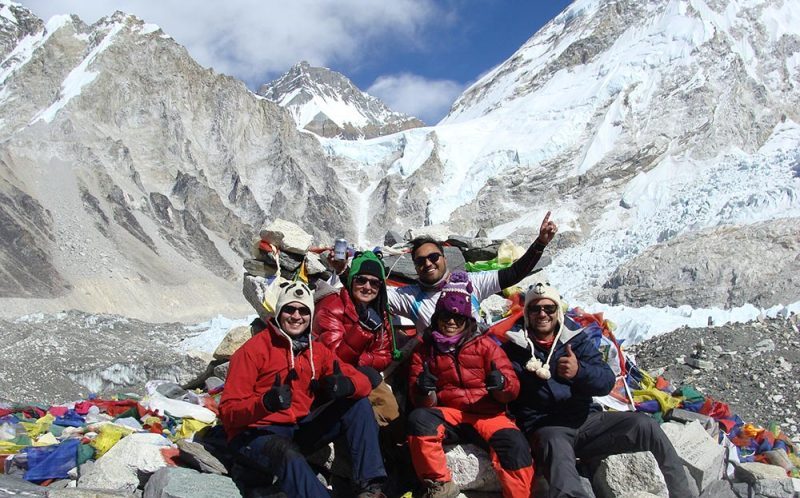
The trail from Gorak Shep follows the edge of the Khumbu Glacier, passing through a dramatic landscape of rocky moraine and glacial terrain. As we approach Base Camp, the towering peaks and immense Khumbu Icefall create an unforgettable Himalayan setting. Reaching Everest Base Camp (5,364 m) is a major highlight of the journey and a memorable achievement for every trekker.
After spending time at Base Camp and taking in the incredible surroundings, we retrace our route back to Gorak Shep for the night. At this high altitude, we recommend staying hydrated, eating well, and resting properly. Inform your guide immediately if you experience any unusual symptoms or difficulty.

Accommodation : Lodge Meals : Breakfast, Lunch & Dinner
Gorak Shep to Kala Patthar and Trek to Pheriche
We start early from Gorak Shep for the sunrise hike to Kala Patthar, one of the most famous viewpoints in the Everest region. The early morning can be very cold and windy, so proper warm clothing, gloves, and a good pair of trekking shoes are essential.
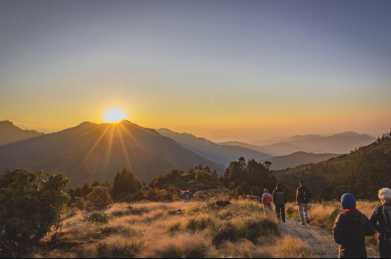
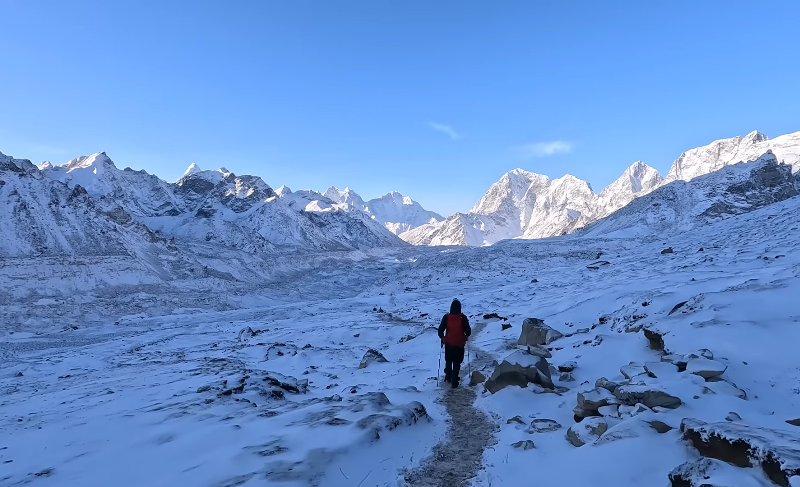
The trail climbs steadily toward the summit, and the effort is rewarded with spectacular panoramic views. From Kala Patthar (approximately 5,550 m), you can enjoy one of the finest viewpoints of Mount Everest, Pumori, Nuptse, Lingtren, Ama Dablam, and the surrounding Himalayan peaks. Watching the first sunlight illuminate Everest and the surrounding mountains is one of the most memorable moments of the trek.
After spending time at the viewpoint, we descend to Gorak Shep for breakfast before continuing toward Pheriche. The return journey takes us through the rugged landscape of the upper Khumbu before gradually entering wider valleys and more familiar terrain.
Upon reaching Pheriche, we check into our teahouse and enjoy a well-earned rest. Surrounded by impressive Himalayan scenery, Pheriche is a peaceful place to recover after the challenging high-altitude sections of the trek.

Accommodation : Lodge Meals : Breakfast, Lunch & Dinner
Pheriche to Namche Bazaar
After breakfast, we leave Pheriche and begin our descent through the beautiful Khumbu Valley. The trail passes through familiar Sherpa settlements, including Somare, Pangboche, Debuche, Tengboche, Phunki Tenga, Sanasa, and Kyangjuma, as we gradually make our way back toward Namche Bazaar.
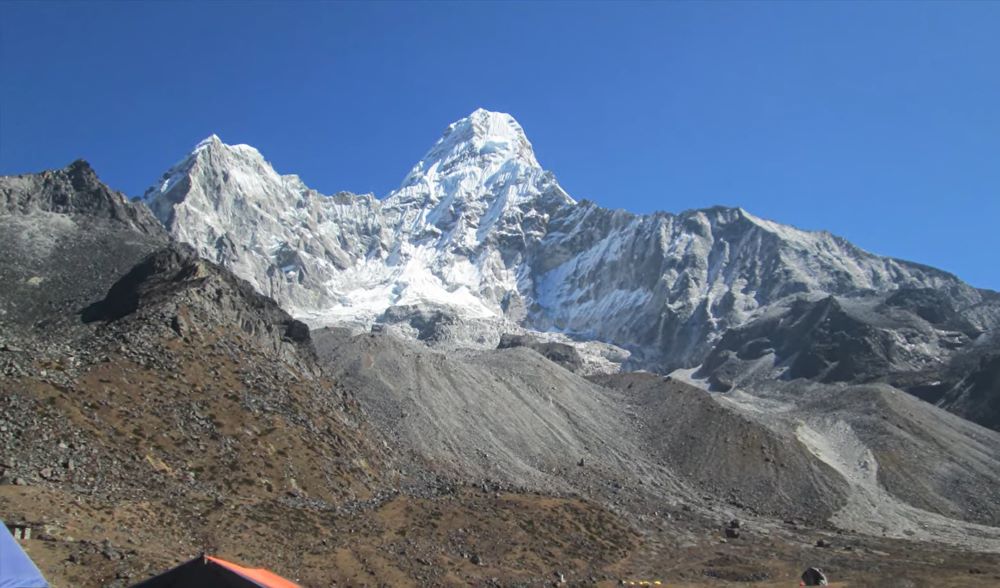
The route offers a refreshing change in scenery as we descend to lower elevations. We walk through forests of rhododendron and pine, cross suspension bridges, and enjoy magnificent views of Ama Dablam, Thamserku, Lhotse, and other Himalayan peaks. Although much of the trail is downhill, there are several uphill sections, so we maintain a comfortable pace and take breaks along the way.
As we approach Namche Bazaar, the trail becomes busier with trekkers, porters, and local residents. After several days in the high mountains, returning to this lively Sherpa town feels especially welcoming.
Once in Namche, you can relax at the lodge, enjoy a hot shower, explore the local shops and cafés, or simply take time to reflect on your journey through the Everest region. It is a comfortable and rewarding stop before continuing toward Lukla.
Accommodation : Lodge Meals : Breakfast, Lunch & Dinner
Namche Bazar to Lukla
After breakfast, we leave Namche Bazaar and retrace the scenic trail through the lower Khumbu Valley. The route gradually descends through rhododendron and pine forests, passing Sherpa villages and crossing suspension bridges over the Dudh Koshi River. Although much of the trail is downhill, there are a few uphill sections, so we maintain a comfortable pace and take breaks along the way.
As we continue toward Lukla, the landscape becomes greener and the air feels noticeably warmer. Passing through familiar villages and mountain scenery gives you a chance to reflect on the incredible journey from Lukla to Everest Base Camp and back.
After arriving in Lukla, we check into our accommodation and have time to relax. In the evening, we celebrate the successful completion of the trek with a farewell dinner together with your guide, porters, and trekking team, sharing memories of your adventure in the Everest region.

Accommodation : Lodge Meals : Breakfast, Lunch & Dinner
Flight to Kathmandu in the Morning
On the final day of your trip to Everest Base Camp, you will take a morning flight from Lukla to Kathmandu. You wake up early to catch the first flight, as flights can sometimes be delayed due to weather conditions. The flight from Lukla to Kathmandu is a scenic one, offering breathtaking views of the mountains and valleys below.
Once you arrive in Kathmandu, you will have free time to explore the city or do some last-minute souvenir shopping. Kathmandu is a vibrant and bustling city, with plenty of sights and sounds to take in. You can visit ancient temples and palaces, wander through bustling markets, or relax and soak up the atmosphere.
In the evening, you can have a farewell dinner with your trekking team and reflect on your journey to Everest Base Camp. You will likely have made new friends and created unforgettable memories that will stay with you.

Accommodation : Hotel in Kathmandu Meals : Breakfast
Depart Kathmandu, Nepal
At the end of your trip, you’ll leave Kathmandu. Safe Holiday Adventure Pvt. Ltd will arrange for a drop-off at your hotel at your chosen time. It’s a good idea to arrive at Kathmandu TIA airport at least 3 hours before your flight. Before you have all your important documents, like your passport and flight tickets. Our staff will give you private transportation from your hotel to the airport. We hope you had a wonderful trip and a safe journey home.
Important Note for Our Customers:
At Safe Holiday Adventure, your safety and comfort come first. Our 12-day Everest Base Camp itinerary is flexible and can be customized to suit your needs. We provide daily briefings, safety guidance, and experienced trekking staff. If needed, we can arrange an emergency helicopter evacuation, additional guides or porters, and itinerary adjustments to ensure a safe and enjoyable experience.
Everest Base Camp Trek 12 Days FAQs
The trek usually takes around 12-14 days, depending on the itinerary and individual preferences.
The best seasons are spring (March to May) and autumn (September to November) when the weather is generally stable and clear.
While prior trekking experience is beneficial, it is not mandatory. However, you should be physically fit and mentally prepared for the challenges of high-altitude trekking.
You will need two permits: the Sagarmatha National Park entry permit and the TIMS (Trekkers’ Information Management System) card.
The trek is considered moderately difficult. It involves long walking days, steep ascents and descents, and acclimatization challenges due to high altitude.
Yes, altitude sickness can be a concern. It is crucial to acclimatize properly, stay hydrated, and listen to your body. Trekking with an experienced guide can help mitigate risks.
There are no official age restrictions, but participants should be in good health and reasonably fit. It’s recommended for individuals above 16 years of age.
Teahouses (lodges) are available along the trekking route, providing basic accommodation with shared facilities. The availability of amenities may vary with altitude.
You should pack essential trekking gear, including warm clothing, sturdy footwear, a backpack, a sleeping bag, a first aid kit, and personal items. A comprehensive packing list is advisable.
ATMs are available in some villages, but they may not always work reliably. It is advisable to carry enough cash (Nepalese rupees) for the entire trek.
Yes, bottled water and boiled water are available at teahouses along the trail. Carrying a reusable water bottle with a purification system is recommended to minimize plastic waste.
Charging facilities are available at most teahouses, but they may come at an additional cost. It is advisable to carry a power bank as a backup.
Mobile network coverage is available in most parts of the trekking route, but it may be limited and unreliable at higher altitudes. Internet access is available in some teahouses for a fee.
Yes, travel insurance that covers high-altitude trekking and emergency medical evacuation is strongly recommended. Check if your policy meets the requirements before departing.
Yes, hiring a guide and porter is common and highly recommended. They provide local knowledge, assist with logistics, and help carry your belongings, allowing you to focus on the trek.
The toilet facilities in teahouses are mostly basic and shared. At higher altitudes, squat-style toilets are common. Carrying your own toilet paper and hand sanitizer is advisable.
In case of illness or injury, your guide will assess the situation. If necessary, they will arrange for immediate medical assistance or evacuation to lower altitudes where better medical facilities are available.
Yes, it is possible to trek independently. However, hiring a guide is recommended for safety, navigation, and cultural insights. The trail can be challenging, and having a guide enhances the overall experience.
The Everest Base Camp itself does not offer a direct view of Mount Everest. For a clear view of the peak, you can hike to Kala Patthar, a nearby viewpoint known for its breathtaking panoramic views of Everest.
Besides the Everest Base Camp, you can visit other attractions such as the Tengboche Monastery, Khumjung Village, Namche Bazaar, and the Everest View Hotel. These places offer cultural insights and stunning views of the surrounding mountains.
Refund & Cancellation Policy
- Booking requires 20% non-refundable deposit (Nepal) or 100% upfront (Tibet/Bhutan).
- Remaining payment due before the trip or on arrival (trip-dependent).
Cancellation charges:
- 31+ days: 20%
- 16–30 days: 45%
- 8–15 days: 75%
- 7 days or less: 90%
- Prices may change due to flights, taxes, or exchange rates.
- Trip changes are allowed, but extra costs apply.
- If the company cancels, a full refund, except for unavoidable events (some costs deducted).
- Good health and travel insurance are mandatory.
- No refund if removed for unsafe or illegal behavior.
- Travel involves personal risk, which the client accepts.