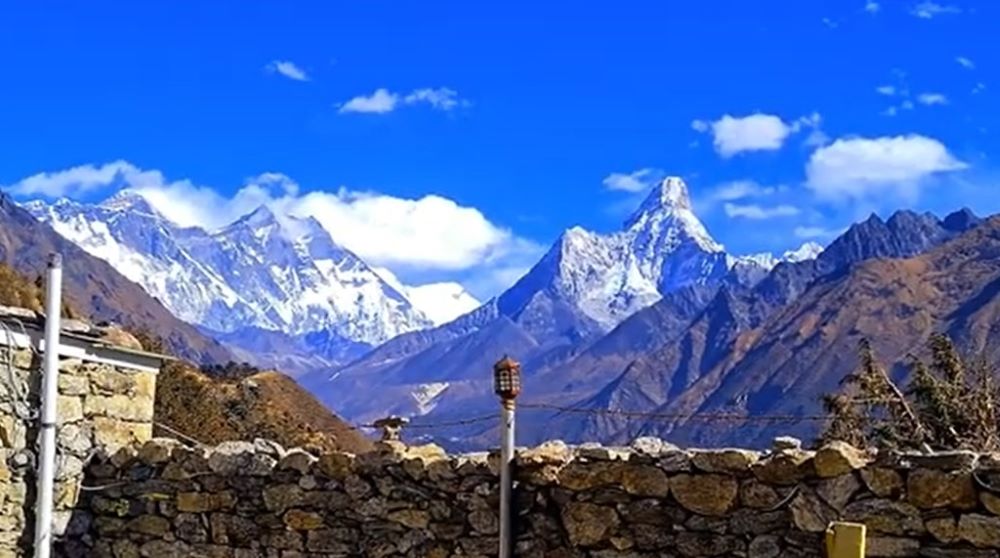
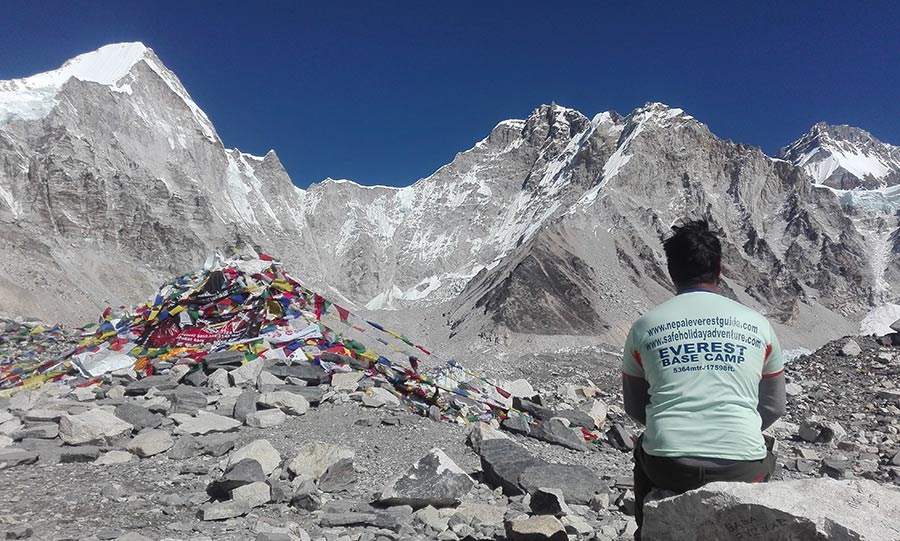


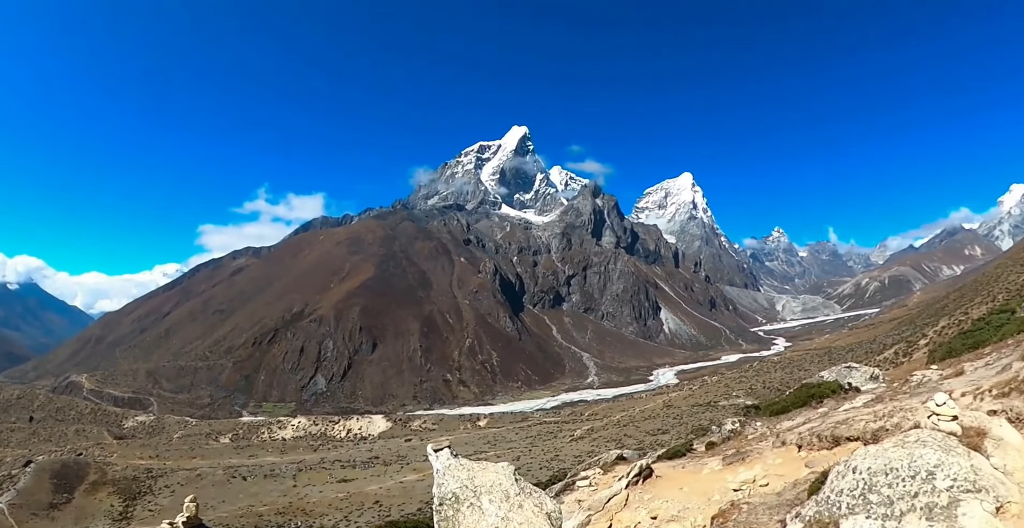

7 Days Everest Base Camp Trek Highlights: Highlights
7-day Everest Base Camp Trek Brief Overview: Overview
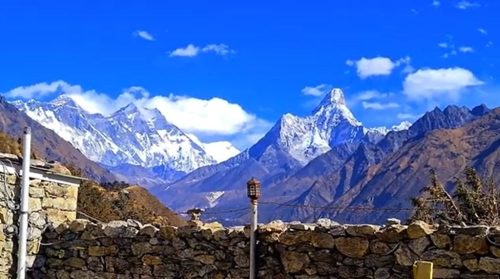
The shortest 7-day Everest Base Camp Trek takes you to the base of the world’s highest peak in a week-long adventure. With a total distance of around 60 km, the trek covers 8-10 km with plenty of time to explore the best places, including Namche Bazaar, Tengboche Monastery, and the Khumbu Glacier. The best time to go is from March to May or September to November to avoid the crowds. You’ll have an experienced Guide and Porter, and need a Sagarmatha National Park Permit and Pasang Lamu Village Municipality Entry fees. The highest point you’ll reach is 5,380 meters at the Everest Base Camp. The trek starts and ends at Lukla, with a helicopter ride from Gorakshep. You’ll enjoy stunning views of Mount Everest, Lhotse, Nuptse, and Mount Ama Dablam.
Route Overview:
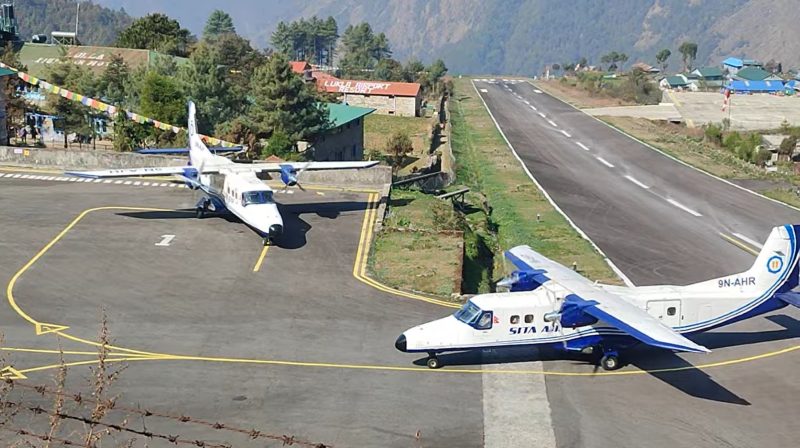
The Everest Base Camp trek is a once-in-a-lifetime adventure for many trekkers, and the shortest 7-day version of this trek is a great option for those with limited time but still want to experience the beauty of the Khumbu region. The Shortest 7-day Everest Base Camp trek begins with a scenic flight from Kathmandu to Lukla, considered one of the most dangerous and thrilling airports in the world. The flight itself is an adventure as you fly over picturesque mountain ranges, including the Himalayas.
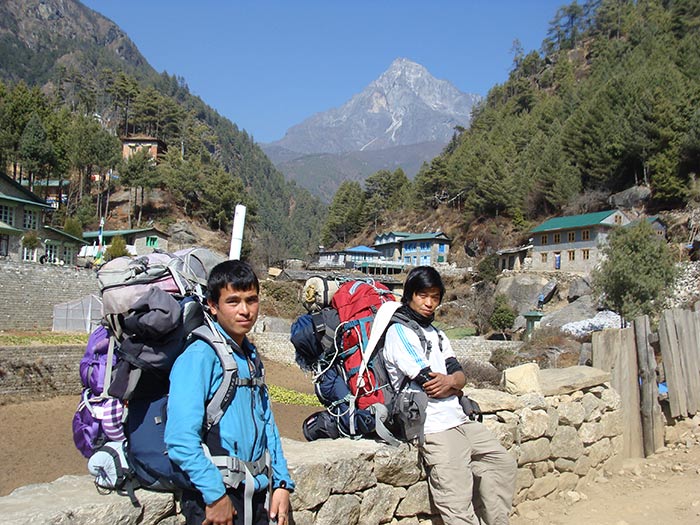
Once you land in Lukla, the trek officially begins. The first day of the trek is a relatively easy one, with a short hike to Phakding. You’ll cross several suspension bridges and walk through small villages and scenic forests, giving you a taste of what’s to come. On the second day, you’ll hike to Namche Bazaar, the bustling trading hub of the Khumbu region. The trek to Namche Bazaar is relatively steep, so it’s important to take it slow to acclimatize to the altitude.
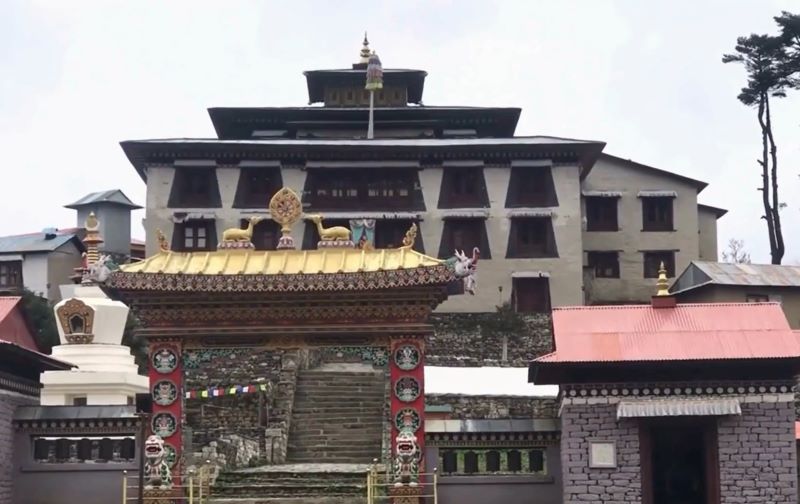
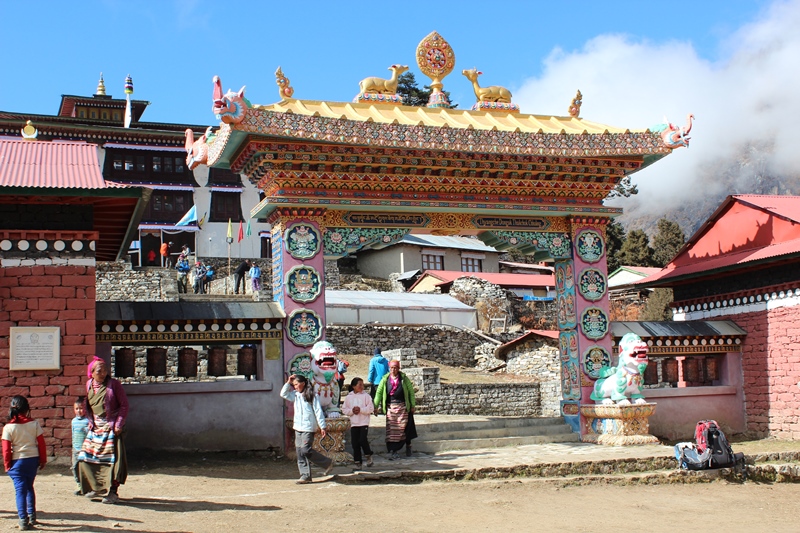
From Namche Bazaar, the trek continues to Tengboche, a beautiful village famous for its ancient Monastery. This is where trekkers can experience the unique Sherpa culture and witness the daily lives of the locals. The Tengboche Monastery is a must-visit for anyone on the Everest Base Camp trek, with its beautiful architecture and stunning views of the surrounding mountains.
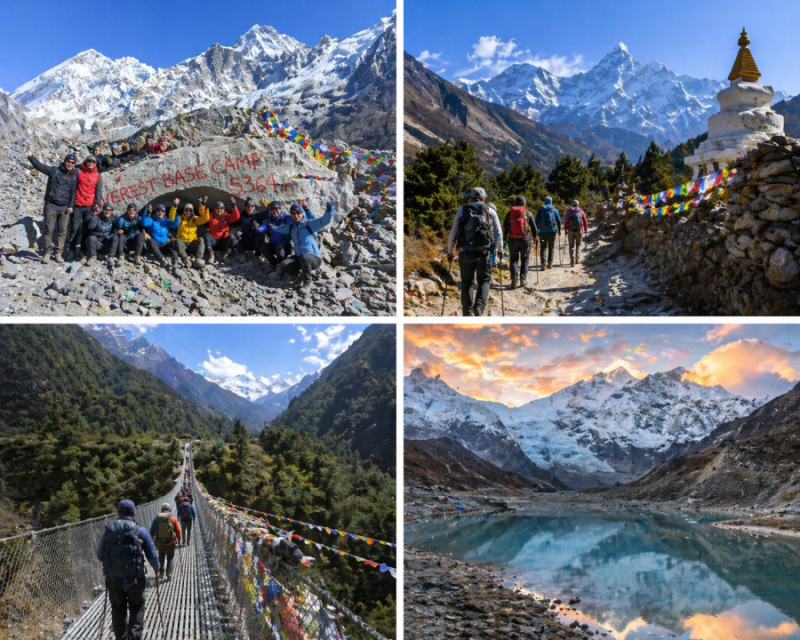
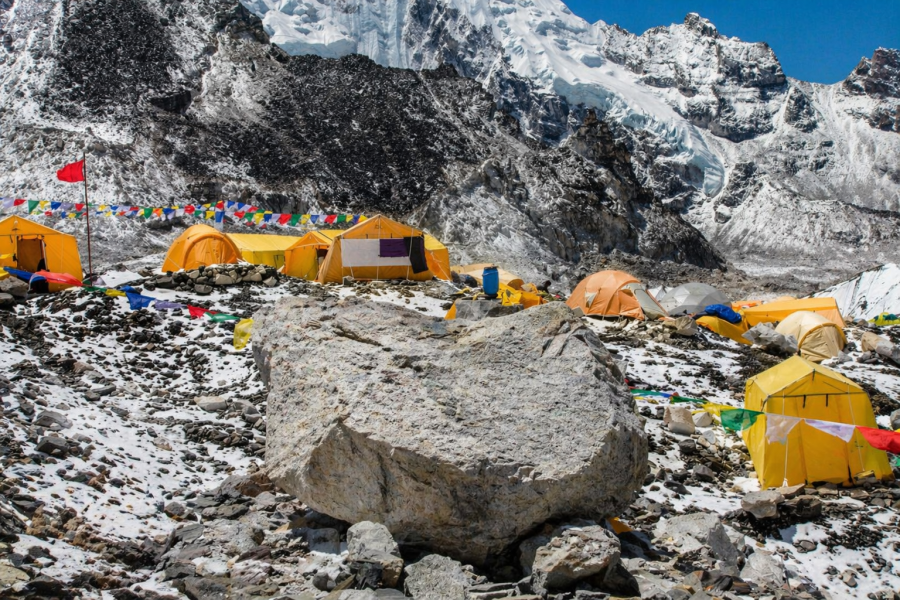
The trek continues to Dingboche and then to Lobuche, where trekkers can experience the rugged and awe-inspiring landscapes of the Khumbu region. The final stretch of the trek takes you to the Everest Base Camp, where you can stand in the shadow of the world’s highest mountain. The Everest Base Camp, situated 5,364 meters above sea level, offers trekkers the opportunity to witness some of the most stunning views in the world.
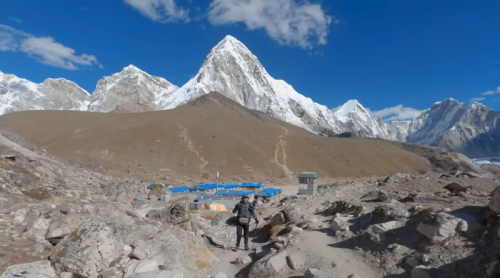
After spending a night at the Base Camp, the trek leads to Kala Patthar, which offers one of the best views of Mt. Everest. It is one of the highest points on the trek, situated at an altitude of 5,550m. The trek then descends back down to Lukla via Namche Bazaar, where you’ll take the flight back to Kathmandu.
In summary, the shortest 7-day Everest Base Camp trek is a challenging but rewarding adventure that offers trekkers the opportunity to experience the stunning beauty of the Khumbu region, the unique Sherpa culture, and witness the world’s highest peak, Mt. Everest. It is an adventure of a lifetime that will leave you with unforgettable memories.
7-Day Everest Base Camp Trek Options
Option 1: Helicopter Flight from Gorakshep to Lukla, and Domestic Flight to Kathmandu
This option offers a comfortable and affordable way to return from Everest Base Camp (EBC). You will fly by helicopter from Gorakshep, the final tea house near EBC, to Lukla. From Lukla, a domestic flight will take you back to Kathmandu. The total cost for this option is USD 1,830 per person, making it an excellent luxury choice for those seeking a cost-effective yet scenic return journey.
Option 2: Direct Helicopter Flight from Gorakshep to Kathmandu
For a faster and more convenient travel experience, this option involves a direct helicopter flight from Gorakshep to Kathmandu, with a brief stop in Lukla. Priced at USD 2,690 per person, it is the premium choice, saving you an entire day of travel. This option also minimizes the risk of delays caused by Lukla’s unpredictable weather, as helicopter flights are generally more reliable under changing conditions. It’s the perfect choice for those who value time and convenience above all.
Why Book a 7 Days Everest Base Camp Trek?
Benefits of a 7-Day Everest Base Camp Trek with us:
- Local Expertise: Safe hands with local knowledge.
- Customized Itinerary: Tailored for your time.
- All-Inclusive: Everything is covered from start to finish, including a duffel bag and agency t-shirt.
- Nepali Cooking Experience: Explore Nepali cooking with a local family.
- Emergency Support: Free emergency helicopter and horse management.
- Assistance Guide: Provided for groups of 7 or more.
- Experienced Team: Over 15 years of experience as guides and porters in the Everest region.
- Cancellation Flexibility: No cancellation charges.
- Group Discount: 50% off for first-time groups of 10 or more.
- No Hidden Costs: Transparent pricing with no service charges or taxes.
Read Before You Book: 7 Days Everest Base Camp Trek with Us:
Before booking our with us, it is important to understand the altitude, daily walking hours, trail conditions, weather, accommodation, meals, permits, and overall trekking difficulty. This short but rewarding itinerary requires good preparation and a comfortable level of fitness.
With us, you will receive professional planning, experienced local guides, proper acclimatization support, and assistance throughout the journey. We focus on safety, comfort, and genuine Himalayan experiences, helping you reach Everest Base Camp with confidence and unforgettable memories.
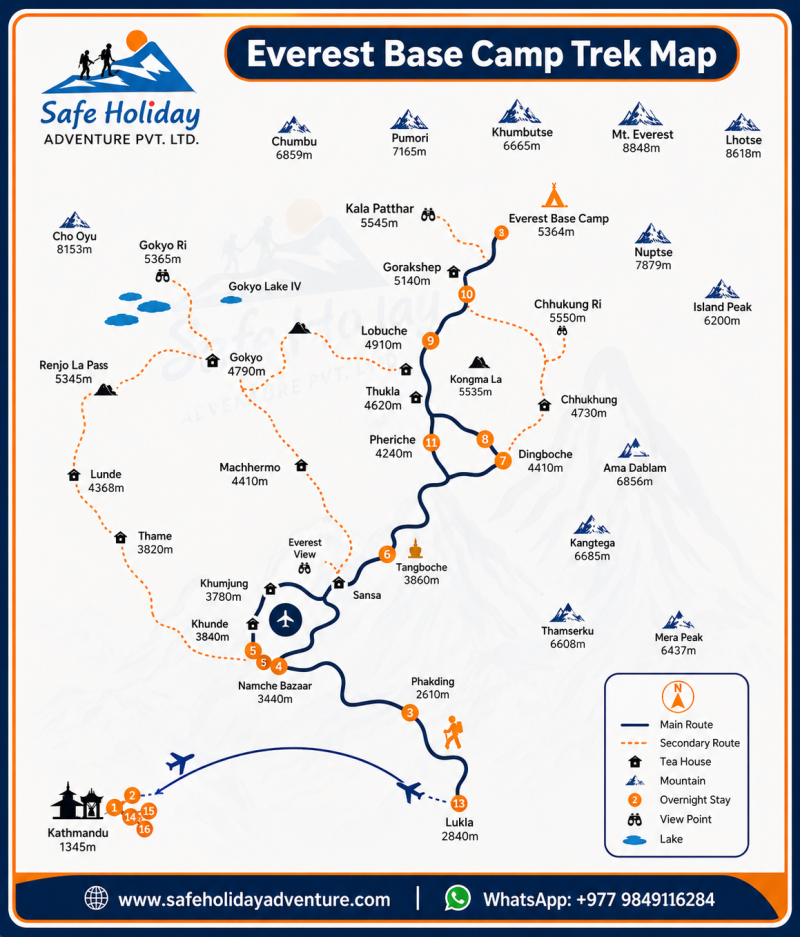
7-Day Everest Base Camp Trek Itinerary:Outline Itinerary
Day 1: Take a flight to Lukla (2,860 m) and hike to Phakding (2,610 m)
Day 2: Trek from Phakding to Namche Bazaar (3,440 m)
Day 3: Hike from Namche Bazaar to Tengboche (3,860 m)
Day 4: Trek to Dingboche (4,410 m)
Day 5: Journey from Dingboche to Lobuche (4,940 m)
Day 6: Trek from Lobuche to Everest Base Camp (5,380 m) and Gorakshep (5,184 m), then return to Lukla by helicopter
Day 7: Fly early morning from Lukla to Kathmandu (35 minutes).
Cost Included & Excluded Service List:
- Convenient Airport Pick-up & Drop-off in Kathmandu for a hassle-free start and end to your journey
- Comfortable 2-Night Stay in Kathmandu on a twin-sharing basis — before and after your trek
- Round-Trip Domestic Flights between Kathmandu and Lukla, saving you time and energy
- All Required Trekking Permits included: Sagarmatha National Park Entry Permit
- Professional English-speaking guide with deep local knowledge to ensure a safe and memorable trek
- Cozy Tea House and Lodge Accommodation along the trekking route for an authentic Himalayan experience
- Delicious Full-Board Meals provided throughout the trek — breakfast, lunch, and dinner included
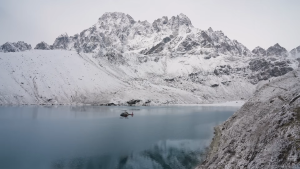
- Helicopter Flight from Gorakshep to Lukla is available for a quick and secure return, offering comfort and convenience
- International Flights to and from Kathmandu
- Nepal Entry Visa Fee – USD 30 for 15 days or USD 50 for 30 days, payable upon arrival
- Additional Meals and Hotel Nights in Kathmandu beyond the planned itinerary
- Personal Expenses, including snacks, beverages, laundry, and souvenirs
- Gratuities for Guide and Porter – Tips are appreciated but entirely optional
- All Types of Beverages – Both alcoholic and non-alcoholic drinks are not included in the package
Dates and Availability Departures
All our published dates are guaranteed departures. We also provide customized departures tailored to your travel plans.
October 2026
November 2026
Travellers Reviews
Oliver Brown
U K | Feb, 2026
Wonderful Everest Base Camp Adventure
My name is Oliver Brown, and I traveled from the United Kingdom to experience the Everest Base Camp Trek. It was one of the most memorable adventures of my life. Our guide, Santosh, and our porter, Dupka, were very helpful throughout the journey. Everything was well organized, and the Himalayan views were breathtaking. A fantastic experience that I will always remember!
Zona Tres & Luca Tamburini
Brazil | April, 2026
We Experience on the 7-Day Everest Base Camp Trek
Discover Nepal Step by Step!!!
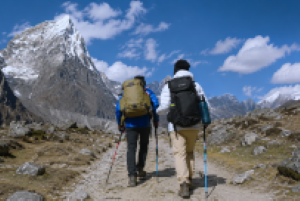
We recently completed the incredible 7-Day Everest Base Camp Trek with Safe Holiday Adventure, and it was an unforgettable experience in the Himalayas.
The entire journey was well organized, with stunning mountain scenery, beautiful local villages, and a great trekking atmosphere from beginning to end.
We would especially like to thank our guide Ram for his professionalism, kindness, and excellent care throughout the trek. He was very knowledgeable and friendly, and he always made sure we felt safe and comfortable during the journey.
Special thanks also go to our porter, Prem, who worked incredibly hard and always wore a warm smile. His support and dedication were deeply appreciated every day of the trek.
We highly recommend Safe Holiday Adventure to anyone planning a trekking adventure in Nepal. Thank you for the wonderful memories and excellent hospitality.
— Brizel, Zona Tres & Luca Tamburini
Manello Clark
Brazil | sept, 2025
A Rewarding Journey: Everest Base Camp Trek with Like-Minded Travelers
The Everest Base Camp Small Group Trek was truly one of the most incredible experiences of my life. From the moment I arrived in Nepal, everything was well organized and smooth, and the journey only got better each day.
Trekking through the Himalayas with a small group made the experience feel personal and meaningful. Our guide was extremely professional, caring, and always attentive to everyone’s pace and health, especially at higher altitudes. I always felt safe and supported throughout the trek.
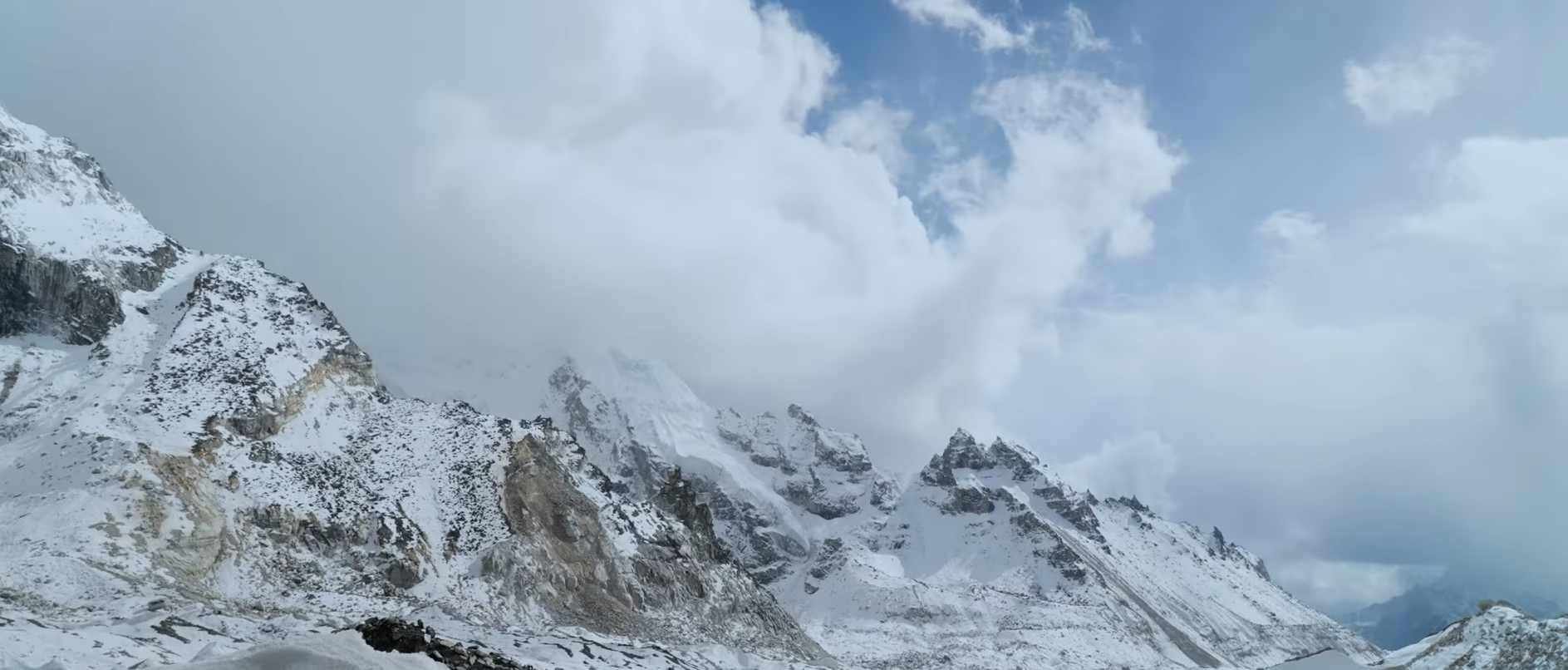
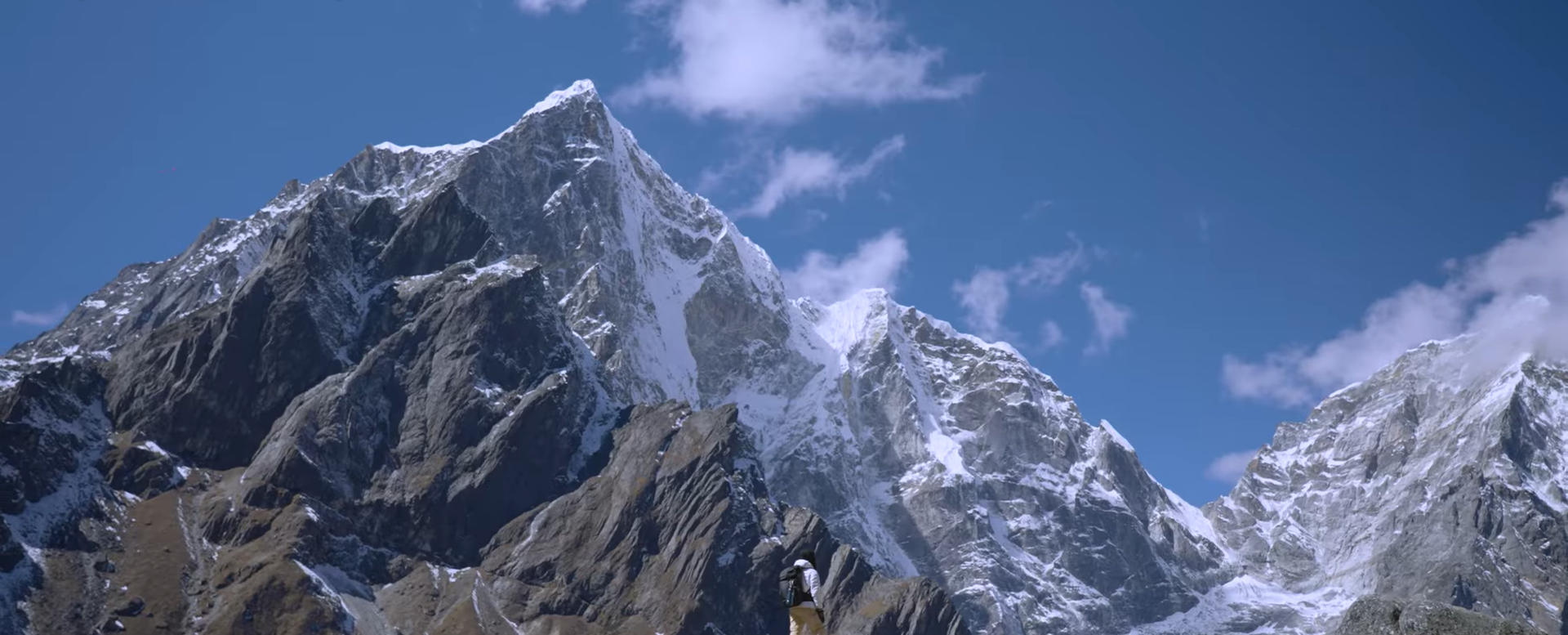
The scenery was beyond words—towering peaks, peaceful villages, prayer flags waving in the wind, and breathtaking views of Everest itself. Reaching Everest Base Camp was an emotional and unforgettable moment that I will carry for the rest of my life.
The lodges were comfortable considering the remote location, and the food was simple but satisfying after long trekking days. I also enjoyed the small group atmosphere—we quickly became like a family, encouraging each other every step of the way.
I highly recommend this trek to anyone who dreams of adventure and wants a real Himalayan experience. It is challenging, yes, but absolutely worth every step.
— Manello Clark, Brazil
Buddy Staye and Joyc Nedo
poland | 2026-01
7 Days to Everest Base Camp – A Lifetime Adventure, Guided with Care and Expertise
Genaral Trip InfoInfos
Clothing for shortest 7 days Everest base camp trek
For the shortest 7-day Everest Base Camp trek, you will need to pack the right clothing to ensure you stay warm, dry, and comfortable during the trek. Here are some essential clothing items you should consider packing:
- Base layers: Bring two to three pairs of moisture-wicking base layers made of synthetic materials like polyester or merino wool.
- Insulated jacket: Pack a down or synthetic insulated jacket to keep you warm during the chilly mornings and nights.
- Fleece or softshell jacket: This will serve as your mid-layer and provide extra insulation.
- Waterproof and windproof jacket: A good quality jacket will protect you from rain, wind, and snow.
- Trekking pants: Bring two to three pairs of lightweight, quick-drying trekking pants.
- Waterproof pants: To keep your legs dry and warm, pack a pair of waterproof pants.
- Warm hat and gloves: A warm hat and gloves will protect your head and hands from the cold.
- Sun hat and sunglasses: Protect yourself from the sun’s harsh rays by wearing a sun hat and sunglasses.
- Hiking boots: A good pair of sturdy and comfortable hiking boots is essential for trekking on uneven terrain.
- Socks: Bring several pairs of moisture-wicking socks to keep your feet dry and comfortable.
Remember to pack light and only bring what you need. You can also rent or buy some of these items in Kathmandu or Lukla if you prefer not to carry them with you.
Extra cash is needed for the EBC trek
The amount of extra cash you may need for an Everest Base Camp trek depends on your spending habits and the level of comfort you prefer during the trek. Here are some additional expenses you may want to consider:
- Gear rental: If you don’t have all the necessary trekking gear, you may need to rent it in Kathmandu or Lukla. Rental costs vary, but you can expect to pay around USD 1-2 per item per day.
- Wi-Fi and charging: Most tea houses along the trail charge for Wi-Fi access and charging your electronic devices. Plan to spend around USD 2-5 per hour for Wi-Fi and USD 1-2 per hour for charging.
- Hot showers: Some tea houses offer hot showers for an extra fee, usually around USD 3-5 per shower.
- Snacks and drinks: If you want to buy snacks or drinks along the trail, expect to pay higher prices than in Kathmandu. Budget around USD 2-5 per item.
- Extra activities: If you want to go on side trips or do additional activities, such as helicopter tours or Everest view flights, these will add to your expenses. Prices vary depending on the activity and location.
In total, you may need to budget an extra USD 100-200 for these additional expenses. However, this is a rough estimate, and your actual expenses may vary depending on your preferences and choices during the trek. It’s always a good idea to carry some extra cash or a credit card as a backup in case you need more money than you anticipated.
Safety precaution
Trekking to Everest Base Camp is a challenging and rewarding adventure, but it’s important to take safety precautions to ensure a safe and enjoyable experience. Here are some safety tips to keep in mind:
- Stay hydrated: Drink plenty of water and avoid alcohol and caffeine, which can dehydrate you.
- Acclimatize properly: Allow yourself time to acclimatize to the altitude by taking rest days and staying hydrated.
- Follow the trail: Stick to established trails and avoid taking shortcuts or wandering off the path.
- Dress appropriately: Wear layers and dress for the weather. Bring warm clothes for the chilly nights and breathable clothing for the daytime.
- Follow your guide’s advice: Your guide is experienced and knowledgeable about the terrain, weather, and altitude. Follow their advice and ask questions if you’re unsure.
- Carry a first aid kit: Bring a basic first aid kit with essential supplies such as bandages, antiseptic, and pain relievers.
- Stay connected: Carry a fully charged phone and inform your family or friends of your itinerary. You can also rent or purchase a satellite phone for emergencies.
- Respect local culture: Be respectful of local customs and traditions, and avoid offending the local people.
By following these safety precautions, you can minimize the risks and enjoy a safe and unforgettable Everest Base Camp trek.
Sherpa Culture and their lifestyle around Everest Khumbu region
The Sherpas are an ethnic group that inhabits the Khumbu region in Nepal. They have a rich cultural heritage and a unique lifestyle shaped by their proximity to Mount Everest. Sherpas are renowned for their mountaineering skills and have played a significant role in expeditions to the world’s highest peak. They follow Tibetan Buddhism and have several monasteries and festivals that reflect their religious beliefs. Sherpas are also known for their hospitality and kindness towards visitors. Their cuisine includes traditional dishes such as dal bhat (lentil soup and rice), momos (dumplings), and yak butter tea. Sherpa clothing includes a distinctive hat, a jacket, and long boots made of yak wool. Despite the challenges of living in a high-altitude environment, Sherpas have adapted and thrived, creating a unique culture that attracts visitors from all over the world.
Gorakshep to Lukla helicopter flight
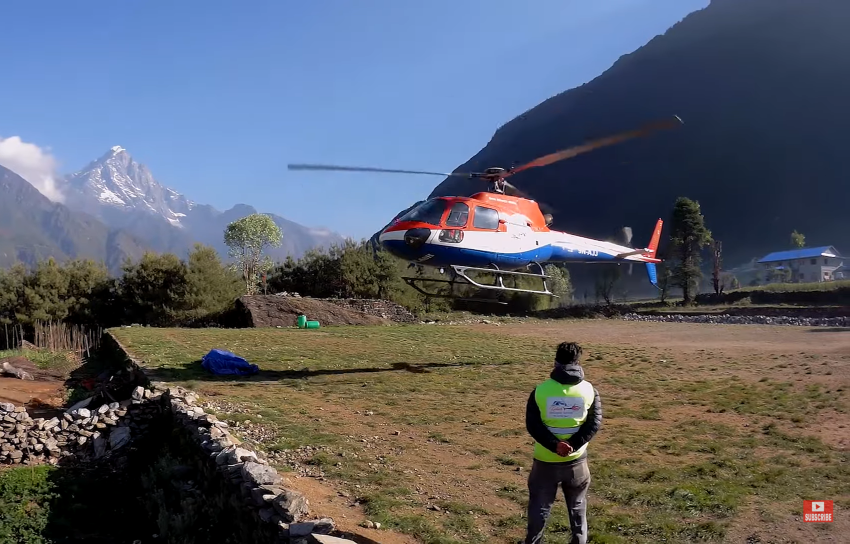
The Gorakshep to Lukla helicopter flight is a popular option for those who want to save time and energy on their return trip from Everest Base Camp. The flight takes around 45 minutes and offers stunning aerial views of the Khumbu region. The helicopter departs from Gorakshep, which is the last stop on the trek and lands at the Tenzing-Hillary Airport in Lukla. From there, you can catch a flight to Kathmandu or continue your journey to other parts of Nepal. The cost of the helicopter flight can vary depending on the season and availability, but it’s generally more expensive than the trekking route back to Lukla. It’s important to book your helicopter flight in advance to ensure availability and to confirm the departure time with your tour operator.
Everest base camp trek without Acclimatization
Trekking to Everest Base Camp without proper acclimatization can be dangerous and even life-threatening. Altitude sickness is a serious condition that can affect anyone, regardless of age or fitness level, and can be fatal in severe cases. Therefore, it is highly recommended to acclimatize properly while trekking to Everest Base Camp.
Acclimatization involves taking rest days and allowing your body to adjust to the altitude gradually. It is crucial to listen to your body and slow down if you experience any symptoms of altitude sickness, such as headache, dizziness, nausea, or shortness of breath. Ignoring these symptoms can lead to more severe conditions such as high-altitude pulmonary edema (HAPE) or high-altitude cerebral edema (HACE).
Trekking without proper acclimatization is not recommended and can be risky. It’s important to plan your trek with a reputable trekking company that includes proper acclimatization in the itinerary and has experienced guides who can monitor your health and provide assistance if needed.
Detailed ItineraryItinerary
Take a flight to Lukla (2,860 m) and hike to Phakding (2,610 m)
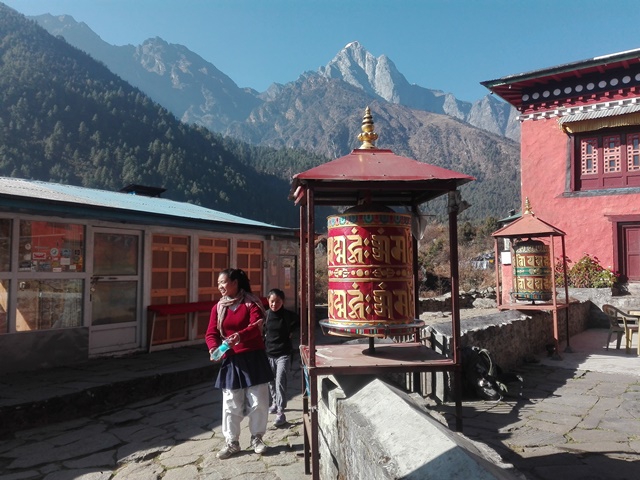
The shortest 7-day Everest Base Camp trek is an excellent choice for trekkers with limited time who still want to experience the Himalayas. The journey begins with a scenic flight from Kathmandu to Lukla, followed by a short hike to Phakding. The trail then continues through Namche Bazaar, Tengboche, Dingboche, and Lobuche before reaching Everest Base Camp.
After exploring Everest Base Camp, the trek continues to Kala Patthar, one of the best viewpoints for spectacular Mt. Everest scenery, before descending toward Lukla. Along the way, you will experience the beauty of the Khumbu region, traditional Sherpa culture, dramatic Himalayan landscapes, and the unforgettable adventure of standing near the world’s highest peak.
Accommodation : Tea House Meals : Breakfast, Lunch & Dinner
Trek from Phakding to Namche Bazaar (3,440 m)
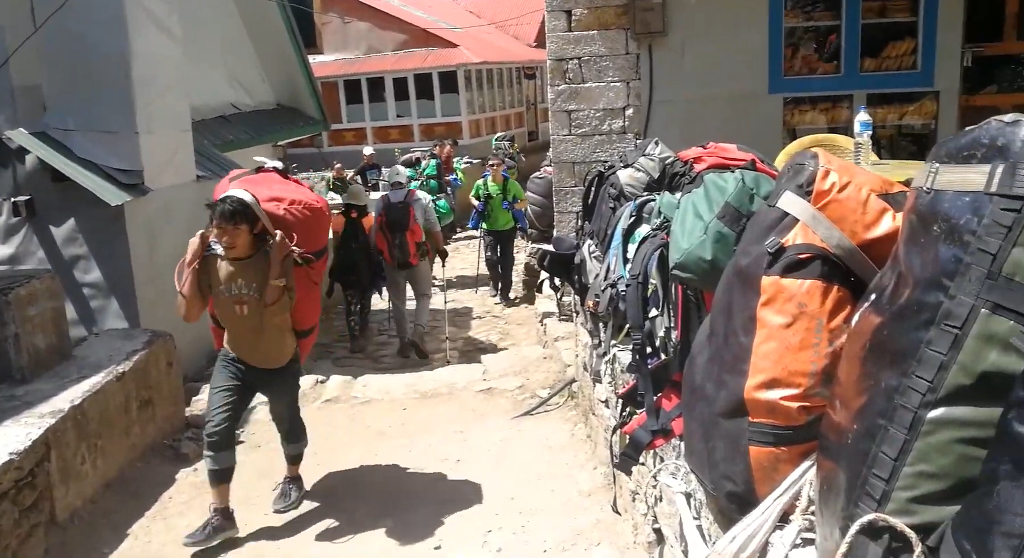
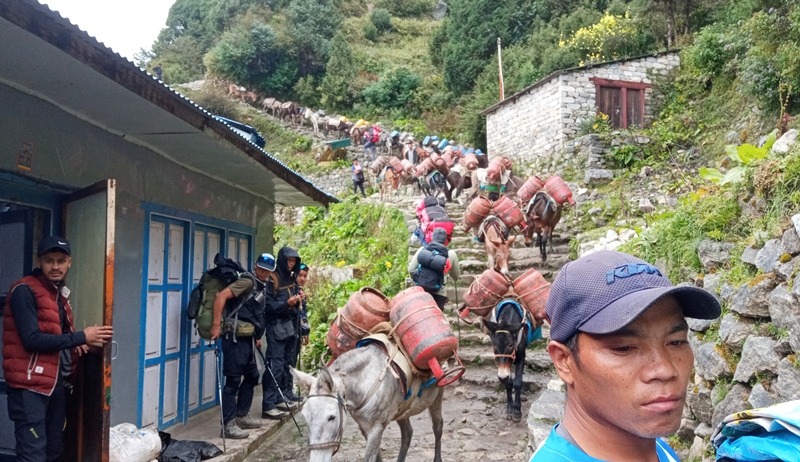
The trek from Phakding to Namche Bazaar is a challenging but beautiful one. The trek starts with a suspension bridge crossing over the Dudh Koshi River, followed by a hike through lush forests filled with rhododendrons and magnolia trees.
As the trek continues, you will come across small villages like Benkar, Monjo, and Jorsalle. Monjo is where you’ll enter the Sagarmatha National Park, a UNESCO World Heritage Site that is home to a diverse range of flora and fauna.
The last part of the trek involves a steep climb up to Namche Bazaar, the largest town in the Khumbu region. Along the way, you’ll be rewarded with stunning views of the surrounding mountains, including Kwangde, Thamserku, and Nuptse.
Once you reach Namche Bazaar, you’ll have a chance to rest and acclimatize to the altitude while exploring the town. Namche Bazaar is a bustling trading hub and cultural center, and you can visit the local market, museums, and monasteries. The town also offers breathtaking views of the Himalayas, including the famous peaks of Everest, Lhotse, and Ama Dablam.
Accommodation : Tea House Meals : Breakfast, Lunch & Dinner
Hike from Namche Bazaar to Tengboche (3,860 m)
The hike from Namche Bazaar to Tengboche is a beautiful and scenic one. The trail goes through dense forests of Rhododendrons, juniper, and fir trees, with occasional sightings of wildlife such as musk deer and Himalayan thar. The path also offers spectacular views of mountain ranges including Mount Everest, Lhotse, and Ama Dablam.
The trail goes uphill towards the village of Kenjoma, where we’ll have a brief stop for some tea or snacks. We’ll then continue hiking through forests and across several suspension bridges, including the famous Hillary Suspension Bridge, which offers a thrilling crossing over the roaring Dudh Koshi River.
As we get closer to Tengboche, we’ll pass through small villages and shortens Buddhist stupas, and prayer flags fluttering in the wind. Tengboche itself is a beautiful village with a famous monastery, which offers panoramic views of the mountains. We’ll spend the night in a tea house in Tengboche, surrounded by stunning landscapes and immersed in the unique Sherpa culture.
Accommodation : Tea House / Lodge Meals : Breakfast, Lunch & Dinner
Tengboche to Dingboche (4,410 m)
The trek from Tengboche to Dingboche is a popular route in the Khumbu region of Nepal. The trail takes you through the picturesque landscapes of the Himalayas and offers stunning views of the surrounding peaks.
The hike from Tengboche to Dingboche is approximately 11.5 km long and takes around 5-6 hours to complete. The trek starts with a steep descent from Tengboche towards the Imja Khola River. After crossing the river, the trail ascends through forests of rhododendron and juniper, before opening up to the beautiful valley of Pangboche.
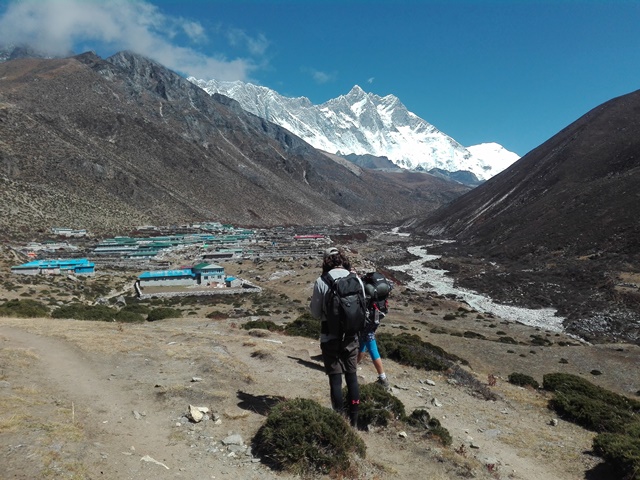
From Pangboche, the trail gradually climbs towards the village of Dingboche. Along the way, you will pass through several small villages and enjoy the scenic beauty of the Himalayan landscape. The trail also offers breathtaking views of peaks like Ama Dablam, Lhotse, and Nuptse.
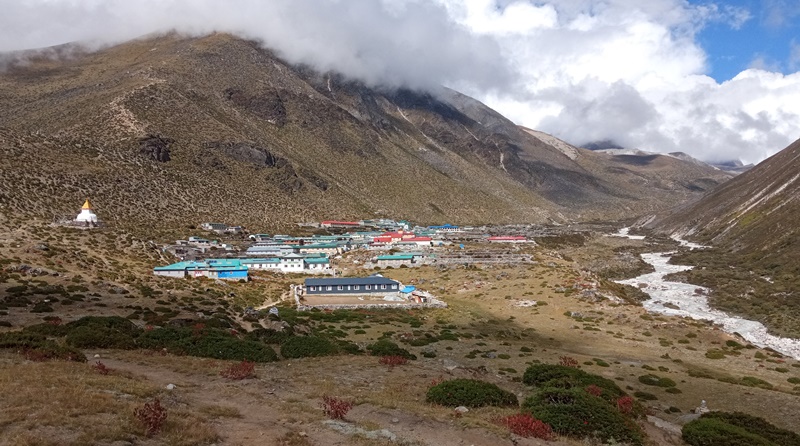
Dingboche is a popular stop for trekkers on their way to Everest Base Camp. The village is situated at an altitude of 4,410 meters and offers stunning views of the surrounding mountains. It is also an excellent place to acclimatize before heading towards higher elevations.
Accommodation : Lodge/Tea House Meals : Breakfast, Lunch & Dinner
Journey from Dingboche to Lobuche (4,940 m)
The journey from Dingboche to Lobuche is another exciting day on the Everest Base Camp trek. The trek covers a distance of approximately 7.5 km and takes around 5-6 hours to complete.
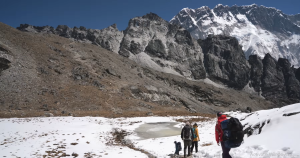
The trail from Dingboche to Lobuche is a gradual climb, and you will be trekking at a high altitude, so it’s essential to take your time and acclimatize properly. The trail follows the moraine of the Khumbu Glacier, and you will pass through Dughla (4,620 m), where you can stop for a break.
After Dughla, the trail climbs steeply to the top of a ridge, where you will find a collection of memorials dedicated to climbers who lost their lives on Everest. This place is called the Thokla Pass, also known as the Dughla Pass. It is a sobering reminder of the dangers of climbing in the high Himalayas.
From the Thokla Pass, the trail descends slightly and follows the lateral moraine of the Khumbu Glacier. You will get spectacular views of the surrounding peaks, including Pumori, Nuptse, and Lingtren.
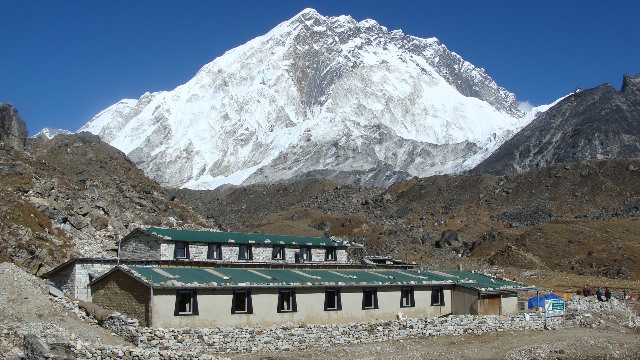
As you approach Lobuche, the terrain becomes barren, and you will notice the effects of the high altitude. Lobuche is a small settlement situated at an altitude of 4,940 meters. The village is a popular stop for trekkers on their way to Everest Base Camp.
In Lobuche, you will find several tea houses and lodges where you can rest and acclimatize before continuing your trek towards Everest Base Camp. The village is also an excellent place to take in the stunning views of the surrounding mountains.

Accommodation : Lodge at lobuche Meals : Breakfast, Lunch & Dinner
Trek from Lobuche to Everest Base Camp (5,380 m) and Gorakshep (5,184 m), then return to Lukla by helicopter
The trek from Lobuche to Everest Base Camp and Gorakshep is a challenging trek that takes you through the stunning landscapes of the Himalayas. From Gorakshep, you can take a helicopter back to Lukla.
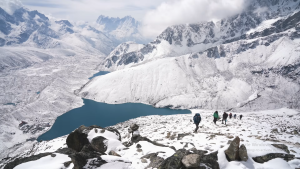
The trek from Lobuche to Everest Base Camp is approximately 8 km long and takes around 4-5 hours to complete. The trail takes you through the Khumbu Glacier and offers breathtaking views of the surrounding peaks, including Mount Everest.
From Everest Base Camp, you can continue your trek to Gorakshep, which is situated at an altitude of 5,184 meters. The trail is relatively short, covering a distance of approximately 3 km, and takes around 2-3 hours to complete.
From Gorakshep, you can take a helicopter back to Lukla, which will give you a bird’s-eye view of the stunning Himalayan landscape. The helicopter ride is an exhilarating experience that takes approximately 20-30 minutes.
Accommodation : Lodge at Lukla Meals : Breakfast, Lunch & Dinner
Fly early morning from Lukla to Kathmandu (35 minutes)
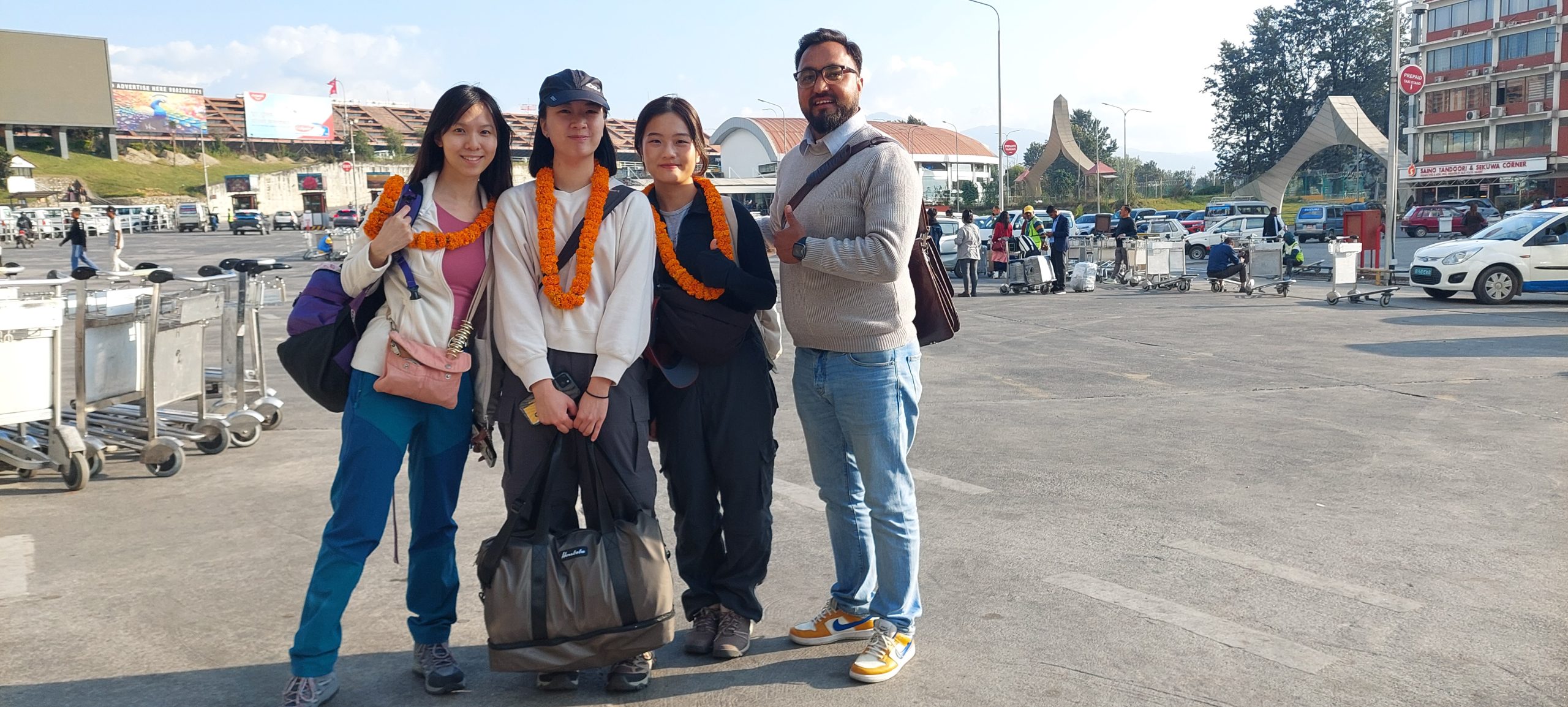
The flight from Lukla to Kathmandu takes around 35 minutes and offers stunning views of the Himalayan landscape. It’s operated by several airlines and usually departs early in the morning. The Lukla airport is considered one of the most dangerous in the world, but the pilots are experienced and well-trained. Upon arrival in Kathmandu, you can take a taxi or private transfer to your hotel or other destinations in the city.
Accommodation : Hotel in Kathmandu Meals : Breakfast
A Message from Our Team:
Dear Valued Trekkers, Welcome to Nepal! We are a team of local trekking guides with over 20 years of experience organizing safe, memorable Himalayan adventures. We offer flexible and reasonable packages based on your budget, time, and group size.
Let us know your requirements and let’s explore Everest Base Camp together on our exciting 7-day short Everest Base Camp Trek from Kathmandu to Kathmandu—a perfect option for travelers looking to experience this iconic Himalayan adventure in limited time.
7-Day Everest Base Camp Trek Without Acclimatization FAQs
The shortest Everest Base Camp trek takes 7 days.
The trek covers a total distance of approximately 60 km.
Refund & Cancellation Policy
- Booking requires 20% non-refundable deposit (Nepal) or 100% upfront (Tibet/Bhutan).
- Remaining payment due before the trip or on arrival (trip-dependent).
Cancellation charges:
- 31+ days: 20%
- 16–30 days: 45%
- 8–15 days: 75%
- 7 days or less: 90%
- Prices may change due to flights, taxes, or exchange rates.
- Trip changes are allowed, but extra costs apply.
- If the company cancels, a full refund, except for unavoidable events (some costs deducted).
- Good health and travel insurance are mandatory.
- No refund if removed for unsafe or illegal behavior.
- Travel involves personal risk, which the client accepts.