
Highlights of Everest View Trek by Road: Highlights
Everest View Trek by Road Trip Introduction: Overview
The Everest View Trek by road is a newly introduced adventure for travelers who want to witness Mount Everest without flying to Lukla (2,860m). This route is ideal for those seeking a safer and more scenic alternative. Instead of taking a flight, you can now travel directly from Kathmandu to the heart of the Khumbu region by jeep, making your journey smoother and more flexible.
The trip begins with an 8- to 9-hour drive from Kathmandu to Salleri. For shared travel, jeeps leave from Chabahil. However, if you book a private jeep, it will pick you up directly from your hotel. The road journey is full of natural beauty, with views of green hills, Sherpa and Tamang villages, terrace farms, and the stunning Dudh Koshi River valley.
From Salleri, your off-road journey continues through remote mountain trails to Surke, the final jeep stop before the trekking zone. The ride, lasting about 6 to 7 hours, passes through charming villages such as Kharikhola, Paiyan, Bupsa, and Chheubas. Though the drive is long, it is filled with breathtaking scenery and peaceful landscapes, making it a meaningful part of the trek.
Nowadays, it’s possible to drive straight to Surke from Kathmandu in approximately 15 hours. Thanks to this new route, you can now start the Everest Base Camp, Gokyo Valley, Everest High Pass, or even a short Everest View Trek by road. This option is perfect for those who want to explore Everest but are nervous about taking the Lukla flight.
If you’re short on time—say 4 to 5 days—and still want to see Mount Everest, this trek is achievable. Many trekkers switch to Annapurna or Langtang due to flight fears, but now there’s no need to compromise. With this road option, you get the same iconic mountain views with more comfort and confidence.
Safe Holiday Adventure offers this trek with our local Sherpa Guides and Porters at a reasonable price. You can choose between two road options: either drive directly to Surke in one day or take a two-day journey with an overnight stay in Salleri. From Surke, begin trekking toward Phakding, then continue up to Namche Bazaar, the gateway to Everest.
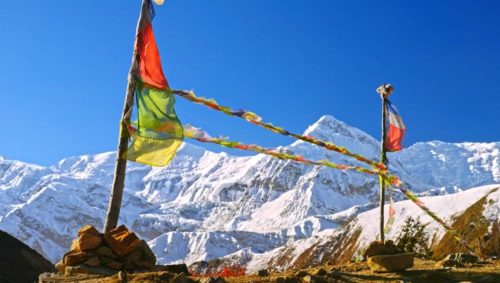
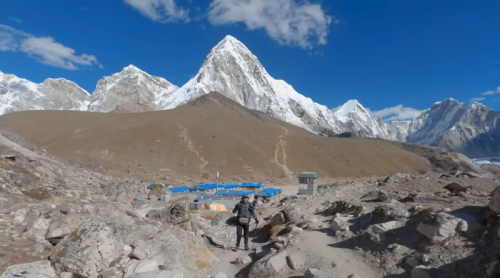
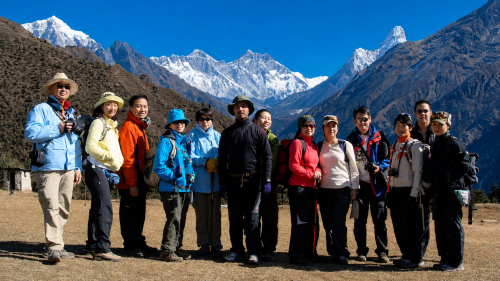
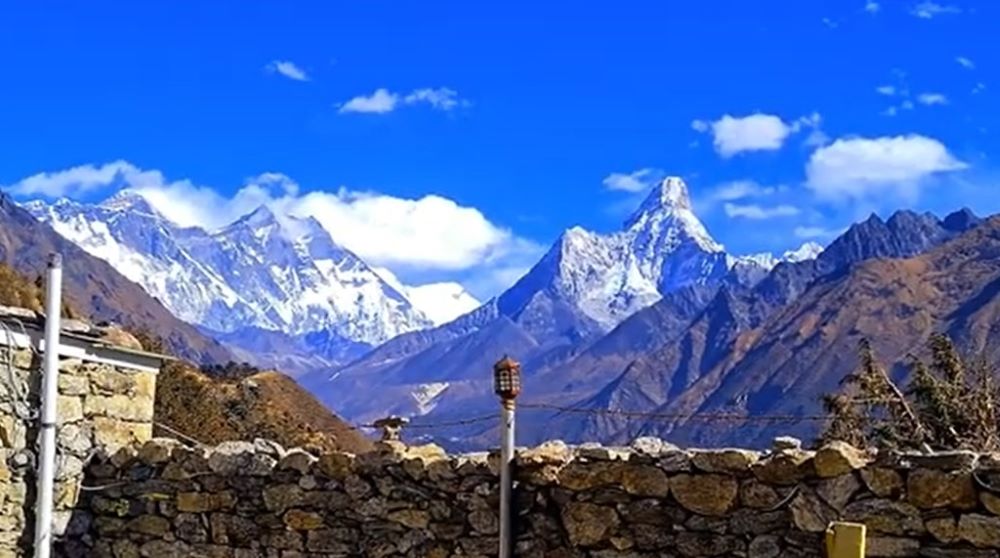
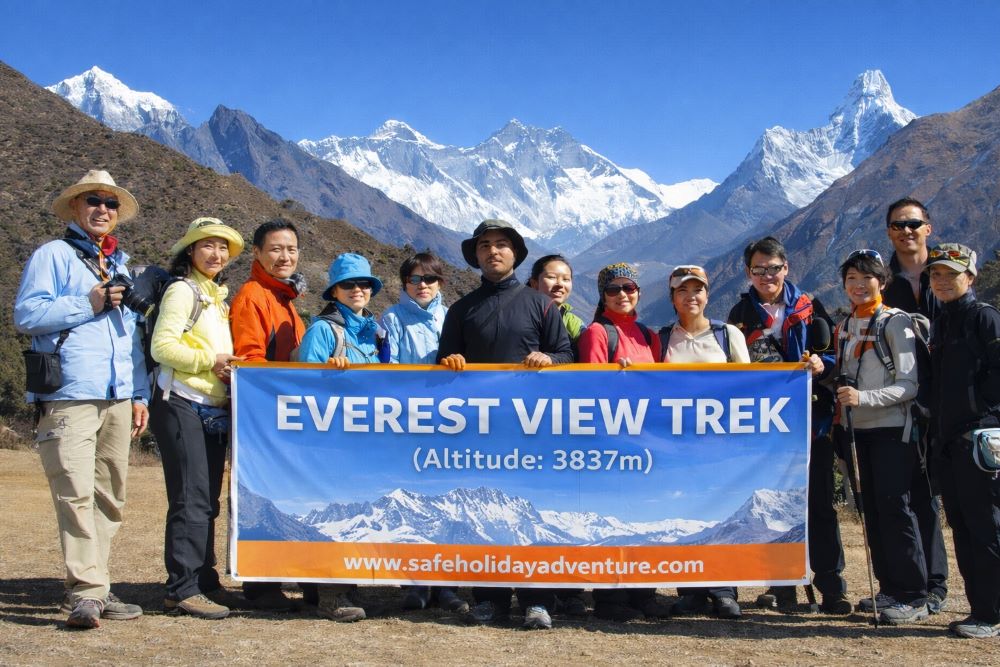
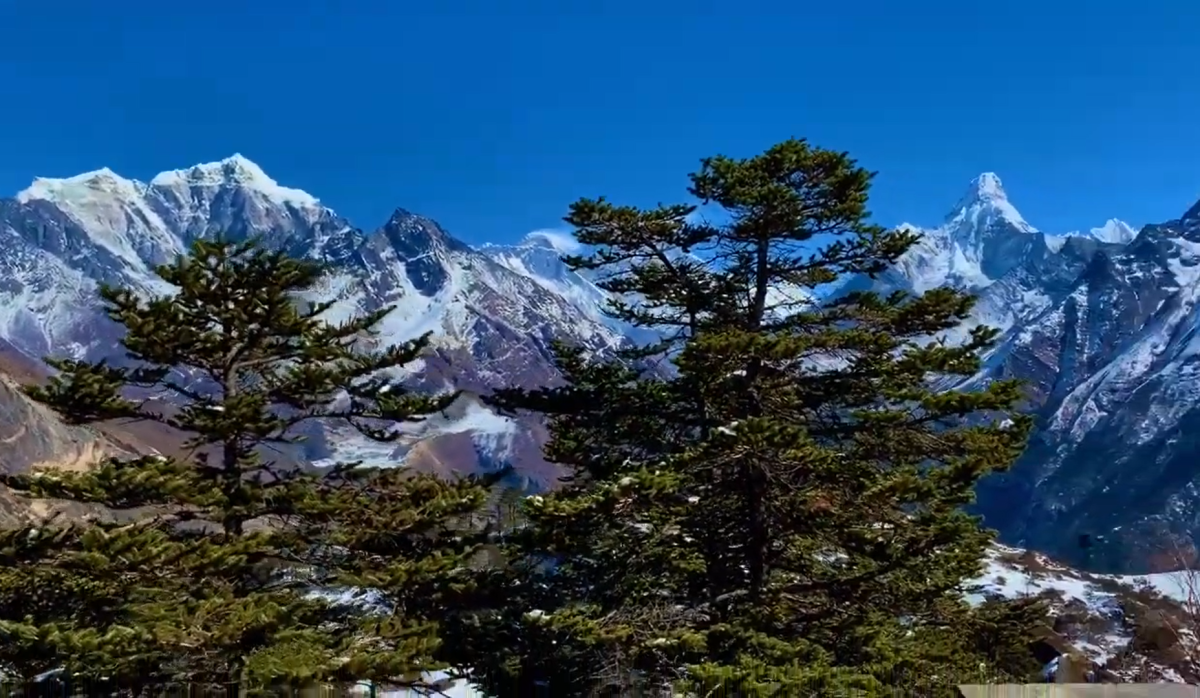
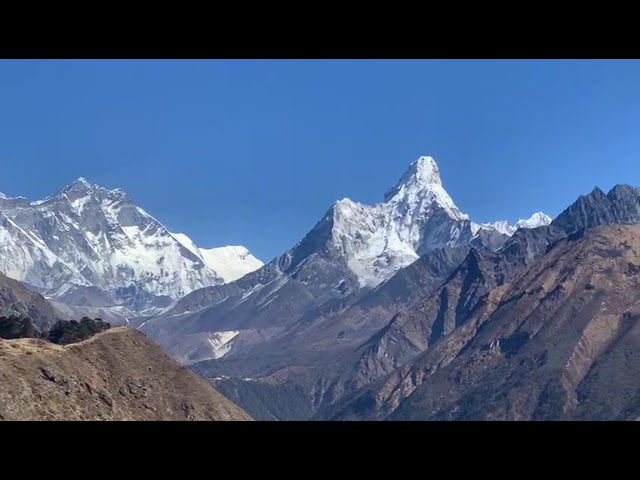
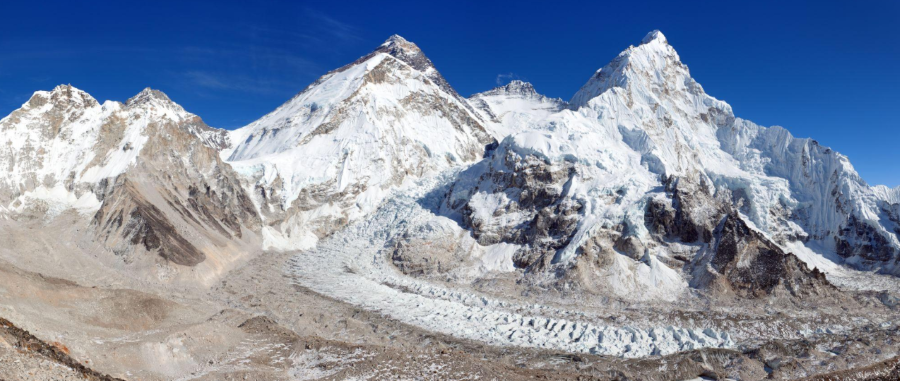
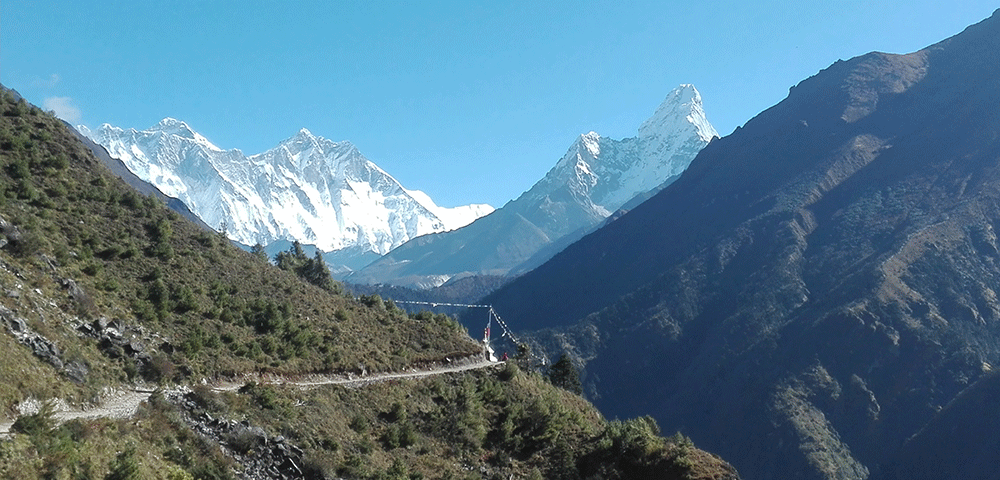
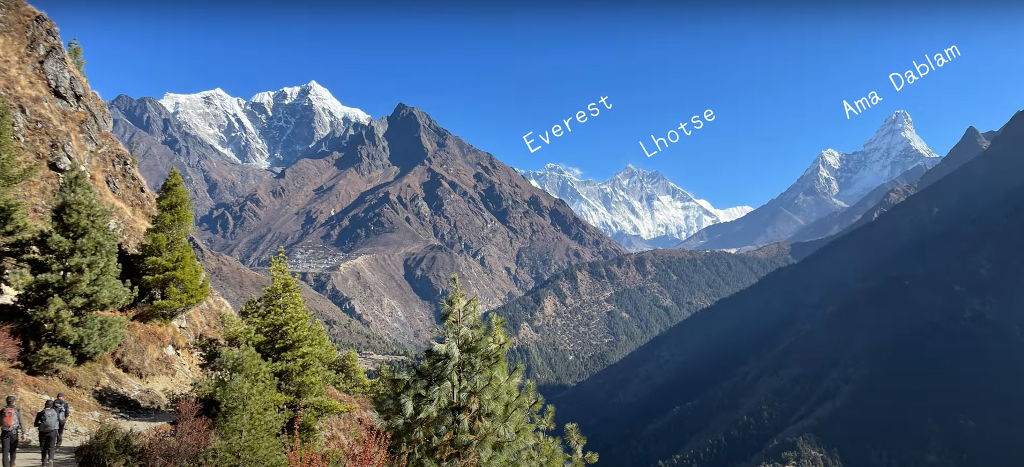
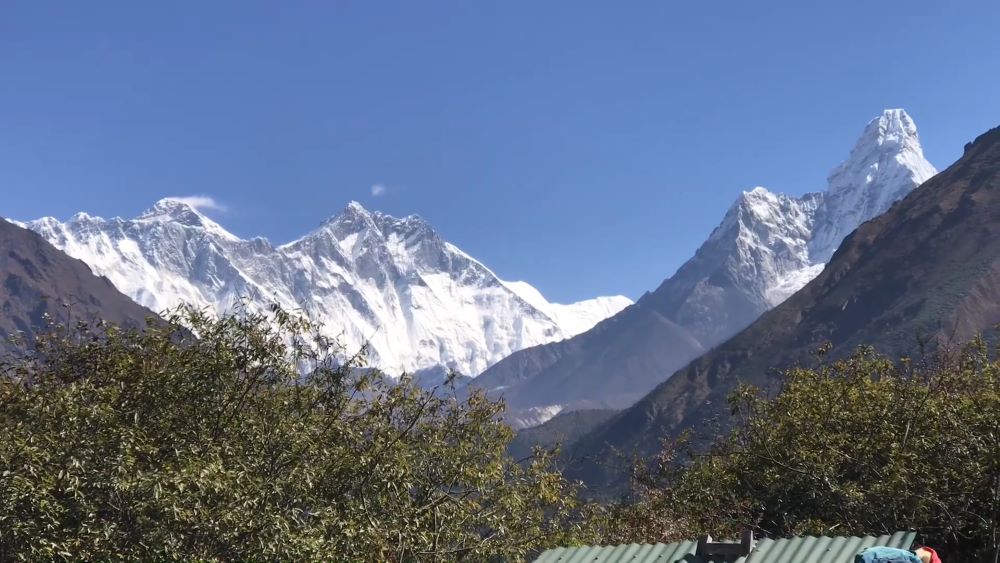
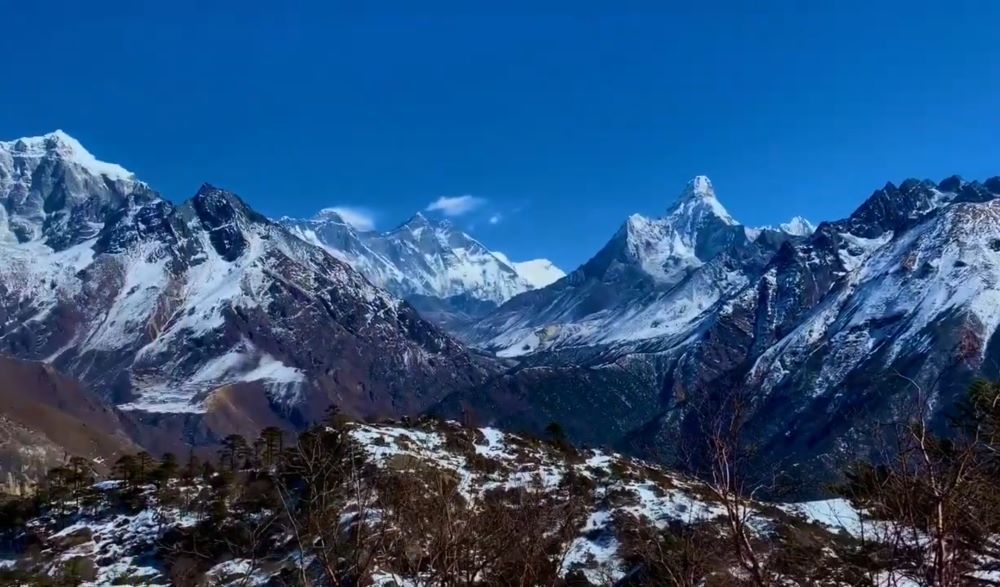
During this trek, you’ll enjoy majestic mountain views, including Mount Everest (8,848m), Lhotse (8,516m), Nuptse (7,861m), Ama Dablam (6,812m), Island Peak (6,189m), Thamserku (6,608m), Kusum Kangaru (6,367m), Kongde (6,187m), and Tawache (6,495m). The landscape includes deep valleys, ancient forests, and the beautiful Dudh Koshi River flowing through the hills.
Moreover, the trek offers rich cultural experiences. You’ll pass through traditional Sherpa villages, visit Buddhist monasteries, explore the Sagarmatha National Park Museum, and enjoy unforgettable views from the famous Everest View Hotel. The blend of natural beauty and cultural charm makes this journey both peaceful and meaningful.
So, if you dream of standing before Everest but wish to skip the risky Lukla flight, the Everest View Trek by road is the right choice. It’s safe, customizable, budget-friendly, and ideal for anyone seeking a short but rewarding Himalayan adventure.
Everest View Trek by Road – Starting and Ending Point
The Everest View Trek by Road starts from Chabahil, Kathmandu, where trekkers join a shared jeep or local bus for the journey towards the Everest region. From here, the road adventure begins through hilly highways and rural mountain roads.
Kathmandu to Salleri (Approx. 270–280 km)
The drive from Kathmandu to Salleri usually takes around 8 to 12 hours by jeep, depending on road conditions and traffic. This section includes both smooth highways and some rough mountain roads, especially closer to the Okhaldhunga and Solu region.
Salleri to Surkey (Local Off-road Section)
From Salleri towards Surkey and nearby trailheads, the road becomes more off-road, muddy, and bumpy, especially in the monsoon or winter season. This section is shorter in distance (around 20–40 km depending on the exact drop point) but can take 2 to 5 hours by jeep because of rough terrain and landslides in some areas.
Why Jeep is Recommended
Shared jeeps are highly recommended over buses because they are more suitable for:
- Narrow and muddy mountain roads
- River crossings and off-road sections
- Faster and more flexible travel
Return Journey
After completing the trek, you return the same way from the trail endpoint (like Surkey/Salleri area) back to Kathmandu via Salleri, and finally end again at Chabahil, Kathmandu.
This route gives a real adventure experience with scenic views, remote villages, and a true Himalayan road journey before and after the trek.
Why Choose Everest View Trek by Road?
- Easy and beginner-friendly Everest trekking experience,
- No Lukla flight required – safer and more reliable access by road,
- Stunning Himalayan views, including Mount Everest, Ama Dablam, and Thamserku,
- Ideal for short holidays and limited-time travelers,
- Comfortable altitude with lower risk of altitude sickness,
- Authentic Sherpa culture, monasteries, and traditional villages,
- Scenic overland drive through hills, rivers, and rural Nepal,
- Peaceful trekking trails with fewer crowds than the main Everest route,
- Well-managed teahouse accommodation along the trail,
- Perfect introduction to the Everest region without technical difficulty.
How is the Road Condition from Kathmandu to Salleri and from Salleri to Surke?
The road from Kathmandu to Salleri is mostly paved but can be narrow and winding as it climbs through hills and mountains. It takes about 8 to 9 hours by jeep. You will see beautiful landscapes, small villages, and terraced farms along the way. Sometimes the road can be rough or dusty, especially during the dry season.
From Salleri to Surke, the road becomes mostly off-road and rugged, with dirt tracks running through river valleys and forests. This part takes about 6 to 7 hours and can be bumpy, but the scenery is stunning with views of rivers, forests, and mountains. The jeep ride can be slow, but it is an adventure in itself.
Food and Accommodation in Tea Houses on the Everest View Trek by Road:
During the Everest View Trek by road, trekkers stay in small, locally run tea houses along the trail. These are simple mountain lodges operated by Sherpa families, offering basic comfort, food, and a warm place to rest after walking.
Rooms are generally simple and functional, designed mainly for rest. Most tea houses provide twin-sharing rooms with basic beds, mattresses, pillows, and blankets. Facilities are modest but clean. In lower villages such as Namche Bazaar, you may find slightly better rooms with private bathrooms or improved heating options. As the altitude increases, accommodation becomes more basic, and shared bathrooms are common. Electricity and Wi-Fi may be available in some places but can be limited or chargeable.
Food in tea houses is fresh, filling, and made for trekking energy needs. The most common and recommended meal is Dal Bhat, which includes rice, lentils, vegetables, and pickles, often served with refills. Other options include noodles, fried rice, soups, eggs, potatoes, pancakes, and momos. Hot drinks like tea, coffee, ginger lemon honey, and hot chocolate are widely available and help with warmth and hydration at higher altitudes.
Tea houses provide a local Himalayan hospitality experience rather than luxury service. The food is simple but nutritious, and accommodation is basic yet comfortable enough for rest. As you move higher, facilities become simpler, but the friendliness of the hosts and the warm atmosphere remain consistent throughout the trek.
Key Benefits of Everest View Trek by Road:
- No Lukla Flight Dependency: Avoid flight cancellations, delays, and weather uncertainty by traveling overland from Kathmandu.
- Safer Travel Option: Road access ensures a more reliable and controlled start to your Everest trekking adventure.
- Cost-Effective Trekking: Save on expensive domestic flights while enjoying the same iconic Himalayan views.
- Scenic Overland Journey: Experience beautiful landscapes, rivers, terraced hills, and traditional villages along the drive.
- Better Acclimatization: Gradual altitude gain helps reduce the risk of altitude sickness and improves trekking comfort.
- Flexible Itinerary: Customizable trekking plans with jeep transport options and adjustable pacing.
- Authentic Local Experience: Pass through rural settlements like Salleri and Kharikhola for a deeper cultural experience.
- Comfortable Tea Houses: Stay in well-managed lodges offering warm meals, basic comfort, and local hospitality.
- Ideal for All Levels: Suitable for beginners, families, and trekkers looking for a less rushed Everest experience.
- Experienced Local Guides: Professional Sherpa guides ensure safety, navigation, and meaningful cultural insight throughout the trek.
Everest View Trek by Road Itinerary:Outline Itinerary
Day 01: Drive Kathmandu (1400m) → Salleri (2360m) | 8–10 hrs drive, overnight stay in Salleri
Day 02: Drive Salleri (2360m) → Surke (2300m) | 2–3 hrs drive + Trek Surke → Phakding (2610m) | 3–4 hrs trek, overnight in Phakding
Day 03: Trek Phakding (2610m) → Namche Bazaar (3440m) | 5–6 hrs trek via Sagarmatha National Park
Day 04: Namche Bazaar (3440m) exploration day + hike to Everest View Hotel (3880m) | 3–4 hrs hike & return, overnight in Namche Everest View Hotel
Day 05: Trek Namche Bazaar (3440m) → Surke (2300m) | 6–7 hrs downhill trek
Day 06: Drive Surke (2300m) → Salleri (2360m) | 2–3 hrs drive
Day 07: Drive Salleri (2360m) → Kathmandu (1400m) | 8–10 hrs drive, trip ends
Everest View Trek by Road – Package Inclusions
- Private car/jeep for airport pickup and drop-off on your arrival and departure days in Nepal,
- Sharing a jeep from Kathmandu to Surke via Sallery at the start of the trek,
- 2 nights’ hotel in Kathmandu – one night before the trek and one night after the trek,
- All meals during the trek (Breakfast, Lunch, and Dinner) – one main course per meal (package system in the mountain lodges),
- Experienced licensed guide – salary, meals, accommodation, and insurance included,
- Sagarmatha National Park Entry Permit,
- Khumbu Pasang Lhamu Rural Municipality Permit,
- Return sharing jeep from Surke to Kathmandu Via Sallery after the trek,
- Local entry fees, all hidden costs, and government taxes – no surprise charges
- International airfare – Flights to and from Nepal are not included in the package.
- Nepal tourist visa fee – You must obtain a visa upon arrival at Tribhuvan International Airport, which is at your own cost.
- Travel insurance – All trekkers are required to have travel insurance that covers medical emergencies, cancellations, and helicopter evacuation if needed.
- Personal expenses – Costs for items such as bottled drinks, snacks, laundry, phone calls, or other personal purchases are not included.
- Tips for Guide – Tipping is not mandatory, but is appreciated. It is based on your satisfaction with the service.
- Emergency evacuation – In case of illness or injury, any evacuation or medical rescue costs are your responsibility.
- Meals in Kathmandu – Lunch and dinner in Kathmandu before and after the trek are not part of the package.
- Additional services – Any extra activities or services not mentioned in the included section are excluded from the package.
Dates and Availability Departures
All our published dates are guaranteed departures. We also provide customized departures tailored to your travel plans.
November 2026
Travellers Reviews
Erick Mollel
Canada | October, 2025
Experience the EBC Trek Without the Lukla Flight
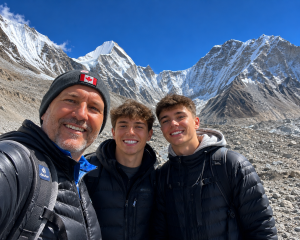
My name is Erick Mollel, and I completed the Everest Base Camp Trek with my two sons from Canada. It was an unforgettable adventure filled with breathtaking Himalayan scenery, beautiful Sherpa villages, and incredible mountain views.
Our guide, Santosh, was very professional, friendly, and supportive throughout the journey. Our porter, Dupka, was also hardworking and helpful, making our trek much easier and more enjoyable.
We truly enjoyed every moment of this incredible journey. I highly recommend this trek to anyone who wants to experience the beauty of the Everest region without taking the Lukla flight. A wonderful experience and memories that my sons and I will always cherish! 🙏
Giuliana Benigni
USA | August, 2025
𝐒𝐮𝐜𝐜𝐞𝐬𝐬𝐟𝐮𝐥 𝐄𝐯𝐞𝐫𝐞𝐬𝐭 𝐓𝐰𝐨 𝐏𝐚𝐬𝐬𝐞𝐬 𝐓𝐫𝐞𝐤 𝐄𝐱𝐩𝐞𝐫𝐢𝐞𝐧𝐜𝐞
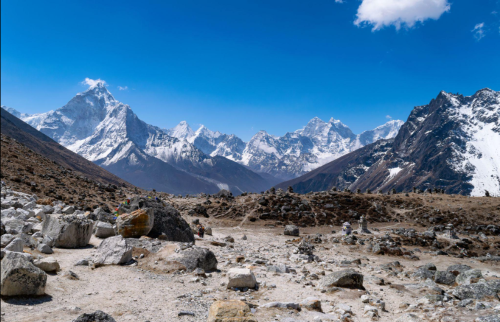
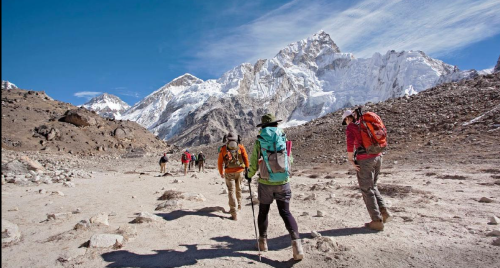
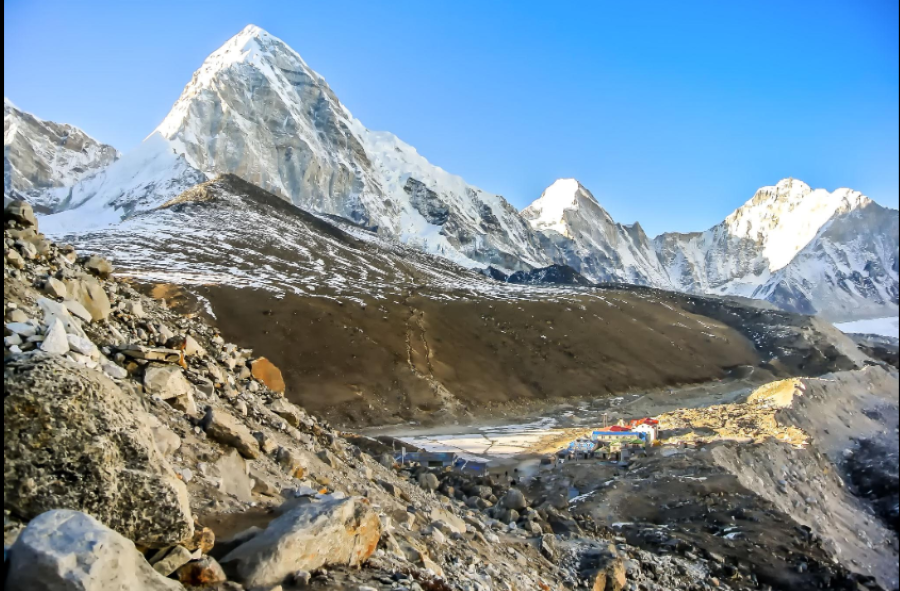
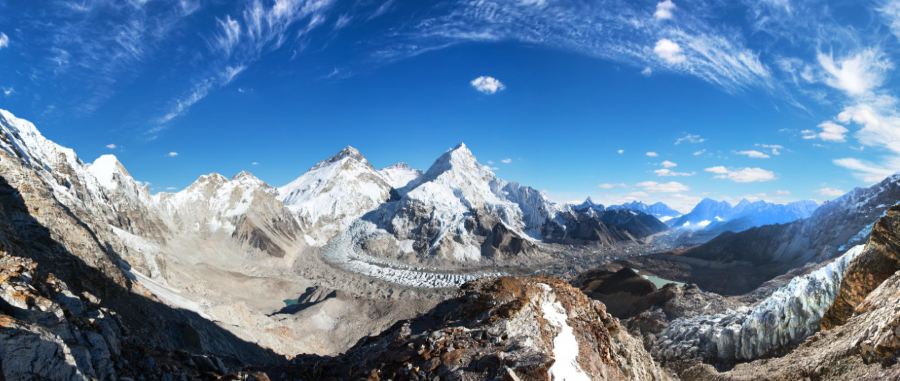
The Everest Two Passes Trek (Kongma La & Cho La Pass) was an incredible high-altitude adventure filled with glaciers, dramatic landscapes, and challenging mountain passes.
Our client, Giuliana Benigni from the USA, completed the trek with great determination and enjoyed the breathtaking Himalayan scenery throughout the journey.
Special thanks to our experienced guide Rahul, whose professionalism and safety-focused leadership ensured a smooth trek, and porter Prem, whose strong support made the journey easier and well-managed.
This trek was organized by Safe Holiday Adventure Pvt. Ltd., delivering a safe, reliable, and well-coordinated Himalayan experience.
A highly recommended adventure for trekkers seeking a real challenge in the Everest region.
Manello Clark
Brazil | sept, 2025
A Rewarding Journey: Everest Base Camp Trek with Like-Minded Travelers
The Everest Base Camp Small Group Trek was truly one of the most incredible experiences of my life. From the moment I arrived in Nepal, everything was well organized and smooth, and the journey only got better each day.
Trekking through the Himalayas with a small group made the experience feel personal and meaningful. Our guide was extremely professional, caring, and always attentive to everyone’s pace and health, especially at higher altitudes. I always felt safe and supported throughout the trek.
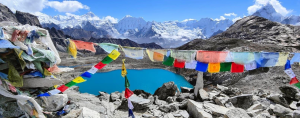
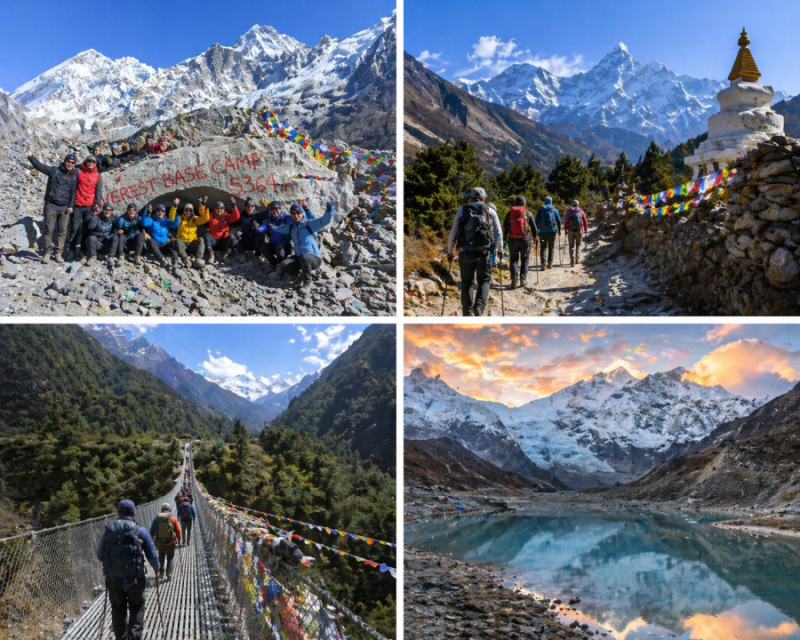
The scenery was beyond words—towering peaks, peaceful villages, prayer flags waving in the wind, and breathtaking views of Everest itself. Reaching Everest Base Camp was an emotional and unforgettable moment that I will carry for the rest of my life.
The lodges were comfortable considering the remote location, and the food was simple but satisfying after long trekking days. I also enjoyed the small group atmosphere—we quickly became like a family, encouraging each other every step of the way.
I highly recommend this trek to anyone who dreams of adventure and wants a real Himalayan experience. It is challenging, yes, but absolutely worth every step.
— Manello Clark, Brazil

Natasha Bounnharath
Canada | 2025-10-2
Best Trekking Experience in Nepal
The Everest Base Camp trek without the Lukla flight, starting with a road trip from Kathmandu to Surke via Sallery, was a refreshing adventure. Safe Holiday Adventure Pvt. Ltd. handled every detail with professionalism and care. The jeep ride was comfortable, allowing me to see rural Nepal and experience local life. Once trekking started, their expert guide ensured my safety and comfort throughout the journey. The tea houses were well chosen, and the itinerary was perfectly balanced with enough time to enjoy the spectacular mountain views. I especially liked that this route reduced the risks and delays common with flights to Lukla. Safe Holiday Adventure made this challenging trek smooth and enjoyable. Highly recommended!
Genaral Trip InfoInfos
Best Time for Everest View Trek by Road – Seasonal Guide
Can I go to the Everest Region without taking the Lukla flight?
Kathmandu to Sallery Distance
The distance from Kathmandu to Salleri is approximately 270 kilometers (168 miles). This scenic but bumpy drive takes you through winding hilly roads, beautiful countryside, and traditional Nepali villages. It is a popular alternative for trekkers who want to avoid the flight to Lukla, especially during bad weather or high flight cancellations.
The drive usually takes around 8 to 10 hours by private jeep. Public buses are also available, but they are slower and less comfortable. The road can be rough and dusty in some sections, especially during the monsoon season, but it offers a unique view of rural Nepal and local culture. Many trekkers use this route to begin the Everest Base Camp trek from Salleri or nearby Tham Danda.
How is the journey from Salleri to Surke for Everest trekking?
The journey from Salleri to Surke is about 55 kilometers (34 miles) and takes around 5 to 7 hours by jeep. This part of the route is a real adventure and a great start for your Everest Base Camp trek without flying to Lukla. The drive takes you through beautiful hills, green forests, and small local villages where you can see the real life of the mountain people. The road is a mix of paved and rough tracks, but that’s what makes the trip exciting and memorable.
During the dry seasons like autumn and spring, the drive is usually smooth, and jeeps can reach Surke without any problem. Even if the road is a bit challenging during monsoon or winter, it adds to the adventure. You may walk a short distance if needed, but the fresh mountain air, peaceful trails, and stunning views make it worth every step. Along the way, you will see rivers, waterfalls, and smiling local faces welcoming you with warm greetings. This route is also quieter and less crowded than flying to Lukla, giving you a more peaceful and cultural experience.
Traveling from Salleri to Surke is not just a transfer—it’s the beginning of a beautiful Himalayan journey.
Why Everest View trek by road becoming popular nowadays?
The Everest View Trek by road is becoming more popular these days for several good reasons. One of the main reasons is that it avoids the flight to Lukla, which is often delayed or canceled due to bad weather. Many trekkers now prefer a more reliable option, and driving to places like Salleri or Tham Danda gives them that choice. It also allows for a gradual start to the trek, helping with better acclimatization and reducing the risk of altitude sickness.
Another reason is that this road trek offers a quieter and more cultural experience. Trekkers pass through traditional villages, farms, and forests, meeting local people and learning about Sherpa and Rai culture along the way. The route is less crowded than the main trail from Lukla, giving a more peaceful and authentic feeling. Also, with road access improving, it has become easier and faster to reach starting points like Tham Danda, making the trek more comfortable and accessible.
Overall, the Everest View Trek by road offers a safe, scenic, and enriching experience—perfect for those who want to enjoy the beauty of the Everest region without worrying about flight issues.
How Are the Tea Houses on the Everest Route?
Tea houses along the Everest View Trek route are simple but comfortable. They offer clean rooms with twin beds, warm blankets, and shared bathrooms. Most tea houses have a dining hall with a fireplace where trekkers eat and relax. You can enjoy hot meals like dal bhat, noodles, soups, and pancakes. Some places also offer Wi-Fi, hot showers, and charging at an extra cost. The owners are friendly and helpful, and the views from the tea houses are often beautiful. Overall, tea houses make the trek easy and enjoyable, giving you a warm place to rest each night.
It is Possible to do the Everest View Trek by road during the monsoon?
Trekking the Everest View Trek by road during the monsoon is not recommended because heavy rain can make the roads difficult. However, if you take a flight or share a helicopter to Lukla, the trek becomes possible and peaceful. Above Lukla, the trails are safer with less risk of landslides or floods even during the monsoon. The paths are well-maintained, so you can enjoy a quiet short trek with beautiful green scenery. Just be ready for some rain and carry good rain gear for a comfortable experience.
Is it safe for a solo trekker to do the Everest View Trek by road?
Yes, it is mostly safe. But it is better to start from Kathmandu and take a direct jeep to Surke. Staying in local hotels in the countryside may not always be very safe because some local people drink and make noise at times. This doesn’t mean it is unsafe, but it can be uncomfortable.
So, I suggest you go directly to Surke and stay overnight there. Surke has guest houses and is safer compared to the lower loop areas.
Why is the Everest Base Camp trek suitable for beginners, students, and people who are not very fit?
- It is easy to do.
- There is no big problem with altitude because you start the trek from a lower place like Surke.
- The trail is simple and budget-friendly.
- You can walk slowly and rest often.
- There are many places to stay and eat on the way.
- You do not need special skills or equipment.
How is the trekking trail from Surke to Namche Bazaar?
The trek from Surke to Namche Bazaar passes through many beautiful villages. From Surke, you go to Chheplung, then Ghat, and after that to Phakding. From Phakding, you continue to Toktok and then to Manjo, where there is a check post. After Manjo, the trail leads to Jorsalle.
From Jorsalle, the trail becomes steep, and it takes about 2 to 3 hours to climb up to Namche Bazaar.
The path is mostly easy and well-marked, with nice views of the mountains and rivers. You can find places to rest and eat in these villages.
Weather and Temperature during Everest View Trek by Road
When is the best month to go on the Everest View trek and why?
The best months to do the Everest View Trek are September, October, and November.
In these months, the weather is clear and dry. You can see beautiful views of the mountains, including Mount Everest. The sky is blue and there is less chance of rain or snow. The temperature is also good for walking, not too hot or too cold.
Spring months like March, April, and May are also good because flowers bloom and the weather is nice.
But in the monsoon season (June to August), there is a lot of rain, and the trails can be slippery and dangerous. In winter (December to February), it is very cold and some places may have heavy snow.
So, September to November is the best time for clear views, good weather, and safe trekking.
What to pack for the Everest View Trek by Road:
- Warm clothes: jacket, fleece, gloves, and hat (it can get cold)
- Comfortable trekking shoes with good grip
- Lightweight clothes for daytime walking
- Rain jacket or poncho (in case of rain)
- Sunhat, sunglasses, and sunscreen (to protect from the sun)
- Water bottle and water purifier or tablets
- Small first aid kit (bandages, medicines for headache, stomach, etc.)
- A backpack to carry your things
- Trekking poles (optional but helpfuPersonal items like toiletries, camera, and phone charger
Packing light but smart will make your trek easier and more enjoyable.
Detailed ItineraryItinerary
Drive Kathmandu (1400m) to Salleri (2360m)
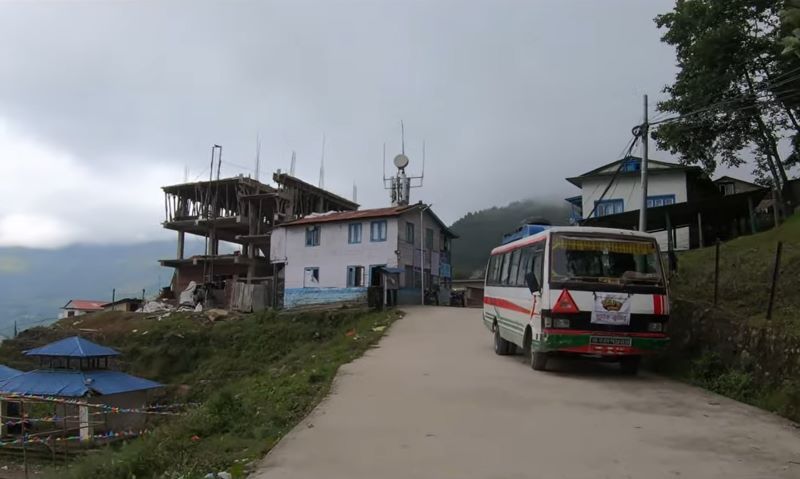
We start early in the morning, around 5:00–7:00 AM from your hotel in Kathmandu. After meeting your guide and checking luggage, we begin our drive. The first part of the road is a smooth highway. We pass small towns, rivers, and green hills. Slowly, the road becomes winding and more adventurous as we go deeper into the mountains.
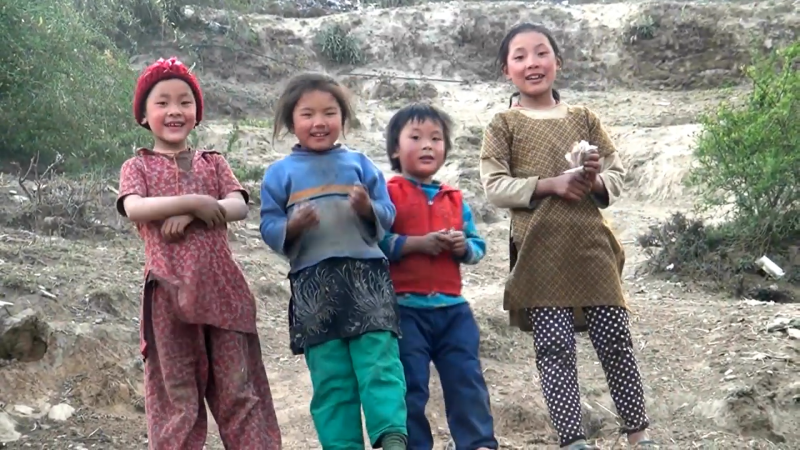
We stop for lunch around 12:00–1:00 PM at a local roadside restaurant. The food is simple Nepali style. After lunch, we continue driving through narrow roads, forests, and scattered villages. You will see farmers, children waving, and local buses passing through mountain roads. The views become more natural and peaceful.
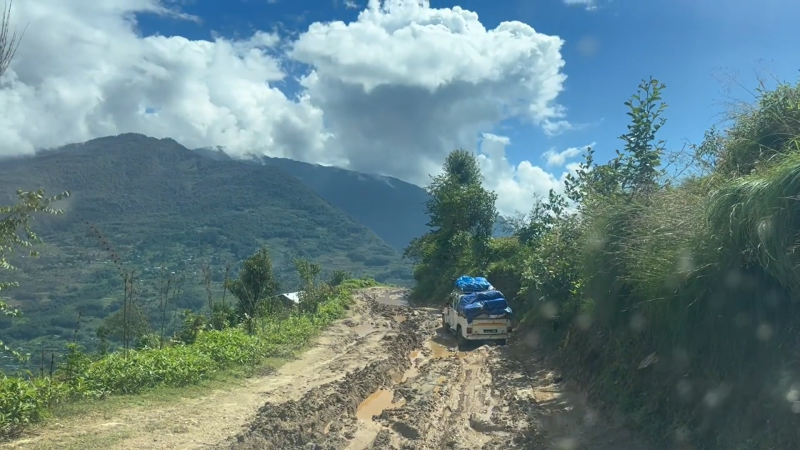
By 5:00–6:30 PM, we reach Salleri. It is a small hill town with mountain air. You will check into a lodge, rest, and have dinner. Evening is quiet and relaxing.
Accommodation : Guest House Meals : Dinner
Drive Salleri (2360m) to Surke (2300m) and Trek to Phakding (2610m)
We start the day at 7:00 AM after breakfast. First, we take a 5–6 hour off-road drive to Surke. The road is bumpy and dusty in some parts. You will see forests, cliffs, and small mountain villages. Local people are friendly, and you may see children walking to school or farmers working in fields.
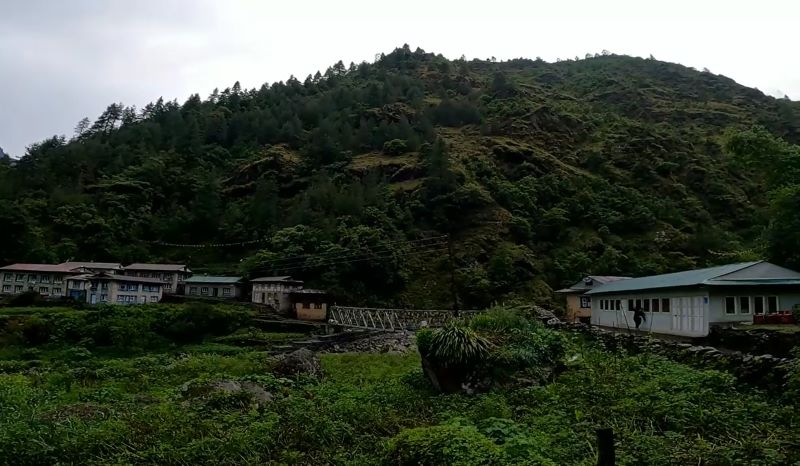
We reach Surke around 9:30–10:00 AM. From here, we start trekking. The trail goes through green forests, rivers, and suspension bridges. You will cross small wooden and metal bridges over the Dudh Koshi River. The sound of flowing water follows us.
We stop for lunch around 12:30–1:30 PM at a small tea house on the trail. After lunch, we continue trekking for about 2–3 hours. The path is peaceful with rhododendron forests, birds, and views of hills. By 4:00–5:00 PM, we reach Phakding. We stay in a lodge near the river.

Accommodation : Tea House Meals : Breakfast, Lunch & Dinner
Trek from Phakding (2610m) to Namche Bazaar (3440m)
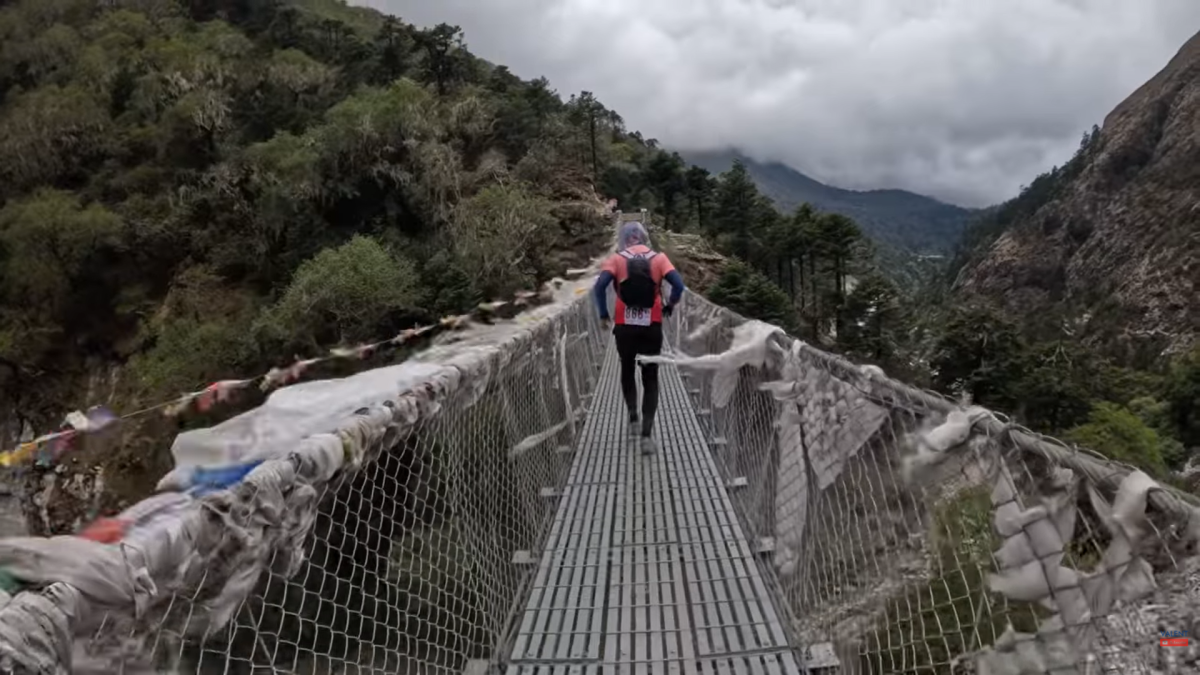
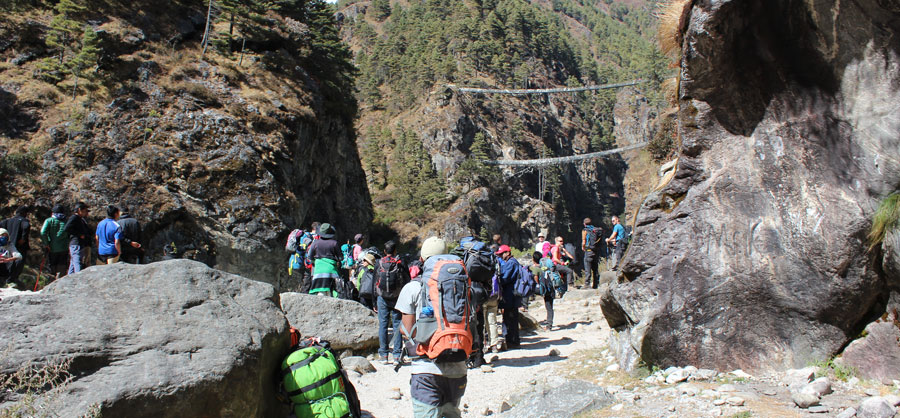
We wake up around 6:30 AM in Phakding and enjoy a warm breakfast at the lodge. After packing our bags, we start trekking between 7:30–8:00 AM. The morning trail is very peaceful. We walk along the Dudh Koshi River, listening to the sound of fast-flowing water. Along the way, we cross several suspension bridges, including long hanging bridges decorated with colorful prayer flags that move in the wind.
As we continue, we enter Sagarmatha National Park, where trekking permits are officially checked at Monjo. The trail passes through small and beautiful villages like Monjo and Jorsalle. You will see traditional stone houses, spinning prayer wheels, and local Sherpa people walking with loads on their backs or guiding yaks carrying goods. The culture and mountain lifestyle become more visible here.
Around 12:00–1:00 PM, we stop at Jorsalle for lunch at a tea house near the river. This is the last comfortable stop before the big climb. After lunch, the trail becomes more challenging. We start a steep uphill ascent through pine forests and zig-zag paths. We walk slowly, taking short breaks to adjust our breathing and enjoy the forest scenery.
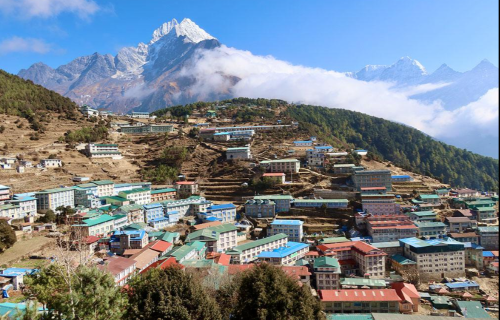
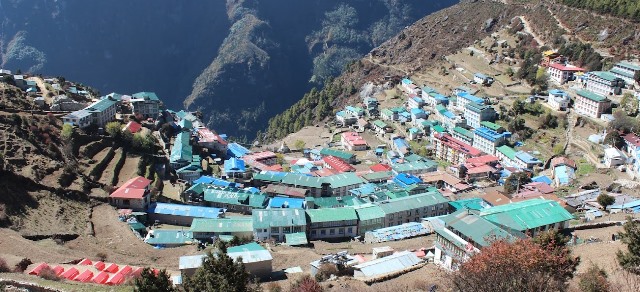
By 3:30–5:00 PM, we finally reach Namche Bazaar. This famous mountain town sits in a natural amphitheater surrounded by hills. After arrival, we check into a lodge, freshen up, and rest. The evening is calm, and you can enjoy the atmosphere of this lively Sherpa town.
Accommodation : Tea House Meals : Breakfast, Lunch & Dinner
Acclimatization Day in Namche Bazaar (3440m) + Everest View Hotel (3880m)
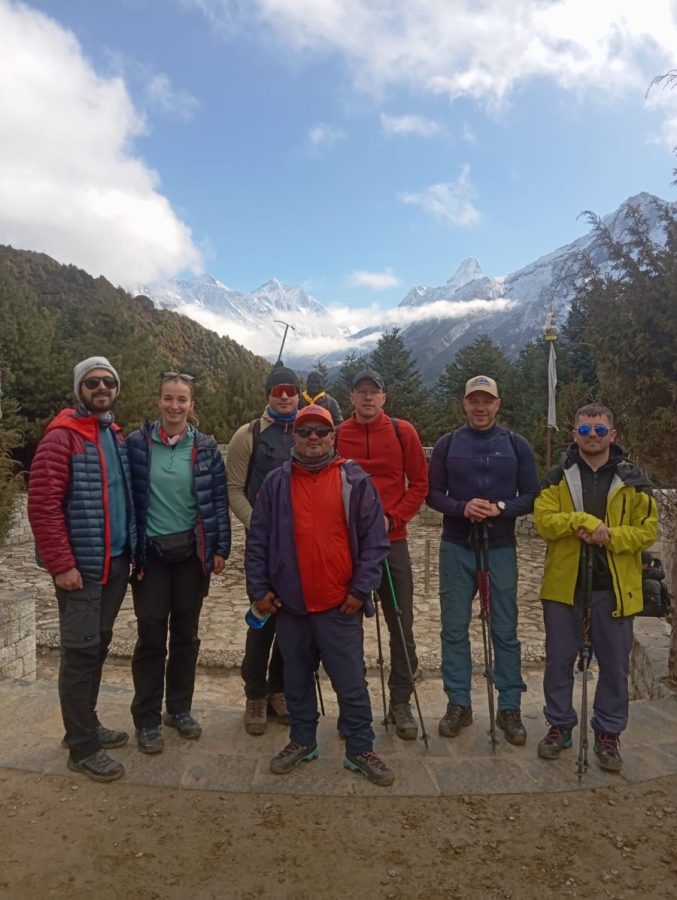
We start the day a bit late around 7:30–8:00 AM. After breakfast, we begin a short hike. The trail goes uphill through pine forests and open ridges. You will see yaks grazing and prayer flags flying in the wind.
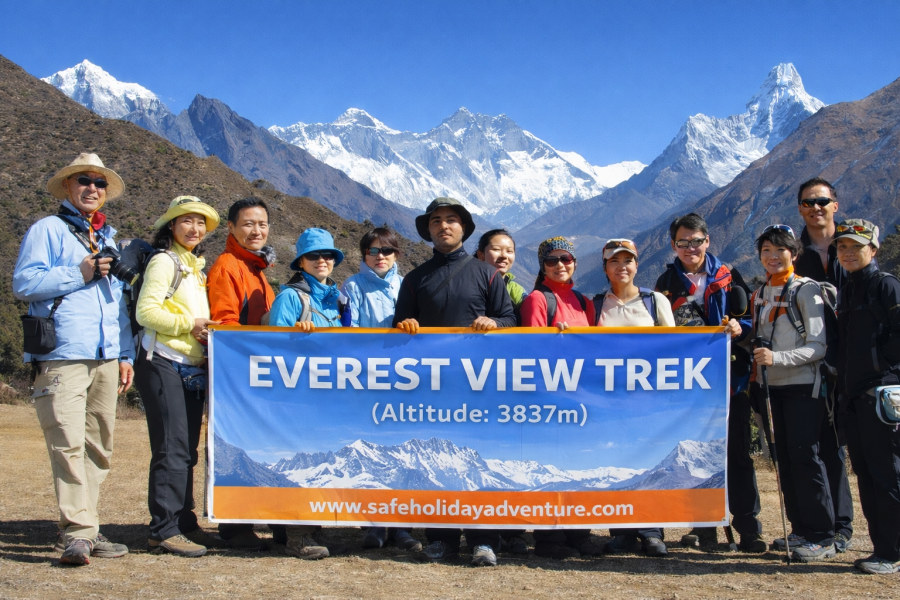
After about 2–3 hours, we reach Everest View Hotel. From here, you see Mount Everest, Ama Dablam, Lhotse, and other peaks if the weather is clear. The view is wide and stunning.
We return to Namche around 12:30–1:30 PM. Lunch is at the lodge. In the afternoon, you can explore the town. There are bakeries, small shops, and museums about Sherpa culture. Local people are friendly, and you may see trekkers from around the world.
Evening is free. You rest and enjoy dinner at the lodge.
Accommodation : Tea House Meals : Breakfast, Lunch & Dinner
Trek Namche Bazaar (3440m) to Surke (2400m)
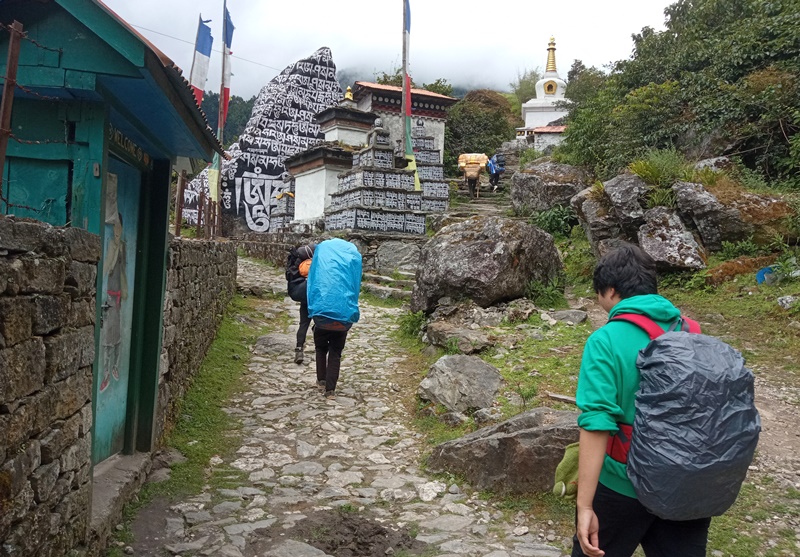
We start early at 7:00 AM after breakfast. The trail goes downhill first. It is steep in some sections, so we walk carefully. We pass through forests, waterfalls, and suspension bridges again.
You will see beautiful valley views and rivers below. Local people and trekkers cross paths on the trail. The walk is long but peaceful.
We stop for lunch around 12:30–1:30 PM at a tea house on the way. After lunch, we continue walking downhill through villages and forest paths.
By 4:30–6:00 PM, we reach Surke. It is a quiet village surrounded by hills. We stay in a simple lodge and relax after a long trekking day.
Accommodation : Tea House Meals : Breakfast, Lunch & Dinner
Drive Surke (2300m) to Salleri (2360m)
Accommodation : Hotel Meals : Breakfast, Lunch Dinner
Drive Salleri (2360m) to Kathmandu (1400m)
Accommodation : Hotel in Kathmandu Meals : Breakfast
Everest View Trek by Road – Flexible Itinerary Note
Everest View Trek by road is usually a 7-day trip, but it is fully flexible and can be adjusted based on your time, budget, and travel style. We can make it shorter or more comfortable depending on your needs. With a private jeep option, the journey becomes faster with flexible stops and easy travel.
Just share your available time with us, and we will customize the best itinerary for you—whether it is budget, standard, or private guided service.
Everest View Trek by Road FAQs
Yes, the road journey is generally safe when traveling with experienced drivers and proper vehicles. However, some sections are rough and require careful driving.
Yes, the road journey is generally safe when traveling with experienced drivers and proper vehicles. However, some sections are rough and require careful driving.
It usually takes 8–12 hours to reach Salleri from Kathmandu and an additional drive toward Surke depending on road conditions.
Yes, hiring a guide is highly recommended for navigation, safety, and cultural understanding of the Everest region.
Yes, it is suitable for beginners because the trek starts from a lower altitude and increases gradually, making it easier to adjust.
You will find basic but comfortable tea houses with twin beds, warm meals, and local hospitality along the trekking trail.
From Surke, the trail is moderate and becomes steeper as you move toward Namche Bazaar, but it is manageable with proper pacing.
The road option avoids flight delays, helps with better acclimatization, and offers a more cultural and scenic travel experience.
The risk is lower because you ascend gradually from lower villages, giving your body more time to adjust.
It offers a quieter trail, authentic village life, beautiful landscapes, and a safer alternative to the Lukla flight route.
The distance from Kathmandu to Salleri is around 270 km. The drive usually takes 8–12 hours depending on road and traffic conditions.
Most travelers use private jeeps or shared tourist vehicles. Jeeps are more comfortable and safer for the rough mountain roads.
No, the road to Surke is a mix of paved, gravel, and off-road sections, making the journey adventurous but sometimes bumpy.
The road option usually adds 4 extra days compared to the flight route, but it offers better acclimatization and cultural experience.
ATMs are only available in major stops like Sallery, Namche Bazaar, and Lukla, so it is important to carry enough cash from Kathmandu.
Yes, Wi-Fi is available in some tea houses, especially in lower villages, with better internet service than the upper loop, but until the Everest view hotel, you will get wifi and require a small fee.
Yes, most tea houses offer charging facilities, but they may charge a small extra fee per device.
You need a Sagarmatha National Park permit and a local entry permit, which can be arranged in Kathmandu before starting the trek.
Yes, solo trekking is allowed, but it is safer and more convenient to travel with a guide or porter, especially on the road section.
The highlight is reaching viewpoints with stunning Himalayan scenery, including close views of Mount Everest, while enjoying a quieter and more cultural trekking experience.
Refund & Cancellation Policy
- Booking requires 20% non-refundable deposit (Nepal) or 100% upfront (Tibet/Bhutan).
- Remaining payment due before the trip or on arrival (trip-dependent).
Cancellation charges:
- 31+ days: 20%
- 16–30 days: 45%
- 8–15 days: 75%
- 7 days or less: 90%
- Prices may change due to flights, taxes, or exchange rates.
- Trip changes are allowed, but extra costs apply.
- If the company cancels, a full refund, except for unavoidable events (some costs deducted).
- Good health and travel insurance are mandatory.
- No refund if removed for unsafe or illegal behavior.
- Travel involves personal risk, which the client accepts.