
28 Oct 2026 7 min to read
Namche Bazaar is where the Everest trail makes its biggest decision. Most trekkers turn right toward Tengboche and Base Camp. A smaller group turns left, climbs out of the village, and heads for a valley of turquoise lakes and a glacier that fills the horizon. This guide walks that left turn with you, stage by stage, so you know what to expect before you lace your boots.
From Namche (3,440 m) to Gokyo (4,790 m) you gain about 1,350 meters of elevation across roughly three to four walking days. The distance is modest, around 30 kilometers, but the altitude gain makes it feel longer. The trail is steep in places, then gentle, then steep again, and the air gets noticeably thinner after Machhermo.
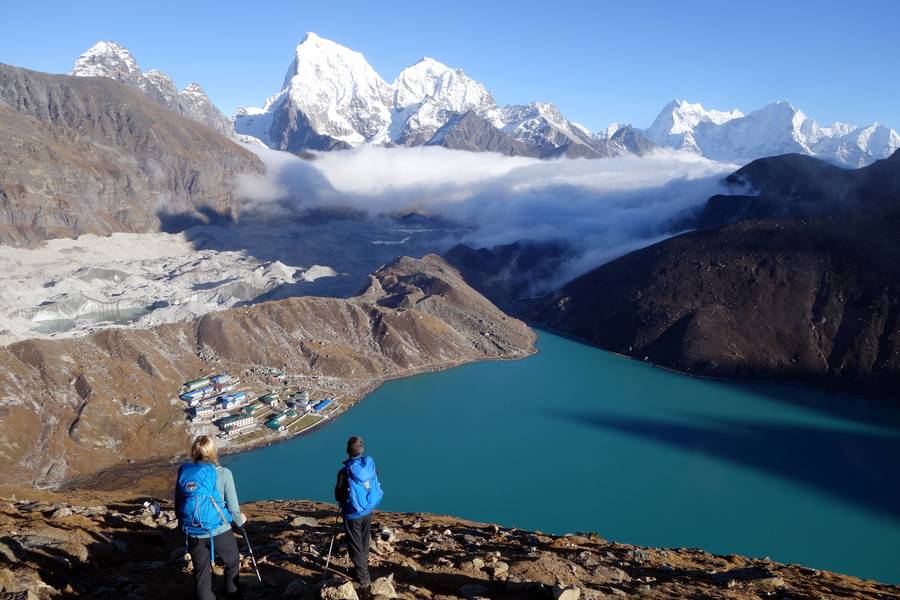
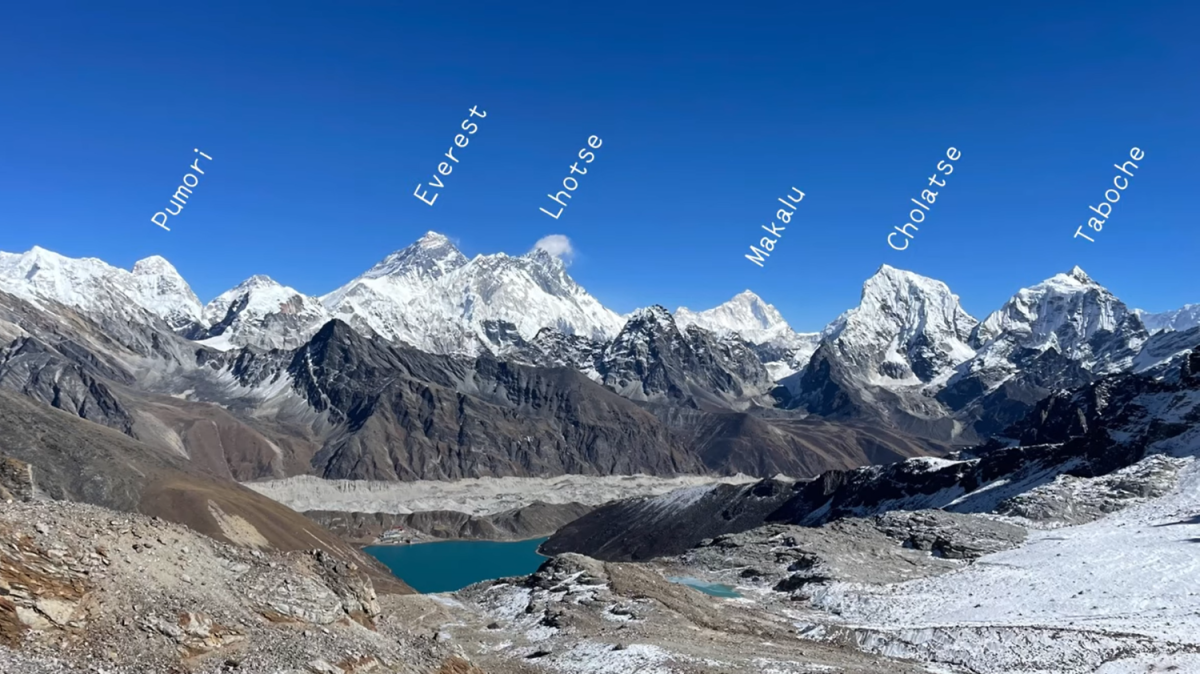
The reward is worth it. Gokyo sits beside the third of six glacial lakes, with Cho Oyu rising behind and the Ngozumpa Glacier, the longest in Nepal, running alongside. Above the village, Gokyo Ri (5,357 m) offers one of the finest Everest panoramas in the country.
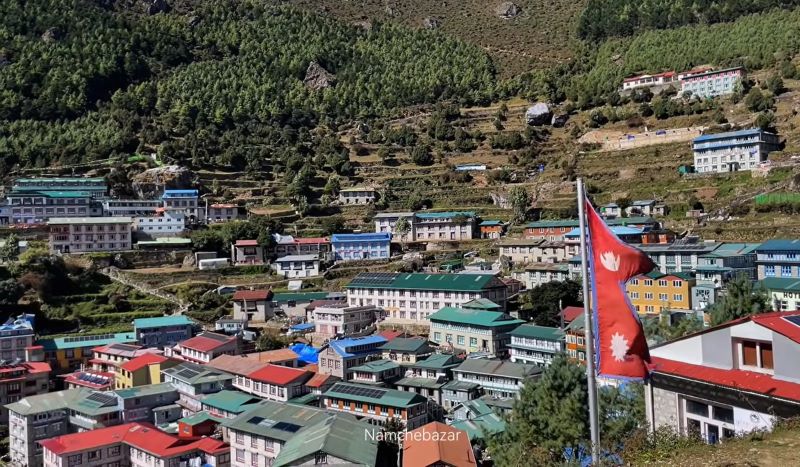
Do not rush out of Namche. If you arrived the day before, spend a full acclimatization day here. Walk up to the Everest View Hotel or the Syangboche ridge, look at the peaks, then come back down to sleep. This “climb high, sleep low” habit is the single best thing you can do for your body on this trek.
Before you go, also sort out the practical jobs. Namche has ATMs (not always reliable), gear shops, bakeries and pharmacies. Withdraw more cash than you think you need, because the trail beyond is cash only and prices rise with every hour of walking.
Leaving Namche Bazaar, the trail climbs stone steps to a high ridge, then settles into a long, gentle traverse above the Dudh Koshi valley. Ama Dablam and Thamserku stand across the gorge on clear mornings, and prayer flags flutter along the path. After Kyangjuma and Sanasa, the Gokyo route splits left and the crowds fade quickly.
The trail then climbs to Mong La, the Mong Danda ridge, where juniper and rhododendron frame wide views of Khumbu’s peaks. From the pass, the path drops steeply through quiet forest toward Phortse Tenga, a riverside spot at roughly 3,680 meters. Many trekkers rest here, enjoy a warm lunch, and listen to the river below.
After crossing the bridge, you climb again through birch and fir forest, where Himalayan pheasants sometimes cross the trail. The forest thins near Dole, a small yak-herding village at about 4,110 meters, with hillside views and a calm evening.
This is a shorter day, and that is deliberate. The trail leaves the treeline and enters open, windswept hillside covered in low shrubs. Yaks graze on the slopes and the Dudh Koshi valley opens ahead of you.
You pass through small settlements such as Luza and Lhafarma, each with a teahouse or two. The climb is gradual but you will feel it, as this is where many people first notice the altitude: a mild headache, slower breathing, a loss of appetite.
Arrive at Machhermo early, drink plenty of water, and rest. The afternoon is a good moment for a short walk up the hill behind the village, which helps your body adapt without exhausting it.
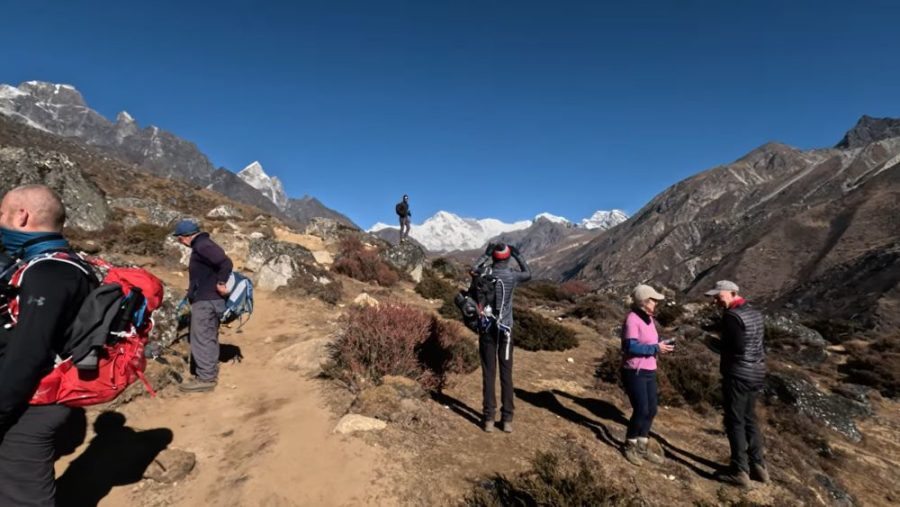
This is the most beautiful day of the walk. The trail climbs the valley wall, then curves along a ridge with the river far below. In the right season, Cho Oyu and Gyachung Kang come into view and stay with you.
At Pangka, the path follows a rocky route beside the Ngozumpa Glacier moraine. You will cross loose stone and short steep sections, so take your time. Then, around a bend, the first lake (Longponga) appears, followed by the second (Taujon), and finally the third, Dudh Pokhari, the lake beside Gokyo village.
You may feel tired, but most trekkers say the sight of the water is a second wind. It certainly changes the mood of the group.
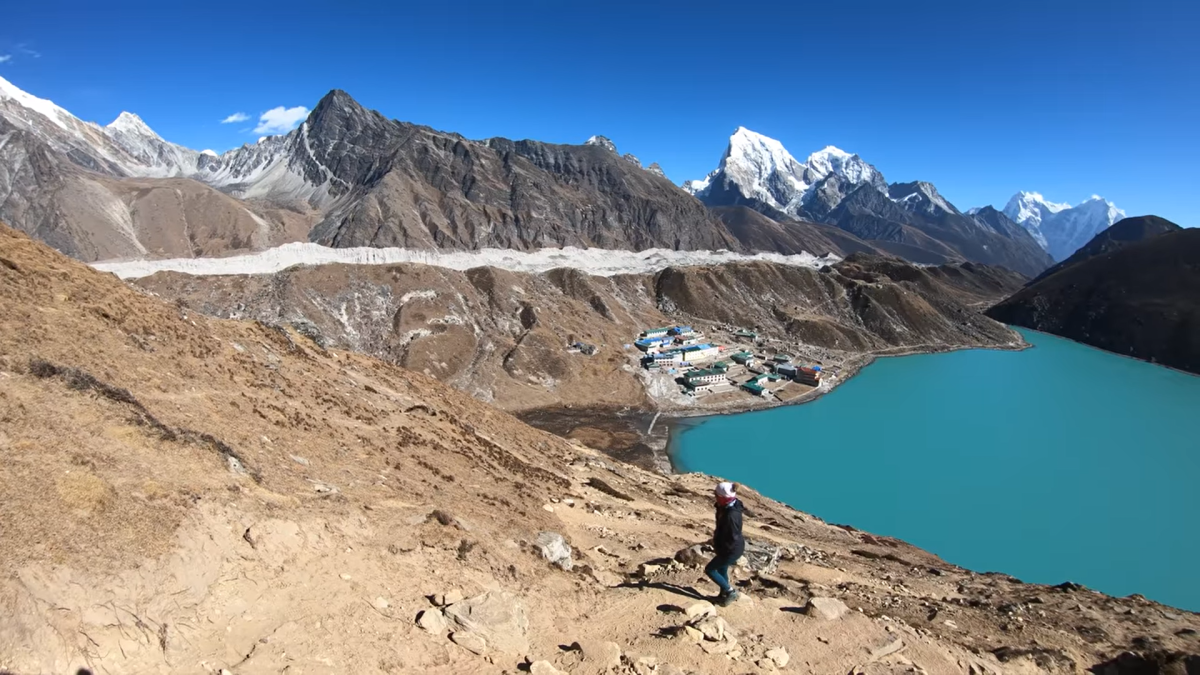
One night in Gokyo is a minimum. Two is better, since it gives you a buffer for weather and time for the best side trips.
Gokyo Ri. Climb it at sunrise if conditions allow. The ascent takes around two to three hours and is steep and cold, but the view at the top is extraordinary. Everest, Lhotse, Makalu and Cho Oyu stand in a row, the glacier curves below, and the lakes catch the first light.
The fourth and fifth lakes. If you have energy, a walk along the glacier’s edge leads to the fourth lake (Thonak Tsho) and the fifth (Ngozumpa Tsho). It is a gentler excursion and the scenery is wild and quiet.
Acclimatize with patience. Do not gain more than about 500 meters of sleeping altitude per day above 3,000 meters. If you feel unwell, rest, or descend. Headache, nausea, dizziness and unusual fatigue are all signs to take seriously.
Drink more than you think. Aim for three to four liters daily. Boiled or treated water is available in teahouses, and purification tablets are a cheap backup.
Pack in layers. Mornings and nights at Gokyo are very cold, even in the main seasons. A warm down jacket, a good sleeping bag, thermal layers, gloves, a hat and sturdy, broken-in boots are essential.
Carry cash, and expect to pay for services. Charging devices, hot showers and Wi-Fi are extra at higher altitudes. Keep small notes for tea breaks and snacks.
Eat steadily, even without appetite. Dal bhat, soup, noodles and potatoes keep your energy up. Garlic soup is a favorite local remedy at altitude.
Keep your pace slow. The best trekkers on this route are not the fastest. They are the ones who walk steadily, take breaks and save energy for the top.
Autumn (late September to November) gives the clearest skies and the most stable weather, which is why it is the most popular season. Spring (March to May) brings warmer days and blooming rhododendrons, although afternoon clouds are more common. Winter is possible but very cold, and the monsoon brings cloud, rain and slippery trails, so it is not recommended.
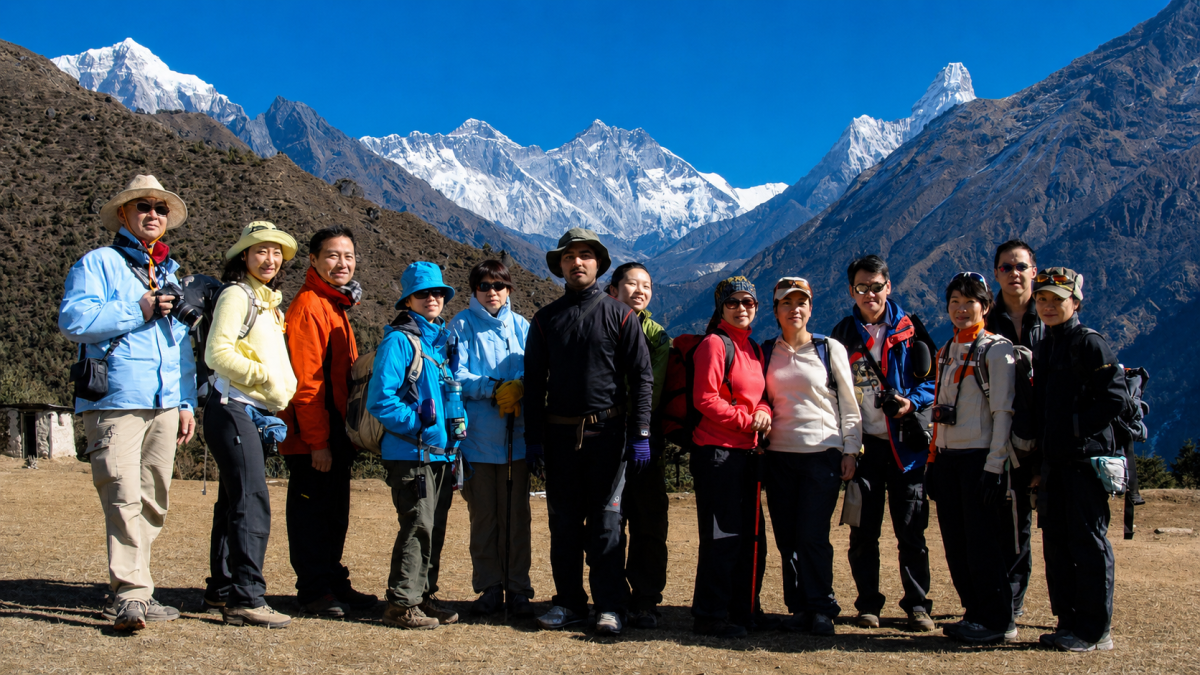
The Namche to Gokyo section is less crowded than the Everest Base Camp trail, which makes it quieter and more rewarding, but also means fewer teahouses and less support if something goes wrong. A local guide helps with pace, route-finding in poor weather and recognizing early signs of altitude sickness.
Safe Holiday Adventure Pvt. Ltd. organizes Gokyo Lake trek with experienced guides, sensible itineraries with proper rest days, and full support for permits, flights, accommodation and transfers. If you would like a trek planned around your schedule and fitness level, our team is happy to help.
The walk from Namche Bazaar to Gokyo is steady, scenic and surprisingly peaceful. Give yourself time, respect the altitude, and the valley rewards you with glacier views, mirror-clear lakes and one of the best mountain panoramas in the Himalaya.
Ready to plan your Gokyo trek? Contact Safe Holiday Adventure Pvt. Ltd. today to build your itinerary.
Nepal is famous for Mount Everest, the Annapurna Himalayas, ancient temples, traditional villages, a
Continue Reading
There is a moment at Annapurna Base Camp when the sun touches the rim of the sanctuary and every pea
Continue Reading
There is a moment on the Annapurna Circuit that every trekker thinks about for days. It happens in t
Continue Reading
Most people walk to Everest Base Camp and then walk back down the same valley. The Three Passes Trek
Continue Reading
There is a moment on every Everest trek when your legs have an opinion. For most people, it arrives
Continue Reading
If you are asking how difficult the Everest Three Passes Trek is, the honest answer is this: it is t
Continue Reading