
13 Jul 2026 26 min to read
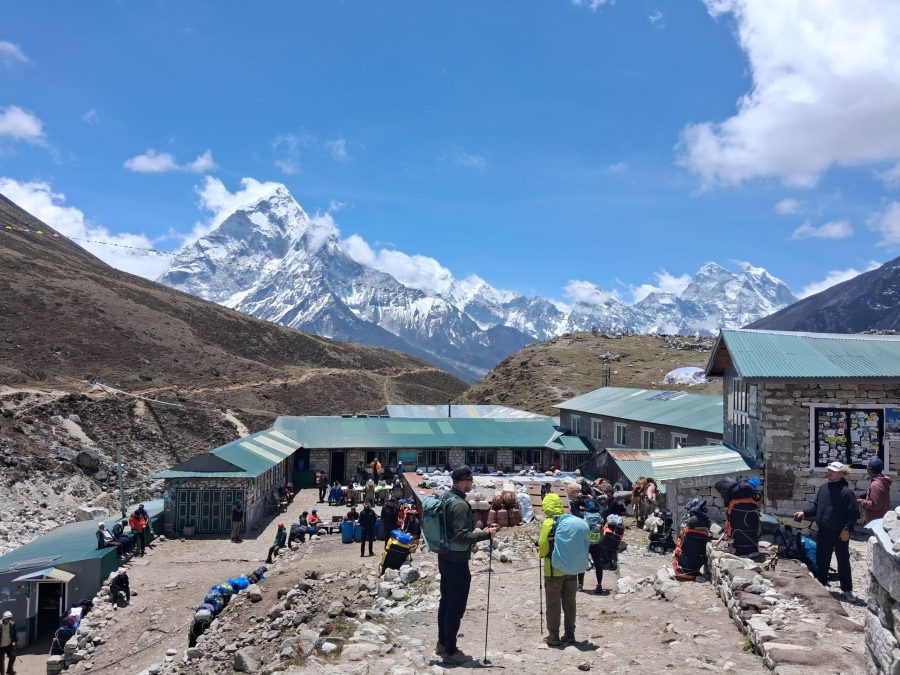
Everest Base Camp Tea Houses are an essential part of the trekking experience, providing comfortable accommodation, freshly prepared meals, and warm Sherpa hospitality throughout the journey. Instead of camping, trekkers stay in family-run tea houses located in every major village, from Lukla to Gorak Shep, making the Everest Base Camp Trek both convenient and enjoyable.
Whether you’re looking for a budget tea house, a comfortable mountain lodge, or a luxury hotel in the lower villages, there are accommodation options to suit every budget and travel style. Facilities vary by altitude, but most tea houses offer clean twin-sharing rooms, hearty meals, hot showers, Wi-Fi, and charging services.
This complete guide to Everest Base Camp Tea Houses covers everything you need to know, including accommodation types, room prices, food, facilities, hot showers, internet access, and practical booking tips. By understanding what to expect before your trek, you can choose the right tea houses and enjoy a comfortable, memorable adventure in the heart of the Himalayas.
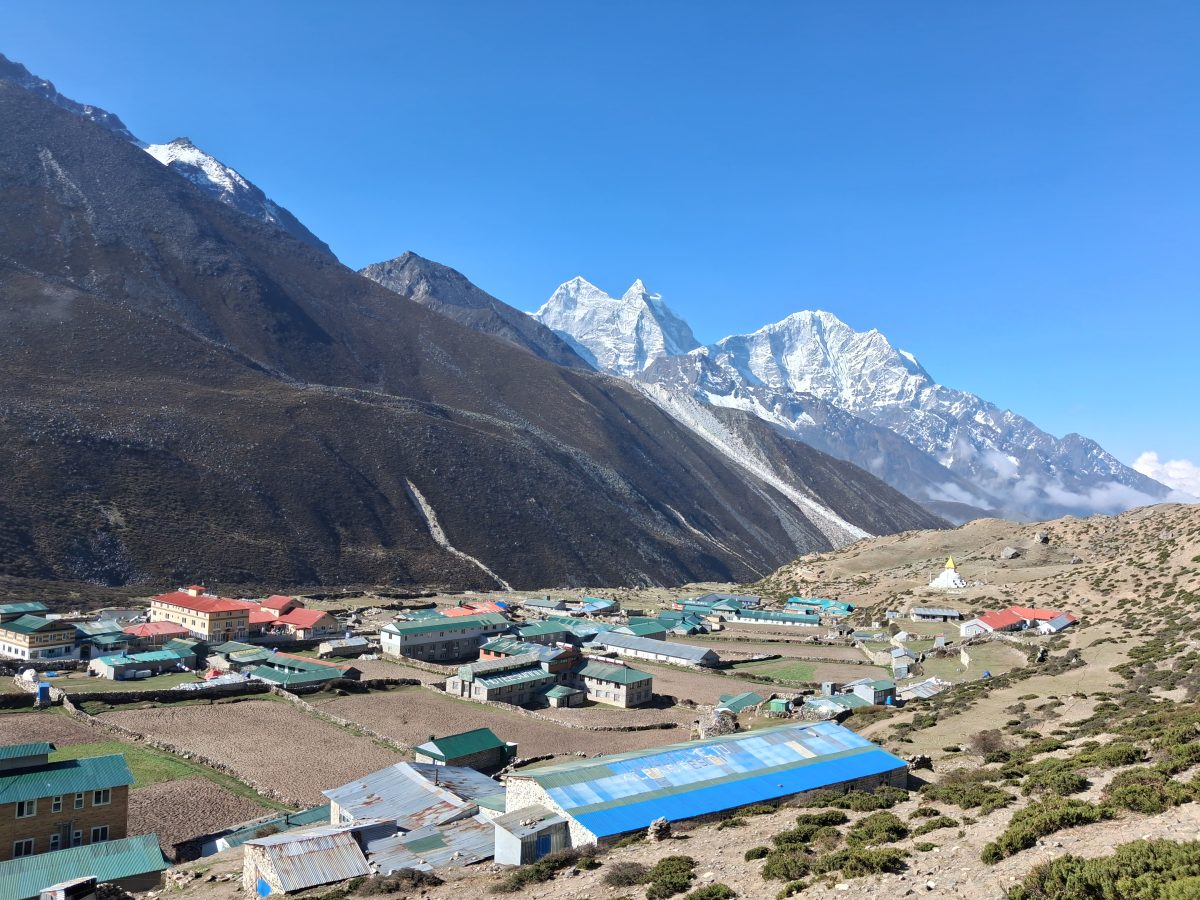
Tea houses are small mountain lodges operated by local Sherpa families and other residents of the Khumbu region. Long before trekking became popular, these lodges welcomed traders and travelers crossing the Himalayan trails. Over the years, they evolved into comfortable guesthouses designed specifically for trekkers visiting Everest.
Today, tea houses are the backbone of tourism in the Everest region. Nearly every village between Lukla and Gorak Shep has several tea houses where trekkers can spend the night, enjoy home-cooked meals, and experience genuine Himalayan hospitality. Staying in these family-run lodges also supports local communities and provides income for residents living in the mountains.
Although many travelers call them “hotels,” most accommodations on the Everest Base Camp Trek are traditional tea houses or mountain lodges. Some premium lodges offer private bathrooms, heated rooms, and modern amenities, but the majority provide simple yet comfortable facilities that suit the rugged mountain environment.
One of the greatest advantages of the Everest Base Camp Trek is that camping is unnecessary. Tea houses are available throughout the route, allowing trekkers to travel with lighter backpacks while enjoying freshly cooked meals and comfortable indoor accommodation every evening.
Camping requires additional equipment, porters, kitchen staff, and camping permits, making the journey significantly more expensive and less practical for most visitors. Tea houses eliminate these challenges by providing comfortable accommodation, delicious meals, and a warm dining hall where trekkers can relax after a long day on the trail.
The dining hall is often the heart of every tea house. Heated by a traditional stove during the evening, it becomes a welcoming gathering place where trekkers from around the world share stories, play cards, charge electronic devices, and prepare for the next day’s trek.
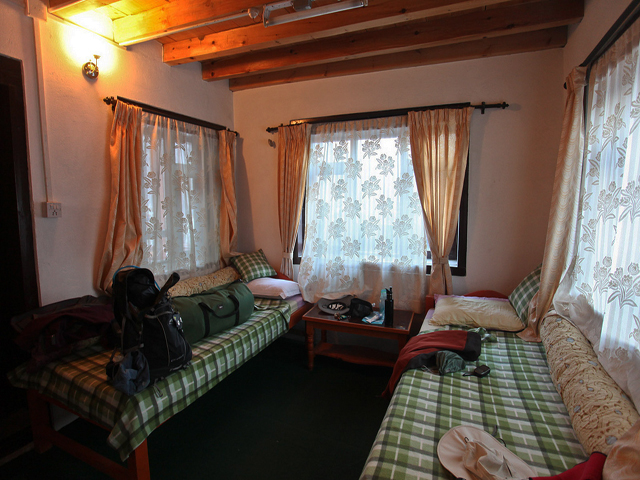
Rooms in Everest tea houses are simple, clean, and functional. Most rooms contain two single beds, foam mattresses, pillows, blankets, and a small table. Wooden walls and basic furnishings are common, reflecting the traditional architecture of the Khumbu region.
Lower-elevation villages such as Lukla, Phakding, and Namche Bazaar offer more modern accommodation. Many lodges feature attached bathrooms, better insulation, larger rooms, and comfortable beds. As the altitude increases, rooms become more basic because transporting building materials and supplies to higher villages is both challenging and expensive.
Heating is generally available only in the communal dining room. Bedrooms are usually unheated, especially above Namche Bazaar. Bringing a high-quality sleeping bag is highly recommended, particularly during the spring, autumn, and winter trekking seasons, when nighttime temperatures can drop well below freezing.
The services offered by tea houses vary depending on the village and altitude. Lower villages generally have better infrastructure and more modern facilities, while higher settlements focus on providing the essentials.
Common facilities include:
As you move toward Lobuche and Gorak Shep, facilities become more limited. Electricity is often supplied through solar panels, making charging services more expensive. Wi-Fi speeds also decrease due to the remote location.
The Everest Base Camp Trek follows a well-established trail through several picturesque Sherpa villages. Every overnight stop has tea houses offering different levels of comfort, facilities, and prices.
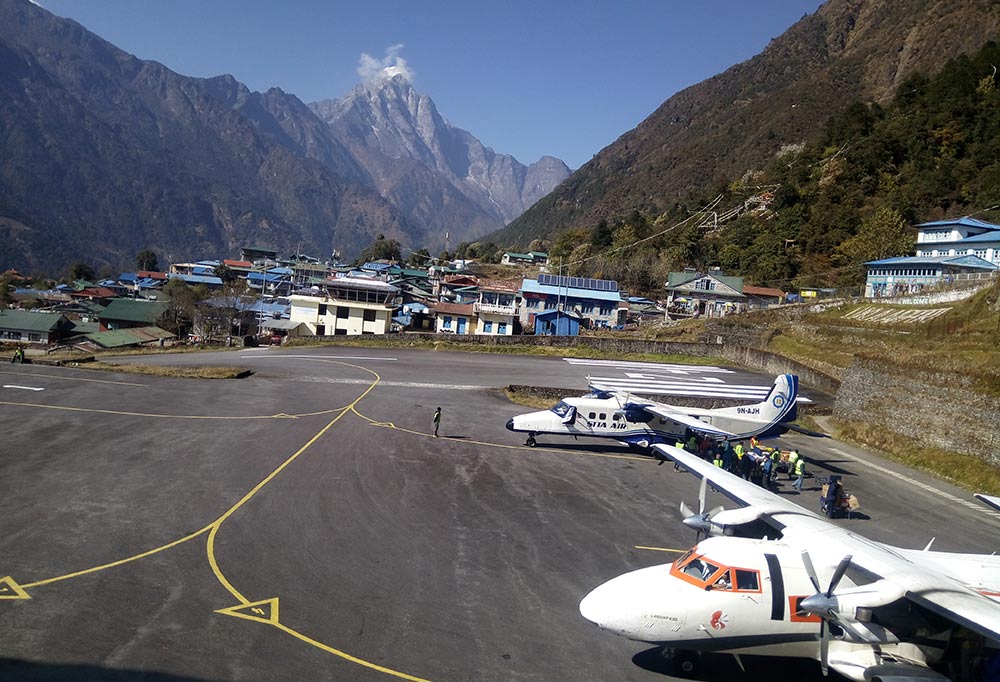
Lukla (2,860 m) is the gateway to the Everest Base Camp Trek and offers some of the best tea houses and mountain lodges along the entire route. As the main entry point to the Khumbu region, Lukla has more accommodation choices than most trekking villages, ranging from budget tea houses to comfortable lodges and luxury mountain hotels.
Most tea houses in Lukla provide clean twin-sharing rooms with comfortable mattresses, pillows, blankets, a bedside table, and charging sockets. Many mid-range and luxury lodges also feature attached bathrooms, 24-hour hot showers, Western-style toilets, heated dining rooms, and free or paid Wi-Fi, making Lukla one of the most comfortable overnight stops on the Everest Base Camp Trek.
Since Lukla receives daily flights from Kathmandu during the trekking season, supplies are more readily available than in higher villages. As a result, tea houses offer larger food menus, including Dal Bhat, momos, pizza, pasta, fried rice, noodles, soups, sandwiches, bakery items, coffee, and a variety of hot drinks. Several lodges also have bakeries and cafés serving fresh pastries and espresso coffee.
Accommodation in Lukla generally falls into three categories:
Because Lukla is both the starting and finishing point of the Everest Base Camp Trek, many trekkers spend a night here before beginning their adventure or after returning from Gorak Shep. The combination of comfortable accommodation, reliable facilities, and welcoming Sherpa hospitality makes Lukla one of the best places to relax before or after trekking through the Himalayas.
Located at an altitude of 2,610 meters (8,563 feet), Phakding is the first overnight stop for most trekkers on the Everest Base Camp Trek. The village offers a wide selection of family-run tea houses, comfortable mountain lodges, and a few upgraded guesthouses, making it one of the most comfortable places to stay along the trail. Most tea houses provide clean twin-sharing rooms, hot showers, Wi-Fi, charging facilities, and freshly prepared meals. Accommodation ranges from budget tea houses (USD 8–15) to moderate lodges (USD 15–30), while a few premium lodges offer additional comfort and private bathrooms for travelers seeking a more relaxing stay.
Located at 3,440 meters (11,286 feet), Namche Bazaar is the largest Sherpa town and the most comfortable overnight stop on the Everest Base Camp Trek. As the main acclimatization destination, most trekkers spend two nights here, enjoying a wide variety of accommodation options. From budget tea houses and comfortable mountain lodges to luxury hotels, Namche offers something for every traveler and budget.
Tea houses at Namche Bazaar provide clean twin-sharing rooms, attached bathrooms in many lodges, hot showers, Wi-Fi, charging facilities, and heated dining halls. You’ll also find bakeries, cafés, restaurants, gear shops, pharmacies, and banks, making Namche the perfect place to relax, recover, and prepare for the higher sections of the Everest trail.
Nestled beneath the magnificent Ama Dablam and home to the famous Tengboche Monastery, Tengboche (3,860 meters) offers one of the most peaceful and scenic overnight experiences on the Everest Base Camp Trek. Although accommodation choices are fewer than in Namche Bazaar, the warm hospitality and breathtaking surroundings make every stay unforgettable.
Most tea houses at Tengboche feature comfortable twin rooms, shared bathrooms, hearty home-cooked meals, and cozy dining halls warmed by traditional stoves. Waking up to panoramic views of Everest, Lhotse, Nuptse, and Ama Dablam makes this village a favorite among trekkers seeking an authentic Himalayan experience.
At 4,410 meters (14,469 feet), Dingboche is the final village where trekkers can still enjoy relatively comfortable accommodation before entering the higher alpine region. As the second acclimatization stop, the village offers an excellent selection of tea houses and mountain lodges, allowing trekkers to rest and adapt to the increasing altitude.
Tea houses at Dingboche provide clean twin-sharing rooms, warm blankets, heated dining halls, hot showers, Wi-Fi, and charging facilities for an additional cost. Some upgraded lodges even offer private bathrooms, making Dingboche one of the most comfortable places to stay before continuing toward Lobuche and Everest Base Camp.
Situated at 4,940 meters (16,207 feet), Lobuche is the last major overnight stop before reaching Gorak Shep and Everest Base Camp. While accommodation becomes more basic at this altitude, the welcoming atmosphere of the local tea houses provides much-needed comfort after a challenging day of trekking.
Tea houses at Lobuche offer simple twin-sharing rooms, shared bathrooms, warm blankets, and heated dining rooms where trekkers gather for freshly prepared meals. Although luxury facilities are unavailable, the friendly service, warm food, and incredible mountain surroundings create a memorable Himalayan experience.
At 5,164 meters (16,942 feet), Gorak Shep is the final overnight destination before visiting Everest Base Camp and climbing Kala Patthar. Because of its remote location and extreme altitude, only a handful of traditional tea houses operate here, offering basic yet comfortable accommodation for trekkers.
Tea houses at Gorak Shep provide twin-sharing rooms, warm blankets, shared bathrooms, and freshly prepared meals. Heated dining halls offer a cozy place to relax before the exciting journey to Everest Base Camp. Although facilities are simple, spending a night at Gorak Shep is a once-in-a-lifetime experience that brings trekkers closer than ever to the world’s highest mountain.
Accommodation quality varies considerably throughout the Everest region. While traditional tea houses remain the most common choice, several premium mountain lodges offer higher levels of comfort, modern facilities, and quality services for travelers seeking additional amenities.
In Lukla and Namche Bazaar, trekkers can choose from upscale mountain lodges featuring attached bathrooms, comfortable bedding, excellent restaurants, and professional hospitality. These lodges are ideal for travelers who prefer extra comfort during the early stages of the trek.
Family-run tea houses remain the most authentic accommodation option along the Everest Base Camp Trek. Owners often welcome guests personally, prepare fresh homemade meals, and share stories about life in the Himalayas. For many trekkers, this warm Sherpa hospitality becomes one of the most memorable parts of the entire journey.
Above Dingboche, accommodation becomes increasingly basic due to the high altitude and remote mountain environment. Although luxury lodges are no longer available, the traditional tea houses in Lobuche and Gorak Shep remain clean, comfortable, and well maintained, providing trekkers with a warm place to rest before reaching Everest Base Camp.
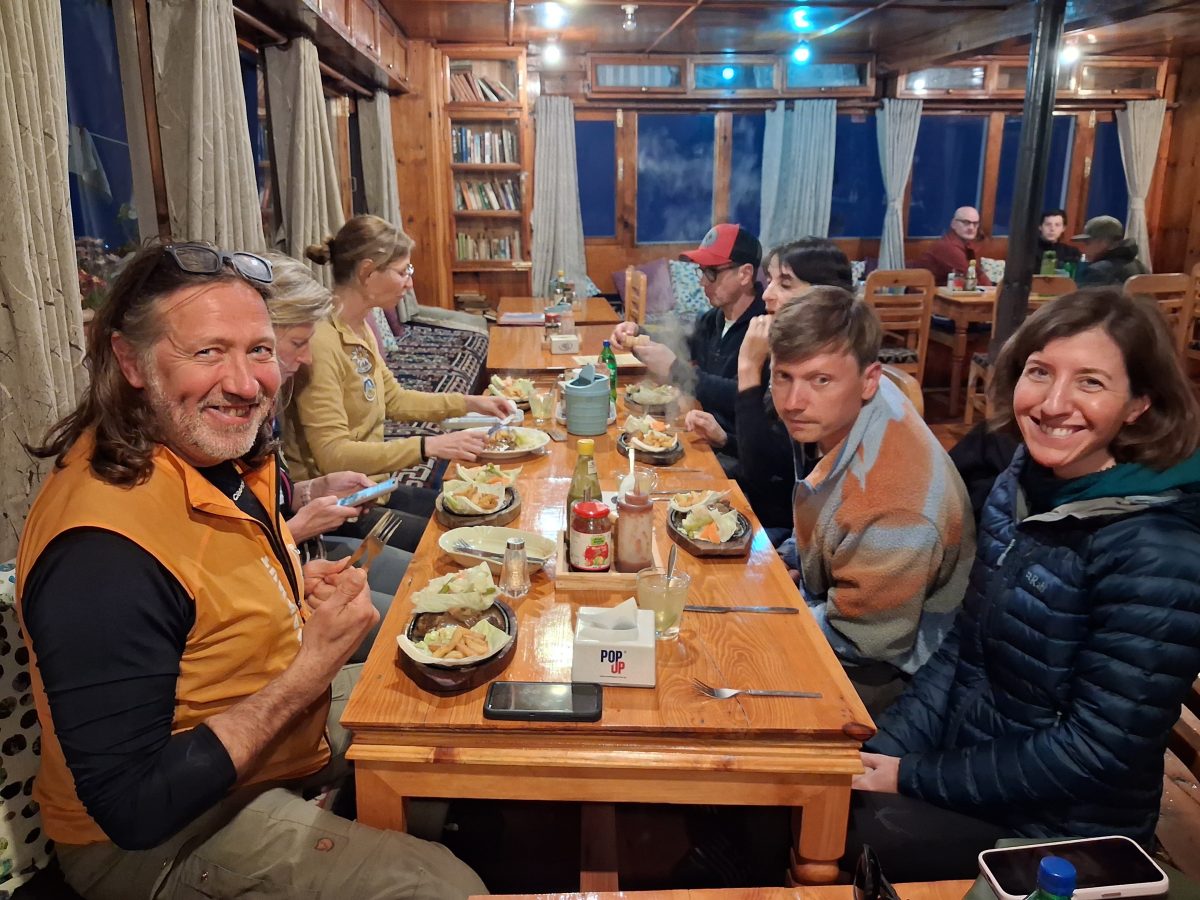
One of the biggest surprises for first-time trekkers is the variety of food available along the Everest Base Camp Trek. Tea house menus include both traditional Nepali dishes and international favorites, ensuring there is something for every appetite.
Dal Bhat remains the most popular meal among trekkers. This traditional Nepali dish consists of rice, lentil soup, seasonal vegetables, pickles, and sometimes curry. Many tea houses offer free refills, making it one of the most filling and economical meals available.
Other common dishes include fried rice, vegetable noodles, pasta, spaghetti, macaroni, pizza, momos, chow mein, spring rolls, garlic soup, tomato soup, potato dishes, and fried eggs. Breakfast menus often feature porridge, pancakes, toast, muesli, Tibetan bread, omelets, and boiled eggs.
Hot drinks are available throughout the trek. Black tea, ginger tea, coffee, and hot chocolate are especially popular in the colder villages. Many trekkers also enjoy apple pie and homemade desserts, particularly in Namche Bazaar.
As altitude increases, food prices gradually rise because every ingredient must be transported by porters, yaks, or helicopters. While meals become more expensive at higher elevations, they remain an essential source of energy for the demanding trek.
Tea houses offer a range of facilities that make the Everest Base Camp Trek far more comfortable than many people expect. However, services vary depending on altitude and village size.
Most tea houses along the Everest Base Camp Trek offer hot showers for an additional USD 7–8 per person. Since water is heated using gas or solar systems and fuel must be transported into the mountains, shower facilities are charged separately from the room rate. A hot shower is a welcome comfort after a long day of trekking.
From Lukla to Namche Bazaar, many moderate and premium lodges offer rooms with attached bathrooms. By paying around USD 8–10 more than a standard tea house room, you can often enjoy a private toilet, while the hot shower is usually included or available within the attached bathroom. These upgraded rooms provide extra comfort before reaching higher elevations.
Above Namche Bazaar, attached bathrooms become less common, although some lodges in Tengboche and Dingboche still offer a limited number of upgraded rooms. Due to the high altitude and limited infrastructure, availability is restricted, especially during the peak trekking seasons.
In the final two settlements, Lobuche and Gorak Shep, accommodation is much more basic. Rooms with private hot showers are generally not available because of the extreme cold and limited facilities. A few tea houses may offer private toilets in selected rooms for an additional charge, but hot showers remain a separate paid service and may not always be available depending on the weather and water supply.
Wi-Fi is available throughout most of the Everest Base Camp Trek, but the service and cost vary depending on the location. In Lukla, Phakding, and many tea houses in Namche Bazaar, guests often receive free Wi-Fi when staying overnight or dining at the lodge. The connection is usually sufficient for messaging, checking emails, and browsing the internet, although speeds can vary.
Above Namche Bazaar, internet access is generally paid. Most tea houses sell Everest Link Wi-Fi cards, which can be used at participating lodges along the trekking route. Simply scratch the card, enter the access code, and connect your device. These prepaid cards are typically valid for 24 hours and are available in different data packages, allowing trekkers to choose the option that best suits their needs.
Another convenient option is to use a local Nepali SIM card, such as NCELL or NTC (Nepal Telecom). Both networks provide mobile data coverage in many parts of the Everest region, although the signal may come and go depending on your location and weather conditions. Mobile internet is often a good alternative to lodge Wi-Fi, especially in the lower villages.
Interestingly, NCELL coverage reaches surprisingly high elevations. In many areas—including Everest Base Camp, when conditions are favorable—you may still be able to make phone calls, send messages, or access mobile data. While the signal is not guaranteed everywhere, carrying a local SIM card is highly recommended as it offers another way to stay connected with family and friends during your trek.
Electricity is available throughout most of the trekking route. Tea houses commonly charge a small fee for charging phones, cameras, watches, and power banks. Carrying a fully charged power bank helps reduce these costs.
Trekkers can purchase bottled water or refill reusable bottles with boiled drinking water provided by tea houses. Using a reusable bottle with water purification tablets or a portable filter is both environmentally friendly and cost-effective.
Laundry facilities are available mainly in Lukla and Namche Bazaar. At higher elevations, cold temperatures make washing and drying clothes much more difficult, so most trekkers carry enough clothing for the duration of the trek.
One of the advantages of the Everest Base Camp Trek is the wide range of accommodation available for different budgets. Whether you are a backpacker looking for an affordable room or a traveler seeking extra comfort, you’ll find suitable tea houses and mountain lodges throughout most of the trekking route. Accommodation prices generally increase with altitude because building materials, food supplies, and daily necessities must be transported by porters, yaks, or helicopters.
Tea houses along the Everest Base Camp route can generally be divided into three accommodation categories: budget tea houses, moderate mountain lodges, and luxury lodges. Each category offers a different level of comfort, facilities, and services, allowing trekkers to choose accommodation that matches their budget and travel style.
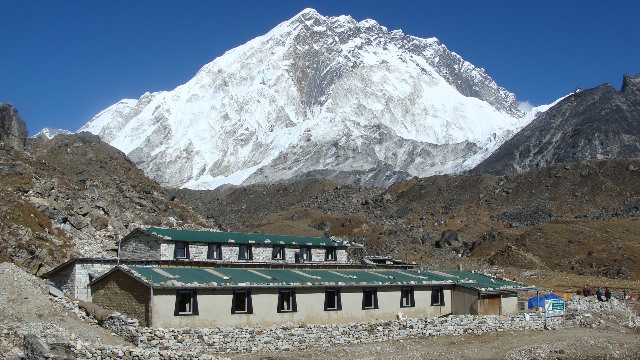
Budget tea houses are the most common type of accommodation on the Everest Base Camp Trek. These family-run lodges provide clean and comfortable twin-sharing rooms with two single beds, mattresses, pillows, blankets, and a small table. Bathrooms are usually shared, while hot showers, Wi-Fi, and charging electronic devices are available for an additional fee.
Although the rooms are simple, they provide everything needed for a comfortable night’s rest after a full day of trekking. Dining halls are heated during the evening, creating a warm and social atmosphere where trekkers gather to enjoy dinner and share stories from the trail.
Budget tea houses are available in every village along the Everest Base Camp Trek, including Lukla, Phakding, Namche Bazaar, Tengboche, Dingboche, Lobuche, and Gorak Shep. Prices typically range from USD 8 to USD 15 per twin-sharing room, depending on the season and location.
Trekkers looking for additional comfort often choose moderate tea houses or upgraded mountain lodges. These accommodations offer better-maintained rooms, cleaner bathrooms, improved bedding, and more spacious dining areas. Some lodges also feature attached bathrooms, larger bedrooms, reliable electricity, and better insulation.
Moderate lodges are especially popular among couples, families, and travelers who want a little more comfort without paying luxury prices. The quality of food is often excellent, with extensive menus offering both Nepali and international dishes.
Most moderate lodges are found in Lukla, Phakding, Namche Bazaar, Tengboche, and Dingboche. Depending on the season and available facilities, prices generally range between USD 15 and USD 30 per room per night.
For travelers seeking maximum comfort in the Himalayas, several luxury mountain lodges provide premium accommodation along the lower section of the Everest Base Camp Trek. These properties combine modern comfort with traditional Sherpa hospitality, making them an excellent choice for trekkers who prefer high-quality services during their adventure.
Luxury lodges often feature spacious rooms, private bathrooms with hot showers, premium mattresses, quality bedding, heated dining areas, stylish lounges, Wi-Fi, excellent restaurants, and professional hospitality. Some even offer espresso coffee, bakeries, landscaped gardens, and spectacular mountain-view rooms.
Luxury accommodation is primarily available in Lukla, Phakding, Monjo, Namche Bazaar, Pangboche, and Dingboche. Room rates generally range from USD 30 to USD 120 per night, depending on the lodge, room category, season, and included services.
Beyond Dingboche, accommodation options become much simpler due to the harsh mountain environment and limited infrastructure. The villages of Lobuche and Gorak Shep do not have luxury hotels. Instead, trekkers stay in traditional tea houses that provide basic but comfortable facilities.
Rooms at these higher elevations typically include twin beds, mattresses, pillows, blankets, and shared bathrooms. Heating is usually available only in the communal dining room, while additional services such as Wi-Fi, charging devices, and hot showers may be limited or available for an extra charge.
Although the facilities are more basic than those found in lower villages, these tea houses provide a warm, welcoming atmosphere and everything necessary for a safe overnight stay before visiting Everest Base Camp and Kala Patthar.
Accommodation and meal prices gradually rise as you climb higher into the Everest region. Every building material, food item, cooking gas cylinder, blanket, and household supply must be transported from Lukla by porters, pack animals, or helicopters. These transportation costs significantly increase operating expenses for tea house owners.
In many cases, room prices remain relatively affordable because tea houses earn much of their income from food and beverages purchased by overnight guests. For this reason, trekkers are generally expected to have dinner and breakfast at the same tea house where they stay.
| Accommodation Type | Average Price (Per Room) | Available Villages |
|---|---|---|
| Budget Tea House | USD 8–15 | Available throughout the entire Everest Base Camp Trek, including Gorak Shep. |
| Moderate Tea House / Mountain Lodge | USD 15–30 | Common from Lukla to Dingboche. |
| Luxury Lodge / Premium Mountain Hotel | USD 30–120 | Available mainly from Lukla to Dingboche; not available in Lobuche or Gorak Shep. |
No matter your budget, tea houses remain one of the highlights of the Everest Base Camp Trek. From simple family-run lodges to premium mountain hotels, each accommodation offers a unique opportunity to experience the warm hospitality, rich Sherpa culture, and breathtaking beauty of the Himalayas.
Before starting the Everest Base Camp Trek, every trekker must obtain the required permits. These permits help protect the fragile Himalayan environment while supporting conservation projects and local community development in the Khumbu region.
The first permit is the Khumbu Pasang Lhamu Rural Municipality Permit, which is purchased at the entrance checkpoint in Monjo or Lukla. This permit replaced the former TIMS card for trekkers entering the Everest region.
The second required permit is the Sagarmatha National Park Entry Permit. Since most of the trekking route passes through the national park, every visitor must carry this permit throughout the journey. Rangers may check permits at several locations along the trail.
Permit fees can change over time, so it is always wise to confirm the latest prices before traveling. If you book your trek through a local trekking company, the agency usually arranges all permits on your behalf, saving time and ensuring everything is completed correctly.
Booking tea houses in advance depends on the season you plan to trek. During spring (March to May) and autumn (September to November), the Everest Base Camp trail is at its busiest. Thousands of trekkers visit during these months, and popular tea houses can become fully booked by late afternoon.
If you are trekking with an experienced guide or a trekking company, accommodation is normally reserved before you arrive at each village. This gives you peace of mind and avoids searching for rooms after a long day of hiking.
Independent trekkers often book accommodation as they walk. Outside the peak seasons, this usually works well because there are enough tea houses in most villages. However, during busy months, arriving early in the afternoon improves your chances of finding a comfortable room.
The villages of Namche Bazaar, Dingboche, Lobuche, and Gorak Shep are particularly busy during peak trekking seasons. Reserving your accommodation in advance or trekking with a guide can make your journey much smoother.
The Everest region offers accommodation for every budget. While most trekkers stay in traditional tea houses, a few premium mountain lodges provide a more luxurious trekking experience.
Luxury lodges typically feature larger rooms, private bathrooms, high-quality bedding, better insulation, comfortable lounges, and a wider selection of meals. Some also include bakeries, espresso coffee, and beautifully designed dining areas with mountain views.
Traditional tea houses focus on providing simple accommodation and genuine Sherpa hospitality. Rooms are basic, bathrooms are often shared, and facilities become simpler at higher elevations. However, they offer a warm atmosphere and a chance to experience local mountain life.
For many trekkers, staying in family-operated tea houses is one of the most memorable parts of the Everest Base Camp Trek. Friendly conversations with local hosts and fellow hikers often create lifelong memories that luxury accommodation cannot replace.
A little preparation can make your stay in Everest tea houses much more comfortable. Packing wisely and understanding local customs helps ensure an enjoyable trekking experience.
Carry enough cash before leaving Kathmandu, as ATM services are very limited beyond Namche Bazaar. Most tea houses accept only cash payments, and prices increase with altitude because supplies are transported by porters, yaks, and helicopters.
Bring a warm sleeping bag even though tea houses provide blankets. Nights above Dingboche can become extremely cold, especially during spring, autumn, and winter.
Pack a power bank to reduce charging costs and ensure your electronic devices remain powered throughout the trek. Charging services are available but usually require an additional payment.
Use a reusable water bottle together with purification tablets or a portable water filter. This saves money while reducing plastic waste in the Everest region.
Remove muddy boots before entering bedrooms and follow the instructions of your hosts. Respecting local customs and treating tea house owners kindly contributes to the welcoming atmosphere that makes trekking in the Khumbu so special.
Tea houses along the Everest Base Camp Trek are considered safe for international visitors. Local families have welcomed trekkers for decades, and hospitality is an important part of Sherpa culture.
Rooms usually have locks or simple latches, but it is always sensible to keep valuables such as passports, cash, cameras, and electronics with you or securely stored in your backpack.
The greatest challenges during the trek are not related to accommodation but to altitude and weather. Following a proper acclimatization schedule, drinking plenty of water, and trekking at a steady pace greatly improve your chances of having a safe and enjoyable journey.
Trekkers stay in tea houses and mountain lodges located in villages such as Lukla, Phakding, Namche Bazaar, Tengboche, Dingboche, Lobuche, and Gorak Shep. Camping is not required for the standard Everest Base Camp Trek.
Booking is recommended during spring (March–May) and autumn (September–November). In the off-season, many trekkers can find rooms without advance reservations.
Budget tea houses cost USD 8–15, moderate lodges USD 15–30, and luxury lodges USD 30–120 per night. Luxury accommodation is mainly available from Lukla to Dingboche.
No. Luxury lodges are available mainly between Lukla and Dingboche. Above Dingboche, including Lobuche and Gorak Shep, accommodation is limited to basic tea houses.
Most tea houses offer twin rooms, blankets, meals, shared or private bathrooms, hot showers, Wi-Fi, charging facilities, and heated dining rooms. Facilities become simpler at higher elevations.
Yes. Private rooms are common in lower villages like Lukla and Namche Bazaar. At higher elevations, twin-sharing rooms are more common, especially during peak season.
Some moderate and luxury lodges offer attached bathrooms in lower villages. Most tea houses above Namche Bazaar have shared bathroom facilities.
Yes. Tea houses provide blankets and pillows, but bringing a warm sleeping bag is recommended for cold nights at higher elevations.
Bedrooms are usually unheated. A stove is typically used only in the communal dining room during the evening.
Yes. Wi-Fi is available in most villages for an additional fee, although speeds may be slower at higher altitudes.
Yes. Most tea houses provide charging facilities for a small fee. Carrying a power bank is also recommended.
Yes. Hot showers are available in many villages for an extra charge. They may be limited in the highest settlements.
Usually not. Room rates generally include accommodation only, and guests are expected to buy meals at the same tea house.
Tea houses serve dal bhat, noodles, fried rice, pasta, momos, soups, potatoes, pancakes, eggs, tea, coffee, and other simple meals.
Yes. Vegetarian dishes are widely available throughout the Everest Base Camp Trek, with plenty of healthy meal options.
Yes. Tea houses are generally safe, welcoming, and popular with solo trekkers from around the world.
Yes. Independent trekkers can stay in tea houses as long as they meet current trekking permit and guide regulations.
Food and supplies must be transported by porters, yaks, or helicopters, increasing operating costs at higher elevations.
Yes. Most tea houses have electricity or solar power, but charging electronic devices usually costs extra.
Bring a sleeping bag, power bank, cash, reusable water bottle, warm clothing, toiletries, and a headlamp for a more comfortable stay.
Tea houses are much more than places to sleep—they are an essential part of the Everest Base Camp Trek experience. Every lodge offers an opportunity to meet fellow trekkers, enjoy authentic Sherpa hospitality, and experience daily life in one of the world’s most spectacular mountain regions.
From the comfortable lodges of Lukla and Namche Bazaar to the simple mountain tea houses of Lobuche and Gorak Shep, each overnight stay adds a unique chapter to your Himalayan adventure. While facilities become more basic with altitude, the warmth of the local people and the breathtaking scenery more than compensate for the lack of luxury.
Whether you are a first-time trekker or returning to the Khumbu for another adventure, understanding how tea houses operate will help you prepare with confidence. By choosing the right accommodation, packing wisely, and respecting local traditions, you’ll enjoy a memorable journey to the foot of the world’s highest mountain.
The Everest Base Camp Trek is not only about reaching the destination—it is about the people you meet, the villages you pass through, and the welcoming tea houses that become your home in the Himalayas. With proper planning and realistic expectations, your stay in these mountain lodges will be one of the most rewarding parts of the entire adventure.
Nepal is famous for Mount Everest, the Annapurna Himalayas, ancient temples, traditional villages, a
Continue Reading
There is a moment at Annapurna Base Camp when the sun touches the rim of the sanctuary and every pea
Continue Reading
There is a moment on the Annapurna Circuit that every trekker thinks about for days. It happens in t
Continue Reading
Most people walk to Everest Base Camp and then walk back down the same valley. The Three Passes Trek
Continue Reading
There is a moment on every Everest trek when your legs have an opinion. For most people, it arrives
Continue Reading
If you are asking how difficult the Everest Three Passes Trek is, the honest answer is this: it is t
Continue Reading