
Ama Dablam Base Camp Trek Key Highlights Highlights
- Lukla Flight Start – Begin the adventure with a scenic and thrilling flight to Lukla, the gateway to the Everest region.
- Trail to Phakding – A gentle first walk along rivers, small villages, and suspension bridges, helping you gradually adjust to the trekking rhythm.
- Namche Bazaar Acclimatization – Reach Namche Bazaar, the vibrant Sherpa hub, where you rest, explore local markets, and acclimatize to altitude.
- Hike to Tengboche – Trek through forests and ridgelines to Tengboche Monastery, known for its spiritual atmosphere and mountain views.
- Pangboche Village Experience – Continue to one of the oldest Sherpa settlements, offering cultural insight and closer views of Ama Dablam.
- Approach to Base Camp Area – Move into higher alpine terrain with fewer settlements, surrounded by rugged landscapes and glaciers.
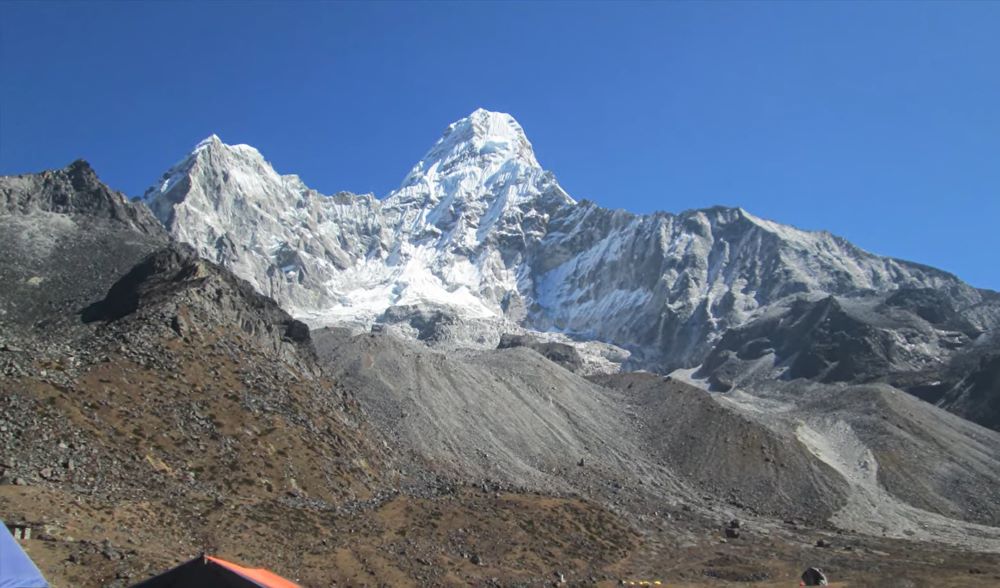
- Ama Dablam Base Camp Arrival – Reach Ama Dablam Base Camp and enjoy close-up views of the iconic peak in a dramatic high-altitude setting.
- Close Mountain Encounters – Experience surrounding giants like Everest, Lhotse, and Nuptse from different viewpoints along the route.
- Sagarmatha National Park Journey – Trek through Sagarmatha National Park, rich in biodiversity, alpine forests, and protected Himalayan ecosystems.
- Return with Changing Perspectives – Descend back through familiar trails with a new appreciation of the landscapes, culture, and altitude gained during the trek.
Route Overview Overview
The Ama Dablam Base Camp Trek is part of the Everest region trekking route, located just next to the world-famous Everest Base Camp trail. While Everest Base Camp often takes the spotlight, the route to Ama Dablam Base Camp offers equally spectacular views, fewer crowds, and a deeper cultural experience in a shorter time frame. This trek, organized by Safe Holiday Adventure, is ideal for those who want to explore the breathtaking Himalayan landscape and Sherpa culture without going all the way to Everest Base Camp ( 5,364m).
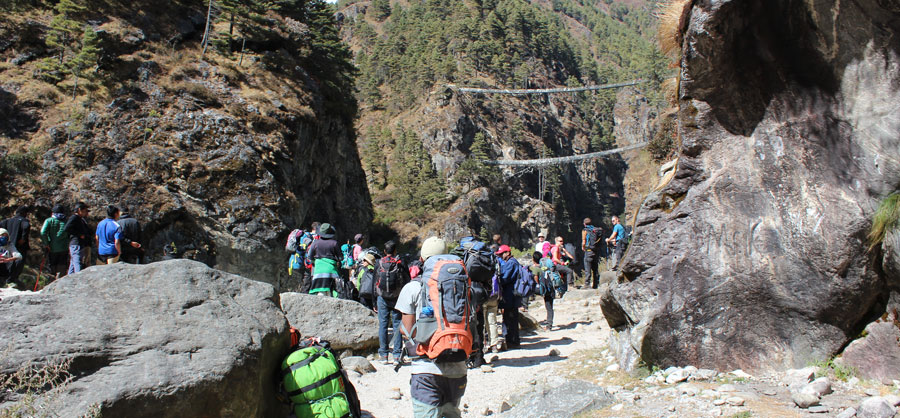
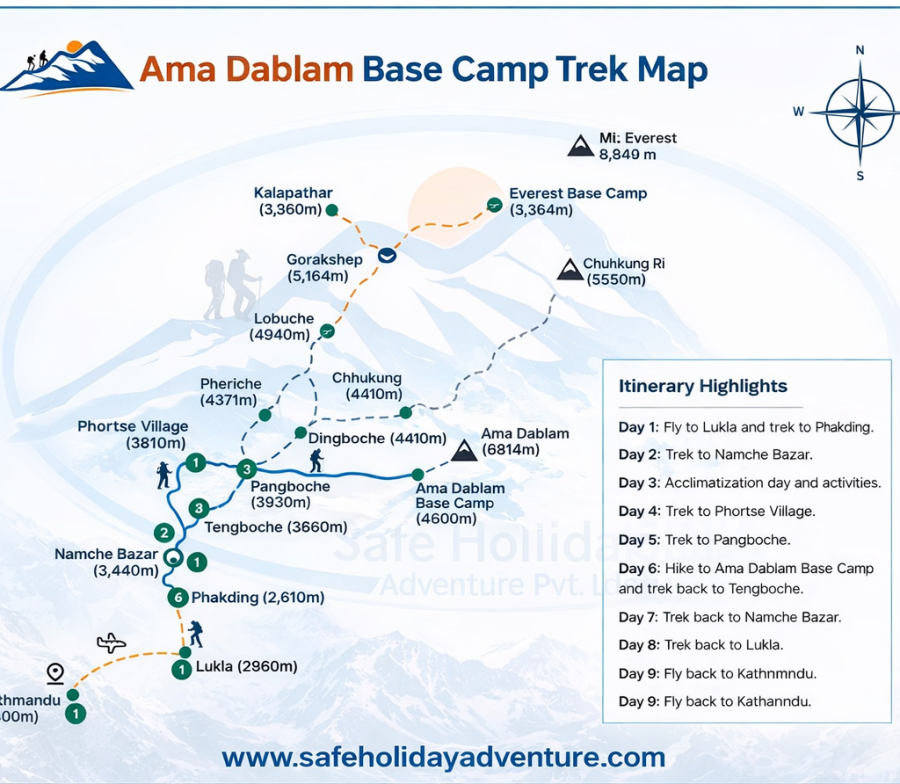
Your adventure begins with a thrilling 30-minute mountain flight from Kathmandu to Lukla (2,860 m). From here, the trail follows the classic Everest route along the Dudh Koshi River, passing through picturesque Sherpa villages like Phakding and Monjo, eventually entering Sagarmatha National Park – a UNESCO World Heritage Site. The trail gradually ascends through lush rhododendron and pine forests, crossing high suspension bridges before reaching Namche Bazaar (3,440 m), the vibrant gateway to the Khumbu region.
After a rest and acclimatization day in Namche, the trail branches off from the busy EBC route towards Pangboche (3,930 m) — the oldest permanent Sherpa settlement in the region. Here, you’ll visit a historic monastery believed to house a relic of a yeti scalp and get your first close-up views of Ama Dablam, known for its steep ridges and sharp summit that resembles a mother’s outstretched arms.
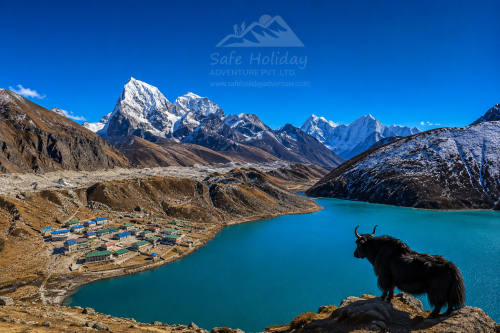
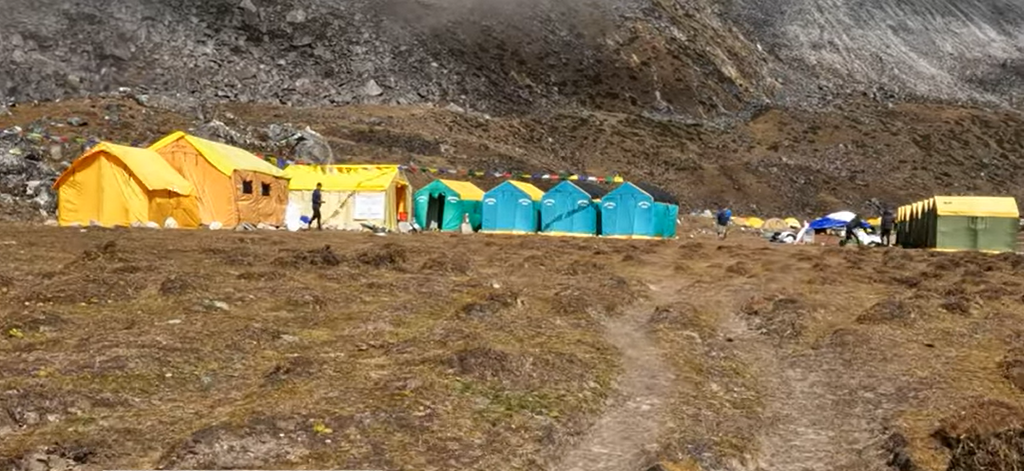
The trek continues through high alpine terrain and yak pastures, finally reaching Ama Dablam Base Camp (4,576 m). Located in a peaceful meadow beneath towering cliffs and ice walls, this base camp serves as the staging area for mountaineers attempting to climb Ama Dablam. From this stunning viewpoint, you’ll enjoy unobstructed panoramas of the Everest range, including Lhotse, Nuptse, Thamserku, and Kangtega. The landscape here is raw, dramatic, and deeply rewarding.
Unlike Everest Base Camp (EBC), this trail remains less commercialized, offering a more intimate Himalayan trekking experience. Throughout the journey, you’ll encounter colorful prayer flags, chortens (stupas), and Buddhist mani walls, along with warm-hearted Sherpa people who are known for their strength, hospitality, and deep spiritual connection to the mountains.
The return journey follows the same trail back to Lukla, providing time to reflect on the adventure and enjoy the beauty of the Khumbu valley from a new perspective. This trek is moderately challenging, suitable for trekkers with a good level of fitness, and includes proper acclimatization days to help prevent altitude sickness.
In summary, the Ama Dablam Base Camp Trek is a rewarding short trek in the Everest region. It offers close-up mountain views, authentic Sherpa culture, and the unforgettable experience of standing at the foot of one of Nepal’s most iconic peaks — Ama Dablam (6,812 m) — all within a well-paced itinerary.
The Ama Dablam Base Camp Trek in 11 Days begins with a scenic 40-minute flight from Kathmandu to Lukla. From there, the trail leads to Phakding (2,650m), passing through forests filled with pine and rhododendron blooms. You will also encounter Sherpa villages such as Chheplung, Thado Koshi, Ghat, Banker, Manjo, and Jorsalle. The Sagarmatha National Park’s abundant wildlife adds to the natural beauty of this route. Eventually, you reach Namche Bazaar (3,440m), the vibrant gateway to Everest.
Namche Bazaar offers a day for acclimatization and rest. It features modern amenities such as cafes, restaurants, and souvenir shops. The journey then continues to Deboche, passing the iconic Tengboche Monastery. Further along, you reach Pangboche (4,000m), a charming village known for its monastery, stupas, and mani walls.
From Pangboche, trekkers can make a day trip to Ama Dablam Base Camp carrying a day backpack. This full-day exploration offers magical views of Ama Dablam from different perspectives. The base camp itself, at 4,600m (15,091ft), is breathtaking. You will enjoy stunning panoramas of Mt. Lhotse (8,416m), Ama Dablam (6,812m), Island Peak (6,189m), and other snow-capped giants.
After spending nine full days exploring the Everest region, the trek begins its return from Pangboche to Namche Bazaar and then back to Lukla. A final night is spent in Lukla before flying back to Kathmandu. This marks the end of an unforgettable Ama Dablam Base Camp trek.
Why Choose the Ama Dablam Base Camp Trek?
- Breathtaking Views of Iconic Himalayan Peaks:
Get close-up panoramic views of Ama Dablam along with Everest, Lhotse, and surrounding mountains. - Less Crowded Alternative to Everest Base Camp:
Enjoy quieter trails compared to the popular Everest route, ideal for peaceful trekking. - Authentic Sherpa Cultural Experience:
Pass through traditional villages like Pangboche and Tengboche, offering insight into local Himalayan lifestyles. - Visit Tengboche Monastery:
Explore one of the most spiritual and scenic monasteries in the Khumbu region with stunning mountain backdrops. - Shorter Trek with High Reward:
Perfect for trekkers seeking a shorter yet equally rewarding Himalayan adventure without a long itinerary. - Up-Close Encounter with Ama Dablam:
Reach base camp located at the foot of Ama Dablam for incredible photography and mountain proximity. - Varied Himalayan Landscapes:
Experience forests, suspension bridges, alpine zones, and rugged mountain terrain in one trek. - Rich Biodiversity in Sagarmatha National Park:
Trek through a UNESCO World Heritage Site home to rare wildlife and diverse ecosystems. - Moderate Challenge Suitable for Fit Beginners:
A balanced trek that offers altitude adventure without extreme technical difficulty. - Ideal for Photography & Adventure Lovers:
Combines natural beauty, cultural richness, and iconic Himalayan scenery for a complete trekking experience.
If you want, I can also optimize this furt
Am I Fit Enough to Hike the Ama Dablam Base Camp Trek?
- Moderate Fitness Needed – Suitable for people who can hike 5–7 hours daily.
- No Technical Skills Required – No climbing experience needed, just endurance.
- Altitude Awareness – You’ll trek above 4,000m, so acclimatization is important.
- Cardio Helps a Lot – Running, cycling, or hiking training improves performance.
- Leg Strength Matters – Expect steep uphill and downhill sections.
- Consistency Over Speed – Slow, steady pace is key to success.
- Beginners Can Do It – With preparation, even first-time trekkers can complete it.
- Listen to Your Body – Rest and hydration are essential at high altitude.
OutlineOutline Itinerary
Day 01: Flight to Lukla (2,850m / 9,350ft) Trek to Phakding (2,650m / 8,562ft)
Day 02: Trek from Phakding to Namche Bazaar (3,440m / 11,285ft)
Day 03: Acclimatization day at Namche(Rest Day)
Day 04:Trek from Namche Bazaar to Tengboche (12,687 feet / 3867 m)
Day 05: Trek from Tengboche to Pangboche (3908 m)
Day 06: Day trip to Ama Dablam Base Camp (4600 m)
Day 07: Trek from Pangboche to Khumjung(3780m)
Day 08: Trek from Khumjung to Phakding Village(2660m)
Day 09: The trek from Phakding to Lukla
Day 10: Fly from Lukla to Kathmandu
Day 11: Departure day from Kathmandu, Nepal.
Whats Included?
- Trekking permits and TIMS card (Trekkers’ Information Management System),
- Airport transfers to and from Lukla or Phaplu (depending on the trek starting point),
- Accommodation in Kathmandu before and after the trek (usually 3-star hotels),
- Domestic flight from Kathmandu to Lukla or Phaplu and back,
- Tea house or lodge accommodations during the trek,
- All meals (breakfast, lunch, and dinner) during the trek,
- Experienced trekking guide and porters to carry the luggage,
- Trekking equipment (sleeping bag, down jacket, etc. – if arranged by the trekking company),
- First aid kit and emergency evacuation arrangements,
- Government taxes and service charges.
- International flights to and from Kathmandu,
- Travel insurance (mandatory for trekkers),
- Personal expenses like snacks, drinks, and extra meals,
- Tips for guides and porters,
- Additional expenses due to unforeseen circumstances (e.g., flight cancellations, delays, extra nights).
Dates and Availability Departures
All our published dates are guaranteed departures. We also provide customized departures tailored to your travel plans.
There are no group joining dates available at the moment. Please contact us for a private trip.
Travellers Reviews
Genaral Trip InfoInfos
Difficulty Level:
The Ama Dablam Base Camp Trek is considered a moderate to challenging trek. It requires a good level of physical fitness and previous trekking experience is advantageous. The trail involves steep ascents, descents, and rugged terrain, making it suitable for those with a sense of adventure and determination.
Trek Duration:
The typical duration of the Ama Dablam Base Camp Trek is around 11 to 14 days, depending on the starting point and the pace of the trekker. This duration includes acclimatization days to help participants adjust to the high altitude.
Altitude Sickness:
Since the trek reaches high altitudes, the risk of altitude sickness is a significant concern. Proper acclimatization and slow ascent are crucial to minimize the risk. Trek organizers usually plan rest days to allow trekkers to adapt to the thin air.
Best Time to Trek:
The best time to undertake the Ama Dablam Base Camp Trek is during the spring (March to May) and autumn (September to November) seasons. During these months, the weather is generally stable, with clear skies and moderate temperatures.
Permits and Regulations:
To trek in the Everest region, including the Ama Dablam Base Camp, trekkers need two permits: the Sagarmatha National Park Permit and the Khumbu Pasang Lhamu Rural Municipality Permit. These permits are obtainable in Kathmandu or Lukla, the starting point of the trek.
Accommodation:
Teahouses and basic lodges are available along the trekking route. These provide essential amenities like a bed, hot meals, and a warm place to rest. There are a few luxury hotels too along the trail,s but tea House Accommodation is very common in this region. However, as the trek gets closer to the base camp, the facilities become more basic due to the higher altitude.
Highlights of the Trek
The Ama Dablam Base Camp Trek offers several highlights, including stunning views of Ama Dablam, Everest, Lhotse, and other peaks. The trek also provides a chance to experience the unique Sherpa culture, visit ancient monasteries, and traverse picturesque rhododendron forests.
Guides and Porters:
Hiring a local guide and/or porter is common for this trek. Experienced guides provide valuable insights into the culture and surroundings, while porters can carry the heavy load, allowing trekkers to focus on enjoying the journey.
Safety Precautions:
Safety is of utmost importance during the trek. Trekkers should be aware of their physical limits, follow the advice of the guide, stay hydrated, and avoid unnecessary risks. Proper travel insurance is also recommended to cover any emergencies.
Cash for the Trek:
While trekking in the Everest region, it is essential to carry enough cash to cover expenses along the way. Although some teahouses and lodges accept credit cards, they may charge an additional fee for card transactions. It is recommended to carry Nepalese rupees in small denominations for convenience. Major currencies can be exchanged for rupees in Kathmandu or Lukla before starting the trek.
ATM Machines:
ATM machines are available in Lukla, Namche Bazaar, and a few other villages along the route. However, they can be unreliable due to the harsh mountain conditions. It is advisable to withdraw enough cash in Lukla or Kathmandu before starting the trek to ensure you have enough funds for the entire journey.
Foods in The Trek:
During the Ama Dablam Base Camp Trek, meals are usually provided at teahouses and lodges along the route. The menus offer a variety of dishes, including local Nepali cuisine, Tibetan dishes, and some international options like pasta, rice, and soups. Dal Bhat, a traditional Nepali meal consisting of rice, lentil soup, vegetables, and sometimes meat, is a popular choice among trekkers for its high energy content. It is essential to eat balanced and nutritious meals to maintain energy levels during the trek.
Drinking Water:
Safe drinking water is crucial during the trek. While bottled water is available at teahouses, it is not environmentally friendly and can be expensive. Trekkers are advised to bring a reusable water bottle and use water purification tablets or filters to treat water from local streams. Boiled water is also available at most teahouses and is a safe option for drinking.
Trek Gears list for the Ama-Dablam base camp trek:
Proper trekking gear is essential to ensure a comfortable and safe journey. Some essential trekking gear includes:
- Sturdy and comfortable trekking boots with good ankle support,
- Lightweight and moisture-wicking clothing, including thermal layers, trekking pants, and a waterproof jacket,
- Warm layers like fleece or down jackets for higher altitudes,
- A comfortable and well-fitted backpack,
- Trekking poles for added stability and support on uneven terrain,
- A sleeping bag suitable for the expected temperatures during the trek,
- Sunglasses, a sun hat, and sunscreen to protect against strong UV rays,
- First-aid kit with basic medicines, bandages, and antiseptics,
- Headlamp or flashlight with extra batteries for dark evenings.
Detailed ItineraryItinerary
Flight to Lukla (2,850m / 9,350ft) Trek to Phakding (2,650m / 8,562ft)
It is our first trekking day, and the journey begins with an exhilarating scenic flight from the bustling city of Kathmandu to the picturesque town of Lukla. As we touch down in Lukla, a world of adventure unfolds before us. Our captivating trek spans approximately 6.2 kilometers (around 3.8 miles) and takes about 3 hours to complete. The trail meanders through breathtaking landscapes and leads us through charming villages like Chaurikharka, all set against the backdrop of the majestic Everest region.
Ascending gradually, we reach higher altitudes, with the highest point reaching an impressive 2,850 meters (9,350 feet) above sea level. Phakding, a charming village nestled amidst the beauty of the Everest region, serves as the starting point for various treks, including our memorable Ama Dablam journey. The village’s local market is a bustling hub with a variety of shops offering trekking gear and delightful souvenirs. In addition to that, Phakding offers cozy cafes, inviting restaurants, and other amenities to cater to our needs during this exciting trek.
Upon arriving in Phakding, we have the chance to explore this enchanting town at our own pace. One notable gem worth visiting is the Rimishung Monastery, a place of tranquility and cultural significance. Here, we can soak in the serene ambiance and immerse ourselves in the rich local traditions, setting the perfect tone for the unforgettable Ama Dablam trekking journey that lies ahead.
Accommodation : Teahouse
Trek from Phakding to Namche Bazaar (3,440m / 11,285ft)
As the morning chill is comforted by a warm cup of tea, our true hiking adventure commences. Our path meanders along the northern bank of the Dudh Koshi River, guiding us across several awe-inspiring suspension bridges adorned with vibrant prayer flags. The colorful array of these flags adorning the trail adds a remarkable sense of excitement to our journey. After a few hours of invigorating walking, we arrive at the quaint Monjo Village, marking the starting point of the renowned Sagarmatha National Park.
Here, at Sagarmatha National Park, we complete the necessary permit formalities before venturing further. Enveloped in the embrace of a dense jungle, we continue along the trail and are rewarded with our first glimpse of the majestic Mount Everest. With spirits soaring, we keep hiking until we finally reach the enchanting Namche Bazaar, famously known as the gateway to Everest.
Accommodation : Teahouse
Acclimatization day at Namche(Rest Day)
Today, we take a much-needed rest and allow our bodies to adjust to the high altitude as we acclimatize at Namche Bazaar. Situated amidst the breathtaking Himalayan landscape, Namche Bazaar boasts a range of convenient amenities. Here, one can find comfortable hotels, delightful restaurants, and charming souvenir and gift shops, making it a vibrant hub in the heart of the mountains.
Though it’s a day dedicated to acclimatization, there are plenty of engaging activities to enjoy. We recommend an optional yet highly suggested hike to Khumjung, a nearby village. Along the way, you will have the opportunity to visit the Sagarmatha National Park Visitor Center, providing valuable insights into the region’s natural wonders. The journey to Khumjung will also take you past the renowned Hillary School and ancient monasteries, adding cultural significance to the experience.
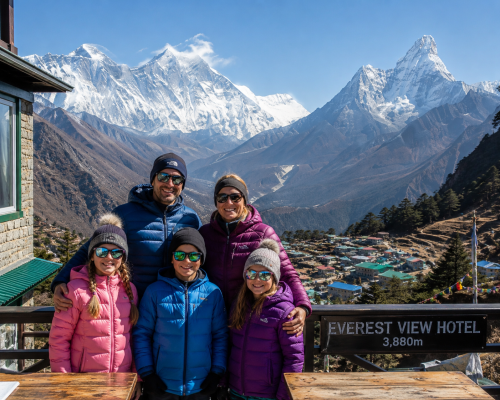
As you ascend to Khumjung, you’ll come across a famous monastery that is said to house a Yeti-scalp, adding a touch of mystery to the journey. Additionally, you’ll have the chance to witness the Syangboche Airport, one of the highest airports in the world, surrounded by awe-inspiring mountain vistas. For those yearning to catch more glimpses of Mount Everest, a trek to the Everest View Hotel promises unmatched panoramas of the majestic peak.
To end this delightful day on a delicious note, treat yourself to the delectable bakery products offered by the renowned bakeries of Namche Bazaar. Rest assured, this day of acclimation and exploration will leave you invigorated and ready for the adventures that lie ahead.
Accommodation : Teahouse
Trek from Namche Bazaar to Tengboche (12,687 feet / 3867 m)
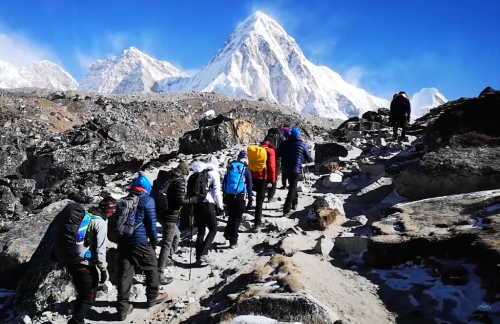
Starting from Namche Bazaar at 6:00 am, trekkers embark on a scenic journey towards Tengboche (12,687 feet / 3867 m). The trail winds through lush forests, crossing suspension bridges over gushing rivers. Enthusiastic yaks and friendly locals greet travelers along the way. At 10:00 am, a short break offers stunning mountain vistas, energizing trekkers for the ascent. Lunch is savored at Phunki Tenga (9,318 feet / 2840 m), a quaint hamlet. The trail steepens, rewarding adventurers with panoramic views of Everest and neighboring peaks. By 3:00 pm, trekkers arrive in Tengboche, mesmerized by the iconic Tengboche Monastery, ready to immerse themselves in its spiritual tranquility.
Accommodation : Teahouse
Trek from Tengboche to Pangboche (3908 m)
Starting the day in Tengboche (12,687 feet / 3867 m), trekkers wake up to breathtaking mountain views. After a hearty breakfast at 7:00 am, the trek to Pangboche (3908 m) commences. The trail meanders through rhododendron and juniper forests, offering glimpses of wildlife. At 9:30 am, a refreshing break allows trekkers to enjoy the serene surroundings. The journey continues towards Pangboche, passing quaint Sherpa villages and terraced fields. Around 1:00 pm, a well-deserved lunch is served at a local teahouse, fueling adventurers for the remaining trek. Crossing suspension bridges over glacial rivers and ascending through the wilderness, trekkers arrive in Pangboche by 4:00 pm. The picturesque village, set against the stunning backdrop of Ama Dablam, welcomes trekkers with warmth and hospitality. After settling into teahouses, visitors can explore the charming village and its ancient monastery, immersing themselves in the rich Sherpa culture. The serene atmosphere offers a perfect opportunity to rest, reflect, and prepare for the next leg of the unforgettable trek.
Accommodation : Teahouse
Day trip to Ama Dablam Base Camp (4600 m)
Starting early in the morning after a good breakfast in Pangboche, trekkers make a day trip to Ama Dablam Base Camp, which is higher up at 4600 meters. The trail goes through beautiful landscapes with colorful flowers and amazing mountain views. They take breaks to rest and enjoy the scenery along the way. By the afternoon, they reach the Ama Dablam Base Camp, surrounded by huge glaciers and tall mountains. They feel amazed by the stunning nature around them. After spending some time there, they head back to Pangboche, where they spend a peaceful night under the clear sky, full of stars.
Accommodation : Teahouse
Trek from pangboche to Khumjung(3780m)
Starting from Pangboche (3680m), we embark on a picturesque trek to Khumjung. We retrace our steps along the trail until we reach Sanasa, a charming village nestled amidst the Himalayas. From here, we continue our ascent towards Khumjung. The trail winds through lush forests, offering breathtaking views of snow-capped peaks and verdant valleys. As we approach Khumjung, we are greeted by traditional Sherpa settlements and prayer flags fluttering in the breeze. The warm hospitality of the locals makes this journey even more memorable. Finally, at an altitude of 3680m, we arrive in Khumjung, where we can savor the stunning panorama of the surrounding Himalayan giants.
Accommodation : Teahouse
Trek from Khumjung to Phakding Village(2660m)
The trek from Khumjung to Phakding offers a different perspective of the stunning landscapes and cultural experiences. As we descend from Khumjung, the journey takes us through traditional Sherpa villages, terraced farmlands, and serene forests. The trail offers an opportunity to immerse ourselves in the Sherpa culture, witnessing their daily life and ancient customs. Along the way, we encounter picturesque monasteries and chortens, adding a spiritual touch to the trek. The views, now from a lower altitude, showcase the beauty of the region from a fresh angle, with lush valleys and distant peaks forming a magnificent backdrop. Finally, we arrive in Phakding, enriched by the diverse experiences and memories of this remarkable Himalayan journey.
Accommodation : Teahouse
The trek from Phakding to Lukla
The trek from Phakding to Lukla is a picturesque and relatively short journey that marks the end of many trekkers’ adventures in the Everest region. As we leave Phakding, the trail meanders alongside the Dudh Koshi River, passing through charming villages and crossing sturdy suspension bridges adorned with prayer flags.
The lush greenery and occasional rhododendron forests provide a refreshing atmosphere. The path gradually ascends and descends, offering glimpses of snow-capped peaks in the distance. En route, we encounter locals going about their daily lives, and the hospitality of the Sherpa community leaves a lasting impression.
As we approach Lukla, the terrain becomes more built-up, with tea houses, lodges, and shops catering to travelers. The anticipation of reaching the end of the trek heightens as we reminisce about the incredible journey in the Everest region. Upon arriving in Lukla, trekkers often take time to celebrate their accomplishments and reflect on the memories of this unforgettable adventure in the Himalayas.
Accommodation : Teahouse
Fly from Lukla to Kathmandu
The flight from Lukla to Kathmandu offers a thrilling and scenic journey, providing breathtaking aerial views of the Himalayan landscapes. The short but memorable flight takes approximately 35 minutes and marks the end of an incredible trekking adventure in the Everest region.
Accommodation : Hotel
Departure day from Kathmandu, Nepal
On Day 11, it’s departure day from Kathmandu, Nepal. After an amazing adventure in Nepal, it’s time to say goodbye to this enchanting country. Travelers typically head to Tribhuvan International Airport for their flights back home or to their next destination, carrying cherished memories of the Himalayas and the warm hospitality of the Nepalese people.
Ama Dablam Base Camp Trek FAQs
No, technical climbing experience is not required to reach Ama Dablam Base Camp. However, some basic trekking and physical fitness are recommended.
The trek offers a chance to see various Himalayan flora and fauna, including rhododendron forests, wildflowers, and rare bird species like the Himalayan Monal.
The trek allows interaction with local Sherpa communities, and if the trek coincides with specific dates, you may witness cultural festivals like Mani Rimdu.
Yes, you can extend the trek to explore nearby attractions like Everest Base Camp or hike to other base camps in the Everest region.
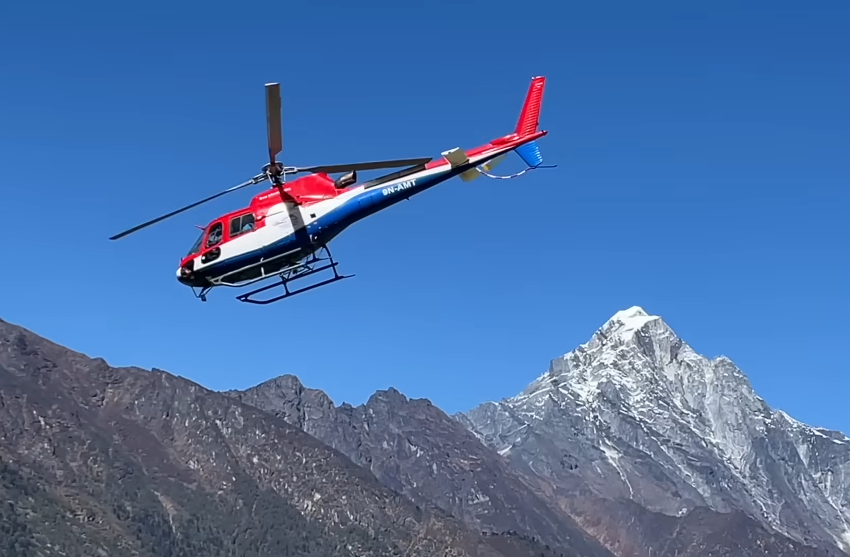
Emergency services such as medical assistance and helicopter evacuation are available in case of emergencies. Your trekking agency or guide can arrange these services.
Wi-Fi and mobile network coverage may be limited or unavailable at the base camp due to the remote location and high altitude.
Your trekking agency or guide can help you book a helicopter evacuation in case of emergencies by contacting the appropriate authorities.
A good quality DSLR or mirrorless camera with wide-angle and telephoto lenses is recommended. Also, carry extra batteries, a tripod, and a lens cleaning kit to capture the best shots in varying conditions.
Yes, stargazing at the base camp can be a mesmerizing experience. The best times for stargazing are during clear nights, away from city lights, usually during the autumn season.
Yes, some trekking agencies and organizations offer opportunities to participate in local conservation or community development projects. Check with your agency or local communities for such possibilities.
Refund & Cancellation Policy
- Booking requires 20% non-refundable deposit (Nepal) or 100% upfront (Tibet/Bhutan).
- Remaining payment due before the trip or on arrival (trip-dependent).
Cancellation charges:
- 31+ days: 20%
- 16–30 days: 45%
- 8–15 days: 75%
- 7 days or less: 90%
- Prices may change due to flights, taxes, or exchange rates.
- Trip changes are allowed, but extra costs apply.
- If the company cancels, a full refund, except for unavoidable events (some costs deducted).
- Good health and travel insurance are mandatory.
- No refund if removed for unsafe or illegal behavior.
- Travel involves personal risk, which the client accepts.