
19 Aug 2016 18 min to read
Trek Name: Ghorepani Poon Hill and Ghandruk Trek
Duration: 3 Days
Trek Difficulty: Easy to Moderate
Maximum Elevation: Poon Hill – 3,210 m (10,531 ft)
Starting Point: Pokhara to Banthati / Ulleri
Ending Point: Ghandruk
Trekking Region: Annapurna, Nepal
Best Seasons: March–May and September–November
Accommodation: Teahouses and mountain lodges
Meals: Breakfast, lunch, and dinner
Major Highlights: Poon Hill sunrise, Annapurna mountain views, rhododendron forests, and Ghandruk Gurung village
Suitable For: Solo trekkers, couples, families, and small groups
Transportation: Local bus or private vehicle from Pokhara
Trekking Style: Guided or independent trekking
Permits: Annapurna Conservation Area Permit (ACAP) and TIMS, as applicable
Best Feature: A short Himalayan trek combining spectacular mountain scenery with authentic Gurung culture.
The Ghorepani trekking route is one of the most popular and breathtaking treks in Nepal. Here are some of the highlights of the trek:
Overall, the Ghorepani trek is a must-do trek for anyone visiting Nepal. The combination of stunning scenery, local culture, and ease of trekking make it an ideal choice for first-time trekkers and families.
The Ghorepani Poon Hill trek is one of the most popular and accessible treks in Nepal. The trek is named after the small village of Ghorepani, which is located at an altitude of 2,850 meters in the Annapurna region of Nepal. The highlight of the trek is the early morning hike to Poon Hill, which is situated at an altitude of 3,210 meters and offers panoramic views of the Annapurna and Dhaulagiri mountain ranges.
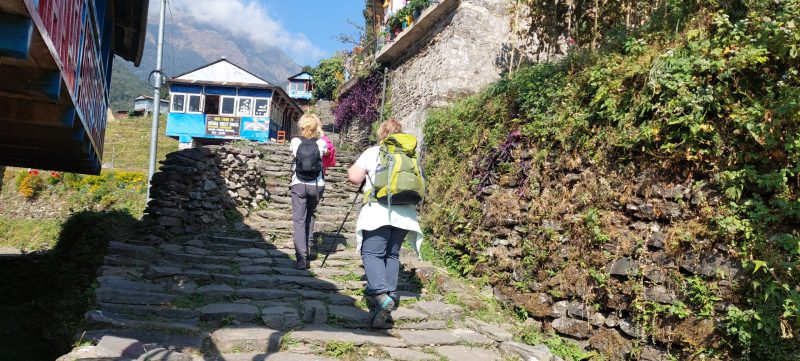
The trek starts from Nayapul, which is a two-hour drive from the lakeside city of Pokhara. From there, you will follow the Modi Khola river and pass through traditional Nepalese villages and lush forests of rhododendron, oak, and pine trees. Along the way, you will cross suspension bridges and climb steep staircases, but the stunning scenery and local culture make the journey worthwhile.
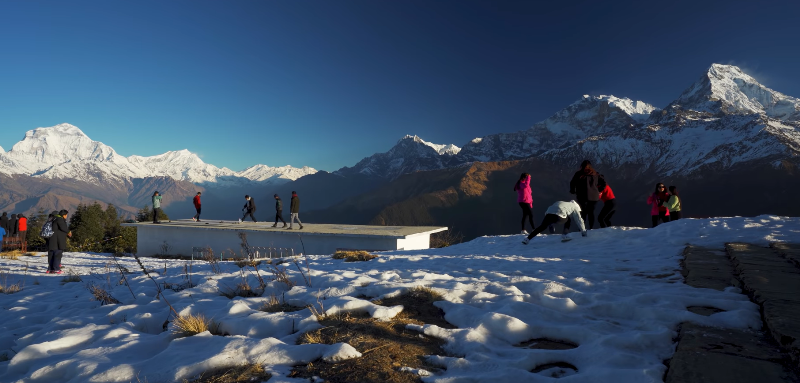
After a few days of trekking, you will reach the village of Ghorepani, where you will spend the night before the early morning hike to Poon Hill. The hike to Poon Hill is a steep climb that takes about an hour, but the effort is rewarded with spectacular views of the Himalayas. On a clear day, you can see some of the highest peaks in the world, including Dhaulagiri, Annapurna South, and Machhapuchhre.
After the Poon Hill sunrise, you will descend back to Ghorepani for breakfast and continue the trek to Tadapani and Ghandruk. The trail passes through more traditional villages, where you can interact with the locals and learn about their way of life. The trek ends in Nayapul, from where you will drive back to Pokhara.
The Ghorepani Poon Hill trek is a great option for those who want to experience the beauty of the Himalayas without having to undertake a strenuous trek. The trek is relatively easy and can be completed by people of all ages and fitness levels. The combination of stunning scenery, local culture, and ease of trekking make it a popular choice among first-time trekkers and families.
1,300 m / 4,264 ft
Arrive at Tribhuvan International Airport and transfer to your hotel. Meet your trekking guide and prepare for the upcoming adventure.
Pokhara – 823 m / 2,700 ft
Enjoy a scenic drive from Kathmandu to Pokhara, passing through river valleys, green hills, and countryside landscapes. Check in at your hotel and relax.
Ulleri – 2,050 m / 6,725 ft
After breakfast, drive from Pokhara to Nayapul and continue toward the trekking trailhead. Begin walking through mountain villages and stone steps, arriving at Ulleri for an overnight stay.
Ghorepani – 2,750 m / 9,020 ft
Walk through beautiful rhododendron forests and peaceful mountain trails. Continue uphill toward Ghorepani, a popular trekking village with magnificent views of the Annapurna and Dhaulagiri ranges.
Poon Hill – 3,210 m / 10,531 ft · Tadapani – 2,700 m / 8,860 ft
Wake early and hike to Poon Hill to enjoy sunrise over the Annapurna and Dhaulagiri mountain ranges. Return to Ghorepani for breakfast, then trek through forests and scenic mountain trails toward Tadapani.
Ghandruk – 1,940 m / 6,360 ft · Syauli Bazaar – approx. 1,200 m
Descend through forest trails to Ghandruk, one of the most beautiful Gurung villages in the Annapurna region. Explore the traditional settlement and continue walking downhill to Syauli Bazaar.
Pokhara – 823 m / 2,700 ft
Complete the final short walk from Syauli Bazaar to Nayapul. Meet your vehicle and drive back to Pokhara. Enjoy the evening relaxing beside Phewa Lake or exploring Lakeside.
Enjoy the scenic journey back to Kathmandu. Upon arrival, transfer to your hotel and spend the rest of the day at leisure.
Transfer to Tribhuvan International Airport for your onward flight. Your Ghorepani Poon Hill and Ghandruk trekking adventure concludes with wonderful Himalayan memories.

There are two different types of trekking permit for Ghorepani trekking:
Annapurna Conservation Area Permit (ACAP)
The Annapurna Conservation Area Permit (ACAP) is required for trekkers entering the Annapurna Conservation Area, including the Ghorepani Poon Hill and Ghandruk trekking route. This permit supports the conservation and protection of the region’s natural environment, wildlife, and local communities.
The permit fee depends on the trekker’s nationality and applicable regulations. Children below 10 years of age are generally exempt from the ACAP fee. Our team can assist you with the permit arrangements before your trek begins.
Trekking Information Management System (TIMS) Card
The Trekking Information Management System (TIMS) card is another important requirement for trekking in Nepal. It helps maintain trekker records and supports safety and emergency coordination along trekking routes.
The applicable TIMS fee depends on the trekker’s nationality, trekking route, and current regulations. We will help arrange the necessary TIMS card for your Ghorepani Poon Hill and Ghandruk Trek.
If you plan to trek in restricted regions such as Manaslu, Upper Mustang, or Dolpo, additional special permits may be required. These areas have specific entry regulations, permit fees, and trekking requirements.
For restricted-area trekking, our experienced local team can guide you through the permit process and help ensure that all necessary documentation is prepared before departure.
Important: Permit fees and entry requirements may change. The exact costs should be confirmed according to your nationality and the latest Nepal government regulations before booking.

During the Ghorepani trek, you will have a variety of accommodation options available. The most common type of accommodation is tea houses, which are small lodges run by local families. Tea houses offer basic but comfortable rooms with shared bathrooms. The rooms typically have two single beds with warm blankets and pillows.
Tea houses also offer a common dining area where you can enjoy hot meals and socialize with other trekkers. The menu usually includes Nepalese and Western dishes, such as Dal Bhat (rice, lentils, and vegetables), noodles, soups, and Momos (dumplings). Tea houses also serve hot drinks such as tea, coffee, and hot chocolate.
It is recommended that you carry a sleeping bag as the temperature can get quite cold at night, especially during the winter months. You can also rent a sleeping bag from the tea houses if you don’t have your own.
In addition to tea houses, there are also some basic lodges and guesthouses along the trail. These accommodations are slightly more expensive than tea houses and offer slightly better facilities, such as private bathrooms and hot showers.
It’s important to note that the accommodation on the Ghorepani trek can be quite basic, so it’s best to keep your expectations low. However, the warm hospitality of the local families and the stunning views make up for the basic facilities. It’s also a good idea to carry some cash with you as most tea houses and lodges do not accept credit cards.
During the Ghorepani Poon Hill Trek, you can find meals and drinking water at teahouses and lodges along the trail. Most teahouses serve a combination of traditional Nepali and Western-style dishes, with energy-rich foods such as rice, noodles, potatoes, pasta, and soup being common choices for trekkers.
Dal Bhat is one of the most popular meals on the trek. It typically includes steamed rice, lentil soup, vegetables, and sometimes pickles or curry. As a nutritious and filling meal, Dal Bhat provides plenty of carbohydrates and energy for long days of trekking.
Teahouses generally offer a simple menu rather than family-style set meals, and food choices can vary depending on the location and season. Drinking water is also available along the route, but trekkers should use purification tablets, a filtration system, or another reliable water-treatment method before drinking untreated local water.
The food and accommodation are basic but comfortable, allowing you to enjoy the trek while experiencing the warm hospitality of the local mountain communities.

As for drinking water, it’s recommended that you carry a refillable water bottle and use water purification tablets or a filtering system to ensure that the water is safe to drink. The tea houses also sell bottled water, but this can be expensive and contributes to plastic waste.
It’s important to stay hydrated during the trek, so it’s a good idea to drink at least 2-3 liters of water per day. You can also buy hot drinks such as tea, coffee, and hot chocolate at the tea houses, which can help to warm you up on cold days.
Overall, the meals and drinking water on the Ghorepani Poon Hill trek are basic but sufficient. It’s important to have realistic expectations and appreciate the local cuisine and hospitality of the tea house owners.
The Ghorepani Poon Hill Trek is one of Nepal’s most popular short trekking routes because it combines spectacular Himalayan scenery, cultural experiences, comfortable teahouse stays, and manageable walking days. Here are 15 key reasons:
The best time to go on the Ghorepani Poon Hill trek is during the spring and autumn seasons, which are considered the peak trekking seasons in Nepal. Here’s a breakdown of the best time to trek:
Overall, the best time to go on the Ghorepani Poon Hill trek is during the spring and autumn seasons, which offer comfortable weather, clear skies, and stunning views of the mountain ranges.
Hiring a guide for the Ghorepani Poon Hill trek is highly recommended, especially for first-time trekkers. Here are some reasons why:
Overall, hiring a guide for the Ghorepani Poon Hill trek can make your trekking experience safer, more enjoyable, and more fulfilling. It is highly recommended, especially if you are a first-time trekker or not familiar with the terrain and culture of the region.
If you’re looking for a short trek in Nepal, there are a few things you can do to make your experience perfect:
Choose the right trek: There are several short treks available in Nepal, ranging from 3-10 days. Choose a trek that suits your fitness level and experience. Popular short treks include the Ghorepani Poon Hill trek, Langtang Valley trek, and the Everest View trek.
Plan your trekking route: Before starting your trek, plan your route and itinerary carefully. Take into account your fitness level, available time, and accommodation options. Book your accommodation and transport in advance to avoid any last-minute hassles.
Hire a guide or porter: Hiring a guide or porter can make your trekking experience more comfortable and enjoyable. They can help you navigate the terrain, provide you with cultural insights, and carry your luggage, allowing you to focus on the trek.
Pack appropriately: Pack essential trekking gear, including warm clothing, comfortable trekking shoes, a first aid kit, and a sturdy backpack. Also, carry a water bottle, snacks, and some cash for meals and incidentals.
Respect local culture: Nepal has a rich cultural heritage, and it’s essential to respect the local culture and customs. Dress modestly, ask for permission before taking photographs, and follow local customs and traditions.
Stay hydrated: It’s essential to stay hydrated during the trek. Carry a water bottle and refill it at the tea houses or lodges along the way. Avoid drinking untreated water, and carry water purification tablets if necessary.
By following these tips, you can have a perfect short trek in Nepal. Enjoy the breathtaking views, immerse yourself in the local culture, and make unforgettable memories.
Overall, the journey from Pokhara to Ghorepani Poon Hill will take you about 2-3 days depending on your pace and the number of stops you make along the way. The trek is relatively moderate, and it’s suitable for most people with average fitness levels.
The Ghorepani Poon Hill Trek is popular because it offers an impressive Himalayan experience within a relatively short and manageable itinerary. From the spectacular sunrise at Poon Hill and panoramic Annapurna and Dhaulagiri views to rhododendron forests, traditional villages, and the warm hospitality of local communities, every day brings something different.
The trek is also accessible from Pokhara, offers comfortable teahouse accommodation, and does not require technical climbing experience. For travelers looking for a short yet rewarding introduction to trekking in Nepal, Ghorepani Poon Hill provides a memorable combination of mountain scenery, local culture, nature, and adventure.
If you are planning a Ghorepani Poon Hill and Ghandruk Trek, our local trekking team can help organize the route, permits, accommodation, transportation, and an experienced guide according to your schedule.

Namche Bazaar is where the Everest trail makes its biggest decision. Most trekkers turn right toward
Continue Reading
Nepal is famous for Mount Everest, the Annapurna Himalayas, ancient temples, traditional villages, a
Continue Reading
There is a moment at Annapurna Base Camp when the sun touches the rim of the sanctuary and every pea
Continue Reading
There is a moment on the Annapurna Circuit that every trekker thinks about for days. It happens in t
Continue Reading
Most people walk to Everest Base Camp and then walk back down the same valley. The Three Passes Trek
Continue Reading
There is a moment on every Everest trek when your legs have an opinion. For most people, it arrives
Continue Reading