
2 May 2017 7 min to read
Planning a trek in Nepal? One of the biggest decisions you’ll face before hitting the trail isn’t about gear or itinerary — it’s whether to hire a guide and porter. For first-time visitors especially, this choice can shape everything from your safety to how deeply you connect with the culture along the way. In this guide, we’ll walk through exactly what guides and porters do, how much they cost, independent trekking versus agency hiring, and how to choose a trustworthy team for your journey.
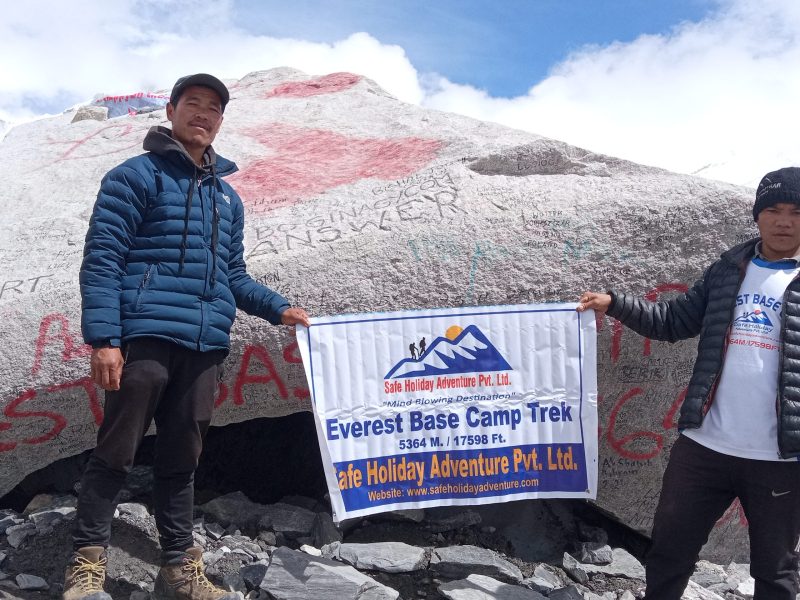
Nepal’s trekking routes — from Everest Base Camp to the Annapurna Circuit — pass through remote mountain terrain, high-altitude passes, and rural villages with limited infrastructure. While some trails are well marked, weather, altitude sickness, and unpredictable terrain make local support valuable, even for experienced hikers.
It’s also worth noting that as of recent regulations, independent solo trekking without a licensed guide has been restricted on many of Nepal’s major routes, including Everest Base Camp and the Annapurna Circuit. This makes hiring a guide less of an optional upgrade and more of a practical requirement for most popular treks.
Beyond safety and compliance, guides and porters are part of the local trekking economy. Choosing to hire them supports Nepali livelihoods and gives you a more immersive, informed experience of the mountains.
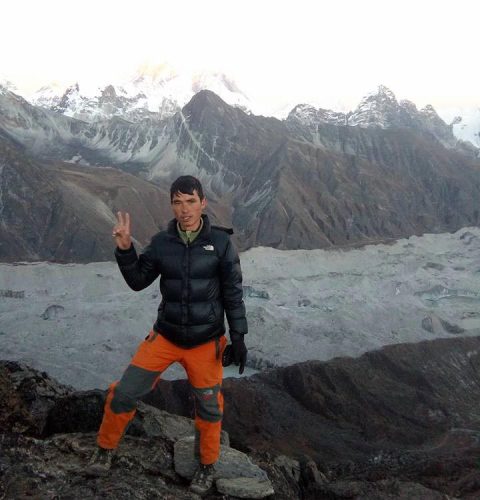
A licensed guide is far more than someone who walks the trail with you. Their responsibilities typically include:
A good guide can turn a physically demanding trek into a well-paced, informative journey rather than just a walk from point A to point B.
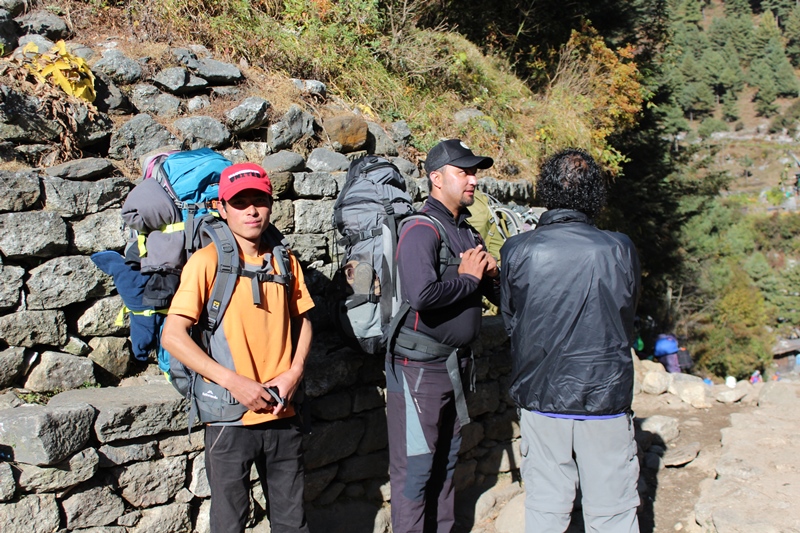
A porter’s main job is carrying your heavy gear — usually your duffel bag or backpack — so you can trek with only a light daypack. This might sound like a minor convenience, but at high altitude, every extra kilogram makes a noticeable difference in fatigue and breathing effort.
Many porters grow up in the trekking regions they work in, so they often know the terrain intimately and can be a helpful second set of eyes on tricky sections of trail. Some porters also double as informal guides on lesser-traveled routes, though this shouldn’t be relied on for technical or high-altitude sections.
If you’re new to trekking in Nepal, it helps to understand the three common hiring options:
For longer or higher-altitude treks like Everest Base Camp, most experienced trekkers recommend hiring a guide and porter separately, since a guide-porter combo carrying a full load can tire more easily at altitude.
Costs vary depending on the trek, season, and whether you book independently or through an agency. As a general guide:
On top of daily wages, guide and porter food and accommodation are typically paid for separately from your own, so always clarify this when booking. Costs also tend to rise during peak trekking seasons (spring and autumn), so booking in advance can help you secure better rates.
Booking through an agency is the most straightforward and lowest-risk option. Agencies handle licensing verification, insurance, and logistics, and they’re accountable if something goes wrong. This is especially recommended for first-time trekkers in Nepal.
Hiring independently (sometimes done in Kathmandu or Pokhara directly, or through word-of-mouth) can be slightly cheaper, but it comes with real risks: it’s harder to verify licensing and insurance, and there’s less accountability if a guide or porter isn’t reliable. If you go this route, always ask to see licensing documents and confirm insurance coverage before you start the trek.
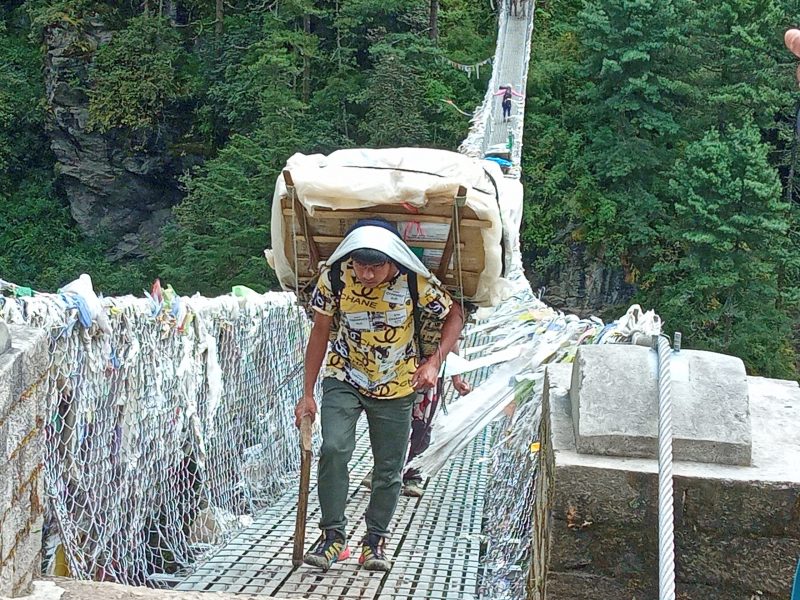
Porter welfare is a serious issue in Nepal’s trekking industry. Overloading, inadequate clothing, and lack of insurance have historically put porters at risk, particularly at high altitude. The International Porter Protection Group (IPPG) has established guidelines that responsible agencies follow, including:
When choosing an agency, it’s worth directly asking how they handle these welfare standards. A reputable company will have clear answers.
1. Book through a registered trekking agency
This is the safest way to confirm your guide is licensed and your porter is insured — both legally required in Nepal.
2. Ask about language skills in advance
English fluency varies among guides, so mention your language needs when booking, especially for less common languages.
3. Confirm porter weight limits
A responsible agency will follow IPPG load guidelines and won’t overload a single porter to cut costs.
4. Clarify what’s included in the rate
Ask exactly what your guide and porter’s daily rate covers — wages, food, lodging, insurance — so there are no surprises later.
5. Budget for tipping
Tipping isn’t mandatory in Nepal, but it’s customary and forms a meaningful part of guide and porter income. Research standard tipping ranges for your specific trek before you go, and consider tipping guides and porters separately based on their roles.
Do I need a guide to trek in Nepal?
For most major routes, including Everest Base Camp and the Annapurna Circuit, a licensed guide is now required by regulation rather than simply recommended.
Can one person be both my guide and porter?
Yes, this is called a guide-porter and is common on shorter or easier treks, though separate hiring is often recommended for longer, higher-altitude routes.
How much should I tip my guide and porter?
Tipping amounts vary by trek length and group size; it’s best to research current customary ranges for your specific route and budget this in separately from the daily hiring rate.
Is it safe to hire a guide or porter independently instead of through an agency?
It can be done, but it carries more risk around verifying licensing, insurance, and reliability. Agencies remain the safer choice, especially for first-time trekkers.
Hiring a guide and porter in Nepal isn’t just about convenience — it’s often what turns a physically demanding trek into a safe, culturally rich, and genuinely enjoyable experience. Whether you’re heading to Everest Base Camp, Gokyo Valley Trek, Annapurna Circuit, Annapurna Base Camp or a lesser-known trail, booking through a reputable agency, understanding fair costs, and knowing porter welfare standards will set you up for a much smoother journey through the Himalayas.
If you are asking how difficult the Everest Three Passes Trek is, the honest answer is this: it is t
Continue Reading
My name is Peng Chang, and I travelled to Nepal from Malaysia with a small group of friends. Before
Continue Reading
In this story Why I Chose Everest Base Camp My name is Chyling, and I come from Malaysia, a country
Continue Reading
Ask anyone who has finished the Annapurna Circuit which day they remember most, and the answer is al
Continue Reading
Introduction Kathmandu doesn’t ease you in. You step out of the airport into a chorus of horns
Continue Reading
Every Everest Base Camp trekking package includes a line item for “guide” and “por
Continue Reading