
11 Mar 2017 3 min to read
Generally speaking, Nepal has two main trekking seasons: autumn and spring. These seasons offer favorable weather conditions, comfortable temperatures, and excellent opportunities for trekking in the Himalayas.
Autumn, from September to November, is one of the most popular times for trekking in Nepal. After the monsoon, the skies are generally clearer, the weather is more stable, and the mountain views are often spectacular. October and November are especially known for crisp Himalayan scenery and pleasant daytime temperatures.
Spring, from March to May, is another excellent season for trekking in the Himalayas. As temperatures gradually become warmer, trekking conditions become more comfortable. The hillsides also come alive with blooming rhododendrons and other colorful flowers, adding beauty to popular trekking routes. Spring is also a popular season for mountaineering and exploring Nepal’s high mountain landscapes.

Autumn is one of the best Trekking seasons in Nepal. This is considered to be the best trekking season in Nepal. September, October, and November are the fall months. The weather conditions are excellent, and the mountains are tantalizing. The mild climate makes this time the number 1 season to explore the Himalayas. The sky is generally clear with breathtaking views. Occasionally there might be a short storm with considerable snowfall in high altitudes.

Winter trekking in Nepal, from December to February, offers peaceful trails, fewer trekkers, and crisp mountain views. Lower-altitude routes can be especially enjoyable, with sunny days and clear Himalayan scenery.
Higher trails become colder and may receive heavy snowfall, so proper clothing, warm sleeping gear, and careful route planning are essential. Popular winter options include Ghorepani Poon Hill, Everest View Trek, Langtang Valley, and lower-altitude routes around the Annapurna region.
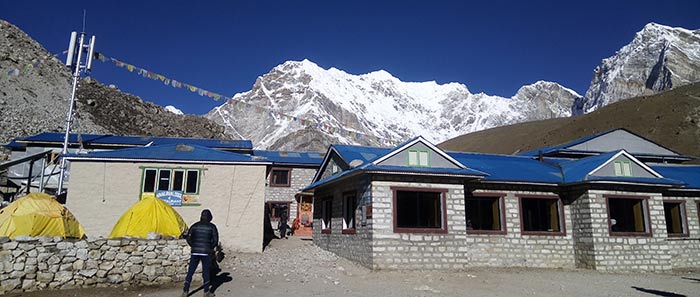
Spring is one of the best seasons for trekking and mountain climbing in Nepal. From March to May, the hills come alive with colorful wildflowers, including beautiful rhododendrons that bloom at elevations above 3,000 meters. The warmer weather and blooming landscapes make trekking in the Himalayas more enjoyable and comfortable.
The lower mountain regions are generally mild and pleasant, while higher elevations remain cooler. With clearer mountain views, colorful forests, and stunning Himalayan landscapes, spring trekking in Nepal offers excellent opportunities to explore the mountains and capture unforgettable photographs.

June, July, and August are the main monsoon months in Nepal, bringing frequent and sometimes heavy rainfall, particularly across the trekking regions. Wet and slippery trails, leeches, cloud cover, and occasional landslides can make many popular trekking routes less comfortable and challenging. For this reason, the monsoon season is generally not recommended for classic treks such as the Everest Base Camp route.
However, monsoon does not mean trekking is impossible throughout Nepal. The rain-shadow regions of Upper Mustang, Nar Phu Valley, and Dolpo receive considerably less rainfall and offer excellent alternatives during this season. These areas provide opportunities to explore dramatic desert-like landscapes, ancient villages, Tibetan-influenced culture, and spectacular Himalayan scenery beyond the main monsoon belt.
For travelers who prefer quieter trails and unique landscapes, June to August can be an interesting time to explore Nepal’s rain-shadow regions, while the classic Everest and Annapurna trekking routes are better suited to the drier seasons.
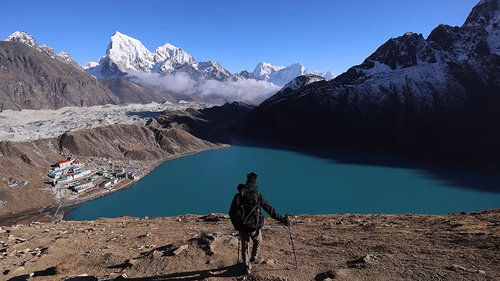
If you are asking how difficult the Everest Three Passes Trek is, the honest answer is this: it is t
Continue Reading
My name is Peng Chang, and I travelled to Nepal from Malaysia with a small group of friends. Before
Continue Reading
In this story Why I Chose Everest Base Camp My name is Chyling, and I come from Malaysia, a country
Continue Reading
Ask anyone who has finished the Annapurna Circuit which day they remember most, and the answer is al
Continue Reading
Introduction Kathmandu doesn’t ease you in. You step out of the airport into a chorus of horns
Continue Reading
Every Everest Base Camp trekking package includes a line item for “guide” and “por
Continue Reading