

22 Sep 2025 18 min to read
The Thorong La Pass trek is widely regarded as one of the most thrilling and rewarding treks in Nepal. Standing at 5,416 meters above sea level, Thorong La is the highest point of the Annapurna Circuit Trek and draws trekkers from all over the world. This journey offers a combination of high-altitude adventure, cultural exploration, and breathtaking Himalayan scenery. From lush green valleys to arid high-altitude landscapes, trekkers experience a remarkable diversity of terrains, climates, and cultures.
The Annapurna Circuit Trek has long been a bucket-list adventure, providing an immersive experience into the natural beauty and cultural richness of Nepal. The trek typically begins at Besisahar, following the Marsyangdi River, and passes through hills, valleys, and villages before reaching high Himalayan regions. The Thorong La Pass itself is a challenge that requires proper acclimatization, preparation, and mental resilience.
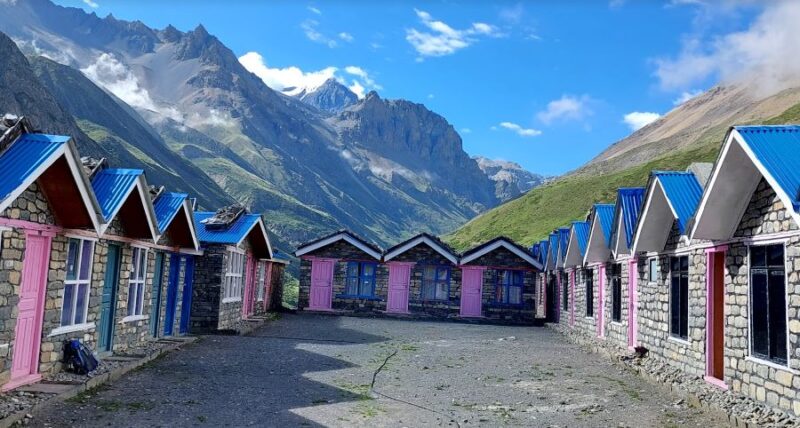
The Thorong La Pass and the Annapurna Circuit offer breathtaking landscapes and unique trekking experiences throughout the year. However, the optimal trekking periods are during the spring (March–May) and autumn (September–November) seasons.
Autumn (September–November):
Spring (March–May):
Winter (December–February):
Monsoon (June–August):
For the best overall trekking experience, autumn (September–November) is highly recommended, followed by spring (March–May).
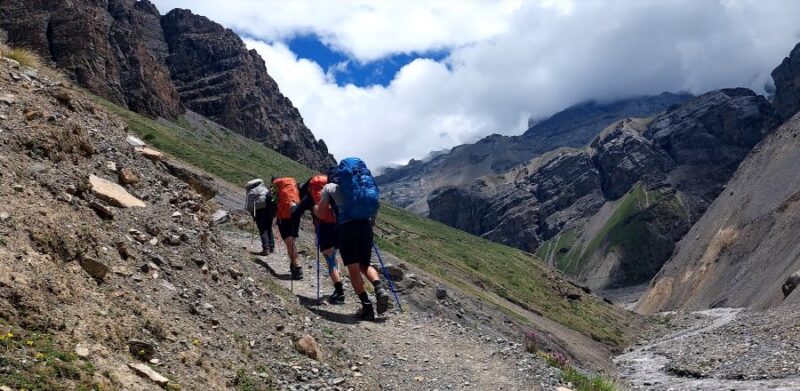
A typical Annapurna Circuit trek with Thorong La Pass can take 14–21 days, depending on the chosen route and acclimatization schedule. Here is a step-by-step outline:
Day 1: Besisahar to Bhulbhule – Begin your journey along the Marsyangdi River, walking through lush forests and small villages. Trekking distance: 8–9 km, duration 4–5 hrs.
Day 2: Bhulbhule to Jagat – Pass through waterfalls, terraced fields, and traditional villages. Trek distance: 15 km, 6–7 hrs.
Day 3: Jagat to Dharapani – Cross forests and scenic valleys, experiencing the local lifestyle. Trek distance: 20 km, 7–8 hrs.
Day 4: Dharapani to Chame – Enter high-altitude landscapes, traditional Thakali villages. Trek distance: 15 km, 5–6 hrs.
Day 5: Chame to Upper Pisang – Enjoy panoramic mountain views, including Annapurna II and Chugkar viewpoint. Trek distance: 12 km, 5–6 hrs.
Day 6: Upper Pisang to Manang – Experience high-altitude valleys and cultural monasteries. Trek distance: 12 km, 5–6 hrs.
Day 7: Rest/Acclimatization in Manang – Acclimatize with hikes to Gangapurna Lake or local viewpoints.Day 8: Manang to Yak Kharka – Trek through alpine meadows and yak pastures. Distance: 10 km, 4–5 hrs.
Day 9: Yak Kharka to Thorong Phedi – Prepare for the pass; snowy and rocky terrains dominate. Distance: 7 km, 3–4 hrs.
Day 10: Thorong La Pass to Muktinath – Cross the 5,416m pass early morning, descend to Muktinath. Distance: 20 km, 8–10 hrs.
Day 11: Muktinath to Jomsom – Walk along the Kali Gandaki valley, enjoying Mustang-like landscapes. Distance: 20 km, 6–7 hrs.
Day 12: Jomsom to Pokhara (Flight) – Relax and take a scenic flight back to Pokhara, reflecting on the journey.
Alternative side trips, such as Tilicho Lake or Mustang region detours, can be added for more adventure and diverse landscapes.
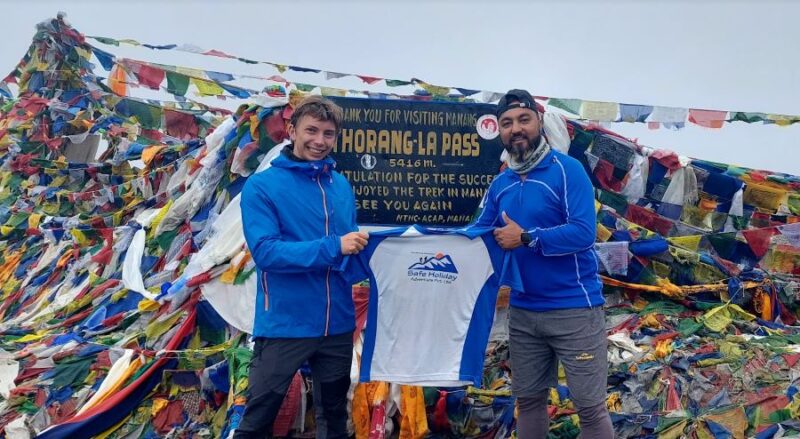
Thorong La Pass (5,416 m) is the highest point of the Annapurna Circuit Trek. Proper planning is essential for a safe and enjoyable crossing.
A. From Thorong Phedi (4,450 m) to Thorong La Pass (5,416 m)
B. From High Camp (4,900 m) to Thorong La Pass (5,416 m)
Rationale: An early departure ensures you reach the pass before strong winds, increased crowding, and direct sunlight. It also allows sufficient time for acclimatization and rest breaks.
Thorong La Pass (5,416 m) is often covered with snow during the late autumn and winter months. From late October to early December, you may see the first snowfall, making the mountains white and spectacular. Snow can also appear again from late January to March, especially after fresh snowfalls, creating a beautiful but colder trekking experience.
Trekkers should be prepared for icy paths and cold winds during these months. Proper gear like warm clothing, trekking boots, and walking poles is essential. Snow on the pass adds to the adventure and offers breathtaking panoramic views of the Annapurna and Dhaulagiri ranges, making the trek unforgettable.
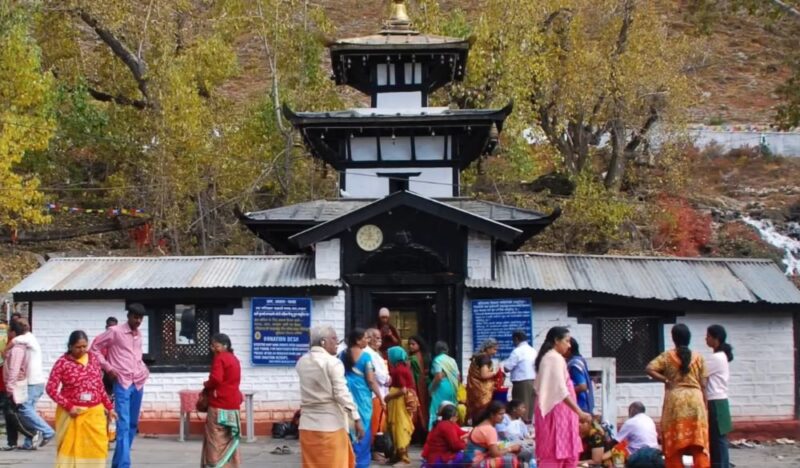
After crossing Thorong La Pass (5,416 m) early in the morning, trekkers start the descent to Muktinath (3,710 m). The total distance is about 20 km, and it usually takes 7–9 hours to complete, depending on your pace.
The trail first goes down to High Camp (4,200 m), then to Thorong Phedi (4,540 m). You will pass Yak Kharka (3,900 m) and Ranipauwa (3,700 m) along the way. The trail is a mix of rocky paths, small streams, and alpine landscapes, gradually changing to pine and rhododendron forests as you descend.
A good place to stop for lunch is Ranipauwa, about halfway from the pass. Here, you can enjoy simple Nepali meals in a tea house while resting before the final descent. The trail then continues gently to Muktinath, where you can visit the famous Muktinath Temple and enjoy the peaceful surroundings.
This route offers breathtaking views of Annapurna, Dhaulagiri, and Nilgiri mountains along the way, making it one of the most memorable sections of the Annapurna Circuit.
The Thorong La Pass trek requires careful acclimatization. High-altitude trekking carries the risk of acute mountain sickness (AMS), which can include headaches, nausea, dizziness, and fatigue. To minimize risk:
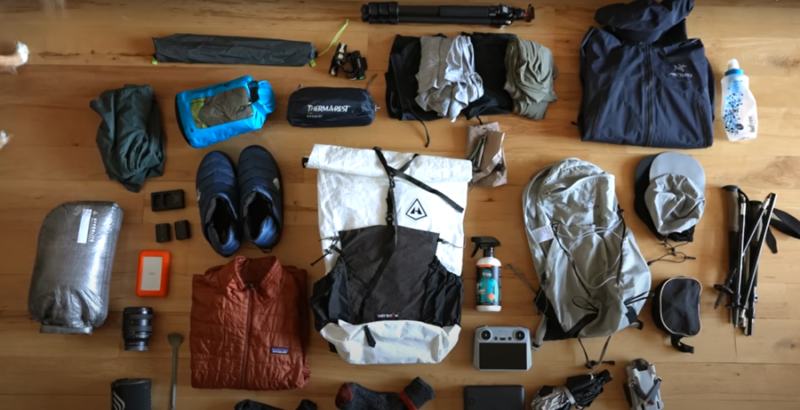
Proper gear ensures comfort, safety, and success. Essentials include:
Jagat and Dharapani are the first major villages trekkers encounter on the Annapurna Circuit. These villages are set in lush subtropical valleys, where the landscape is dominated by green terraced rice fields, orange orchards, and dense forests. The villages are vibrant, with traditional Nepali houses made of stone and wood. Here, trekkers get their first taste of local life, seeing villagers farming, tending livestock, and performing daily chores. Local teahouses offer simple meals, warm hospitality, and a chance to interact with families who have lived here for generations.
Chame, the district headquarters of Manang, and Upper Pisang are key stops for acclimatization and cultural immersion. Both villages are predominantly home to the Thakali people, an ethnic group known for their distinct cuisine, warm hospitality, and rich traditions. Trekkers can explore traditional stone and wood houses, Buddhist prayer flags, and small monasteries. Upper Pisang, in particular, offers stunning views of Annapurna II and Pisang Peak while also providing an authentic experience of Thakali festivals, local dances, and culinary delights like Thakali thali (a platter of rice, lentils, vegetables, and pickles).
Manang is a cultural and trekking hub situated high in the mountains. The village is famous for its well-preserved monasteries, prayer wheels, and traditional stone houses with wooden windows. Here, trekkers can explore narrow streets, interact with monks, and sample local specialties such as yak cheese, butter tea, and lentil pancakes. Manang also has a rich tradition of handicrafts and weaving, allowing visitors to purchase authentic souvenirs. The area’s cultural depth is enhanced by the blending of Tibetan and Nepali influences, reflected in festivals, religious practices, and daily life.
Muktinath is one of the most sacred destinations along the Annapurna Circuit. The village is renowned for the Muktinath Temple, an important pilgrimage site for both Hindus and Buddhists, and the sacred 108 water spouts (Muktidhara) where pilgrims perform ritual baths. The village sits at a high altitude, providing trekkers with stunning views of the Mustang region and the Annapurna peaks. Visiting Muktinath offers a unique spiritual and cultural experience, with the chance to witness pilgrims from across Nepal and India performing rituals, chanting prayers, and showing deep devotion.
These villages along the Annapurna Circuit provide more than just a stopover—they offer authentic cultural experiences, interactions with local communities, and a deep understanding of Nepali traditions. From terraced farms in Jagat to sacred rituals in Muktinath, each village tells its own story, making the Annapurna Circuit a journey of both natural beauty and cultural discovery.
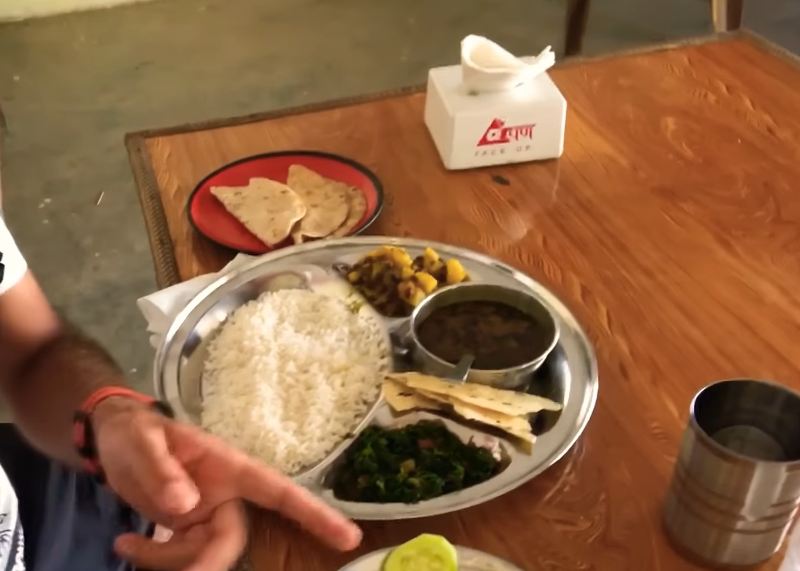
Food along the Annapurna Circuit trek is generally available in teahouses and lodges, and the variety improves as you pass through larger villages. Trekking in Nepal offers both traditional local cuisine and some international options.
1. Local Nepali Food:
Dal Bhat – This is the staple meal: lentil soup served with rice, seasonal vegetables, and sometimes chicken, fish, or buffalo meat. It is filling and provides good energy for long trekking days.
Thukpa – A Tibetan-style noodle soup with vegetables or meat, ideal for warming up at high altitudes.
Momos – Steamed or fried dumplings filled with vegetables, chicken, or buffalo meat.
Aloo Tama, Gundruk Soup – Fermented bamboo and leafy vegetable soups, more common in mid-hill villages.
2. International Options:
Many teahouses cater to trekkers with options like pasta, noodles, fried rice, pizza, and pancakes. Tea, coffee, hot chocolate, and fresh juices are widely available, though sometimes at higher altitudes, prices increase due to transportation costs.
3. Special Considerations:

Accommodation on the trek is primarily in teahouses, which are small lodges offering basic but comfortable rooms. The quality varies depending on altitude and remoteness.
1. Lower and Mid-Hill Villages:
2. High-Altitude Villages:
3. Amenities and Services:
4. Booking Tips:
Overall, the Annapurna Circuit offers a good balance of comfort and local flavor. Trekkers can enjoy hearty Nepali meals and safe, clean lodging throughout the trek, with a gradual adjustment in facilities as the altitude increases.
Adventurous trekkers can explore:
Physical preparation is essential:
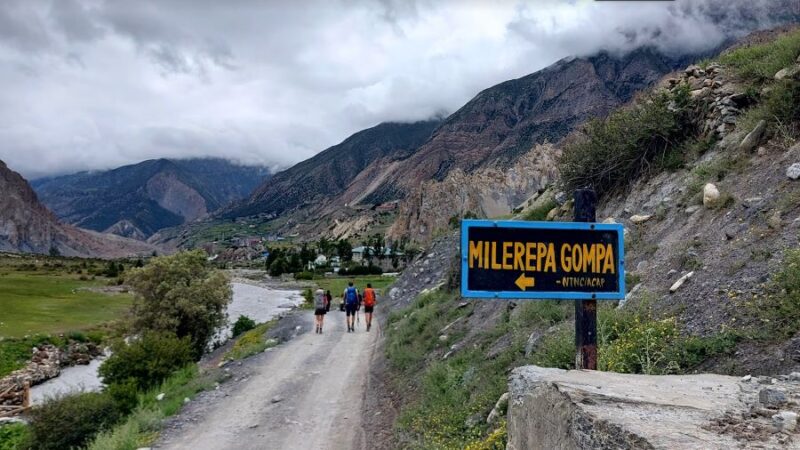
The Annapurna region has a wide variety of plants and animals, changing with altitude:
Wildlife: The region is home to animals like the Himalayan monal (national bird), blue sheep, snowcocks, and, in very remote areas, you might even spot red pandas.
After the challenging yet rewarding trek over Thorong La Pass (5,416 m / 17,769 ft) on the Annapurna Circuit, many trekkers continue to the sacred Muktinath Temple, a revered site for both Hindus and Buddhists. This temple, located at 3,710 m (12,172 ft) in the Mustang region of Nepal, is considered a place of liberation and spiritual cleansing.
The path from Thorong La High Camp to Muktinath offers breathtaking landscapes, including views of Dhaulagiri, Nilgiri, and Annapurna ranges, high-altitude desert terrain, and the Mustang valley’s unique Himalayan culture. The descent is steep and requires careful trekking, but the sense of accomplishment grows as you approach the temple.
Muktinath Temple is famous for its 108 natural water spouts and eternal flame, symbolizing purity and eternal life. Pilgrims perform rituals such as walking under the holy water spouts or offering prayers to cleanse their sins and seek blessings. Many trekkers experience a deep sense of peace and spiritual fulfillment when visiting this sacred site after the physical and mental challenge of Thorong La Pass.
Staying in nearby Muktinath village allows trekkers to rest, enjoy local cuisine, and immerse themselves in the spiritual ambiance before continuing the descent toward Jomsom or Marpha, completing the next stage of the Annapurna Circuit.
Highlights of the spiritual journey:
The Annapurna Circuit Trek offers breathtaking views, charming villages, and unforgettable experiences. Trekking this route can be done in two directions: clockwise or counterclockwise. Each choice has its own advantages.
Choosing the right direction depends on your fitness, schedule, and what kind of experience you want. Both routes promise incredible landscapes, rich culture, and memories that last a lifetime.

It remains one of the most iconic treks in the world, attracting both seasoned and first-time trekkers. Crossing Thorong La Pass is not just a journey across mountains; it is a journey of endurance, discovery, and inspiration.
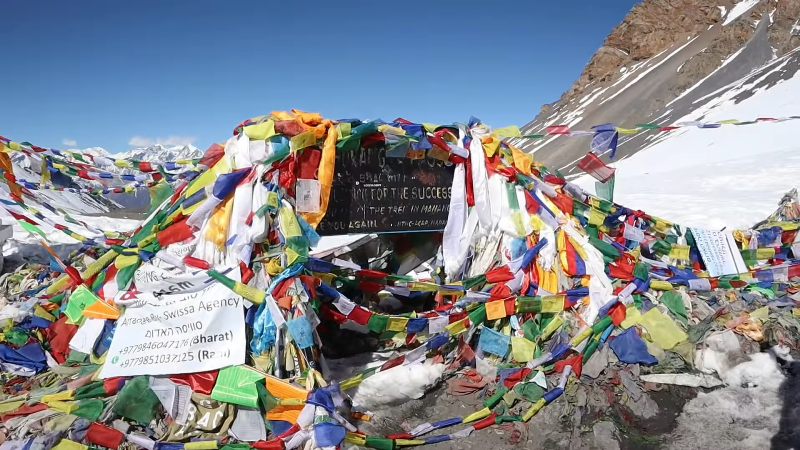
Thorong La Pass Altitude
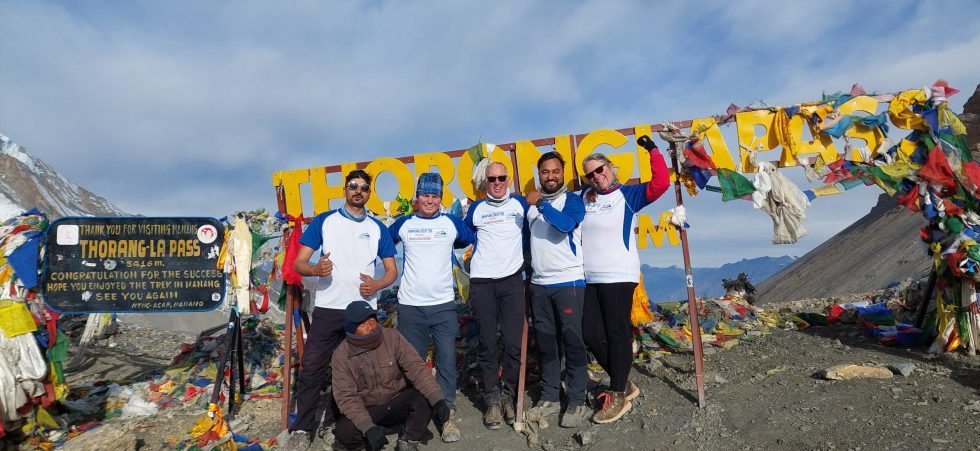
Thorong La Pass is the highest point on the Annapurna Circuit Trek, at 5,416 meters (17,769 feet) above sea level. Trekkers usually cross it early in the morning to avoid strong winds and enjoy clear mountain views. At this height, the air is thin, temperatures are cold, and shortness of breath or mild altitude sickness may occur. Walking slowly, staying hydrated, and taking breaks are important. The pass offers breathtaking views of Annapurna, Dhaulagiri, and Nilgiri mountains.


There is a moment on every Everest trek when your legs have an opinion. For most people, it arrives
Continue Reading
If you are asking how difficult the Everest Three Passes Trek is, the honest answer is this: it is t
Continue Reading
My name is Peng Chang, and I travelled to Nepal from Malaysia with a small group of friends. Before
Continue Reading
In this story Why I Chose Everest Base Camp My name is Chyling, and I come from Malaysia, a country
Continue Reading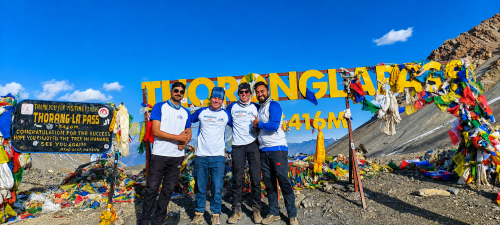
Ask anyone who has finished the Annapurna Circuit which day they remember most, and the answer is al
Continue Reading
Introduction Kathmandu doesn’t ease you in. You step out of the airport into a chorus of horns
Continue Reading