
15 Jul 2026 18 min to read
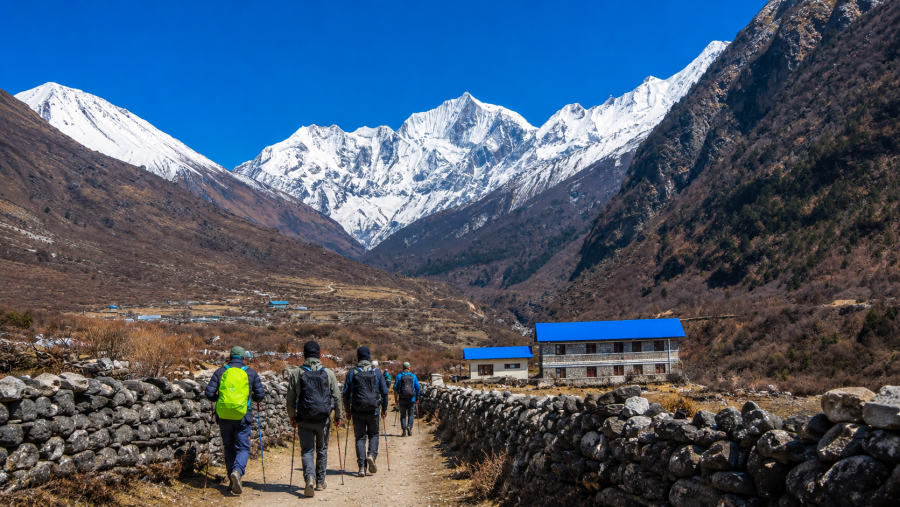
The Langtang Valley Trek is one of Nepal’s most rewarding Himalayan adventures, offering breathtaking mountain scenery, authentic Tamang culture, peaceful monasteries, lush forests, and impressive glaciers—all within a week’s journey from Kathmandu. Often called the “Valley of Glaciers,” Langtang is perfect for trekkers seeking a quieter alternative to the Everest Base Camp and Annapurna Base Camp treks.
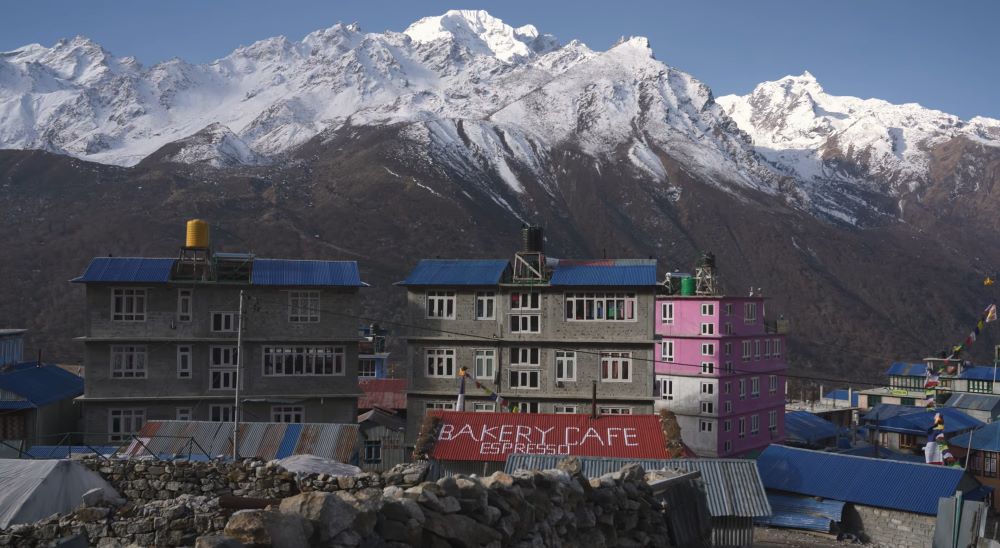
Located just north of Kathmandu near the Tibetan border, the Langtang region combines spectacular natural beauty with rich cultural heritage. The trail passes through Langtang National Park, where trekkers may encounter red pandas, Himalayan black bears, musk deer, and colorful pheasants while enjoying panoramic views of Langtang Lirung (7,227 m), Dorje Lakpa (6,966 m), Gangchempo (6,387 m), and several other snow-capped peaks.
The journey reaches the beautiful village of Kyanjin Gompa (3,870 m), the cultural and scenic heart of the trek. From here, adventurous hikers can climb Kyanjin Ri (4,773 m) or Tserko Ri (4,984 m) for unforgettable sunrise views over glaciers and towering Himalayan peaks.
Whether you are planning your first Himalayan adventure or looking for a less crowded trekking destination, this Langtang Valley Trek Complete Travel Guide covers everything you need to know, including the itinerary, difficulty, permits, costs, accommodation, transportation, weather, packing list, safety tips, and frequently asked questions.
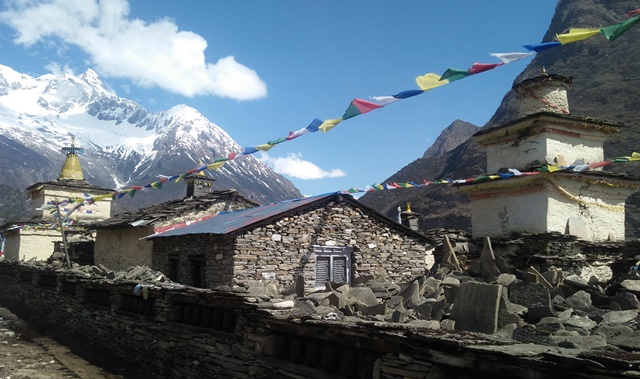
Thousands of trekkers visit Nepal every year, yet many overlook the incredible beauty of the Langtang region. Unlike the busy Everest and Annapurna trails, Langtang offers a more peaceful trekking experience without compromising on spectacular Himalayan scenery.
Some of the main reasons to choose the Langtang Valley Trek include:
The trek offers a perfect balance of nature, culture, adventure, and mountain scenery, making it one of Nepal’s most complete trekking experiences.
The Langtang Valley lies approximately 120 kilometers north of Kathmandu in Rasuwa District, within Langtang National Park. The region borders Tibet (China) and is one of Nepal’s closest Himalayan trekking destinations.
The trek begins with a scenic drive from Kathmandu to Syabrubesi (1,550 m), the main gateway to the Langtang Valley. From there, the trail follows the Langtang Khola River through forests, waterfalls, suspension bridges, and charming mountain villages before reaching Kyanjin Gompa.
Because of its proximity to Kathmandu, Langtang is an excellent choice for travelers with limited time who still want an authentic Himalayan trekking experience.

The classic Langtang Valley Trek follows a well-established tea house trail that gradually climbs through forests and traditional settlements before reaching the alpine landscapes around Kyanjin Gompa.
Kathmandu → Syabrubesi → Lama Hotel → Riverside → Ghodatabela → Langtang Village → Mundu → Kyanjin Gompa → Kyanjin Ri / Tserko Ri → Return via the same trail → Syabrubesi → Kathmandu
This route allows trekkers to experience changing landscapes, from subtropical forests to glacial valleys and high alpine terrain.
| Day | Route | Walking Time | Overnight |
|---|---|---|---|
| Day 1 | Drive Kathmandu to Syabrubesi | 7–8 hrs | Syabrubesi |
| Day 2 | Trek to Lama Hotel | 6–7 hrs | Lama Hotel |
| Day 3 | Trek to Langtang Village | 6–7 hrs | Langtang Village |
| Day 4 | Trek to Kyanjin Gompa | 3–4 hrs | Kyanjin Gompa |
| Day 5 | Hike Kyanjin Ri or Tserko Ri | 5–7 hrs | Kyanjin Gompa |
| Day 6 | Trek back to Lama Hotel | 6–7 hrs | Lama Hotel |
| Day 7 | Trek to Syabrubesi | 5–6 hrs | Syabrubesi |
| Day 8 | Drive to Kathmandu | 7–8 hrs | Kathmandu |
This itinerary can be customized into a 7, 9, or 10-day trek depending on your pace and available time.
| Section | Approximate Distance |
|---|---|
| Kathmandu – Syabrubesi | 122 km (Drive) |
| Syabrubesi – Lama Hotel | 11 km |
| Lama Hotel – Langtang Village | 14 km |
| Langtang Village – Kyanjin Gompa | 7 km |
| Kyanjin Gompa – Kyanjin Ri | 2.5 km |
| Kyanjin Gompa – Tserko Ri | 5 km |
| Information | Details |
|---|---|
| Trek Duration | 7–10 Days |
| Maximum Elevation | 4,984 m (Tserko Ri) |
| Starting Point | Syabrubesi |
| Ending Point | Syabrubesi |
| Total Trekking Distance | Approximately 70–80 km |
| Accommodation | Tea Houses |
| Difficulty | Moderate |
| Best Seasons | Spring & Autumn |
| Required Permits | Langtang National Park Entry Permit and TIMS (depending on current regulations) |
| Guide | Highly Recommended |

The highest point on the standard Langtang Valley Trek is Tserko Ri (4,984 m / 16,352 ft), a spectacular viewpoint that offers one of the finest panoramic vistas in the Langtang region. Many trekkers also hike to Kyanjin Ri (4,773 m / 15,659 ft), which is slightly lower but equally rewarding and generally easier to reach.
Both hikes begin early in the morning from Kyanjin Gompa and provide breathtaking sunrise views over glaciers, snow-covered peaks, and the Langtang Valley below.
The Langtang Valley Trek rewards visitors with exceptional mountain scenery throughout the journey. On clear days, you’ll enjoy views of:
| Mountain | Elevation |
|---|---|
| Langtang Lirung | 7,227 m |
| Dorje Lakpa | 6,966 m |
| Gangchempo | 6,387 m |
| Yala Peak | 5,732 m |
| Naya Kanga | 5,844 m |
| Langshisa Ri | 6,427 m |
| Pemthang Ri | 6,836 m |
The dramatic combination of glaciers, rugged cliffs, alpine meadows, and towering Himalayan peaks makes Langtang one of Nepal’s most photogenic trekking destinations.
While many trekking routes in Nepal showcase stunning mountain scenery, the Langtang Valley Trek stands out for its unique blend of accessibility, natural beauty, and cultural richness. Within a relatively short distance from Kathmandu, trekkers experience lush forests, cascading rivers, traditional Tamang villages, ancient Buddhist monasteries, yak pastures, glaciers, and breathtaking Himalayan panoramas.
The region also tells a powerful story of resilience. Following the devastating 2015 earthquake, local communities rebuilt their villages and trekking infrastructure with remarkable determination. Today, visiting Langtang not only offers an unforgettable adventure but also supports local families, tea houses, guides, and small businesses that rely on sustainable tourism.
One of the most common questions travelers ask is, “How difficult is the Langtang Valley Trek?” The good news is that the Langtang Valley Trek is considered a moderate trek, making it suitable for beginners with a reasonable level of fitness as well as experienced trekkers looking for a rewarding Himalayan adventure.
Unlike technical climbing expeditions, the trail does not require mountaineering skills or specialized equipment. However, trekkers should be prepared for several days of uphill and downhill walking on stone staircases, forest trails, rocky paths, and alpine terrain.
Most trekking days involve 5 to 7 hours of walking, with the longest days reaching up to 8 hours depending on your itinerary. The trail gradually ascends from Syabrubesi (1,550 m) to Kyanjin Gompa (3,870 m), allowing your body to acclimatize naturally before optional hikes to higher viewpoints.
| Factor | Level |
|---|---|
| Overall Difficulty | Moderate |
| Trekking Experience | Not Required |
| Daily Walking | 5–7 Hours |
| Maximum Elevation | 4,984 m (Tserko Ri) |
| Technical Skills | None |
| Suitable for Beginners | Yes |
| Suitable for Families | Yes (with preparation) |
If you can comfortably walk for several hours and maintain a steady pace, you can successfully complete the Langtang Valley Trek. Taking regular breaks, staying hydrated, and following your guide’s advice will make the journey much more enjoyable.
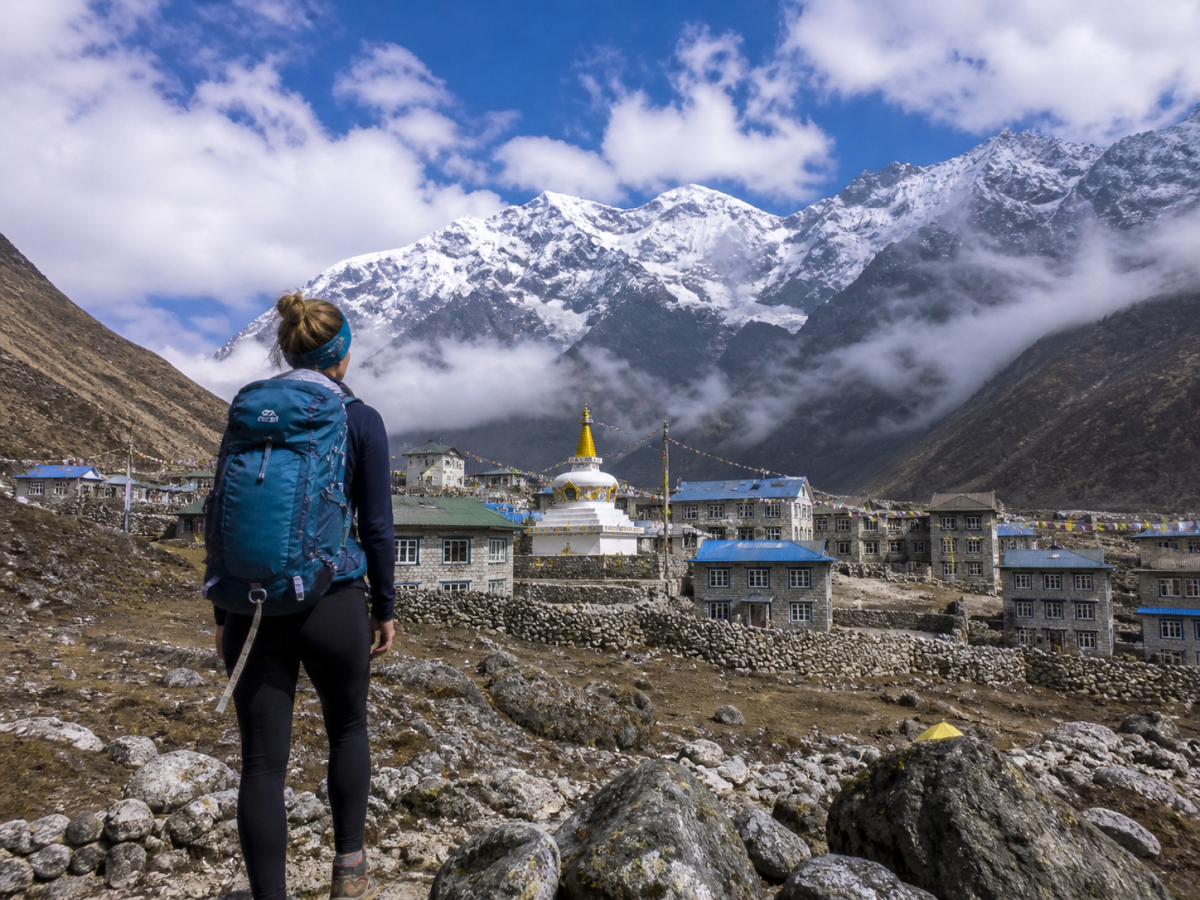
Although the trek is achievable for most healthy travelers, preparing your body before the trip will greatly improve your experience.
Ideally, begin training 4 to 6 weeks before your trek with activities such as:
Practicing day hikes with a small backpack is also an excellent way to prepare for the daily walking routine you’ll experience in the Himalayas.
Remember, trekking is about endurance rather than speed. Walking slowly and consistently is the best strategy for reaching higher elevations comfortably.
Since the trail reaches nearly 5,000 meters, altitude sickness is an important topic to understand. Although the Langtang Valley Trek has a gradual ascent compared to many high-altitude treks, some trekkers may still experience mild symptoms of Acute Mountain Sickness (AMS).
Common symptoms include:
These symptoms usually improve with rest, hydration, and proper acclimatization. However, they should never be ignored.
Many trekkers choose to spend an extra night at Kyanjin Gompa for acclimatization before hiking to Kyanjin Ri or Tserko Ri, which can significantly reduce the risk of altitude-related issues.
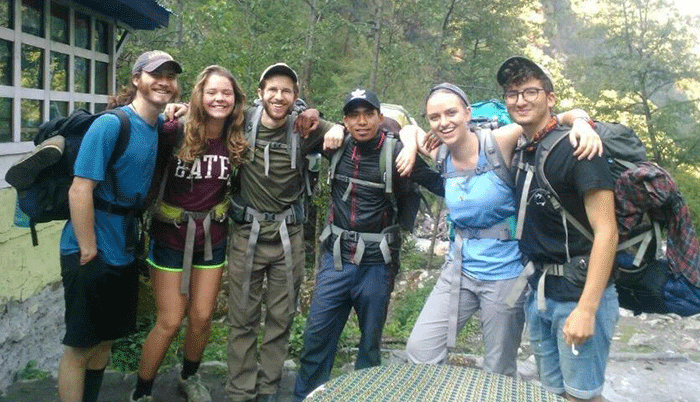
The Langtang Valley Trek can be completed throughout much of the year, but spring (March to May) and autumn (September to November) are widely regarded as the best seasons.
During these months, you’ll enjoy stable weather, comfortable temperatures, excellent visibility, and stunning mountain views.
Spring transforms the Langtang region into a colorful paradise. Rhododendron forests bloom in vibrant shades of red, pink, and white, while the weather is generally mild and pleasant.
The monsoon season brings lush green landscapes and fewer trekkers, but it also comes with frequent rainfall, slippery trails, and occasional landslides.
Autumn is the most popular trekking season in Nepal. After the monsoon rains, the skies become exceptionally clear, offering some of the best mountain views of the year.
Winter offers peaceful trails and snow-covered landscapes, but temperatures can drop well below freezing at higher elevations.
Trekkers should pack warm clothing if visiting during winter.
Weather in the Himalayas can change quickly, so it’s important to be prepared for varying conditions.
| Season | Day Temperature | Night Temperature |
|---|---|---|
| Spring | 10°C to 20°C | -2°C to 5°C |
| Summer | 15°C to 25°C | 5°C to 10°C |
| Autumn | 8°C to 18°C | -5°C to 3°C |
| Winter | 0°C to 10°C | -10°C to -15°C |
Higher elevations, particularly around Kyanjin Gompa, Kyanjin Ri, and Tserko Ri, are significantly colder than lower villages. Dressing in layers allows you to adapt comfortably as temperatures change throughout the day.
Before entering the Langtang region, all trekkers must obtain the required permits. These permits support conservation efforts and help manage tourism within the national park.
| Permit | Required |
|---|---|
| Langtang National Park Entry Permit | Yes |
| TIMS Card | Check current regulations before your trek |
Permits are typically arranged by your trekking agency, but independent trekkers can also obtain them from the relevant authorities in Kathmandu or at designated checkpoints.
Always carry your permits and passport, as they will be checked at various points along the trail.
The cost of the Langtang Valley Trek depends on factors such as the duration, group size, transportation, accommodation, and whether you travel independently or with a guided tour.
Below is a general estimate:
| Category | Estimated Cost (USD) |
|---|---|
| Budget Trek | $350–500 |
| Standard Guided Trek | $500–800 |
| Premium Trek | $800–1,200+ |
Typical expenses include:
Booking a package with a reputable trekking company often simplifies logistics and provides better value, especially for first-time visitors.
Many travelers wonder whether they should trek independently or hire a guide. While experienced hikers may enjoy the freedom of solo trekking (subject to current regulations), a guided trek offers numerous advantages.
Hiring a porter can also make the trek more comfortable by carrying your heavier gear, allowing you to focus on enjoying the journey.
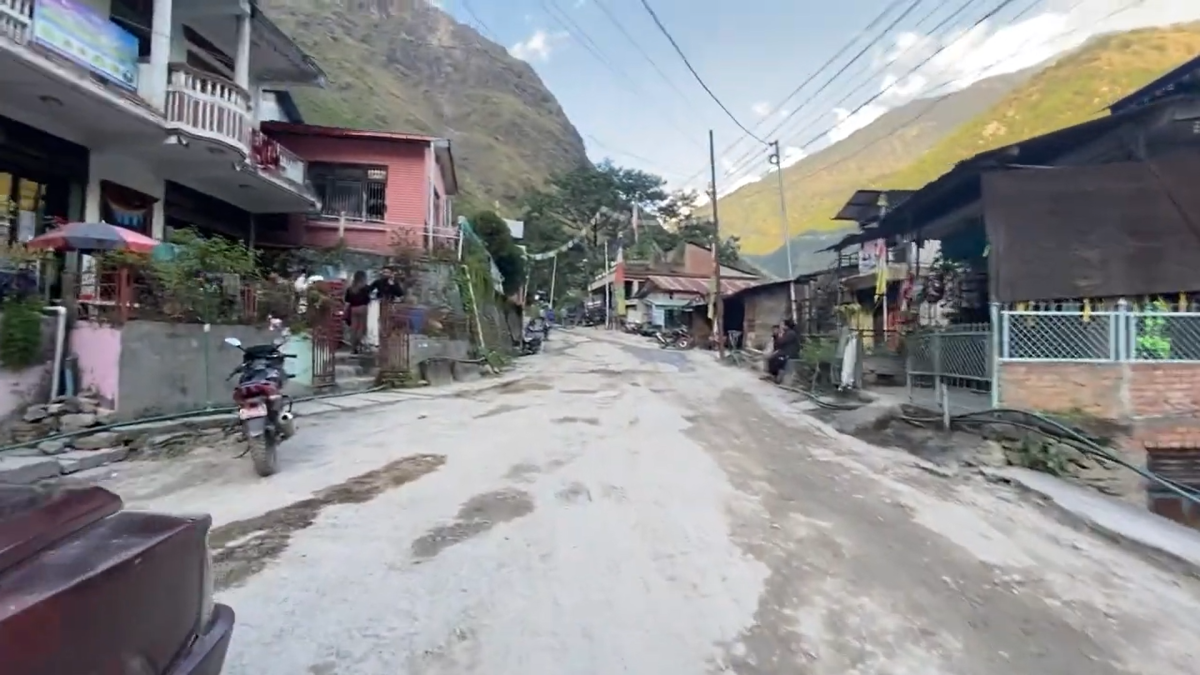
The Langtang Valley Trek begins with a scenic drive from Kathmandu to Syabrubesi, the main gateway to the region.
The road follows winding mountain valleys, passing rivers, terraced farmland, and traditional villages before reaching Syabrubesi.
The Langtang Valley Trek is one of Nepal’s most accessible Himalayan adventures, but good preparation makes all the difference. Understanding the trek’s difficulty, seasonal conditions, altitude, transportation options, and budget helps ensure a safer, more enjoyable, and more rewarding experience. By planning ahead, you can focus on the incredible scenery, welcoming local communities, and unforgettable moments that make the Langtang Valley Trek so special.
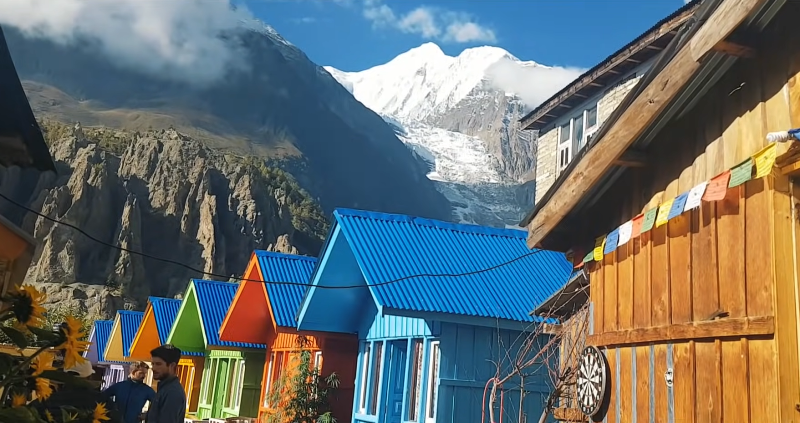
The Langtang Valley Trek is one of Nepal’s most comfortable tea house treks. Although the region is remote, you’ll find welcoming family-run lodges, freshly prepared meals, and basic facilities throughout the trail. Knowing what to expect before you go will help you pack wisely, budget effectively, and enjoy a smoother trekking experience.
Tea houses are simple mountain lodges operated by local families. They provide a warm place to sleep, home-cooked meals, and an opportunity to experience the hospitality of the Tamang community.
Most tea houses offer twin-sharing rooms with two single beds, mattresses, pillows, and blankets. During the peak trekking seasons, rooms can fill up quickly, so booking through a trekking agency or guide is recommended.
| Facility | Availability |
|---|---|
| Twin-sharing rooms | ✔ Available |
| Private rooms | Available in some villages |
| Shared bathrooms | ✔ Common |
| Western toilets | Most villages |
| Hot shower | Available (extra charge) |
| Dining hall with stove | ✔ Available |
| Blankets | ✔ Provided |
| Wi-Fi | Available in many tea houses (paid) |
| Charging facilities | Available (paid at higher elevations) |
As you climb higher, facilities become more basic. While luxury accommodation is not available in Langtang, the warm hospitality and spectacular mountain surroundings more than make up for the simplicity.
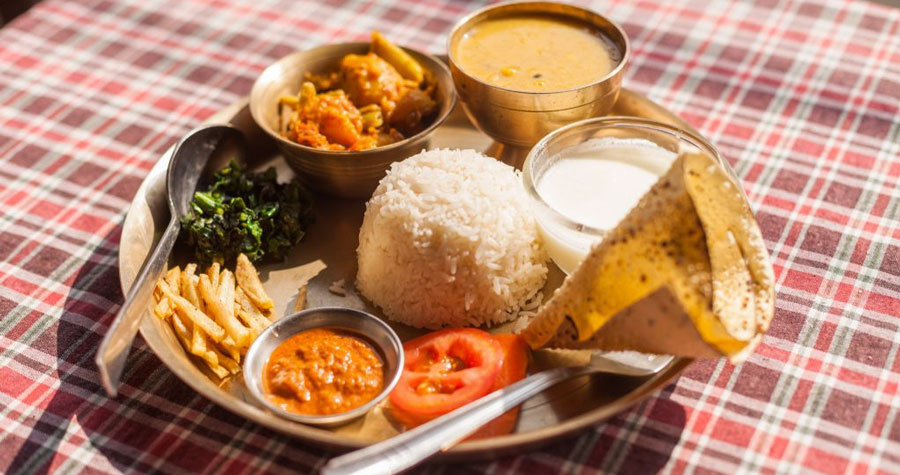
One of the pleasant surprises of trekking in Langtang is the variety of food available. Tea houses serve both traditional Nepali meals and popular international dishes to meet the needs of trekkers from around the world.
Dal Bhat is the most popular trekking meal because it provides balanced nutrition and unlimited refills at many tea houses.
Trekkers can enjoy a wide range of hot and cold beverages.
Common options include:
Ginger tea and lemon tea are especially popular because they help keep the body warm and aid digestion at higher altitudes.
Staying hydrated is essential, especially at higher elevations.
Buying bottled water is possible in some villages, but it becomes increasingly expensive as you ascend and contributes to plastic waste. Carrying a reusable water bottle is the most environmentally friendly option.
Aim to drink 3–4 liters of water each day during the trek.
Although Langtang is a remote Himalayan valley, communication has improved significantly in recent years.
Most tea houses in larger villages such as Syabrubesi, Lama Hotel, Langtang Village, and Kyanjin Gompa offer paid Wi-Fi. The speed may be slow, especially during busy trekking seasons or bad weather.
Nepal Telecom (NTC) and Ncell mobile networks are available in parts of the trek, but coverage becomes less reliable at higher elevations.
| Service | Availability |
|---|---|
| Wi-Fi | Available in most tea houses (paid) |
| Nepal Telecom (NTC) | Better coverage in many areas |
| Ncell | Limited in higher elevations |
| Mobile Data | Works in some villages |
It’s a good idea to inform family and friends that internet access may be limited during your trek.
Electricity is available in most tea houses, either through the national grid, solar panels, or small hydropower systems.
Charging electronic devices usually requires a small fee, especially above Langtang Village.
Carrying a 10,000–20,000 mAh power bank is highly recommended, particularly if you plan to use your phone frequently for photos, GPS, or communication.
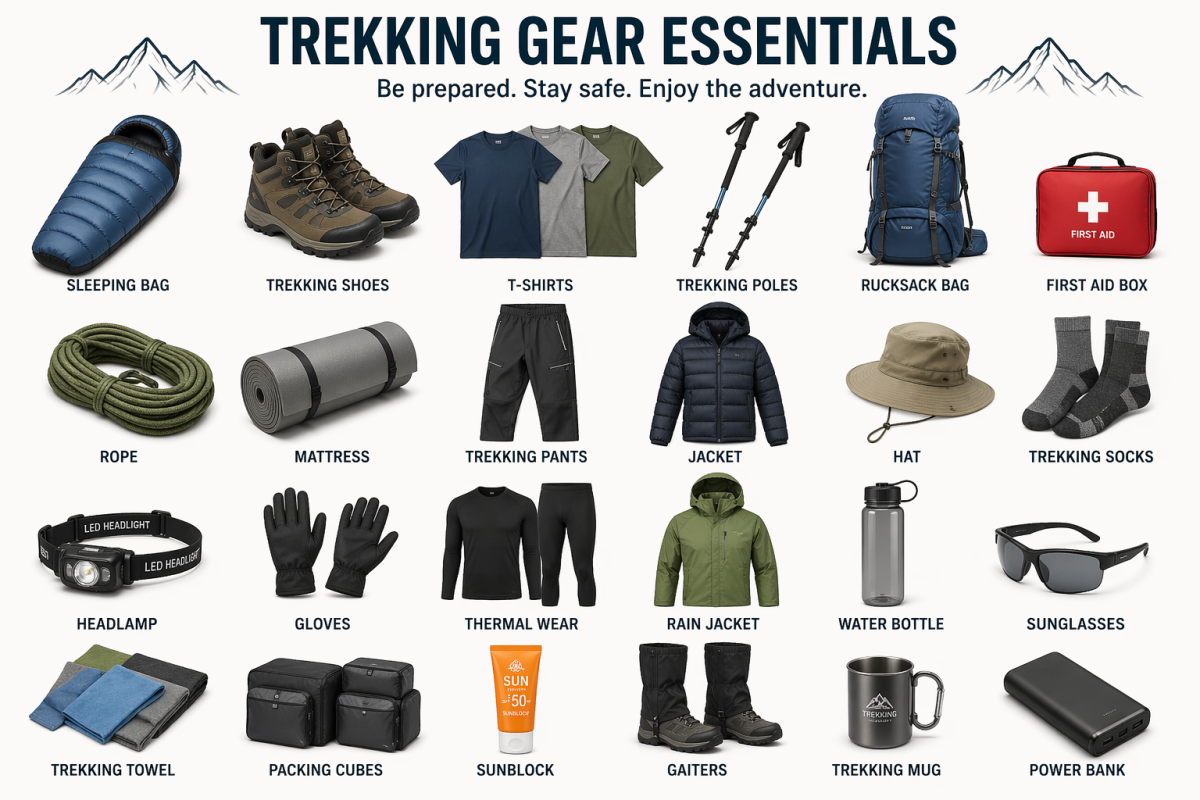
Packing smartly can make your trek more comfortable and enjoyable. The weather changes quickly in the Himalayas, so dressing in layers is the best strategy.
Carry a small personal first aid kit that includes:
Consult your doctor before taking altitude-related medication.
Travel insurance is strongly recommended for anyone trekking in Nepal.
A good insurance policy should include:
Before purchasing a policy, make sure it specifically covers trekking up to the maximum altitude of your itinerary.
There are no reliable ATMs once you leave Kathmandu. Although a few banking services may be available in Syabrubesi, they cannot always be relied upon.
Bring enough Nepalese Rupees to cover:
Most tea houses accept cash only.
Hiring local staff not only makes your trek easier but also supports the local economy.
A professional licensed guide typically assists with:
A porter usually carries 20–25 kg, shared between two trekkers.
Hiring a porter allows you to trek comfortably with only a small daypack containing your daily essentials.
The Langtang region is both environmentally and culturally significant. Practicing responsible tourism helps preserve its beauty for future generations.
Every responsible choice contributes to protecting the fragile Himalayan environment.
If this is your first Himalayan trek, these practical tips will help you have a safe and enjoyable experience:
The Langtang Valley Trek is as much about the journey as it is about the destination. Walking through peaceful forests, crossing suspension bridges, sharing meals with local families, and witnessing the grandeur of the Himalayas create memories that last a lifetime.
The Langtang Valley Trek is an unforgettable Himalayan adventure that combines breathtaking mountain scenery, rich Tamang culture, peaceful monasteries, and rewarding hiking trails. Whether you’re a first-time trekker or an experienced adventurer, this journey offers a perfect balance of nature, culture, and adventure. Plan well, trek responsibly, and prepare to create lifelong memories in one of Nepal’s most beautiful trekking destinations.
A clear and honest update for travelers planning Everest, Annapurna, Manaslu, Mustang and other popu
Continue Reading
Manang is one of the most important stops on the Annapurna Circuit Trek. After several days of walki
Continue Reading
If you are wondering where to see red pandas in Nepal, the Langtang region is one of the most releva
Continue Reading
The Everest Base Camp Trek is one of the world’s most famous Himalayan adventures, but many fi
Continue Reading
When trekkers arrive at Tenzing-Hillary Airport in Lukla, they are entering one of the world’s
Continue Reading
Langtang National Park is one of Nepal’s most accessible Himalayan protected areas, combining spec
Continue Reading