

5 Aug 2019 11 min to read
The Khopra Ridge Trek is a quiet trail in the Annapurna region for trekkers who want big mountain views without the crowds of Annapurna Base Camp or Poon Hill. The route climbs through Gurung villages and rhododendron forest to Khopra Danda at about 3,640 m, with an optional side trip to sacred Khayer Lake. Along the way, you see Annapurna South, Dhaulagiri, and Machhapuchhre (Fishtail) from a peaceful ridge.
This guide covers the itinerary, best time, cost, permits, difficulty, food, packing and safety, so you can plan the trek with confidence.
The trek is also called the Khopra Danda trek or the Khayer Lake trek. It begins at Nayapul near Pokhara and ends at Tatopani, where natural hot springs wait for tired legs.
| Detail | Information |
|---|---|
| Start / End | Nayapul / Tatopani |
| Khopra Ridge altitude | About 3,640 m |
| Khayer Lake altitude | About 4,600 m |
| Daily walking | 5 to 7 hours |
| Difficulty | Moderate to challenging |
| Accommodation | Tea houses and community lodges |
| Best seasons | March to May, September to November |
| Permits | ACAP and local entry permit |
If you want an easier short trek first, read our Ghorepani Poon Hill Trek Guide.
Our team welcomes you at Tribhuvan International Airport and drives you to your hotel. In the evening, you meet your trek leader for a short briefing on the route, permits, weather and safety. Check your gear, rent anything you are missing (such as a sleeping bag or down jacket), and rest well before the journey begins.
Highlights: Trek briefing, gear check, Thamel evening stroll
Fly to Pokhara early for lake and mountain views, then drive to Nayapul. The trek starts on a gentle trail through Birethanti, where you cross a suspension bridge and follow the Bhurungdi Khola. The path passes terraced fields and small Gurung settlements before reaching Tikhedhunga. It is an easy first day that warms up your legs.
Highlights: Scenic flight, Birethanti bridge, waterfalls and rice terraces
This is the toughest climb of the trek. You begin with the famous stone staircase up to Ulleri, then continue through oak, rhododendron and moss-covered forest to Banthanti and Nangethanti. You reach Ghorepani in the afternoon, a lively village with tea houses and mountain views. Take it slowly and keep drinking water.
Highlights: Ulleri stairs, rhododendron forest, Ghorepani village
Leave the busy Poon Hill trail and head into quieter forest. The route crosses ridges, passes Swanta village and continues through bamboo and rhododendron forest. There are ups and downs throughout the day, and mountain views open up as the trees thin. Upper Chistibung is a small, peaceful stop with few other trekkers.
Highlights: Quiet forest trails, Swanta village, views of Dhaulagiri and Annapurna South
A shorter, steady climb through forest leads to open, windswept ridge land. You reach Khopra Danda in the early afternoon, which leaves time to rest and acclimatize. The ridge gives wide views over the Annapurna range, Nilgiri, Dhaulagiri and Fishtail. Sunset from here is a highlight of the trek.
Highlights: Khopra ridge views, sunset over the Himalaya, peaceful campsite-style setting
Start early, ideally before sunrise, with warm clothes, water and lunch. The trail climbs steeply over open slopes to the sacred Khayer Lake, which local people revere. It is a demanding day with thinner air, so walk slowly and rest often. Return to Khopra Danda in the afternoon, tired but proud.
Highlights: Sunrise on the ridge, sacred alpine lake, highest point of the trek
Today is a long descent through forest, villages and terraced hills down toward the Kali Gandaki valley. The air warms as you drop, and the landscape changes from alpine to subtropical. In Tatopani, relax in the natural hot springs, which are perfect for sore legs after days of climbing.
Highlights: Long scenic descent, warmer climate, Tatopani hot springs
Drive back along the Kali Gandaki valley, one of the deepest gorges in the world, passing Beni and small roadside towns. You reach Pokhara in the afternoon. Spend the evening walking by Phewa Lake, enjoying a good meal and celebrating the trek.
Highlights: Kali Gandaki gorge drive, Phewa Lake evening, celebration dinner
Return to Kathmandu by air or road. Spend the rest of the day shopping for souvenirs, visiting a cultural site or resting. In the evening, join a farewell dinner with your team.
Highlights: Farewell dinner, souvenir shopping, optional sightseeing
Our team drops you at the airport about three hours before your international flight.
Highlights: Farewell and safe journey home
You can also add a night at Poon Hill to watch the sunrise, which our team can arrange on request.
Autumn and spring give the best balance of weather and views.
Autumn is the most popular season. After the monsoon, the air is clear and the hills are still green. Daytime temperatures at Khopra are around 15 to 20°C, and nights fall to about 0 to 4°C. Waterfalls and rivers are full, and the mountain views are at their best.
Spring brings warm days, stable weather and blooming rhododendrons. Daytime highs are comfortable, while nights drop to about 5°C. It is a beautiful time for photography.
Avoid the monsoon (June to August) because of leeches, landslides and cloud cover, and winter because snow can block the higher sections.
A typical all-inclusive package for this trek costs around USD 600 to 700 per person, depending on group size, season and services.
Usually included:
Usually not included:
If you prefer to organize parts yourself, you can hire a guide for around USD 30 per day, but package trips are simpler and safer in this remote area. See our Nepal trekking packages for current prices.
You need an Annapurna Conservation Area Permit (ACAP) and the local entry permit currently required for the region. Fees and rules change, so always confirm the latest details with your trekking agency or the official Nepal Tourism Board before you travel. Carry your passport and passport-size photos to arrange permits in Kathmandu or Pokhara.
Khopra is remote, and supplies are carried in by porters, so expect simple but fresh meals. Common dishes include dal bhat, fried rice, noodles, momos, chapati, eggs, vegetable curry, porridge and Gurung bread. Meals usually cost USD 4 to 10.
It is best to choose vegetarian food, since meat has to be carried for days and may not be fresh.
Rooms are basic, with shared bathrooms and twin beds with blankets. Prices are low, about USD 3 to 10 per night. Bring a warm sleeping bag, especially in November. Electricity is limited, so carry a power bank or solar charger, and expect to pay for charging.
The trek is moderate to challenging. You walk 5 to 7 hours most days, with steep ascents and descents, especially on the first few days. The altitude is moderate, but the long Khayer Lake day is demanding.
You do not need technical skills, but good fitness helps. To prepare:
The trek is also less crowded, so help is farther away than on busier trails. This is one more reason to trek with a guide.
Khopra Ridge sits at about 3,640 m, and Khayer Lake is higher at around 4,600 m. Altitude sickness is uncommon at Khopra but can happen, especially on the lake day. Follow these tips:
Read our full guide on preventing altitude sickness in Nepal for more detail.
You can trek Khopra independently, but a guide and porter are strongly recommended.
It is moderate to challenging. Most fit beginners can finish it with preparation and a steady pace.
A typical itinerary takes 10 days including Kathmandu, but the trek itself takes about 6 to 7 days.
March to May and September to November offer the clearest skies and safest conditions.
A package usually costs about USD 600 to 700 per person, depending on services and group size.
Yes. It has fewer trekkers and a quieter, more remote feel.
Yes, if they are in good health and train beforehand, especially with a guide.
The Khopra Ridge Trek rewards you with mountain views, cultural villages and quiet trails, all at a fair price. Choose spring or autumn, train in advance, pack warm layers and trek with a guide for the best experience.
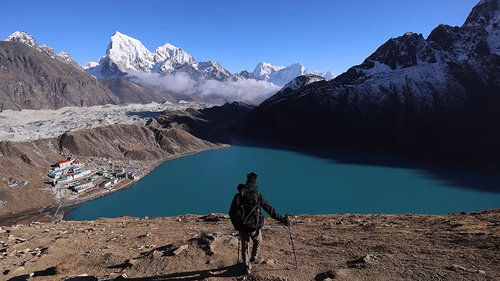
If you are asking how difficult the Everest Three Passes Trek is, the honest answer is this: it is t
Continue Reading
My name is Peng Chang, and I travelled to Nepal from Malaysia with a small group of friends. Before
Continue Reading
In this story Why I Chose Everest Base Camp My name is Chyling, and I come from Malaysia, a country
Continue Reading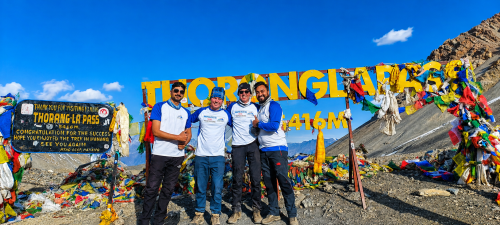
Ask anyone who has finished the Annapurna Circuit which day they remember most, and the answer is al
Continue Reading
Introduction Kathmandu doesn’t ease you in. You step out of the airport into a chorus of horns
Continue Reading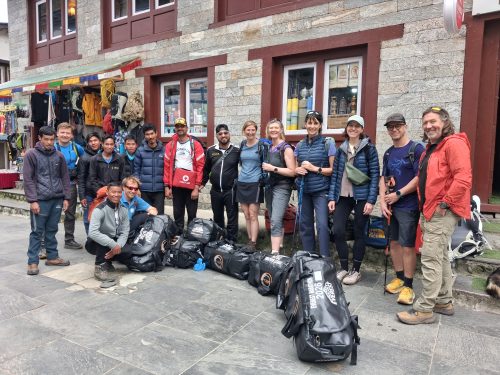
Every Everest Base Camp trekking package includes a line item for “guide” and “por
Continue Reading