

2 Aug 2019 5 min to read
Picture a trail that starts in a warm forest, passes quiet Tamang villages, and ends in a high valley where Langtang Lirung fills the sky. That is the Langtang Valley trek, and it begins only a day’s drive from Kathmandu.
It looks simple on paper, but the trek has a few surprises. Rules for permits and guides have changed, altitude affects people differently, and prices climb as the trail does. Trekkers who learn this before they arrive enjoy the walk far more.
Before you book, here are 10 things you should know about the Langtang Valley trek, from permits and costs to seasons and safety.
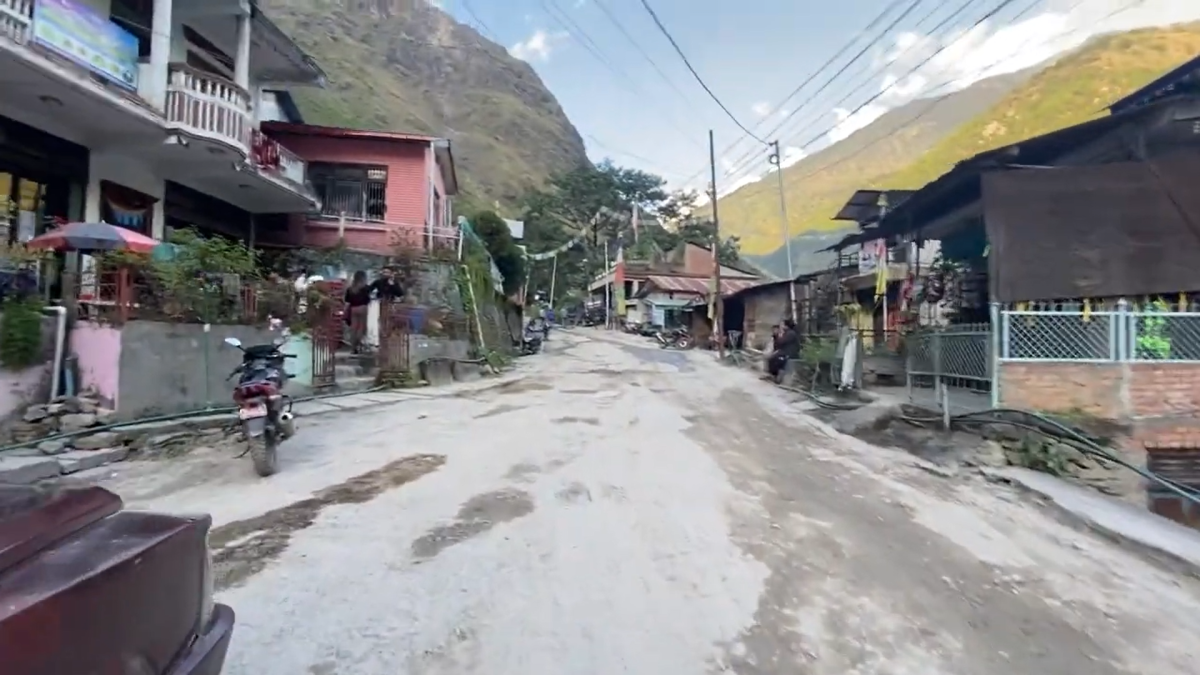
Langtang looks close to Kathmandu on a map, but the road to Syabrubesi, the starting point, takes roughly 7 to 8 hours by bus or jeep. The road covers about 120 km, and the last stretch is rough and slow.
Syabrubesi sits at around 1,460 to 1,550 m. Plan the first day as a travel day, not a walking day.
Foreign trekkers need a Langtang National Park entry permit, which costs about NPR 3,000 (around NPR 3,390 with VAT). SAARC nationals pay a lower rate. Trekkers are also expected to register through Nepal’s trekker management system, and the exact TIMS card rules have shifted, so fees and requirements differ between sources.
Permits are checked at entry points near Dhunche and Syabrubesi and at checkpoints along the trail. Carry printed copies, and ask your trekking agency to confirm the current fees before you travel.
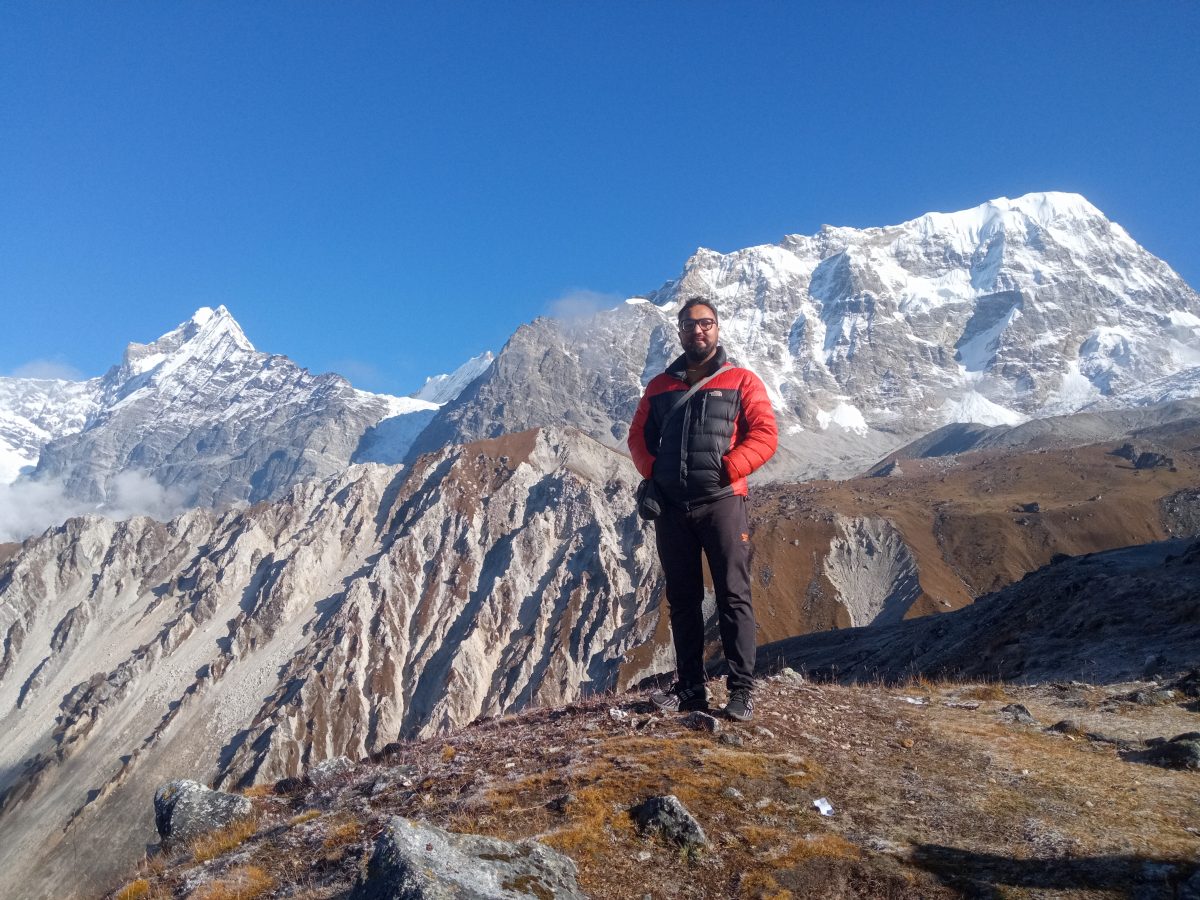
Since 2023, Nepal has moved toward requiring foreign trekkers to hire a licensed guide through a registered agency, and most operators now apply this to the Langtang Valley trek. A few sources describe enforcement as looser, but it is safer to plan around the rule.
A guide also brings real benefits:
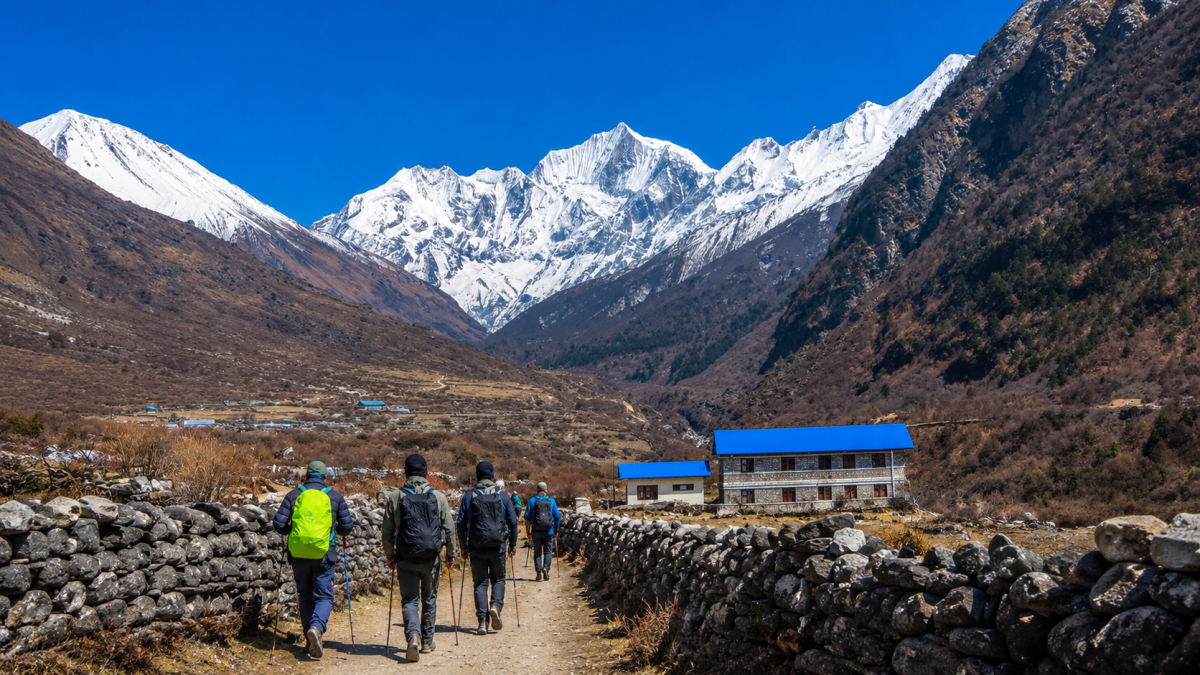
The Langtang Valley trek needs no climbing skills, but it is not a stroll. You climb roughly 2,400 m in total over about 32 km of walking, and most days involve 5 to 7 hours on the trail.
The first two days climb steadily through forest, with lots of ups and downs. The real effort starts on the approach to Kyanjin Gompa. If you can walk for several hours with a daypack, you can do this trek, and a few weeks of stair climbing or hill walking beforehand will help.
Kyanjin Gompa, where most trekkers spend their highest nights, sits at about 3,870 m. That is high enough for altitude sickness to appear, especially if you rush.
Two popular viewpoints sit above it:
| Viewpoint | Height | Round trip |
|---|---|---|
| Kyanjin Ri | about 4,773 m | 3 to 5 hours |
| Tserko Ri | about 4,984 m | 6 to 9 hours |
To lower your risk:
The best windows for the Langtang Valley trek are March to May and September to November.
Most guided trips cost somewhere between USD 450 and 900 per person. The price depends on group size, guide and porter services, and transport. Sources disagree on exact figures, so treat these as a planning range.
On the trail, expect roughly:
You will sleep in basic twin rooms and eat in a shared dining hall. Blankets are provided, but a warm sleeping bag helps above 3,000 m.
Extras are paid separately and add up:
Mobile signal is weak in the upper valley, and there are no ATMs after Syabrubesi. Carry enough Nepali rupees in cash, and bring a power bank.
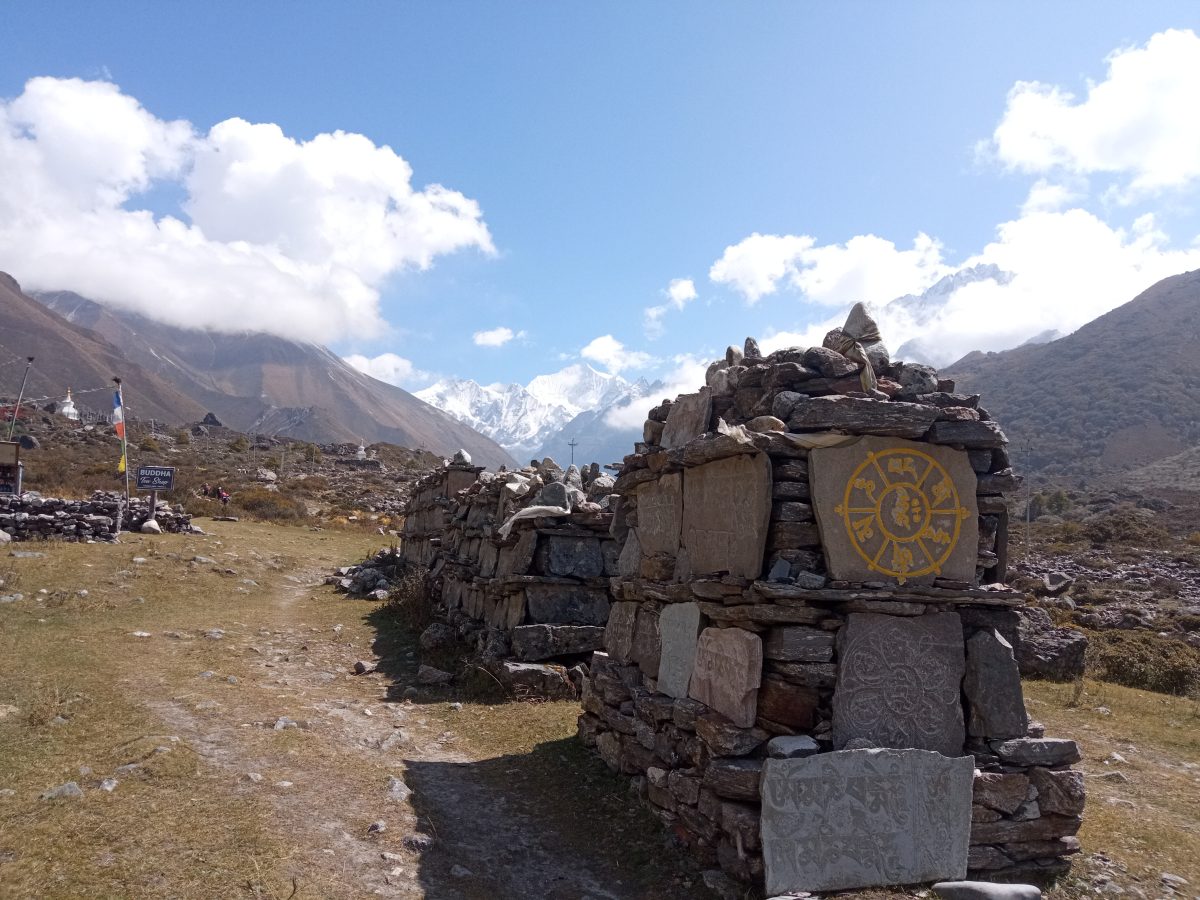
Langtang is home to Tamang communities with strong Tibetan cultural ties. You will pass mani walls, prayer flags, and Kyanjin Gompa, where the local yak cheese is a favorite treat.
Langtang also carries a painful history. The April 2015 earthquake set off a massive avalanche that destroyed Langtang village and other settlements in the upper valley. The village has since been rebuilt, and many lodges are run by families who lived through it. Be respectful and patient, and remember that your visit supports a community that has rebuilt from tragedy.
Pack for warm afternoons and freezing nights. The essentials are:
Travel insurance should cover high-altitude trekking and helicopter evacuation. Check the maximum altitude it covers, and choose a policy that reaches at least 5,000 m if you plan to climb Tserko Ri.

The Langtang Valley trek rewards you with big views, rich culture and a shorter schedule than many Himalayan treks. The trekkers who enjoy it most have the right permits, a licensed guide, enough time to acclimatize and realistic expectations about the basics.
There is a moment at Annapurna Base Camp when the sun touches the rim of the sanctuary and every pea
Continue Reading
There is a moment on the Annapurna Circuit that every trekker thinks about for days. It happens in t
Continue Reading
Most people walk to Everest Base Camp and then walk back down the same valley. The Three Passes Trek
Continue Reading
There is a moment on every Everest trek when your legs have an opinion. For most people, it arrives
Continue Reading
If you are asking how difficult the Everest Three Passes Trek is, the honest answer is this: it is t
Continue Reading
My name is Peng Chang, and I travelled to Nepal from Malaysia with a small group of friends. Before
Continue Reading