STAY CONNECTED


Government Licence No.: 131483/071/072
STAY CONNECTED
July 1, 2025

Nepal, the land of majestic Himalayan peaks, rich culture, and vibrant festivals, is a dream destination for many travelers. Whether you’re planning to trek to Everest Base Camp, explore ancient temples in Kathmandu, or experience local festivals, knowing the best and worst months to visit Nepal can make all the difference for a safe, enjoyable, and memorable trip.
In this comprehensive guide, we’ll explore Nepal’s weather patterns, festival calendar, and trekking conditions across the year, helping you decide the perfect time for your adventure.

Langtang Gosaikunda Trek at Phedi
Nepal’s diverse geography—from subtropical lowlands to high-altitude mountain passes—creates a variety of climate zones. The weather changes dramatically with seasons and altitude, influencing everything from trekking trail conditions to cultural events.
Choosing the right month to visit can ensure:
Clear mountain views,
Comfortable weather for trekking and sightseeing,
Access to local festivals and cultural experiences,
Avoidance of weather hazards like monsoon rains or winter snowstorms.

Autumn is widely regarded as the best time to visit Nepal. The monsoon rains have just ended, leaving the air fresh and the skies clear. The days are sunny, with mild temperatures that make trekking comfortable, while nights grow cool but not freezing.
Why visit now? Clear views of iconic peaks like Everest, Annapurna, and Dhaulagiri; well-maintained trails; lively festivals like Dashain and Tihar.
Ideal activities: Trekking (Everest Base Camp, Annapurna Circuit), cultural tours, wildlife safaris.
What to expect: Busy trails and popular sites due to peak tourist season. Early booking is recommended.
Spring is the second-best season for visiting Nepal. Wildflowers, especially rhododendrons, paint the mountainsides in vibrant red and pink hues. Temperatures are moderate, and the weather is generally stable, making this season excellent for trekking and sightseeing.
Why visit now? Beautiful flowering landscapes, comfortable weather, and fewer crowds compared to autumn.
Ideal activities: Trekking (Annapurna Base Camp, Langtang Valley), cultural festivals like Holi and Buddha Jayanti.
What to expect: Gradually warming days with occasional rain showers in May.
Winter in Nepal is cold, especially in higher altitudes, but the skies are often clear and the air crisp. This season offers solitude for travelers who prefer quiet trails and fewer tourists.
Why visit now? Peaceful trekking in lower-altitude regions, clear views of mountains on sunny days.
Ideal activities: Short treks like Poon Hill and Helambu, cultural tours, wildlife safaris in Chitwan or Bardia.
What to expect: Cold nights, some trails closed due to snow at high elevations.
The monsoon season brings heavy rains to most of Nepal, making popular trekking areas wet and slippery. However, certain regions like Upper Mustang and Dolpo lie in the rain shadow and remain dry, offering a unique trekking experience.
Why visit now? Fewer tourists, lower prices, lush green landscapes, and unique desert-like trekking areas.
Ideal activities: Trekking in Upper Mustang and Dolpo, exploring cultural festivals like Rato Machindranath Jatra.
What to expect: Frequent rain, slippery trails in most regions, and leeches in forested areas.
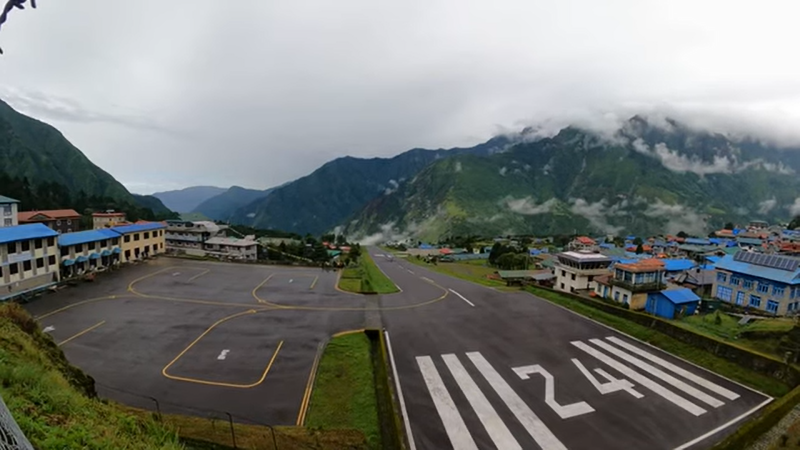
Lukla airport in June -Monsoon time
Monsoon rains make trekking and travel difficult across most of Nepal.
Challenges: Slippery and dangerous trails, landslides, flooding, limited mountain views, leeches.
Effects: Flight cancellations, fewer open lodges, and health risks.
Recommendation: Avoid trekking in the Annapurna and Everest regions during this time. Focus instead on dry areas like Mustang or Dolpo if you must visit.
While winter offers calm and clear skies at lower elevations, high-altitude trekking becomes risky.
Challenges: Extreme cold, heavy snowfall, trail closures, frostbite risk.
Effects: Limited emergency support, dangerous crossings on passes like Thorong La.
Recommendation: Avoid long or high-altitude treks unless very experienced and well-equipped.
The period between winter and spring can be unpredictable.
Challenges: Snow and ice on higher trails, poor mountain visibility, closed lodges.
Effects: Difficult trekking conditions, fewer flowers, and natural beauty.
Recommendation: Wait until mid-March for safer and more pleasant trekking conditions.
Dashain (September–October): Nepal’s biggest and longest festival, celebrating the victory of good over evil.
Tihar (October–November): Festival of lights, honoring animals and deities.
Holi (March): Festival of colors marking the arrival of spring.
Buddha Jayanti (April/May): Celebrates the birth of Buddha with religious ceremonies.
Rato Machindranath Jatra (June): A vibrant chariot festival held in Kathmandu Valley.
Participating in festivals is a wonderful way to experience Nepal’s culture, but plan as accommodations can be booked.
Autumn & Spring: Book early, carry layered clothing, stay hydrated, and plan acclimatization days.
Winter: Pack warm clothes, insulated sleeping bags, and be prepared for cold nights.
Monsoon: Wear waterproof gear, avoid risky trails, and use insect repellent for leeches.
Yes, you can do short treks in Nepal during the monsoon season. Although the monsoon (June to August) brings heavy rainfall and slippery trails in many parts of the country, there are several trekking routes that remain accessible and enjoyable for shorter excursions. These routes offer beautiful scenery, cultural experiences, and manageable terrain even in the rainy season.
Some popular short trekking options during the monsoon include:
Mardi Himal Trek: This trek lies in the Annapurna region and offers lush rhododendron forests and stunning views of the Annapurna and Machhapuchhre peaks. The trail is less crowded and still accessible during the monsoon with proper preparation.
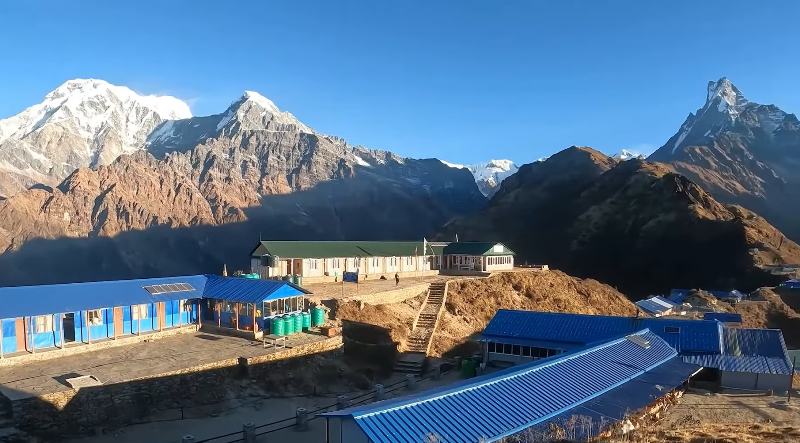
High camp- Mardi Himal trek
The Poon Hill Trek is a safe, short, and scenic trek that remains doable even during the monsoon season, especially for those starting from Pokhara. Though rain is frequent from June to August, the trail is still accessible and offers a lush, green landscape, vibrant forests, and blooming flora. Early mornings often provide clear views of the Annapurna and Dhaulagiri ranges from Poon Hill, making the sunrise experience truly magical. The trail passes through charming Gurung and Magar villages like Ghorepani and Ghandruk, offering cultural insights and cozy teahouse stays. With proper rain gear, good hiking shoes, and a local guide, this 3–5 day trek can be both safe and memorable, even in Nepal’s wettest months.

Annapurna South & Barha Shikhar Mountain view from Poon hill
Sarangkot Hiking:
Sarangkot Hiking is very doable during the monsoon season and is one of the best short hikes you can enjoy even with unpredictable weather. Located just a short drive from Pokhara, Sarangkot offers a gentle uphill trail through local villages, terraced fields, and forested paths. The hike typically takes 1.5 to 3 hours depending on the route. While monsoon clouds can occasionally block mountain views, early mornings often bring clear skies revealing Annapurna, Machhapuchhre, and Dhaulagiri peaks. The surrounding landscapes are especially lush and green during the rainy season, making the hike refreshing and photogenic. With proper footwear, a rain jacket, and some flexibility in timing, Sarangkot remains a great monsoon hiking destination.

Stunning Fishtail and Annapurna mountain View from Sarangkot

Lama Hotel- Langtang Trek
The Everest View Trek is a rewarding short trek in the Everest region, ideal even during the monsoon season for those seeking mountain views without going to high altitudes. Though rainfall is frequent from June to August, the lush greenery, mist-covered valleys, and fewer crowds offer a peaceful and unique experience. The trail typically reaches up to Tengboche or Khumjung, where you can enjoy panoramic views of Everest, Lhotse, Ama Dablam, and Thamserku. With proper rain gear, flexible plans, and an experienced guide, the trek remains both scenic and safe. It’s a great option for a quick Himalayan escape during the off-season.

In summary, while trekking in the monsoon requires extra care, rain gear, and flexibility, these short routes remain excellent options for experiencing Nepal’s natural beauty and culture during the rainy season. Always check weather updates and trail conditions before your trek, and consider hiring experienced local guides to ensure a safe and enjoyable journey.
Nepal is a year-round destination with something special to offer every season. For most travelers, autumn and spring provide the best mix of weather, scenery, and cultural experiences. However, with careful planning, the winter and monsoon seasons can also offer unique adventures.
Plan your visit according to your interests and fitness level, and Nepal will reward you with unforgettable memories of its stunning mountains, friendly people, and rich traditions.
Ready to explore Nepal at the best time?
Contact us at
✉️ safeholidayadventure@gmail.com
📱 WhatsApp: +977 9849116284
Book your trek or tour today and make your Himalayan dream come true!
Safe Holiday Adventure Pvt. Ltd.
P.O.Box: 20065 Tarkeshwor-6, Kathmandu, Nepal
Cell: 00977 9849116284
Email: info@safeholidayadventure.com,
safeholidayadventure@gmail.com
Europe Contact
Mark Brosius
mark.brosius@hotmail.com
Oude baan, 41, 3060 Bertem, Belgium


We are associated with


We accept