STAY CONNECTED


Government Licence No.: 131483/071/072
STAY CONNECTED
June 27, 2025
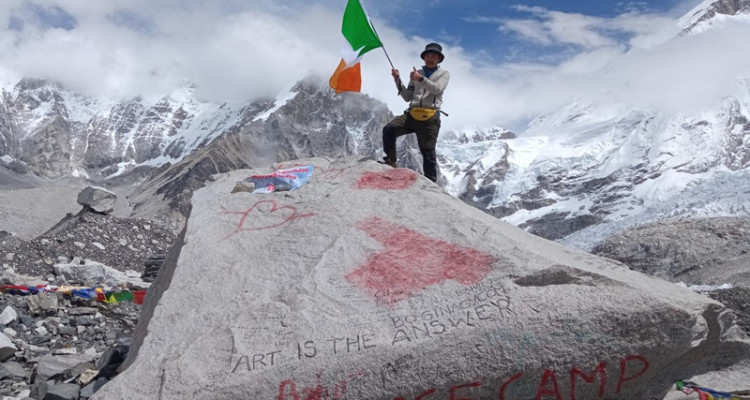
Fixed Departure Trek to Everest Base Camp is arguably the most famous trekking destination on the planet. Each year, thousands of adventure seekers, nature lovers, and culture enthusiasts travel to Nepal, drawn by the magnetic pull of the world’s tallest peak—Mount Everest, standing majestically at 8,848 meters (29,029 feet). Trekking to Everest Base Camp is not only about the thrill of being close to the summit of the world’s highest mountain but also about immersing yourself in the unique culture of the Sherpa people, experiencing stunning mountain landscapes, and testing your limits in a high-altitude environment.
For many travelers, joining a fixed departure group trek is an ideal way to experience this adventure. This type of trekking package offers scheduled departure dates, group camaraderie, expert local guides, and an organized itinerary, making the journey more manageable, safe, and affordable. Whether you are a solo traveler looking to meet like-minded adventurers or someone who wants to save on costs by sharing services, the Everest Base Camp Fixed Departure Group Join Trek is perfectly suited to you.
This guide will take you step-by-step through everything you need to know about this trek—from preparation to daily experiences, what’s included, what to expect on the trail, and how to make the most of this once-in-a-lifetime journey.

Mount Everest and Mt. Nupse – EBC trekking 12 Days
A Fixed Departure Trek to Everest Base Camp is organized by a trekking company or agency that runs on pre-set dates throughout the trekking season. Unlike private or custom treks, where you decide your schedule and usually pay a premium for personalized service, fixed departure treks gather individuals from around the world who want to join a group and share the trek on the same dates.
This format comes with many advantages. Firstly, it significantly lowers the cost of trekking, as expenses such as guides, porters, accommodation, and transportation are shared among the group members. The trek is led by experienced, certified guides who are experts in the route, altitude sickness prevention, and emergency procedures. For solo travelers or small groups, joining a fixed departure trek is an excellent way to feel safer and more confident on the trail, especially in a challenging high-altitude environment.
Additionally, the social aspect of the group join trek cannot be overstated. You get the chance to meet people from all over the world who share your passion for trekking and adventure. Sharing stories around a campfire, helping each other through tough sections, and celebrating successes together make the trek not only physically rewarding but emotionally enriching.
For those who prefer clear scheduling, fixed departure treks have set start and end dates, which makes booking flights and planning other parts of the trip easier. The agency handles all logistics such as permits, accommodation reservations, and transportation, meaning you can focus entirely on enjoying the experience.
Choosing the Fixed Departure Trek to Everest Base Camp format is smart for many reasons. Trekking to EBC independently is possible but often complicated by factors such as arranging multiple permits, finding reliable guides and porters, and navigating fluctuating transport schedules. The fixed departure group option removes many of these hassles and gives trekkers a well-organized, safe, and immersive experience.
The first and most obvious benefit is cost-efficiency. By joining a group, trekkers split the cost of guides, porters, and group equipment. Shared accommodation and transport bookings often come at group discount rates, making the trip affordable even for those on a budget.
Safety is another critical advantage. The Everest region is high altitude, and trekkers face potential risks like altitude sickness, sudden weather changes, and challenging terrain. Having a knowledgeable guide leading the group ensures these risks are minimized. Guides monitor health signs, arrange proper acclimatization days, and know the evacuation procedures in case of emergencies.

Everest Base Camp new sign board – 2024 April
Besides practicalities, the cultural and natural experiences along the route become even richer when trekking with a group. You’ll share meals with fellow travelers, listen to Sherpa stories from your guides, and celebrate the successful completion of tough days together. This sense of community often turns the trek into lifelong friendships and unforgettable memories.
Lastly, fixed departure treks are designed for all kinds of trekkers—from beginners to seasoned hikers. The itinerary allows sufficient acclimatization and rest, making it accessible for those who may not have prior high-altitude trekking experience but are physically fit and motivated.
The Fixed Departure Trek to Everest Base Camp usually takes around 13 to 15 days, depending on the itinerary and rest days. The trek begins with a flight to Lukla, the gateway to the Everest region, followed by a steady climb through beautiful forests, traditional Sherpa villages, and alpine landscapes. Below is a detailed breakdown of the daily trekking experience, altitude gain, walking hours, and highlights.
Your adventure begins with your arrival in Kathmandu, Nepal’s bustling capital city. After clearing customs and immigration, you will be greeted by your trekking agency’s representative. The day is reserved for orientation: you’ll meet your guide, fellow trekkers, and learn about the upcoming trek’s details. This is a good time to double-check your gear, discuss any medical concerns, and explore Kathmandu’s rich cultural sites if you arrive early.
Kathmandu is a vibrant city filled with ancient temples, colorful markets, and lively streets. Many trekkers spend a day or two here to explore UNESCO World Heritage Sites such as Pashupatinath Temple, Boudhanath Stupa, and Durbar Square before heading to the mountains.
The excitement truly begins with a thrilling early morning flight from Kathmandu to Lukla. This short 30-40 minute flight is famous for its dramatic mountain scenery and challenging runway. Landing safely in Lukla is a milestone, marking your entry into the heart of the Everest region.
From Lukla, the trek begins gently, descending slightly along the Dudh Koshi River towards Phakding. The trail is lined with pine forests, small villages, and tea houses where you’ll spend your first night. This day helps you acclimate and get accustomed to walking with your gear.
This day is one of the most challenging on the trek as you climb steeply towards Namche Bazaar, the main Sherpa trading hub. The trail involves crossing several suspension bridges over roaring rivers, and you’ll pass through lush rhododendron and pine forests.
Namche Bazaar is a bustling town with shops, cafes, and lodges. Its lively market atmosphere contrasts with the remote wilderness you’ve entered. The village also has internet cafes and small museums, offering insight into Sherpa culture. The altitude here requires you to take it easy and rest well.
Proper acclimatization is vital for a safe Everest trek, and the itinerary includes a rest day in Namche. You can take short hikes to higher viewpoints like Everest View Hotel or visit the Sherpa Culture Museum. These hikes help your body adjust to the thinner air while giving you stunning mountain vistas.
You’ll get your first real views of Everest, Lhotse, and Ama Dablam from this vantage point. This day also provides an opportunity to socialize with your group and prepare mentally for the more strenuous days ahead.
The trek continues uphill towards Tengboche, home to one of the most important monasteries in the region. The trail winds through forests of fir and rhododendron, opening up spectacular panoramic views of the Himalayan peaks.

Namche Bazaar(3450m)
Tengboche Monastery is a spiritual center for Sherpas and offers a chance to witness Buddhist rituals. Staying overnight here gives a tranquil experience away from the busier towns.
From Tengboche, the trail climbs gradually into the alpine zone. You’ll leave behind the forests and enter a landscape dotted with yak pastures and sparse vegetation. The mountain views become more dramatic as Ama Dablam towers overhead.
Dingboche is a small village with basic lodges, ideal for resting and acclimatizing further before heading to higher altitudes.
Another rest day allows your body to continue adapting to high altitude. Many trekkers hike to nearby hills like Nagarjun Hill, which offers outstanding views of Makalu and Lhotse.
Spending this day hydrating, eating well, and resting is essential to prevent altitude sickness on the days ahead.
The trail becomes more rugged as you approach the glacial moraine of the Khumbu Glacier. The air feels thinner, and walking is slower. Along the way, you’ll see memorials dedicated to climbers who have lost their lives on Everest.
Lobuche is a small settlement with simple teahouses. The cold air and rocky terrain make this one of the more challenging nights, but the views are unforgettable.
This is the highlight of your journey. From Lobuche, you trek to the Everest Base Camp itself, the launching point for climbers attempting the summit. The base camp is a rugged area filled with tents and climbing gear, surrounded by towering peaks and the famous Khumbu Icefall.
After exploring the base camp and soaking in the atmosphere, you descend to Gorak Shep for your overnight stay. Gorak Shep is the highest permanent settlement on the trek and marks the end of the trail for most trekkers.
An early morning hike to Kala Patthar offers arguably the best views of Everest and the surrounding peaks. Watching the sunrise over Everest from this vantage point is a spiritual experience few forget.
After enjoying the view, you descend steadily to Pheriche, where the air is thicker and temperatures warmer. This descent day is a relief for your body and marks the beginning of the trek back down.
Descending further into the valley, the trail retraces many steps back through villages and forested areas. The downhill is easier but requires care on your knees and ankles.
Returning to Namche Bazaar feels like returning to civilization, with shops, restaurants, and comfortable lodges awaiting you.
The final trekking day returns you to Lukla. You can celebrate completing the trek with your group over dinner and share your favorite moments. The trail is now familiar and feels easier.

Lukla Airport Image
After breakfast, take your scenic flight back to Kathmandu. The views from the plane once again remind you of the spectacular journey you’ve completed.
Back in Kathmandu, you can relax in comfort, enjoy a hot shower, and explore more cultural sites or shop for souvenirs.
Transfer to the airport for your onward international flight. You leave Nepal with memories and photos of one of the most incredible adventures on earth.
Private Airport Transfer: Comfortable pickup from Tribhuvan International Airport (TIA) in Kathmandu to your hotel via private car or jeep.
Hotel Accommodation in Kathmandu: Two nights’ stay in a standard 2-star hotel with twin-sharing rooms and breakfast included.
Lukla Entry Fees: All applicable entry charges for the Everest Base Camp trekking route via Lukla.
Round-trip Domestic Flights: Flight tickets from Kathmandu to Lukla and back, including airport transfers.
Trek Meals: All standard meals (breakfast, lunch, and dinner) during the trek, served as a single portion per meal.
Trekking Permits and Documentation: TIMS card, Sagarmatha National Park entry permit, and all required paperwork arranged.
Licensed Trekking Guide: An experienced, English-speaking local guide with all wages, insurance, accommodation, and meals covered.
Ground Transportation: All land transport arrangements as per the itinerary.
Sherpa Museum Entry: Entrance fees for the Sherpa Culture Museum in Namche Bazaar.
Emergency Coordination: Assistance with organizing rescue services in case of emergencies (travel insurance is strongly recommended).
International Airfare: Flights to and from Nepal are not part of the package.
Nepal Visa Fee: The cost of obtaining a tourist visa on arrival in Nepal is excluded.
Travel Insurance: Personal travel insurance, including high-altitude medical and evacuation coverage, must be arranged independently.
Personal Expenses: Expenses such as beverages, snacks, laundry, SIM cards, charging fees, and other personal items are not included.
Tips for Staff: Gratuities for the guide, porter, and other support staff are not included and are appreciated at the end of the trek.
Evacuation or Emergency Costs: Expenses related to emergency evacuation or medical treatment are not covered by the package.
Meals in Kathmandu: Lunches and dinners before and after the trek, while in Kathmandu,u are at your own expense.
Unlisted Services: Any services not explicitly mentioned in the “Included” section are not covered.
Preparation is key to making your Everest Base Camp trek safe and enjoyable. This journey demands a good level of physical fitness. Regular cardio exercises like running, swimming, cycling, or brisk walking help build stamina. Strength training focusing on legs, core, and back muscles improves your endurance during long days of trekking. Ideally, start training 2-3 months before your trip, gradually increasing intensity.
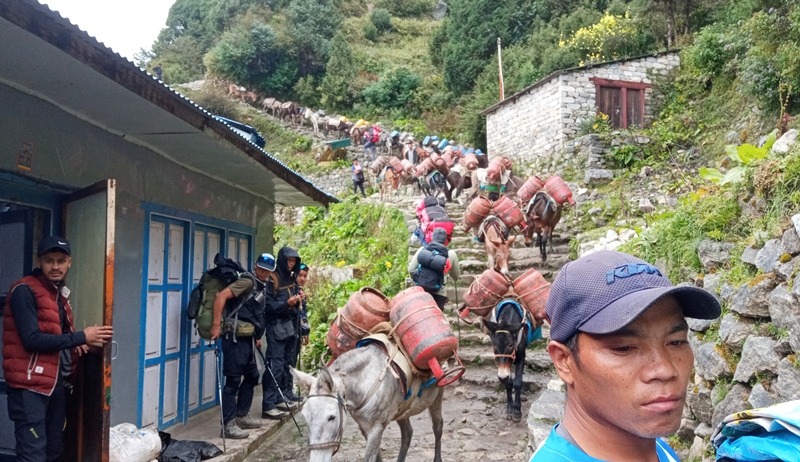
Donkeys are carrying goods, supplying to Namche Bazaar
Carrying a loaded backpack during practice hikes simulates real trekking conditions and prepares your body for the weight.
Packing the right gear is crucial. The Everest region can be extremely cold, especially at higher altitudes, so layered clothing is necessary. Bring thermal base layers, fleece mid-layers, and a quality down jacket. Waterproof outer layers protect you from rain and wind. Comfortable, waterproof trekking boots with good ankle support are essential, along with warm gloves, hats, and UV-protective sunglasses.
A sturdy sleeping bag rated for temperatures as low as -15°C or lower is a must, as lodges at higher altitudes can get very cold at night.
Altitude sickness is a real risk. Your guide will help by incorporating acclimatization days and monitoring your health. You should stay well hydrated, eat properly, avoid alcohol, and inform your guide immediately if symptoms like headache, nausea, dizziness, or shortness of breath occur.
The fixed departure group trek to Everest Base Camp welcomes all kinds of trekkers. If you are a solo traveler, joining a group is a great way to make friends and feel safer in the mountains. Couples or friends who want to share costs and enjoy the social atmosphere find this format appealing.
Beginners who are new to high-altitude trekking benefit from the guidance, expertise, and support of the group and professional guides. Even seasoned trekkers appreciate the hassle-free organization and camaraderie.

stepping onwards, Namche Bazaar-3450m
Families with older children or teenagers who have some trekking experience can also join fixed group departures, provided they are physically prepared.
The trek is designed to be accessible to most people with a good fitness level, and the guides are attentive to everyone’s needs.
Booking your Everest Base Camp trek with a reputable local Nepalese agency has many advantages. Local companies employ guides and porters who are intimately familiar with the region, culture, and terrain, ensuring you receive authentic experiences and expert support.
Local agencies support the community by providing fair wages, promoting sustainable tourism, and helping preserve the natural environment. They can also customize aspects of the trek to fit your preferences and provide quick, effective communication.
In case of emergencies, local companies have established networks for rescue and evacuation, giving you peace of mind.
Autumn is the most popular season for trekking in Nepal, especially for the Everest Base Camp route. The skies are clear, mountain views are stunning, and the weather is stable, making it ideal for fixed departure treks.
Fixed Departure Dates – Autumn 2024 (Guaranteed Groups):
Booking is highly recommended for these dates as they tend to fill quickly due to international demand.
Spring is the second-best season for Everest trekking. Rhododendrons bloom across the hillsides, temperatures are moderate, and the trails are lively with trekkers from around the world.
Tentative Spring Fixed Departure Dates – 2025:
All fixed departures include Kathmandu–Lukla–Kathmandu flight, permits, guide/porter services, and group accommodation. Private departures are also available on request for custom dates.
For our fixed departure treks, the group size is structured to ensure a safe, enjoyable, and personalized experience:
Minimum Group Size: 2 trekkers (trek will run even with 2 confirmed participants)
Maximum Group Size: 12 trekkers per group
(Smaller groups ensure better communication, pace control, and flexibility)
Large groups are divided into smaller subgroups with assistant guides for better management.
Our fixed departure groups are typically made up of:
Solo Travelers looking to share the experience with others
Friends or small groups who prefer joining a larger group for cost savings
Students and budget-conscious trekkers
Adventure seekers from around the world, including USA, UK, Europe, Australia, and Asia
First-time trekkers and repeat travelers alike
Trekkers often range from 20 to 60 years old, and while the fitness levels vary, everyone shares the same goal: reaching Everest Base Camp as a team.
We’ve made the booking process simple, transparent, and secure:
Contact Us: Email us at safeholidayadventure@gmail.com or WhatsApp at +977 9849116284
Select Your Preferred Departure Date
Confirm Your Spot: A scanned passport copy is required for permit processing
Pay a Booking Deposit:
20% per person via bank transfer, Wise, or remittance
Receive Booking Confirmation & Invoice
Pay Balance in Kathmandu upon arrival (in USD, Euro, or NPR)
We also accept full prepayment if desired for peace of mind.
Q: Do I need prior trekking experience?
A: No, but a good level of fitness is recommended. The trek is physically demanding due to altitude and terrain.
Q: How difficult is the trek?
A: Moderate to challenging, mainly because of the altitude rather than technical difficulty.
Q: Can I upgrade to a private trek?
A: Yes, most agencies offer private options.
Q: What is the best season for trekking?
A: Spring (March-May) and autumn (September-November) offer the best weather and views.
Q: Is the internet available on the trek?
A: Limited; some lodges offer Wi-Fi, usually for a fee and at low speed.
Q: What about safety?
A: Guides are trained in first aid; evacuation by helicopter is possible if needed.
The Everest Base Camp Fixed Departure Group Join Trek is an extraordinary opportunity to experience the Himalayas’ breathtaking beauty and culture in a safe, organized, and affordable way. It offers an unforgettable adventure that challenges your body and inspires your spirit. By joining a fixed departure group, you not only save money but also gain a supportive community and expert guidance to help you every step of the way.
With the right preparation, mindset, and gear, you will return home with memories, friendships, and stories that will last a lifetime. Start planning now, book your spot with a trusted local agency, and get ready for the trek of a lifetime.
Plan your adventure with our fixed departure dates for the upcoming autumn season. Choose your preferred date and get ready for an unforgettable experience!
3 | 7 | 11 | 18 | 28- Click this link to Book:
Everest Base Camp trek- fixed Departure
2 | 3 | 5 | 15 | 24 | 26 | 27 | 28:
Everest Base Camp trek- fixed Departure
5 | 7 | 10 | 12 | 16 | 18 | 22 | 28
Everest Base Camp trek- fixed Departure
Safe Holiday Adventure Pvt. Ltd.
P.O.Box: 20065 Tarkeshwor-6, Kathmandu, Nepal
Cell: 00977 9849116284
Email: info@safeholidayadventure.com,
safeholidayadventure@gmail.com
Europe Contact
Mark Brosius
mark.brosius@hotmail.com
Oude baan, 41, 3060 Bertem, Belgium


We are associated with


We accept