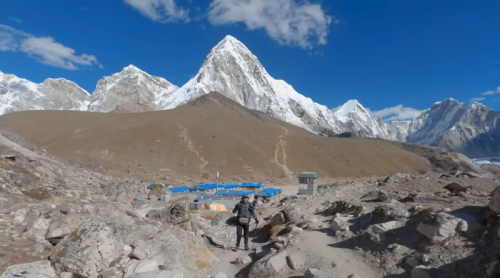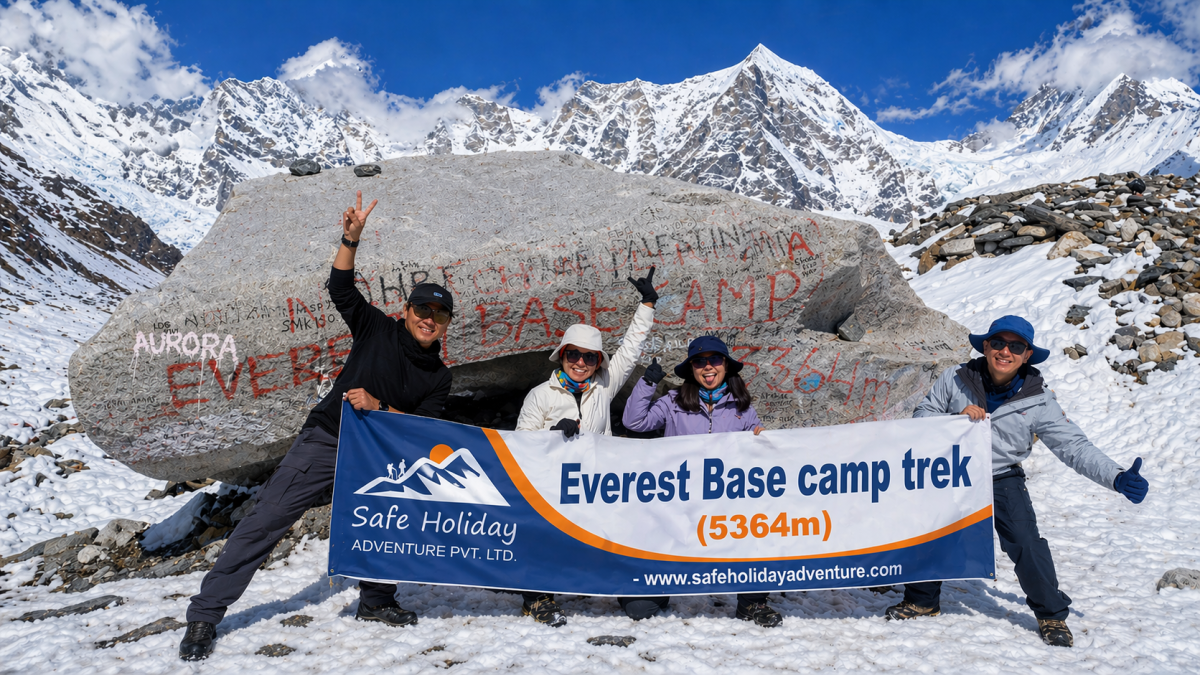
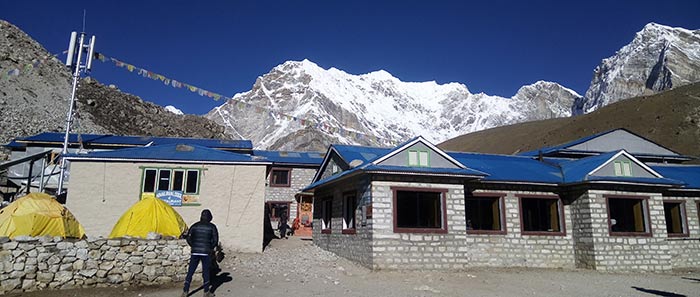
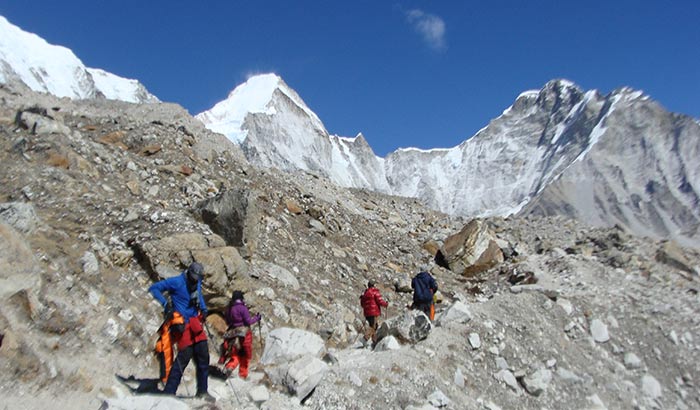

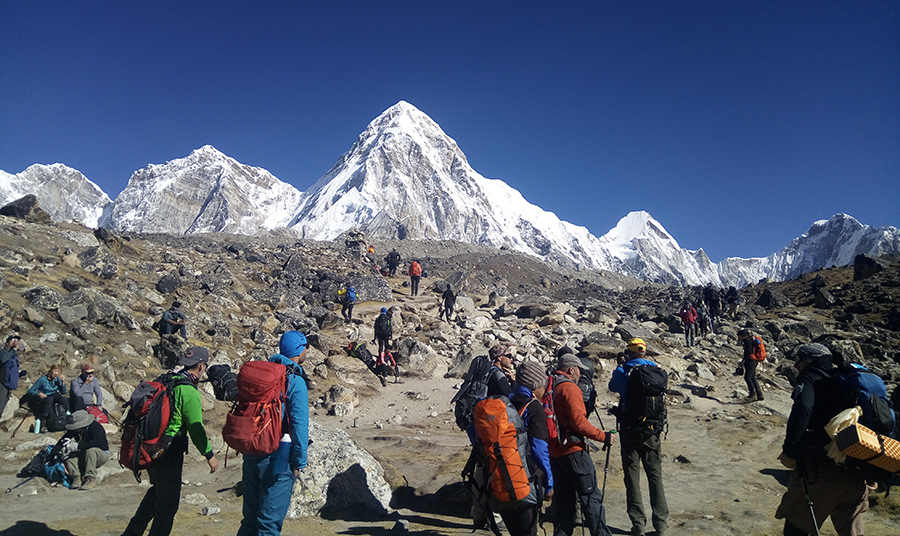
At Everest Base Camp, temperatures vary a lot depending on the season and time of day:
Everest Base Camp Trek Key Highlights Highlights
- Meet the Sherpa Community: Learn about their traditions and enjoy their warm hospitality.
- Khumbu Glacier Views: Witness the highest glacier on Earth at 4,900 meters above sea level.
- Summit Kala Patthar: Reach 5,555 meters for unmatched panoramic views.
- Cultural Immersion: Spin prayer wheels, cross suspension bridges, and admire fluttering prayer flags.
- Towering Peaks: Marvel at Mt. Lhotse, Cho Oyu, and Mt. Makalu as they dominate the skyline.
- Sagarmatha National Park: Explore this UNESCO World Heritage Site’s diverse flora and fauna.
- Wildlife Spotting: Keep an eye out for snow leopards, Himalayan Thar, musk deer, and more.
- Tengboche Monastery: Visit the serene spiritual site at 3,867 meters.
- View Mount Everest: See the world’s tallest peak soaring above all others at 8,848.68 meters.
- Syangboche Airport: Experience the thrill of landing at one of the world’s highest airstrips.
13 Day Everest Base Camp Trek – Trip Overview: Overview
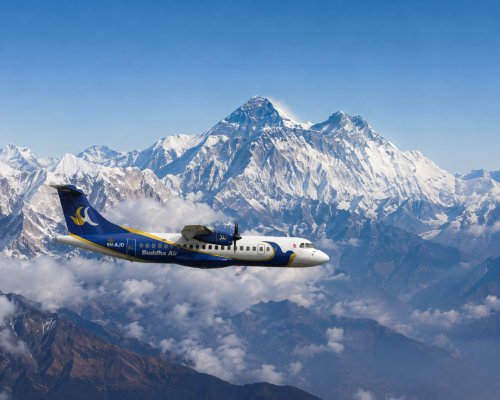
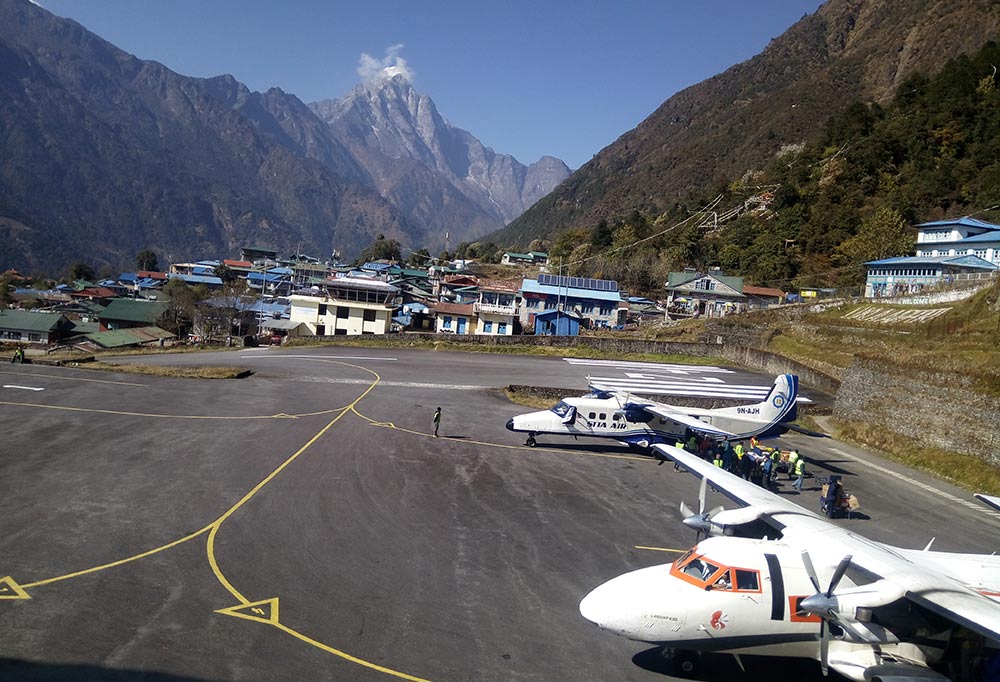
The 13-day Everest Base Camp Trek with Safe Holiday Adventure begins with a thrilling flight from Kathmandu to Lukla (2,840m). This short but scenic flight offers breathtaking views of snow-capped peaks, rolling green hills, and deep valleys. Lukla’s airstrip is one of the most adventurous in the world, set right into the mountains. Upon landing, your journey on foot begins through vibrant Sherpa villages. The trail winds past swinging suspension bridges, prayer wheels, and mani stones carved with Buddhist mantras. You follow the clear waters of the Dudh Koshi River, surrounded by pine forests and rocky hills. Right from the start, the landscape is alive with color, culture, and towering Himalayan views.
The first day’s trail to Phakding is a gentle descent. You walk through peaceful forests and farmland, with the sound of the river always nearby. Small tea houses offer basic lodging: twin beds, warm blankets, and shared bathrooms. Food is simple yet filling, such as dal bhat, noodles, pancakes, and potatoes. At lower altitudes, meals cost around $5 to $10, with tea or coffee priced at $2 to $4. As you climb higher, prices rise due to limited transportation. Porters carry your main backpack (up to 20–25 kg), making your trek easier. Safe Holiday Adventure ensures you have an experienced guide and responsible porters to support your journey with safety and care.
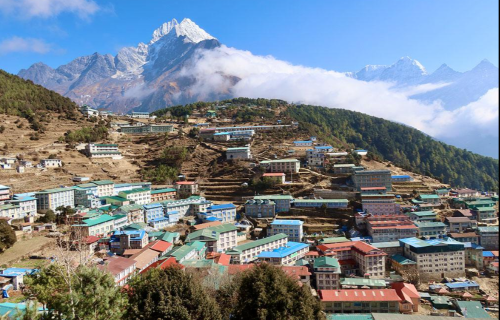
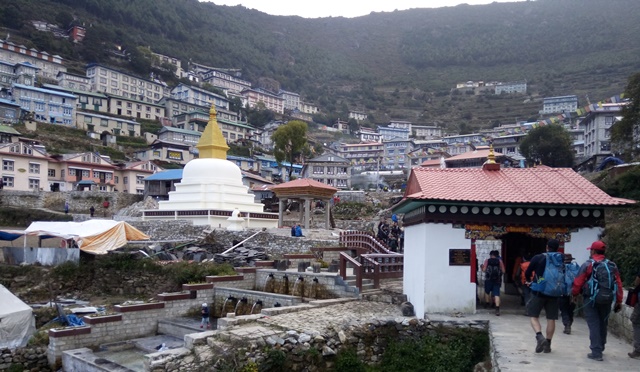
As you reach Namche Bazaar (3,440m), you’ll be amazed. This lively mountain town is surrounded by majestic peaks such as Kongde Ri and Thamserku, with modern comforts including Wi-Fi, bakeries, cafés, and gear shops, making it the perfect place to rest, recharge, and prepare for the next stage of your trek.
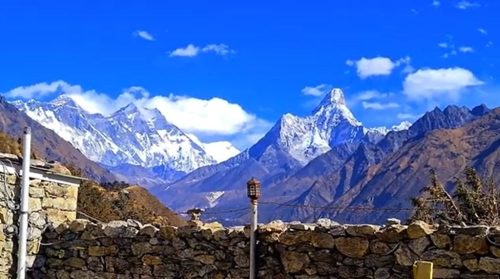
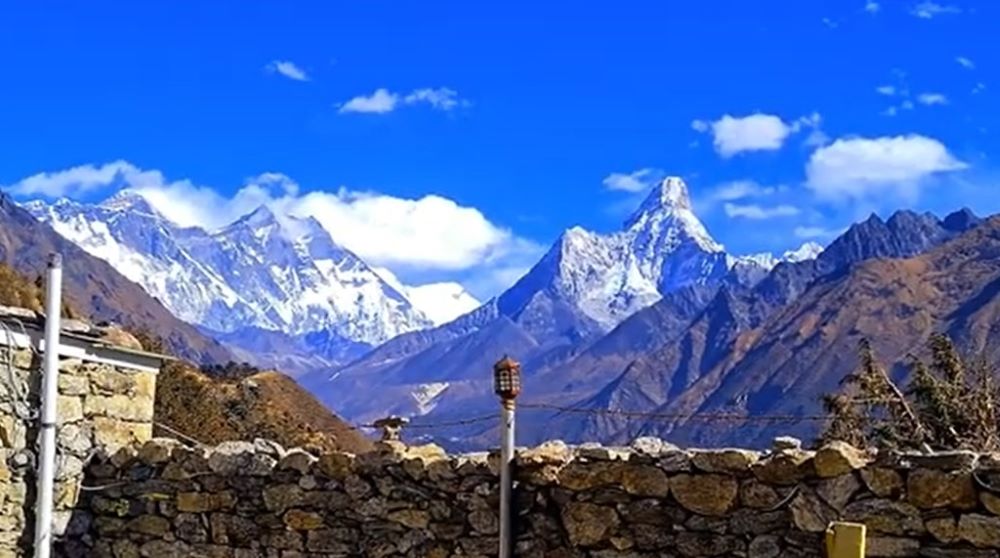
. A rest day here is essential for acclimatization. You may take a side hike to the Everest View Hotel, where you get stunning sights of Mount Everest (8,848m), Ama Dablam (6,812m), and Lhotse (8,516m).
For trekkers seeking quieter trails, optional routes such as the Gokyo Valley Trek and Renjo La Pass (5,360m) begin here. These routes add adventure, glacial lakes, and remote Himalayan beauty to your journey.
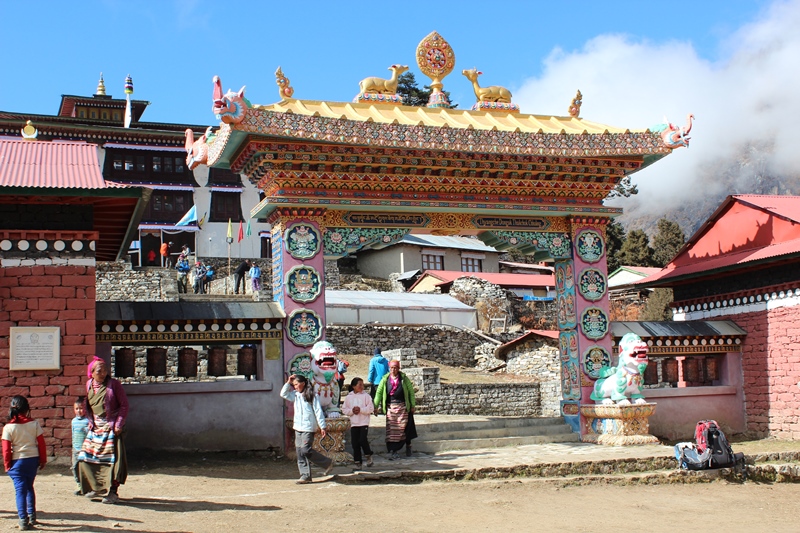
From Namche, the trail climbs higher through forest and alpine zones. One of the spiritual highlights is Tengboche (3,860m), where the largest monastery in the region welcomes travelers with Buddhist chants and colorful paintings. You’ll likely see monks in prayer and may join for a peaceful moment. The views of Ama Dablam from here are unforgettable. The trail then continues through Pangboche, Dingboche, and Lobuche, where the land becomes more rugged and the air thinner. You’ll walk near glacial rivers, yak pastures, and rocky paths. Tea houses are fewer and simpler, with limited heat and electricity. Food prices can be $10–$12 per meal. Your guide helps monitor your health and keeps a steady pace for safe altitude gain.
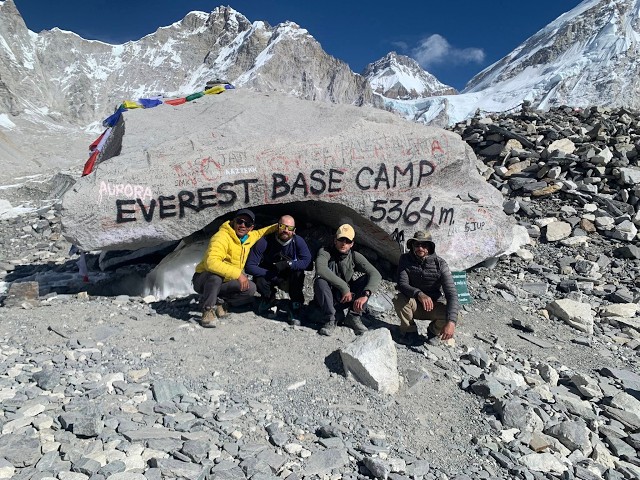
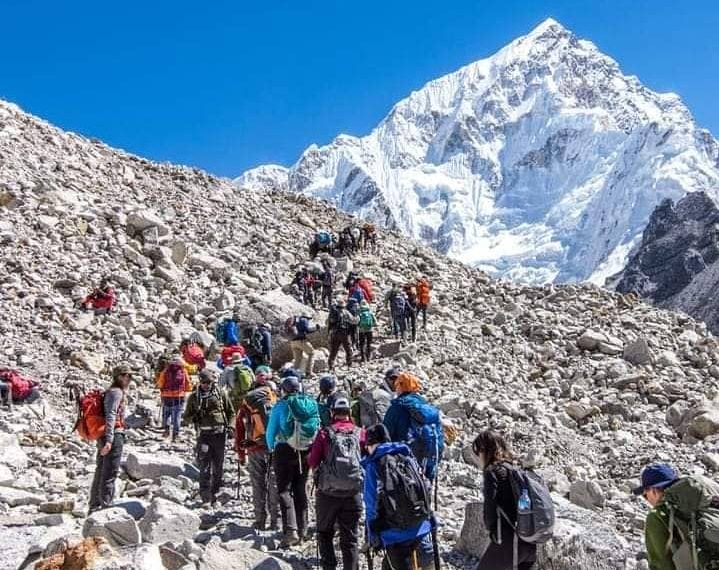
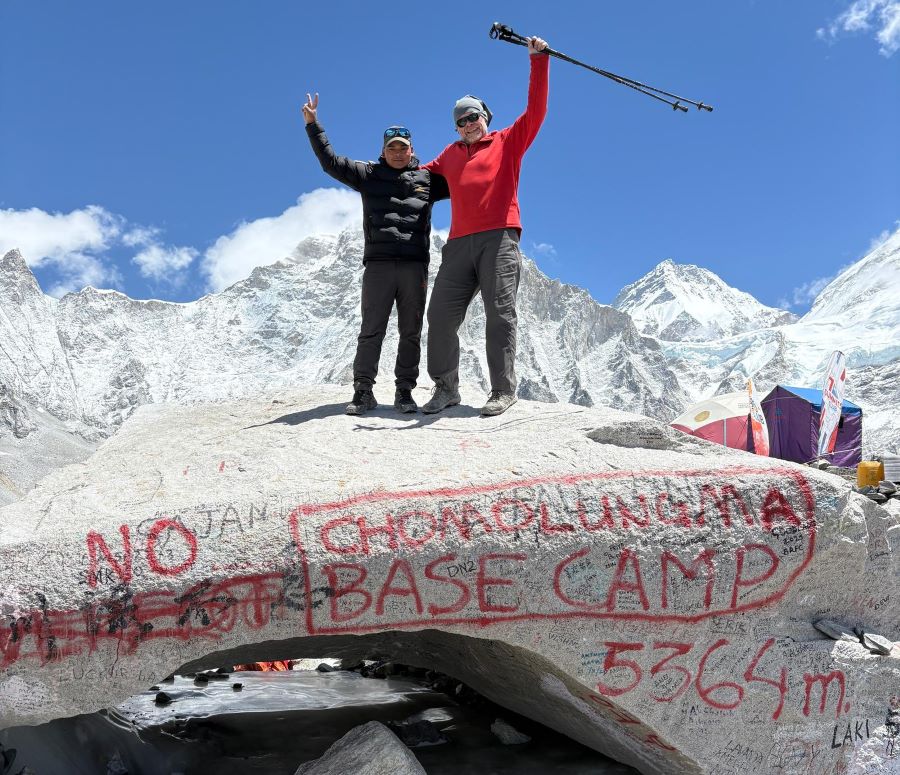
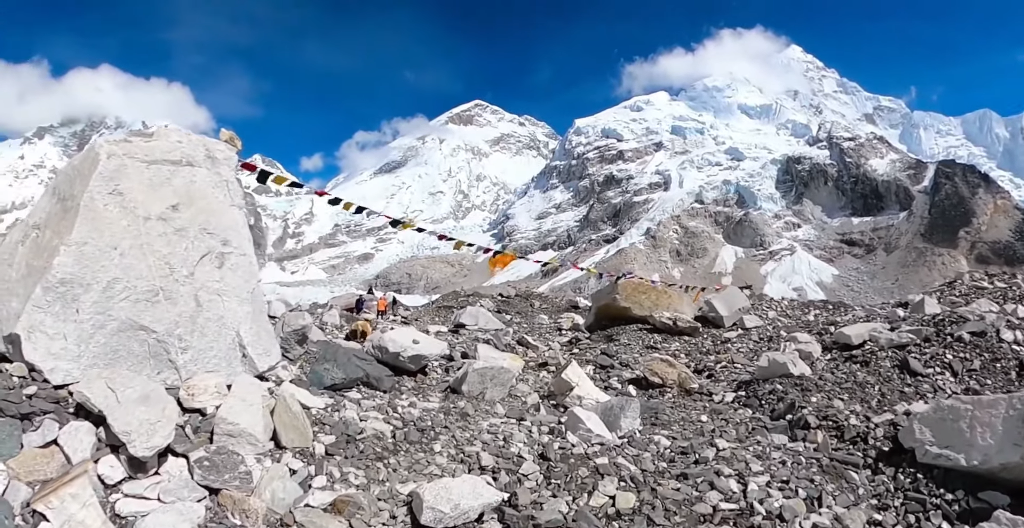
Eventually, you reach Gorakshep (5,164m), your final stop before Everest Base Camp. From here, you walk over rocky moraines to Everest Base Camp (5,364m). The path is rough, but the feeling is incredible. You stand in front of the Khumbu Icefall, with peaks like Pumori (7,161m) and Nuptse (7,861m) rising all around. The next morning, an early hike to Kala Patthar (5,545m) gives you the best panoramic view of Mount Everest, glowing gold in the morning sun. There are no tea houses at base camp, so you return to Gorakshep to sleep.
The return journey of the Everest Base Camp Trek begins as you descend through Pheriche, Pangboche, Tengboche, and Namche. Going downhill is easier on the lungs but still demands careful walking. You pass through familiar villages and stay in cozy tea houses again. As you go lower, the air becomes richer in oxygen, and your energy improves. On the final night in Lukla, you celebrate with your Guide and Porter, grateful for their help. The next morning, a short flight takes you back to Kathmandu, marking the end of your trek.
Throughout the trek, Buddhist culture is deeply felt. You’ll see chortens (stone shrines), prayer wheels, and fluttering prayer flags on every ridge and bridge. Safe Holiday Adventure arranges your Sagarmatha National Park and Pasang Lamu Village municipality entry permits, flights, Guide, Porter, accommodation, and food. The average cost for a full trek ranges from $1,000 to $1,400. Optional extras include Wi-Fi, hot showers, and battery charging. The trail itself is well-maintained and well-marked, but what truly makes it special is the hospitality of the Sherpa people and the presence of the mighty mountains.
If you’re looking for a life-changing experience that combines physical challenge, cultural immersion, and natural beauty, the 13-Day Everest Base Camp Trek with us is the perfect Himalayan journey for you.
If you would like to explore more verified feedback about our past work, please click here to read reviews from our valued clients.
How to Prepare Your Body Before Everest Base Camp Trekking?
Can Beginners Complete the Everest Base Camp Trek?
Yes, the Everest Base Camp Trek is possible for beginners who are physically prepared and willing to take on a challenging Himalayan adventure. You do not need previous trekking experience or technical climbing skills, but you should be comfortable walking long hours on mountain trails with gradual altitude gain.
The biggest challenge for first-time trekkers is altitude, not the distance. With a well-planned itinerary, proper acclimatization, a steady walking pace, and support from an experienced guide, beginners can safely reach Everest Base Camp (5,364m). Good preparation, regular fitness training, and a positive attitude can turn this dream journey into an unforgettable lifetime achievement.
Is a 13-Day Everest Base Camp Trek Suitable for You?
The 13-day Everest Base Camp trek is designed for adventurous travelers who want to experience the Himalayas without needing technical climbing skills. But is it right for you?
This trek is suitable for you if you:
- Want a once-in-a-lifetime Himalayan adventure
- Can walk 5–7 hours a day at a steady pace
- Enjoy hiking, trekking, or long scenic walks
- Are comfortable with uphill and downhill trails
- Can carry a light backpack (5–10 kg)
- Have a basic level of fitness and enjoy being active
- Are excited about high-altitude landscapes and mountain culture
Why Choose Our 13 Day Everest Base Camp Trek?
At Safe Holiday Adventure Pvt. Ltd., we combine local Himalayan expertise, experienced guides, careful planning, and personal service to make your Everest Base Camp trek safe, comfortable, and memorable.
- Experienced Local Guides: Trek with experienced local guides who know the Everest region, mountain conditions, culture, and trails exceptionally well.
- Safety & Proper Acclimatization: Our 13-day itinerary includes carefully planned acclimatization days to help your body adjust gradually to high altitude.
- Well-Planned 13-Day Itinerary: Enjoy a thoughtfully designed Everest Base Camp itinerary with a comfortable pace, scenic trails, and enough time to experience the Himalayas.
- Personalized Trekking Experience: We provide flexible and personalized service for solo travelers, couples, families, and private groups based on your needs and preferences.
- Complete Trekking Arrangements: We handle essential logistics including permits, accommodation, domestic flights, airport transfers, guides, and other trekking arrangements.
- Local Knowledge & Authentic Experience: Our local team helps you experience Sherpa culture, Buddhist monasteries, traditional villages, and the unique lifestyle of the Everest region.
- Reliable Support Throughout Your Trek: Our Kathmandu-based team provides reliable support before and during your trek, helping you travel with confidence in the Himalayas.
- Responsible Tourism: We support responsible trekking practices that respect local communities, Himalayan culture, and the natural environment.
- Government Registered & Professional: Safe Holiday Adventure Pvt. Ltd. is a registered trekking company in Nepal committed to providing professional and reliable adventure travel services.
- Trusted by International Travelers: We welcome trekkers from around the world and focus on friendly service, clear communication, safety, and memorable Himalayan experiences.
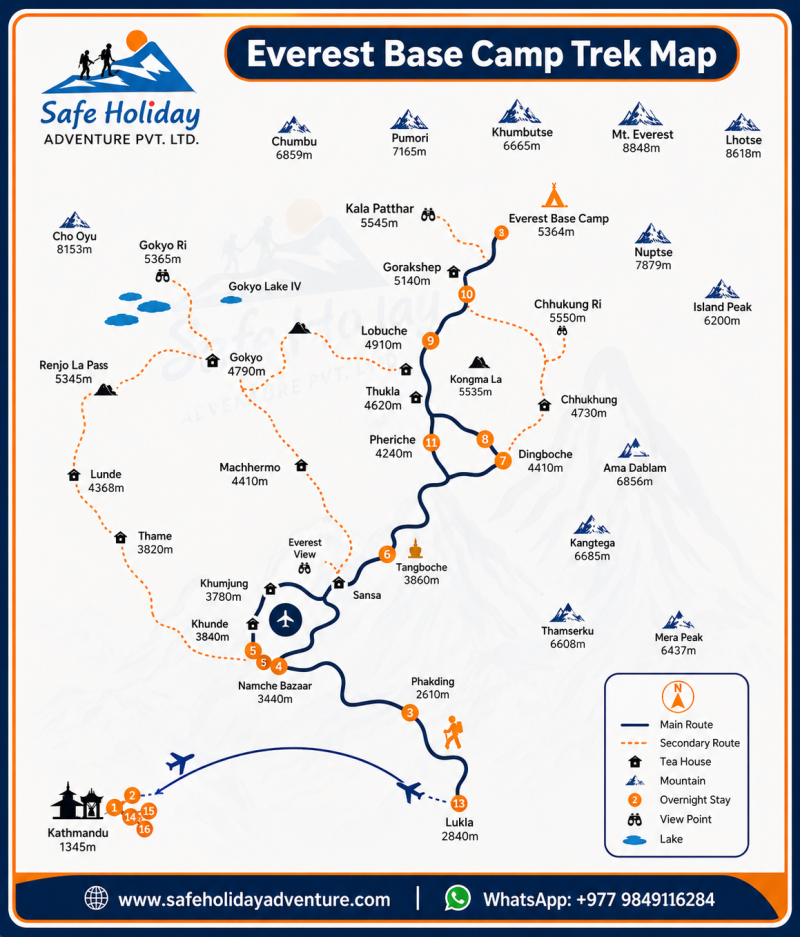
13 Days Everest Base Camp Trek – Short ItineraryOutline Itinerary
Day 1: Arrival in Kathmandu – 1,400 m (4,593 ft) | No trekking
Day 2: Fly to Lukla and Trek to Phakding – 2,610 m (8,562 ft) | 8 km | 3–4 hrs
Day 3: Trek from Phakding to Namche Bazaar – 3,440 m (11,286 ft) | 10 km | 5–6 hrs
Day 4: Acclimatization Day in Namche Bazaar – 3,440 m (11,286 ft) | 3–4 km | 2–3 hrs
Day 5: Trek from Namche Bazaar to Tengboche – 3,870 m (12,694 ft) | 10 km | 5–6 hrs
Day 6: Trek from Tengboche to Dingboche – 4,410 m (14,468 ft) | 11 km | 5–6 hrs
Day 7: Acclimatization Day in Dingboche – 4,410 m (14,468 ft) | 4–5 km | 3–4 hrs
Day 8: Trek from Dingboche to Lobuche – 4,940 m (16,207 ft) | 11 km | 5–6 hrs
Day 9: Trek to Gorak Shep and Everest Base Camp – 5,364 m (17,598 ft) | 12–13 km | 7–8 hrs
Day 10: Hike to Kala Patthar and Trek to Pheriche – 5,545 m (18,192 ft) | 12 km | 6–7 hrs
Day 11: Trek from Pheriche to Namche Bazaar – 3,440 m (11,286 ft) | 15 km | 6–7 hrs
Day 12: Trek from Namche Bazaar to Lukla – 2,860 m (9,383 ft) | 18 km | 6–7 hrs
Day 13: Fly from Lukla to Kathmandu – 1,400 m (4,593 ft) | No trekking
What’s Included and Excluded in the 13-Day Everest Base Camp Trek
- Airport Transfers: Private airport pickup and drop-off in Kathmandu.
- Kathmandu Accommodation: Comfortable hotel accommodation in Kathmandu before the trek, including breakfast where applicable.
- Teahouse Accommodation: Overnight accommodation in comfortable local teahouses/lodges during the Everest Base Camp Trek.
- Experienced Trekking Guide: Professional, licensed, English-speaking trekking guide with extensive knowledge of the Everest region.
- Sagarmatha National Park Permit: Required Sagarmatha National Park entry permit and applicable trekking permits.
- Three Meals Daily: Breakfast, lunch, and dinner during the trekking days, including meals available at local teahouses.
- Safe Drinking Water: Purified or boiled drinking water provided during the trek where available.
- Tea & Coffee: Tea or coffee in The Morning.
- Medical & First-Aid Support: Basic medical and first-aid kit carried by the trekking team.
- Emergency Assistance: Emergency evacuation arrangements and coordination if required, subject to your travel insurance and applicable costs.
- Government Taxes & Service Charges: All applicable government taxes and company service charges are included in the package.
- International Airfare: Flights to and from Kathmandu.
- Nepal Visa Fee: Nepal entry visa and related fees.
- Lukla Flights: Kathmandu–Lukla–Kathmandu flight tickets.
- Kathmandu Meals: Lunch and dinner in Kathmandu.
- Personal Trekking Gear: Trekking boots, clothing, sleeping bag, and other personal equipment.
- Travel Insurance: Mandatory travel and trekking insurance.
- Extra Services: Additional accommodation, meals, or services outside the itinerary.
- Personal Expenses: Snacks, beverages, phone calls, laundry, and other personal costs.
- Tips: Tips for trekking guides and porters are not included.
- Other Services: Any service not specifically listed under Services Included.
Dates and Availability Departures
All our published dates are guaranteed departures. We also provide customized departures tailored to your travel plans.
There are no group joining dates available at the moment. Please contact us for a private trip.
Travellers Reviews
Marco Rossi
Italy | july, 2024
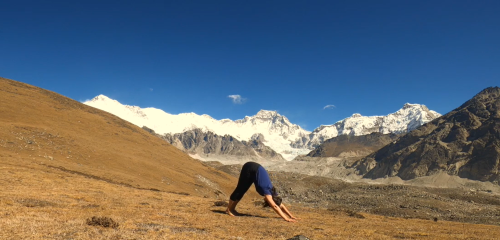
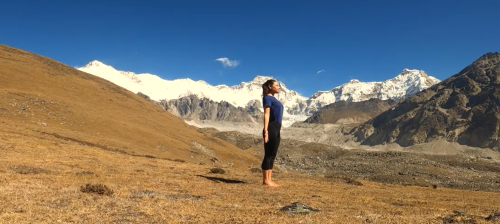
Yoga, Meditation & Trekking in the Himalayas
My wife and I traveled from Italy for the Everest Base Camp Yoga & Meditation Trek, and it was an amazing experience from start to finish.
A big thank you to our guide, Dharma, for his professionalism, kindness, and constant support. We also appreciate our porter, Dupka, whose hard work and cheerful attitude made the trek much easier.
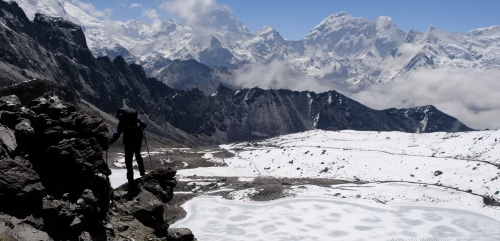
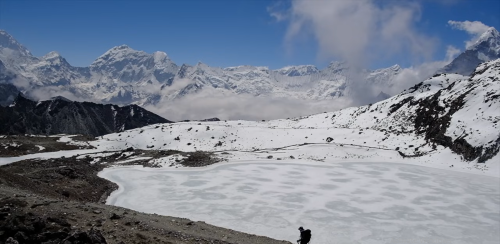
The stunning mountain views, yoga, meditation, and excellent team made this journey truly unforgettable. We highly recommend this trek to anyone visiting Nepal.
Marco Rossi, Italy
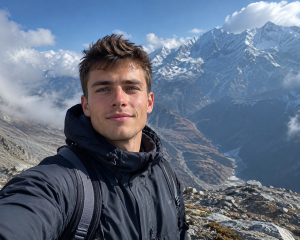
Oliver Brown
U K | Feb, 2026
Wonderful Everest Base Camp Adventure
My name is Oliver Brown, and I traveled from the United Kingdom to experience the Everest Base Camp Trek. It was one of the most memorable adventures of my life. Our guide, Santosh, and our porter, Dupka, were very helpful throughout the journey. Everything was well organized, and the Himalayan views were breathtaking. A fantastic experience that I will always remember!
Erick Mollel
Canada | October, 2025
Experience the EBC Trek Without the Lukla Flight
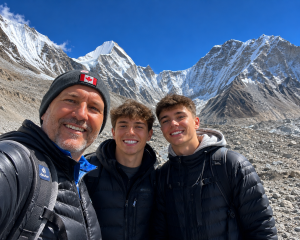
My name is Erick Mollel, and I completed the Everest Base Camp Trek with my two sons from Canada. It was an unforgettable adventure filled with breathtaking Himalayan scenery, beautiful Sherpa villages, and incredible mountain views.
Our guide, Santosh, was very professional, friendly, and supportive throughout the journey. Our porter, Dupka, was also hardworking and helpful, making our trek much easier and more enjoyable.
We truly enjoyed every moment of this incredible journey. I highly recommend this trek to anyone who wants to experience the beauty of the Everest region without taking the Lukla flight. A wonderful experience and memories that my sons and I will always cherish! 🙏
Zona Tres & Luca Tamburini
Brazil | April, 2026
We Experience on the 7-Day Everest Base Camp Trek
Discover Nepal Step by Step!!!
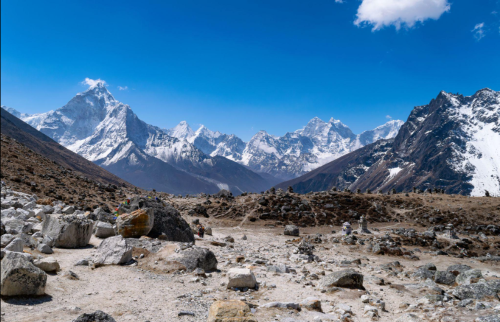
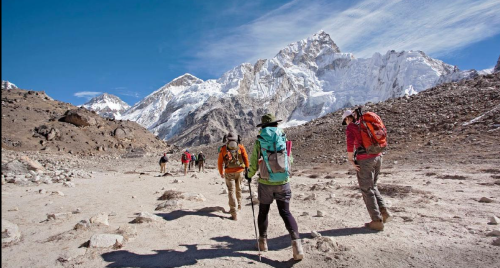
We recently completed the incredible 7-Day Everest Base Camp Trek with Safe Holiday Adventure, and it was an unforgettable experience in the Himalayas.
The entire journey was well organized, with stunning mountain scenery, beautiful local villages, and a great trekking atmosphere from beginning to end.
We would especially like to thank our guide Ram for his professionalism, kindness, and excellent care throughout the trek. He was very knowledgeable and friendly, and he always made sure we felt safe and comfortable during the journey.
Special thanks also go to our porter, Prem, who worked incredibly hard and always wore a warm smile. His support and dedication were deeply appreciated every day of the trek.
We highly recommend Safe Holiday Adventure to anyone planning a trekking adventure in Nepal. Thank you for the wonderful memories and excellent hospitality.
— Brizel, Zona Tres & Luca Tamburini

Alexjendar
Greece | 2025-9-2
Excellent Family Trek Experience with Safe Holiday Adventure
My name is Alexjendar from Greece, and I recently completed the Luxury Everest Base Camp (EBC) Trek with Safe Holiday Adventure. Our group consisted of five people, a family group, and the entire experience exceeded our expectations in every way.
From the very beginning, the team at Safe Holiday Adventure demonstrated excellent organization, professionalism, and genuine care for our comfort and safety. Every detail of the trek was well planned, allowing us to fully enjoy the breathtaking Himalayan scenery without stress.
Our guide, Santosh, was outstanding. He was highly knowledgeable, patient, and always attentive to the needs of our group. His experience, clear communication, and friendly personality made the trek both safe and enjoyable. He ensured proper acclimatization, explained local culture and landscapes, and motivated us throughout the journey.
Our porter, Dharma, also did a wonderful job. He was hardworking, respectful, and always supportive, contributing greatly to the smooth flow of the trek. His dedication and positive attitude were truly appreciated by our entire family.
The luxury services, accommodations, and overall support provided by Safe Holiday Adventure made this trek a memorable lifetime experience for us. We felt safe, well cared for, and welcomed like family throughout the journey.
I highly recommend Safe Holiday Adventure to anyone looking for a reliable, professional, and high-quality trekking company in Nepal. Thank you to the entire team for making our family adventure to Everest Base Camp truly unforgettable.


Genaral Trip InfoInfos
Meals and Accommodation on the Everest Base Camp Trek Trail:
During the Everest Base Camp Trek, meals and accommodation are an important part of the Himalayan adventure. Along the trail, trekkers stay in traditional tea houses and lodges that provide basic but comfortable rooms with twin beds, blankets, and shared bathrooms. In some places, such as Namche Bazaar, Dingboche, and Lobuche, upgraded rooms with private bathrooms, hot showers, and better facilities are also available.
The food on the Everest Base Camp trail is a mix of Nepali, Tibetan, and international dishes. Most tea houses serve Dal Bhat (rice, lentils, and vegetables), noodles, soups, pasta, fried rice, momo, pancakes, eggs, and porridge. Dal Bhat is especially popular because it provides enough energy for long trekking days. Trekkers can also buy snacks, chocolate, tea, coffee, and drinking water along the route.
As the altitude increases, facilities become more basic, especially near Gorakshep and Everest Base Camp. Accommodation may include simple rooms, shared toilets, and limited electricity or Wi-Fi. Despite the simplicity, the warm dining halls, friendly Sherpa hospitality, and stunning mountain views make the Everest Base Camp trekking experience comfortable and memorable.
Physical Training Program for Everest Base Camp Trek:
Preparing for the Everest Base Camp Trek requires good fitness and endurance. Start training at least 8–12 weeks before the trek with regular walking, hiking, jogging, and strength exercises to improve stamina and leg muscles.
Focus on cardio training, uphill walking, squats, and core exercises to handle long trekking days and high altitude. Carry a backpack during training to prepare your body for real trail conditions.
A proper training program helps reduce fatigue, improves confidence, and makes the Everest Base Camp journey safer and more enjoyable. Consistency is the key to successful trekking.
Essential Trekking Permits for Everest Base Camp Trek:
Sagarmatha National Park Entry Permit: This permit is required to enter a UNESCO World Heritage Site in the Everest region. You can obtain it from the Nepal Tourism Board office in Kathmandu or at the Monjo entry checkpoint, which is typically reached on the second day of the trek. Permit fees vary by nationality and may change, so it is recommended to check the latest information with the relevant authorities before your trip.
Khumbu Pasang Lhamu Rural Municipality Permit: In addition to the national park permit, trekkers are required to obtain the Khumbu Pasang Lhamu Rural Municipality Permit. This permit allows you to trek through the local communities and villages in the Khumbu region. You can get this permit at the same time you obtain the national park entry permit, and the fees are generally included in the overall package.
Everest Base Camp Trek permits are available in the Everest region when you begin your trek. For the most accurate and up-to-date information on permit requirements and current fees, we recommend checking the official Nepal Government-authorized website.
Best Time for the Everest Base Camp Trek:
The best time for the Everest Base Camp trek is spring (March to May) and autumn (September to November). These seasons offer stable weather, clear mountain views, and comfortable trekking conditions. Spring brings colorful rhododendron blooms, while autumn usually provides crisp skies and excellent visibility.
Winter (December to February) is much colder, with freezing temperatures and possible snowfall at higher elevations. Monsoon (June to August) brings rain, clouds, and slippery trails, which can make trekking less comfortable.
For the best combination of clear mountain views, pleasant weather, and good trail conditions, March–May and September–November are the most popular months for Everest Base Camp.
Group Trek vs Solo Trek to Everest Base Camp (EBC)
Group Trek
A Group Trek is an excellent choice for trekkers who want a safe, well-organized, and social adventure. By joining a group led by an experienced guide, you don’t have to worry about planning the itinerary, carrying heavy gear, or arranging accommodation, as everything is taken care of for you. It’s also a great opportunity to meet fellow trekkers, share experiences, and enjoy the journey together. The only drawback is that group treks offer less flexibility, as you need to follow the group’s schedule and pace.
Solo Trek
A Solo Trek is perfect for those who value freedom, flexibility, and independence. Whether trekking alone or with your own companions, you can choose your own pace, rest stops, and daily itinerary. It is an excellent option for experienced trekkers who enjoy exploring the mountains on their own terms. However, solo trekking requires careful planning, as you are responsible for arranging permits, accommodation, meals, and navigation. It can also be more challenging in emergencies, and the journey may feel lonely without the support of a guide or group.
Everest Base Camp Trek Weather:
The Everest Base Camp Trek weather changes significantly with season and altitude. Lower elevations around Lukla and Namche are generally milder, while temperatures drop sharply above 4,000 m. Days can be sunny, but mornings and evenings are often cold, with freezing temperatures at higher elevations.
Spring (March–May) and autumn (September–November) offer the best conditions, with clear skies, dry trails, and excellent mountain views. Summer/monsoon (June–August) brings rain, clouds, slippery trails, and possible flight delays. Winter (December–February) is very cold, with possible snowfall and freezing nights.
Weather can change quickly, so warm layers, waterproof clothing, gloves, and proper trekking gear are essential.
How cold does it get at EBC?
Everest Base Camp Trek Acclimatization Days: Namche Bazaar & Dingboche:
Acclimatization is an important part of the Everest Base Camp (EBC) trek. As you ascend, the air contains less oxygen, so your body needs time to adjust to the higher altitude. Proper acclimatization helps reduce the risk of altitude sickness and makes the trek more comfortable.
Namche Bazaar Acclimatization
Namche Bazaar (3,440 m / 11,286 ft) is the first major acclimatization stop. Trekkers usually take a 3–4 hour hike toward Everest View Hotel and Khumjung Village before returning to Namche for rest. The gradual hike helps your body adapt while offering spectacular Himalayan views.
Dingboche Acclimatization
The second acclimatization day is usually at Dingboche (4,410 m / 14,470 ft). A 3–4 hour hike toward Nangkar Kharka or a nearby viewpoint provides gradual exposure to higher altitude. After the hike, you return to Dingboche to rest before continuing toward Lobuche, Gorak Shep, and Everest Base Camp (5,364 m / 17,598 ft).
During acclimatization days, walk slowly, stay hydrated, eat well, avoid alcohol and smoking, and listen to your body. These rest-and-hike days are essential for adapting to high altitude and preparing for the higher stages of the Everest Base Camp trek.
Altitude sickness symptoms and prevention
Symptoms:
- Headache
- Nausea or vomiting
- Dizziness or tiredness
- Shortness of breath
- Trouble sleeping
Prevention:
- Go slow – don’t rush to higher altitudes
- Rest days – let your body adjust
- Drink water – stay hydrated
- Eat light – easy-to-digest meals
- Avoid alcohol & smoking
- Listen to your body – stop if you feel sick
Is There Phone Coverage on the Everest Base Camp Trek?
Yes, phone coverage is available on parts of the Everest Base Camp (EBC) trek, but the signal can be weak or unavailable in some higher and remote areas. Coverage is generally better around Lukla, Phakding, Namche Bazaar, and Dingboche, while it can be less reliable toward Lobuche, Gorak Shep, and Everest Base Camp.
Most teahouses also offer Wi-Fi for a fee, although the connection may be slow, especially at higher altitudes. If you need reliable communication during the trek, carrying a local Nepal SIM card or eSIM and a power bank is recommended.
For safety, it is best not to rely completely on mobile coverage, as mountain weather and terrain can affect the signal.
13 day Everest Base Camp Trek Cost/Price:
Detailed ItineraryItinerary
Day 01
Arrival in Kathmandu (Altitude: 1,400m / 4,593ft)
Duration : 30 minute drive Elevation : Kathmandu (1,400m / 4,593ft)
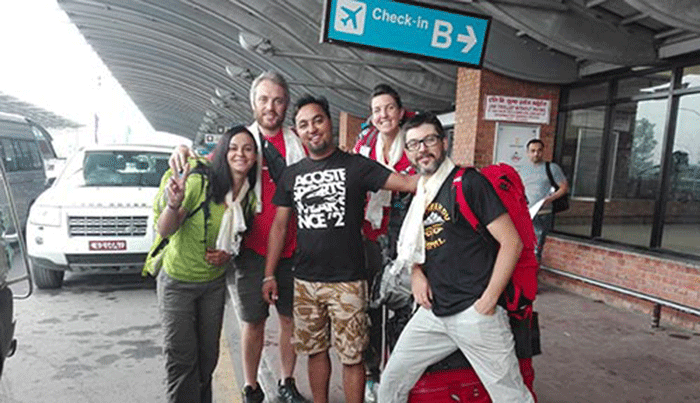
Upon arriving at Tribhuvan International Airport in Kathmandu, our representative will warmly greet you and transfer you to your hotel. After some rest and freshening up, you can explore the vibrant streets of Thamel, a popular tourist hub in Kathmandu known for its shops, restaurants, and cultural attractions. In the evening, you’ll attend a welcome dinner where you can meet your trekking guide and fellow trekkers, and receive a briefing about the upcoming adventure.

Accommodation : Hotel
Day 02
Fly to Lukla (2,860m / 9,383ft) and Trek to Phakding (2,610m / 8,562ft)
Duration : 3 Hours (Total Distance today: 5.1 miles / 8.2 km) Elevation : Lukla (2,860m / 9,383ft), Phakding (2,610m / 8,562ft)
An early flight takes us to Lukla, the starting point of our Everest Base Camp trek. With breathtaking views, we begin our trek to Phakding. The trail leads through picturesque Sherpa villages(Chheplung, Thado Koshi, and Ghat), across suspension bridges, and alongside the Dudh Koshi River. Surrounded by lush forests and vibrant rhododendron blooms (in season), the trek offers glimpses of local culture and Himalayan wildlife. We arrive in Phakding, a tranquil village, and settle into our accommodations. After exploring the village and enjoying local hospitality, we prepare for the exciting days ahead. This short but rewarding trek sets the tone for the adventure that lies ahead.

Accommodation : Teahouse Meals : Breakfast, Lunch & Dinner
Day 03
Trek to Namche Bazaar (3,440m / 11,286ft)
Duration : 7 Hours (Total Distance today: 6.8 miles / 10.9 km) Elevation : Namche Bazaar (3,440m / 11,286ft)
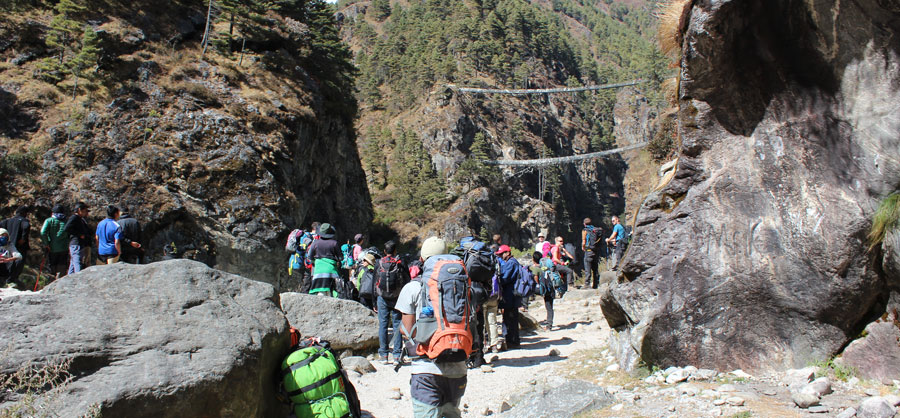
Today’s trek is filled with diverse landscapes and charming Sherpa villages. After leaving Phakding, we cross a sturdy suspension bridge, enjoying the scenic Dudh Koshi River. A pleasant 25-minute walk takes us to Toktok Village, surrounded by picturesque greenery.
We continue on a gradual path through traditional Sherpa houses until we reach Monjo. Along the way, we’re treated to a refreshing sight of a beautiful waterfall. At Monjo, we enter the Sagarmatha National Park office, where we present our trek permits.
After a 15-minute walk from Monjo, we reach Jorsalle, the last settlement before Namche Bazaar. Here, we stop for a delightful lunch beside the river, energizing ourselves for the upcoming part of the journey.
The adventure continues as we cross the iconic Hillary Suspension Bridge, providing magnificent views of the river below. The following two hours entail a steep ascent through serene pine forests, leading us to the vibrant hub of Namche Bazaar.
At Namche Bazaar, we are greeted by the bustling atmosphere of this Sherpa town, nestled amid the mountains. The captivating journey today has showcased the true essence of the Everest region, and we settle in for a well-deserved rest, ready to explore the wonders of Namche tomorrow.

Accommodation : Teahouse Meals : Breakfast, Lunch & Dinner
Day 04
Acclimatization Day in Namche Bazaar
Duration : 3 Hours (Trek Distance: 3.4 miles / 5.4 km) Elevation : Namche Bazaar (3,440m / 11,286ft)
This day is reserved for acclimatization to the higher altitude. Instead of resting, you’ll hike to higher elevations, exploring nearby attractions like the Everest View Hotel, where you can enjoy stunning panoramic views of Everest, Ama Dablam, and other peaks. You’ll return to Namche for the night, helping your body adapt to the increasing altitude.
Accommodation : Teahouse Meals : Breakfast, Lunch & Dinner
Day 05
Trek to Tengboche (3,870m / 12,694ft)
Duration : 5 Hours (Trek Distance: 6.0 miles / 9.6 km) Elevation : Tengboche (3,870m / 12,694ft)
Trekking to Tengboche (3,870m / 12,694ft) offers a relatively easier day compared to the previous one. After having breakfast at the lodge, we commence our trek. The initial 10 minutes involve a steep ascent, but soon we find ourselves on wide, flat trails. The first part of today’s journey rewards us with stunning views of a deep gorge, framed by the vast sky above and rolling green hills to the south.
As we trek for about an hour from Namche, we arrive at Kyanjuma and then continue to Sanasa. Here, we take the right trail leading downhill through a forest. While the left trail from Sanasa leads to the Gokyo Lake trek and Chola Pass, we continue on the descent through the forest for approximately 40 minutes until we reach Funki Thanga, where we pause for lunch since there won’t be any eateries until Tengboche.
After a satisfying lunch, we must climb steeply through a small pine forest. It’s advisable to use a mask or cover your face with a thin cloth as the trail can be quite dusty. As we press on, we eventually reach Tengboche, where we can witness the evening chanting at the local monastery. The night will be spent in Tengboche, a beautiful small area with several accommodations for trekkers.

Accommodation : Teahouse Meals : Breakfast, Lunch & Dinner
Day 06
Trek to Dingboche (4,410m)
Duration : 6 Hours (Total Distance today: 6.5 miles / 10.5 km) Elevation : Dingboche (4,410m)
Trek to Dingboche (4,360m / 14,304ft) offers breathtaking views of Mount Everest and the majestic Himalayas. As we wake up, the sight of Everest captivates us, accompanied by the splendor of other Himalayan peaks. After a hearty breakfast with this magnificent panorama, we embark on our journey.
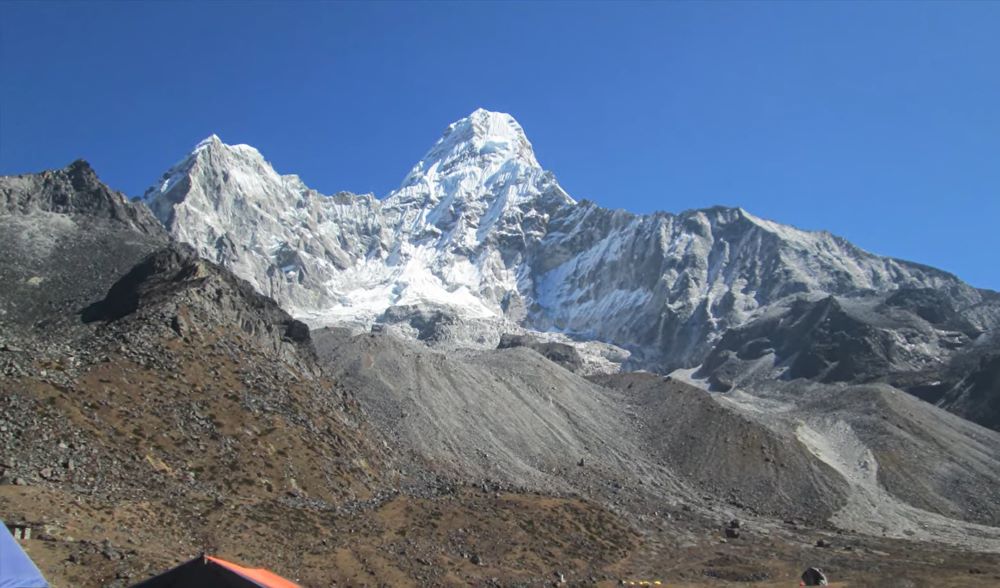
The first leg takes us through a small forest as we descend gently to Debuche. The beauty of the landscape is further enhanced by the awe-inspiring view of Ama Dablam Mountain as we make our way to Pangboche village. En route, we cross a suspension bridge and take in the surreal surroundings.
At Pangboche, we take a well-deserved break, sipping tea or coffee to adapt to the high altitude and ensure a safe trek. Resuming our journey, we follow the tranquil path alongside Imaj Khola for about 30 minutes before reaching the charming village of Somare, where trekkers often stop for lunch.
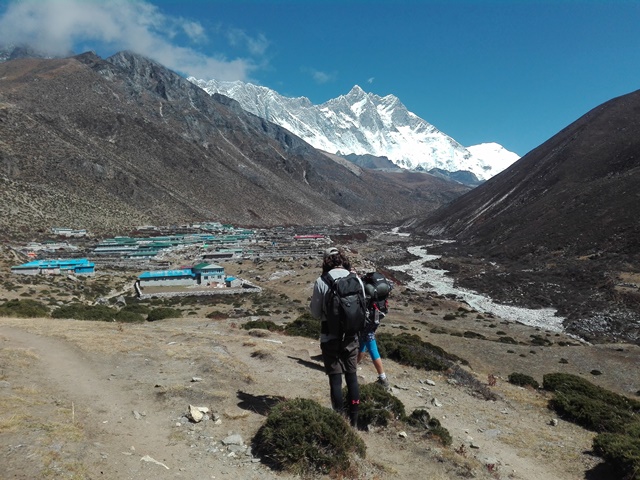
The trail now opens up onto a mountain cliff, offering breathtaking views. Though the altitude might make the ascent challenging, we proceed cautiously, taking our time to adjust. After approximately 40 minutes from Somare, we reach the picturesque Imaja Valley stream, which we cross via a small bridge. A steep 20-minute walk from here leads us to Dingboche village, a sizable settlement with numerous guesthouses, lodges, and even a few bakeries and stores.
Dingboche serves as a crucial acclimatization stop, so we spend two nights here to adjust to the altitude properly. It’s a perfect place to rest and recharge before continuing our remarkable journey. We settle in for the night at Dingboche, knowing that this trek has been nothing short of awe-inspiring.

Accommodation : Teahouse Meals : Breakfast, Lunch & Dinner
Day 07
Acclimatization Day in Dingboche
Duration : 5 Hours (Total Distance today: 3.2 miles / 5.1 km) Elevation : Dingboche (4,410m)
During your acclimatization day at Dingboche (4,410 m / 14,470 ft) on the Everest Base Camp trek, you take a short 3–4 hour day hike to Nangkar Kharka, a nearby hill or plateau. You carry only a small day pack and walk slowly to let your body adjust to the higher altitude. After the hike, you return to Dingboche to rest, eat, and enjoy the mountain views. This day helps your body prepare for the higher altitudes ahead, including Lobuche and Everest Base Camp.

Accommodation : Teahouse Meals : Breakfast, Lunch & Dinner
Day 08
Trek to Lobuche (4,940m / 16,207ft)
Duration : 6 Hours (Trek Distance today: 4.9 miles / 7.9 km) Elevation : Lobuche (4,940m / 16,207ft)
After spending two nights in Dingboche to acclimatize to the altitude, you should be feeling stronger and better prepared to tackle the higher elevations. Begin your day with a hearty breakfast in Dingboche before setting off on your trek.
The first 15 minutes of the walk will be steep as you ascend the massive cliff of the mountain. However, the effort is rewarded with breathtaking views all around, surrounded by majestic mountains. After the initial steep climb, the trail becomes easier as you walk above Pheriche.
The trek on the easy trail from Pheriche to Thukla takes about 2 and a half hours. Once you reach Thukla, it’s a good idea to take a break, have some food, and enjoy a cup of tea to recharge before continuing. Thukla is a lunch spot and a common resting point for trekkers.
From Thukla, you’ll trek steeply uphill toward Thukla Pass, also known as the Memorial Pass. Along the way, you’ll come across several memorials and monuments dedicated to mountain heroes, particularly climbers who lost their lives while attempting to conquer Everest. Take some time to pay your respects and appreciate the sacrifices made by these brave individuals.
Once you reach Thukla Pass, the trail becomes easier again, but due to the high altitude, it’s essential to maintain a slow pace and steady progress. The trek from Thukla Pass to Lobuche takes about 1.5 hours.
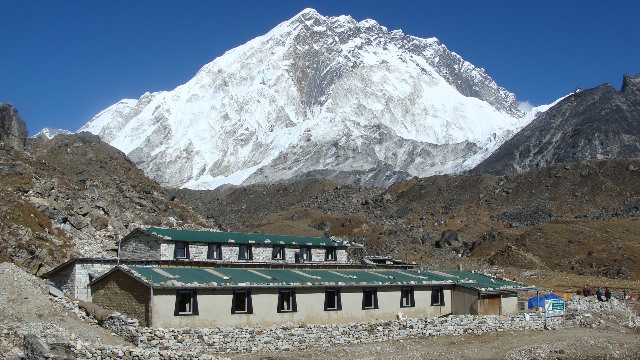
Lobuche is nestled on the side of the mountain and offers stunning views of the surrounding peaks. At this point, you’ll be at an altitude of around 5,000 meters (16,400 feet), so it’s crucial to take care of yourself and be mindful of the effects of high altitude. Reducing sleeping hours can help prevent altitude-related issues.
You’ll stay overnight in Lobuche, which will provide you with a well-deserved rest and another opportunity to acclimatize before continuing your trek to Gorak Shep and Everest Base Camp.
Please note that altitude sickness is a significant concern at these elevations, and it’s crucial to listen to your body, stay hydrated, and follow your guide’s advice on acclimatization and safety measures.

Accommodation : Teahouse Meals : Breakfast, Lunch & Dinner
Day 09
Trek to Gorak Shep (5,170m / 16,961ft) and Everest Base Camp (5,364m / 17,598ft)
Duration : 7 Hours (Trek Distance Today: 7.3 miles / 11.7 km) Elevation : Gorak Shep (5,170m / 16,961ft), Everest Base Camp (5,364m/17,598ft)
This is one of the most exciting and challenging days, as you will be reaching two significant landmarks: Gorak Shep and Everest Base Camp.
From Lobuche, the trail gradually ascends as you make your way towards Gorak Shep. The terrain may be rocky and sometimes covered in snow, depending on the season. The thin air at this altitude makes the trek more demanding, so it’s crucial to maintain a slow and steady pace to avoid altitude sickness.
As you approach Gorak Shep, you’ll be surrounded by incredible mountain views, including Pumori, Lingtren, and Khumbutse. After reaching Gorak Shep, which is located at an altitude of 5,170 meters (16,961 feet), take some time to rest and have a warm meal to refuel your energy.
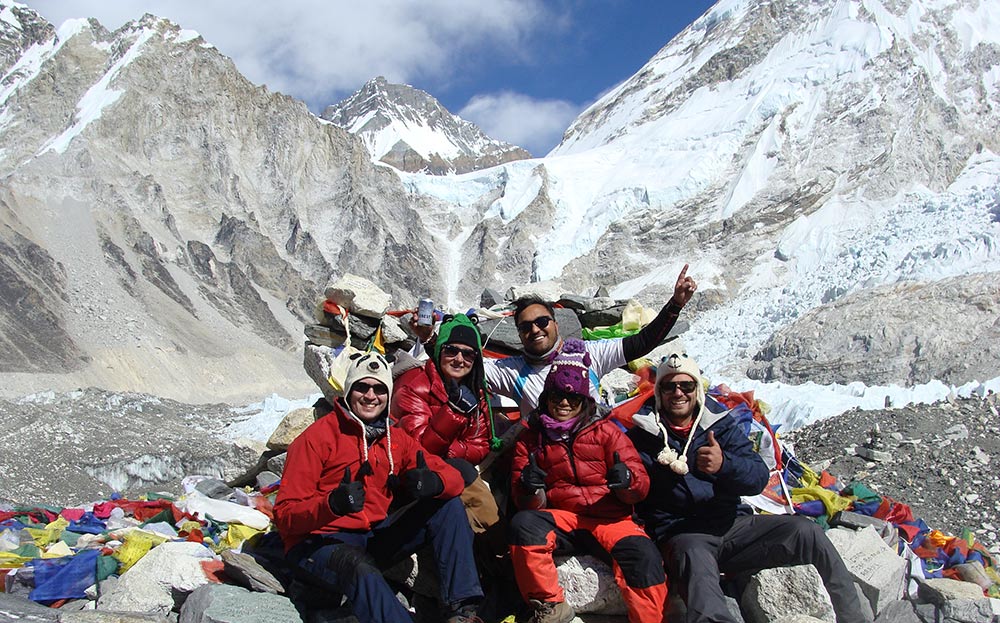
After a brief rest, the journey continues towards Everest Base Camp. The trail to Everest Base Camp is mostly on the Khumbu Glacier, and it may involve some ups and downs as you navigate through the ice and rocky terrain.
Reaching Everest Base Camp at an altitude of 5,364 meters (17,598 feet) is a remarkable achievement. The atmosphere is filled with a sense of accomplishment, as you are standing at the base of the world’s highest peak, Mount Everest. However, please keep in mind that the Base Camp itself is not a place for climbing Mount Everest; it’s the starting point for those attempting the summit.
While at Everest Base Camp, take the time to enjoy the breathtaking views of the Khumbu Icefall and surrounding mountains. Remember that the weather can change rapidly in this region, so be prepared with appropriate clothing and gear.
After spending some time at Everest Base Camp, you’ll return to Gorak Shep for an overnight stay. The day’s trek can be physically demanding due to the high altitude and rough terrain, so ensure you stay well-hydrated and rest properly at Gorak Shep to prepare for the trek back to lower elevations in the coming days.

Accommodation : Teahouse Meals : Breakfast, Lunch & Dinner
Day 10
Hike to Kala Patthar (5,545m / 18,192ft) and Trek back to Pheriche (4,240m / 13,911ft)
Duration : 8 Hours (Total Distance Today: 9.4 miles / 15.2 km) Elevation : Kala Patthar (5,545m / 18,192ft), Pheriche (4,240m / 13,911ft)
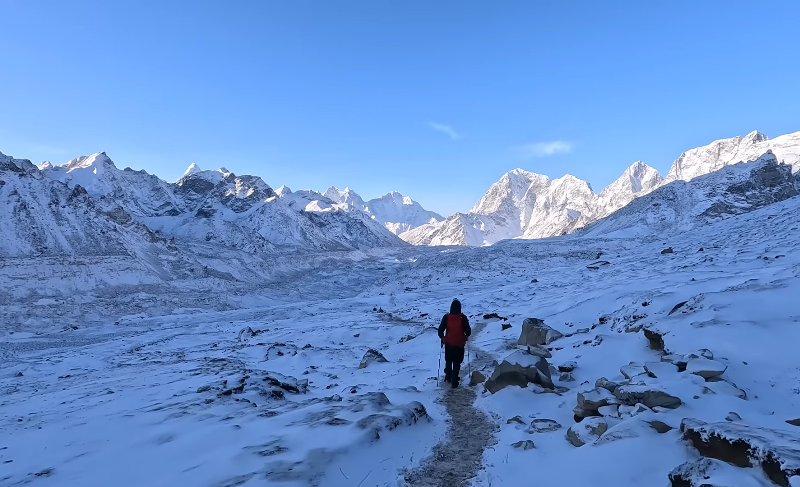
On this exhilarating day, you’ll wake up early before dawn and embark on a challenging hike to Kala Patthar. This vantage point offers unparalleled panoramic views of the Everest region, including an up-close and awe-inspiring sight of Mount Everest itself. The hike is demanding due to the high altitude, but the breathtaking sunrise over Everest makes it all worthwhile.
After soaking in the incredible vistas, you’ll trek back to Gorak Shep for breakfast before descending towards Pheriche. The trail winds through picturesque landscapes, and as you descend, you’ll notice the air becoming thicker and more comfortable to breathe. Arriving in Pheriche (4,240m / 13,911ft), you’ll feel a sense of accomplishment and enjoy a well-deserved rest at a lower altitude, preparing for the journey ahead.

Accommodation : Teahouse Meals : Breakfast, Lunch & Dinner
Day 11
Trek to Namche Bazaar (3,440m / 11,286ft)
Duration : 6 Hours (Total Distance Today: 12.1 miles / 19.5 km) Elevation : Namche Bazaar (3,440m / 11,286ft)
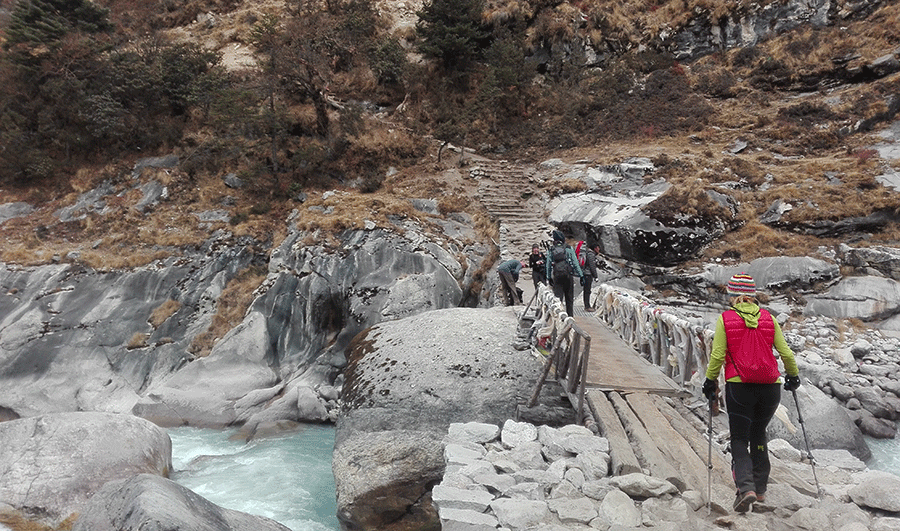
Leaving Pheriche, you’ll begin the descent towards lower elevations on the trek back to Namche Bazaar. The trail takes you through beautiful Sherpa villages, offering a chance to immerse yourself in the local culture and hospitality.
As you descend, you may notice that the air becomes thicker and more oxygen-rich, making the trek more comfortable than the higher altitudes. The route may also present stunning views of the Himalayan landscapes and distant peaks.
After a few hours of trekking, you’ll reach the bustling town of Namche Bazaar, a significant trading hub in the region. Namche Bazaar is also a great place to shop for souvenirs and interact with fellow trekkers.
Upon arrival, take some time to rest, explore the town, and enjoy the comforts of a lower altitude. The elevation change will be noticeable, and you may find yourself with more energy as you acclimate to the lower heights.
This marks the end of your challenging yet rewarding journey to the Everest Base Camp and Kala Patthar, and you can look forward to celebrating your accomplishments in Namche Bazaar.
Accommodation : Teahouse Meals : Breakfast, Lunch & Dinner
Day 12
Trek from Namche Bazaar to Lukla (2,860m / 9,383ft)
Duration : 7 Hours (Trek Distance Today: 11.9 miles / 19.1 km) Elevation : Lukla (2,860m / 9,383ft)
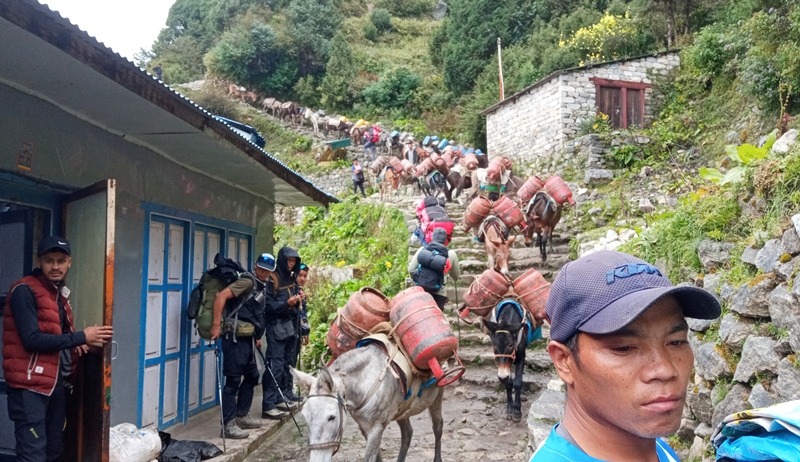
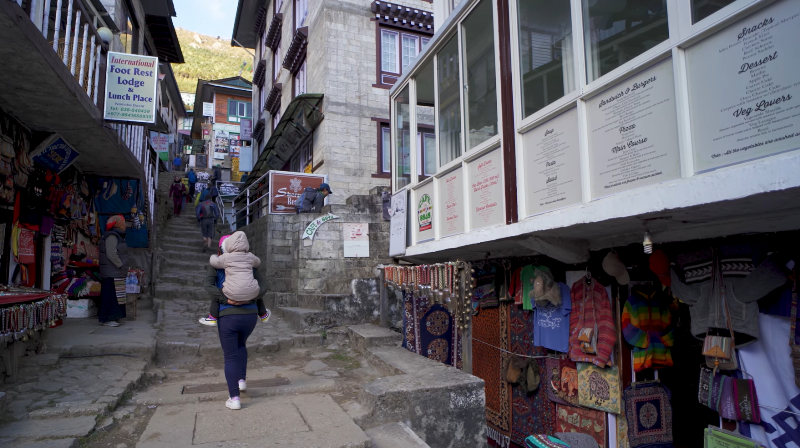
On the final day of your trek, you’ll bid farewell to Namche Bazaar and continue your descent towards Lukla. The trail gradually descends, offering a mix of lush forests, charming villages, and stunning mountain views.
As you trek back, you may pass through familiar places and reminisce about the incredible journey you’ve undertaken in the past few days. Take the time to appreciate the beauty of the Khumbu region and the warm hospitality of the Sherpa people.
The lower altitude will bring a noticeable change in the environment, and you may find that you have more energy and breathe more comfortably as you descend.
Upon reaching Lukla, take some time to relax and celebrate the successful completion of your Everest Base Camp trek. It’s a great opportunity to reflect on the experiences and memories you’ve gathered during this incredible adventure.
In Lukla, you’ll spend your final night in the Everest region, enjoying the company of fellow trekkers and sharing stories of your journey to the base of the world’s highest peak.
The next day, you’ll take a short but scenic flight back to Kathmandu, where you can indulge in some well-deserved rest and exploration of the vibrant capital city of Nepal, marking the end of your unforgettable Everest Base Camp trekking experience.
Accommodation : Teahouse Meals : Breakfast, Lunch & Dinner
Day 13
Fly back to Kathmandu
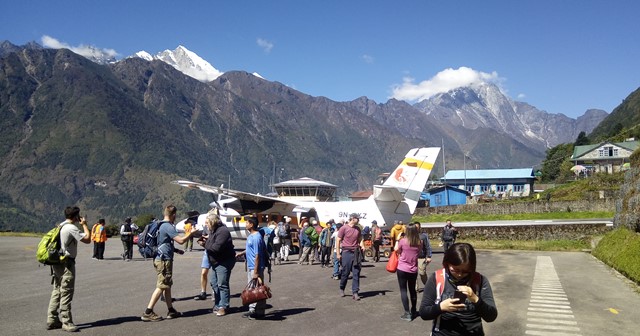
In the early morning, you’ll take a short flight from Lukla back to Kathmandu. After landing, you’ll be transferred to your hotel. The rest of the day is free for relaxation or further exploration of Kathmandu’s cultural and historical sites.
This 13-day itinerary offers an unforgettable experience, providing ample time for acclimatization and soaking in the breathtaking beauty of the Everest region. Please note that the itinerary is subject to change based on weather conditions, your trekking pace, and other factors.

Meals : Breakfast
13 Day Everest Base Camp Trek Itinerary FAQs
The Everest Base Camp trek is considered moderately challenging. It involves steep ascents and descents, but no technical climbing is required. Adequate physical fitness and acclimatization are essential for a successful trek.
The standard Everest Base Camp trek takes 12-14 days, depending on the itinerary. This includes trekking to Base Camp and back to Lukla. Additional acclimatization days are usually included to minimize altitude-related risks.
The best time for the Everest Base Camp trek is during the pre-monsoon (Spring) and post-monsoon (Autumn) seasons (March to May and September to November). These months offer stable weather, clear skies, and excellent views of the mountains.
Yes, altitude sickness is a concern during the Everest Base Camp trek. It’s essential to acclimatize properly and follow a gradual ascent to minimize the risk of AMS (Acute Mountain Sickness).
While not mandatory, but recommended to hire a licensed trekking guide and porter. They provide valuable assistance, ensure safety, and enhance the overall trekking experience.
Accommodation during the Everest Base Camp trek mainly consists of teahouses or lodges. These are basic but comfortable, offering a bed and meals to trekkers.
Trekkers need two permits: TIMS (Trekkers’ Information Management System) and Sagarmatha National Park entry permit. These permits are available in Kathmandu and Lukla.
It is advisable to drink only purified or boiled water during the trek to prevent waterborne illnesses. Many teahouses provide safe drinking water or offer water purification services.
Yes, there are emergency evacuation services available in case of serious injuries or altitude-related illnesses. Trekking agencies and guides coordinate with rescue services to ensure prompt assistance.
You will need warm layers, a waterproof jacket and pants, thermal innerwear, sturdy trekking boots, hats, gloves, and a sleeping bag. Proper trekking poles, sunglasses, sunscreen, and a headlamp are also essential.
Refund & Cancellation Policy
- Booking requires 20% non-refundable deposit (Nepal) or 100% upfront (Tibet/Bhutan).
- Remaining payment due before the trip or on arrival (trip-dependent).
Cancellation charges:
- 31+ days: 20%
- 16–30 days: 45%
- 8–15 days: 75%
- 7 days or less: 90%
- Prices may change due to flights, taxes, or exchange rates.
- Trip changes are allowed, but extra costs apply.
- If the company cancels, a full refund, except for unavoidable events (some costs deducted).
- Good health and travel insurance are mandatory.
- No refund if removed for unsafe or illegal behavior.
- Travel involves personal risk, which the client accepts.