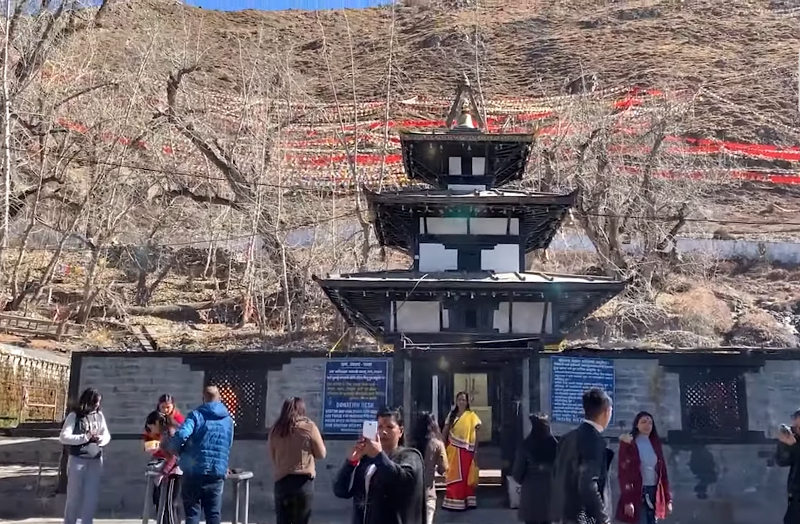


Major Highlights of the Jomsom Muktinath Short Trek: Highlights
Jomsom Muktinath Short Trek Introduction: Overview
Jomsom Muktinath Short Trek is a popular trek in the Annapurna region of Nepal that takes you to the beautiful Mustang Valley. Known for its unique landscapes, culture, and history, this trek is a must-do for any trekker visiting Nepal. The trek starts in Pokhara and ends in Jomsom, a small town located at an altitude of 2,743m. you will pass through beautiful landscapes, traditional villages, and lush forests.
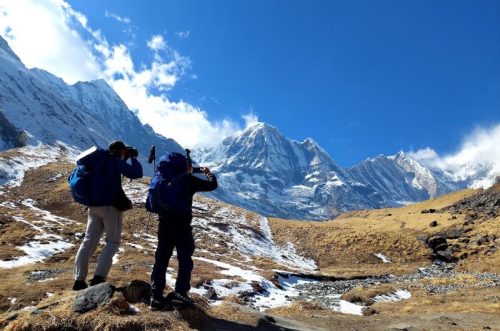
One of the main highlights of the Jomsom Muktinath Budget Trek is the opportunity to see the beautiful mountain ranges, including Dhaulagiri and Annapurna. The trek also offers a chance to see the Kali Gandaki River, the deepest gorge in the world. The trek is relatively easy, and the trail is well-marked, making it suitable for trekkers of all levels.
However, it’s important to note that the short-budget Jomsom Trek takes place at high altitude, and altitude sickness is a risk. It’s essential to acclimatize properly and to be aware of the symptoms of altitude sickness. To minimize the risk of altitude sickness, it’s important to stay hydrated and rest properly during the trek. It’s also a good idea to consult with a doctor before starting the trek and to take precautions such as carrying a portable oxygen cylinder.
The Pokhara to Jomsom Trek is not only a great opportunity to see beautiful landscapes, but it’s also an opportunity to learn about the culture and customs of the people living in the region. The trek passes through traditional villages, and you’ll have the chance to interact with the local people and learn about their way of life. The trek also offers an opportunity to see ancient Tibetan monasteries and to learn about the history of the region.
In terms of fitness, the Jomsom Trek 8-day Itinerary is relatively easy, but it’s still important to be in good physical shape. The trek requires a moderate level of fitness, and it’s essential to train before starting the trek. It’s also a good idea to carry a first aid kit and to be prepared for any emergencies that may arise.
Overall, the Jomsom short Trek is a great opportunity to see beautiful landscapes, learn about the culture and customs of the people living in the region, and experience the unique Mustang Valley. It’s an excellent trek for trekkers of all levels and offers an opportunity to see the beautiful mountain ranges and the deepest gorge in the world. With proper acclimatization, safety precautions, and fitness, it’s an unforgettable trekking experience in the Annapurna region of Nepal.
Best time to do Jomsom Muktinath Short Trek
The best time to do the Jomsom Short Trek is during the spring (March to May) and autumn (September to November) seasons. During these months, the weather is generally stable, with clear skies and mild temperatures, making it ideal for trekking. The temperatures during these months are not too cold or too hot, and the mountain views are at their clearest.
In the spring, the rhododendron forests are in full bloom, and the entire trail is covered in colorful flowers, making the trek even more beautiful. During autumn, the skies are clear and the air is crisp, offering stunning views of the mountains.
However, it is important to note that weather conditions can be unpredictable in the mountains, and it is always best to check the weather forecast before embarking on the trek.
Permits required for Jomsom Short Trek
Permits are required for the Jomsom Short Trek, as it passes through the Annapurna Conservation Area. The following permits are needed:
Annapurna Conservation Area Permit (ACAP): This is a mandatory permit for all trekkers and can be obtained from the Nepal Tourism Board office in Kathmandu or Pokhara. The cost of the permit varies according to the duration of the trek.
Trekkers’ Information Management System (TIMS) card: This card is also mandatory for all trekkers and can be obtained from the Nepal Tourism Board office in Kathmandu or Pokhara. The cost of the card varies depending on whether you are trekking independently or with a trekking agency.
It is important to note that these permits need to be carried at all times during the trek, and they will be checked at various points along the trail. Failure to obtain the necessary permits can result in hefty fines or even deportation.
Difficulty level and fitness requirements for Jomsom Short Trek
The Jomsom Short Trek is considered a moderately difficult trek, with an average daily walking time of 5-6 hours. The highest point on the trek is Muktinath at 3,710 meters, which can cause altitude sickness in some trekkers. Therefore, it is recommended to acclimatize properly and take necessary precautions to prevent altitude sickness.
In terms of fitness requirements, it is recommended to have a moderate level of fitness and some prior hiking experience. The trail includes some steep ascents and descents, and trekkers should be prepared for some challenging terrain. Regular exercise, including cardio and strength training, can help prepare the body for the trek. Overall, with proper preparation and a positive attitude, most trekkers can complete the Jomsom Short Trek.
Top Sights on the Jomsom Short Trek
The Jomsom Short Trek is a wonderful opportunity to experience the unique culture and natural beauty of the Annapurna region. The trek takes you through charming traditional villages, lush forests, and sparkling rivers. Here are some of the cultural and natural attractions along the Jomsom Short Trek:
- Kagbeni Village: A historic village with narrow alleys and ancient mud brick houses.
- Marpha Village: Famous for its apple orchards and delicious apple products.
- Jomsom: The largest town in the region, with a unique mix of traditional and modern architecture
- Kali Gandaki River: The deepest gorge in the world, with stunning views of the surrounding mountains.
- Dhaulagiri and Annapurna Mountain Ranges: Breathtaking views of some of the highest peaks in the world.
Weather in Jomsom short trek- all four seasons:
The Jomsom Trek is located in the Annapurna region of Nepal and it’s affected by the weather of the area.
During the autumn season (September to November), the weather is generally clear and sunny, making it the best time to trek in Jomsom. The temperature during this season is moderate, making it comfortable for trekking.
In the winter season (December to February), the temperature drops significantly in Jomsom, and it can be quite cold and snowy at higher elevations. The trail may be challenging to navigate due to snow, and it’s important to be properly equipped for cold weather.
During the spring season (March to May), the weather is mild and comfortable, and the trek is in full bloom. The rhododendron forests are in full bloom, making the trek a beautiful and colorful experience.
In the summer season (June to August), the weather is generally hot and dry in Jomsom, and it’s not the best time to trek in the region. The trail may be dry and dusty, and the temperature can be quite high, making it challenging for trekkers.
Therefore, it’s important to consider the weather conditions when planning a trek to Jomsom and to choose the best season for your trip.
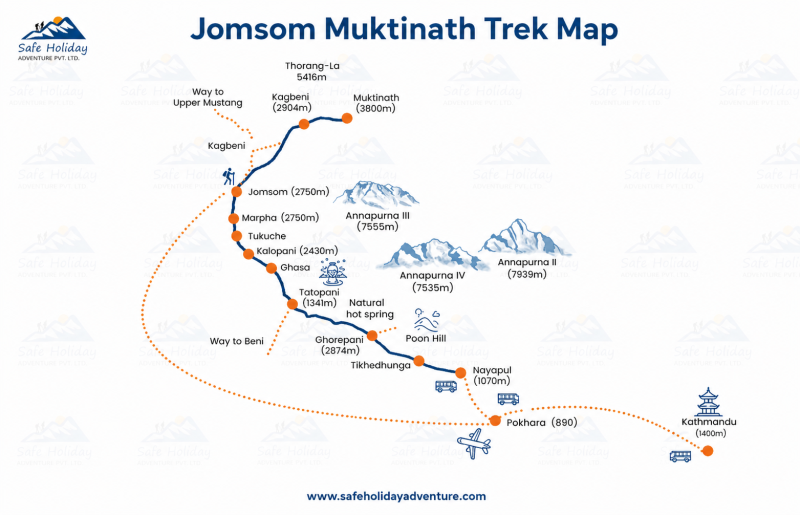
Jomsom Muktinath Short Trek Itinerary:Outline Itinerary
Whats Included?
- Tea House Accommodations during the Trek,
- All Meals as per itinerary (B=Breakfast, L=Lunch, and D=Dinner),
- Marfa to Tatopani Sharing jeep or Public Bus,
- Kathmandu to Pokhara and Pokhara to Kathmandu Tourist standard bus,
- An experienced trekking Guide who has a government training license,
- 2-night accommodation in Pokhara,
- Sightseeing tour in Pokhara with Guide in a private vehicle,
- Annapurna Conservation Permits Fee and TIMS card.
- Pokhara to Jomsom Flight Ticket.
- Meals in Kathmandu and Pokhara (lunch and dinner
- Travel insurance
- Additional food items not included in the package
- Nepal entry visa fees
- Personal expenses, including bar bills, alcoholic and non-alcoholic beverages
- All drinks, including water, soft drinks, and alcoholic beverages
- Gratuities for the guide and porter (strongly recommended)
Dates and Availability Departures
All our published dates are guaranteed departures. We also provide customized departures tailored to your travel plans.
There are no group joining dates available at the moment. Please contact us for a private trip.
Travellers Reviews
Genaral Trip InfoInfos
Showers During the Jomsom Trek:
Basic tea houses and lodges provide hot showers, but you may need to pay a small fee (around 200-300 NPR). The availability of hot water can be limited in remote areas, especially at higher altitudes.
Weather:
The weather varies depending on the season. Spring (March to May) and autumn (September to November) offer clear skies and moderate temperatures, making them the best times to trek. Winter (December to February) is cold, especially at higher altitudes, but the trail is quieter. The monsoon season (June to August) brings rain, especially in lower areas, but Jomsom, being in the rain shadow of the Annapurna Range, remains relatively dry.
Jomsom Muktinath trek Permit:
Jomsom Muktinath trek Weather:
The weather on the Jomsom to Muktinath Temple trekking route is highly influenced by altitude and the unique trans-Himalayan climate of the Mustang region. This area lies in the rain-shadow of the Annapurna and Dhaulagiri ranges, which means it receives very little monsoon rainfall compared to other trekking regions in Nepal. As a result, the skies are often clear, but conditions can still change quickly, especially in the afternoon.
Spring (March to May) and autumn (September to November) are considered the best seasons for this trek, offering stable weather, clear mountain views, and comfortable daytime temperatures. During these months, daytime temperatures in lower areas like Jomsom are generally mild, while higher regions such as Muktinath can be cold, especially in the mornings and evenings. Winter brings freezing temperatures and possible snowfall, while summer remains relatively dry but can be windy in the Kali Gandaki Valley.
Flight Options to Jomsom:
There are daily flights from Pokhara to Jomsom, which take about 20 minutes. The flight offers stunning views of the Annapurna and Dhaulagiri ranges. However, flights can be delayed or canceled due to weather conditions, especially during the monsoon and winter seasons, so it’s wise to allow some buffer days in your schedule.
Jomsom Muktinath Jeep Tour:
Tea Houses & Lodges in Jomsom and Muktinath:
Tea houses and lodges in Jomsom and Muktinath are simple accommodation facilities mainly used by trekkers and pilgrims in the Mustang region of Nepal. Most of them are family-run and offer basic rooms with twin beds, blankets, and shared bathrooms. In Jomsom, Kagbeni, Marpha, and Muktinath, you will find a good number of tea houses that provide food and lodging. The food is usually simple, like dal bhat, noodles, soup, eggs, and tea. These places are affordable and suitable for budget travelers.
In Jomsom, lodges are slightly more developed because it is a main town with an airport and transport hub. In Muktinath, there are more guesthouses and hotels due to the large number of Hindu and Buddhist pilgrims visiting the temple. Hot showers and Wi-Fi are available in some places, but may cost extra. During peak season, rooms can be busy, so booking or arriving early is better. Overall, tea houses on this route provide a comfortable and safe place to stay with basic facilities and warm hospitality.
Pokhara to Jomsom Flight Information:
The Pokhara to Jomsom flight is the fastest and most popular way to start the Muktinath tour. It takes around 20–25 minutes, offering stunning views of the Annapurna and Dhaulagiri mountain ranges. Flights operate mainly in the morning due to weather conditions.
From Pokhara to Jomsom, small aircraft like Twin Otter are commonly used. After landing in Jomsom, travelers usually continue by jeep or trek toward Muktinath Temple, a major pilgrimage and sightseeing destination.
Jomsom Muktinath trek food and Accommodation:
Luxury lodge trek to Muktinath:
Packing list for the Jomsom Muktinath Trek:
Detailed ItineraryItinerary
Drive From Kathmandu to Pokhara(6-7 Hrs Drive)
On day 1 of the Jomsom Muktinath Trek, you’ll start by driving from Kathmandu to Pokhara, a journey of around 6-7 hours along the Prithvi highway. Along the way, you’ll pass through small settlements and towns, with views of lush green hills and the Trishuli river. Once you reach Pokhara, a popular tourist hub known as the “City of Lakes”, you’ll have the evening to explore the city or relax by the lakes.
Accommodation : Hotel
Fly from Pokhara to Jomsom then Trek to Kagbeni
On day 2, you’ll take a 30-35 minute flight from Pokhara to Jomsom, flying above the Kali Gandaki River and seeing the Annapurna and Dhaulagiri mountain ranges. From Jomsom, you’ll start your trek to Kagbeni, walking along the Kali Gandaki river and passing through the village of Ekle Bhatti before reaching Kagbeni for the night.
Accommodation : Tea House
Kagbeni to Muktinath
Day 3 is dedicated to trekking to Muktinath, a major tourist destination and a holy site for Hindus and Buddhists. You’ll start by leaving Kagbeni and walking past small settlements and scenic views before reaching Muktinath, where you’ll have the opportunity to explore the temple and purify your soul in the 108 water taps.
Accommodation : Tea House
Explore Muktinath
Muktinath is a sacred site in the Annapurna region, popular for its spiritual significance and stunning views. The main attraction is the Muktinath Temple, a holy place for both Hindus and Buddhists. Visitors explore the 108 water spouts, where pilgrims take a ritual bath. The temple also has a natural eternal flame, adding to its mystical aura. Around Muktinath, you can find peaceful monasteries and traditional villages with welcoming locals. The landscape is dry and rugged, offering beautiful views of the surrounding Himalayas. Exploring Muktinath is a peaceful experience, combining spiritual discovery with the beauty of nature.
Accommodation : Tea House
Muktinath to Marpha village
The trek from Muktinath to Marpha is a scenic journey through the lower Mustang region. You start by descending towards Ekle Bhatti, a small village with beautiful views of the Kali Gandaki Valley. Continuing down, you reach Jomsom, a windy town that serves as a hub for trekkers. The trail then follows the Kali Gandaki River, offering stunning views of the barren yet beautiful landscape.
As you approach Marpha, you pass through apple orchards and well-maintained farmland. Marpha is a charming old Thakali village known for its stone-paved streets, traditional houses, and delicious apple products like cider and brandy from local distilleries. The village also has a monastery and offers a peaceful atmosphere, perfect for relaxing after a long day’s walk.
Accommodation : Tea House
Drive from Marfa to Tatopani
The drive from Marpha to Tatopani takes around 2.5 hours, offering beautiful views of the Kali Gandaki Valley along the way. Upon reaching Tatopani, you’ll find a relaxing atmosphere, famous for its natural hot springs. This popular spot is where trekkers unwind and enjoy a warm bath after days of trekking. The hot springs are located near the river, providing a peaceful and calming environment. The day is perfect for resting, soaking in the therapeutic waters, and exploring the local area. With the cool breeze from the river and the warm water from the springs, Tatopani is an ideal place to recharge, relax, and enjoy the natural surroundings.
Accommodation : Tea House
Drive from Tatopani to Pokhara
The drive from Tatopani to Pokhara during the Annapurna Jomsom Trek would typically take around 4-5 hours by car or bus, depending on road conditions and traffic. The route would go through the towns of Beni, Galeshwar, and Nayapul before reaching Pokhara. The trek itself is popular in the Annapurna region of Nepal and offers beautiful views of the Annapurna and Dhaulagiri mountains. It typically takes around 7-10 days to complete, depending on the route taken and the pace of the trekker.
Accommodation : Hotel
Drive from Pokhara to Kathmandu
The drive from Pokhara to Kathmandu typically takes around 6-7 hours by car or bus, depending on road conditions and traffic. The route goes through the towns of Mugling, Narayanghat, and Thankot before reaching Kathmandu. The road is mostly mountainous and winding and some parts of the road might be under construction, so the journey can be quite scenic but also quite bumpy and tiring. The views of the Himalayas, terraced fields, and local villages along the way make it an interesting and enjoyable journey.
Jomsom Muktinath Short Trek FAQs
The Jomsom Trek typically takes around 5-7 days to complete, depending on the route and pace of the trekker.
For the Jomsom-Muktinath Trek, the only permit required is the **Annapurna Conservation Area Permit (ACAP)**. This permit is mandatory as the trek falls within the Annapurna Conservation Area.
How to Obtain the ACAP:
- Location: You can get the ACAP at the Nepal Tourism Board offices in Kathmandu or Pokhara.
- Documents Required**: A copy of your passport and two passport-sized photos.
- Cost: For foreign trekkers, the ACAP costs 3,000 NPR. SAARC country nationals pay 200 NPR.
The Jomsom Trek is considered to be a moderate trek with some steep ascents and descents. It is suitable for those with moderate fitness levels and some hiking experience.
Accommodation on the Jomsom Trek is available in teahouses and lodges. These provide basic rooms with twin beds and shared bathrooms.
A good pair of hiking boots, warm clothing, a waterproof jacket, a hat and sunglasses, a sleeping bag, a water bottle, and a first aid kit are essential items to pack for the Jomsom Trek.
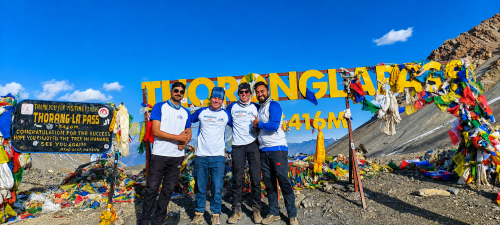
The average altitude of the Jomsom Trek is around 2,700 meters. The highest point on the trek is at Thorong La Pass, which reaches an altitude of 5,416 meters.
Yes, it is possible to hire a guide or porter for the Jomsom Trek. These can be arranged through trekking companies or in Kathmandu or Pokhara.
There are a few ATMs and banks in Jomsom, but they may not always be in operation. It is best to bring enough cash for the trek and any emergency expenses.
The starting point of the Jomsom Trek is in Pokhara. From Pokhara, you can take a bus or jeep to the town of Nayapul, which is the starting point of the trek.
Refund & Cancellation Policy
- Booking requires 20% non-refundable deposit (Nepal) or 100% upfront (Tibet/Bhutan).
- Remaining payment due before the trip or on arrival (trip-dependent).
Cancellation charges:
- 31+ days: 20%
- 16–30 days: 45%
- 8–15 days: 75%
- 7 days or less: 90%
- Prices may change due to flights, taxes, or exchange rates.
- Trip changes are allowed, but extra costs apply.
- If the company cancels, a full refund, except for unavoidable events (some costs deducted).
- Good health and travel insurance are mandatory.
- No refund if removed for unsafe or illegal behavior.
- Travel involves personal risk, which the client accepts.