

28 Aug 2025 14 min to read
Nepal is world-famous for its towering Himalayan peaks, vibrant culture, and adventurous trekking routes. Yet, beyond the majestic mountains lies another side of the country — a lush, green paradise teeming with wildlife and natural beauty. Chitwan National Park, Nepal’s first national park and a UNESCO World Heritage site, is at the heart of this wilderness. A visit here allows travelers to step away from the hustle and bustle of city life and immerse themselves in nature, offering a completely different kind of Nepal experience.
A Chitwan Jungle Safari Tour is not just about wildlife spotting; it is an adventure that combines the thrill of exploration with cultural discovery. Imagine spotting the rare one-horned rhinoceros grazing in the grasslands, hearing the distant roar of a Bengal tiger, or watching herds of elephants crossing the river. Each safari activity, whether by jeep, canoe, or on foot, gives you a close-up view of the park’s rich biodiversity, making it a memorable journey for all nature lovers.
Beyond the wildlife, Chitwan is home to the indigenous Tharu people, whose culture, traditions, and lifestyle have been preserved for centuries. During the safari, travelers can visit Tharu villages, enjoy traditional dance performances, and learn about their unique way of life. This blend of adventure, wildlife, and cultural immersion makes the Chitwan Jungle Safari a must-do experience in Nepal.
Whether you are a solo traveler seeking adventure, a family looking for an educational holiday, or a wildlife enthusiast chasing rare sightings, Chitwan offers something for everyone. This guide will prepare you to make the most of your first jungle safari, ensuring an unforgettable journey into the heart of Nepal’s wilderness.

For beginners, a jeep safari in Chitwan is often the easiest and most comfortable way to explore the park. Traveling in a guided 4×4 vehicle allows you to cover large areas of the jungle safely while maximizing your chances of spotting wildlife. The open-sided jeeps are designed for clear visibility, giving photographers and nature enthusiasts an excellent vantage point.
Jeep safaris are generally conducted early in the morning or late in the afternoon, when animals are most active. During these hours, you’re more likely to see one-horned rhinos grazing in the grasslands, herds of deer, wild elephants, and even tigers, though tiger sightings are rare. Morning safaris also offer the bonus of soft, golden sunlight perfect for wildlife photography. Late afternoon safaris offer a distinct experience, characterized by warm hues and a serene jungle ambiance as animals prepare for the night.
During a jeep safari, an experienced naturalist guide accompanies you, offering valuable insights about the flora, fauna, and conservation efforts within the park. Guides can identify subtle signs of animal presence, like footprints, dung, and broken branches, which greatly increase your chances of spotting elusive species. They also share interesting stories about animal behavior, making the journey both educational and exciting.
A typical jeep safari can last anywhere from 2 to 4 hours, depending on your package and interests. Some safaris also combine short stops at grasslands, riversides, or elephant bathing sites, allowing visitors to stretch their legs and observe wildlife more closely. For first-time visitors, these stops are particularly useful to experience the jungle without feeling rushed.
Tips for a successful jeep safari:
Jeep safaris are suitable for travelers of all ages, including families with children, and provide a safe and accessible introduction to the wilderness of Chitwan. Unlike walking or canoe safaris, they are less physically demanding, making them ideal for beginners or those with limited mobility.
Overall, a jeep safari in Chitwan offers a balanced combination of safety, comfort, and adventure, ensuring that first-time visitors can enjoy a thrilling yet stress-free wildlife experience.
Tips for Jeep Safari:

A walking safari in Chitwan lets you explore the jungle on foot with a trained guide and armed guard. Unlike jeep or elephant safaris, walking safaris are slow and quiet, giving you a close-up experience of wildlife, birds, and plants.
Guides help track animals safely and explain jungle life.
A walking safari in Chitwan is perfect for nature lovers seeking a quiet, unforgettable jungle adventure.
A canoe safari in Chitwan National Park is a calm and peaceful way to explore the park’s rivers and wetlands. Unlike jeep or walking safaris, a canoe safari lets you glide quietly on the water, giving you a unique view of wildlife along the riverbanks.
Experience:
Best Time: Early morning or late afternoon, when animals are most active, and the sunlight creates a magical atmosphere on the water.
In short, a canoe safari in Chitwan offers a gentle, intimate, and unforgettable way to experience the park’s wildlife and natural beauty from the water.

Chitwan National Park is home to diverse wildlife, making it one of the best safari destinations in Asia.
The park’s most famous resident is the greater one-horned rhinoceros. Sightings are best during early morning jeep safaris. Respect the animal’s space and avoid loud noises.
Although rare, Chitwan is one of the best places in Nepal to spot the elusive Bengal tiger. Guides often track tiger footprints, so your chances improve with experienced support.
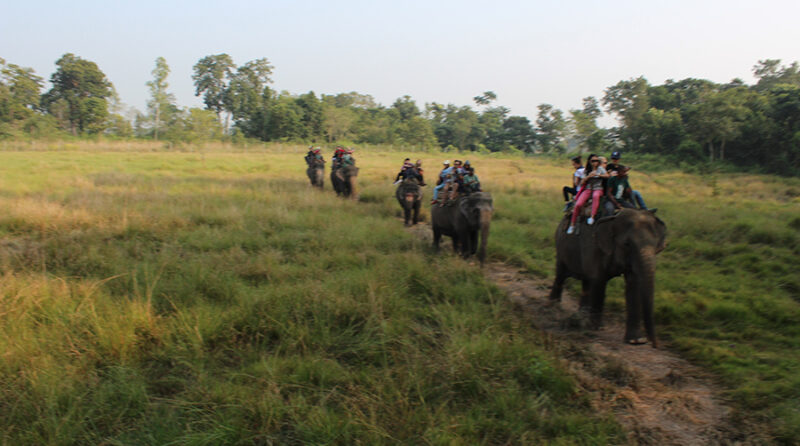
Elephants are part of Chitwan’s charm. Many lodges offer elephant-back safaris, but walking or jeep safaris allow for a more ethical and safe wildlife encounter.
Chitwan is a paradise for birdwatchers, with over 500 species including kingfishers, hornbills, and peacocks. You may also spot monkeys, deer, wild boars, and reptiles during your safari.

Visiting Tharu villages in Nepal is like stepping into a living story of tradition and nature. The Tharu people mainly live in the Terai region, in places like Chitwan, Bardiya, and Dang. Their villages are peaceful, with houses made of mud and bamboo, often decorated with colorful patterns called mokha. These designs show birds, flowers, and other natural symbols, giving each home a unique character.
Life in a Tharu village moves at a calm pace. Families work together on farms, grow vegetables, and raise animals. Visitors can see the daily routines up close, from cooking on traditional stoves to making handmade crafts. Tharu men and women are skilled in pottery, weaving, and wall painting, which are all part of their cultural heritage.
Tharu culture is full of music, dance, and festivals. During celebrations, the community comes alive with traditional dances like Sakhiya, performed by young men and women in colorful costumes. Festivals often honor nature, ancestors, and village spirits. The dances, songs, and rituals show their strong connection to the land and their respect for every living thing.
Food is another window into Tharu life. Simple and hearty meals, mainly rice, lentils, and vegetables, reflect local ingredients and traditional cooking styles. Visitors can even join in cooking or enjoy meals during homestay experiences.
A visit to a Tharu village is not just sightseeing—it’s about experiencing daily life, learning traditions, and understanding a community that lives closely with nature. Walking through the village, participating in activities, and talking with locals gives a real sense of their values, stories, and vibrant culture.
What You Can Do:
This cultural interaction makes your first-time Chitwan safari more meaningful.
Timing can make a big difference in wildlife spotting and overall experience.
Early morning and late afternoon safaris are ideal for wildlife sightings, regardless of the season.
Chitwan offers a range of accommodation options:
Many lodges also arrange combined safari packages including jeep, canoe, and cultural experiences.
Make the most of your trip to Nepal by combining a Chitwan Jungle Safari with other amazing destinations:
Kathmandu: Explore historic temples, Durbar Square, and bustling markets before your safari.
Pokhara: Enjoy lakeside views, adventure activities, and short treks like Dhampus–Sarangkot.
Lumbini: Visit the sacred birthplace of Lord Buddha.
Trekking & Adventure: Add the Poon Hill trek, Mardi Himal trek, or even the Annapurna Base Camp trek for a full Himalayan experience.
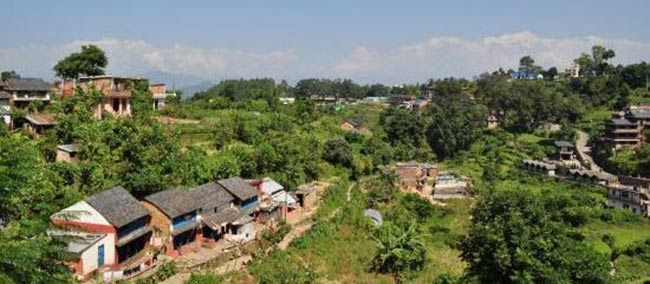
Cultural Stops: Discover Bandipur, a charming hill town with rich culture and heritage.
Create your perfect itinerary with wildlife, culture, and Himalayan adventure all in one trip!
Day 1: Arrival & Jungle Activities
Day 2: Wildlife Safari & Departure
Day 1: Arrival & Cultural Experience
Arrive in Chitwan, check in, and explore the Tharu village. Evening cultural dance program.
Day 2: Safari Adventure
Day 3: Walking Safari & Departure
Day 1: Arrival & Village Exploration
Arrive in Chitwan, settle in, visit the Tharu village, and enjoy the cultural program in the evening.
Day 2: Jungle Safari & Nature Activities
Day 3: Walking Safari & Adventure Activities
Day 4: Leisure & Departure
Optional: Extend to 3 days for deeper jungle exploration or combine with Pokhara or Lumbini.
1. How do I get to Chitwan from Kathmandu or Pokhara?
Visitors usually travel for 6–7 hours by road from Kathmandu or 4–5 hours from Pokhara. Private cars, tourist buses, or jeep transfers are available.
2. How much does a safari cost?
Safari costs vary depending on the type. Jeep safaris, elephant safaris, and canoe rides have different rates. Your guide or lodge can provide exact prices.
3. How likely am I to see a tiger or rhino?
Rhinos are common and easy to spot. Tigers are rare, so sightings are not guaranteed, but guides know the best spots.
4. Which safari type is best for first-timers?
Jeep safaris are easiest and safest. Elephant safaris offer close-up views but less mobility. Walking safaris are adventurous but require some fitness.
5. Can I take my camera and phone?
Yes! Cameras and smartphones are allowed. A telephoto lens is recommended for capturing wildlife safely.
6. Is it safe to go on a walking safari?
Yes, if you follow your guide and armed guard instructions. Walking safaris are slow and peaceful, perfect for bird and wildlife watching.
7. What should I wear and bring?
8. How long should I spend in Chitwan?
A 2–3 day trip is enough for a complete safari experience, including jungle walks, canoe rides, and cultural visits to Tharu villages.
9. Can I visit Tharu villages during the safari?
Yes! Many tours include Tharu cultural experiences, where you can see traditional homes, dance performances, and local life.
10. What if it rains or the weather is bad?
Wildlife is still active during light rain. Heavy rain may cancel some safaris, especially walking safaris or canoe rides.
A first-time Chitwan Jungle Safari Tour is more than just wildlife spotting. It’s a complete adventure of nature, culture, and unforgettable memories. Whether you’re on a jeep, canoe, or walking safari, the jungle’s wonders will leave a lasting impression.
With the right preparation, accommodation, and local guidance, your first safari in Chitwan can be comfortable, safe, and extraordinary. So pack your bags, bring your camera, and get ready to explore Nepal’s wild heart.
Book your Chitwan Jungle Safari Tour with Safe Holiday Adventure today and experience the magic of Nepal’s wildlife and culture!

Nepal is famous for Mount Everest, the Annapurna Himalayas, ancient temples, traditional villages, a
Continue Reading
There is a moment at Annapurna Base Camp when the sun touches the rim of the sanctuary and every pea
Continue Reading
There is a moment on the Annapurna Circuit that every trekker thinks about for days. It happens in t
Continue Reading
Most people walk to Everest Base Camp and then walk back down the same valley. The Three Passes Trek
Continue Reading
There is a moment on every Everest trek when your legs have an opinion. For most people, it arrives
Continue Reading
If you are asking how difficult the Everest Three Passes Trek is, the honest answer is this: it is t
Continue Reading