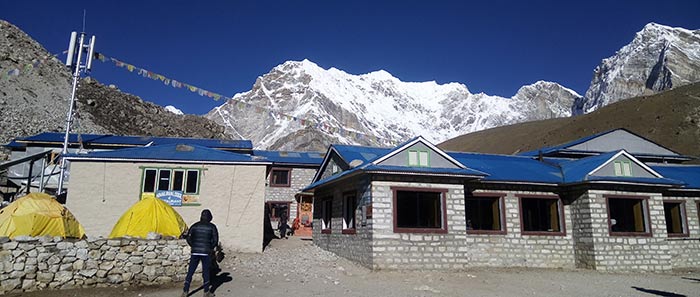
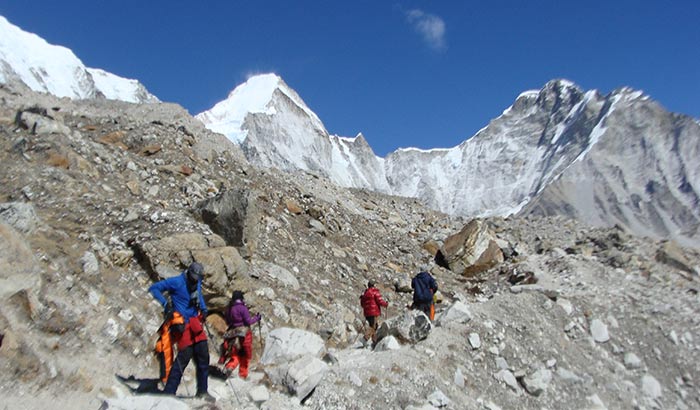
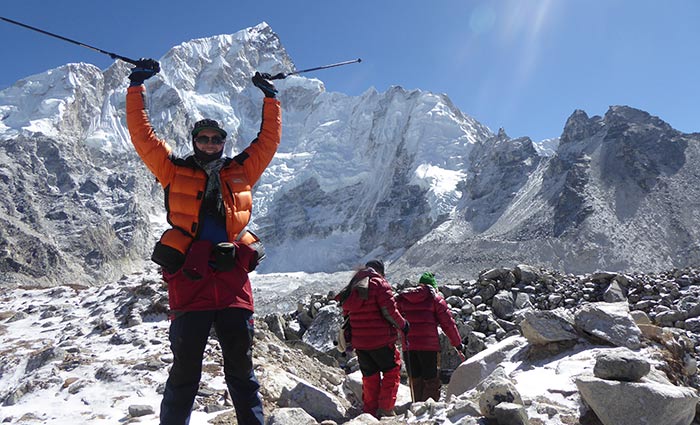
Short Everest Base Camp Trek Highlights: Highlights
- Breathtaking flight to Lukla – A thrilling mountain airport landing
- Panoramic views of Mount Everest (8,848m) – See the world’s highest peak up close
- Explore Sherpa capital Namche Bazaar – Colorful market, bakeries & mountain vibe
- Visit ancient Tengboche Monastery – A spiritual place with Everest views
- Stay inside Sagarmatha National Park – A UNESCO World Heritage Site
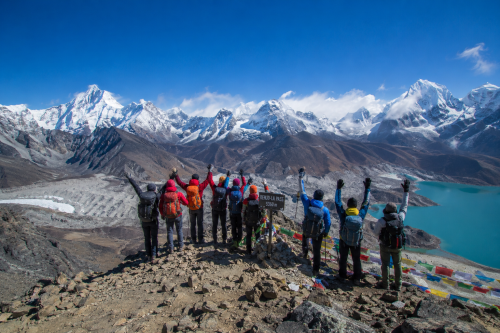
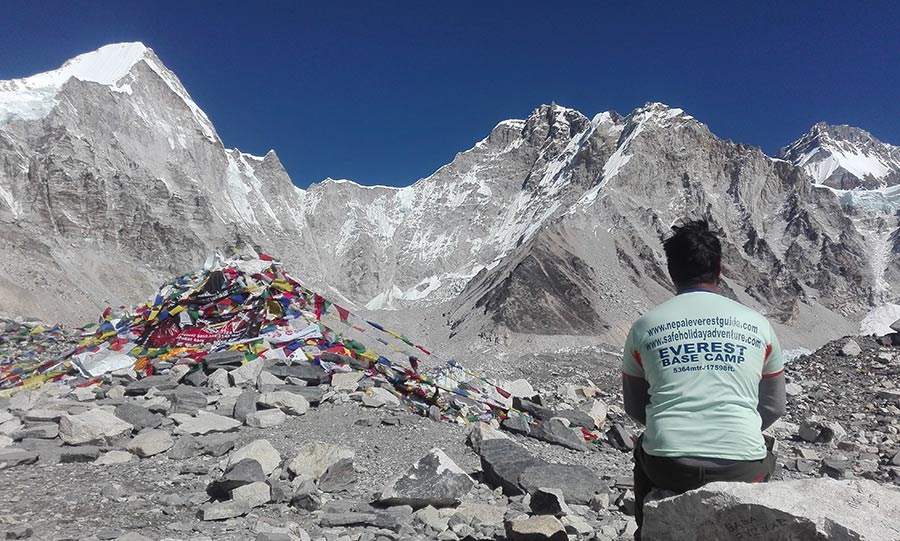
- Touch Everest Base Camp (5,364m) – A dream of a lifetime for many adventurers
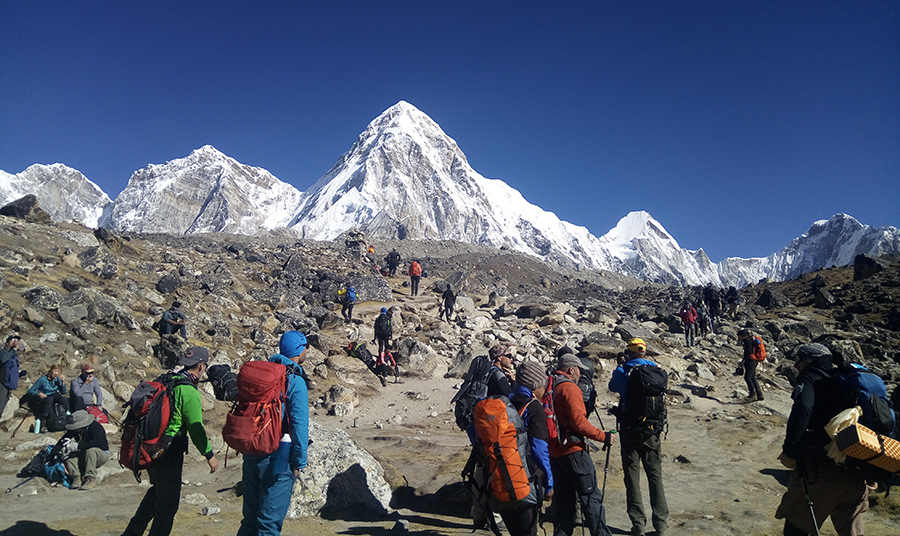
- Sunrise hike to Kala Patthar (5,545m) – The best viewpoint for Mount Everest
- Cross thrilling suspension bridges – Including the famous Hillary Bridge
- Experience Sherpa hospitality – Warm, friendly locals and cozy teahouses
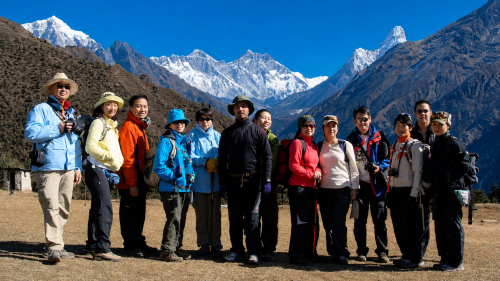
- Safe and scenic trail – With top Himalayan peaks like Lhotse, Ama Dablam, and Nuptse
Short Everest Base Camp Trek Introduction: Overview
The Short Everest Base Camp Trek is a perfect adventure for those who want to experience the majestic beauty of the Himalayas and reach the legendary base of Mount Everest (8,848.86 m)—all in a shorter time without missing the highlights. This route is ideal for trekkers with a tight schedule but strong determination and good fitness. You’ll enjoy dramatic landscapes, iconic Sherpa villages, and panoramic views of Everest, Lhotse, Ama Dablam, and more—while saving 1–2 days compared to the classic EBC itinerary.
Every year, thousands of trekkers from around the globe search for the best Everest Base Camp trek itinerary, and this 11-day version is quickly becoming a top choice. Whether you’re interested in the Everest Base Camp and Kala Patthar hike, the unique culture of the Khumbu region, or want a trip that is easier to manage with limited holiday time, this option offers the best of all worlds.
The trek begins with a scenic flight from Kathmandu (or Ramechhap during peak seasons) to Lukla, followed by walking through lush forests, deep valleys, and high-altitude terrain to the base of the world’s tallest mountain. It includes stops at Namche Bazaar, Tengboche Monastery, Dingboche, Lobuche, Gorakshep, Everest Base Camp, and the best viewpoint in the region, Kala Patthar (5,643 m).
Our is designed with smart altitude gains and strategic overnight stops to help with acclimatization, making it a well-balanced journey between challenge and comfort. Whether you are a solo trekker, a couple, or a group of friends, this is the most efficient and highly recommended itinerary for 2025 and 2026
Who Should Choose the Short Everest Base Camp Trek?
- Travelers with Limited Time: If you have only a short vacation but want to experience Everest Base Camp, the 11-day trek fits perfectly.
- Budget-Conscious Adventurers: Shorter duration means less cost on accommodation, food, and permits, making it ideal for those watching their budget.
- Physically Fit Trekkers: The 11-day trek involves longer walking days and higher daily altitude gains, so it suits those with good fitness and trekking experience.
- Active and Experienced Trekkers: If you prefer a faster pace without missing the main highlights, this trek offers a well-planned itinerary.
- Cultural Enthusiasts: You still get to explore Sherpa villages, monasteries, and rich Himalayan culture within a shorter schedule.
- Time-Sensitive Travelers: Those who want to avoid long layovers or multiple acclimatization days but still want a safe trekking experience.
Best Preparation Tips for Short Everest Base Camp Trek:
Why Choose Us for The Short EBC Trek:
- Experienced Local Operator: With over 15 years in the industry, Safe Holiday Adventure is a trusted local agency specializing in Himalayan treks.
- Personalized Itineraries: They offer customizable trekking plans tailored to your preferences, ensuring a unique experience.
- Expert Guides and Support Staff: Their team includes certified guides and experienced porters who prioritize your safety and comfort.
- Comprehensive Trek Packages: The 11-day trek package includes permits, flights, accommodation, meals, and guide services, providing excellent value.
- Positive Customer Reviews: Consistently high ratings on platforms like TripAdvisor reflect their commitment to quality service.
- Cultural Immersion: Experience authentic Sherpa culture through visits to villages like Namche Bazaar and Tengboche Monastery.
- Safety and Acclimatization Focus: Their itineraries are designed with proper acclimatization schedules to minimize altitude sickness risks.
- Flexible and Responsive Service: They are known for accommodating changes and providing prompt responses to inquiries.
- Sustainable Tourism Practices: Committed to eco-friendly practices, they aim to minimize environmental impact during treks.
- Comprehensive Pre-Trek Support: Receive detailed information on gear, fitness preparation, and travel logistics before your trek.
What kind of food and tea houses are available on the Short Everest Base Camp Trek?
During the Short Everest Base Camp Trek, you will stay in basic teahouses run by local families. Rooms are simple, usually with twin beds, blankets, and shared bathrooms. Facilities become more basic as you go higher. The atmosphere is warm and welcoming, but comfort is limited compared to city hotels.
Food options are simple but filling. The most common meal is Dal Bhat (rice, lentils, vegetables), along with noodles, pasta, soup, eggs, and potatoes. Hot drinks like tea, coffee, and ginger lemon honey are available everywhere and are very helpful for cold weather and altitude.
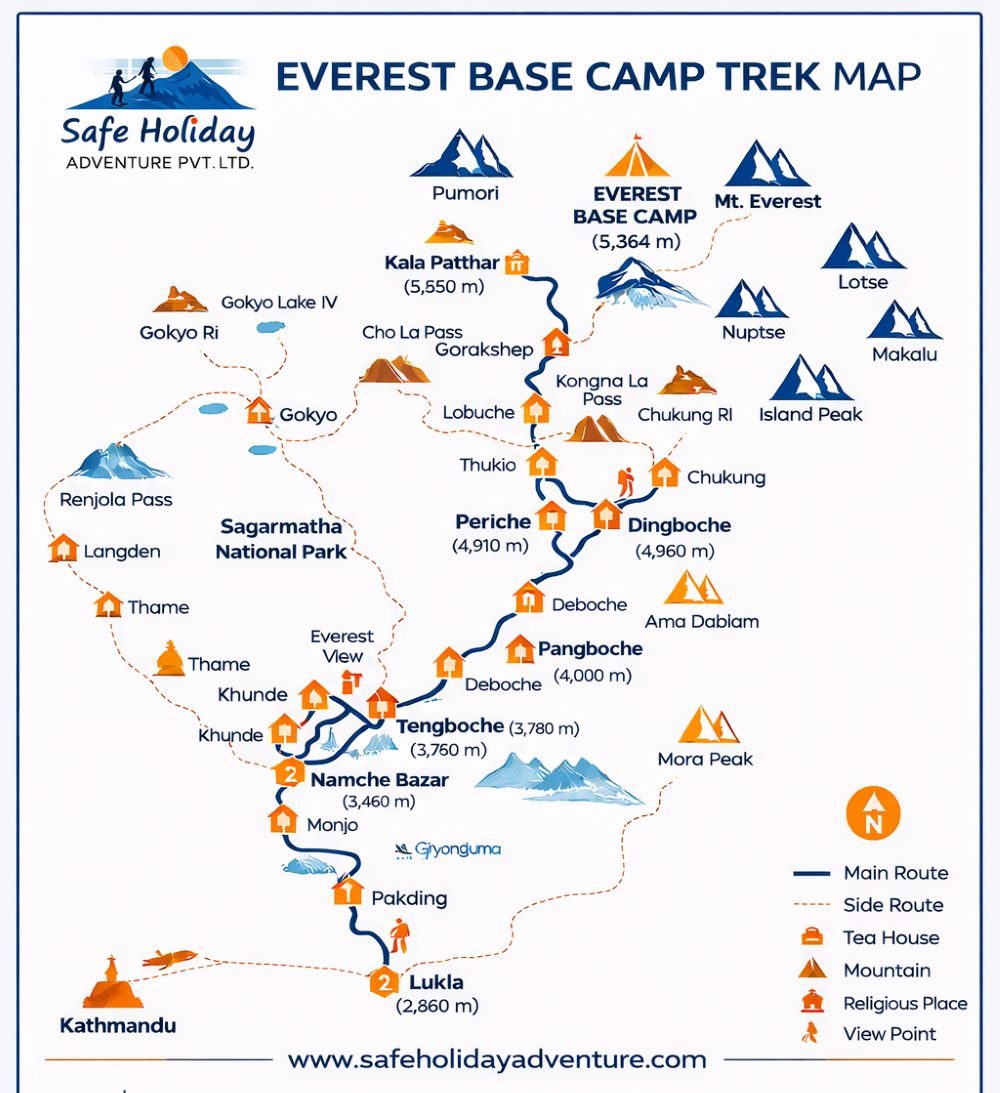
11-Day EBC Trek OutlineOutline Itinerary
Day 01: Fly Kathmandu to Lukla (2,860 m / 9,383 ft), trek to Phakding (2,610 m / 8,563 ft)
Day 02: Trek from Phakding (2,610 m / 8,563 ft) to Namche Bazaar (3,440 m / 11,286 ft)
Day 03: Acclimatization day at Namche Bazaar (3,440 m / 11,286 ft) – short hike and rest
Day 04: Trek from Namche Bazaar (3,440 m / 11,286 ft) to Tengboche (3,860 m / 12,664 ft)
Day 05: Trek from Tengboche (3,860 m / 12,664 ft) to Dingboche (4,410 m / 14,469 ft)
Day 06: Trek from Dingboche (4,410 m / 14,469 ft) to Lobuche (4,940 m / 16,207 ft)
Day 07: Trek from Lobuche (4,940 m / 16,207 ft) to Gorak Shep (5,164 m / 16,942 ft); hike to Everest Base Camp (5,364 m / 17,598 ft) and return
Day 08: Early morning hike to Kala Patthar (5,545 m / 18,192 ft); descend to Pheriche (4,371 m / 14,340 ft)
Day 09: Trek from Pheriche (4,371 m / 14,340 ft) to Namche Bazaar (3,440 m / 11,286 ft)
Day 10: Trek from Namche Bazaar (3,440 m / 11,286 ft) to Lukla (2,860 m / 9,383 ft)
Day 11: Fly from Lukla (2,860 m / 9,383 ft) to Kathmandu (1,400 m / 4,593 ft)
Whats Included?
- Airport pick-up and drop-off in Kathmandu for a smooth journey start and end
- All required trekking permits including Sagarmatha National Park Permit and Khumbu Rural Municipality Entry Fee
- Comfortable teahouse accommodation with breakfast throughout the trek
- Highly experienced, English-speaking trekking guide ensuring safety and memorable experience
- Full insurance coverage for trekking staff for added peace of mind
- All government taxes and official service charges included with no hidden costs
- Guide’s salary fully included with no extra payment required
Note: Our pricing is based on groups of 2–3 people. Solo trekkers may pay a bit more, while groups larger than 5 can get discounts. Prices vary depending on your needs. We offer flexible options to suit all group sizes and ensure a great experience. Thank you for understanding.
- International airfare to and from Kathmandu must be arranged personally
- Nepal entry visa fees are not included
- Domestic flight costs are excluded from the package
- Lunch and dinner during the trek are not included
- Personal expenses such as drinks, snacks, hot showers, Wi-Fi, and device charging are your responsibility
- Travel insurance and emergency evacuation are recommended but not included
- Tips for trekking staff (guides, porters, etc.) are appreciated but not included
Dates and Availability Departures
All our published dates are guaranteed departures. We also provide customized departures tailored to your travel plans.
October 2026
November 2026
Travellers Reviews
Oliver Brown
U K | Feb, 2026
Wonderful Everest Base Camp Adventure
My name is Oliver Brown, and I traveled from the United Kingdom to experience the Everest Base Camp Trek. It was one of the most memorable adventures of my life. Our guide, Santosh, and our porter, Dupka, were very helpful throughout the journey. Everything was well organized, and the Himalayan views were breathtaking. A fantastic experience that I will always remember!
James Wilson
Australia | march, 2025
An Unforgettable EBC Trek Experience
I am James Wilson from Australia, and I trekked to Everest Base Camp with my family. The experience was amazing from beginning to end. Our guide Santosh took excellent care of us, and our porter Muskan was hardworking and helpful. The stunning mountains, Sherpa villages, and peaceful trails made this an incredible adventure.
I highly recommend this trek!
Erick Mollel
Canada | October, 2025
Experience the EBC Trek Without the Lukla Flight
My name is Erick Mollel, and I completed the Everest Base Camp Trek with my two sons from Canada. It was an unforgettable adventure filled with breathtaking Himalayan scenery, beautiful Sherpa villages, and incredible mountain views.
Our guide, Santosh, was very professional, friendly, and supportive throughout the journey. Our porter, Dupka, was also hardworking and helpful, making our trek much easier and more enjoyable.
We truly enjoyed every moment of this incredible journey. I highly recommend this trek to anyone who wants to experience the beauty of the Everest region without taking the Lukla flight. A wonderful experience and memories that my sons and I will always cherish! 🙏

Jackson Romio
italy | 2022-9-2
Best country in Asia and Everest base camp hiking
My Everest Base Camp trek with Safe Holiday Adventure, led by Santosh, was an unforgettable 12-day journey through the Himalayas. Santosh’s expertise and passion for the region were evident, ensuring a seamless and safe experience. His meticulous planning and in-depth knowledge of the trail enriched the trek. The local support staff, including our helpful porter, made the challenging trek enjoyable. The tea house accommodations surpassed expectations, providing comfort and warmth after each day’s adventure. Santosh’s dedication to customer satisfaction and the overall success of the trek truly set Safe Holiday Adventure apart. I highly recommend Santosh and his team for an enriching and well-organized trekking experience in the awe-inspiring Everest region.
Olivia Smith
USA | March 2024
Our EBC trek wonderful memory !!!
My friends and I visited Nepal in March 2024 to trek to Everest Base Camp and Kala Patthar. We booked our adventure through Safe Holiday Adventure, and the experience exceeded all our expectations. From the very beginning, the team was highly responsive and organized, arranging everything seamlessly.
Our trek lasted a total of 12 days from Kathmandu, with 8 days ascending and 3 days descending to Lukla. The weather was ideal, and the trail offered breathtaking Himalayan views at every turn. We were accompanied by an excellent guide, Muskan, and a strong, reliable porter, Prem, both of whom ensured our safety and comfort throughout the journey.
Along the way, we met many friendly fellow trekkers and locals, enriching the cultural experience. Every detail of the trek was handled professionally, making it not only a thrilling adventure but also a smooth and enjoyable journey. This remains the best trek we’ve ever done, and we are extremely grateful to the entire Safe Holiday Adventure team for making it so memorable.
Highly recommended for anyone looking to experience the Everest Base Camp trek with expert guidance and excellent support.


Genaral Trip InfoInfos
Packing Checklist for Short Everest Base Camp Trek:
Helicopter Tour Options on Short Everest Base Camp trek:
If you are interested in a helicopter tour option for your 11-day budget Everest Base Camp trek with Safe Holiday Adventure Pvt. Ltd, here are a few options:
- Everest Base Camp Helicopter Tour: This tour takes you on a scenic helicopter ride from Kathmandu to Everest Base Camp, where you can enjoy breathtaking views of the Himalayas and the surrounding landscapes. You will also have the opportunity to land at Kalapatthar (5545m) for some spectacular panoramic views of Mount Everest and other peaks.
- Everest Base Camp Helicopter Tour with Landing: This tour is similar to the first option, but it includes a landing at Everest Base Camp, where you can explore the area and take photos before flying back to Kathmandu.
- Everest Base Camp and Gokyo Lakes Helicopter Tour: This tour takes you on a scenic helicopter ride over the Himalayas to both Everest Base Camp and Gokyo Lakes. You will get to enjoy stunning views of Mount Everest, Cho Oyu, Lhotse, Makalu, and other peaks, as well as the turquoise Gokyo Lakes.
- Langtang Helicopter Tour: If you’re interested in exploring a different region of Nepal, this tour takes you on a helicopter ride to the Langtang region, where you can explore the Langtang Valley, see the beautiful Langtang Lirung peak, and visit the Kyanjin Gompa monastery.
All of these helicopter tour options can be customized to fit your budget and preferences, and Safe Holiday Adventure Pvt. Ltd can help you plan you’re itinerary and make all the necessary arrangements.
Accommodation Options for an 11-Day Budget Everest Base Camp Itinerary
The most popular accommodation options for an 11-day budget Everest Base Camp itinerary are basic teahouses and guesthouses. Teahouses and guesthouses are located along the trekking route, and they offer basic accommodations such as beds, blankets, and sometimes meals. The cost of accommodation will depend on the season and the location, but typically it’s around $5 per person per night.
Alternatively, you can stay in lodges or hotels in the towns and villages along the trekking route. These lodges and hotels offer more comfortable accommodations and amenities, such as hot showers, Wi-Fi, and sometimes even swimming pools. The cost of accommodation will depend on the season and the location, but typically it’s around($10-$20) per person per night.
Alternatives to Flying to Lukla for the Everest Base Camp Trek
While flying to Lukla is the most common way to reach the Everest Base Camp trek starting point, there are alternative routes for those who prefer not to fly. Here are some alternatives to flying to Lukla for the Everest Base Camp trek:
- Jiri to Everest Base Camp trek: This is the classic route to the Everest region and was used by Sir Edmund Hillary and Tenzing Norgay during their first ascent of Everest. The trek starts from the town of Jiri and takes around 10-12 days to reach the starting point of the Everest Base Camp trek at Lukla.
- Drive to Salleri: It is possible to drive to the town of Salleri, which is about 10-12 hours from Kathmandu. From Salleri, it takes around 6-7 days to reach the starting point of the Everest Base Camp trek at Lukla.
- Helicopter to Phaplu: For those who want to skip the long drive to Salleri, it is possible to take a helicopter from Kathmandu to Phaplu, which is about an hour away from Lukla. From Phaplu, it takes around 4-5 days to reach the starting point of the Everest Base Camp trek at Lukla.
- Helicopter to Lukla: For those who do not want to take a flight but are comfortable with a helicopter ride, it is possible to take a helicopter from Kathmandu directly to Lukla.
It is important to note that these alternative routes may take longer and require more physical exertion than flying to Lukla, but they offer a unique and rewarding experience of the Everest region.
Budget Everest Base Camp Trekking Alternatives:
The Everest Base Camp trek is a bucket list adventure for many travelers, but it can also be quite expensive. Fortunately, there are budget-friendly alternatives that still allow you to experience the beauty of the Himalayas. Here are a few options:
- Gokyo Lakes Trek: This trek takes you to the beautiful Gokyo Lakes, located near Everest Base Camp. The trek is slightly shorter than the Everest Base Camp trek, but still offers stunning views of the Himalayas. You’ll also have the opportunity to climb Gokyo Ri, which offers incredible panoramic views of the surrounding mountains. The cost for the Gokyo Lakes Trek is generally lower than the Everest Base Camp trek.
- Annapurna Base Camp Trek: The Annapurna Base Camp trek is another popular trekking destination in Nepal. The trek takes you through picturesque villages, terraced farmland, and lush forests, before reaching the base camp of the stunning Annapurna mountain range. The cost for the Annapurna Base Camp trek is generally lower than the Everest Base Camp trek.
- Langtang Valley Trek: The Langtang Valley trek is shorter compared to the Everest Base Camp trek, but still offers stunning mountain views and the opportunity to explore the beautiful Langtang National Park. The cost for the Langtang Valley trek is generally lower than the Everest Base Camp trek.
- Helambu Trek: The Helambu trek is shorter and easier, but still offers beautiful scenery and the opportunity to experience Sherpa culture. The trek takes you through beautiful forests, traditional villages, and stunning mountain views. The cost for the Helambu trek is generally lower than the Everest Base Camp trek.
In summary, there are several budget-friendly alternatives to the Everest Base Camp trek, including the Gokyo Lakes trek, Annapurna Base Camp trek, Langtang Valley trek, Mardi Himal Trek, Ghorepani trek, and Helambu trek. These treks offer stunning mountain views, unique cultural experiences, and are generally less expensive than the Everest Base Camp trek. It’s important to research each trek and consider your budget and preferences before choosing the best option for you.
Tips for Planning a Budget Everest Base Camp Trek:
Planning a budget Everest Base Camp trek can be challenging, but it is possible with some careful planning and preparation. Here are a few tips to help you plan a budget-friendly trek:
- Travel during the off-season: The peak trekking seasons for the Everest region are from March to May and from September to November, so traveling during the off-season (December to February and June to August) can help you save money on flights, accommodations, and trekking permits.
- Join a group trek: Joining a group trek is a cost-effective way to share the cost of permits, guides, and accommodation expenses. Many trekking agencies offer group treks with fixed departure dates.
- Book your flights and accommodations early: Booking your flights and accommodations early can help you secure the best deals and avoid last-minute price hikes.
- Bring your gear: Renting gear can be expensive, so bringing your gear can help you save money. However, be sure to pack light and only bring what is necessary.
- Eat at local teahouses: Eating at local teahouses is more affordable than eating at expensive restaurants or buying food along the trekking route. Try local dishes like Dal Bhat, Momos, Chowmain, Sherpa potato bread, Thukpa, T-Momo, and Sherpa stew.
- Carry your water bottle: Buying bottled water along the trekking route can add up quickly, so bring a reusable water bottle and refill it at the teahouses.
By following these tips and being mindful of your spending, you can have a budget-friendly Everest Base Camp trek without compromising on the experience.
Budget-Friendly Equipment for Everest Base Camp Trek
When planning a budget-friendly Everest Base Camp trek, it is important to keep in mind that quality equipment is essential for safety and comfort. However, it is possible to find affordable gear that is still of good quality. Here are some budget-friendly equipment options for the Everest Base Camp trek:
- Trekking poles: Trekking poles can provide support and stability on the rugged terrain of the Everest Base Camp trek. They can be found at affordable prices and are a good investment for the trek.
- Sleeping bag: A good quality sleeping bag is essential for staying warm and comfortable during the chilly nights of the trek. Budget-friendly options are available, and it is important to choose a sleeping bag with a suitable temperature rating for the expected weather conditions.
- Clothing layers: Layering is important for staying warm and comfortable during the trek. Budget-friendly options for clothing layers can be found at outdoor gear stores or secondhand stores.
- Headlamp: A headlamp is necessary for navigating in the dark and can be found at affordable prices.
- Water bottle: A reusable water bottle is essential for staying hydrated on the trek. It is important to choose a durable and leak-proof option.
- Backpack: A good quality backpack with a suitable capacity is essential for carrying gear on the trek. Budget-friendly options are available, and it is important to choose a backpack with good support and comfortable straps.
It is important to invest in quality equipment for the trek, but by doing research and shopping around, it is possible to find budget-friendly options that will still provide the necessary safety and comfort on the journey.
Budget-Friendly Transportation Options for Everest Base Camp Trek
When planning a budget-friendly Everest Base Camp trek, transportation costs can add up quickly. However, there are affordable transportation options available for the trek. Here are some budget-friendly transportation options for the Everest Base Camp trek:
- Public buses: Public buses are available from Kathmandu to Jiri or Salleri, which are the starting points for the classic trekking route to Everest Base Camp. These buses are an affordable option, but they can be crowded and uncomfortable.
- Shared Jeeps: Shared jeeps are available from Kathmandu to Jiri or Salleri and are a faster and more comfortable option than public buses. They are still affordable, especially if you share the cost with other trekkers.
- Local transport: Local transport, such as taxis or buses, can be used to reach the town of Salleri or the nearby town of Phaplu, which is a popular alternative starting point for the trek.
- Domestic flights: While domestic flights to Lukla can be expensive, it is possible to find budget-friendly options if you book in advance and during the off-season. It is important to be flexible with travel dates and times to find the best deals.
- Helicopter charter: For those who are willing to splurge a bit, it is possible to charter a helicopter to reach Lukla or Phaplu. This can be more expensive than other options, but it offers a fast and comfortable option for those with a bigger budget.
By using these budget-friendly transportation options, trekkers can save money on their journey to Everest Base Camp and still enjoy a safe and comfortable trek.
Best Budget Accommodations on the Everest Base Camp Trek:
If you’re planning to trek to Everest Base Camp on a budget, finding affordable accommodations along the route is key. Luckily, there are plenty of budget-friendly options available on the trek, especially if you book with a travel agency like Safe Holiday Adventure Pvt. Ltd. Here are some of the best budget accommodations on the Everest Base Camp trek:
- Teahouse Lodges: Teahouse lodges are the most common form of accommodation on the Everest Base Camp trek, and they’re usually the most budget-friendly too. These lodges are basic, family-run guesthouses that offer private or shared rooms with simple amenities like a bed, blanket, and pillow. Most teahouses also have a common dining area where you can enjoy meals like Dal Bhat (rice, lentil soup, and curry) and momos (dumplings).
- Privately make a Camp: If you prefer to camp, you can also bring your tent and camp along the route. Some teahouse lodges also have camping areas where you can pitch your tent for a small fee. Camping gives you more flexibility in terms of where you stay, but you’ll need to carry your own gear and food.
- Basic Guesthouses: In some of the smaller villages along the route, you may find basic guesthouses that offer affordable rooms with shared bathrooms. These guesthouses may not have all the amenities of a teahouse lodge, but they’re a good option if you’re on a tight budget.
When booking your Everest Base Camp trek with Safe Holiday Adventure Pvt. Ltd, we can arrange your accommodation in advance and ensure that you have a comfortable and affordable place to stay each night. Our experienced guides and porters can also help you navigate the route and provide insights into the local culture and history. With their help, you can enjoy an unforgettable trek to Everest Base Camp on a low budget.
How to Save Money on Food and Drink During the Everest Base Camp Trek?
Trekking to Everest Base Camp is an incredible experience, but it can also be expensive. One of the biggest expenses on the trek is food and drink, but there are ways to save money without sacrificing quality or nutrition. Here are some tips on how to save money on food and drink during the Everest Base Camp trek:
- Eat at the teahouse lodges: As you trek along the route, you’ll pass through several teahouse lodges that offer meals and snacks. While it may be tempting to bring your food, it’s important to eat at the lodges to support the local economy. Most teahouse lodges offer set menus with a variety of options, so you can choose affordable items like boiled potatoes, fried rice, fried noodles, porridge, and Dal Bhat (rice, lentil soup, and curry). Dal-Bhat is a great option because you can refill it until you’re full at the same price.
- Share meals with other trekkers: Another way to save money on food is to share meals with other trekkers. Many teahouse lodges offer large portions, so you can split a meal with a friend or two and save money. You can also ask other trekkers if they want to split the cost of snacks like chocolate bars or trail mix.
- Bring your snacks: While you should eat meals at the teahouse lodges, you can bring your own snacks to save money. Pack items like nuts, energy bars, and dried fruit to eat while you’re trekking or in your room. Just be aware that some teahouse lodges may charge a penalty if you don’t eat their food.
- Drink water from refill stations: Instead of buying bottled water, bring a water bottle and refill it at the water stations along the route. Still, you can bring a water purification tablet or liquid and make the water clean. Most teahouses and lodges have refill stations where you can fill up for a small fee. This not only saves you money but also reduces plastic waste.
- Hide and eat your dry snacks: If you do bring your snacks, you can save money by eating them in your room instead of buying snacks at the teahouse lodges. Just be sure to hide them from the lodge owners, as some lodges may charge a penalty if you eat food that you didn’t purchase from them.
By following these tips, you can save money on food and drink during the Everest Base Camp trek without sacrificing quality or nutrition. And if you book your trek with us, we can help you navigate the local food scene and find affordable options along the route.
Detailed ItineraryItinerary
Fly Kathmandu to Lukla (2,860 m / 9,383 ft), trek to Phakding (2,610 m / 8,563 ft)
The trek from Lukla to Phakding is a beautiful one, offering stunning views of the Himalayan mountains and passing through several charming local villages along the way. Here is a description of the villages and landscapes you can expect to see on this trek:
Lukla (2,860m): The trek starts in Lukla, a small town that serves as the gateway to the Everest region. The town has a small airport that is considered one of the most dangerous in the world due to its short runway and steep approach. From Lukla, you’ll start your trek downhill on a dirt road that leads to Phakding.
Chheplung (2,590m): After about 20 minutes of trekking from Lukla, you’ll reach the village of Chheplung. This village is located on a hillside overlooking the Dudh Koshi River and has several teahouses and lodges for trekkers to stay in.
Thado Koshi (2,530m): After another 30 minutes or so of trekking, you’ll pass through the small village of Thado Koshi. This village is located at the confluence of the Thado Koshi and Dudh Koshi rivers and has several suspension bridges crossing the rivers.
Ghat (2,530m): Another 30 minutes or so of trekking will bring you to the village of Ghat. This village is located on the banks of the Dudh Koshi River and has several lodges and teahouses for trekkers to stay in.
Phakding (2,610m): After about 1.5-2 hours of trekking from Lukla, you’ll reach the village of Phakding. This village is located on the banks of the Dudh Koshi River and has several lodges and teahouses for trekkers to stay in. The village is surrounded by lush green hills and offers stunning views of the mountains.
Along the way, you’ll cross several suspension bridges over the Dudh Koshi River, which can be quite thrilling for some trekkers. The landscapes are a mix of lush green hills, rocky terrain, and snow-capped mountains in the distance. You’ll also pass through several forests of rhododendrons and pine trees, which are especially beautiful in the spring when the rhododendrons are in bloom.
Overall, the trek from Lukla to Phakding is a relatively easy one and offers plenty of opportunities to experience the natural beauty and local culture of the Everest region.
Accommodation : Tea House
Trek from Phakding (2,610 m / 8,563 ft) to Namche Bazaar (3,440 m / 11,286 ft)
Phakding (2,610m): The trek from Lukla to Phakding is relatively easy and takes about 3-4 hours. Phakding is a small village with several lodges and teahouses for trekkers to stay in. It’s located on the banks of the Dudh Koshi river and has several suspension bridges that cross the river.
Toktok (2,710m): After about an hour of trekking from Phakding, you’ll reach the village of Toktok. This village is located on the banks of the Dudh Koshi river and has several lodges and teahouses for trekkers to stay in.
Benkar (2,670m): Another 30 minutes or so of trekking will bring you to the village of Benkar. This village is located on the banks of the Dudh Koshi river and has several lodges and teahouses for trekkers to stay in.
Monjo (2,840m): After another 30 minutes or so of trekking, you’ll reach the village of Monjo. This village is located on the banks of the Dudh Koshi river and has several lodges and teahouses for trekkers to stay in. Monjo is also the last village before Namche Bazaar, so it’s a good place to rest and refuel before the final push to Namche.
Jorsalle (2,740m): Another 30 minutes or so of trekking will bring you to the village of Jorsalle. This village is located on the banks of the Dudh Koshi river and has several lodges and teahouses for trekkers to stay in. Jorsalle is also the entrance to the Sagarmatha National Park, which is a UNESCO World Heritage site and home to several rare species of flora and fauna. Here, you’ll need to check in your trekking permit and national park entry ticket.
Durbin Danda (2,860m): After about an hour of trekking from Jorsalle, you’ll reach Durbin Danda, which is a viewpoint offering stunning views of the Himalayan mountains, including Everest.
Namche Bazaar (3,440m): After another 30 minutes or so of trekking from Durbin Danda, you’ll reach the village of Namche Bazaar. This village is the main hub of the Khumbu region and has several lodges, teahouses, and shops for trekkers to stay in and stock up on supplies. Namche Bazaar is also home to several museums and monasteries, which offer insights into the local Sherpa culture and history. The village is surrounded by towering peaks, including Thamserku, Ama Dablam, and Everest, and offers stunning views of the Himalayan mountains.
Accommodation : Tea House Meals : Breakfast
Rest day and acclimatization in Namche Bazaar
Namche Bazaar is a popular stop for trekkers and climbers heading toward Mount Everest. At an altitude of 3,440 meters, it is important to take a rest day to acclimatize to the higher altitude before continuing the ascent.
During the rest day, trekkers can explore the town and its surroundings, visit the local market and shops, and even hike to nearby viewpoints for stunning mountain views. Acclimatization hikes are also recommended, where trekkers climb higher during the day and return to Namche Bazaar to sleep at a lower altitude.
It is crucial to allow the body to adapt to the higher altitude gradually to prevent altitude sickness, a potentially life-threatening condition. A rest day and acclimatization in Namche Bazaar can greatly increase the chances of a successful and safe ascent to higher altitudes.
Accommodation : Lodge Meals : Breakfast
Trek from Namche Bazaar to Tengboche (3,860m) – 5-6 hours
Trek from Namche Bazaar to Tengboche (3,860m) – 5-6 hours
The trek from Namche Bazaar to Tengboche is a beautiful and scenic journey that takes around 5-6 hours to complete. The trek begins with a steep ascent out of Namche, offering stunning views of the town and the surrounding mountains. The trail then descends towards the Dudh Koshi River before crossing it on a suspension bridge.
From there, the trek takes trekkers through forests of rhododendron and pine, with occasional glimpses of the towering peaks of Everest and Ama Dablam. After a gradual ascent, trekkers arrive at Tengboche, a picturesque village famous for its ancient monastery, which is the largest in the Everest region.
The Tengboche Monastery is a beautiful and peaceful place to explore, with intricate carvings and stunning views of the surrounding mountains. The village itself offers several lodges and teahouses for trekkers to stay overnight, and the local bakery is famous for its delicious apple pie. Overall, the trek from Namche Bazaar to Tengboche is a highlight of the Everest region, offering both natural beauty and cultural richness.
Accommodation : Tea House Meals : Breakfast
Trek from Tengboche to Dingboche (4,410m) – 5-6 hours
The trek from Tengboche to Dingboche is a challenging but rewarding journey that takes around 5-6 hours to complete. The trail ascends gradually through beautiful rhododendron and juniper forests, with occasional views of the towering peaks of the Everest region.
As the trek continues, trekkers will pass through several traditional Sherpa villages and cross over several suspension bridges over the roaring Imja Khola river. The scenery gradually changes from lush forests to a more barren and rocky landscape as the altitude increases.
Dingboche is a small village situated at an altitude of 4,410m, surrounded by stunning views of the Himalayan peaks, including Ama Dablam and Lhotse. Trekkers can explore the village, visit the local monastery, and acclimatize to the higher altitude before continuing their journey towards Everest Base Camp or other destinations in the region.
Accommodation : Tea House Meals : Breakfast
Trek from Dingboche to Lobuche (4,940m) – 5-6 hours
The trek from Dingboche to Lobuche is a challenging but exhilarating journey that takes around 5-6 hours to complete. The trail follows a steep ascent, with stunning views of the surrounding peaks, including Lhotse and Nuptse.
As the trek continues, trekkers will pass through the small settlements of Dughla and Thukla, which offer teahouses and lodges for trekkers to take a break. The trail also passes by several memorials for climbers who have lost their lives on Mount Everest.
As trekkers approach Lobuche, the landscape becomes more barren and rocky, with the glaciers of the Khumbu region coming into view. Lobuche is a small village situated at an altitude of 4,940m, offering stunning views of the surrounding peaks. Trekkers can explore the village, rest and acclimatize to the higher altitude before continuing their journey towards Everest Base Camp or other destinations in the region.
Accommodation : Tea House Meals : Breakfast
Trek from Lobuche to Gorak Shep (5,170m), and hike to Everest Base Camp (5,364m) and back to Gorak Shep – 7-8 hours
Day 7 of the Everest Base Camp trek involves a challenging yet exhilarating journey from Lobuche to Gorak Shep, followed by a hike to Everest Base Camp and back to Gorak Shep. The trek takes around 7-8 hours to complete.
The trail from Lobuche to Gorak Shep is a steep ascent, with stunning views of the Khumbu Glacier and the surrounding peaks. Upon reaching Gorak Shep, trekkers can rest and have lunch before continuing the hike towards Everest Base Camp.
The hike to Everest Base Camp takes trekkers through the barren and rocky landscape of the Khumbu region, with stunning views of the surrounding peaks. Upon reaching Everest Base Camp, trekkers can witness the tents and equipment used by climbers on their journey to summit Mount Everest.
After spending some time at Everest Base Camp, trekkers will return to Gorak Shep for a well-deserved rest. The day’s journey is physically challenging but incredibly rewarding, offering trekkers a once-in-a-lifetime experience of being in the footsteps of mountaineering history.
Accommodation : Tea House Meals : Breakfast
Hike up to Kala Patthar (5,545m) and back to Gorak Shep, then trek to Pheriche (4,280m) – 7-8 hours
Day 8 of the Everest Base Camp trek involves a challenging but exhilarating hike up to Kala Patthar, followed by a trek back to Gorak Shep and onwards to Pheriche. The trek takes around 7-8 hours to complete.
The hike up to Kala Patthar is a steep ascent but offers stunning views of Mount Everest, as well as other peaks in the region. After spending some time at the summit of Kala Patthar, trekkers will descend back to Gorak Shep before continuing on to Pheriche.
The trek to Pheriche takes trekkers through the beautiful and peaceful valley of the Khumbu region, passing through traditional Sherpa villages and offering breathtaking views of the surrounding peaks. Pheriche is a small village situated at an altitude of 4,280m, offering lodges and teahouses for trekkers to rest and acclimatize to the altitude before continuing their journey towards Everest Base Camp or other destinations in the region.
Accommodation : Tea House Meals : Breakfast
Trek from Pheriche to Namche Bazaar – 6-7 hours
The trek from Pheriche to Namche Bazaar is a long but rewarding journey that takes around 6-7 hours to complete. The trail passes through several Sherpa villages, offering a glimpse into the local culture and lifestyle of the people in the region.
As the trek continues, trekkers will pass through lush forests and cross over several suspension bridges over the Dudh Koshi river. The trail is a gradual descent, offering stunning views of the surrounding peaks, before arriving back in Namche Bazaar for a well-deserved rest.
Accommodation : Tea House Meals : Breakfast
Trek from Namche Bazaar to Lukla – 6-7 hours
The trek from Namche Bazaar to Lukla is the final leg of the Everest Base Camp trek and takes around 6-7 hours to complete. The trail is a gradual descent, with stunning views of the surrounding peaks and valleys.
As trekkers descend towards Lukla, they will pass through several Sherpa villages, including Phakding, offering a glimpse into the local culture and lifestyle of the people in the region. The trail also crosses several suspension bridges over the Dudh Koshi river, adding to the adventure and thrill of the journey.
Upon arriving in Lukla, trekkers can rest, celebrate their achievements, and enjoy the hospitality of the local community before departing the next day by flight to Kathmandu. The trek from Namche Bazaar to Lukla offers a satisfying conclusion to an unforgettable adventure in the Himalayas.
Accommodation : Tea House Meals : Breakfast
Fly back to Kathmandu from Lukla
After completing the Everest Base Camp trek and arriving in Lukla, trekkers will typically fly back to Kathmandu the next morning. The flight from Lukla to Kathmandu is an exhilarating experience, with stunning views of the Himalayan mountains and valleys.
The flight takes around 45 minutes and lands at the domestic terminal of Tribhuvan International Airport in Kathmandu. Upon arrival, trekkers can rest and relax, reflecting on their amazing journey to the Everest Base Camp and enjoying the vibrant and bustling atmosphere of Kathmandu.
Many trekkers choose to spend a few days in Kathmandu, exploring the city’s rich culture and history, before departing for their next adventure. The flight back to Kathmandu from Lukla is a fitting conclusion to an unforgettable journey, offering trekkers a unique perspective on the stunning beauty and majesty of the Himalayas.
Accommodation : Hotel Meals : Breakfast
Short Everest Base Camp Trek FAQs
The cost can vary depending on the trekking agency and services provided, but on average, it ranges from $1,200 to $1,800 USD.
Typically, the package includes permits, domestic flights, accommodation during the trek, meals, a guide, and porters.
While prior trekking experience is beneficial, it is not necessary. However, being physically fit and prepared for altitude is crucial.
The best time is during the spring (March to May) and autumn (September to November) seasons when the weather is stable and clear.
The trek is considered moderately challenging. It involves walking for several hours each day, and the altitude can pose a challenge for some trekkers.
Yes, you will need permits, including the Sagarmatha National Park Permit and the Khumbu Pasang Lhamu Rural Municipality Permit.
Yes, it is highly recommended to have travel insurance that covers high-altitude trekking and emergency evacuation.
Yes, most trekking packages include meals (Breakfast, Lunch & Dinner) and accommodation during the trek. However, any additional food or beverages beyond the provided meals may incur extra charges.
You will need to carry a daypack with essentials like water, snacks, extra clothing, and personal items. Porters will carry the bulk of your gear.
Proper acclimatization is crucial. Take it slow, stay hydrated, and listen to your guide’s advice. Consider medications like Diamox (consult a doctor).
Yes, bottled water is available for purchase along the trail. However, it is recommended to carry a water purification method to reduce plastic waste.
ATMs are available in some villages along the trail, but they are not reliable. It’s best to carry enough Nepalese rupees in cash.
Most tea houses and lodges offer charging facilities for a small fee. It’s advisable to carry spare batteries or a power bank as a backup.
Wi-Fi is available in some tea houses, but it may be slow and chargeable. Mobile network coverage is available in certain areas, but it can be unreliable.
Tea houses are the most common type of accommodation. They offer basic rooms with shared bathrooms. Heating may be available at an extra cost.
It is possible to trek independently, but it is not recommended for inexperienced trekkers. A guide can provide valuable support and knowledge of the terrain, weather conditions, and potential risks.
The daily trekking hours can vary, but on average, you can expect to trek for 5-7 hours per day, covering a distance of 10-15 kilometers.
Your guide will assess the situation and provide necessary assistance. If it’s a minor illness or injury, they will offer first aid. In case of emergencies, they will arrange for evacuation to lower altitudes or Kathmandu.
Essential items include sturdy trekking boots, warm clothing layers, a down jacket, a good quality sleeping bag, sunscreen, a hat, sunglasses, a headlamp, and personal toiletries.
Yes, it is possible to customize your trek itinerary or extend your trip to explore nearby areas like Gokyo Lakes or Cho La Pass. Discuss your preferences with the trekking agency beforehand.
Refund & Cancellation Policy
- Booking requires 20% non-refundable deposit (Nepal) or 100% upfront (Tibet/Bhutan).
- Remaining payment due before the trip or on arrival (trip-dependent).
Cancellation charges:
- 31+ days: 20%
- 16–30 days: 45%
- 8–15 days: 75%
- 7 days or less: 90%
- Prices may change due to flights, taxes, or exchange rates.
- Trip changes are allowed, but extra costs apply.
- If the company cancels, a full refund, except for unavoidable events (some costs deducted).
- Good health and travel insurance are mandatory.
- No refund if removed for unsafe or illegal behavior.
- Travel involves personal risk, which the client accepts.