
28 Jun 2018 8 min to read
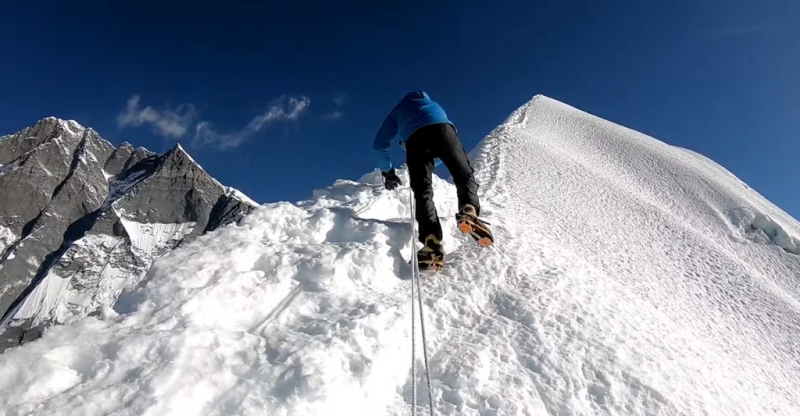
Everest Base Camp and Island Peak climbing is one of Nepal’s best ways to combine a famous trek with a real summit. You walk the classic Khumbu trail to Everest Base Camp, then head to Imja Tse, better known as Island Peak, at about 6,189 m (some sources say 6,165 m).
It’s demanding, but it’s achievable for fit trekkers who prepare properly. This guide covers the route, difficulty, best season, costs, gear, and safety.
In this guide
| Detail | Info |
|---|---|
| Duration | 22 days, including Kathmandu |
| Trek and climb | Everest Base Camp (5,364 m), Kala Patthar (5,545 m), Island Peak (about 6,189 m) |
| Start and end | Lukla flight from and back to Kathmandu |
| Stay | Tea houses on the trek, tents at Island Peak Base and High Camp |
| Best seasons | March-May and September-November |
The trip gives you two goals in one: the cultural walk through Sherpa villages and monasteries, and a high-altitude climb with ropes, ice, and a summit ridge.
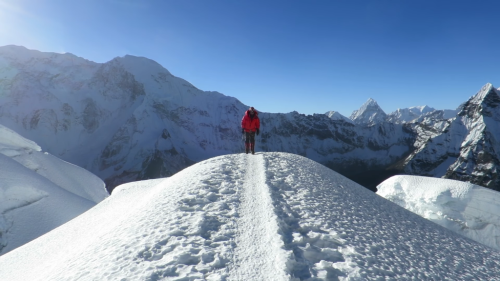
Island Peak is officially a “trekking peak,” but don’t let the name fool you. Expect:
If you’ve never been above 4,000 m, consider a shorter high-altitude trek first. Our Everest Base Camp trek guide is a good start.
Times and altitudes are approximate and may change with weather and group pace.
| Day | Route | Notes |
|---|---|---|
| 1 | Arrive in Kathmandu (1,400 m) | Airport pickup and hotel |
| 2 | Kathmandu preparation | Briefing, gear check, permits |
| 3 | Fly to Lukla (2,860 m), trek to Phakding (2,610 m) | 3-4 hrs walking |
| 4 | Phakding to Namche Bazaar (3,440 m) | 5-6 hrs |
| 5 | Acclimatization in Namche | Short hike above town |
| 6 | Namche to Tengboche (3,860 m) | Monastery visit |
| 7 | Tengboche to Dingboche (4,410 m) | 5-6 hrs |
| 8 | Acclimatization in Dingboche | Hike to a nearby ridge |
| 9 | Dingboche to Lobuche (4,910 m) | About 5 hrs |
| 10 | Lobuche to Gorak Shep (5,164 m), then Everest Base Camp (5,364 m) | Return to Gorak Shep |
| 11 | Kala Patthar (5,545 m), then descend to Pheriche or Dingboche | Sunrise views of Everest |
| 12 | To Chhukung (4,730 m) | 4-5 hrs |
| 13 | To Island Peak Base Camp (about 5,100 m) | 3-4 hrs |
| 14 | Base Camp training day | Ropes, crampons, ascender practice |
| 15 | To High Camp (about 5,500 m) | Steep, rocky ascent |
| 16 | Summit Island Peak, return to Base Camp | 10-12 hrs, very early start |
| 17 | Spare and contingency day | For weather or rest |
| 18 | Base Camp to Pangboche | Long descent |
| 19 | Pangboche to Namche Bazaar | Down through forest |
| 20 | Namche to Lukla | Last trekking day |
| 21 | Fly to Kathmandu | Celebration dinner |
| 22 | International departure | Transfer to airport |
The two acclimatization days and the spare day are what make this itinerary realistic. Cutting them raises your risk and lowers your summit chance.
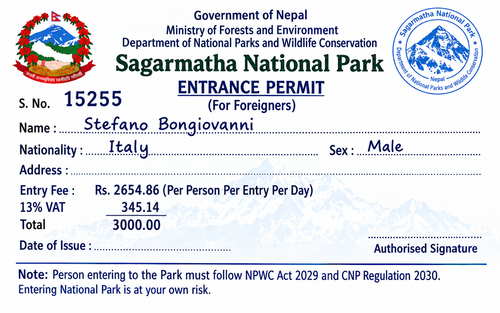
You’ll need a few permits: an NMA (Nepal Mountaineering Association) climbing permit for Island Peak, a Sagarmatha National Park entry permit, and a Khumbu local municipality fee. Amounts vary by season and have been revised recently. Recent sources don’t all agree, so treat any figure you read online as a starting point and confirm current rates when booking.
A typical guided package covers permits, guides, tea house and camp stays, and climbing support. Ask what’s included, especially climbing gear hire, summit-day support, and insurance.
Read more in our Everest Base Camp permits and fees guide.

Trekking essentials
Climbing extras
Most climbing gear can be rented in Kathmandu, but check fit and condition early.
1. How difficult is Everest Base Camp with Island Peak climbing?
It’s a demanding, high-altitude trip. The trek is long, and the summit day adds ice, glacier travel, and steep fixed ropes. Good fitness and careful acclimatization matter most.
2. Do I need mountaineering experience?
Not always. Island Peak is a trekking peak, and good operators teach basic rope, crampon, and ascender skills at Base Camp before the climb. Prior high-altitude trekking helps a lot.
3. How long does the trip take?
Most itineraries run 18-22 days including Kathmandu. Shorter versions exist, but extra days for acclimatization and a spare day raise your chances.
4. How high is Island Peak?
About 6,189 m, though some sources list it slightly lower. Everest Base Camp sits at 5,364 m and Kala Patthar at 5,545 m.
5. What is the success rate for Island Peak?
It varies with weather, fitness, and acclimatization. Well-run groups often report success rates of around 80-90%, while other operators quote somewhat lower figures. advadventures
6. How hard is summit day?
It’s the toughest day, usually 10-12 hours. You start in the dark, cross glacier terrain, climb a steep headwall on fixed ropes, and finish on a narrow ridge.
7. When is the best time to go?
March-May and September-November. Both give stable weather, though autumn is often clearer and spring is warmer.
8. How should I train?
Start 3-4 months ahead with hiking, stair climbing, cardio, and leg and core strength. Include long days with a loaded pack, and if you can, some time at altitude.
9. How much does it cost?
Guided packages commonly range from about USD 2,000 to 3,500, depending on service level and season. Check what’s included, especially permits, gear, and evacuation cover. nepalgatewaytrekking
10. Which permits do I need?
An NMA Island Peak climbing permit, a Sagarmatha National Park entry permit, and a local Khumbu municipality fee. Amounts change by season and have been revised recently, so confirm the current rates.
11. Can I do it without a guide?
It’s not advisable. The route has glaciers, crevasses, and fixed ropes, and altitude problems can escalate fast. Use a licensed guide, plus a climbing Sherpa for the summit.
12. What gear do I need?
For the trek: waterproof boots, layered clothing, a four-season sleeping bag, a headlamp, and poles. For the climb: mountaineering boots, crampons, harness, helmet, ice axe, and ascender. Most climbing gear can be rented in Kathmandu.
13. How do I avoid altitude sickness?
Climb slowly, rest on schedule, drink plenty of fluids, and report symptoms early. If they worsen, descend. Ask a doctor about medication before you go.
14. What insurance is required?
Choose a policy that covers trekking and climbing up to at least 6,200 m, including helicopter evacuation and medical care. Read the altitude limit carefully.
15. Is it good for a first Himalayan climb?
Yes, if you’re fit and prepared. It’s a popular first summit, but only with proper acclimatization, a good team, and realistic expectations.
At Safe Holiday Adventure Pvt. Ltd., our experienced Sherpa guides, careful acclimatization schedules, and transparent pricing help you climb with confidence. We adapt the itinerary to your fitness and timing.
An unforgettable multi-adventure holiday in Nepal | 10 Days / 9 Nights Are you looking for more than
Continue Reading
Most travellers plan Nepal for spring or autumn and never think of winter. That is a missed chance.
Continue Reading
The higher you walk toward Annapurna Base Camp, the smaller your world becomes. Rooms shrink, lights
Continue Reading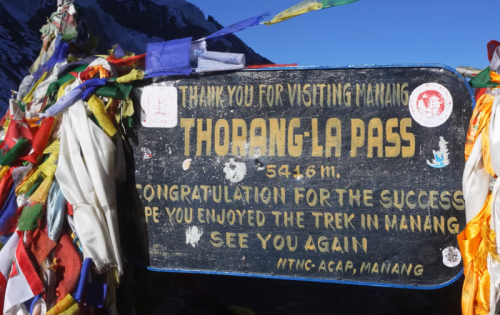
Most people plan the Annapurna Circuit around one single moment: standing under the prayer flags at
Continue Reading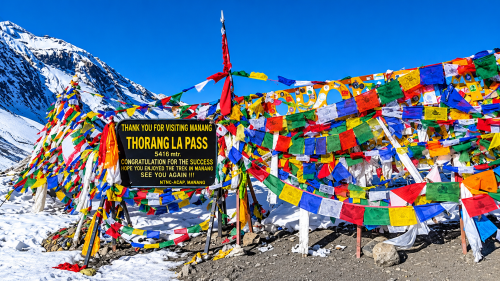
Travelling to Nepal and exploring the Himalayas had been one of our biggest travel dreams. When nine
Continue Reading
Imagine this. You are standing in Namche Bazaar, the horseshoe-shaped Sherpa town at 3,440 metres, w
Continue Reading