
16 Apr 2017 12 min to read
Nepal, the gateway to the Himalayas, is home to some of the world’s most breathtaking trekking routes. Among them, the Everest Base Camp (EBC) Trek stands out as a dream adventure for trekkers and mountaineers. Trekking to Everest Base Camp is not just a physical journey; it is a soul-stirring experience filled with majestic mountains, Sherpa culture, and lifelong memories.
In this comprehensive guide, we will explore everything about the Everest Base Camp Trek, including the itinerary, trekking highlights, best seasons, costs, and insider tips to make your adventure safe, comfortable, and unforgettable.
The Everest Base Camp Trek is one of the most famous trekking adventures in the world. Here’s why it attracts thousands of trekkers each year:
With its blend of natural beauty, cultural richness, and personal challenge, the Everest Base Camp Trek is truly a once-in-a-lifetime experience.
Timing is critical to enjoy the trek safely and witness clear views of the Himalayas. The best months for the Everest Base Camp Trek are:
Avoid the monsoon (June – August) due to heavy rain, slippery trails, and possible landslides. Winter (December – February) is extremely cold, especially at higher altitudes, though it is possible for experienced trekkers.
The cost of trekking to Everest Base Camp varies based on the type of trek, services included, and duration. Here’s a detailed guide to help you plan your budget:
This option is ideal for students, solo travelers, and budget-conscious adventurers. It usually includes:
What’s not included: International flight to/from Kathmandu, personal expenses, trekking insurance, snacks, hot showers, and optional activities.
Budget trekking allows you to have a comfortable trek without splurging. With proper planning, this option provides a full EBC experience at an affordable price.
The standard package is perfect for travelers looking for comfort and convenience without compromising adventure. It includes:
Exclusions: International flights, personal expenses, shopping, and optional activities like mountain flights.
Standard treks balance cost and comfort, making them ideal for families or groups who want professional guidance and better amenities along the trail.
The luxury option is for those who want maximum comfort, safety, and personalized service on the Everest Base Camp trek. Features include:
Exclusions: International flights, high-end shopping, and extreme adventure activities.
Luxury treks are perfect for travelers who prefer a worry-free journey, comfortable nights, and professional support at every step of the trek.
Even with a trekking package, certain costs are unavoidable and should be planned:
Planning these costs in advance ensures you have a smooth trekking experience without unexpected expenses.
Here’s a day-by-day guide for a 13-day Everest Base Camp trek with detailed walking experiences, scenic highlights, and cultural immersion:
You’ll arrive at Tribhuvan International Airport in Kathmandu. A representative from your trekking agency will greet you and transfer you to your hotel. After settling in, the evening includes a pre-trek briefing, where guides explain the route, packing essentials, altitude sickness precautions, and travel tips. For those with energy, explore Thamel, the tourist hub of Kathmandu, full of shops, restaurants, and trekking stores.
Your adventure officially begins with a scenic flight to Lukla, known for one of the most thrilling airport runways in the world. From Lukla, the trek descends gently along the Dudh Koshi River, passing through small villages and forests. The day is moderate, allowing your body to adjust to higher altitudes while enjoying the serene Himalayan landscapes.
The trail today passes multiple suspension bridges, traditional villages, and streams. As you ascend gradually, the first views of Everest, Nuptse, and Lhotse emerge, inspiring awe. Namche Bazaar, the bustling Sherpa town, is famous for local markets, trekking shops, and cultural attractions. This is also a perfect spot for acclimatization.
A critical day for acclimatization to prevent altitude sickness. A short hike to the Everest View Hotel offers panoramic mountain views and photo opportunities. Explore Namche Bazaar further, visiting the Sherpa Culture Museum or sipping tea at local cafés while enjoying the vibrant mountain town atmosphere.
The trail climbs through forests with stunning mountain views and crosses the Dudh Koshi tributaries. Tengboche Monastery, one of the most famous monasteries in the Everest region, offers spiritual serenity and incredible views of Ama Dablam and Everest. Stay overnight at a tea house with a view of the mountains.
You trek along scenic trails with glacial rivers, yak caravans, and alpine landscapes. Dingboche is a small Sherpa village ideal for acclimatization, offering traditional lodges and Himalayan views. The day is moderate in difficulty, but the altitude requires careful pacing.
Another day to rest and acclimatize. Short hikes to Nagarjun Hill provide panoramic views of the surrounding mountains, including Island Peak and Lhotse. This day helps prevent altitude sickness and prepares you for higher elevations.
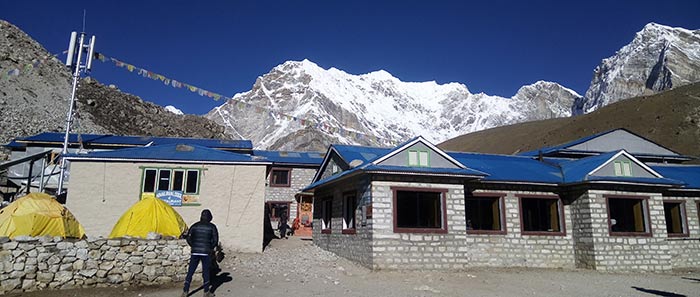
The trek from Dingboche to Lobuche takes you through a rugged and rocky trail with awe-inspiring views of towering Himalayan peaks. Along the way, you’ll pass small shrines and memorials for climbers, reminding trekkers of the majesty and challenges of these mountains. Lobuche is a quiet village with simple lodges, offering a cozy place to rest before the final ascent to Everest Base Camp. Trekkers are rewarded with dramatic views of Nuptsé, Pumori, and Lobuche Peak, making it an unforgettable trekking experience.
This is the highlight of the trek. From Lobuche, you ascend gradually toward Everest Base Camp, passing glacial moraines and yak caravans. Standing at the base of the world’s tallest mountain is a surreal experience—the sight of climbers preparing for Everest, tents dotting the glacier, and the cold, crisp Himalayan air create memories that last a lifetime.
After taking photos and soaking in the views, trekkers descend slightly to Gorak Shep, the final overnight stop. Gorak Shep, at 5,164 meters, is the highest permanent settlement in the region and provides a simple but warm lodge experience.
For those seeking the most iconic view of Mount Everest, today’s early morning hike to Kala Patthar is unforgettable. Climbing in the pre-dawn hours allows trekkers to witness sunrise illuminating Everest and surrounding peaks in brilliant orange and pink hues.
After soaking in the vistas, you descend to Pheriche for a restful night. This day offers a perfect blend of adventure, breathtaking scenery, and a sense of accomplishment. Trekking down from Kala Patthar is challenging but rewarding, with panoramic views along every step.
The journey back begins today. Descending through the scenic trails, trekkers enjoy views of Ama Dablam, Thamserku, and the Dudh Koshi valley. Passing through small Sherpa villages along the way, you’ll experience the warmth and hospitality of local communities once again. Namche Bazaar provides a chance to celebrate the trek’s halfway mark, shop for souvenirs, and enjoy a hearty dinner in cozy tea houses.
The final trekking day takes you back to Lukla. The trail is long but mostly downhill, allowing trekkers to reflect on the incredible journey. The familiar sights of suspension bridges, forests, and rivers accompany you until reaching Lukla Airport, where you spend the last night before returning to Kathmandu. This day is filled with nostalgia, shared stories, and a farewell to the Sherpa villages that have made the trek unforgettable.
A scenic morning flight from Lukla back to Kathmandu concludes the trekking adventure. Upon arrival, your agency representative will transfer you to your hotel. Depending on your schedule, you may explore Kathmandu’s cultural attractions, including Pashupatinath Temple, Boudhanath Stupa, and Kathmandu Durbar Square. The trek may end physically, but the memories and experiences will stay with you forever.
For trekkers who have extra time or want more adventure, the Everest region offers several alternative routes and extensions:
These options provide flexibility and allow trekkers to customize their journey based on their time, fitness level, and adventure goals.
Choosing the right trekking agency can make or break your Everest Base Camp experience. Safe Holiday Adventure Pvt. Ltd. is a trusted name in Nepal for providing:
Trekking with a professional agency ensures not only safety but also memorable experiences, cultural immersion, and hassle-free logistics.
The Everest Base Camp Trek is a journey of a lifetime, offering a unique combination of adventure, natural beauty, and cultural experiences. With proper planning, professional guidance, and careful acclimatization, this trek is accessible to anyone with determination and preparation.
From Kathmandu to Lukla, through vibrant Sherpa villages, glacial rivers, and alpine landscapes, reaching Everest Base Camp and Kala Patthar is both a physical and emotional triumph. Each step is a memory, every sunrise over the Himalayas is unforgettable, and every interaction with local communities enriches your journey.
Choosing Safe Holiday Adventure Pvt. Ltd. ensures you have expert guidance, full support, and a well-organized trek. Whether you’re a budget traveler, adventure enthusiast, or luxury seeker, we have a package tailored to your needs, making your dream of trekking to Everest Base Camp a reality.
Book your Everest Base Camp Trek with Safe Holiday Adventure Pvt. Ltd. today and embark on the adventure of a lifetime! Contact us via email at safeholidayadventure@gmail.com or WhatsApp at +977 9849116284.
Nepal is famous for Mount Everest, the Annapurna Himalayas, ancient temples, traditional villages, a
Continue Reading
There is a moment at Annapurna Base Camp when the sun touches the rim of the sanctuary and every pea
Continue Reading
There is a moment on the Annapurna Circuit that every trekker thinks about for days. It happens in t
Continue Reading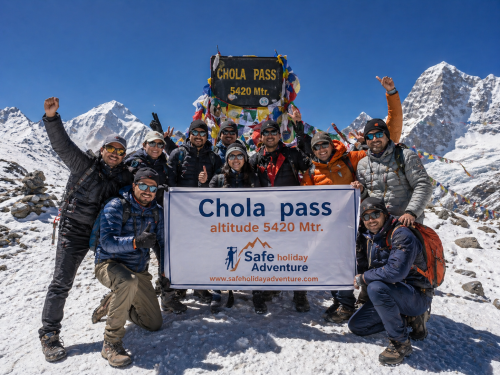
Most people walk to Everest Base Camp and then walk back down the same valley. The Three Passes Trek
Continue Reading
There is a moment on every Everest trek when your legs have an opinion. For most people, it arrives
Continue Reading
If you are asking how difficult the Everest Three Passes Trek is, the honest answer is this: it is t
Continue Reading