
5 May 2026 7 min to read
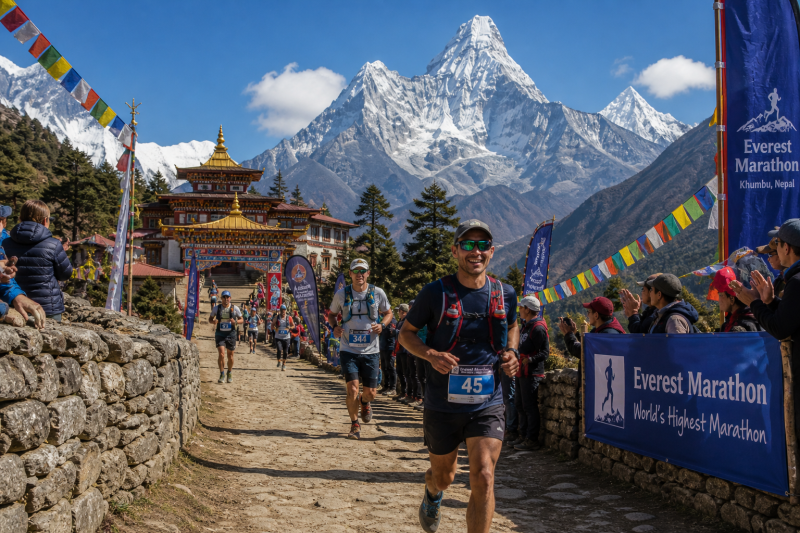
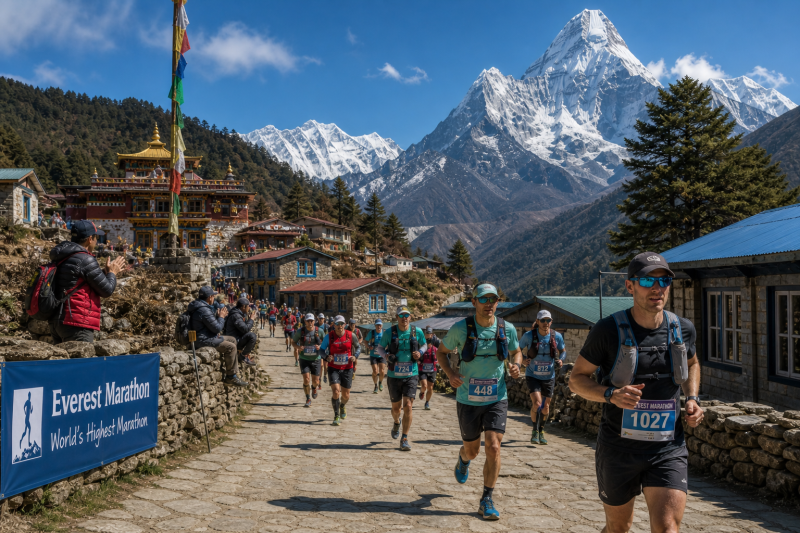
Running a marathon is a challenge almost anywhere on Earth. But running one at the foot of Mount Everest—where the air is thin, the terrain is unforgiving, and the conditions are constantly changing—is something entirely different. The Everest Marathon is often described as the highest marathon in the world, and for good reason. Starting from Everest Base Camp at over 5,300 meters (17,388 feet), this race is not just about endurance—it’s about survival, adaptation, and mental resilience.
If you’re considering taking part in this extraordinary event, there are things no brochure, checklist, or standard training plan will fully prepare you for. This blog is a reflection of what many runners—including myself—wish we had known before stepping onto that rugged Himalayan trail.
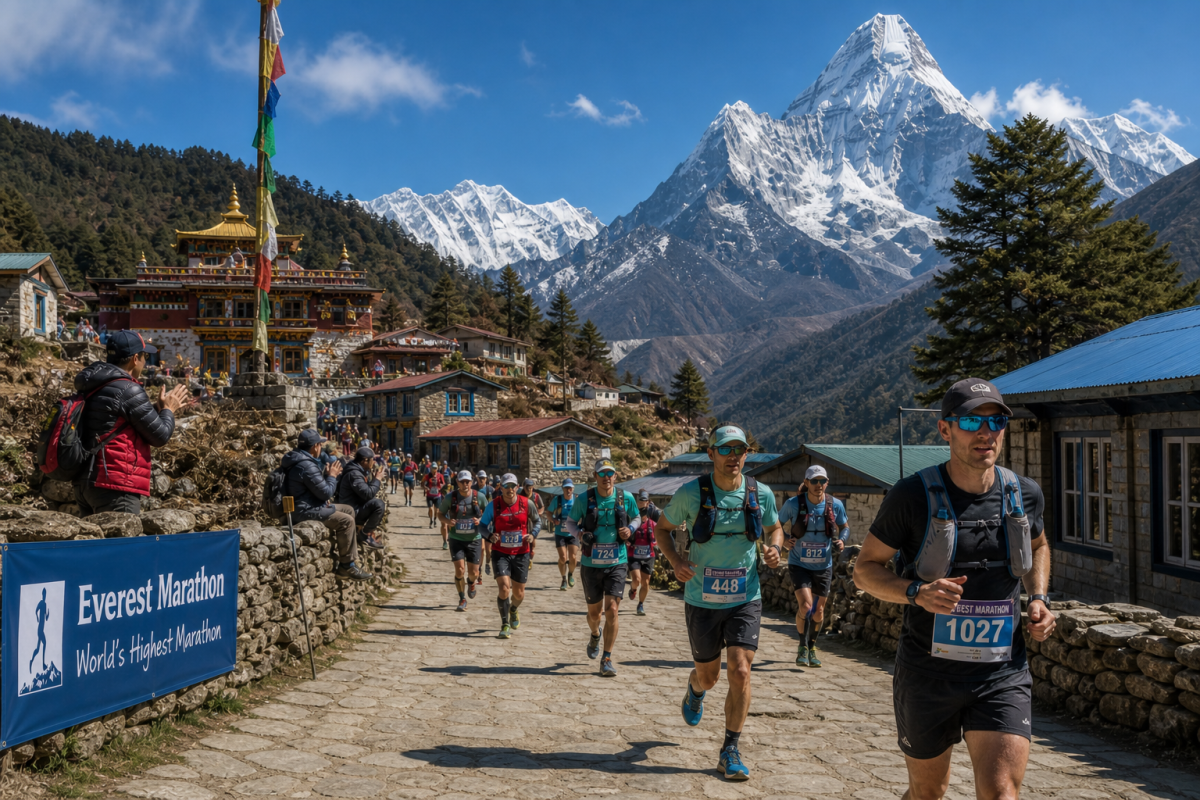
One of the biggest misconceptions is that the Everest Marathon is a single-day event. In reality, it begins weeks before you even reach the starting line.
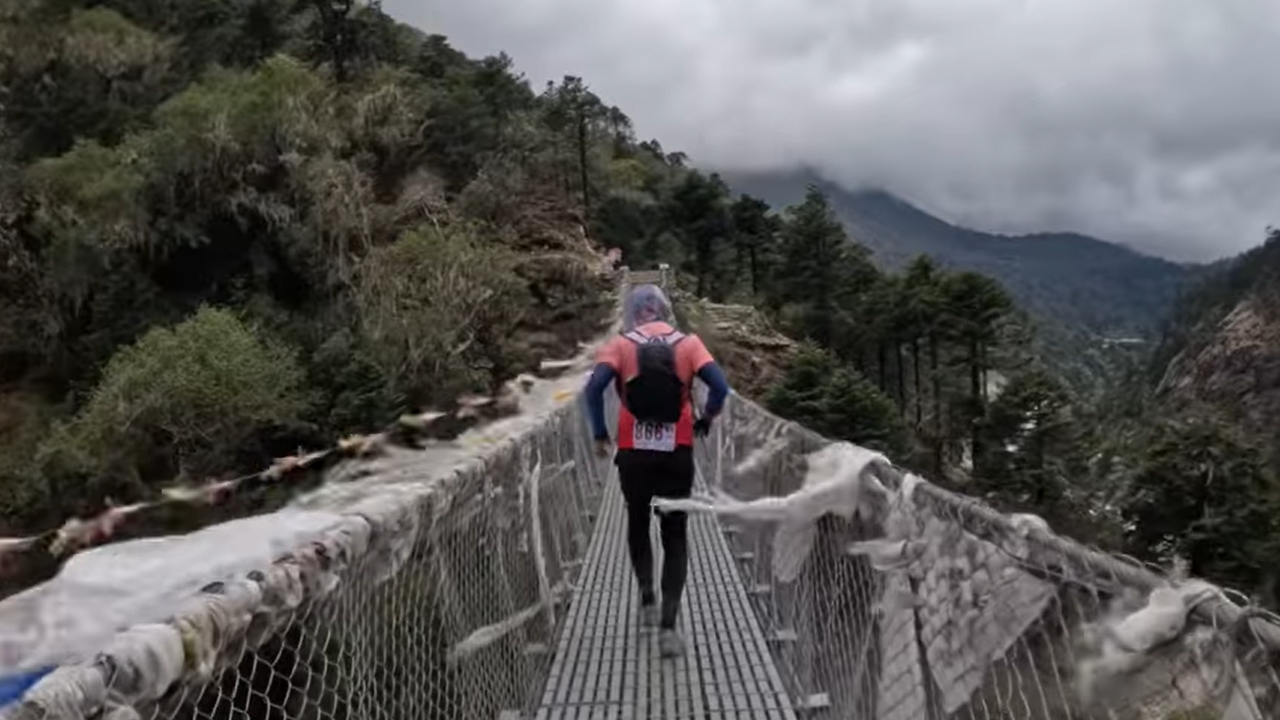
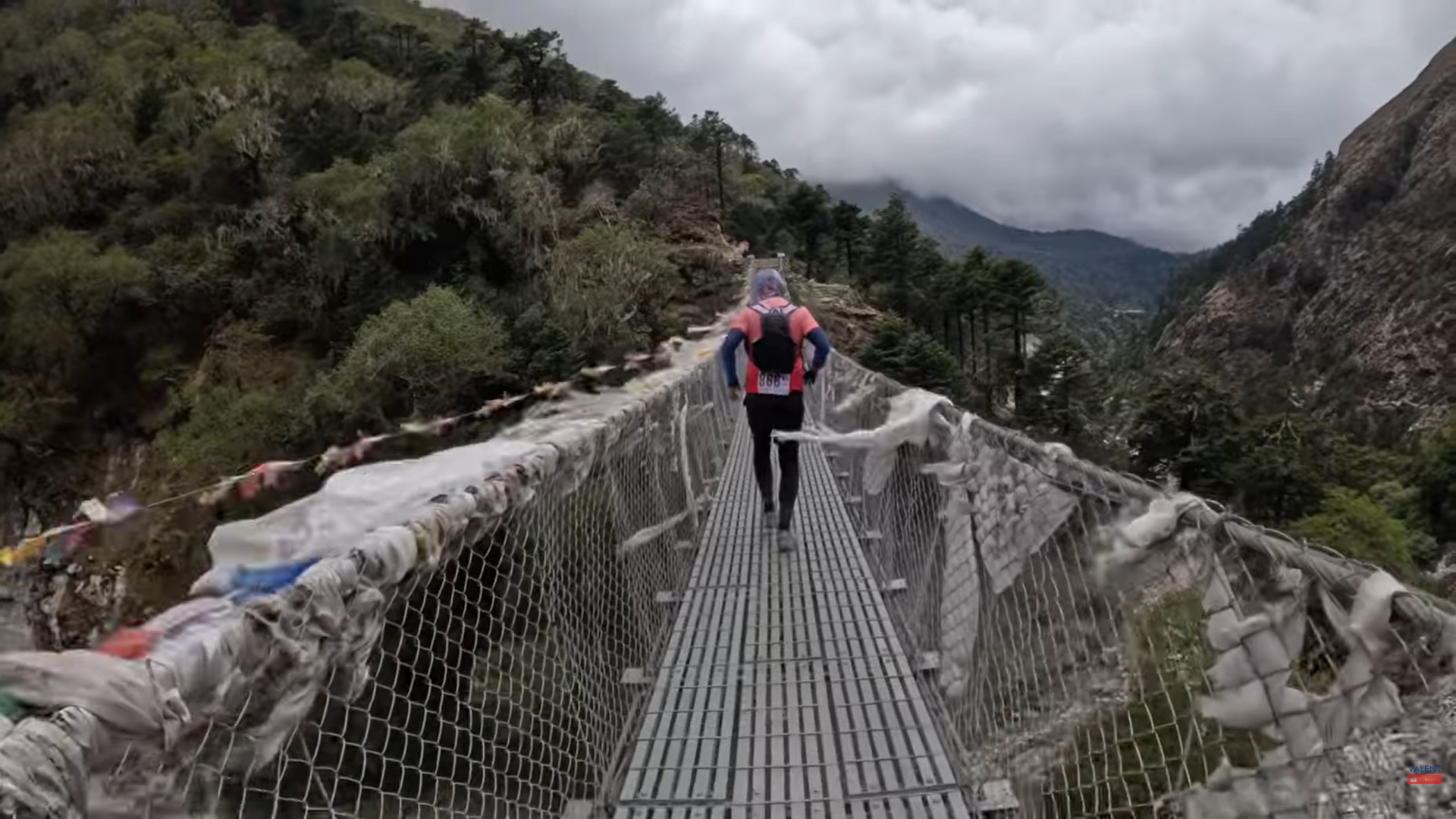
To participate, you must trek for nearly two weeks through the Khumbu region. This includes acclimatization days, steep ascents, suspension bridges, and exposure to high-altitude conditions. Many runners combine their preparation journey with iconic routes such as the Gokyo Trek or even parts of the Everest Three Passes Trek, which offer both physical conditioning and breathtaking scenery.
But what I wish I had understood better is this: the trek itself is a major physical challenge. By the time you arrive at Everest Base Camp, you’re already fatigued. Your legs have climbed thousands of meters. Your body is adapting to oxygen deprivation. And yet, the marathon still lies ahead.
Everyone talks about altitude, but few truly grasp its impact until they experience it firsthand.
At sea level, oxygen saturation is optimal. At Everest Base Camp, oxygen levels are roughly 50% lower. This drastically affects performance, recovery, and even decision-making.
Altitude sickness is not just a possibility—it’s a real risk. Symptoms can include headaches, nausea, dizziness, fatigue, and in severe cases, life-threatening complications like High Altitude Pulmonary Edema (HAPE) or High Altitude Cerebral Edema (HACE).
Even if you’ve trained at elevation, nothing quite compares to sustained exposure above 5,000 meters.
What I wish I knew:
Many runners underestimate how altitude will affect their pace. A marathon that might take you 4 hours at sea level could easily stretch into 8–10 hours here.
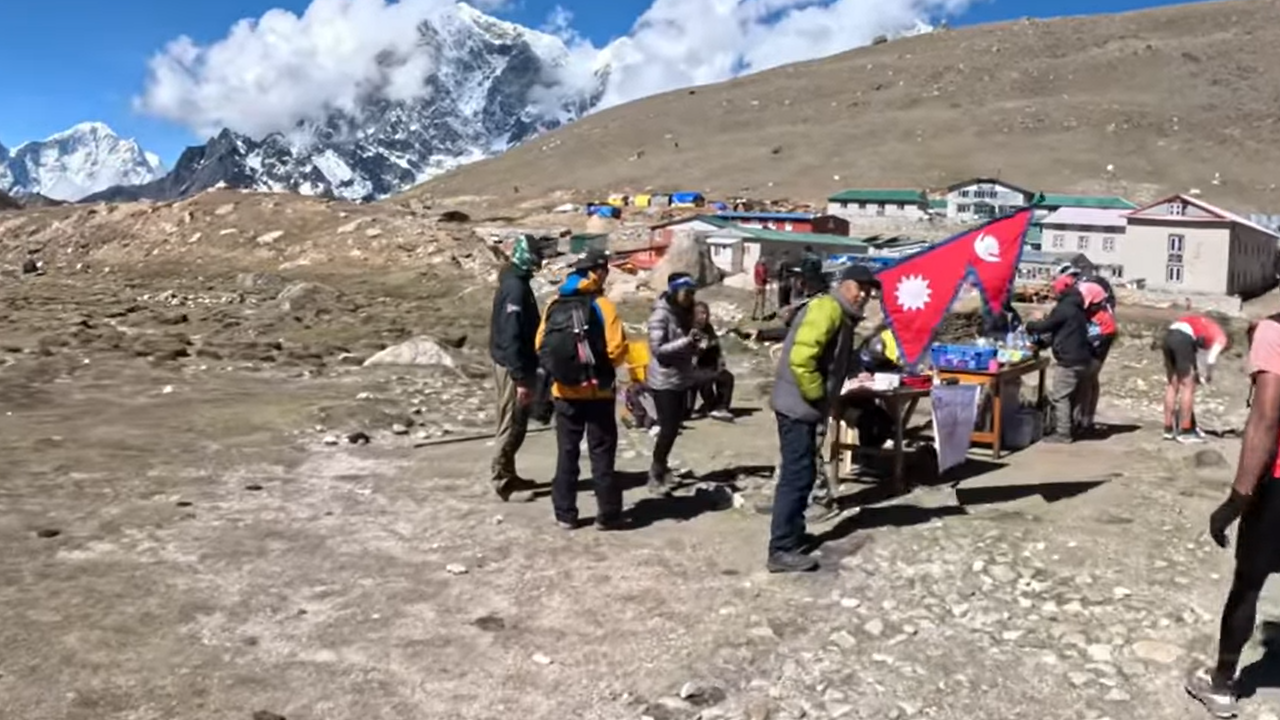
Forget smooth pavement, mile markers, and cheering crowds.
The Everest Marathon route is rugged, technical, and constantly changing. You’ll encounter:
Descending from Base Camp is particularly brutal. While it might seem easier than climbing, the constant downhill running places immense strain on your joints.
What I wish I knew:
This is where prior experience in challenging treks like Cho La Pass or climbs such as Island Peak or Mera Peak can give you an advantage. These routes teach you how to move efficiently over unpredictable terrain.
At high altitude, small mistakes can have big consequences.
Temperatures can fluctuate dramatically—from freezing cold in the early morning to surprisingly warm under the sun. Wind chill, snow, and sudden weather changes are all part of the experience.
What I wish I knew:
Also, your running shoes should be well broken-in and suited for technical trails. Blisters or foot injuries at altitude can quickly become serious problems.
Eating enough calories is surprisingly difficult at high elevations.
Your appetite decreases, digestion slows, and certain foods become unappealing. Yet your body is burning more energy than ever.
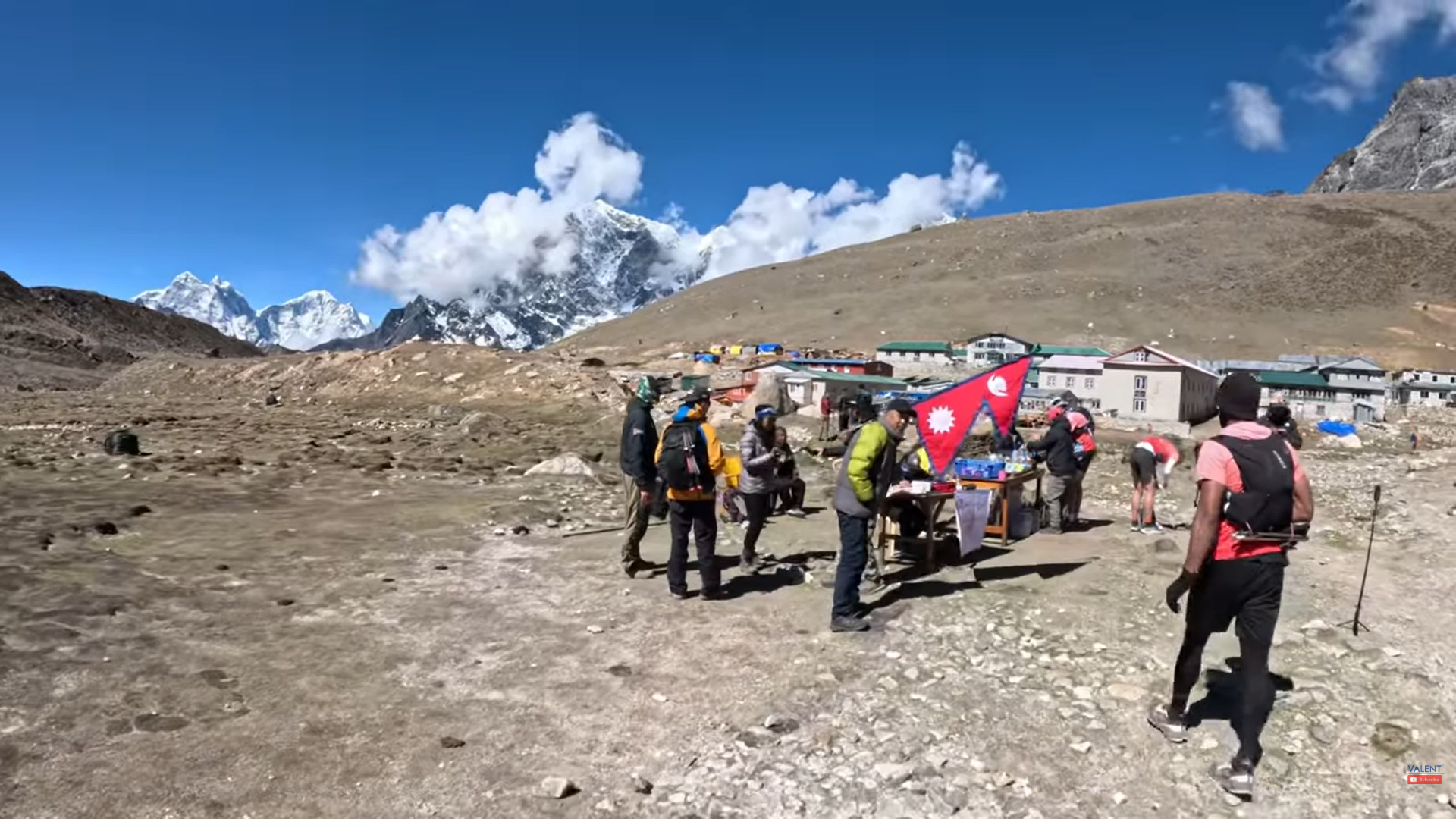
During the trek and race, you’ll rely on:
What I wish I knew:
Hydration also plays a huge role in preventing altitude sickness and maintaining performance. Drinking consistently—even when you don’t feel thirsty—is essential.
The Everest Marathon is as much a psychological challenge as it is a physical one.
You’re dealing with:
There are moments when quitting feels like the only option.
What I wish I knew:
Training your mind to stay calm and focused under stress is just as important as training your body.
Getting to the starting line is an adventure in itself.
Most runners fly into Lukla, one of the most challenging airports in the world. Flights are often delayed or canceled due to weather conditions. From there, the trek begins.
Permits, guides, porters, accommodation, and race registration all require careful planning.
What I wish I knew:
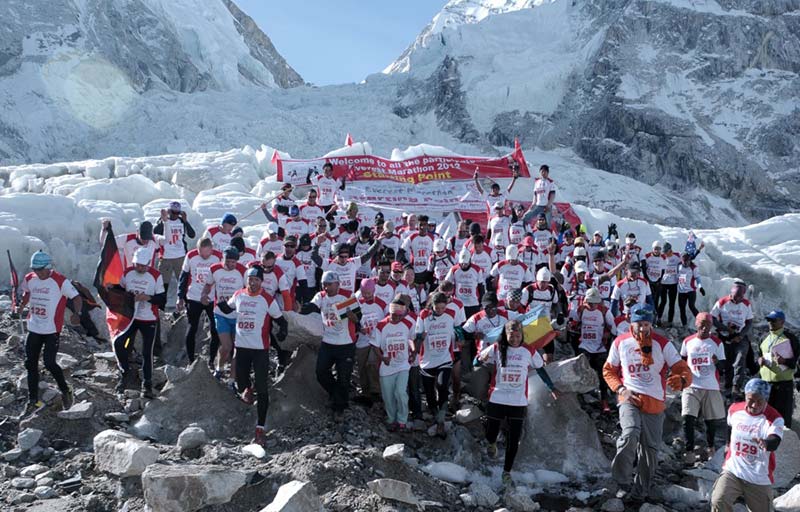
After the race, your body needs time to recover—not just from the marathon, but from weeks of trekking and altitude exposure.
Muscle soreness, fatigue, and dehydration linger longer than usual.
What I wish I knew:
Many runners choose to extend their stay and explore more of the region, including routes like the Everest Three Passes Trek, but it’s important to listen to your body.

Despite all the challenges, the Everest Marathon is one of the most rewarding experiences you can have as a runner.
You’ll run through:
You’ll meet people from around the world who share your passion for adventure.
What I wish I knew:
Absolutely—but with better preparation and a deeper understanding of what lies ahead.
The Everest Marathon is not just a race. It’s a test of endurance, resilience, and adaptability. It pushes you beyond your limits and forces you to confront your weaknesses.
If you’re considering it, go in with respect—for the mountains, for the altitude, and for your own body.
Prepare thoroughly. Train smart. Acclimatize properly. And most importantly, embrace the journey.
Because in the end, what you gain from this experience goes far beyond the finish line.
Introduction: Short Everest Base Camp Trek Overview The Short Everest Base Camp Trek Overview offers
Continue Reading
The Manaslu Trail Race is a world-class Himalayan trail running event that takes runners deep into t
Continue Reading
Introduction The trek from Syabrubesi to Lama Hotel is the first major walking section of the Langta
Continue Reading
Nepal is one of those rare destinations that stays in your heart long after your trip ends. From the
Continue Reading
Female solo trekking in Langtang Valley has become an increasingly popular choice for women seeking
Continue Reading
The Poon Hill trek is often described as one of the easiest and most rewarding short treks in Nepal.
Continue Reading