STAY CONNECTED


Government Licence No.: 131483/071/072
STAY CONNECTED
Are you searching for a budget-friendly Manaslu trek that combines raw natural beauty, deep Tibetan culture, and the thrill of high-altitude adventure, without the crowds?- Discover the untouched trails of the Budget Manaslu Circuit, where you’ll journey through remote mountain villages, dense forests, roaring rivers, and dramatic valleys, all leading to the breathtaking Larke Pass at 5,123 meters. In just 8 days, enjoy authentic tea house hospitality, expert local guidance, and a rich cultural experience, crafted for those who want an unforgettable trek at an affordable price.

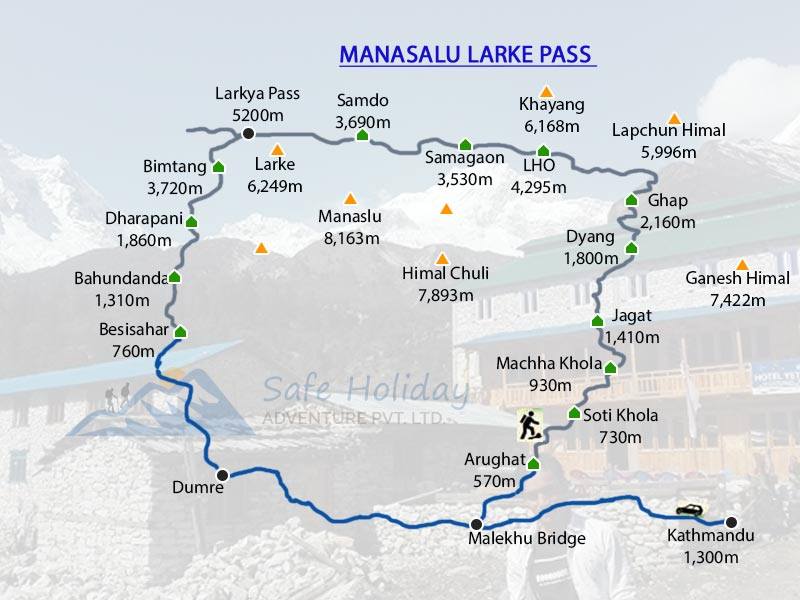
Step away from the crowded trails and immerse yourself in the pristine wilderness of the Manaslu region. This hidden gem in the heart of Nepal offers an unforgettable trekking experience, far from the tourist-heavy routes of Everest and Annapurna. Our Budget Manaslu Trekking 8 Days Itinerary is specially designed for those who seek an affordable yet authentic adventure. This journey leads you through remote mountain villages, stunning alpine scenery, and ultimately to the majestic Larke Pass at 5,123 meters—the highest point of the trek. You’ll also come face-to-face with Mt. Manaslu, the 8th highest mountain in the world, standing proudly at 8,163 meters.
The Manaslu region remained a restricted zone until it was officially opened to trekkers in 1992. Since then, it has become a sought-after destination for those yearning to explore Nepal’s untouched natural and cultural heritage. This trek runs parallel to the Tibetan border, offering a journey through areas that remain largely unaffected by modern development. You’ll traverse ancient salt trade routes that once connected Nepal and Tibet, giving you a chance to witness history etched into the very trail beneath your feet. The sense of isolation and purity make this region a rare treasure for trekkers seeking true adventure.
Your adventure begins in the lush subtropical forests of the lower hills, filled with cascading waterfalls, vibrant rhododendron blooms (in spring), and an orchestra of bird calls. As you ascend in altitude, the landscape shifts dramatically. The dense green gives way to a rugged high-altitude terrain, resembling the dry, windy Tibetan plateau. This unique geographical transition is one of the trek’s standout features. Moreover, you’ll interact with ethnically diverse communities—from the Indo-Aryan people in the lower regions to the Tibetan-Burmese populations higher up. Each village offers a unique cultural encounter, making the journey not just physical but deeply immersive.
The most anticipated part of the trek is undoubtedly the ascent to Larke La Pass (5,123m). This high mountain pass is both a challenge and a triumph for trekkers. The climb is steep, the air is thin, and the cold can be biting—but the moment you reach the top, you’re rewarded with panoramic views of snow-capped peaks including Himalchuli, Cheo Himal, Kang Guru, and of course, Mt. Manaslu. The sense of achievement and the overwhelming natural beauty make the effort completely worthwhile. Many trekkers describe this day as the most emotionally moving and visually stunning moment of the entire trek.
Throughout the trek, accommodation is provided in simple yet welcoming tea houses run by local families. While these are not luxury lodges, they offer everything you need—warm beds, hearty meals, and a cozy place to rest. The food is basic but nourishing, typically including rice, lentils, noodles, soup, and Tibetan bread. Dining areas are often warmed with a wood-fired stove, where you can enjoy your meals while sharing stories with fellow trekkers. Staying in these tea houses gives you a genuine glimpse into Himalayan life and supports the local economy directly.
Trekking in the Manaslu region is not for the faint-hearted. The Manaslu Round 8-day route is physically demanding, with steep ascents, narrow ridges, and rocky mountain paths. In some sections, you’ll cross landslide-prone areas and walk along cliffside trails. The high altitude also adds an extra layer of challenge. However, with a reasonable fitness level, proper acclimatization, and a positive mindset, the trek is not only achievable but incredibly rewarding. Every difficult step brings a new breathtaking vista, a friendly village, or a hidden waterfall to lift your spirits.
Due to its restricted status, hiring a licensed guide is mandatory in the Manaslu region. But beyond fulfilling regulations, our experienced guides are an essential part of your journey. They ensure your safety on difficult terrain, help with logistics, and serve as cultural interpreters, enriching your understanding of local traditions, festivals, and Buddhist beliefs. Our guides are also trained in basic first aid and altitude sickness management, ensuring you’re in safe hands at all times. With a guide by your side, you trek with confidence and a deeper connection to the land.
Trekking in the Manaslu region requires multiple permits due to its restricted status and location within conservation zones. These include the Restricted Area Permit (RAP), the Manaslu Conservation Area Permit (MCAP), and the Annapurna Conservation Area Permit (ACAP). Our team takes care of all the necessary documentation and logistics, so you can focus on preparing for the trek rather than getting bogged down by paperwork. We also brief you thoroughly about the rules regarding responsible tourism and environmental preservation in the region.
For the best experience, plan your trek between March to May (spring) or September to November (autumn). During these months, the skies are clear, the temperature is moderate, and the views of the Himalayan peaks are at their most stunning. Spring offers blooming rhododendrons, while autumn provides golden landscapes and festival season vibes. Importantly, the trails are safer, with fewer chances of rain or snow disrupting your journey. Compared to popular regions like Everest and Annapurna, the Manaslu trail remains peaceful and less crowded, even during peak seasons.
The 8-day Budget Manaslu Circuit Trek is perfect for travelers who want to experience Nepal’s raw beauty without stretching their finances. Despite its affordable cost, the trek includes essential services such as all required permits, an experienced guide and porter, accommodation, and meals. This cost-effective package allows you to explore the Himalayas with peace of mind, knowing that everything has been taken care of. If you’re a student, backpacker, or traveler with limited time and budget, this trek is one of the best options Nepal has to offer.
Your adventure begins with an 8-hour drive from Kathmandu to Soti Khola. This road trip takes you through diverse scenery, including rolling hills, fast-flowing rivers, rice terraces, and colorful villages. Although some parts of the road may be bumpy, the drive itself is a memorable introduction to rural Nepal. Along the way, you’ll witness everyday life—locals working in fields, school children walking along the road, and traditional homes dotting the hillsides. This drive prepares you mentally and emotionally for the wilderness and remoteness that lies ahead.
From Soti Khola, the trail meanders along the Budi Gandaki River, through shady forests and terraced farmlands. You’ll cross multiple suspension bridges, pass small waterfalls, and walk through Gurung and Magar villages. This segment of the trek is relatively moderate, allowing your body to adjust to the daily trekking rhythm. It’s also a great opportunity to interact with locals, observe rural lifestyles, and enjoy the soothing sound of the river accompanying you throughout the day.
The higher regions of the Manaslu trail are deeply influenced by Tibetan Buddhism. As you ascend, you’ll encounter ancient monasteries, chortens (Buddhist shrines), and long lines of mani walls and prayer flags fluttering in the wind. One notable stop is the Samagaun Monastery, a peaceful spiritual site nestled among the mountains. These cultural landmarks not only beautify the trail but also offer insights into the religious practices and beliefs of the local people. Every step feels like a pilgrimage through a sacred Himalayan land.
Nature reveals its many faces during the Manaslu trek. Towering waterfalls plunge from high cliffs, crystal-clear rivers carve their way through deep valleys, and hanging bridges sway gently over deep gorges. These natural features provide moments of awe and ideal photo stops. They also offer peaceful rest areas where you can drink water, catch your breath, and take in the serenity. The constant presence of water—whether roaring or still—adds an element of calm and purity to the entire trek.
Our professional guides and porters are the backbone of your trekking experience. They’re more than staff—they’re your companions on the journey. With their deep knowledge of the terrain, language skills, and local stories, they transform your trek into an insightful adventure. Porters carry your heavy bags so you can walk freely, and guides set the day’s pace based on your comfort level. Their warm hospitality, sense of humor, and encouragement uplift your spirit even on the toughest days.
Now is the perfect time to embark on an affordable Himalayan journey with Safe Holiday Adventure. Our 8-day Manaslu Budget Trekking package is ideal for adventurers who want rich cultural immersion, breathtaking scenery, and authentic local experiences—all at a reasonable price. With experienced staff, carefully crafted itineraries, and all logistics handled, your only task is to enjoy the journey and create unforgettable memories in one of Nepal’s most extraordinary trekking regions.
Spring (March-May):
During Spring, the weather on the Manaslu Trek is generally mild and pleasant. Daytime temperatures typically range from 10°C to 15°C (50°F to 59°F), making for comfortable trekking conditions. However, nights can be quite chilly, with temperatures dropping to around 0°C to 5°C (32°F to 41°F). Spring is a wonderful time to trek as the weather is generally clear, and the trails are usually dry. This season also brings the blooming of rhododendron forests, adding vibrant colors to the landscape. Additionally, the trekking trails are less crowded than in autumn, offering a more tranquil experience.
Autumn (September – November):
In Autumn, the weather on the Manaslu Trek is characterized by stability and clarity. Daytime temperatures are quite comfortable, ranging from 10°C to 20°C (50°F to 68°F). Nights, on the other hand, can be significantly colder, with temperatures dropping to around –5°C to 5°C (23°F to 41°F) at higher altitudes. Autumn is the peak trekking season in the Manaslu region due to its stable weather conditions and clear skies. This period offers spectacular views of the mountains and a generally dry trekking experience. However, because it is a popular time for trekking, the trails can be busier.
Manaslu Budget Trekking offers a unique experience for trekkers of all types, combining affordability with adventure in one of Nepal’s most stunning regions. This trek is particularly suitable for first-time trekkers because it provides a manageable challenge while offering breathtaking landscapes and cultural experiences. The trail is less crowded compared to other popular treks, which means beginners can enjoy the serenity of nature and gradually build their trekking stamina without the pressure of large crowds.
For students and researchers, the Short Manaslu Budget Trek is an excellent choice due to its cost-effectiveness and the rich cultural and ecological insights it provides. The trek passes through diverse landscapes, from lush forests to high-altitude deserts, and allows trekkers to study the unique flora and fauna of the region. Additionally, the traditional Tibetan-influenced villages along the route offer a chance to observe and research local customs and lifestyles, making it a valuable learning experience.
World travelers seeking an authentic and off-the-beaten-path adventure will find the 8-day Manaslu Budget Trek appealing. This trek takes you through remote and less-traveled areas of Nepal, providing an opportunity to experience the local culture and natural beauty away from the typical tourist trails. The budget-friendly nature of the trek makes it accessible for travelers who wish to explore Nepal without breaking the bank, while still enjoying the country’s rich heritage and spectacular scenery.
Adventure trekkers looking for a thrilling experience on a budget will also appreciate the Manaslu Budget Short Trek. The trek challenges you with varying terrains, including rugged mountain paths and high-altitude passes, offering an adventurous journey at a fraction of the cost of more expensive treks. The budget aspect does not compromise the adventure; instead, it makes the trek more accessible to those who are passionate about exploring new terrains without overspending.
Short and suitable for travelers with limited time.
More affordable than longer Manaslu treks or other popular routes.
Offers excellent views of Mt. Manaslu and the surrounding peaks.
Fewer tourists compared to the Everest and Annapurna regions.
Culturally rich experience with Tibetan and Gurung villages.
Walk through remote valleys, forests, and traditional settlements.
Moderate difficulty – good for physically fit trekkers with limited days.
Includes basic services: guide, meals, permits, transport, and teahouse accommodation.
Begins and ends with a scenic drive from Kathmandu – no flights required.
Ideal for those looking for a peaceful, budget-friendly Himalayan trekking adventure.
Day 1: Drive from Kathmandu to Dovan & Trek to Jagat (1300m)-10-12 km (6-7.5 miles)
Today starts with a drive from Kathmandu to Dovan, which takes about 9-11 hours. The journey offers views of terraced fields, traditional villages, and lush landscapes. Once in Dovan, you begin your trek to Jagat, which takes 1-2 hours. Jagat is a beautiful village with traditional stone houses and a small bazaar. You’ll pass through scenic forests and cross several suspension bridges over the Budhi Gandaki River. Your trek today is approximately 10-12 km, and you’ll have a chance to enjoy local Nepali food in the village.
Day 2: Trek from Jagat to Deng (1860m)-12-14 km (7.5-8.7 miles)
On the second day, you’ll trek from Jagat to Deng, which takes around 5-6 hours. The trail passes through charming villages like Salleri and Sirdibas, offering stunning views of the surrounding hills and rivers. The path is mostly uphill, winding through forests and terraced fields. You’ll walk about 12-14 km today. Deng is a small village with traditional houses and beautiful scenery, providing a peaceful stop for the night.
Day 3: Trek from Deng to Namrung (2630m)-10-12 km (6-7.5 miles)
Today’s trek from Deng to Namrung will take 5-6 hours. The trail continues along the Budhi Gandaki River and gradually ascends through lush forests and rocky paths. Along the way, you’ll pass through the villages of Lama, and the scenery changes to more rugged terrain with views of the Sringi Himal. The trek covers around 10-12 km, and Namrung, with its Tibetan-influenced culture and monasteries, is a delightful village where you’ll spend the night.
Day 4: Trek from Namrung to Samagaon (3530m)- 12-14 km (7.5-8.7 miles)
Your trek from Namrung to Samagaon takes about 6-7 hours. The route ascends through alpine meadows and the picturesque village of Lho. You’ll enjoy panoramic views of Mount Manaslu and the surrounding peaks. The trail is about 12-14 km long. Samagaon, a larger village, offers incredible views and a glimpse into local Tibetan culture. The high altitude here provides a chance to acclimatize and prepare for the upcoming higher elevations.
Day 5: Trek from Samagaon to Dharamsala (4460m)-7-9 km (4.3-5.6 miles)
Today’s trek to Dharamsala, also known as Larkya Phedi, takes 4-5 hours. You’ll follow the trail through alpine meadows and glacial streams, crossing the Budhi Gandaki River several times. The trail is about 7-9 km. Dharamsala is a small settlement with basic lodges where trekkers rest before crossing the Larkya La Pass. The stunning views of the surrounding mountains and glaciers make this a memorable part of the trek.
Day 6: Trek to Bimtang (3720m) via Larkya La Pass (5106m)-20-22 km (12.4-13.7 miles)
This is the most challenging day, taking 8-9 hours. You’ll start early to cross the Larkya La Pass, which stands at 5106m. The ascent to the pass offers breathtaking views of snow-capped peaks and glaciers. After crossing the pass, the descent to Bimtang takes you through lush forests and past glacial lakes. The trek covers around 20-22 km. Bimtang, a small settlement, is where you’ll relax and recover from the long day’s trek.
Day 7: Trek from Bhimthang to Dharapani (1900m)-15-17 km (9.3-10.6 miles)
Today’s trek from Bimtang to Dharapani takes around 6-7 hours. The trail descends through dense forests, crossing several rivers and passing through small villages like Tilje and Thonje. The scenery changes to a more subtropical environment. The trek is approximately 15-17 km. Dharapani is a lively village with a mix of Tibetan and Gurung culture, where you’ll stay overnight.
Day 8: Drive from Dharapani(8-9 Hours Drive) to Kathmandu.
On the last day of the Manaslu Budget Trek, you will drive from Dharapani to Kathmandu, which takes about 8 to 9 hours. The journey offers scenic views of green hills, rivers, and local villages. As you leave the mountain region, the road transitions from rugged terrain to more developed areas, leading you back to the capital. Once you arrive in Kathmandu, you can relax and reflect on the amazing trek experience. This long drive marks the end of your incredible Manaslu adventure with Safe Holiday Adventure Pvt. Ltd.
| Start Date | End Date | Price In US Dollar($) | AVAILABILITY | Booking |
|---|
⭐⭐⭐⭐⭐
I had the pleasure of trekking the Manaslu Budget Trek with Safe Holiday Adventure from November 12 to November 23, 2024, and I cannot recommend them enough! Based in Kathmandu, they provided an exceptional experience from start to finish. The team was professional, friendly, and attentive to every detail, ensuring that I felt comfortable and safe throughout the journey.
The trek itself was amazing, offering stunning views of the Manaslu region and a truly authentic Nepali experience. The itinerary was well-planned, and I loved the local accommodation and meals. The guide and porter were both experienced and made the trek even more enjoyable.
If you’re looking for a budget-friendly trekking company in Nepal, Safe Holiday Adventure is the way to go. They truly go above and beyond for their clients, and I’ll definitely be returning for more treks with them in the future.
Thank you, Safe Holiday Adventure, for an unforgettable experience!
Paul
New Zealand
⭐️⭐️⭐️⭐️⭐️
My friends and I, as students, were searching for an affordable way to experience the Manaslu trek, and after some research, we came across Safe Holiday Adventure. From the start, the team was incredibly responsive—Mr. Santosh Gauli replied promptly with detailed and accurate information about the trek. Their prices were very reasonable, and we were impressed with the quick, professional communication, so we decided to book the trek online.
When we arrived in Nepal, everything went smoothly. We were provided with an experienced guide, Amar, and a helpful porter, Ram, both of whom made our trek an unforgettable experience. They were particularly supportive as we crossed the challenging Larke La Pass, ensuring our safety and comfort.
A huge thanks to the entire Safe Holiday Adventure team for organizing such a memorable and budget-friendly trek. We highly recommend them to anyone looking for great service and an amazing trekking experience in Nepal!
— Robinson
For the Manaslu Circuit Trek, accommodation costs range from $2 to $5 per night per room. This typically includes basic teahouse lodgings with shared bathrooms. The rooms are simple but comfortable, providing a bed with a mattress and blanket. Hot showers and Wi-Fi are usually available for an additional fee. The cost may increase slightly in higher altitudes due to the remote location. It’s important to carry a sleeping bag for comfort, especially in colder regions. The affordable accommodation makes the Manaslu Circuit Trek a budget-friendly option while offering a cozy stay amidst the stunning Himalayas.
Kathmandu to Soti Khola: A local bus ride costs approximately 1,000 NPR (about $8) and takes around 8-10 hours. Alternatively, a shared jeep ride costs around 1,500 NPR (about $12) and is faster, taking about 6-7 hours.
Dharapani to Besisahar: The shared jeep ride between these two points costs around 2,000 NPR (about $16). This journey typically takes 2-3 hours and offers a more comfortable and quicker option compared to local buses.
Besisahar to Kathmandu: A local bus ride costs around 1,000 NPR (about $8), taking approximately 6-8 hours. This is the most common and cost-effective way to return to Kathmandu from Besisahar.
These transportation options provide flexibility based on budget and time constraints, with shared jeeps offering a quicker but more expensive choice.
For the Manaslu Circuit Trek, hiring a trekking guide and a porter comes with specific costs:
Trekking Guide: The cost for a guide ranges from $30 to $50 per day. This varies depending on their experience and the additional activities they might assist with. Guides help with navigation, provide local insights, and ensure a smooth trekking experience.
Porter: A porter costs between $20 and $25 per day. Porters carry your heavy backpack and other gear, making your trek more comfortable.
Additionally, it’s customary to provide tips to both the guide and porter for their services. Tips are generally given at the end of the trek and should reflect their performance and support throughout your journey.
Trekking Guide: The cost for a guide ranges from $30 to $50 per day. This varies depending on their experience and the additional activities they might assist with. Guides help with navigation, provide local insights, and ensure a smooth trekking experience.
Porter: A porter costs between $20 and $25 per day. Porters carry your heavy backpack and other gear, making your trek more comfortable.
Additionally, it’s customary to provide tips to both the guide and porter for their services. Tips are generally given at the end of the trek and should reflect their performance and support throughout your journey.
The best time to go on the Manaslu Trek is during the spring (March to May) and autumn (September to November). Here’s why:
Weather: During these seasons, the weather is generally stable and mild, with clear skies and comfortable temperatures. Spring brings blooming flowers and lush greenery, while autumn offers crisp air and stunning mountain views.
Visibility: Both seasons offer excellent visibility, allowing you to enjoy the breathtaking landscapes and panoramic mountain views.
Trails and Accommodation: Trails are less likely to be muddy or snow-covered, and teahouses are well-prepared to accommodate trekkers.
Avoiding Monsoon and Winter: In spring and autumn avoid the heavy monsoon rains, which can make trails slippery and prone to landslides. They also sidestep the harsh winter cold, which can make high-altitude trekking challenging.
Choosing these times ensures a more enjoyable and safer trekking experience.
Altitude: Trekking at high altitudes poses the risk of altitude sickness. The trek reaches an elevation of 5,160 meters (16,930 feet) at the Larkya La Pass, requiring proper acclimatization.
Remote Terrain: The trail passes through remote areas with limited facilities, making it essential to be self-sufficient and prepared for basic accommodations.
Weather Conditions: Weather can be unpredictable, with possible snowfall or rain, especially in the high-altitude sections. This can make trails slippery and navigation more difficult.
Physical Demands: The trek involves long daily hikes, steep ascents and descents, and crossing high mountain passes, which require good physical fitness and stamina.
Limited Rescue Facilities: Due to the remote nature of the trek, emergency rescue services are limited, so it’s important to have good insurance and be prepared for emergencies.
Permits: Securing the necessary permits and following local regulations adds a layer of complexity to the trek.
Proper preparation, physical conditioning, and understanding of these challenges will help ensure a successful and enjoyable trek.
For the Manaslu Trek, solo trekking is not permitted. To undertake the trek, you must be part of a group of at least two people. This requirement is due to the remote and restricted nature of the region, which aims to ensure safety and adherence to local regulations. The presence of multiple trekkers helps in managing logistics, providing mutual support, and ensuring that the trek is conducted safely and within the guidelines set by local authorities.
The average cost for a budget Manaslu Trek typically ranges from $650 to USD 850 per person. The exact cost can vary depending on factors such as group size and specific services included. Larger groups may benefit from reduced rates per person, while smaller groups or individual trekkers might face higher costs. This range generally covers essential services like permits, accommodations, guide and porter fees, and basic meals.
This list covers the essentials to ensure a comfortable and well-prepared trek.
After completing the Manaslu Trek, it is customary to provide a tip to your guide and porter for their services. On average, a tip of around $200 or more for the guide is appreciated, depending on their performance and the length of the trek. For the porter, a tip of approximately $250 is suggested. These amounts are above and beyond the daily wages and reflect your gratitude for their hard work and support throughout the trek. The exact tip can vary based on your satisfaction and budget.
October: The weather is generally clear and mild. Temperatures range from 10°C to 20°C (50°F to 68°F) in the lower regions and can drop below freezing at higher altitudes. It’s a great time for trekking with stable weather and good visibility.
November: Temperatures continue to drop, ranging from 5°C to 15°C (41°F to 59°F) in lower areas and below freezing at higher elevations. The weather is still mostly clear, making it a good time for trekking, though it’s colder than October.
March: The weather starts to warm up, with temperatures ranging from 5°C to 15°C (41°F to 59°F) in lower areas and below freezing in the higher regions. Snow may still be present, especially at higher altitudes, but trekking conditions are generally good.
April to May: These are the best months for trekking. Temperatures range from 10°C to 20°C (50°F to 68°F) in lower regions and can be below freezing at high altitudes. The weather is usually stable, with clear skies and excellent visibility, making it an ideal time for trekking.
Yes, staying in teahouses on the Manaslu Trek is generally safe. These teahouses offer basic accommodation along the trek, providing a bed, food, and sometimes hot showers. The teahouses are managed by local families and are accustomed to hosting trekkers.
While they may be simple, they are generally clean and provide a warm and secure place to rest. In remote areas, the facilities may be more basic, but they are reliable for trekkers. It’s always a good idea to carry some personal items for added comfort and hygiene. Overall, teahouses are a safe and convenient option for accommodation on the Manaslu Trek.
During the Manaslu Trek, the average cost for a meal is typically between $5 and $10 USD. The price can vary depending on the location, type of meal, and teahouse. Basic meals like dal bhat (a traditional rice and lentil dish) or noodles are usually at the lower end of this range, while more diverse or larger meals might cost more. This range generally covers breakfast, lunch, and dinner at teahouses along the trek.
Q1: What is the best time of year for a budget trek in Manaslu?
The best times for a budget trek in Manaslu are during the spring (March to May) and autumn (September to November). These seasons offer stable weather, clear skies, and good trekking conditions.
Q2: How challenging is the Manaslu trek for beginners?
The Manaslu trek is considered challenging, particularly due to its high altitude and remote terrain. Beginners should be prepared for long days of trekking, steep ascents, and variable weather. Good physical fitness and preparation are essential.
Q3: Are there any local customs or etiquette I should be aware of during the trek?
Yes, it’s important to respect local customs and traditions. Dress modestly, ask for permission before taking photos, and follow the guidance of your trek guide regarding cultural practices.
Q4: How do I manage my cash during the trek?
It’s recommended to carry enough cash in local currency (Nepalese Rupees) for expenses along the trek, as ATMs are not available in remote areas. Use cash for meals, tips, and any additional purchases.
Q5: Can I buy trekking gear in Nepal before starting the trek?
Yes, you can purchase or rent trekking gear in Kathmandu or Pokhara. However, it’s advisable to bring essential items from home and only buy or rent what you might need.
Q6: What kind of meals can I expect during the trek?
Meals in teahouses are usually simple and include traditional Nepali dishes like dal bhat, noodles, rice, and some Western options. The food is basic but nutritious and designed to keep you energized for trekking.
Q7: Is there access to Wi-Fi and mobile networks on the trek?
Wi-Fi is available in some teahouses, though it may be slow and may require a small fee. Mobile network coverage is limited, but you can get a signal in certain areas along the trek.
Q8: How do I stay safe from altitude sickness?
To prevent altitude sickness, ascend gradually, stay hydrated, and listen to your body. Follow your guide’s recommendations for acclimatization and consider carrying altitude sickness medication.
Q9: What happens if I need to cut my trek short due to illness or other reasons?
If you need to end your trek early, your guide will assist with arranging transportation back to Kathmandu. Make sure you have travel insurance that covers emergency evacuation.
Q10: Are there any specific health precautions I should take before the trek?
It’s advisable to consult with a healthcare provider before the trek, get necessary vaccinations, and carry a basic first aid kit. Also, ensure you are in good health and physically prepared for the trek.
Safe Holiday Adventure Pvt. Ltd.
P.O.Box: 20065 Tarkeshwor-6, Kathmandu, Nepal
Cell: 00977 9849116284
Email: info@safeholidayadventure.com,
safeholidayadventure@gmail.com
Europe Contact
Mark Brosius
mark.brosius@hotmail.com
Oude baan, 41, 3060 Bertem, Belgium


We are associated with


We accept