
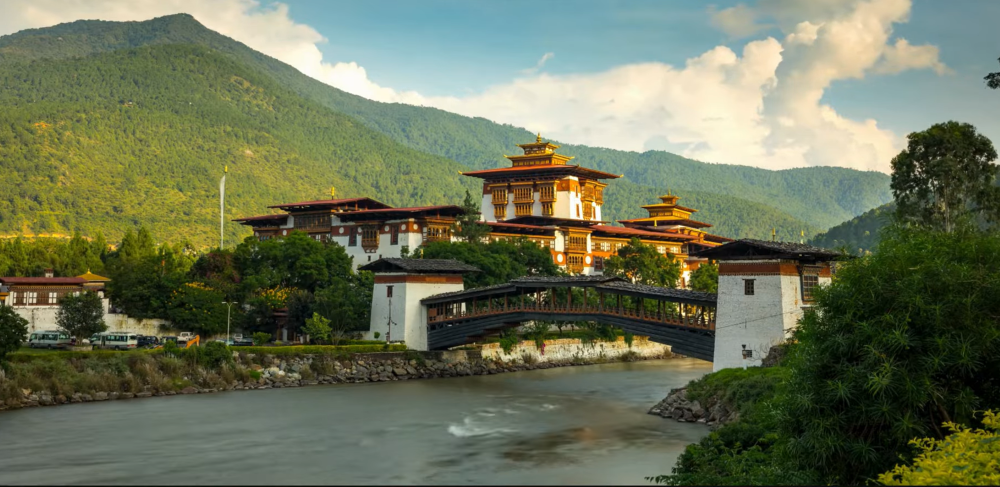

Laya Gasa Trek Highlights: Highlights
- Remote Himalayan adventure
- Visit the high-altitude Laya village
- Panoramic views of snow-capped peaks
- Experience traditional Bhutanese culture
- Trek through rhododendron and pine forests
- Cross high mountain passes
- See pristine rivers and waterfalls
- Spot wildlife like yaks and blue sheep
- Enjoy adventure and solitude
- Immerse in local village life and homestays
Laya Gasa Trek – Brief Introduction Overview
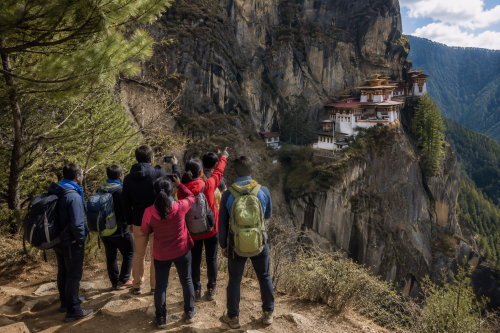
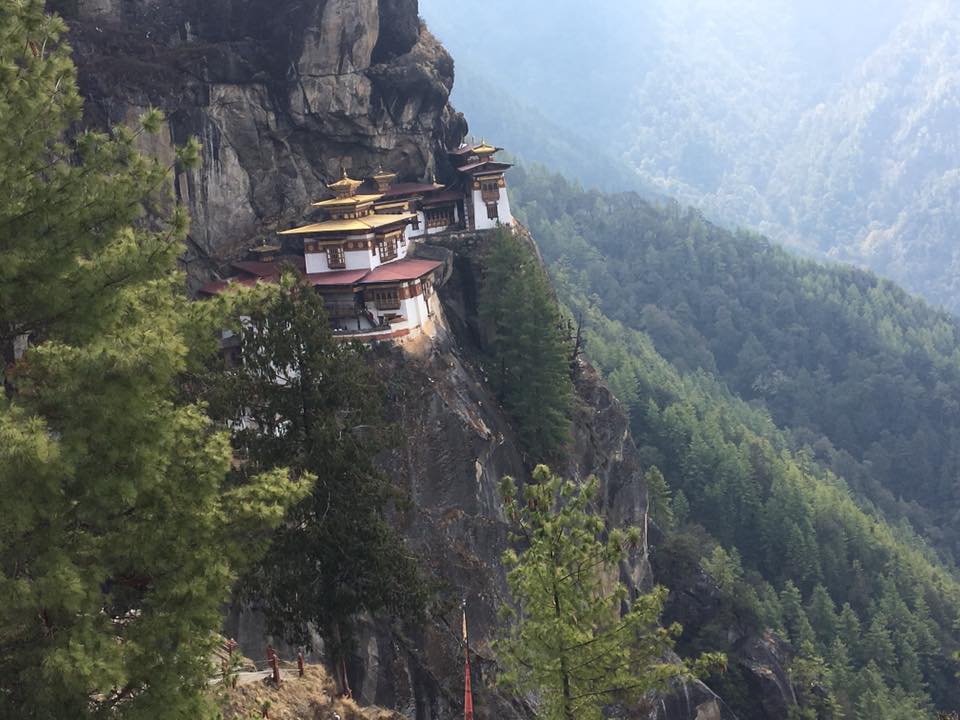
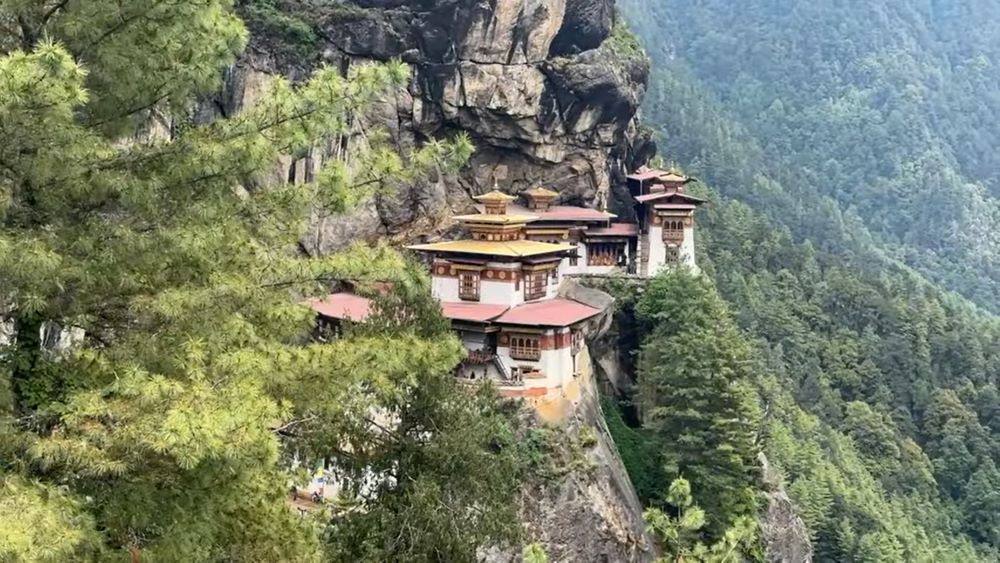
The 17 day Laya Gasa Trek ranks among Bhutan’s most beautiful and culturally rich trekking adventures. Over 17 days, this journey takes you deep into the heart of the Himalayas, where stunning mountain views, untouched natural beauty, and unique cultural traditions blend perfectly. To start, you will visit Paro’s famous Tiger’s Nest Monastery, one of Bhutan’s most sacred sites. Perched on a cliff at 3,120 meters, this spiritual place offers a peaceful introduction to Bhutan’s beauty. After the hike, your group will return to the hotel and prepare for the multi-day trekking adventure ahead.
Trekking Through Forests and Valleys
The adventure begins at Drukgyel Dzong, a historic fortress in Paro. Here, you will walk through forests rich with pine, oak, and rhododendrons. Along the trail, beautiful wooden bridges cross rivers flowing from distant glaciers. Gradually, the path gains elevation, and each day brings changing scenery—from lush greenery to wide meadows above the tree line. Camp under starry skies in warm tents, waking up to fresh mountain air and breathtaking Himalayan views. These early days offer peaceful surroundings ideal for adjusting to the altitude.
Reaching High Altitude Camps and Passes
Upon ascending higher, your trek will lead to Jangothang, the base camp of Mount Jumolhari. Situated at 4,050 meters, this campsite offers panoramic views of Jumolhari and Jichu Drake, two of Bhutan’s most striking peaks. A day is reserved here for acclimatization, including short hikes and valley exploration. Wildlife such as blue sheep and Himalayan birds often appear along the trail. The tranquil valley, combined with majestic snow-capped mountains, creates an unforgettable experience for nature lovers and photographers.
Next, the trek continues across high passes like Nyile La (4,890m) and Sinche La (5,005m). While these climbs are challenging, they reward trekkers with 360-degree views of the Bhutanese Himalayas. After the passes, you will cross open pastures and glacial valleys. Along the route, small settlements, yak herder camps, and fluttering prayer flags highlight your path. The clean mountain air and quiet atmosphere make this section truly special. Moreover, frozen lakes and stone-built chortens (stupas) along the way add spiritual depth to your journey.
Experiencing Remote Villages and Hot Springs
Reaching the remote village of Laya, located at 3,850 meters, is among the trek’s most exciting moments. Here, you will meet the Layap people, an ethnic group with a unique culture and lifestyle. Their traditional dress includes pointed bamboo hats and long woolen robes. Surrounded by dramatic mountain views, this village offers an authentic chance to experience Bhutanese culture. Staying in Laya allows connection with local traditions and genuine hospitality rarely encountered by travelers.
As the trek descends, the trail winds through thick forests, river valleys, and small bridges on the way to Gasa. At Gasa, the natural hot springs offer a well-earned rest. Believed by locals to have healing powers, these thermal pools provide perfect relaxation for sore muscles and tired minds. The landscape becomes greener and warmer as you drop to lower elevations. Additionally, forested hills and farming villages return, bringing a peaceful close to your Himalayan journey.
Final Days and Cultural Heritage
The trip concludes with a scenic drive to Punakha, a warm historical valley home to the stunning Punakha Dzong—Bhutan’s most beautiful fortress. Next, you will visit Thimphu, the capital city, before returning to Paro for your onward flight. This final segment offers a glimpse of Bhutan’s rich cultural heritage, from Buddhist temples to bustling local markets. By journey’s end, you will have experienced Bhutan’s true spirit—its mountains, monasteries, culture, and warmth—making the Laya Gasa Trek a once-in-a-lifetime adventure.
Who Can Join the Laya Gasa Bhutan Trek?
Adventurers seeking a challenging and unforgettable Himalayan experience will find the 17 day Laya Gasa Trek ideal. The route passes remote mountain trails, high passes, and breathtaking natural landscapes. Both experienced trekkers and fit beginners eager to explore Bhutan’s pristine wilderness are welcome.
Thanks to our professional guides, quality service, and daily support, even first-time trekkers can enjoy this trip safely and comfortably. Along the way, you will encounter diverse scenery—from lush forests to open highland meadows—and stay in cozy tents or local guesthouses. Furthermore, authentic Bhutanese meals and warm hospitality enhance the trekking experience.
Top Attractions on Bhutan’s Legendary Laya Gasa Trek
Taktsang Monastery (Tiger’s Nest)
This iconic spiritual site perches 900m above Paro Valley. According to legend, Guru Rinpoche flew here on a tigress to meditate. Although the hike is challenging, the reward is magical mountain views and deep peace. Whether for photography, faith, or fresh mountain air, this sacred cliffside monastery is a must-see for all travelers. It beautifully combines nature, culture, and adventure.
Jangothang Base Camp
Located beneath Mt. Jomolhari at 4,080m, Jangothang Base Camp offers epic Himalayan views and tranquility. It is ideal for resting, acclimatizing, and exploring nearby ridges or lakes. Trekkers often spot blue sheep and rare birds in this wild area. A nearby monastery adds spiritual charm. For photographers, adventurers, and nature lovers, Jangothang is a dream campsite capturing Bhutan’s wilderness.
High Mountain Passes
The trek includes thrilling passes like Nyile La (4,870m) and Shinge La (4,900m). These test endurance while rewarding with spectacular Himalayan panoramas. Trekkers may encounter wildflowers, snow-covered ridges, and possibly elusive snow leopards. Each pass marks a memorable moment of triumph and beauty. More than tough climbs, these crossings define the Laya Gasa journey.
Remote Villages of Laya and Gasa
Laya and Gasa villages showcase Bhutan’s untouched charm. Laya is famed for its unique attire, especially conical bamboo hats, while Gasa boasts an ancient Dzong and natural hot springs. Surrounded by stunning peaks and forests, these villages offer warm hospitality and strong cultural traditions. Life here flows with nature, and every smile shares a story. Visiting them feels like stepping into a living Bhutanese museum.
Hot Springs at Gasa
After days of trekking, the Gasa Hot Springs provide pure bliss. These natural thermal pools are believed to heal sore muscles and calm tired minds. Surrounded by forests and the Mo Chhu River, this peaceful spot allows relaxation and rejuvenation. Locals and trekkers alike gather here. It’s an experience not to be missed on the trek.
Rich Flora and Fauna
Nature lovers will find the Laya Gasa Trek a paradise. The route moves from lush forests to high meadows filled with rhododendrons, blue poppies, and rare orchids. Keep watch for Bhutan’s national animal, the takin, elusive snow leopards, and Himalayan blue sheep. Birdwatchers might spot the majestic lammergeier or Himalayan monal. Bhutan’s strict conservation protects this biodiversity, making the trail truly alive.
Ancient Dzongs and Monasteries
Sacred architecture shines along the trek. Historic dzongs and monasteries serve as centers of faith and governance. Many buildings perch on hills or valleys, showcasing traditional Bhutanese design and spiritual rituals. Monks’ chants, painted walls, and deep calm inside offer a spiritual connection. From Gasa Dzong to hidden monasteries, these treasures blend history, belief, and beauty.
Cultural Immersion
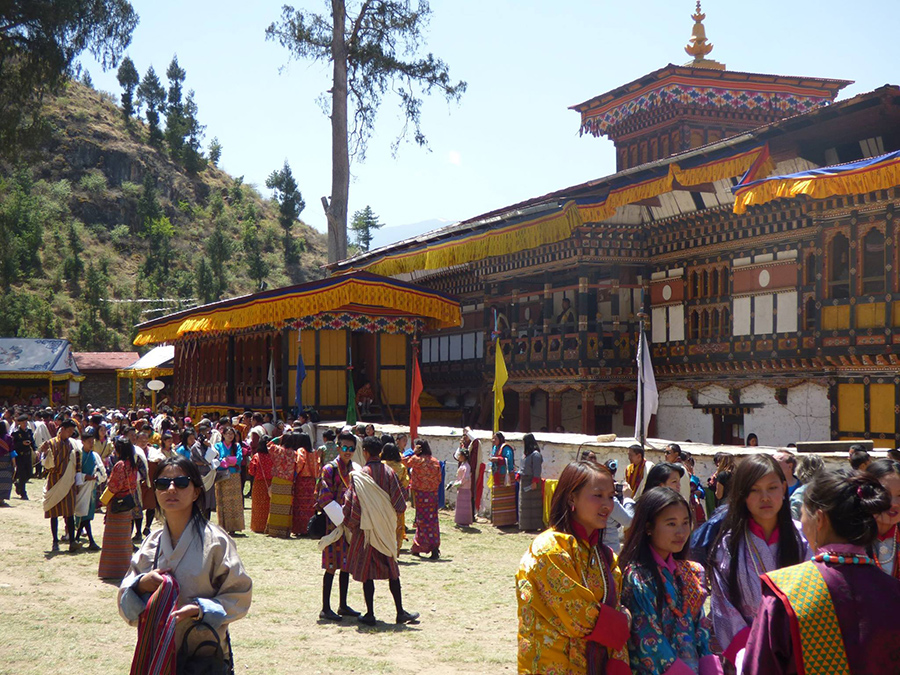
Beyond the mountains, the trek offers cultural richness. Warm-hearted locals welcome visitors, inviting participation in age-old customs. Sample authentic Bhutanese food, enjoy festivals with masked dances, attend weaving workshops, and experience traditional homestays. Villages like Laya and Gasa preserve proud old ways. This journey is about people, stories, and lifelong memories.
Views of Mt. Jichu Drake and Mt. Tsheringma
Besides Mt. Jomolhari, you’ll see Mt. Jichu Drake (6,989m), often called the “Bride of Jomolhari” and deeply respected by locals. On clear days, Mt. Tsheringma—associated with long life and good fortune—is also visible.
Meditation Caves and Hidden Hermitages
Near Jangothang or Lingshi, old meditation caves and hermitages offer peaceful retreats. Used by monks for silent meditation, these sites are often unknown to most tourists but can be visited with local guides.
Takin Sanctuary in Gasa Region
While sightings are possible along the trail, protected takin zones in Gasa increase chances of spotting Bhutan’s national animal. These gentle creatures live peacefully in Bhutan’s cool highlands.
Hidden Alpine Lakes
Local guides may take you to small, unnamed high-altitude lakes near Jangothang and Chebisa during acclimatization walks. Crystal-clear and surrounded by snowy peaks, these lakes are perfect for photography and quiet reflection.
Laya Gasa Trek – 17-Day Outline Itinerary:Outline Itinerary
Day 01: Arrive in Paro (2,235m) and transfer to your hotel to rest and prepare for the trek ahead.
Day 02: Spend the day acclimatizing with a scenic hike to the iconic Tiger’s Nest Monastery (3,120m). The round trip typically takes 4 to 5 hours.
Day 03: Begin your adventure by driving to Drukgyel Dzong. From there, trek approximately 17 km to reach Shana (2,850m), a journey of about 6 to 7 hours.
Day 04: The trail takes you from Shana to Soi Thangthangkha (3,750m), covering 19 km over 7 to 8 hours through stunning mountain scenery.
Day 05: Continue trekking to Jangothang (4,050m), a 19 km trek requiring 7 to 8 hours of walking.
Day 06: Take a well-deserved rest day at Jangothang (4,050m) to acclimatize and enjoy the surrounding views.
Day 07: Cross the challenging Nyile La Pass (4,890m) en route to Lingshi (4,100m). This section covers 18 km and takes approximately 6 to 7 hours.
Day 08: Descend to Chebisa (3,850m) on a 12 km trail, which should take about 5 to 6 hours.
Day 09: Trek from Chebisa to Shomuthang (4,130m), covering 17 km in 6 to 7 hours.
Day 10: Continue to Robluthang (4,160m), trekking 15 km over 5 to 6 hours.
Day 11: This day involves crossing Sinche La Pass (5,005m), the highest point of the trek, before descending to Lingmithang (4,140m). Expect 19 km of trekking over 7 to 8 hours.
Day 12: The trail leads down to Laya (3,850m), a shorter 10 km trek taking 3 to 4 hours.
Day 13: From Laya, trek 19 km to Koena (3,800m), which generally requires 7 to 8 hours.
Day 14: The final trekking day takes you to Gasa (2,900m). After covering 18 km in 7 to 8 hours, relax in the natural hot springs to soothe tired muscles.
Day 15: A scenic drive from Gasa to Punakha (1,300m) takes approximately 2 to 3 hours over 75 km.
Day 16: Continue by road to Thimphu (2,330m), a 2 to 3-hour drive covering 76 km.
Day 17: On the last day, drive back to Paro and catch your onward flight.
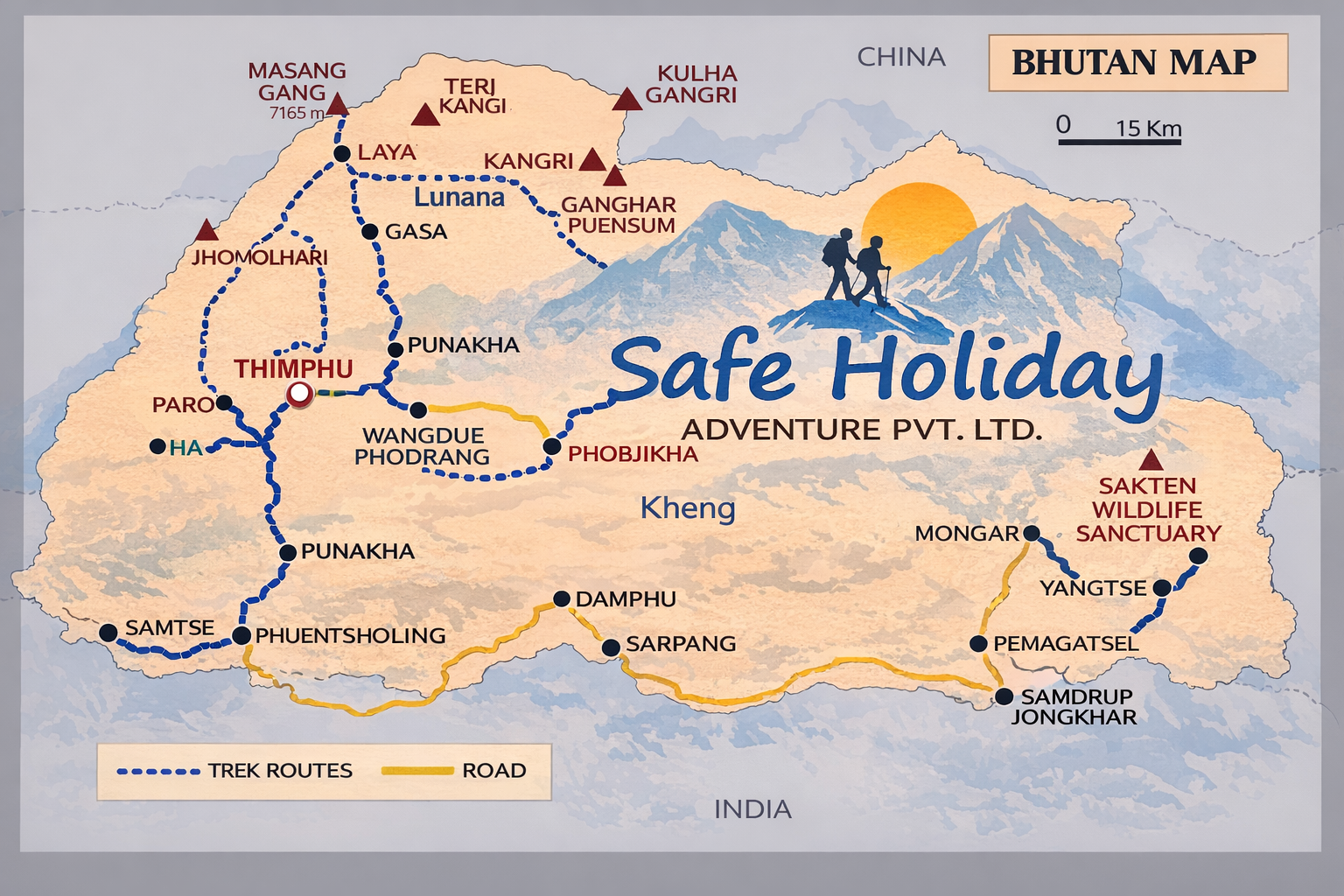
Laya Gasa Trek Including and Excluding Services:
- Private vehicle pick-up and drop-off at the airport and hotel
- Guided city tour of Paro using a private vehicle
- Accommodation in standard government-approved hotels (twin-sharing rooms) throughout the tour.
- Full board meals (breakfast, lunch, dinner, tea, and snacks) during your stay.
- Tented accommodation and all necessary camping equipment during the trek, including waterproof two-person tents, dining tents, kitchen gear, tables, chairs, a toilet, and shower tents.
- Drinking water is provided throughout the tour.
- Welcome briefing and country introduction with drinks on the first evening.
- Licensed English-speaking Bhutanese tour guides.Support staff and porters to carry luggage and camping gear during trekking.
- Private transportation with a dedicated driver within Bhutan, including 4WD vehicles for group travel; pack animals will carry luggage at high altitudes.
- Entrance fees for all monuments, museums, and sightseeing spots listed in the itinerary.
- Cultural programs with traditional masks and folk dances (with beverages) for group tours.
- Bhutan visa fees and assistance with visa processing.
- Government royalty fee contributes to Bhutan’s health and education projects.
- All trekking, route, and monument permits and fees.
- Applicable government taxes, official expenses, and tourist service charges
- International flights and airport departure taxes.
- Any other costs not specifically mentioned in the included services.
- Travel insurance, including emergency rescue and evacuation coverage.
- Personal expenses such as drinks, laundry, and souvenirs.
- Tips for guides, porters, and drivers (gratuities are customary).
Dates and Availability Departures
All our published dates are guaranteed departures. We also provide customized departures tailored to your travel plans.
There are no group joining dates available at the moment. Please contact us for a private trip.
Travellers Reviews
Genaral Trip InfoInfos
Why Choose the Laya Gasa Trek?
The Laya Gasa Trek is a rare adventure that offers a perfect blend of stunning nature, rich culture, and genuine isolation. If you’re looking to explore remote Himalayan villages, breathtaking landscapes, and experience a unique way of life untouched by time, this trek is your perfect choice.
The Laya Gasa Trek is a rare adventure that offers a perfect blend of stunning nature, rich culture, and genuine isolation. If you’re looking to explore remote Himalayan villages, breathtaking landscapes, and experience a unique way of life untouched by time, this trek is your perfect choice.
The trek leads you through the isolated villages of Laya and Gasa, where life follows ancient rhythms. At 3,800 meters, Laya is home to the semi-nomadic Layap people, known for their distinct conical bamboo hats and vibrant traditional clothing. These hardy highlanders sustain themselves through yak herding and high-altitude farming, preserving customs that have remained unchanged for centuries.
Further along, the village of Gasa offers not only stunning mountain views but also soothing natural hot springs. These springs are ideal for relaxation after days of trekking, giving you a unique way to unwind surrounded by pristine nature.
Rich Cultural Encounters
One of the highlights of the Laya Gasa Trek is the chance to connect deeply with the Layap people. This small, isolated tribe continues to live by its own traditions, language, and cultural practices. You’ll witness their lifestyle firsthand—from the art of yak herding and butter tea preparation to vibrant local festivals filled with traditional songs and dances.
Breathtaking Himalayan Landscapes
Prepare to be amazed by some of Bhutan’s most spectacular Himalayan scenery. As you cross high mountain passes and travel through diverse ecosystems, you’ll be treated to panoramic views of iconic peaks like Jomolhari, Tsherimgang, and Gangchen Ta. The trek covers everything from dense rhododendron forests to alpine meadows and glacial valleys, offering photo-worthy moments at every turn.
Nature’s Paradise: Flora and Fauna
The trek passes through the vast Jigme Dorji National Park, Bhutan’s second-largest protected area, home to rare and endangered wildlife. Keep an eye out for elusive snow leopards, takins, and red pandas, as well as colorful birds like the Himalayan monal and bearded vulture. The rich plant life, from lush forests to vibrant wildflowers, adds even more beauty to this unforgettable journey.
Relax and Rejuvenate at Gasa Hot Springs
After several days on the trail, soak in the mineral-rich waters of Gasa’s natural hot springs. Believed to have healing powers for ailments like joint pain and skin conditions, these springs offer a peaceful retreat with incredible mountain views—a perfect way to recharge before continuing your adventure.
How Tough Is the Trek?
The Laya Gasa Trek is a challenging 17-day journey through high altitudes and rugged terrain. You will cross mountain passes over 5,000 meters and encounter varying weather conditions, from chilly alpine air to subtropical forests. This trek is best suited for those with previous high-altitude trekking experience and good physical fitness.
Preparing for Your Trek
To fully enjoy this adventure, we recommend starting your preparation 3 to 6 months in advance. Focus on building stamina and strength through activities like jogging, cycling, stair climbing, and yoga. Staying hydrated and maintaining a balanced diet are also essential to help your body adjust to the altitude and physical demands.
Understanding Altitude Sickness and Staying Safe
Altitude sickness can affect anyone above 2,500 meters. Symptoms include headaches, dizziness, nausea, and fatigue. To minimize risks, ascend slowly, take rest days for acclimatization, drink plenty of water, and eat carbohydrate-rich meals. If symptoms worsen, descending immediately is crucial. Some trekkers use medication like Diamox, but always consult your doctor before taking any drugs.
Visa and Travel Information
Visitors to Bhutan (except citizens of India, Bangladesh, and the Maldives) must obtain a tourist visa through a licensed Bhutanese tour operator. The process requires a valid passport, photos, and travel insurance. It’s best to apply at least 30 days before your trip. Your international flights will arrive at Paro International Airport, Bhutan’s only international gateway, served by airlines such as Druk Air and Bhutan Airlines. Booking flights early is highly recommended.
Required Permits for the Trek
Because the Laya Gasa route passes through protected national parks and restricted border areas, special permits are mandatory. These include permits from the Department of Forests and Park Services and a restricted area permit for Laya. Trekking independently is not allowed, so all permits and arrangements must be handled by a registered tour agency.
Ready to experience the magic of Bhutan’s hidden Himalayas?
Join us for the unforgettable Laya Gasa Trek and explore untouched villages, spectacular landscapes, and rich culture in one incredible journey.
Detailed ItineraryItinerary
Arrive in Paro (2,235m) and transfer to the hotel
You arrive at Paro airport, one of the most beautiful and scenic airports in the world, surrounded by high green mountains. After landing, you will be welcomed by your guide and transferred to your hotel in Paro town. Paro is a small, peaceful town with traditional Bhutanese architecture, colorful houses, and small shops. You can take a gentle walk around, breathe the fresh mountain air, and see local life. Nearby, you can also visit the Paro market or relax before your trek begins.
Accommodation : Hotel
Acclimatization hike to Tiger’s Nest Monastery (3,120m) – 4 to 5 hrs round trip
Today is an important day for acclimatization to help your body adjust to higher altitude. You will hike to the famous Tiger’s Nest Monastery (Paro Taktsang). This monastery is built on a cliff 900 meters above the Paro valley and is one of Bhutan’s most sacred sites. The trail passes through pine forests, with fluttering prayer flags and spinning prayer wheels along the way. You will see stunning views of the Paro valley below and the towering Himalayan peaks above. At the monastery, you can observe monks praying and explore ancient temples decorated with bright paintings and wood carvings. This hike is moderately challenging but very rewarding, with breathtaking views and spiritual calm.
Accommodation : Hotel
Drive to Drukgyel Dzong and trek to Shana (2,850m) – 17 km, 6–7 hrs
You will drive to Drukgyel Dzong, a historic fortress that once protected the region from invaders. The dzong is now in ruins, but surrounded by majestic views of the snow-capped Mount Jomolhari. From here, your trek starts, and you walk through lush pine forests and along a clear mountain river. You will cross wooden bridges and pass through small Bhutanese villages with traditional houses made of wood and stone. Keep your eyes open for colorful wildflowers and birds. The trail is gentle but long. At the end of the day, you reach Shana village, a peaceful place with friendly locals and simple lodges to stay overnight.
Accommodation : Lodge
Trek from Shana to Soi Thangthangkha (3,750m) – 19 km, 7–8 hrs
Today, you start climbing higher into the mountains. The trail takes you through mixed forests of pine and rhododendron trees. If you trek in spring, you will see rhododendrons blooming in beautiful red and pink colors. Along the way, you may spot yaks and dzos (yak-cow hybrids) grazing on the hills. Small streams and waterfalls provide fresh water and add to the peaceful sounds of nature. You will cross mountain passes with great views of distant snowy peaks. Soi Thangthangkha is a small mountain village with stone houses, prayer flags, and traditional farming. The air is cooler here, and the sky is often clear and bright.
Accommodation : Tea House
Trek to Jangothang (4,050m) – 19 km, 7–8 hrs
Today, the trail goes higher into open alpine meadows and pastures. The landscape becomes more open with fewer trees and more grasslands. You might see nomadic yak herders and their flocks. The meadows are full of wildflowers in summer, and the mountains around are tall and covered with snow. Jangothang is a traditional yak herder settlement. You will see many yak tents and herders wearing colorful traditional clothes. The air is thin and cool, so take your time. At Jangothang, you rest and enjoy the magnificent views of snow-capped mountains like Jichu Drake and Jomolhari nearby.
Accommodation : Tea House
Rest and acclimatization day at Jangothang (4,050m)
This day is for your body to adjust to the high altitude. You can take a short walk around the village and visit the yak herders’ camps. You might watch them milking yaks or making butter tea. The village is quiet with few houses and many yak tents. You will see traditional Bhutanese prayer wheels and small shrines on the hills. The mountain views from here are some of the best in Bhutan, with white peaks shining under the sun. Rest well and enjoy the fresh mountain air.
Accommodation : Tea House
Trek to Lingshi (4,100m) via Nyile La Pass (4,890m) – 18 km, 6–7 hrs
Today is a challenging but beautiful day. You cross Nyile La Pass, the highest point of this trek at 4,890 meters. From the top, you get a spectacular panoramic view of Himalayan peaks like Jomolhari and Jitchu Drake. The air is very thin here, so you move slowly and carefully. After the pass, the trail descends to the ancient village of Lingshi. Lingshi is known for its old stone houses, fortress ruins, and a small monastery. You will see yak herds grazing in wide green pastures. The valley is wide and quiet, surrounded by tall mountains.
Accommodation : Tea House
Trek to Chebisa (3,850m) – 12 km, 5–6 hrs
You walk downhill today through peaceful valleys filled with pine forests and wildflowers. You may hear the bells of yaks and horses as they move on the trail. The trail crosses small rivers and wooden bridges. Chebisa village is quiet and surrounded by green fields and mountains. The village has traditional stone houses and a simple lifestyle based on farming and herding. The cool mountain air and calm nature make this a pleasant day of trekking.
Accommodation : Tea House
Trek to Shomuthang (4,130m) – 17 km, 6–7 hrs
Today, you climb again to reach Shomuthang, a small village at a higher altitude. The trail passes narrow ridges and steep slopes with amazing mountain views. You cross several small streams and see colorful prayer flags tied on rocks and trees. The village is small with a few stone houses and fields where locals grow barley and potatoes. This area is less visited, so you feel the true peace of the Himalayas.
Accommodation : Tea House
Trek to Robluthang (4,160m) – 15 km, 5–6 hrs
You continue on rocky mountain paths surrounded by high peaks and yak pastures. The trail sometimes gets steep but offers beautiful views of snow-covered mountains. Along the way, you may see Himalayan blue sheep or other wildlife. Robluthang is a small settlement with stone houses and yak herding camps. The village is quiet and offers a chance to rest and enjoy the natural beauty of the area.
Accommodation : Tea House
Cross Sinche La Pass (5,005m) and trek to Lingmithang (4,140m) – 19 km, 7–8 hrs
This is the highest and toughest day on the trek. You cross the Sinche La Pass, one of the highest mountain passes in Bhutan, standing at over 5,000 meters. The air is thin and cold, and the path is steep and rocky. From the pass, you see panoramic views of towering peaks and vast valleys below. After the pass, you descend to Lingmithang village, which is larger and has more houses and a small market. This village is an important stop for local trade and yak herders.
Accommodation : Tea House
Trek to Laya (3,850m) – 10 km, 3–4 hrs
Today, you walk a shorter distance to Laya village, the home of the unique Layap people, known for their traditional dress and customs. The village is famous for its stone houses, yak herders, and friendly people. You may see women weaving traditional textiles and men wearing colorful hats and robes. There is a monastery in the village, and prayer flags flutter on the hills. The views of the mountains are stunning, and the atmosphere is very peaceful.
Accommodation : Tea House
Trek to Koena (3,800m) – 19 km, 7–8 hrs
The trail from Laya to Koena goes through wide mountain meadows and yak pastures. You will cross rivers and see wildflowers and tall grasses. The area is rich with nature and quiet wildlife sounds. Koena village is small and traditional, with stone houses and fields. You may meet local herders and learn about their simple mountain life. The mountain views are wide and open, showing snow-covered peaks in the distance.
Accommodation : Tea House
Trek to Gasa (2,900m) and enjoy hot springs – 18 km, 7–8 hrs
Today, you walk down to Gasa valley, through dense forests and river valleys. The air becomes warmer as you descend. Gasa is famous for its natural hot springs, where you can relax after the long trek. The hot springs are believed to have healing properties. Gasa town is small but lively, with shops, tea houses, and a historic fortress nearby. The forest is full of tall trees, birds, and sometimes monkeys. This day is both refreshing and relaxing.
Accommodation : Tea House
Drive from Gasa to Punakha (1,300m) – 2–3 hrs (75 km)
You take a jeep ride down the mountain road to Punakha. The drive passes through beautiful green valleys, rivers, and forests. Punakha is warmer and more fertile than the high mountains. It is famous for the Punakha Dzong, a large and beautiful fortress built where two rivers meet. You can visit the dzong and see its amazing architecture, colorful paintings, and gardens. The town has rice fields and flowers everywhere, showing Bhutan’s rich culture.
Accommodation : Tea House
Drive to Thimphu (2,330m) – 2–3 hrs (76 km)
From Punakha, you drive to Thimphu, Bhutan’s capital city. Thimphu is a mix of tradition and modern life. You can visit the Buddha Dordenma statue, a giant golden Buddha on a hill, and explore the city’s markets, cafes, and museums. You will see busy streets but also peaceful temples and parks. The city is surrounded by green hills and mountains.
Accommodation : Lodge
Drive back to Paro and fly to your onward destination
You drive back to Paro, enjoying the last views of beautiful valleys and mountains. At Paro airport, you say goodbye to Bhutan and catch your flight home or onward. You will carry wonderful memories of the Laya Gasa trek, its remote villages, stunning mountains, and warm people.
17 Day Laya Gasa Trek FAQs
The Laya Gasa Trek is a remote and scenic high-altitude trekking route in northern Bhutan. It offers a unique cultural experience and spectacular Himalayan mountain views, passing through traditional villages and pristine natural landscapes.
The complete trek generally spans 16 to 17 days, including travel days for arrival and departure, allowing sufficient time for acclimatization and exploration.
The optimal trekking seasons are spring (March to May) and autumn (September to November), when the weather is most stable, skies are clear, and temperatures are moderate.
This trek is considered challenging due to the high altitude, rugged terrain, and long daily walking hours. Trekkers should have a good level of physical fitness and prior trekking experience.
The highest point on the trek is Jungney La Pass, which reaches an elevation of approximately 4,900 meters (16,076 feet) above sea level.
Yes, all trekkers must obtain a Bhutan visa and special trekking permits authorized by the Bhutanese government before starting the trek.
Hiring a licensed guide and porter is strongly recommended. Guides provide invaluable knowledge of the terrain and culture, while porters help carry heavy luggage, ensuring a safer and more comfortable trekking experience.
Accommodation is primarily in simple guesthouses and traditional farmhouses with basic amenities, reflecting the remote and undeveloped nature of the region.
Trekkers will enjoy breathtaking Himalayan panoramas, dense forests, rivers, high mountain passes, and visits to isolated Bhutanese villages rich in traditional customs and architecture.
Adequate preparation includes physical conditioning through cardio and endurance training, acclimatization to altitude, packing appropriate trekking gear, and ensuring travel documents and permits are in order.
Refund & Cancellation Policy
- Booking requires 20% non-refundable deposit (Nepal) or 100% upfront (Tibet/Bhutan).
- Remaining payment due before the trip or on arrival (trip-dependent).
Cancellation charges:
- 31+ days: 20%
- 16–30 days: 45%
- 8–15 days: 75%
- 7 days or less: 90%
- Prices may change due to flights, taxes, or exchange rates.
- Trip changes are allowed, but extra costs apply.
- If the company cancels, a full refund, except for unavoidable events (some costs deducted).
- Good health and travel insurance are mandatory.
- No refund if removed for unsafe or illegal behavior.
- Travel involves personal risk, which the client accepts.