
19 Jul 2026 8 min to read
Every successful Everest Base Camp Trek depends on more than physical fitness. One of the most important factors is allowing your body enough time to adapt to the increasing altitude. That is why almost every well-planned itinerary includes two-night stays in Namche Bazaar and Dingboche. These extra days are not for resting alone—they are carefully planned acclimatization stops that help your body adjust naturally before climbing higher.
Without proper acclimatization, even experienced hikers can develop symptoms of altitude sickness. Spending two nights at these villages greatly improves your body’s ability to cope with lower oxygen levels, making the journey safer, more comfortable, and more enjoyable.

Namche Bazaar (3,440 m / 11,286 ft) and Dingboche (4,410 m / 14,469 ft) are located at key elevations along the Everest Base Camp route. These villages provide ideal locations for gradual altitude gain while offering comfortable accommodation, food, medical facilities, and scenic hiking opportunities. Their altitude makes them perfect places for trekkers to adapt before moving higher into thinner air.
Acclimatization is the natural process that helps your body adjust to higher altitudes where oxygen is less available. As you climb higher on the Everest Base Camp Trek, lower air pressure makes it harder for your body to absorb enough oxygen with each breath.
To adapt, your body gradually increases breathing, improves oxygen circulation, and produces more red blood cells. These changes help deliver oxygen more efficiently to your muscles and organs, allowing you to trek safely at higher elevations.
This adjustment takes time and cannot happen overnight. That is why the Everest Base Camp itinerary includes two acclimatization stops in Namche Bazaar and Dingboche, where trekkers spend an extra night before ascending higher.
Proper acclimatization lowers the risk of altitude sickness, improves energy levels, and increases your chances of reaching Everest Base Camp safely while enjoying the incredible Himalayan scenery.
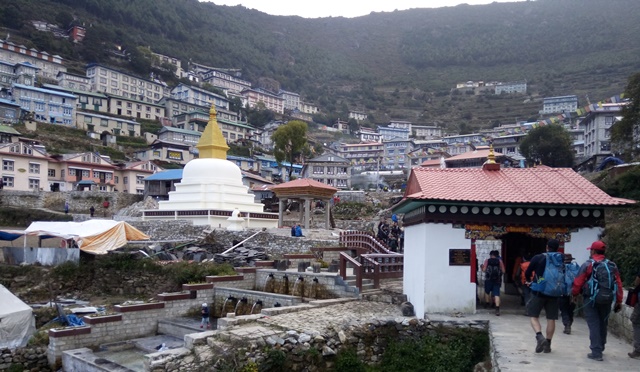
Namche Bazaar is the first major acclimatization stop on the Everest Base Camp Trek. Located at 3,440 meters (11,286 feet), it gives your body time to adjust to the thinner air before continuing to higher elevations. Spending two nights here is recommended by experienced trekking guides and high-altitude experts because it greatly improves safety and comfort.
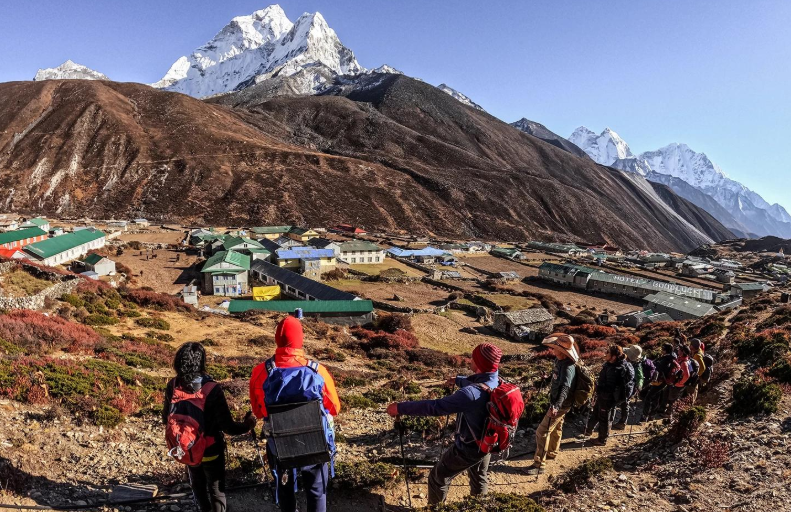
Dingboche, at 4,410 meters (14,469 feet), is the second and final acclimatization stop on the Everest Base Camp Trek. Spending two nights here helps your body adjust to the thinner air before trekking to Lobuche, Gorak Shep, and Everest Base Camp, where the altitude is much higher.
Skipping acclimatization days may save time, but it significantly increases the risk of Acute Mountain Sickness (AMS). Symptoms may include headache, dizziness, nausea, poor sleep, loss of appetite, and extreme fatigue.
If ignored, AMS can develop into serious conditions requiring immediate descent and medical treatment. Many trekkers who rush their itinerary often fail to reach Everest Base Camp because their bodies cannot adapt quickly enough.
Most mountain medicine specialists recommend gradual altitude gain once trekkers climb above 3,000 meters. Sleeping elevation should increase slowly, with regular acclimatization days built into the itinerary. This approach has been proven to reduce altitude sickness and improve success rates on high-altitude expeditions.
That is why professional trekking companies consistently include two-night stays in both Namche Bazaar and Dingboche.

Your body gradually becomes more efficient at using oxygen, making each trekking day easier and more comfortable.
Proper acclimatization dramatically reduces the chances of developing serious altitude-related illnesses.
Many trekkers notice improved energy, better sleep, and increased confidence after each acclimatization day.
Extra days allow visitors to experience Sherpa culture, monasteries, bakeries, museums, and breathtaking Himalayan viewpoints without rushing.
Maintain a comfortable pace and avoid unnecessary exhaustion.
Drink plenty of water throughout the day to help your body adjust.
Balanced meals provide the energy needed for high-altitude trekking.
Alcohol can contribute to dehydration and interfere with proper acclimatization.
Never ignore symptoms of altitude sickness. Inform your guide immediately if symptoms become worse.
Trekkers stay two nights in Namche Bazaar to allow their bodies to adjust to the higher altitude before continuing to elevations above 4,000 meters.
Dingboche is located at 4,410 meters, making it the ideal place to acclimatize before trekking to Lobuche, Gorak Shep, and Everest Base Camp.
Acclimatization is the natural process that helps your body adapt to lower oxygen levels at high altitude, reducing the risk of altitude sickness.
Yes. Everyone can experience altitude sickness, regardless of age, fitness level, or trekking experience.
It is not recommended. Skipping acclimatization increases the risk of altitude sickness and lowers your chances of completing the trek safely.
It means hiking to a higher elevation during the day and returning to a lower altitude to sleep, helping your body adapt more effectively.
Most trekkers hike to Everest View Hotel, Khumjung Village, or nearby viewpoints before returning to Namche Bazaar.
The most popular acclimatization hike is to Nangkartshang Peak, which offers excellent mountain views and helps your body adjust.
Common symptoms include headache, dizziness, nausea, loss of appetite, unusual tiredness, and difficulty sleeping.
Walk slowly, stay hydrated, eat nutritious meals, avoid alcohol, and follow the recommended acclimatization schedule.
No. Fitness improves endurance, but it does not protect you from altitude sickness. Proper acclimatization is still essential.
Yes. Drinking enough water helps prevent dehydration and supports your body’s adjustment to high altitude.
Not completely. Trekkers usually take a short hike to a higher elevation before returning to sleep at the same village.
If symptoms worsen despite rest, the safest treatment is to descend to a lower altitude and seek medical attention immediately.
Yes. Spending two nights in Namche Bazaar and Dingboche gives your body more time to adapt, making the trek safer and increasing your chances of successfully reaching Everest Base Camp.
The two-night stays in Namche Bazaar and Dingboche are among the most important parts of the Everest Base Camp Trek. They are carefully planned to help your body adapt to high altitude, reduce the risk of altitude sickness, and prepare you for the challenging days ahead. Although these extra nights may slightly extend your itinerary, they greatly increase your safety and improve your overall trekking experience. If your goal is to enjoy the journey and successfully reach Everest Base Camp, never underestimate the value of proper acclimatization.

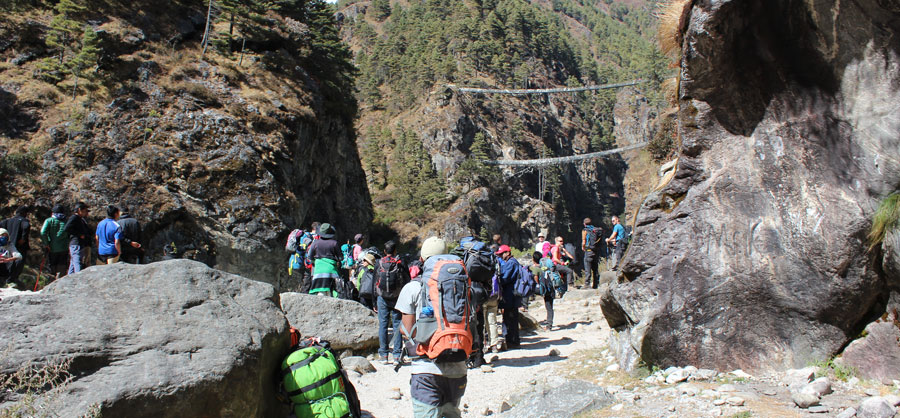

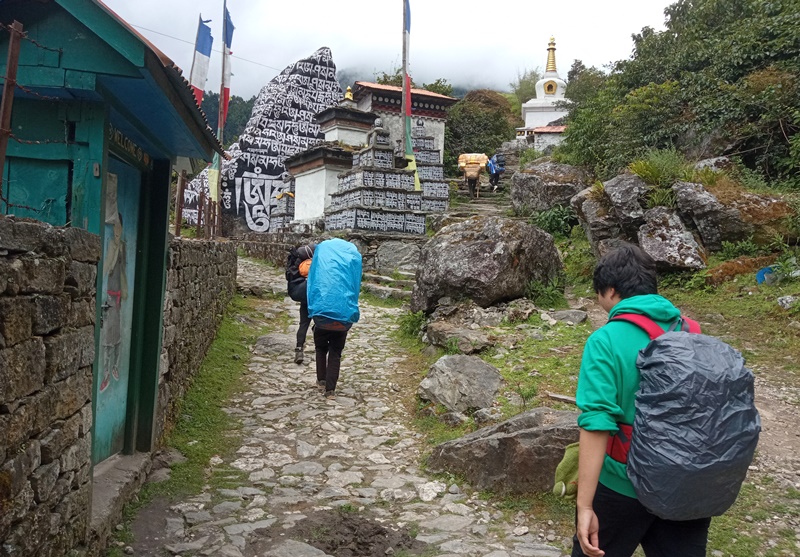

Manaslu Circuit Trek weather is more complicated than simply checking the forecast before leaving Ka
Continue Reading
The Gokyo Lakes Trek is one of the most beautiful trekking journeys in Nepal’s Everest region.
Continue Reading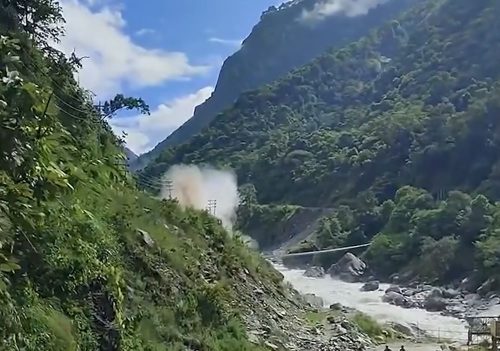
A clear and honest update for travelers planning Everest, Annapurna, Manaslu, Mustang and other popu
Continue Reading
Manang is one of the most important stops on the Annapurna Circuit Trek. After several days of walki
Continue Reading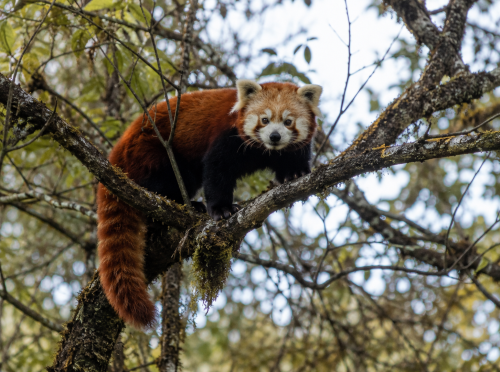
If you are wondering where to see red pandas in Nepal, the Langtang region is one of the most releva
Continue Reading
The Everest Base Camp Trek is one of the world’s most famous Himalayan adventures, but many fi
Continue Reading