

16 Feb 2026 8 min to read
Packing smart is crucial for high-altitude adventures like the Recommended Packing List for Everest 3 Passes Trek, where weather and terrain can be unpredictable. Essential clothing includes moisture-wicking base layers, insulating mid-layers, a down jacket, and a waterproof shell. Sturdy trekking boots, warm socks, gloves, and a hat are necessary for comfort and safety. A sleeping bag rated for sub-zero temperatures is vital for cold nights. Carry a 40–60L backpack, trekking poles, and a headlamp with extra batteries. Sunglasses, sunscreen, and a reusable water bottle with purification tablets are must-haves. Also pack a basic first aid kit, toiletries, snacks, important documents, cash, and a power bank.
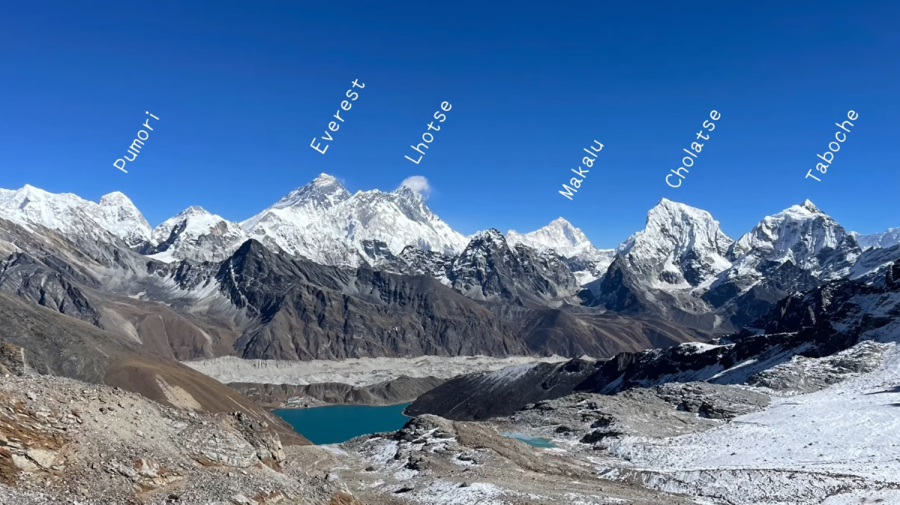
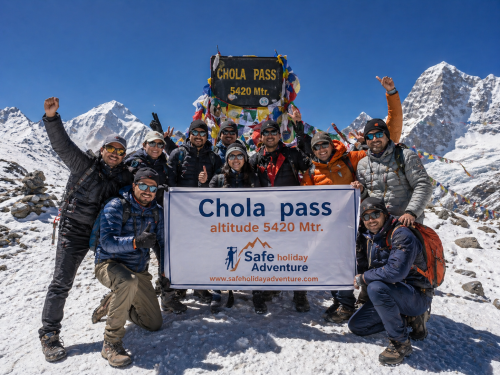
The Everest 3 Passes Trek ( Everest High Pass) is one of the most breathtaking high-altitude treks in the world. Unlike the standard Everest Base Camp trek, this route covers three challenging mountain passes: Renjo La (5,360 m), Cho La (5,420 m), and Kongma La (5,535 m). Trekkers get to experience remote villages, pristine glaciers, and some of the most spectacular Himalayan views.
However, trekking at this altitude is not easy. The weather can change suddenly, temperatures can drop below -20°C at night, and trails can be slippery with snow and ice. Choosing the right gear is critical for safety, comfort, and overall success. A smart packing list helps you tackle the terrain efficiently and enjoy every moment of this unforgettable journey.
This guide is designed to be your ultimate packing companion, covering clothing, footwear, gear, health essentials, electronics, food, and packing tips. By the end, you’ll know exactly what to bring, how to organize your backpack, and how to prepare for every possible condition on the trek.
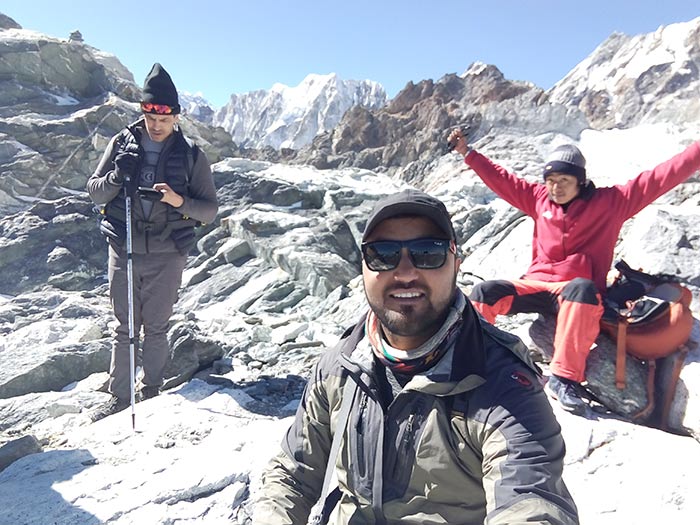
Packing isn’t just about bringing everything you own. High-altitude trekking requires careful planning and strategy. Here’s why:
High-altitude trekking is all about layering, which allows you to adapt to changing conditions. Think of it as a modular system: base layer, mid-layer, outer layer, and accessories.
The base layer is the first layer against your skin. It should wick sweat and keep you dry. Moisture accumulation can lower your body temperature quickly at high altitude.
Tips:
The mid-layer keeps you warm and traps body heat.
Tips:
The outer layer shields you from wind, rain, and snow. Waterproof and breathable gear is critical.
Tips:
Cold extremities can ruin your trek. Accessories are as important as the main clothing layers.
Tips:
Tip: Adjust layering every 30–60 minutes depending on heart rate, sun, and wind.
Your feet carry you through the entire trek. Improper footwear leads to blisters, cold feet, and injuries.
Tips:
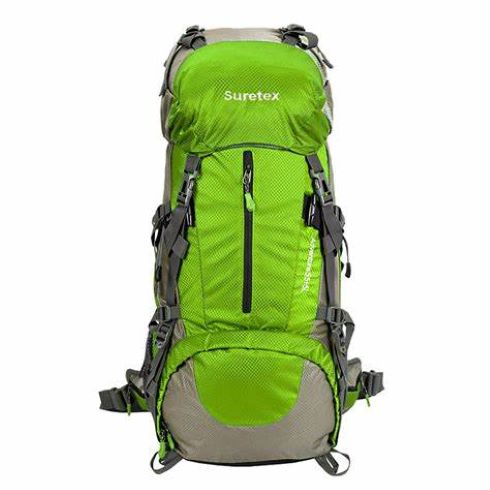
Trekking in the Everest region requires two types of bags: a main backpack and a daypack.
Packing Tips:
Even if you’re staying in tea houses, nights are freezing. For independent trekkers, camping gear is mandatory.
Tips:
Altitude and cold make safety gear vital.
Tips:
Trekking poles are essential for steep ascents, descents, and slippery passes.
Tips:
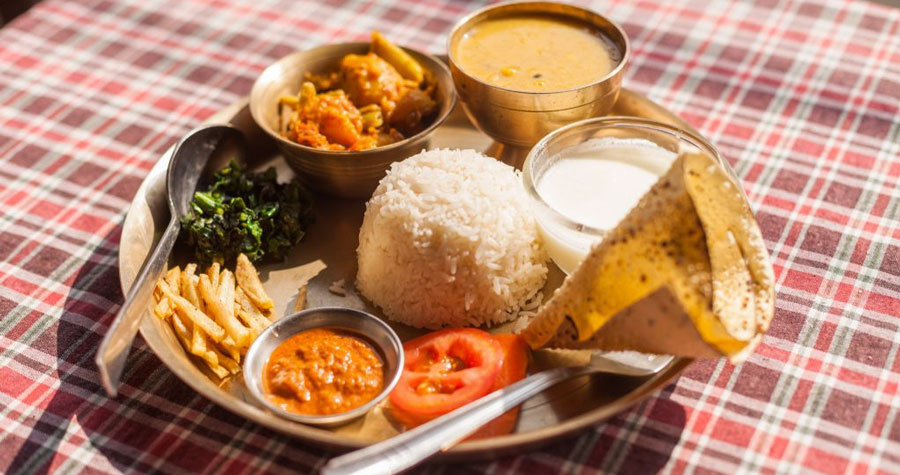
Nutrition and hydration are critical. High altitudes burn more calories and increase dehydration risk.
Tips:
Capturing memories is important, but cold drains batteries quickly.
Tips:
Tip: Pack for comfort first, style second.
| Category | Items |
|---|---|
| Base Layer | Thermal top & bottom, moisture-wicking socks |
| Mid Layer | Fleece jacket, down vest, insulating pants |
| Outer Layer | Waterproof jacket, pants, windproof shell |
| Accessories | Hat, gloves, scarf, balaclava, sunglasses |
| Footwear | Trekking boots, gaiters, extra socks |
| Backpack | Main backpack, daypack, waterproof cover |
| Camping | Sleeping bag, mat, tent, pillow |
| Health | First aid kit, medications, sunscreen, lip balm |
| Trekking | Poles, ice axe, headlamp, water bottles |
| Food | Snacks, thermos, water purifier, electrolytes |
| Electronics | Camera, power bank, GPS, chargers |
The Everest 3 Passes Trek is challenging but life-changing. With careful packing and preparation, you can focus on the breathtaking landscapes, Himalayan peaks, and unique Sherpa culture, rather than worrying about cold, hunger, or missing gear.
Remember: lightweight, layered, and practical packing is the key. This guide gives you everything from base layers to emergency gear, helping you trek confidently and safely.


Most people walk to Everest Base Camp and then walk back down the same valley. The Three Passes Trek
Continue Reading
There is a moment on every Everest trek when your legs have an opinion. For most people, it arrives
Continue Reading
If you are asking how difficult the Everest Three Passes Trek is, the honest answer is this: it is t
Continue Reading
My name is Peng Chang, and I travelled to Nepal from Malaysia with a small group of friends. Before
Continue Reading
In this story Why I Chose Everest Base Camp My name is Chyling, and I come from Malaysia, a country
Continue Reading
Ask anyone who has finished the Annapurna Circuit which day they remember most, and the answer is al
Continue Reading