
27 Aug 2025 7 min to read
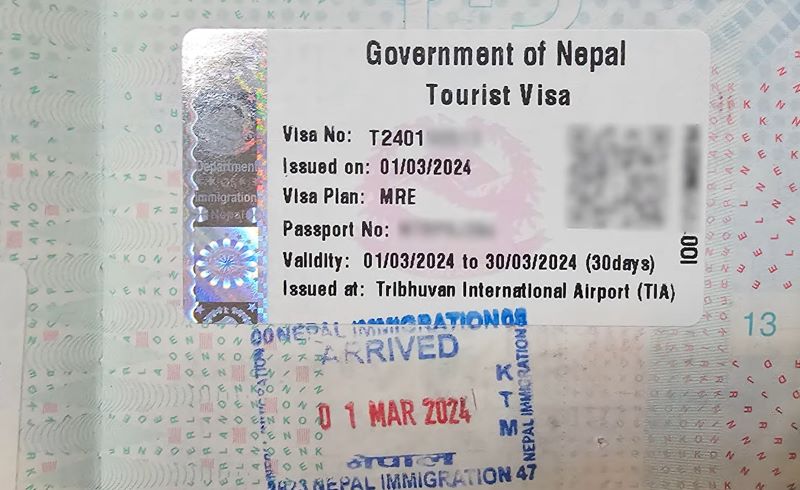
Nepal, the land of towering mountains, ancient temples, and vibrant culture, is a dream destination for travelers. Whether you are planning to trek to the Everest Base Camp, explore the Annapurna region, or immerse yourself in the spirituality of Kathmandu and Lumbini, the first step is understanding Nepal’s visa system. This guide provides a complete overview of Nepal visas, covering eligibility, visa types, fees, application procedures, practical tips, and common mistakes to avoid.
Most travelers entering Nepal need a visa. The only exception is Indian nationals, who can enter freely with a valid passport or voter ID.
All other foreign visitors are required to obtain a visa before entering Nepal. Fortunately, the country offers a traveler-friendly visa system, allowing most visitors to conveniently obtain a visa on arrival at major airports and land border crossings.
This streamlined process makes Nepal one of the most accessible and welcoming destinations for travelers. Knowing the visa requirements in advance will save time, reduce stress, and make your first steps into Nepal smooth and hassle-free.
Nepal offers several visa types depending on your purpose of visit. Here are the main ones:
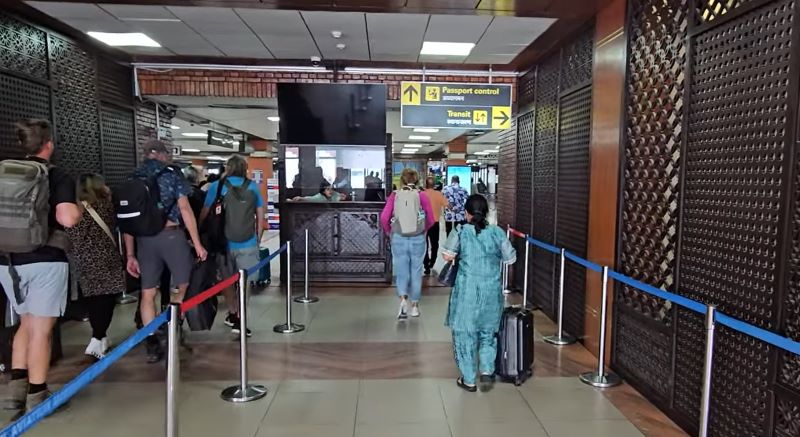
One of the best things about Nepal is its Visa on Arrival system, which makes it easy for travelers to get a visa without visiting an embassy in advance.
On arrival at a land border, the process is similar. It might take a little longer depending on traffic, so allow extra time if you are crossing by land.
Duration and Fee (USD):
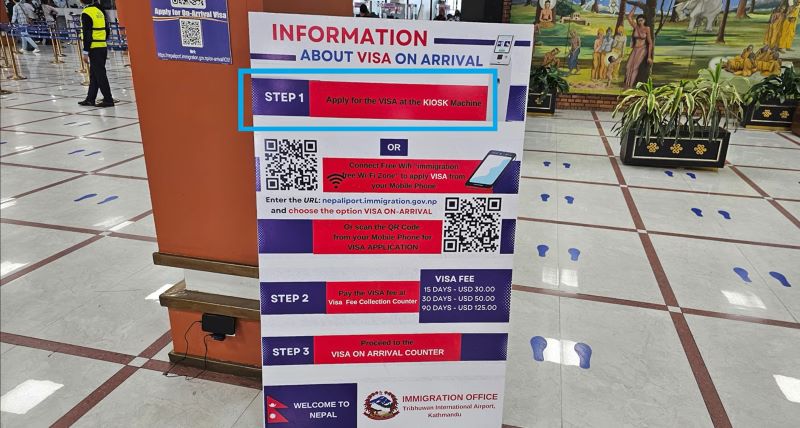
Nepal also offers an online application system to save time. Here’s how:
The online visa is valid 15 days after submission. Using the online system can reduce waiting time at the airport.
If you plan to stay longer than your visa allows, you can extend your visa easily:
Tip: Avoid overstaying. Overstay fines can add up quickly and cause complications for future travel.
Always double-check before traveling, as rules may change.
Q1: Can I get a Nepal visa on arrival?
Yes, most travelers can obtain a tourist visa on arrival at airports or land borders.
Q2: How long is the tourist visa valid?
You can choose 15, 30, or 90 days. Extensions are possible inside Nepal.
Q3: Can I pay with a credit card?
Cash is preferred. Some airports may accept cards, but USD cash is safest.
Q4: How do I extend my visa?
Submit your documents and fees in person at the immigration office in Kathmandu or Pokhara.
Q5: Are there any visa exemptions?
Yes, Indian nationals, children under 10, SAARC countries, and some Chinese travelers.
Q6: What happens if I overstay my visa?
You must pay fines ($5/day) plus additional penalties if you exceed 150 days.
Q7: Can I apply for a Nepal visa before arrival?
Yes, you can use the online application system to save time at the airport.
Q8: Do I need a photo for a visa on arrival?
Yes, bring one or two passport-size photos, though some counters may take a photo digitally.
Q9: Can I use a tourist visa for work or volunteering?
No, a tourist visa is strictly for sightseeing and leisure activities.
Q10: Can I get a multiple-entry tourist visa?
Yes, multiple-entry tourist visas are available, which are especially convenient for travelers planning visits to neighboring countries such as India or Tibet.
Nepal offers a simple and affordable visa system, making travel hassle-free. Most visitors can obtain a visa on arrival without visiting an embassy, while the online application option provides a quicker, more convenient alternative. Being familiar with visa types, fees, extensions, and regulations ensures your journey starts smoothly and stress-free.
Once your visa is secured, you’re ready to experience Nepal’s breathtaking mountains, historic temples, rich culture, and renowned hospitality. Whether trekking through the Himalayas, relaxing by the serene lakes of Pokhara, or discovering the heritage of Kathmandu, your adventure begins the moment your visa is stamped.
Nepal truly welcomes travelers with open arms, making it one of the most accessible countries for adventure and culture.
There is a moment on every Everest trek when your legs have an opinion. For most people, it arrives
Continue Reading
If you are asking how difficult the Everest Three Passes Trek is, the honest answer is this: it is t
Continue Reading
My name is Peng Chang, and I travelled to Nepal from Malaysia with a small group of friends. Before
Continue Reading
In this story Why I Chose Everest Base Camp My name is Chyling, and I come from Malaysia, a country
Continue Reading
Ask anyone who has finished the Annapurna Circuit which day they remember most, and the answer is al
Continue Reading
Introduction Kathmandu doesn’t ease you in. You step out of the airport into a chorus of horns
Continue Reading