

2 Feb 2024 17 min to read
The Manaslu Circuit Trek cost starts at just USD 895 per person with Safe Holiday Adventure Pvt. Ltd., making this remote Himalayan route more affordable than many travelers expect. Over 14 days, you walk from Kathmandu into the Budhi Gandaki valley, passing waterfalls, forests, suspension bridges, and Tibetan-style villages, before crossing the 5,160 m Larkya La Pass beneath the world’s eighth-highest peak.
The route is quieter than the Annapurna and Everest trails. You spend nights in teahouses, stop in Samagaon to meet its Buddhist community, and wake up each morning to new mountain views. Your price includes your restricted area permits, a licensed guide, and the main trail costs, so there are few surprises.
Prices change with group size, with a lower rate per person for larger groups and a fair price for solo travelers. Read on for the full cost breakdown, what is included, and tips to save money.
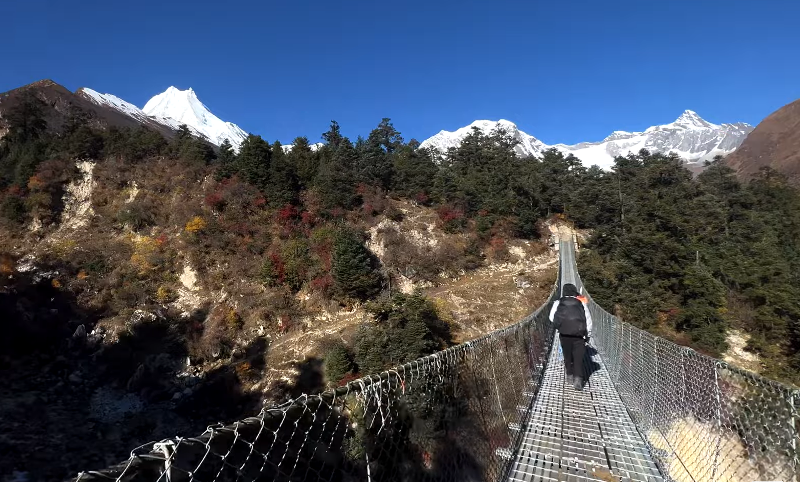
Explore the breathtaking Manaslu Circuit with a Safe Holiday Adventure at competitive prices. Our costs are designed to accommodate varying group sizes, ensuring an unforgettable journey with value for money.
👉 1 Person: USD 1150 per person
👉 2 to 3 Persons: USD 995 per person
👉 4 to 5 Persons: USD 895 per person
👉 6 to 10 Persons: USD 875 per person
For groups larger than 10, contact us on WhatsApp +977 9849116284) for a special group offer.
Day 01: Arrival in Kathmandu (1,400 m)
Welcome to Nepal! Our representative meets you at Tribhuvan International Airport and drives you to your hotel. After you freshen up, rest or stroll through the lively streets of Thamel. In the evening, you meet your licensed trekking guide for a full briefing. They explain the route, daily walking times, altitude safety, and what to pack, and they check your gear. If you need anything, such as a sleeping bag, jacket, or trekking poles, you can rent or buy it in Kathmandu today.
Overnight: Hotel in Kathmandu
Day 02: Drive from Kathmandu to Soti Khola (700 m)
Drive time: 8 to 9 hours
Leave early in the morning and follow the highway out of the Kathmandu Valley toward Dhading Besi. From there, the road turns onto a rough track beside the Budhi Gandaki River, passing Arughat and small bazaars. Along the way, you see green hills, rice terraces, and villages hanging on the slopes. The road is bumpy, but the views keep you busy. By late afternoon, you arrive in Soti Khola, a quiet riverside village where the trek begins tomorrow.
Overnight: Teahouse in Soti Khola
Day 03: Trek from Soti Khola to Machha Khola (870 m)
Trek time: 6 to 7 hours
Your first walking day starts gently. After breakfast, cross the suspension bridge and follow the Budhi Gandaki through sal forest and terraced fields. The trail rises and falls past the Gurung villages of Lapubesi and Khursane, where waterfalls tumble beside the path. You cross the river several times on bridges and pass small tea houses. In the afternoon, you reach Machha Khola, a village whose name means “fish stream.” Rest your feet and enjoy dinner by the river.
Overnight: Teahouse in Machha Khola
Day 04: Trek from Machha Khola to Jagat (1,410 m)
Trek time: 6 to 7 hours
The trail crosses side streams and passes through bamboo forest and rocky sections cut into the cliffside. After Khorlabesi, you reach Tatopani, a natural hot spring beside the trail. It is a perfect place to rest and soak your tired feet. Continue past Doban and Yaruphant, climbing a narrow gorge with the river roaring below. You finish the day in Jagat, a tidy stone village that was once a trading post. Your permits are checked here, and the valley feels wilder from now on.
Overnight: Teahouse in Jagat
Day 05: Trek from Jagat to Deng (1,860 m)
Trek time: 6 to 7 hours
Start with a climb on stone steps, then follow the trail through Salleri and Sirdibas. Soon you reach Philim, a large Gurung village with wide terraced fields of corn and millet. This is a good place for a tea break and a look around. Beyond Philim, the valley becomes a narrow gorge, and the path goes through bamboo and pine forest. After crossing the river, you climb to Deng, a small settlement with mountain views around you. From here, you are truly entering the high Himalaya.
Overnight: Teahouse in Deng
Day 06: Trek from Deng to Namrung (2,630 m)
Trek time: 6 to 7 hours
Today you cross the Budhi Gandaki twice and climb through thick forest to Bihi and Ghap. The culture changes along the way, with mani walls, prayer flags, and chortens on the trail, showing the strong Tibetan influence. Walk past the mani walls with the stone on your left, as is the local custom. After Lihi and Sho, you reach Namrung, a cool village with a view of Siringi Himal and Ganesh Himal on clear days. The air is thinner now, so drink plenty of water.
Overnight: Teahouse in Namrung
Day 07: Trek from Namrung to Samagaon (3,530 m)
Trek time: 5 to 6 hours
This is one of the most beautiful days of the trek. Climb through alpine forest of fir and rhododendron to Lho, where Manaslu (8,163 m) suddenly appears above the village. Visit the monastery if time permits. The trail continues through Shyala, with Himalchuli and Ngadi Chuli visible, and then reaches Samagaon, a large Buddhist village with stone houses, yak herds, and ancient monasteries. It is the heart of the Manaslu region.
Overnight: Teahouse in Samagaon
Day 08: Acclimatization Day in Samagaon
Rest day, but not a lazy one. To help your body adjust, take a short hike to Pungyen Gompa or Birendra Lake. The hike is steep in places, so go slowly. From the top, you see Manaslu and its glacier close up, with the village far below. Return to Samagaon for lunch, then spend the afternoon visiting the monastery, talking with villagers, and trying local butter tea. Rest, drink plenty of water, and prepare for the higher days ahead.
Overnight: Teahouse in Samagaon
Day 09: Trek from Samagaon to Samdo (3,860 m)
Trek time: 3 to 4 hours
A short day, so you can acclimatize. Leave Samagaon and walk along the Budhi Gandaki on a gentle trail, with trees getting smaller as you climb. You pass long mani walls and yak pastures before crossing a wooden bridge to Samdo. This Tibetan-style village sits close to the Tibetan border, with views of Manaslu North and Samdo Peak. Spend the afternoon resting, or take a short walk above the village to help your body adjust.
Overnight: Teahouse in Samdo
Day 10: Trek from Samdo to Dharamsala (4,460 m)
Trek time: 3 to 4 hours
Today you leave the last trees behind. Cross a wooden bridge over the Budhi Gandaki and walk on an open trail through barren, rocky land, with glaciers and snow peaks around you. Dharamsala (also called Larkya Phedi) is a small camp with simple lodges at the foot of the pass. Rest here, eat well, and go to bed early. Tomorrow is the biggest day of the trek, so your guide will check how everyone feels.
Overnight: Teahouse in Dharamsala
Day 11: Cross Larkya La Pass (5,160 m) to Bimthang (3,720 m)
Trek time: 9 to 10 hours
This is the highlight of the whole journey. Wake up around 3 a.m., eat a warm breakfast, and set off with headlamps and warm layers. The trail climbs steadily across moraine and snowfields, and the cold is sharp before sunrise. After 4 to 5 hours, you reach Larkya La Pass, marked by colorful prayer flags. On a clear day, you see Manaslu, Himlung Himal, Cheo Himal, and Annapurna II. Take photos and rest briefly, as it is cold and windy. The descent is long and steep over loose stones, ending in the green meadows of Bimthang.
Overnight: Teahouse in Bimthang
Day 12: Trek from Bimthang to Dharapani (1,860 m)
Trek time: 6 to 7 hours
After the big pass, today is a relief. Walk through rhododendron and pine forest, crossing streams on the way down to Gho, Tilije, and Thonje. The air gets warmer and thicker, and you see orchards, farms, and waterfalls. You then reach Dharapani, a busy village on the Annapurna Circuit. Celebrate your crossing of Larkya La with your team over a hot dinner.
Overnight: Teahouse in Dharapani
Day 13: Drive from Dharapani to Besisahar and on to Kathmandu
Drive time: 9 to 10 hours
Take a jeep down the Marsyangdi valley to Besisahar, passing waterfalls, terraced hills, and small bazaars. From Besisahar, continue on the highway beside the Trishuli and Marsyangdi rivers to Kathmandu. It is a long ride, but you arrive in the evening to a hot shower, a comfortable bed, and a farewell dinner with your guide.
Overnight: Hotel in Kathmandu
Day 14: Final departure
Our representative drives you to Tribhuvan International Airport, three hours before your flight. If you have extra time, you can add a Kathmandu city tour or a short trip to Pokhara or Chitwan.
The best time for the Manaslu Circuit Trek is autumn (September to November) and spring (March to May). Autumn is the most popular season. After the monsoon, the skies are clear and the air is crisp, and October gives the sharpest mountain views. Spring brings warmer days, blooming rhododendron forests, and good visibility, although afternoon clouds are common.
Other seasons are harder. Winter (December to February) is very cold, and snow can block Larkya La Pass (5,160 m). The monsoon (June to August) brings heavy rain, landslides, and cloudy skies. If you want fewer trekkers, choose late March or early November, when the weather is still stable.
Yes. The Manaslu Circuit Trek passes through a restricted area of Nepal, so you cannot start without the right permits. You need three:
Restricted area rules also require you to walk with a licensed guide, so solo trekking is not allowed. Safe Holiday Adventure Pvt. Ltd. arranges all three permits for you. You only need to send a passport copy and a few photos before your trek.

The Manaslu Trek package includes pick-up/drop-off, permits, a a 2-night Kathmandu hotel stay, meals during the trek, accommodation, a guide, a porter, and local transportation. If paid in total, there are no hidden costs; however, personal expenses, international flight, travel insurance, Nepal entry visa, bar bills, and tips are not included. Verify details with your trekking agency for a transparent experience.
In Kathmandu
Permits
On the trek
Your team
Travel and visa
Insurance and safety
Kathmandu
Personal expenses
Tips
It’s crucial for trekkers to review what is included and not included carefully, and to ask any additional questions for clarity. Additionally, confirming these details with the trekking agency or tour operator is good practice before finalizing the booking.
Certainly! Here’s a breakdown of the costs for the Manaslu Circuit Trek:
Permits:
Guide Services:
Accommodation:
Meals:
Cost per Meal: $5-10 (varies)
Please note that these are approximate costs and can vary based on factors such as the trekking agency, specific accommodations, and meal preferences.
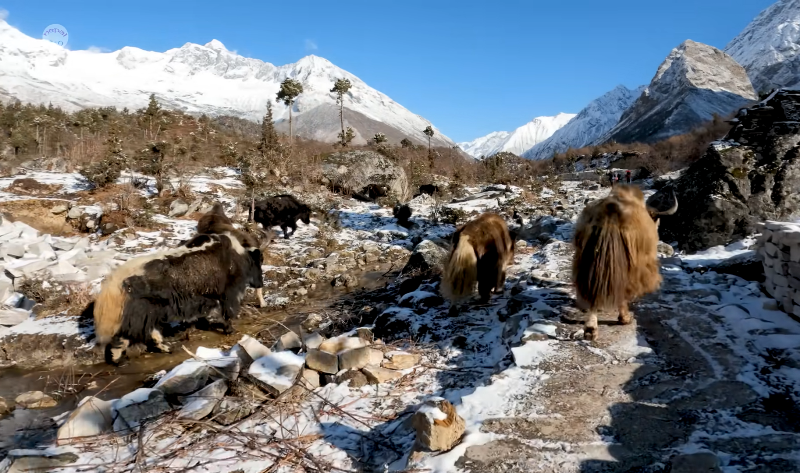
The Manaslu Circuit Trek generally doesn’t have significant price differences between peak and off-peak seasons. The main variation lies in the cost of the Especial Permit, which is $30 higher during the spring season compared to the autumn season. However, other costs for food, accommodation, and transportation remain relatively consistent throughout the year.
Yes, the Manaslu Trek itinerary can be customized. Most trekking companies adjust it to match your fitness, schedule, and budget. You can add rest days at Samagaun for better acclimatization, take a side trip to Birendra Lake or Pungyen Gompa, or add an extra day before crossing Larkya La Pass (5,160 m). If you are short on time, a faster itinerary with fewer days is also possible. You can also add the Tsum Valley extension, or end the trek at Dharapani and continue to the Annapurna region.
Customization does affect the cost. Every extra day adds to guide, porter, food, and lodging expenses, so a longer trek costs more. A shorter trek costs less, but it gives you less time to acclimatize and raises the risk of altitude sickness. Upgrades such as private transport, a private jeep, or better lodging in Kathmandu also increase the price. Extensions need extra permits, such as the Tsum Valley permit, which add to the total.
In short, a flexible itinerary lets you trek at your own pace, and the final price depends on the number of days and the services you choose.
The total cost for Manaslu trekking typically ranges from $900 to $1300 on average. The cost varies depending on factors such as the type of accommodation desired in Kathmandu, the number of Guides and Porters, and the services included in the trek package. It’s important to consider individual preferences and requirements when determining the specific costs within this range.
Certainly, the choice of a trekking agency significantly influences the overall cost of the Manaslu trek. With numerous agencies available, larger travel agencies often command higher prices, reflecting their extensive resources and established reputation. In contrast, smaller agencies like Safe Holiday Adventure provide reasonable and affordable options. These smaller agencies may offer more personalized experiences while keeping costs competitive. Therefore, travelers must weigh their preferences for service quality, group size, and budget constraints when selecting an agency. The diverse options cater to different needs, ensuring a tailored experience for trekkers exploring the breathtaking Manaslu region.
The Manaslu Circuit Trek in October and November is indeed considered one of the best times to embark on this adventure. During these months, the weather is generally stable, offering clear skies, moderate temperatures, and stunning views of the surrounding landscapes.
Weather:
October and November are part of the autumn season in the Himalayas. The temperatures are mild and comfortable, making them ideal for trekking.
Daytime temperatures range from 10 to 20 degrees Celsius (50 to 68 degrees Fahrenheit), and nighttime temperatures can drop, especially at higher elevations.
Clear Skies and Views:
The skies are usually clear during this period, providing unobstructed views of the majestic Manaslu Range, including Mount Manaslu, the eighth highest peak in the world (8,163 meters or 26,781 feet).
The visibility is excellent, allowing trekkers to fully appreciate the beauty of the diverse landscapes, including lush forests, terraced fields, and traditional villages.
Flora and Fauna:
The autumn season brings vibrant colors to the region as the foliage changes, creating a picturesque setting.
Wildlife is more active during this time, and you may be able to spot various species of birds and animals along the trail.
Cultural Experiences:
October and November are also favorable for cultural experiences, as the local festivals and celebrations are in full swing. You may get the chance to witness traditional ceremonies and interact with the friendly locals.
Teahouse Accommodations:
Teahouses along the Manaslu Circuit are generally open and well-prepared for trekkers during this peak season. During this time, you can enjoy comfortable accommodations and warm meals at the end of each day.
Moderate Trekking Conditions:
The trekking trails are in good condition, and river crossings are usually manageable. With stable weather conditions, the overall trekking experience is more enjoyable.
Permit Information:
It’s important to note that a special permit is required for the Manaslu Circuit Trek, and trekking during October and November ensures that you make the most of this investment by experiencing the best weather conditions.
Overall, October and November offer an excellent window of opportunity for the Manaslu Circuit Trek. They combine comfortable weather, breathtaking scenery, and cultural richness, making it a truly memorable experience for trekkers.
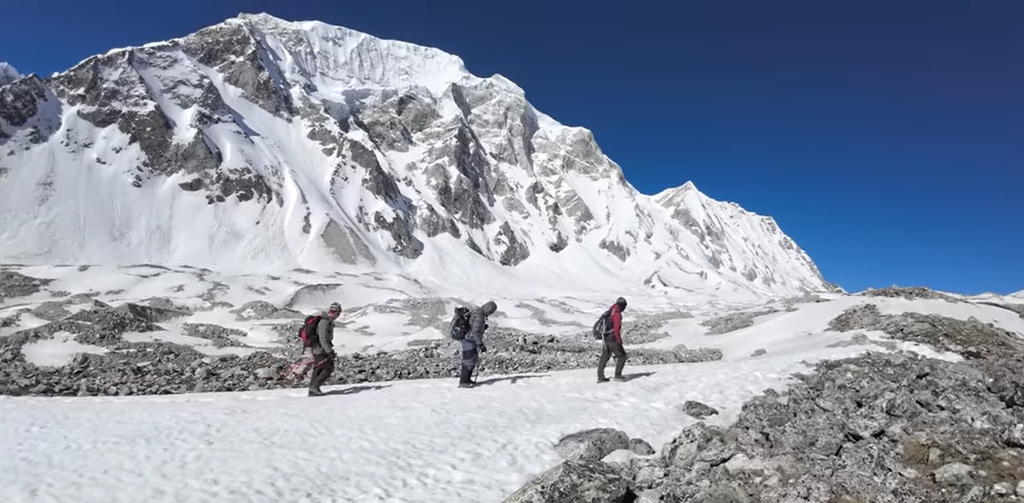
Trekking the Manaslu Circuit during March, April, and May also offers a unique and rewarding experience, but it comes with its own set of characteristics and considerations compared to the autumn season. Here’s what you can expect during these months:
Spring Season:
March, April, and May are the spring months in the Himalayas. The temperatures start to rise, and the environment gradually comes alive with blooming flowers and lush greenery.
Weather:
March can still have remnants of winter, with cooler temperatures and occasional snow at higher elevations. As April and May progress, temperatures become more moderate, ranging from 10 to 25 degrees Celsius (50 to 77 degrees Fahrenheit) during the day.
Flora and Fauna:
Spring is a beautiful time to trek in the Manaslu region. The landscape is adorned with colorful rhododendron blooms, making the scenery even more picturesque.
Wildlife is also active during this season, and you might encounter various species of birds and animals along the trail.
Cultural Experiences:
Similar to the autumn months, you may have the opportunity to witness local festivals and cultural events, providing insights into the traditions of the region.
Trail Conditions:
March may still have remnants of snow, especially at higher altitudes, making trekking conditions more challenging. However, as April and May progress, snow levels decrease, making the trails more accessible.
The trails are generally less crowded compared to the peak autumn season, allowing for a quieter and more intimate trekking experience.
Teahouse Accommodations:
Teahouses along the Manaslu Circuit are open during these months, but it’s advisable to check for availability and make reservations, especially in popular trekking spots.
Permit Information:
The Manaslu Circuit requires special permits, and these are available throughout the spring season. The permit process remains the same, offering flexibility for trekkers during these months.
In summary, trekking the Manaslu Circuit in March, April, and May provides a different experience compared to the autumn season. While you may encounter cooler temperatures and some remnants of winter in March, the blossoming landscapes and quieter trails make it a rewarding adventure, especially as April and May bring milder weather and vibrant flora. It’s essential to be prepared for varying trail conditions and to check the specific weather forecasts for your trekking dates.

You may like to get more information about Manaslu Trekking:

My name is Peng Chang, and I travelled to Nepal from Malaysia with a small group of friends. Before
Continue Reading
In this story Why I Chose Everest Base Camp My name is Chyling, and I come from Malaysia, a country
Continue Reading
Ask anyone who has finished the Annapurna Circuit which day they remember most, and the answer is al
Continue Reading
Introduction Kathmandu doesn’t ease you in. You step out of the airport into a chorus of horns
Continue Reading
Every Everest Base Camp trekking package includes a line item for “guide” and “por
Continue Reading
Understanding Everest Base Camp Trek Permits Cost is one of the first things every Everest Region tr
Continue Reading