

25 Jul 2026 9 min to read
Every trekking season, thousands of travelers arrive in Nepal with the dream of reaching Everest Base Camp. Some spend months preparing while others book their adventure with little planning. After guiding trekkers from around the world, I have noticed that many people make the same mistakes regardless of age, nationality, or fitness level.
The good news is that most of these mistakes are completely avoidable. Understanding them before your trek can improve your safety, comfort, and overall experience on one of the world’s most famous trekking routes.
In this guide, I share the 15 most common Everest Base Camp Trek mistakes I see every season and how you can avoid them.
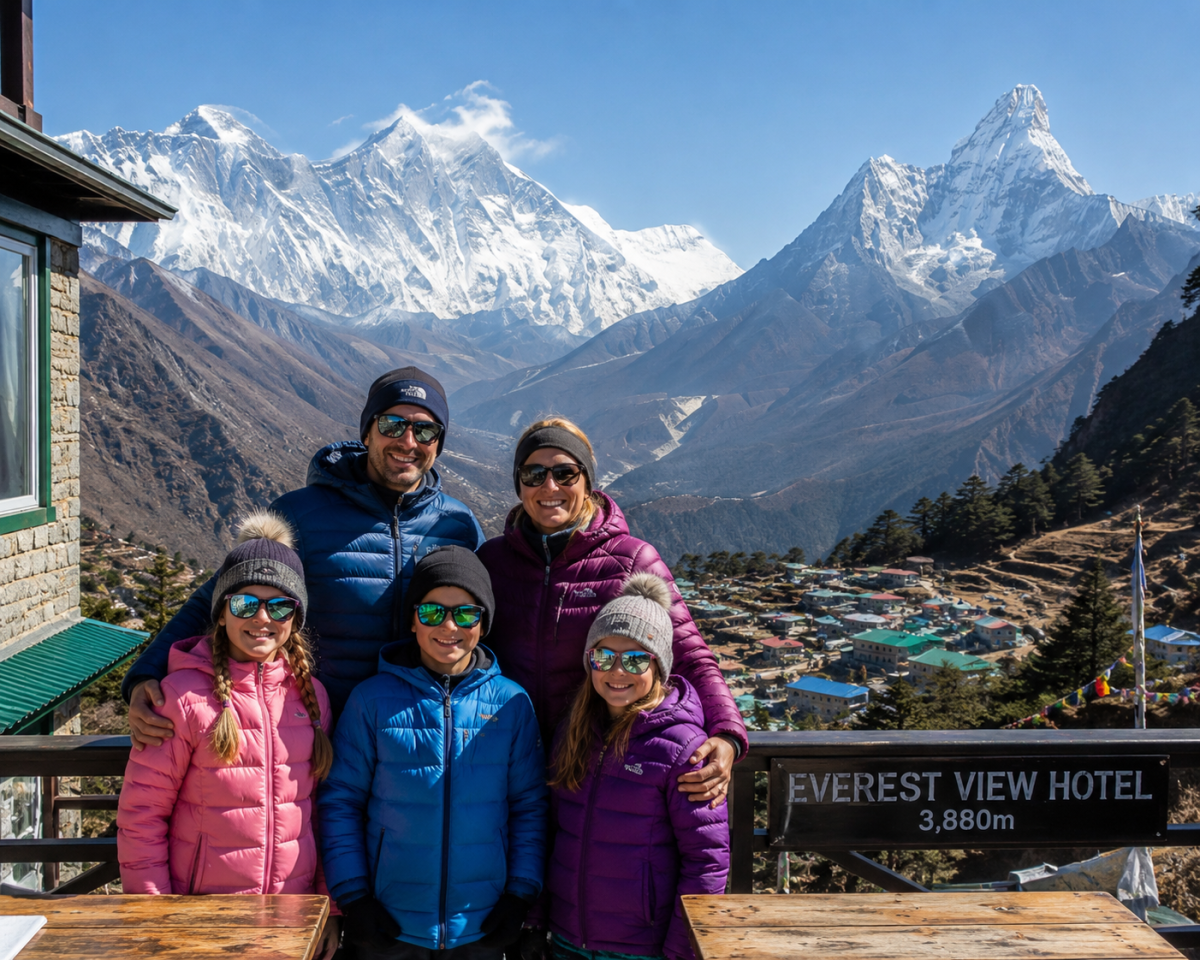
The Everest Base Camp Trek is not technically difficult, but it does involve multiple days of hiking at high altitude. Success depends more on proper preparation, pacing, and decision-making than athletic ability alone.
Many trekkers who fail to reach Base Camp are not lacking fitness. Instead, they underestimate the importance of acclimatization, hydration, and patience.
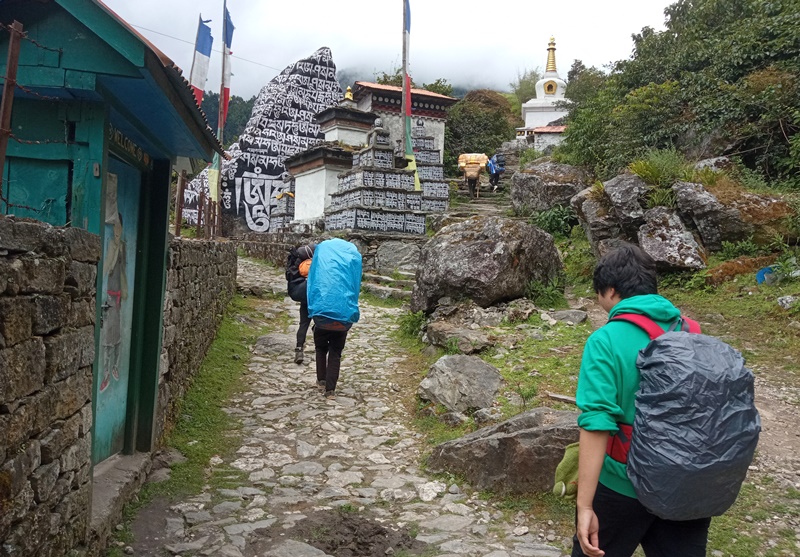
One of the biggest mistakes I see is trekkers trying to move too quickly from the beginning. The excitement of being in the Himalayas often encourages people to push harder than necessary.
The Everest Base Camp Trek is a gradual journey. Walking slowly helps conserve energy and allows your body to adjust naturally to increasing altitude.
Many first-time trekkers see acclimatization days as wasted time. In reality, these days are essential for altitude adaptation.
Locations such as Namche Bazaar and Dingboche are carefully included in itineraries for a reason. Proper acclimatization dramatically reduces the risk of altitude sickness and improves your chances of successfully reaching Base Camp.
Heavy backpacks are common on the Everest trail. Many trekkers bring far more clothing and equipment than they actually need.
Packing light improves comfort, reduces fatigue, and makes daily trekking far more enjoyable.
New boots may look great, but Everest Base Camp is not the place to break them in.
Poorly adjusted footwear can cause painful blisters and foot injuries. Always wear your trekking boots on several practice hikes before arriving in Nepal.
Weather in the Everest region can change rapidly.
A sunny morning may become windy and cold within a few hours. Trekkers who rely on a single jacket or clothing layer often find themselves uncomfortable.
Layered clothing remains the best strategy for Everest trekking conditions.
Dehydration is one of the most overlooked challenges on the Everest Base Camp Trek.
Cold temperatures reduce thirst, but your body still requires significant hydration at altitude. Drinking sufficient water helps maintain energy levels and supports acclimatization.
Many trekkers become obsessed with the final destination.
However, the journey itself contains some of the most memorable experiences. Traditional Sherpa villages, ancient monasteries, suspension bridges, and mountain scenery create memories that often last longer than the Base Camp photo itself.
Every person’s body reacts differently to altitude.
Some people walk quickly and adapt easily, while others require more time. Comparing your pace or performance to other trekkers can create unnecessary pressure.
Always focus on your own progress and listen to your body.
The Everest region is much more than mountains.
The local Sherpa communities have unique traditions, history, and cultural practices that enrich the trekking experience. Taking time to learn about local culture creates a deeper connection to the region.
Many people assume that being physically fit guarantees success at altitude.
Unfortunately, altitude sickness does not discriminate. Even experienced athletes can develop symptoms if they ascend too quickly.
Respecting altitude is far more important than relying on fitness alone.
Social media often creates unrealistic expectations.
Not every day will feature blue skies and perfect mountain views. Clouds, wind, and changing weather are part of the Himalayan experience.
Trekkers who embrace these realities tend to enjoy the journey much more.
Emergency situations can happen unexpectedly in remote mountain environments.
Travel insurance that covers high-altitude trekking and helicopter evacuation provides valuable protection and peace of mind.
Internet access is now available in much of the Everest region.
While staying connected can be useful, constantly checking messages and social media can distract from the incredible environment around you.
Some of the best Everest memories happen when you disconnect and fully experience the mountains.
Guides, porters, and lodge owners spend their lives in the Himalayas.
Their experience with weather, trail conditions, and altitude is invaluable. Listening to local advice often leads to safer and more enjoyable trekking experiences.
This may be the most important lesson of all.
While reaching Everest Base Camp is a remarkable achievement, most trekkers remember many other moments just as clearly. Sunrise views, local friendships, cultural encounters, and mountain landscapes often become the true highlights of the journey.
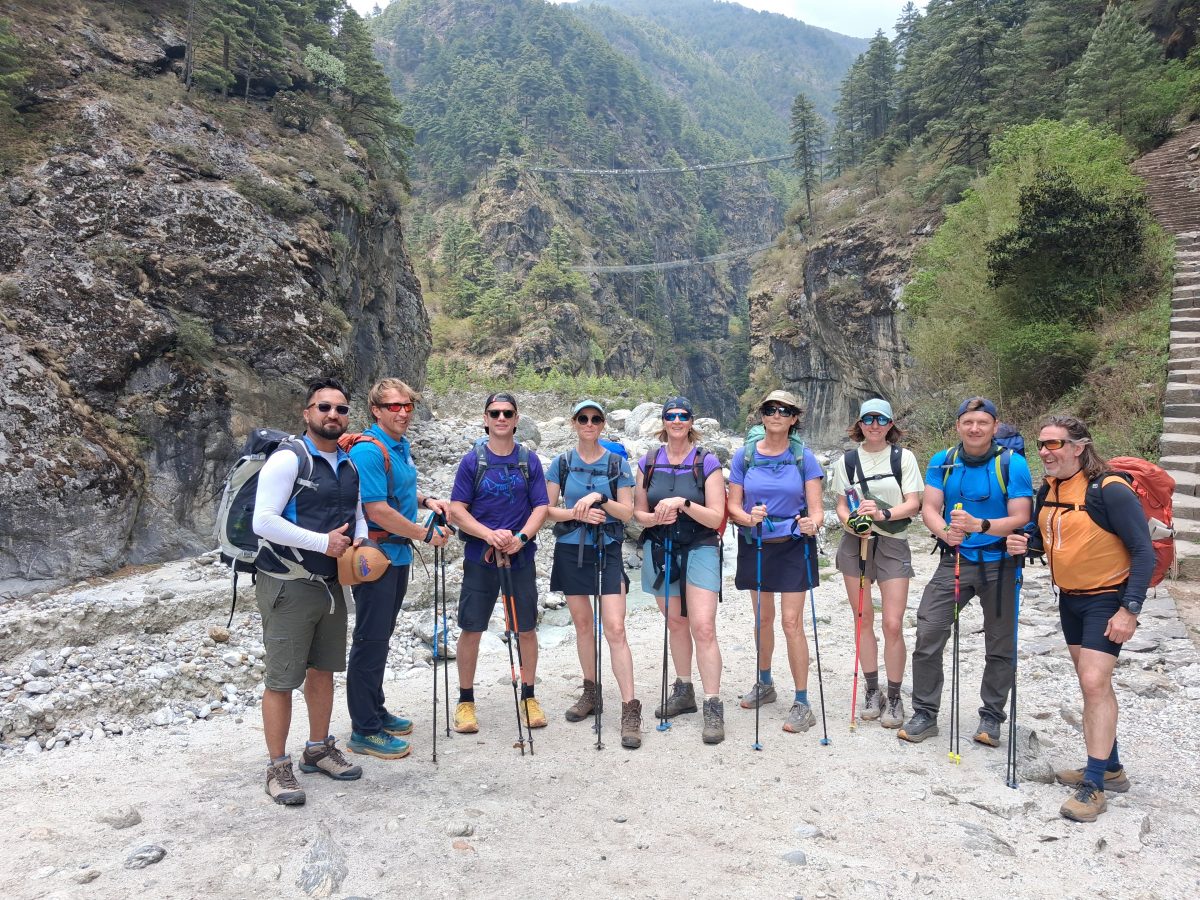
Successful trekkers understand that acclimatization is not optional. They follow their itinerary and allow their bodies sufficient time to adapt.
Rather than rushing, experienced trekkers maintain a steady rhythm throughout the journey.
They bring only the essentials and avoid carrying unnecessary weight.
Weather conditions and mountain environments can change quickly. Adaptability is one of the most valuable trekking skills.
The most satisfied trekkers appreciate every part of the experience rather than focusing solely on the finish line.
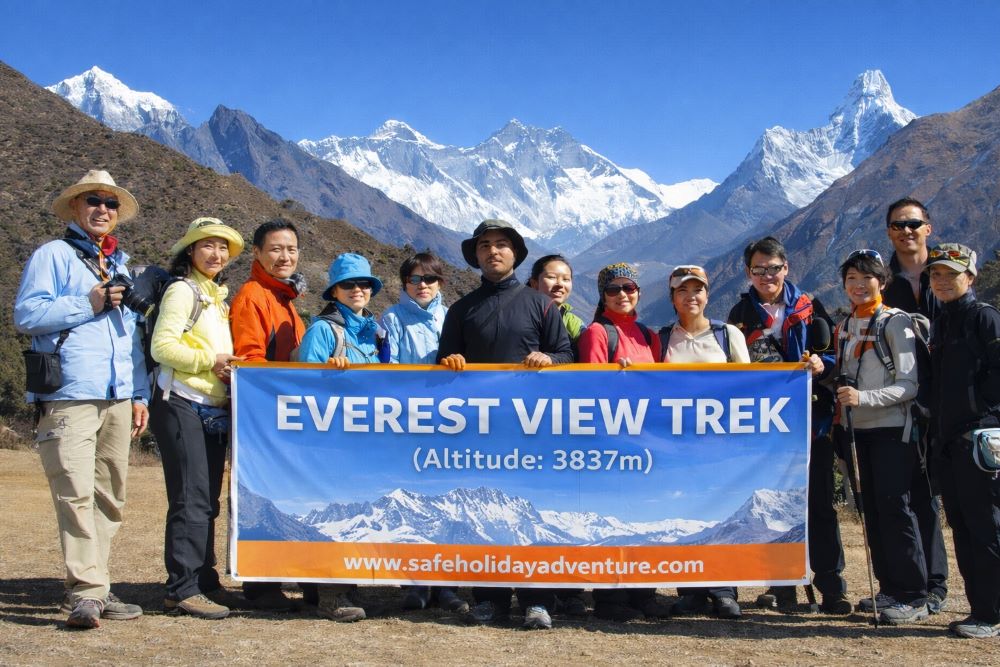
You do not need to be an athlete, but you should be able to walk 5–7 hours per day for multiple days. Regular hiking, walking, jogging, or cycling before the trek will help you enjoy the experience more comfortably.
For most trekkers, altitude is the biggest challenge rather than the trail itself. As you gain elevation, the air becomes thinner, making proper acclimatization essential.
Anyone can experience altitude sickness regardless of age or fitness level. Following a proper itinerary, staying hydrated, and ascending gradually greatly reduce the risk.
Yes. Thousands of solo travelers complete the trek every year. Trekking with a local guide can provide additional safety, support, and local knowledge throughout the journey.
October and November are generally known for exceptionally clear skies and outstanding mountain visibility. March and April are also excellent months with pleasant temperatures and blooming rhododendron forests.
Temperatures vary by season. During peak trekking seasons, nighttime temperatures can drop below freezing, especially above Dingboche and Gorakshep.
Yes, Wi-Fi is available in many villages along the route. However, connection quality may vary depending on weather, location, and altitude.
Yes. Most teahouses offer charging facilities for an additional fee. Carrying a power bank is highly recommended, especially at higher elevations.
Many teahouses provide hot showers for an extra charge. As altitude increases, hot water becomes more limited and expensive.
There are limited ATM facilities after Lukla. Most trekkers carry enough cash for personal expenses such as drinks, snacks, charging, Wi-Fi, showers, and tips.
Flight delays and cancellations are common due to mountain weather conditions. It is wise to keep one or two extra days in your Nepal itinerary as a buffer.
Yes. Many first-time trekkers successfully reach Everest Base Camp every year. Good preparation, proper pacing, and a realistic itinerary are more important than previous trekking experience.
Yes. Some trekkers choose to return by helicopter from Gorakshep or nearby locations. This option saves time and provides spectacular aerial views of the Himalayas.
While reaching Everest Base Camp is a major achievement, many trekkers say that the mountain scenery, Sherpa culture, monasteries, and friendships formed along the trail become their most memorable experiences.
Most trekkers say they wish they had slowed down, packed lighter, and spent more time enjoying the journey instead of focusing only on reaching Everest Base Camp.
The Everest Base Camp Trek remains one of the world’s greatest adventures. Every season, I see trekkers overcome challenges, gain confidence, and create memories that last a lifetime.
Avoiding these common mistakes will improve your chances of having a safer, more enjoyable, and more rewarding experience in the Himalayas.
The mountains reward patience, preparation, humility, and respect. If you approach the Everest Base Camp Trek with those qualities, the journey will likely exceed your expectations.
If you are considering an Everest Base Camp Trek and would like personalized advice, itinerary recommendations, or direct local support, feel free to contact: safeholidayadventure@gmail.com
Your Everest adventure begins long before you arrive at Base Camp. It begins with proper planning, realistic expectations, and guidance from experienced local professionals.

Manaslu Circuit Trek weather is more complicated than simply checking the forecast before leaving Ka
Continue Reading
The Gokyo Lakes Trek is one of the most beautiful trekking journeys in Nepal’s Everest region.
Continue Reading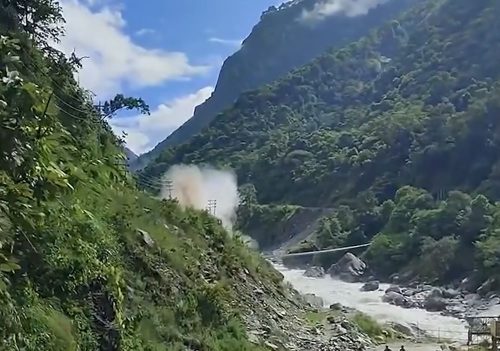
A clear and honest update for travelers planning Everest, Annapurna, Manaslu, Mustang and other popu
Continue Reading
Manang is one of the most important stops on the Annapurna Circuit Trek. After several days of walki
Continue Reading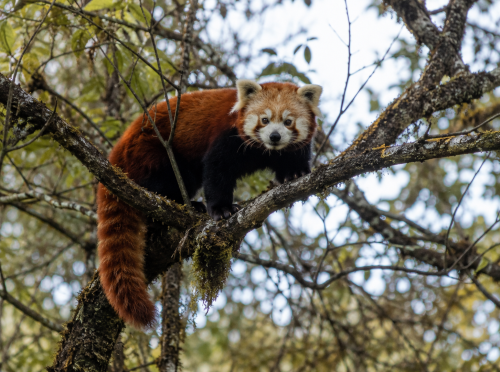
If you are wondering where to see red pandas in Nepal, the Langtang region is one of the most releva
Continue Reading
The Everest Base Camp Trek is one of the world’s most famous Himalayan adventures, but many fi
Continue Reading