Some journeys in life change you forever. For me, that journey was the Everest Base Camp Trek, completed from October 2 to 13, 2025, with a wonderful team of Malaysian friends and trekkers from Singapore and Taiwan.
Our goal was simple but profound — to stand at the foot of the world’s highest peak, Mount Everest (8,848.86 m), and experience the raw beauty of Nepal’s Khumbu region. But as I would soon learn, the trek was about far more than reaching a destination. It was about resilience, camaraderie, and finding peace amidst the giants of the Earth.
A Reunion in the Mountains
This trek held a special meaning for me, as it was coordinated once again by my long-time client and dear friend, Peng Peng, who had previously joined me for the Poon Hill Trek in the Annapurna region a few years ago. We had been corresponding for many years, sharing memories, plans, and dreams of exploring the high Himalayas together once more. Finally, in October 2025, that dream came true.
The timing couldn’t have been more symbolic. October 2nd, the main day of Dashain, Nepal’s biggest and most auspicious festival, marked both a cultural celebration and the beginning of our grand adventure. As families across the country gathered for blessings, we found ourselves at Kathmandu Airport, ready to take flight toward the mountains that had called us back.
Our group of five — four enthusiastic trekkers and myself — boarded the small twin-otter plane bound for Lukla, known as the gateway to Everest. The flight itself was an unforgettable experience — a thrilling 35-minute journey above terraced hillsides, winding rivers, and snow-dusted peaks gleaming under the crisp autumn sun. As we approached Tenzing-Hillary Airport, one of the most dramatic airstrips in the world, excitement and anticipation filled the cabin.
Touching down in Lukla felt like stepping into another world — a blend of fresh mountain air, fluttering prayer flags, and the warm smiles of local Sherpas welcoming trekkers from around the globe. From here, our true Himalayan adventure had begun.
Day 1 – Thrilling Flight to Lukla and Scenic Trek to Phakding (8 km)
Our Everest adventure began with a thrilling early morning flight from Kathmandu to Lukla — a journey famous for its dramatic mountain views and heart-pounding landing on one of the world’s most adventurous airstrips. The short 30-minute flight offered a bird’s-eye view of green hills, deep valleys, and snowcapped Himalayan peaks glistening in the morning sun.
Upon arrival, we met our trekking crew, enjoyed a warm cup of tea, and began our first day’s hike toward Phakding, located about 8 kilometers away. The trail gently descended through rhododendron and pine forests, passing picturesque Sherpa villages, fluttering prayer flags, and intricately carved mani stones. Crossing suspension bridges over the rushing Dudh Koshi River added both excitement and beauty to the journey. After about three hours of scenic trekking, we arrived at the charming riverside village of Phakding, where we rested and took in the peaceful Himalayan atmosphere.
Phakding Village
Day 2 – Phakding to Namche Bazaar (3,440 m): The Climb and the Hillary Bridge
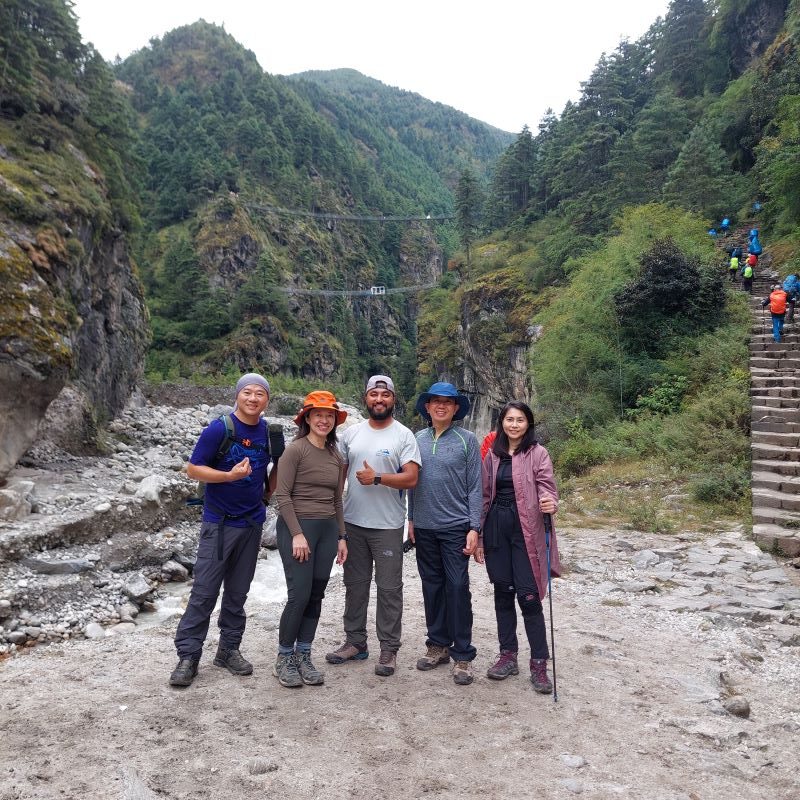
Nearby Hillary Bridge Before Ascending Namche Bazaar(3,450m)
The trek from Phakding toNamche Bazaar is one of the most scenic yet demanding stretches of the EBC route. The trail crosses several suspension bridges, the most iconic being the Hillary Suspension Bridge — one of the highest and most thrilling crossings in the region.
Standing in the middle of that bridge, prayer flags fluttering against a backdrop of emerald forests and roaring rivers far below, I felt both fear and awe. It was a defining moment — a literal step between comfort and adventure.
The final ascent to Namche was steep and relentless. Our team encouraged one another, resting often but never losing spirit. As we climbed, light rain began to fall, creating a dreamy mist that wrapped the mountains. Finally, we emerged into the vibrant amphitheater-shaped town of Namche Bazaar, the Sherpa capital of the Khumbu region.
That evening, we relaxed in a warm teahouse, sipping hot tea and reflecting on how far we had come.
Day 3 – Acclimatization Day in Namche: Exploring Sagarmatha National Park
Altitude acclimatization is essential, so we spent a day in Namche to adjust. After breakfast, we hiked up to the Sagarmatha National Park Museum and viewpoint.
From there, the view was breathtaking — Mount Everest, Lhotse, Ama Dablam, and Thamserku rose majestically above the clouds. The museum offered a glimpse into Sherpa culture, mountaineering history, and the conservation of this fragile ecosystem.
The afternoon was leisurely. We explored local shops, enjoyed coffee at the famous bakery, and watched trekkers from around the world gather in this mountain hub. Namche felt like a blend of culture, resilience, and high-altitude charm.
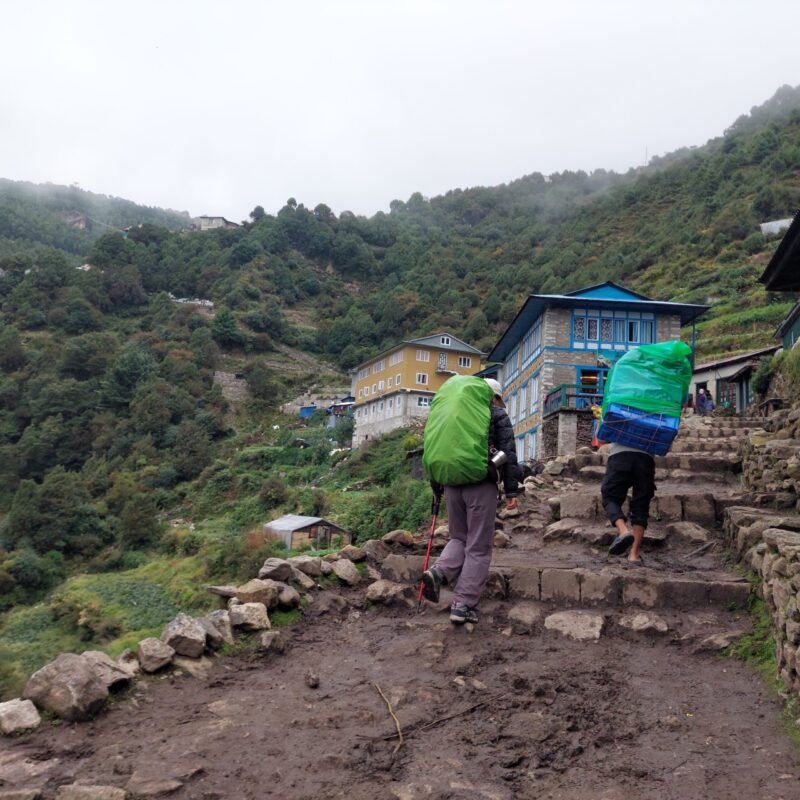
Entering Namche Bazaar 3450m
Day 4 – Namche to Debuche via Tengboche (3,860 m): Through Rain and Forests
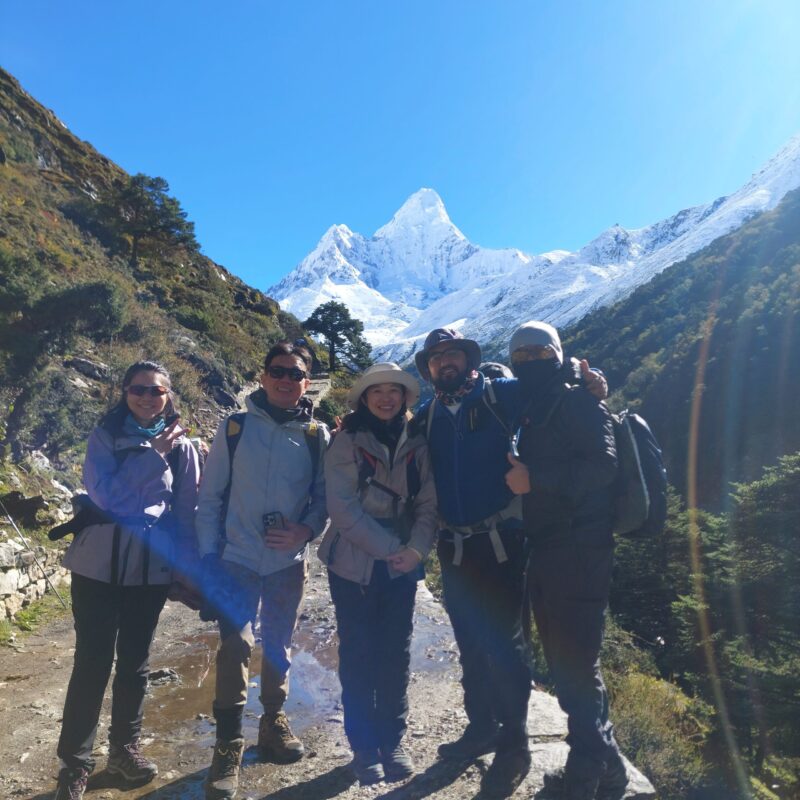
Leaving Namche behind, the trail followed the contour of the mountain, offering jaw-dropping views of the valley below. The morning air was crisp, and Ama Dablam gleamed proudly in the distance.
As we descended toward Phunki Thanga, rain began to fall. The forest smelled of pine and wet earth, and the mist gave the landscape a magical glow. After lunch by the river, we began a steep climb to Tengboche. It was tough, but our group’s positive energy kept us moving.
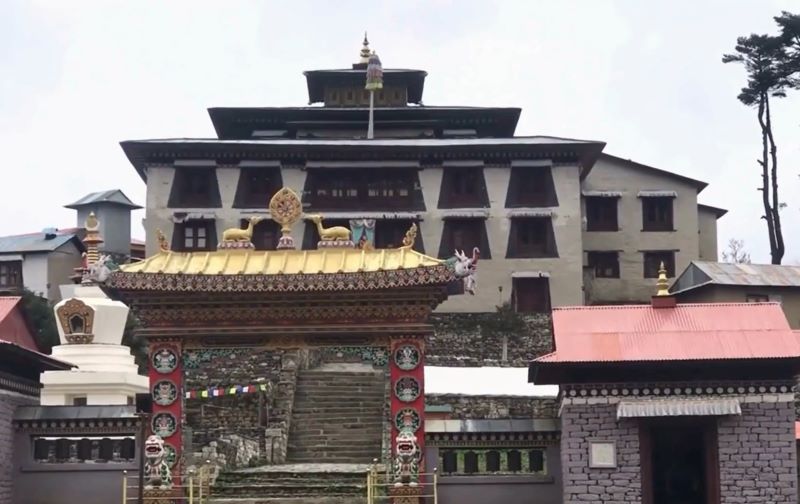
When we finally arrived at Tengboche, the clouds lifted just enough to reveal the grand Tengboche Monastery — the spiritual heart of the Khumbu region. The chants of monks echoed faintly in the thin air.
We attended evening prayers, an unforgettable experience that filled the heart with peace and humility.
Tengboche monastery
Day 5 – Deboche to Dingboche (4,410 m): The Valley of Ama Dablam
The trail from Tengboche descended through forests to Debuche and then crossed the Imja Khola River via a suspension bridge. Beyond the bridge, we entered Pangboche, the oldest Sherpa village in the region.
From there, the landscape opened wide — barren, wind-swept, and overwhelmingly beautiful. Ama Dablam, Thamserku, and Kangtega dominated the skyline.
We reached Dingboche in the afternoon, a village surrounded by stone walls built to protect crops from the wind. The air was colder now, but the view of Ama Dablam from Dingboche was one of the most mesmerizing sights of the entire trek.
Before heading to Pangboche after Debuche during the EBC trek
Day 6– Acclimatization in Dingboche: The Himalayan Panorama
We spent another day in Dingboche to acclimatize. In the morning, we hiked up a ridge above the village to around 4,800 m. The panorama was spectacular — Ama Dablam, Thamserku, Kangtega, Tawache, and Cholatse formed an unbroken chain of snow-covered peaks.
The view was a reminder of how small we are compared to nature’s grandeur. We took photos, laughed, and enjoyed snacks at the top before descending to rest.
The rest of the day was peaceful, with conversations around the dining stove and the distant sound of yaks.
Acclimatization day at Dingboche
Day 7 – Dingboche to Lobuche (4,940 m): Memorials and Glacial Winds
Leaving Dingboche, we trekked along a dry, rocky path toward Thukla, where we stopped for tea. From there, the trail climbed steeply to Thukla Pass, home to memorials honoring climbers who lost their lives on Everest.
It was a solemn, powerful place. The wind carried prayer flags over stone memorials, each telling a story of bravery and sacrifice.
After a short rest, we continued to Lobuche, where we spent the night surrounded by glaciers and high peaks. The cold was biting, but the excitement of being so close to Everest kept our spirits high.
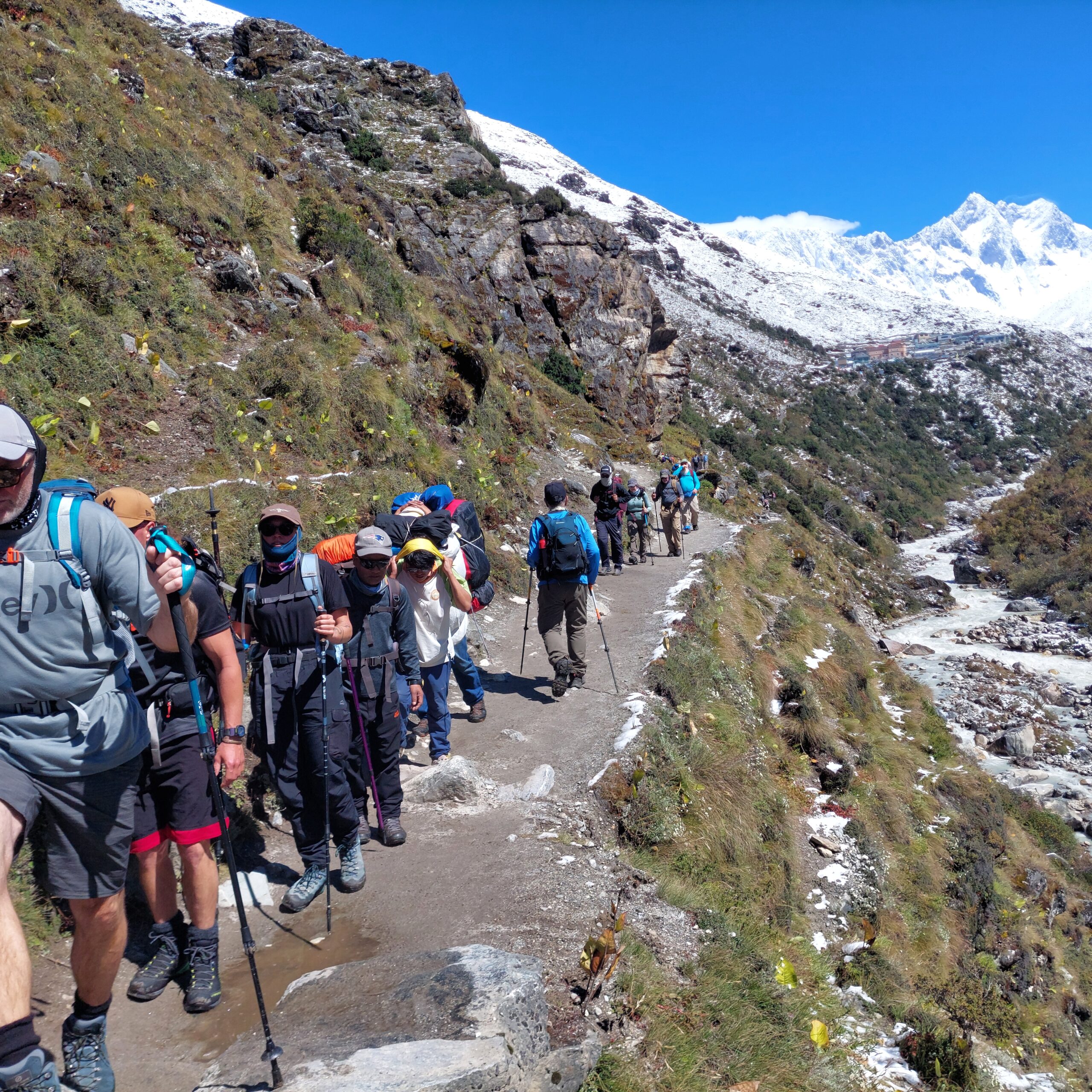
Way to Lobuche
Day 8 – The Big Day: Lobuche to Everest Base Camp (5,364 m)
The long-awaited day had arrived. We trekked early from Lobuche to Gorakshep (5,164 m), the last settlement before Everest Base Camp. The path crossed rocky glacial terrain, with Everest’s massive presence dominating the horizon.
After lunch in Gorakshep, we continued toward the legendary Everest Base Camp. The trail was rugged, but the anticipation carried us forward.
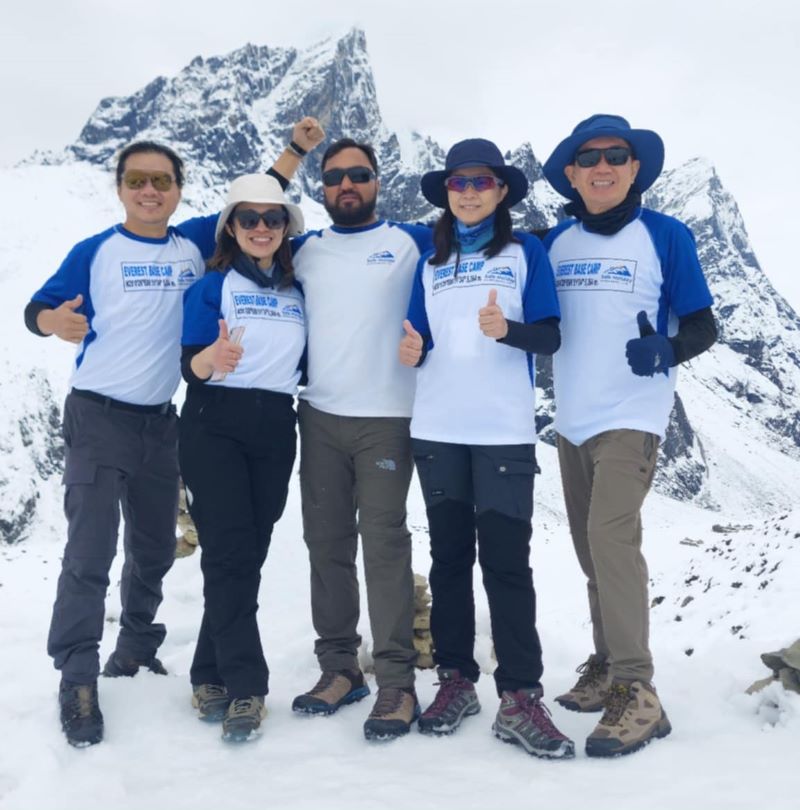
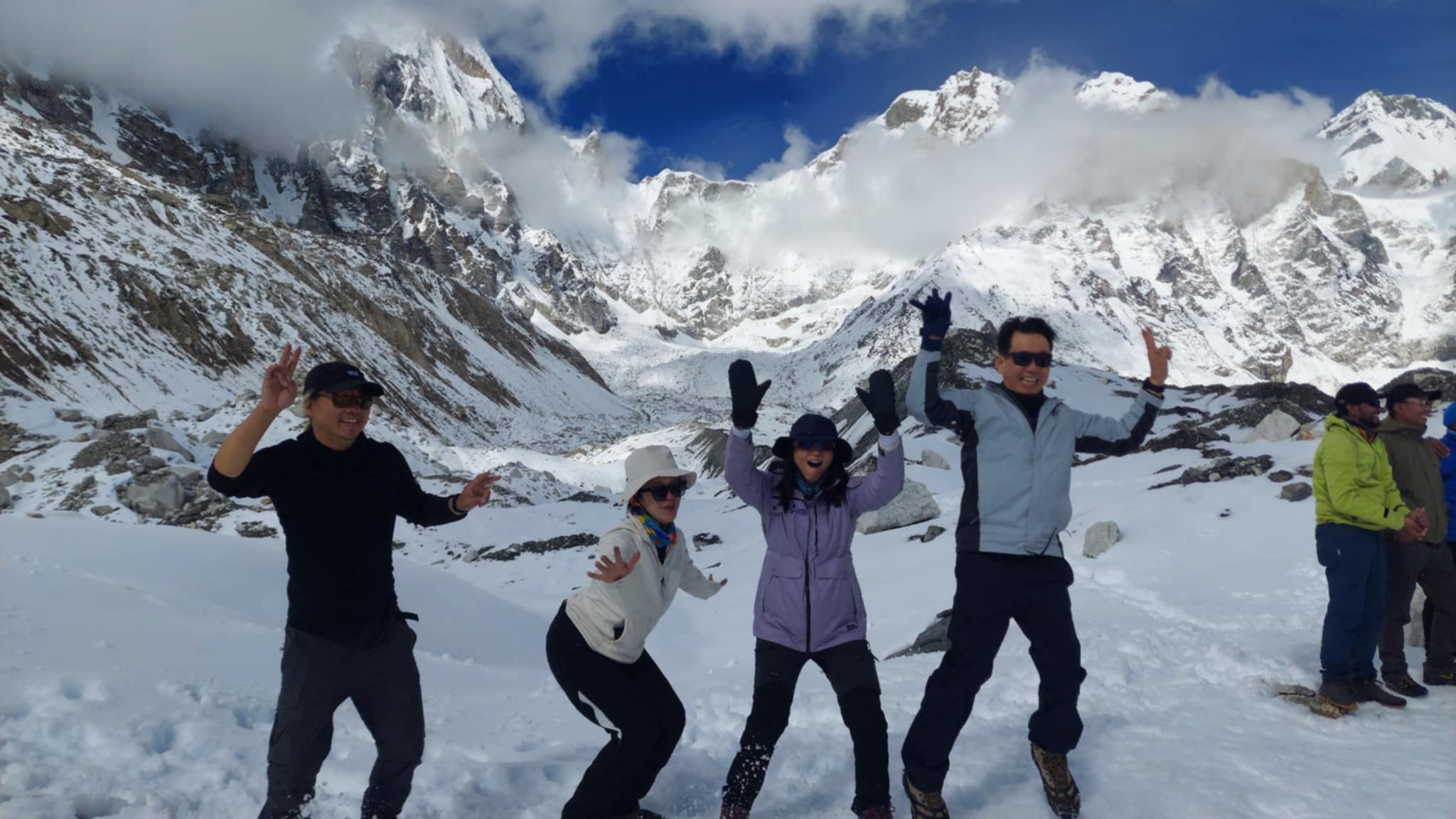
Finally, we arrived at the Everest Base Camp, decorated with prayer flags and surrounded by ice formations. It was emotional. Hugs, cheers, and tears of joy filled the air. We had made it to the foot of the world’s highest mountain.
One of our Malaysian friends, though slower due to altitude, decided to fly out by helicopter from Gorakshep the next morning — a joyful and well-deserved ending to her trek.
Reached Everest Base Camp
Day 9 – Sunrise on Kala Patthar (5,545 m): Face-to-Face with Everest
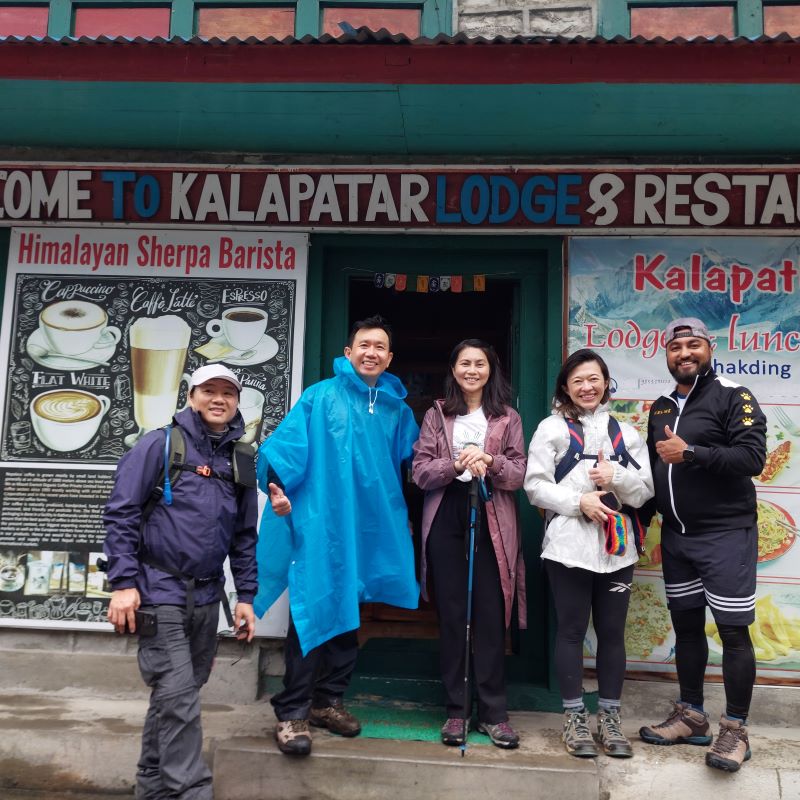
Before dawn, we set out to climb Kala Patthar, a hill famous for offering the best view of Mount Everest. The air was freezing, and every step was challenging, but as the sun began to rise, the mountains glowed gold.
From the summit, the full face of Mount Everest stood before us — majestic, silent, eternal. Around it, Nuptse, Pumori, and Lhotse completed a view that felt almost sacred.
No photo could ever capture that feeling. It was the ultimate reward for all our effort.
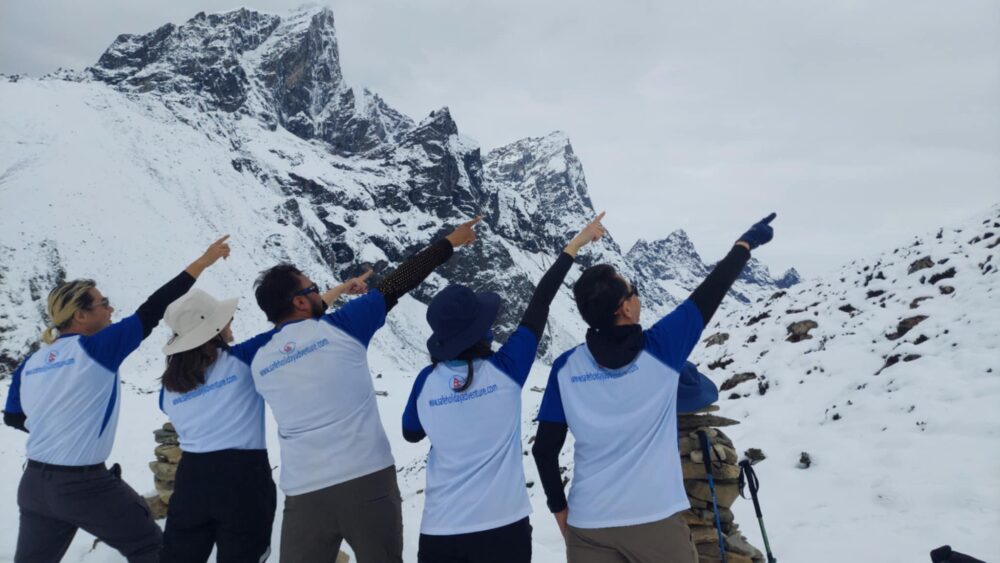
On the way to Kalapathar
Day 10–12 – Return Journey and Helicopter Flight to Kathmandu
The descent began. Retracing our steps through Pheriche, Pangboche, and Tengboche, we watched familiar landscapes from a new perspective. The mountains felt gentler now, their grandeur comforting rather than intimidating.
Back in Namche Bazaar, the air felt rich with oxygen again. We treated ourselves to coffee, pastries, and heartfelt conversations, reminiscing about the journey we had shared.
On the final morning, a helicopter flight carried us back to Kathmandu. As it lifted off, we waved goodbye to the trails, rivers, and peaks that had defined the past twelve days. From above, we could trace our entire route—a ribbon of memories through the Himalayas.
Flying on a Helicopter from Gorakshep to Lukla
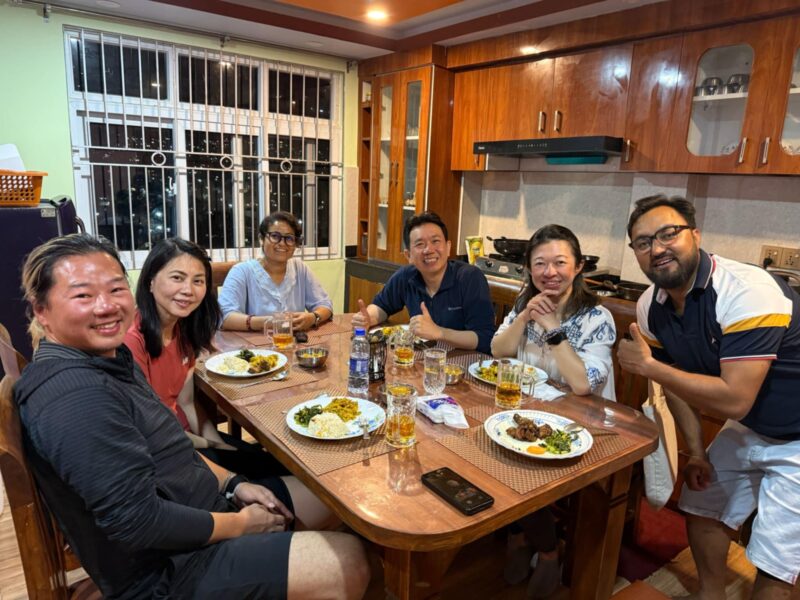
Farewell Dinner with Nepali Family before leaving Nepal
We all had a wonderful dinner together with the warm Nepali Gauli family and our lively Malaysian team. The evening was filled with laughter, funny stories, and shared memories from the trek. The family served delicious homemade Nepali dishes, and we enjoyed a few beers while exchanging jokes and cultural tales. The atmosphere was relaxed, joyful, and full of camaraderie, making everyone feel right at home. Sharing this meal strengthened our bond, blending cultures and creating a truly memorable experience. It was a perfect farewell evening, filled with warmth, happiness, and unforgettable moments.
Final day in Nepal – goodbye and see you soon
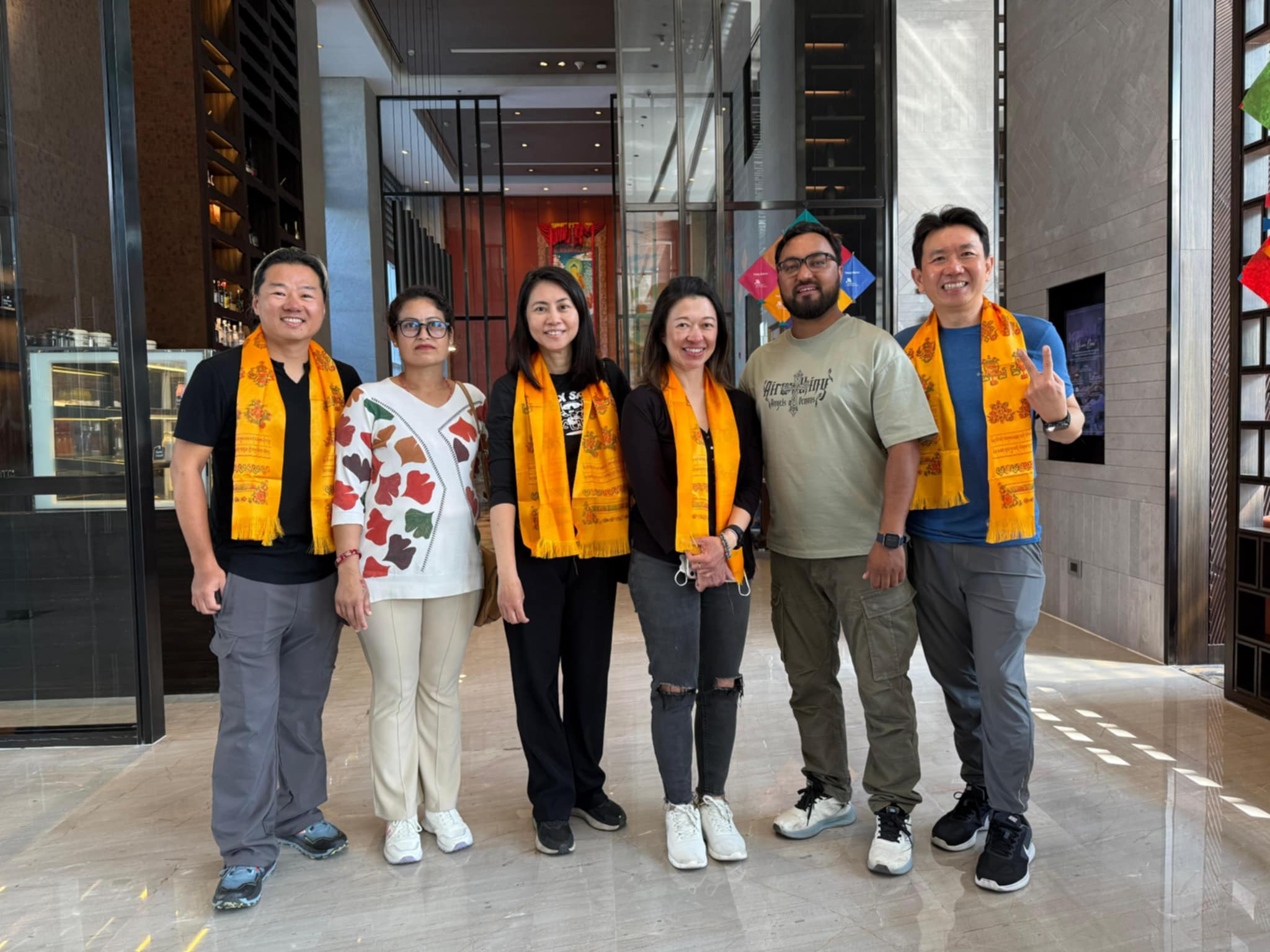
Our final day in Nepal was a bittersweet moment as we prepared to say goodbye after an incredible journey to Everest Base Camp. The trek had been challenging yet immensely rewarding, filled with breathtaking Himalayan vistas, high-altitude adventures, and unforgettable experiences. We reflected on the laughter, camaraderie, and cultural encounters that made this expedition so special. With our hearts full of memories and gratitude, we bid farewell to the warm and hospitable Nepali people who made our journey so memorable. Everyone was safe and in high spirits, celebrating a successful and thrilling adventure. As we left, there was a shared hope and excitement to return — “Goodbye Nepal, see you soon!”
Reflections: The Journey Beyond the Trail
The Everest Base Camp Trek 2025 was not just a physical journey but a deeply personal one. Trekking alongside my Malaysian friends reminded me that true adventure lies not in reaching the summit, but in the bonds we form and the moments we share along the way.
We laughed under the rain, crossed dizzying bridges, climbed in thin air, and stood together beneath the shadow of the world’s highest peak.
As I sit back in Kathmandu, sipping Nepali tea and scrolling through photos, I realize — the Himalayas don’t just test your strength; they touch your soul.
Everest doesn’t belong to those who conquer it, but to those who respect it.