
25 Nov 2026 8 min to read
The propeller stops, the door opens, and cold mountain air hits your face. You are in Lukla, at 2,860 metres, and the Everest trail starts just beyond the airstrip gate. Before anyone lifts a trekking pole, every good team gathers for one important conversation: the briefing. This is what a good team leader tells you, from this first morning to the walk back down.
Nobody on this trek walks alone. A good Everest team works in layers.
The team leader looks after the whole journey. He makes the final calls on pace, weather, health and route. The lead guide walks at the front and sets a slow, steady rhythm you can hold all day. The assistant guide walks at the back, so no one is ever left behind. If someone needs to slow down, rest or turn around, the assistant guide stays with them while the group continues safely.
Then there are the porters, the quiet strength of the Khumbu. They carry your main duffel bags so your daypack holds only water, a jacket, sunscreen, snacks and a camera. Keep your duffel within the weight limit, because every extra kilo is carried up stone steps at altitude. Greet them, thank them and treat them as teammates. This mountain is their home.

Lukla to Phakding. A gentle first day downhill along the Dudh Koshi valley. It is short on purpose, to warm up the legs.
Phakding to Namche Bazaar. You cross several swinging suspension bridges and enter Sagarmatha National Park. The final climb to Namche (3,440 m) is steep and long, so go slowly. This is the Sherpa capital, full of bakeries, gear shops and mountain views.
Namche rest day. Your body needs a pause here. You hike a little higher in the morning, then return to sleep low. It is the first lesson in acclimatisation.
Namche to Tengboche. The trail climbs through forest to a monastery that faces Everest, Lhotse and Ama Dablam at once.
Tengboche to Dingboche. You descend through rhododendron woods, then climb into wider, rockier country. Dingboche (4,410 m) is your second rest day.
Dingboche to Lobuche. The valley turns stark and open. You pass the memorial stones for climbers who never came home, a quiet and moving moment, and reach Lobuche at 4,940 metres.
Lobuche to Gorak Shep and Everest Base Camp. You reach Gorak Shep (5,164 m), leave your bags, and follow the moraine to Base Camp at 5,364 metres. Take your photos and spend a quiet moment among the tents and glacier ice. Then return to Gorak Shep to sleep.
Days follow a simple rhythm. You wake early, repack, eat breakfast and start in the cool morning, when the skies are clearest. You walk roughly five to seven hours, with a tea stop and lunch in a teahouse along the way. The goal is to reach the next village by mid-afternoon, before clouds and wind build up.
In the evening, the team gathers in the dining room. The leader checks how everyone feels and explains the next day. Speak up about even a small headache. A small signal caught early is easy to manage, and one hidden until morning is not.
On this trek, altitude is harder than distance. The air thins as you climb, and the only real cure for altitude trouble is time and descent. That is why the rest days exist, so never think of them as wasted.
The golden rule is walk slowly, drink plenty. Aim for three to four litres of water a day, and avoid alcohol and sleeping pills. Each evening your guide checks your oxygen saturation and pulse. Tell the team at once if you have a worsening headache, nausea, dizziness, unusual breathlessness or loss of balance. The team will then stop, rest or descend. No photo, schedule or pride is worth your health, and the leader’s decision on this is final.
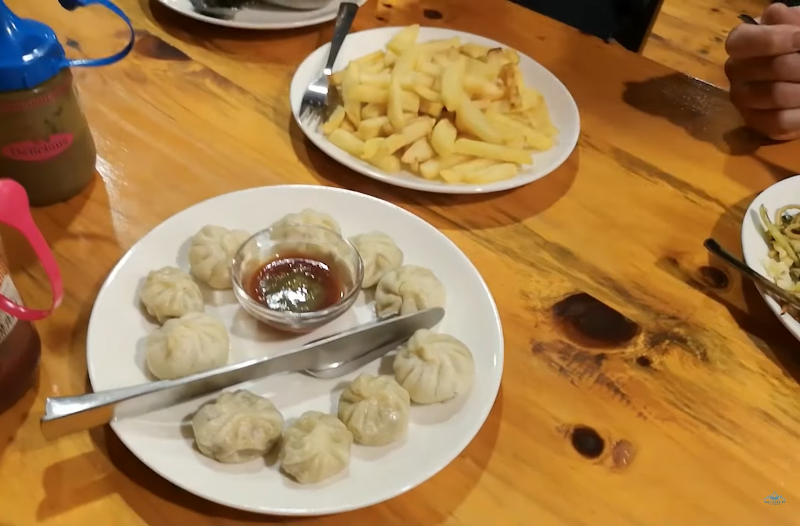
You sleep in simple, warm-hearted teahouses with twin rooms and shared bathrooms. The dining room, heated by a stove, is the social heart of each night. Bedrooms are not heated, so bring a good sleeping bag and ask for a hot water bottle at bedtime.
Meals are hearty and carbohydrate-rich: dal bhat, noodles, soups, eggs and potatoes. Even if your appetite drops at height, keep eating, because your body needs the fuel. Drink only boiled or treated water. It is also wise to keep meat dishes to the lower villages, where food is fresher.
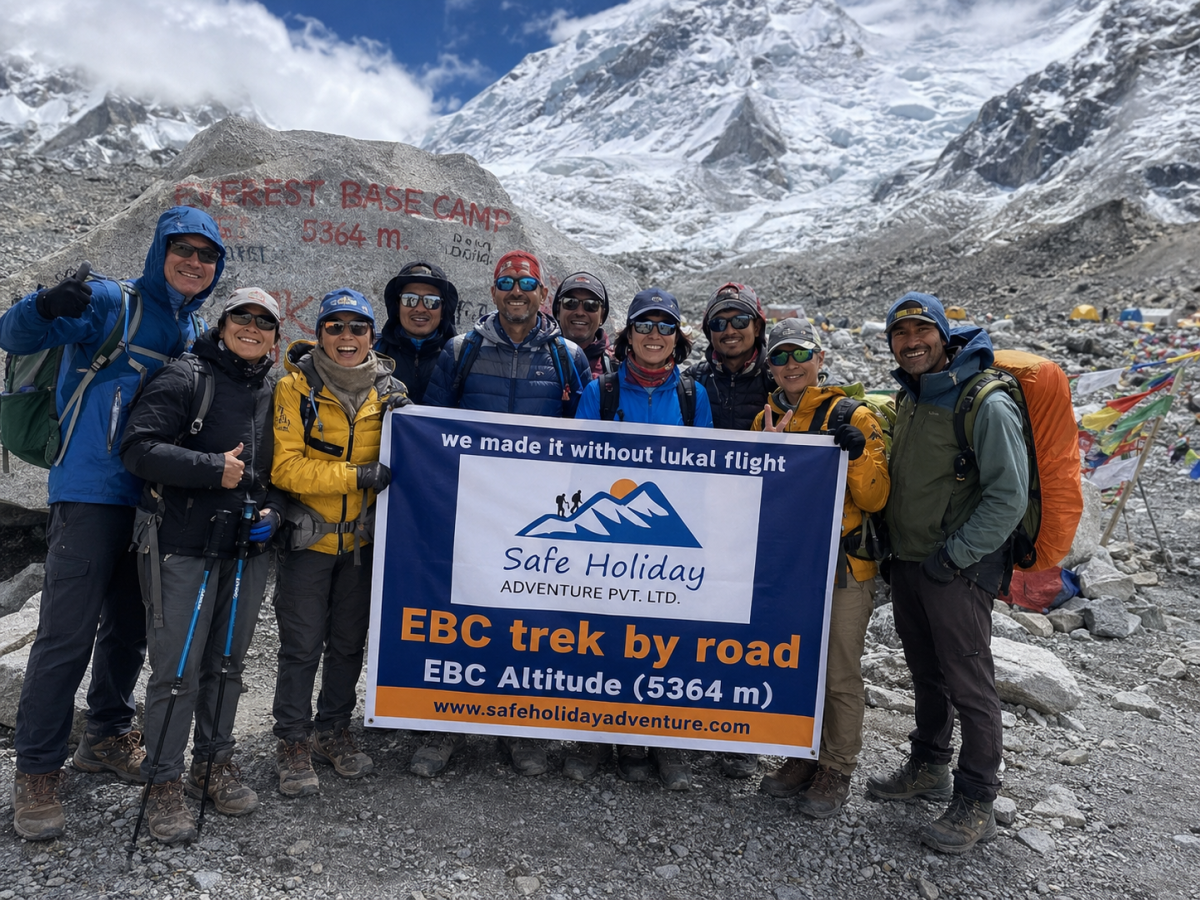
Base Camp day is long, cold and emotional. After the photos, you return to Gorak Shep for lunch and rest. If weather and health allow, the next morning brings the climb to Kala Patthar (5,545 m) at sunrise, which gives the best close view of Everest. It is steep, freezing and completely optional. Those who feel strong go up, and everyone else rests with no judgement.
After Kala Patthar, the walk home begins. Going down is faster, and the air gets richer with every step, so energy returns. The trail leads through Pheriche or Pangboche, then Namche Bazaar, Phakding and finally Lukla.
Descents are hard on knees, so use your poles, shorten your steps and take your time on steep stone stairs. Stay focused, because most slips happen on the way down, when people feel the hard part is over.
The last evening in Lukla is a celebration. You share a meal, thank the porters and crew, and prepare for the early flight to Kathmandu. Weather can delay flights, so keep some flexibility in your plans.
Everest Base Camp is not won by speed. It is reached through patience, small steps and a good team. Your guides, porters and leader have walked this trail many times and will look after you the whole way. Your part is simple: walk slowly, drink water, eat well, listen to your body and enjoy every moment.
Boots tight, poles ready, smiles on. Namaste, and let’s walk!
You walk with a team leader, a lead guide, an assistant guide and porters. The leader makes the final calls on pace, weather and health. The lead guide sets the pace at the front, and the assistant guide walks at the back so nobody is left behind.
Porters carry your main duffel bag. You carry a small daypack with water, a jacket, sunscreen, snacks and a camera. Duffel weight limits are usually around 10 kg per trekker, so confirm the exact limit with your trek operator.
Most itineraries take 12 to 14 days from Lukla to Everest Base Camp and back, including two rest days for acclimatisation, one in Namche Bazaar and one in Dingboche.
Expect roughly five to seven hours of walking, with a tea stop and a lunch break. The team starts early and aims to reach the next village by mid-afternoon, before clouds and wind build up.
Everest Base Camp is at 5,364 metres. Kala Patthar, the best close viewpoint of Everest, is at 5,545 metres. Lukla, where the trek begins, is at 2,860 metres.
Watch for a worsening headache, nausea, dizziness, unusual breathlessness and loss of balance. Tell your guide immediately. The team will rest, hold position or descend, and descent is the most reliable cure.
Aim for three to four litres a day, using only boiled or treated water. Avoid alcohol and sleeping pills at altitude.
Teahouses have simple twin rooms and shared bathrooms. The dining room is heated by a stove, but bedrooms are not. Bring a warm sleeping bag and ask for a hot water bottle at bedtime.
Menus include dal bhat, noodles, soups, eggs and potatoes. Meals are carbohydrate-rich, which suits trekking. Keep eating even if your appetite drops, and prefer vegetarian dishes in the higher villages.
No, it is optional. It is a steep, cold sunrise climb, so only those who feel strong go up. Everyone else can rest at Gorak Shep.
Weather often delays Lukla flights. Keep one or two spare days in your Nepal plans, and follow your team’s advice on rebooking or alternatives.
Step aside to the mountain side when yaks and mules pass, and wait for animals to cross suspension bridges first. Stay with the group, carry out your rubbish, walk clockwise around mani walls, and ask before photographing people.
Most people wake up in Kathmandu to the sound of horns. On this day, you wake up before them, climb
Continue Reading
An unforgettable multi-adventure holiday in Nepal | 10 Days / 9 Nights Are you looking for more than
Continue Reading
Most travellers plan Nepal for spring or autumn and never think of winter. That is a missed chance.
Continue Reading
The higher you walk toward Annapurna Base Camp, the smaller your world becomes. Rooms shrink, lights
Continue Reading
Most people plan the Annapurna Circuit around one single moment: standing under the prayer flags at
Continue Reading
Travelling to Nepal and exploring the Himalayas had been one of our biggest travel dreams. When nine
Continue Reading