
10 Feb 2026 14 min to read
The idea of Everest Base Camp Solo Trek is equal parts intoxicating and intimidating. For decades, the Khumbu region of Nepal has drawn climbers, trekkers, and dreamers from across the world—each chasing their own version of adventure beneath the towering presence of Sagarmatha, known globally as Mount Everest. While many choose guided tours or group treks, undertaking the Everest Base Camp (EBC) trek solo is a deeply personal journey—one that strips travel down to its most honest form.
This article chronicles a professional, reflective account of a solo Everest Base Camp trek: the preparation, the physical and emotional challenges, the cultural encounters, the moments of doubt, and the quiet triumph of standing at the foot of the world’s highest mountain. More than a trekking guide, this is a story of solitude, resilience, and transformation in the Himalayas.
A solo trek to Everest Base Camp is not about isolation; it is about intention. Traveling alone through the Himalayas offers complete autonomy—over pace, daily routine, and emotional space. Without the buffer of companions, every interaction feels more vivid, and every challenge more personal.
Solo trekking encourages:
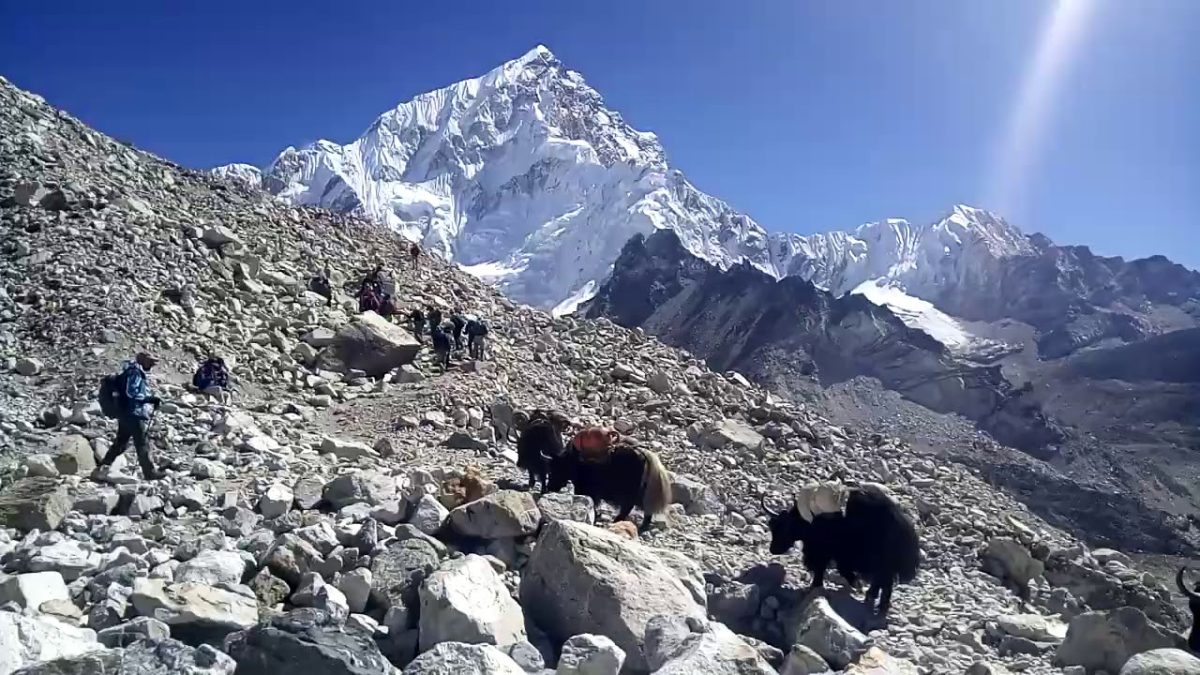
While it demands preparation and confidence, solo trekking in the Everest region remains achievable due to well-marked trails, established teahouses, and a strong trekking infrastructure.
Preparing for a solo Everest Base Camp trek is as much about discipline as it is about dreaming. Unlike guided treks, where logistics and pacing are handled externally, a solo trek places full responsibility on the individual. Every decision—from training to packing—directly affects safety, comfort, and overall success.
The Everest Base Camp trek does not require mountaineering skills, but it demands sustained physical endurance over multiple days at altitude. Preparation ideally begins three to six months in advance.
A well-rounded training plan includes:
Consistency matters more than intensity. By the time of departure, the body should feel comfortable with long, repetitive movement.
Mental resilience is often underestimated. Solo trekking means there is no one to offload doubts, fears, or fatigue onto. Long hours of silence can amplify internal dialogue.
Mental preparation includes:
Being mentally prepared does not mean eliminating fear—it means knowing how to function despite it.
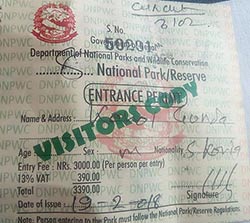
Solo trekkers must personally manage all documentation. Required permits include:
Flights to Lukla are weather-dependent and frequently delayed. Building buffer days into the itinerary is essential. Travel insurance covering high-altitude trekking and emergency evacuation is non-negotiable.
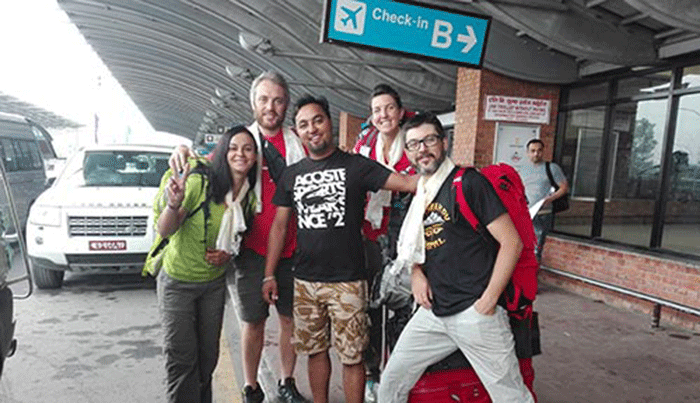
Kathmandu is a sensory introduction to Nepal—chaotic streets, incense-filled temples, and the hum of constant motion. For solo trekkers, it is also the final checkpoint before entering the mountains.
Key pre-trek activities include:
Walking through Thamel, surrounded by trekking shops and expedition stories, reinforces the gravity of the journey ahead.
The flight to Lukla is legendary. A short, dramatic landing on a sloped runway carved into the mountainside marks the true beginning of the trek. As the plane touches down, anticipation overtakes fear.
Lukla (2,860 m) is bustling with trekkers, porters, and locals. After a simple meal and final pack adjustment, the trek begins.
The first day is gentle, easing the body into the rhythm of Himalayan walking. Trails wind through pine forests, suspension bridges flutter with prayer flags, and the Dudh Koshi River roars below.
Solo trekking heightens awareness—every sound, every step feels deliberate.
This is the first challenging day, featuring multiple river crossings and a steep ascent to Namche Bazaar (3,440 m). The first glimpse of Everest appears briefly through the clouds—a quiet promise of what lies ahead.
Namche is the economic and cultural heart of the Khumbu, offering bakeries, gear shops, and internet access.
A crucial rest day includes a hike to Everest View Hotel and nearby villages like Khumjung. Acclimatization days are not idle; they are strategic and reflective.
The trail contours high above the valley, offering sweeping views of Ama Dablam. Tengboche Monastery emerges through mist and forest, its presence both spiritual and grounding.
Attending evening prayers among monks and trekkers is a moment of shared humanity.
As trees thin and landscapes widen, altitude becomes noticeable. Dingboche (4,410 m) is stark, quiet, and beautiful—a place where the Himalayas begin to feel otherworldly.
A hike to Nagarjun Hill offers panoramic views and tests the lungs. Journaling and rest dominate the afternoon.
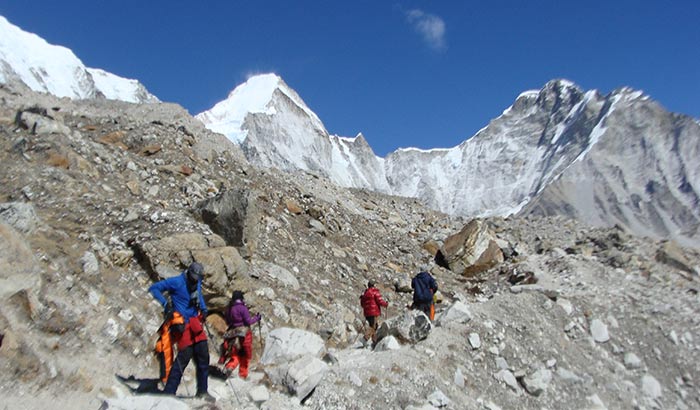
Memorials to fallen climbers line the trail—a sobering reminder of Everest’s power. The environment grows harsher, yet strangely calming.
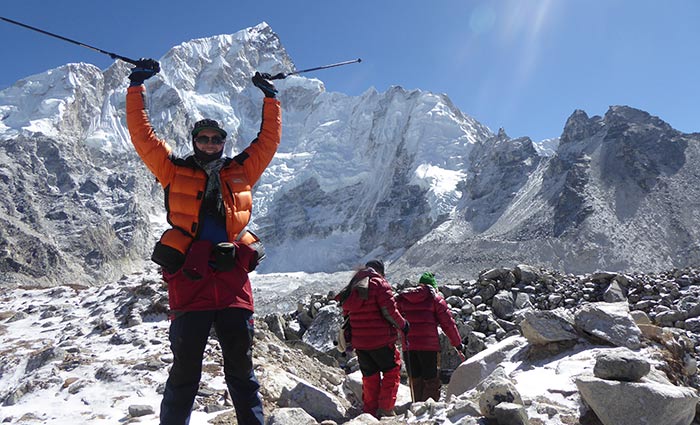
The final push to Everest Base Camp is emotional. Walking across the Khumbu Glacier, surrounded by ice and stone, culminates in arrival at EBC (5,364 m).
There is no grand sign—just prayer flags, tents in climbing season, and a profound sense of accomplishment.
A pre-dawn hike to Kala Patthar offers the iconic Everest view. Watching sunlight ignite the summit is the defining moment of the journey.

Trekking solo to Everest Base Camp (EBC) is an adventurous dream, but careful budgeting is essential to make it a reality. With a total budget of $1,199 USD, a solo trekker can plan efficiently without compromising on safety or comfort.
Flights – $550
The biggest expense is airfare. International flights to Kathmandu typically cost around $500, while domestic flights between Kathmandu and Lukla add approximately $50. Booking in advance can help save on costs.
Permits & Fees – $75
Trekking in Nepal requires permits. A TIMS card ($20), Sagarmatha National Park entry ($30), and other miscellaneous permits (~$25) are mandatory for EBC trekkers.
Accommodation & Food – $350
Teahouses along the trail charge $15–20 per night, totaling around $200 for a 12-night trek. Meals cost approximately $10–12 per day, plus $30 for water and snacks, adding up to $150.
Gear & Optional Support – $200
Proper trekking gear like jackets, sleeping bags, and boots can cost around $150, with rentals available to reduce expenses. Hiring a guide or porter, recommended for solo trekkers, adds about $50.
Miscellaneous & Contingency – $24
Set aside a small amount for souvenirs, tips, and unexpected emergencies.
By planning wisely and sticking to this $1,199 budget, a solo trekker can experience the thrill of EBC safely and enjoyably, creating memories of a lifetime.
Teahouses are the social and logistical backbone of the Everest Base Camp trek. For solo trekkers, they serve as shelter, dining room, and meeting point—often all at once.
Rooms are simple: two single beds, thin mattresses, and shared bathrooms. Heating is limited to the dining area, making evenings communal by necessity. Despite the simplicity, teahouses offer warmth in ways that extend beyond temperature.
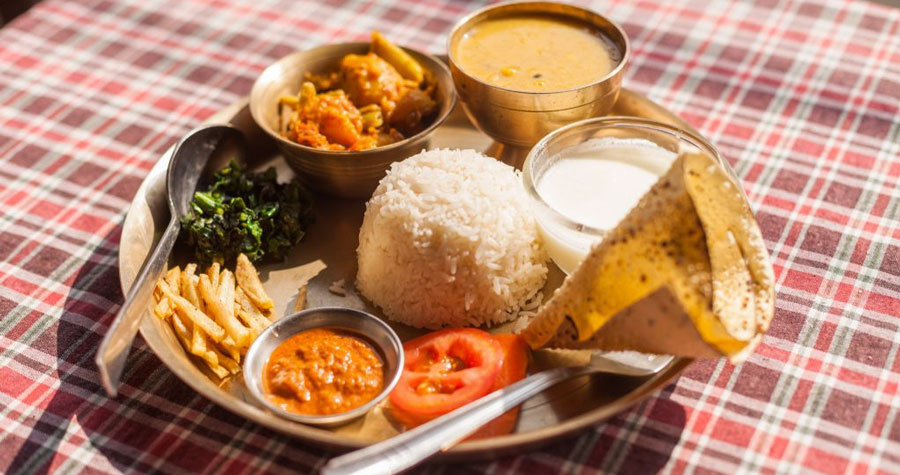
Menus are remarkably consistent across villages, which helps the body adapt:
Eating becomes a functional ritual—fuel rather than indulgence. Many trekkers adopt the rhythm of early dinners and early sleep to align with daylight and temperature.
Ironically, trekking alone often leads to more interaction. Conversations spark naturally around shared tables. Stories are exchanged, routes compared, and encouragement offered. At the same time, solitude is respected—no explanations required.
Teahouses strike a delicate balance between community and privacy, making them ideal for solo travel.
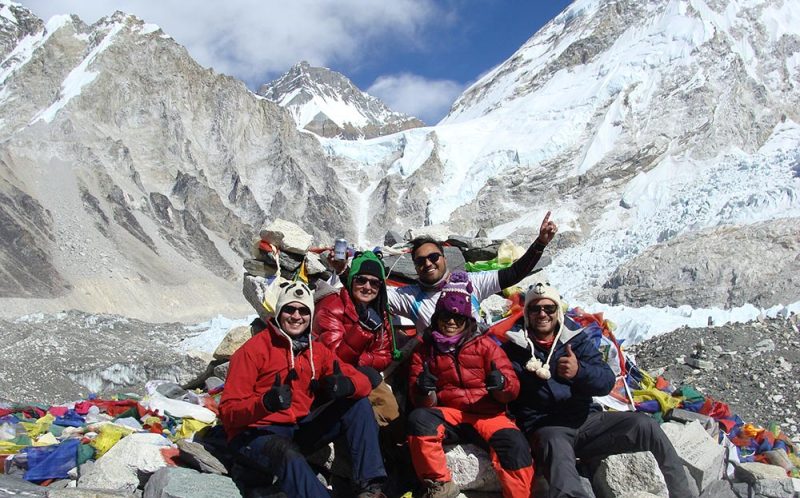
Solo trekking offers a deeply personal experience. It allows you to move at your own pace, make spontaneous decisions, and immerse yourself fully in nature. The journey becomes a form of self-discovery, building resilience, independence, and confidence. Quiet moments alone in the wilderness can be profoundly meditative and refreshing.
In contrast, group trekking emphasizes social connection and shared experiences. Trekkers can rely on each other for motivation, safety, and support. Group dynamics often make challenging trails more enjoyable, and collective celebrations of milestones create lasting memories. Guidance from an experienced leader can also enhance safety and navigation.
However, solo trekking demands careful planning and self-reliance, as there’s no immediate help in emergencies. Group trekking, while safer and more social, may require compromising on pace or route preferences. Choosing between the two depends on personal goals, comfort level, and the type of adventure sought.
Solo trekking magnifies both challenges and rewards. Without companions, every obstacle must be assessed and addressed independently.
Monitoring one’s own physical condition is critical. Symptoms such as headaches, nausea, dizziness, or insomnia must be taken seriously. Knowing when to rest, hydrate, or descend can be the difference between a successful trek and a medical emergency.
From choosing daily stopping points to evaluating weather conditions, constant decision-making can be mentally draining. Solo trekkers must trust their judgment while remaining flexible.
Moments of loneliness often arise during long stretches of trail or quiet evenings. These moments can trigger self-doubt—but they also offer opportunities for reflection and emotional growth.
The weather in the Himalayas is unpredictable. Delays, cold, and sudden storms require patience and adaptability. Solo trekkers learn quickly that control is an illusion in the mountains.
Each challenge faced alone reinforces resilience and self-reliance.

The Everest Base Camp (EBC) trek isn’t just about glaciers and jaw-dropping peaks—it’s a deep dive into Sherpa culture, Himalayan Buddhism, and mountain life that’s still beautifully rooted in tradition. Here’s what those cultural moments feel like on the trail:
The Khumbu region is home to the Sherpa people, famed not only as elite mountaineers but as warm, community-oriented hosts. Staying in teahouses run by local families, you’ll notice:
Hospitality here is real—simple meals, shared fires, and genuine curiosity about where you’re from.
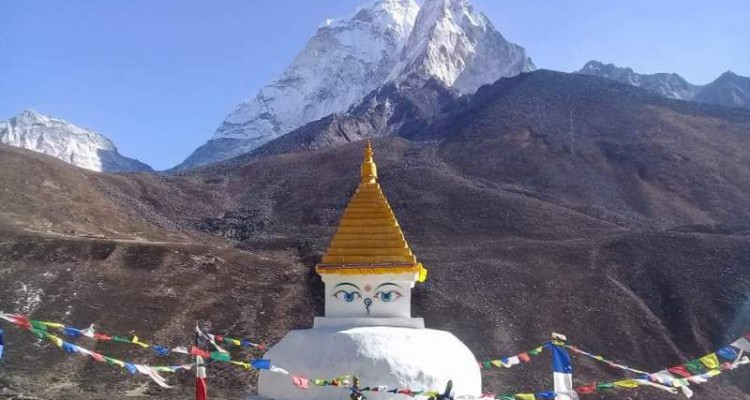
Buddhism isn’t something you “visit” here—it’s woven into daily routines.
You’ll walk clockwise around sacred sites, slowly picking up these quiet rituals without anyone needing to explain them.
This is one of the trek’s most powerful cultural stops.
It’s grounding. A pause. A reminder of why these mountains matter so deeply to the people who live here.
From Namche Bazaar (the lively Sherpa hub) to smaller villages like Dingboche and Lobuche:
Life moves slower—but with intention.
Evenings are where cultural exchange really happens:
These moments stick with people longer than the summit views.
The EBC trek quietly shifts you. You don’t just pass through the Khumbu—you’re welcomed into it. The cultural encounters add depth to every step, reminding you that Everest isn’t just the world’s highest mountain… It’s someone’s home.
Solo trekking requires vigilance:
The trail’s popularity ensures help is usually nearby.
The trek back down begins with a curious mix of elation and quiet fatigue. Every step along the rocky trail feels lighter, yet the lungs still savor the crisp mountain air. The villages you passed on the way up now seem warmer, their wooden homes welcoming rather than foreign. Children wave with familiarity, and yak bells echo like an old, comforting song.
Your body, once tense with effort, now moves with a smoother rhythm, strengthened by the relentless ascent. Each stride gives space for the mind to wander, to replay the moments at base camp—the jagged icefalls, the fluttering prayer flags, the panoramic sweep of the Khumbu Glacier—and to quietly honor the achievement.
Down here, the mountains shrink in scale but grow in memory. The river gurgles more insistently, the rhododendrons bloom brighter, and the terraced fields feel like stepping stones back into daily life. The solitude of the trek transforms into a reflective calm; the echoes of altitude, struggle, and triumph linger, mingling with the earthy scent of the Himalaya.
Descending isn’t just moving downhill—it’s a slow reentry into the world, carrying with you the indelible imprint of the world above the clouds.
Re-entering Kathmandu feels surreal. The noise contrasts sharply with the silence of the mountains. Hot showers, fresh food, and clean clothes mark the transition back to modern life.
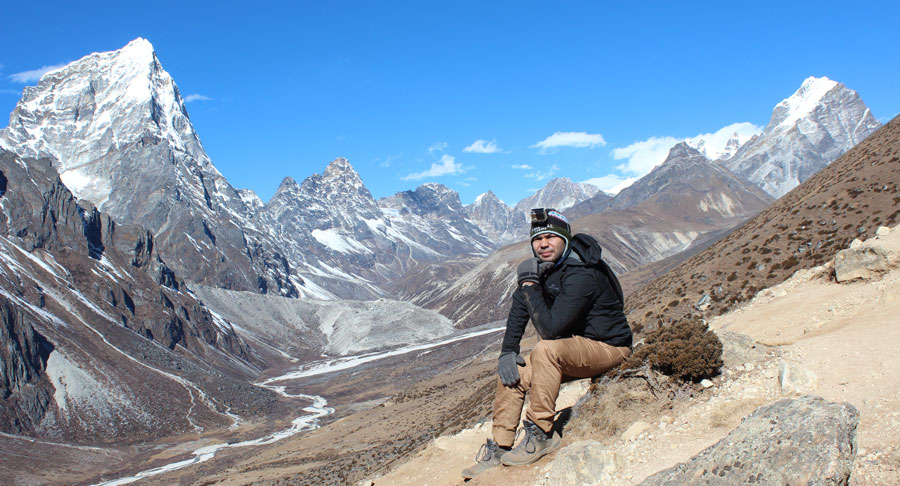
Yes, a solo trek to Everest Base Camp (EBC) can be worth it, but it depends on what you want. Here’s a clear, simple breakdown:
Why it’s worth it:
Challenges to consider:
Tips to make it safer and enjoyable:
Bottom line: If you love adventure, nature, and self-challenges, a solo Everest Base Camp trek is absolutely worth it. But preparation, awareness of risks, and patience are key.
Standing at Everest Base Camp alone, surrounded by the highest mountains on Earth, is a moment that transcends travel. It is quiet, personal, and deeply transformative.
A solo trek through the Himalayas is not about conquering Everest—it is about meeting yourself along the way.
For those willing to walk alone into thin air and vast silence, the Himalayas offer something rare: clarity, resilience, and an unforgettable sense of belonging in the world.

Manaslu Circuit Trek weather is more complicated than simply checking the forecast before leaving Ka
Continue Reading
The Gokyo Lakes Trek is one of the most beautiful trekking journeys in Nepal’s Everest region.
Continue Reading
A clear and honest update for travelers planning Everest, Annapurna, Manaslu, Mustang and other popu
Continue Reading
Manang is one of the most important stops on the Annapurna Circuit Trek. After several days of walki
Continue Reading
If you are wondering where to see red pandas in Nepal, the Langtang region is one of the most releva
Continue Reading
The Everest Base Camp Trek is one of the world’s most famous Himalayan adventures, but many fi
Continue Reading