STAY CONNECTED


Government Licence No.: 131483/071/072
STAY CONNECTED
December 12, 2025

The Annapurna Circuit Trek is one of Nepal’s most beautiful and classic long-distance trekking routes. If you follow the traditional circuit, the trail goes from Besisahar all the way to Thorong La Pass, then descends to Muktinath, continues to the hot springs of Tatopani, climbs to Ghorepani–Poon Hill, and finally returns to Pokhara via Ulleri. This classic round takes around 16–17 days, depending mainly on your physical condition and walking pace.
However, because of the wide motor roads built on both the Manang side and the Mustang side, you can now customize your itinerary according to your time, fitness, and budget. Trekkers who are physically fit and able to walk 5–7 hours per day can complete a shorter version of the Annapurna Circuit in as little as 7 days, which is now a popular choice.
If you have more time, the 10–12-day Annapurna Circuit Trek is the most recommended option because it offers proper acclimatization, less stress, and a more enjoyable experience. There are even a few experienced trekkers who finish the route in 6 days, using private transportation from Muktinath after crossing Thorong La Pass—although this requires excellent fitness, good planning, and confidence in high altitude.
Today, the Annapurna Circuit is flexible. Whether you take the classic 17-day route or a short 7-day version, you can choose the itinerary that fits your schedule while still enjoying the beauty of the Himalayas.
“What is the minimum number of days I need for the Annapurna Circuit Trek?”
This complete guide explains every important detail so you can plan your trek perfectly—whether you want a short version, a fast version, or the classic route. You will also find insights about distances, elevation gains, road sections, and modern travel decisions that affect itinerary planning.
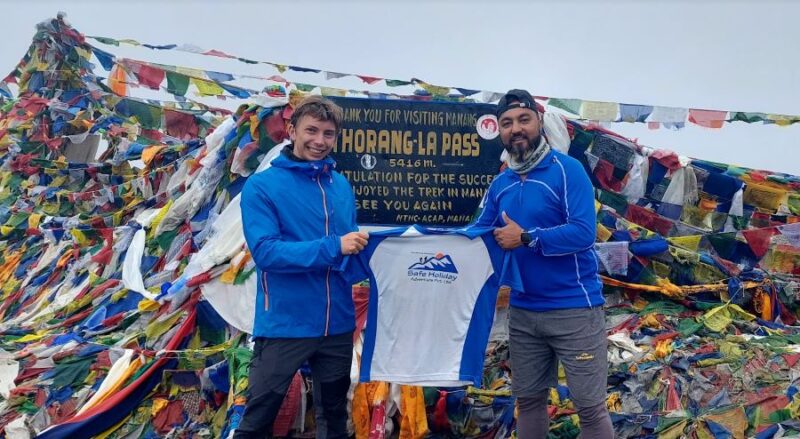
Reached on the top of Thorong la pass(5416meters
Life is busy. Holidays are short. Many trekkers want to explore the majestic Himalayas, but cannot spend three full weeks doing the classic circuit. The good news is:
Today, you can complete the Annapurna Circuit in as few as 6 to 10 days—depending on your fitness, route choice, acclimatization needs, and mode of transport.
Because road networks now reach deep into the trekking zones (Syange, Chame, Manang, Muktinath, Jomsom, Tatopani, Beni), trekkers can shorten travel days without compromising the beauty of the journey.
This guide helps you understand every possible itinerary so you can choose the best one based on your timeline, trekking experience, and comfort level.
Originally, the trek started from Besisahar and ended in Nayapul, walking entirely on foot for 230–260 km. This took around 18–22 days.
Roads have reduced walking days dramatically:
This gives trekkers the flexibility to shorten the trek depending on available days.
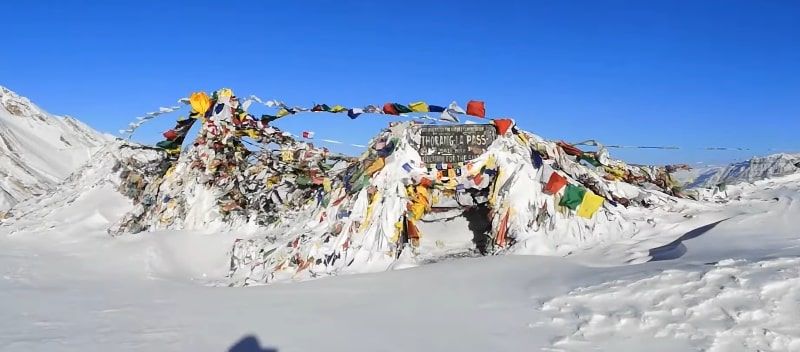
short annnapurna trek
The absolute minimum is 6 days if you take a jeep to Chame, trek to Manang, cross Thorong La, and take a jeep from Muktinath.
9–12 days for safe acclimatization without rushing.
Below, you will find detailed explanations, sample itineraries, and realistic trekking times.
This is the quickest option, popular among ultra-fit travelers. It starts from Kathmandu → Chame (drive) and ends at Muktinath → Pokhara (drive). You can later add your outbound link here: Fastest Annapurna Circuit Trek.
Day 1: Drive from Kathmandu to Chame (2,650 m)
Day 2: Trek to Upper Pisang or Dhikur Pokhari
Day 3: Trek to Manang (3,540 m)
Day 4: Trek to Yak Kharka / Ledar
Day 5: Trek to Thorong Phedi or High Camp
Day 6: Cross Thorong La Pass (5,416 m) → Muktinath → Drive to Tatopani or Pokhara
If a client is not experienced with altitude, this version is not recommended.

Annapurna Mountain View
This 8-day plan includes one acclimatization day in Manang, which makes it much safer.
You can build a link here: Annapurna Circuit Short Trek.
Day 1: Kathmandu → Chame (drive)
Day 2: Trek to Upper Pisang
Day 3: Trek to Manang
Day 4: Acclimatization in Manang (Ice Lake or Gangapurna Lake hike)
Day 5: Trek to Yak Kharka
Day 6: Trek to Thorong Phedi
Day 7: Cross Thorong La → Muktinath
Day 8: Drive to Jomsom/Pokhara

Annapurna circuit Trek near Thorong lass Pass
This is the best-value itinerary for trekkers who want safety, comfort, and proper acclimatization. You can create a link like: Annapurna Circuit 10 Days.
Distance: 150 km (by road)
Trekking hours: 0
Description: Start your adventure with a scenic drive from Kathmandu to Chame, the district headquarters of Manang. Enjoy views of terraced fields, rivers, and hills along the way. Chame is a small, peaceful town where you spend your first night preparing for the trek ahead.
Distance: 9 km
Trekking hours: 5–6
Description: Walk through pine forests, cross charming villages, and enjoy panoramic views of Annapurna II, Pisang Peak, and Lamjung Himal. Upper Pisang offers spectacular sunset views over the Annapurna range and a cozy tea house stay.
Distance: 13 km
Trekking hours: 6–7
Description: The trail ascends gently through terraced fields and past monasteries. You’ll witness dramatic mountain vistas and enter the culturally rich village of Manang. Prepare for higher altitudes and enjoy a relaxed evening in this acclimatization hub.
Distance: 8–10 km (side hikes)
Trekking hours: 3–4
Description: Take a rest day to acclimatize. Hike to Ice Lake (Kicho Tal) or Gangapurna Lake for breathtaking views. Explore the village, monasteries, and local life. This day ensures your body is ready for Thorong La Pass.
Distance: 10 km
Trekking hours: 4–5
Description: Walk through alpine pastures and yak grazing lands. The terrain is moderate but starts gaining altitude. Yak Kharka offers traditional tea houses and a quiet high-altitude atmosphere.
Distance: 8–10 km
Trekking hours: 4–5
Description: The trail steepens as you approach Thorong Phedi, the base for crossing Thorong La. Enjoy spectacular views of Annapurna III, Gangapurna, and the surrounding peaks. Prepare early for the pass crossing.
Distance: 20 km
Trekking hours: 8–10
Description: The highlight of the trek! Start very early to cross Thorong La Pass and descend to Muktinath, a holy site for Hindus and Buddhists. Celebrate reaching the highest point of the trek with breathtaking views and cultural richness.
Distance: 45 km (by jeep/road)
Trekking hours: Optional short hikes
Description: Descend to the hot springs town of Tatopani. Enjoy a relaxing soak in the natural hot springs after several days at high altitude. The jeep road allows flexibility and saves energy.
Distance: 35 km (by road) + 4–5 km walking
Trekking hours: 4–5
Description: Drive and walk through the beautiful Annapurna foothills to reach Ghorepani. Enjoy terraced fields, rhododendron forests, and local villages. This area is famous for Poon Hill sunrise views.
Distance: 15 km
Trekking hours: 5–6
Description: Early morning hike to Poon Hill for a spectacular sunrise over Annapurna and Dhaulagiri. Descend to Ulleri and drive to Pokhara. End your 10-day Annapurna Circuit Trek with unforgettable mountain memories and scenic landscapes.
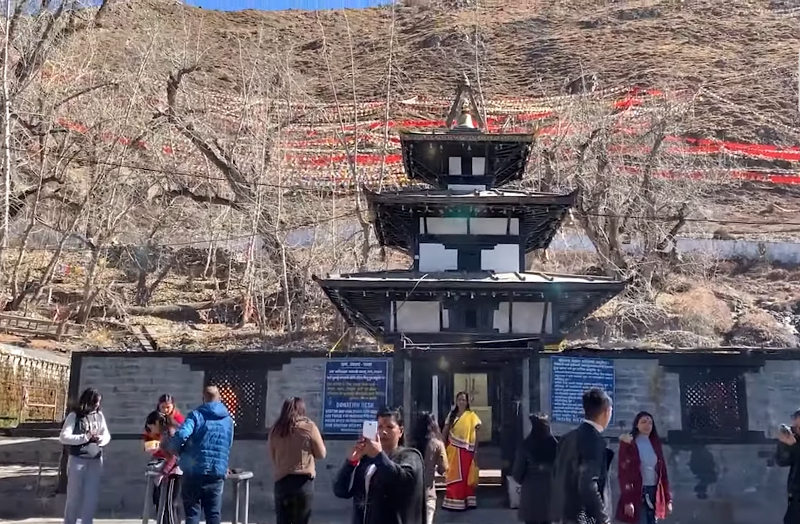
Muktinath Temple – A sacred Hindu temple located in the Mustang district of Nepal
For those with enough time, this 14-day route allows gradual walking and full adaptation. A link text might be: Classic Annapurna Circuit 14 Days.
The 14-day itinerary follows the traditional Annapurna Circuit route, allowing proper acclimatization, scenic exploration, and cultural immersion. The trek passes through Thorong La Pass, Muktinath, Tatopani, Ghorepani – Poon Hill, and ends in Pokhara via Ulleri. This schedule balances trekking intensity with rest, making it ideal for most trekkers.
Distance: 14 km
Trekking hours: 5–6
Description: Start your trek from Besisahar. The trail winds along the Marsyangdi River, passing small villages, terraced fields, and local settlements. Enjoy your first night at a cozy tea house in Bahundanda.
Distance: 11 km
Trekking hours: 5–6
Description: Walk through lush forests and farmland. Cross suspension bridges over the Marsyangdi River and enjoy views of the mountains. Chamje is a small village with welcoming tea houses.
Distance: 13 km
Trekking hours: 5–6
Description: Ascend gradually through pine and rhododendron forests. Villages like Jagat mark cultural stops along the way. Bagarchhap offers traditional stone houses and spectacular views of Annapurna II.
Distance: 12 km
Trekking hours: 5–6
Description: The trail climbs steadily, passing terraced fields, mani walls, and small monasteries. Chame, the district headquarters of Manang, provides beautiful views of Lamjung Himal.
Distance: 9 km
Trekking hours: 5–6
Description: Walk through pine forests and cross small streams. Upper Pisang is a scenic village with traditional Tibetan-style houses and panoramic views of Annapurna II and Pisang Peak.
Distance: 13 km
Trekking hours: 6–7
Description: Pass through Lower Pisang, Braga Monastery, and open landscapes. Arrive in Manang, a culturally rich village that serves as a key acclimatization stop.
Distance: 8–10 km (optional side hikes)
Trekking hours: 3–4
Description: Take a rest day for acclimatization. Hike to Gangapurna Lake or Ice Lake (Kicho Tal). Explore Manang’s monasteries and local culture.
Distance: 10 km
Trekking hours: 4–5
Description: Walk through alpine pastures and yak grazing lands. Enjoy stunning views of Annapurna III, Gangapurna, and the surrounding peaks. Yak Kharka is a quite high-altitude settlement.
Distance: 8–10 km
Trekking hours: 4–5
Description: The trail steepens as you approach Thorong Phedi, the base for crossing Thorong La. Prepare early for the high pass crossing and enjoy the high mountain scenery.
Distance: 20 km
Trekking hours: 8–10
Description: Start very early to cross the Thorong La Pass, the highlight of the trek. Descend to the sacred town of Muktinath and visit its temples. Celebrate your achievement at the highest point of the circuit.
Distance: 45 km (by jeep/road)
Trekking hours: Optional short walks
Description: Descend to the hot springs of Tatopani. Relax and rejuvenate in natural thermal baths after days at high altitude.
Distance: 35 km (by jeep/road) + 4–5 km trekking
Trekking hours: 4–5
Description: Drive and trek through lush rhododendron forests and terraced fields. Ghorepani is a gateway to Poon Hill and offers spectacular mountain sunrise views.
Distance: 15 km
Trekking hours: 5–6
Description: Hike early to Poon Hill for sunrise over Annapurna and Dhaulagiri. Descend to Ulleri, enjoying rhododendron forests and traditional villages along the trail.
Distance: 30–35 km (by road/jeep)
Trekking hours: Optional short walks
Description: End the trek with a scenic drive to Pokhara. Enjoy views of terraced valleys and hills along the way. Celebrate completing the Classic Annapurna Circuit Trek, a journey through mountains, culture, and Himalayan beauty.

Finest view og Mount Dhaulagiri Range from Poon Hill 3210M
Some trekkers want to add the famous sunrise from Poon Hill at the end of the circuit. This can be your link text: Annapurna Circuit with Poon Hill.
This itinerary combines the lower loop, Thorong La Pass, Muktinath, Tatopani, and Poon Hill, ending in Pokhara via Ulleri. The schedule allows proper acclimatization, cultural exploration, and scenic enjoyment.
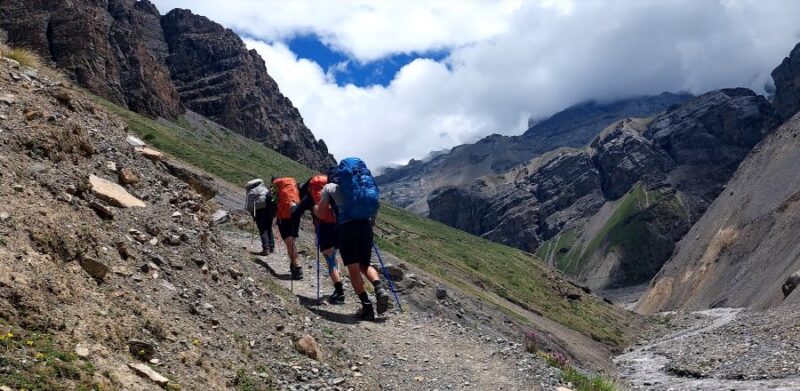
Monsoon trek
The stronger and more experienced you are, the faster you can move safely.
Even fit trekkers need adaptation. Thorong La is 5,416 m—altitude safety is essential.
Monsoon, winter snow, and wind can change trekking duration.
Roads may be blocked by landslides or snow, especially between Manang and Chame.
Many trekkers enjoy visiting places like:
You may later link: Tilicho Lake Side Trip.
Summary:
| Section | Distance | Trekking Hours | Difficulty | Highlights |
|---|---|---|---|---|
| Chame → Manang | 12–15 km | 5–6 hrs | Moderate | Pine forests, apple farms, Annapurna II & III views |
| Manang → High Camp | 8–10 km | 4–5 hrs | Moderate–Challenging | Steeper path, colder weather, glaciers |
| High Camp → Thorong La | 7–8 km | 7–9 hrs | Hard | Sunrise, highest pass, stunning mountain panoramas |
| Thorong La → Muktinath | 20 km | 6–7 hrs | Moderate | Mustang dry landscapes, Muktinath Temple, cultural sites |
If you want, I can also create a visual map-style daily breakdown for Chame → Muktinath, showing exact distances, elevations, and trekking hours for each section, which is very helpful for planning and sharing with trekkers.
Do you want me to make that?
Yes, but only if:
For beginners, the 6-day itinerary is not recommended.

Rest on the way to Yak Khraka and ledar
Even with road access, the Annapurna Circuit remains:
Trekkers walk through:
Few treks offer such a powerful mix in such a short time.
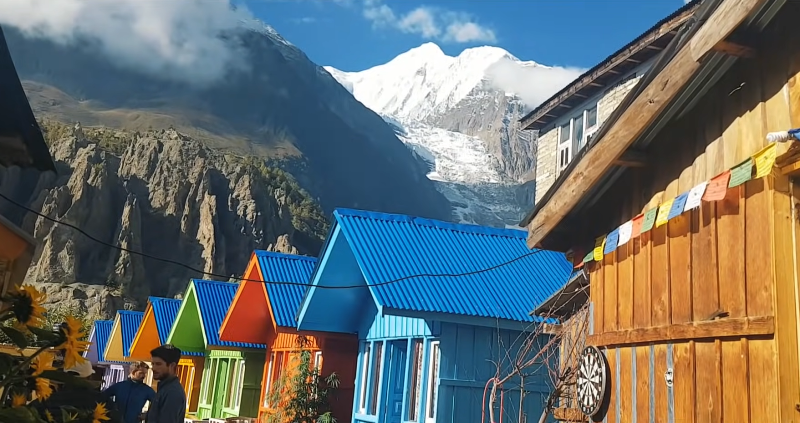
Tea House at Manag- Annapurna Circuit Trek
Upper Pisang is a charming village perched high on a ridge above the Marshyangdi River, offering trekkers dramatic views of Annapurna II, Annapurna III, and Gangapurna. The village is famous for its centuries-old Pisang Monastery, which reflects the deep Tibetan Buddhist culture of the region. Traditional stone houses line the narrow paths, and the terraced fields surrounding the village add to its picturesque beauty. The ridge walk near the village is particularly stunning, giving hikers panoramic mountain vistas and a true sense of Himalayan grandeur. Staying overnight allows trekkers to experience the peaceful sunrise over the peaks and the serene monastery ambiance.
Manang is a bustling, high-altitude village that serves as the main acclimatization and cultural hub on the Annapurna Circuit. Nestled at around 3,500 meters, the village is surrounded by towering peaks like Gangapurna, Annapurna IV, and Tilicho Peak. Manang has numerous cozy teahouses, lodges, and small shops catering to trekkers, making it a comfortable stop before heading to higher altitudes. The village streets are lined with mani walls, prayer flags, and stone houses, reflecting the Tibetan-influenced culture. Spending a night or two in Manang allows trekkers to adjust to the altitude, explore nearby lakes, and enjoy the stunning mountain scenery.
Yak Kharka and Ledar are tranquil high-altitude pasture villages used mainly for yak grazing in summer. Situated above 4,000 meters, these villages are peaceful and sparsely populated, offering a quiet contrast to the busier Manang. The wide open landscapes provide unobstructed views of snow-capped peaks and distant glaciers, making them perfect spots for photography and reflection. Lodges here are basic but warm, and the nights are cold, emphasizing the remoteness of the region. Trekkers often stop here for a night to rest before the final climb to High Camp, enjoying the serenity and raw beauty of the Himalayas.
Thorong Phedi and High Camp are the gateway villages to the famous Thorong La Pass, marking the transition to the most challenging part of the trek. Thorong Phedi is located at the base of the steep final ascent, and High Camp sits higher up at nearly 4,850 meters. These villages have small, simple lodges that cater to trekkers preparing for the pass. The terrain here is rocky and exposed, with cold winds and snow possible even in spring and autumn. Staying overnight at High Camp allows hikers to start very early for the sunrise ascent, giving them the best chance to cross the highest point of the Annapurna Circuit safely.
Muktinath and the nearby village of Jhong are culturally and spiritually significant, offering a unique Himalayan experience. Muktinath, located at around 3,800 meters, is a sacred site for both Hindus and Buddhists, famous for its 108 water spouts (Muktidhara) and Buddhist stupa. Jhong is a small traditional village nearby, with stone houses and quiet streets that reflect the Mustang region’s arid landscape. The terrain here changes from alpine to dry, desert-like valleys, with stunning cliffs and panoramic mountain views. Trekkers often spend a night exploring the temple, enjoying local culture, and resting before continuing toward Kagbeni or descending further into the Kali Gandaki Valley.
Kagbeni is a medieval-style village at the edge of the Kali Gandaki Valley, known for its old stone buildings and ancient monasteries. It has a peaceful, almost timeless feel, with narrow lanes and traditional houses built from stone and mud. The village offers spectacular views of the valley and Dhaulagiri and Nilgiri peaks, making it a favorite stop for photographers. Kagbeni is often used as a rest point before entering the restricted Mustang region or exploring the surrounding villages. The combination of cultural richness, history, and natural beauty makes Kagbeni an optional but rewarding stop on the Annapurna Circuit.
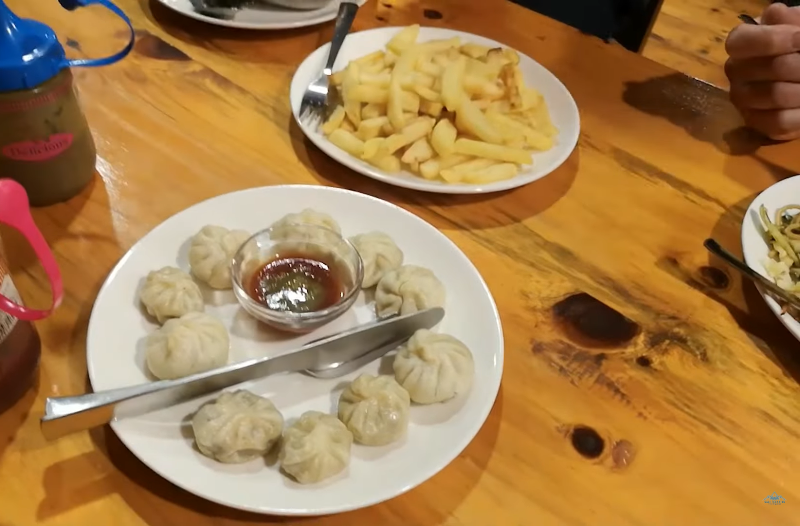
Popular nepali dish- Momo
The Annapurna Circuit Trek offers a comfortable and well-supported trekking experience through the region’s renowned tea houses. Accommodation along the trail consists of clean and modestly furnished rooms, providing a restful environment for trekkers. These facilities are suitable for both short and extended treks.
Tea houses serve hot, freshly prepared meals, including traditional Nepali cuisine such as dal bhat, soups, and noodles, alongside simple Western options. Meal quality generally improves in larger villages and popular trekking stops.
Most tea houses provide electricity for charging devices, though availability may be limited at higher elevations or may incur a small fee. Wi-Fi services are also available in major villages, typically on a paid basis, with slower connectivity at higher altitudes.
Overall, the Annapurna Circuit’s tea houses strike a balance between comfort and practicality, allowing trekkers to enjoy the scenic and cultural journey while having access to essential amenities.

jeep Transport from Pokhara to Jhinu Danda
To make your trek easier and save walking days, there are road and flight options:
Drive Options:
Kathmandu → Chame: Start your trek by driving, skipping the initial walking days.
Muktinath → Jomsom → Pokhara: After crossing Thorong La Pass, you can drive to Jomsom and continue to Pokhara.
Jomsom → Tatopani → Pokhara: Another option to shorten the trek by road.
Flight Option:
Jomsom → Pokhara: You can fly from Jomsom to Pokhara to save time. Note that this is weather-dependent.
These options help you customize your trek and make the journey more comfortable, especially for those with limited time or who prefer less walking.
Yes—especially if doing the trek in minimum days. A guide helps with:
In short treks, a guide makes the experience smoother and safer.
The choice depends on your:
For most trekkers, 8–10 days gives the best balance of safety, comfort, and enjoyment.
If you are planning the Annapurna Circuit Trek, remember that time and safety are more important than speed. The route is one of the world’s finest trekking journeys, offering beautiful landscapes, diverse cultures, and unforgettable mountain views.
Whether you choose the 6-day fastest option, the 8-day short trek, the 10-day recommended trek, or the full classic circuit, the Annapurna region promises an experience you will never forget.
Always listen to your body, prepare well, and choose the itinerary that matches your fitness and available time.
Your adventure in the Himalayas starts with a simple question—
“How many days do I need?”
Now you know the perfect answer.
Safe Holiday Adventure Pvt. Ltd.
P.O.Box: 20065 Tarkeshwor-6, Kathmandu, Nepal
Cell: 00977 9849116284
Email: info@safeholidayadventure.com,
safeholidayadventure@gmail.com
Europe Contact
Mark Brosius
mark.brosius@hotmail.com
Oude baan, 41, 3060 Bertem, Belgium


We are associated with


We accept