STAY CONNECTED


Government Licence No.: 131483/071/072
STAY CONNECTED
December 8, 2025

Kathmandu, the capital city of Nepal, is not only the gateway to the Himalayas but also one of the most important Buddhist centers in South Asia. The valley is filled with ancient monasteries, sacred stupas, and meditation centers that reflect centuries of Buddhist tradition and culture. For visitors and trekkers, these monasteries offer a peaceful break from the busy city and a chance to experience Nepal’s spiritual side before heading into the mountains.
The Buddhist monasteries in Kathmandu are known for their beautiful architecture, colorful prayer flags, golden statues, wall paintings, and calm atmosphere. Many monasteries are located on hilltops or near famous stupas like Boudhanath and Swayambhunath, offering both spiritual energy and scenic views. Visitors can observe daily prayers, spin prayer wheels, walk around stupas, and even join short meditation sessions in some monasteries.
Exploring Buddhist monasteries helps travelers better understand Tibetan Buddhism and the lifestyle of monks. These holy places are not tourist attractions alone—they are living centers of learning, prayer, and community. Every monastery has its own story, religious importance, and peaceful environment that touches the hearts of visitors.
Whether you are a traveler, trekker, or spiritual seeker, visiting monasteries in Kathmandu is a meaningful experience. These sacred places provide inner peace, cultural knowledge, and unforgettable moments — making your journey in Nepal deeper and more inspiring.
Monasteries in Kathmandu Valley are not just religious buildings—they are centers of learning, art, and tradition. Many date back hundreds of years and represent the strong influence of Tibetan Buddhism in Nepal. Inside monasteries, you will find wall paintings, statues of Buddhas and Bodhisattvas, and rhythmic chants that create a peaceful atmosphere.
For trekkers, these places are ideal for mental preparation before high-altitude journeys. Meditation sessions, prayer halls, and gardens help you slow down and mentally relax before your trek. Monasteries also offer opportunities to learn about karma, mindfulness, compassion, and the Buddhist lifestyle from monks themselves.

Kapan Monastry
Kopan Monastery is one of the most famous Buddhist monasteries in Kathmandu, especially known for meditation, spiritual learning, and peaceful surroundings. It is located on a quiet hill on the northern side of Kathmandu Valley, above Boudhanath Stupa, and offers a beautiful view of the city and the surrounding hills. Many travelers, trekkers, and spiritual seekers visit Kopan to relax their minds, learn about Buddhism, and enjoy a calm environment away from the busy streets of Kathmandu.
Distance from Kathmandu city center:
Kopan Monastery is about 7–8 kilometers from Thamel and central Kathmandu. By taxi or private vehicle, it usually takes 30 to 45 minutes, depending on traffic and road conditions. From Boudhanath, it is around 2–3 kilometers uphill, and visitors can either walk or take a short taxi ride.
Kopan Monastery was established in 1969 by Lama Thubten Yeshe and Lama Zopa Rinpoche. It follows the Tibetan Mahayana Buddhist tradition and is now an international center for Buddhist study and meditation. The monastery is home to hundreds of monks from Nepal and other countries. It is especially popular among foreigners because many teachings and meditation courses are offered in English.
The monastery complex includes prayer halls, monks’ living quarters, libraries, meditation rooms, and peaceful gardens. Inside the main prayer hall, visitors can see colorful wall paintings, large Buddha statues, and traditional Tibetan decorations. The sound of chanting, the smell of incense, and the view of prayer flags create a deeply calming atmosphere.
One of the main attractions of Kopan is its meditation courses and retreats. The monastery regularly organizes short courses that introduce basic Buddhist philosophy, mindfulness, compassion, and meditation techniques. These programs attract people from all over the world who want to learn more about Buddhism or simply take a break from stressful life.
Visitors to Kopan Monastery can explore the gardens, sit quietly in the prayer areas, or walk around the monastery while enjoying views of Kathmandu Valley. It is a perfect place to reflect, relax, and find mental peace before or after trekking in Nepal.
When visiting Kopan Monastery, dress modestly, remain quiet inside prayer areas, and ask permission before taking photos. Offering a small donation is appreciated and helps support the monastery’s activities.
Kopan Monastery is not just a religious site—it is a place of learning, peace, and spiritual connection, making it one of the top monasteries to visit in Kathmandu, Nepal.
Pullahari Monastery is a peaceful and spiritually important Buddhist site located on a hill near Budhanilkantha, on the northern edge of Kathmandu Valley. Surrounded by green forests and fresh mountain air, the monastery offers one of the best views over Kathmandu city. Its quiet location makes it an ideal place for visitors who want to experience Tibetan Buddhist culture away from crowds.
This monastery is well known as a center for higher Buddhist studies and long-term meditation retreats. Many monks train here in philosophy, rituals, and traditional Tibetan teachings. Visitors can observe daily prayer ceremonies, listen to chanting, and feel the deep spiritual atmosphere that fills the monastery halls.
Pullahari is also admired for its elegant Tibetan-style architecture, beautifully decorated prayer rooms, and open courtyards. From its terraces, you can enjoy wide views of the valley, especially in the early morning or late afternoon when the light is soft and peaceful.
A visit to Pullahari Monastery is not only a cultural experience but also a moment of calm and reflection. It is a quiet retreat where travelers can slow down, breathe fresh air, and connect with the spiritual side of Nepal.

Shecen-Tennyi-Dargyeling-Monastry
Located near Boudhanath, Shechen Monastery is one of the major Nyingma monasteries in Nepal. Originally established in Tibet, it was rebuilt in Kathmandu by Dilgo Khyentse Rinpoche to preserve its rich tradition.
Today, it functions as both a monastery and a center for cultural education. Visitors can observe rituals, explore prayer halls, and visit the attached cultural center and school.
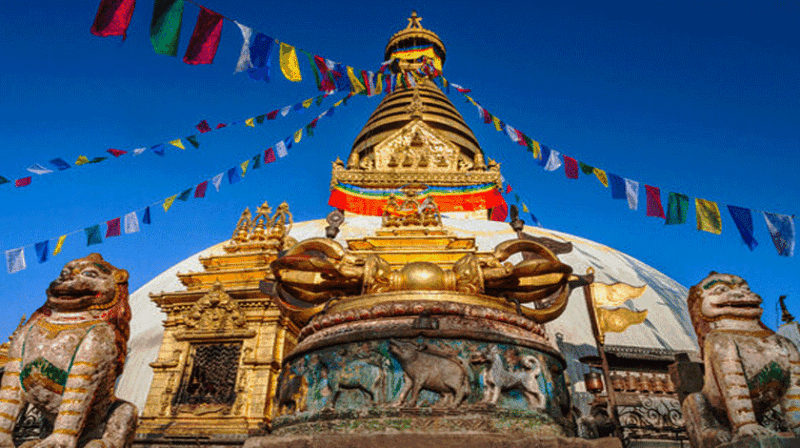
Swayambhunath-Monkey-Temple

Bauddha stupa
Boudhanath Stupa, located in the northeastern part of Kathmandu, is one of the largest spherical stupas in Nepal and a major center of Tibetan Buddhism. Its massive white dome topped with a gilded spire dominates the surrounding area, making it a landmark visible from afar. The stupa attracts pilgrims, tourists, and spiritual seekers from around the world, creating a unique blend of devotion and cultural vibrancy. It is recognized as a UNESCO World Heritage Site for its architectural and spiritual significance.
Boudhanath is believed to have been built in the 5th century, though its exact origins are shrouded in legend. It is said to be a place where the bodhisattva Avalokiteshvara chose to reside, making it highly sacred for Tibetan Buddhists. Over the centuries, it has become a hub for monastic learning, meditation, and Tibetan culture, especially after the influx of Tibetan refugees in the 1950s. Today, it represents peace, compassion, and spiritual energy.
The stupa is designed as a mandala in three dimensions, representing the universe. The large white dome symbolizes the earth, while the towering spire represents enlightenment. Painted Buddha eyes on the spire gaze in all four directions, symbolizing wisdom and compassion. A golden pinnacle at the top and layers of colorful prayer flags add vibrancy to the structure. Surrounding the stupa are hundreds of prayer wheels and small shrines, which devotees spin while walking clockwise around the monument in a traditional kora ritual.
Boudhanath is a living spiritual space where monks chant, pilgrims walk with prayer beads, and local shops sell religious items, handicrafts, and butter lamps. The area hums with rituals, prayers, and devotion, creating a powerful spiritual energy that visitors can feel as they move around the stupa.
A walk around the stupa offers both cultural immersion and meditation. Visitors can explore the surrounding Tibetan monasteries, enjoy traditional Tibetan food, and witness festivals such as Losar (Tibetan New Year). At sunrise or sunset, the stupa glows beautifully in golden light, leaving an unforgettable impression on travelers. Boudhanath is not just a monument—it is a center of faith, culture, and spiritual energy in the heart of Kathmandu.

Thrangu-Tashi-Choling-Monastery
Thrangu Tashi Choling Monastery is a Tibetan‑Buddhist monastery located in the Boudhanath area of Kathmandu. Founded by Thrangu Rinpoche in 1979, it serves as both a spiritual center and a place for learning. Its peaceful environment provides a calm retreat for monks and visitors alike.
The monastery is known for its traditional Tibetan architecture. Its prayer halls, colorful decorations, and intricate carvings reflect rich artistic heritage. Inside, the sacred shrine hall creates a serene space for meditation, chanting, and rituals, drawing visitors into the spiritual atmosphere.
Monks at Thrangu Tashi Choling follow a daily routine of prayers, meditation, and study. Young monks receive both modern education and Buddhist teachings, blending tradition with contemporary learning. This active monastic life makes the monastery a living center of culture and devotion.
Visitors can experience Tibetan‑Buddhist culture firsthand. Observing chanting, spinning prayer wheels, and witnessing rituals allows for a deeper understanding of Buddhist practices. The monastery’s location near Boudhanath Stupa adds cultural and spiritual richness to the visit.
Despite its modest size, Thrangu Tashi Choling is considered an artistic wonder. Its combination of art, devotion, and community life creates a unique experience. For travelers seeking peace, culture, and spiritual insight, it is a must‑visit site in Kathmandu.

Namo-Budha-Monastry
Namo Buddha is a sacred Buddhist site located about 40 km southeast of Kathmandu in the Kavrepalanchok district. Perched on a serene hilltop, it is one of the holiest pilgrimage sites in Nepal, attracting devotees from around the world. The monastery is closely linked with a popular Buddhist legend of selfless compassion, where a prince offered his own body to a starving tigress and her cubs, embodying the spirit of ultimate sacrifice.
The Namo Buddha Monastery features traditional Tibetan Buddhist architecture with colorful prayer flags, intricately carved windows, and stupas. The main shrine is surrounded by smaller temples and statues of Lord Buddha, making it a visual delight for visitors. The golden roofs gleam under the sun, and the serene courtyards provide a peaceful atmosphere for meditation and reflection.
The monastery is perched on a hilltop offering panoramic views of the surrounding valleys and distant Himalayan peaks. The lush forests, terraced fields, and fresh mountain air enhance the spiritual experience, making the trek to Namo Buddha not only a religious journey but also a nature lover’s delight.
Pilgrims and visitors can participate in prayer ceremonies, meditate in the quiet courtyards, or walk along the scenic trails leading to the monastery. The peaceful environment encourages introspection and spiritual connection. Local tea houses and lodges offer simple accommodation and refreshments for visitors.
Namo Buddha is accessible by a 1.5–2 hour drive from Kathmandu, followed by a short hike. The best time to visit is during autumn and spring when the weather is clear, and the landscape is lush. Modest attire is recommended as a mark of respect, and photography is allowed with permission in some areas.

White Gompa
Seto Gumba, also known as the White Monastery, is a beautiful Tibetan Buddhist monastery located in the peaceful neighborhood of Nagarjun, north of central Kathmandu. Perched on a small hill, it offers a calm escape from the city’s hustle, making it a popular place for meditation, learning, and spiritual reflection.
The monastery is painted bright white, giving it its name, and features traditional Tibetan-style architecture. Its golden roof, prayer wheels, and colorful murals create a visually stunning environment. The compound includes the main prayer hall, stupas, and smaller shrines dedicated to Buddhist deities.
White Monastery is home to a community of monks and nuns who practice Tibetan Buddhism. Visitors can witness daily rituals, meditation sessions, and chanting. The monastery also provides teachings on Buddhist philosophy and encourages spiritual learning.
Seto Gumba is surrounded by lush greenery, forested hills, and small gardens. The elevated location offers quiet walking paths and beautiful views of the Kathmandu Valley, enhancing the peaceful, contemplative atmosphere.
The monastery is accessible by car or a short hike from central Kathmandu. Visitors are advised to dress modestly and remain silent in prayer areas. Photography is generally allowed in the outdoor areas, but permission should be sought for interiors.

Rigon Tashi Choeling Monastery
Rigon Tashi Choeling Monastery is a serene and lesser-known Buddhist monastery located in Pharping, a small town about 40 kilometers south of Kathmandu. Nestled on a gentle hillside, the monastery is surrounded by lush forests and offers peaceful views of the surrounding valley. Pharping itself is a historic and spiritual town, famous for its ancient meditation caves and Buddhist heritage, making the monastery a perfect spot for visitors seeking tranquility away from the bustling city.
Reaching Rigon Tashi Choeling Monastery is relatively easy. From Kathmandu, you can hire a private car or taxi, which takes around 1.5 to 2 hours along a scenic route passing through Boudhanath and Chobar. Local buses and microbuses also run from Ratnapark in Kathmandu toward Pharping or Dakshinkali, with a short uphill walk from the bus stop to the monastery. The walk is quiet and scenic, allowing visitors to enjoy the natural beauty of the area while approaching the monastery.
The monastery itself is a peaceful retreat, featuring traditional Tibetan Buddhist architecture with colorful prayer flags fluttering in the wind. Inside, you will find calm prayer halls where meditation and chanting take place. It is an excellent place for reflection, photography, and experiencing local Buddhist culture. Nearby attractions include the Yangleshö Cave, other Pharping monasteries, and the famous Dakshinkali Temple, making it possible to explore several spiritual sites in a single visit.
Visitors should keep in mind a few safety tips. The area is generally safe, but wearing comfortable shoes is recommended as the path can be slightly steep. Carrying water and snacks is helpful, since there are few shops nearby. Respect for monastic rules is essential: avoid loud talking, and check whether photography is allowed inside the prayer halls. Visiting during autumn or spring is ideal, as the weather is pleasant and the skies are clear, offering the best conditions for sightseeing and photography.
Rigon Tashi Choeling Monastery is truly a hidden gem near Kathmandu, offering a unique combination of natural beauty, spiritual atmosphere, and cultural richness, perfect for travelers who wish to experience Nepal’s quieter side.
Dress modestly (cover shoulders and knees)
Remove shoes before entering prayer areas
Maintain silence inside the halls
Ask permission before photography
Do not take photos of monks without consent
Avoid using flash
Respect rituals and observe quietly
Early mornings and late afternoons are the best times for peaceful visits.
Adding monastery visits to your Nepal journey will deepen your understanding of the local culture and refresh your spirit before trekking. At Safe Holiday Adventure Pvt. Ltd., we arrange cultural tours, hiking trips, monastery visits, and full trekking packages throughout Nepal.
If you want to include monasteries in your travel plan, feel free to contact us for a personalized itinerary.
Safe Holiday Adventure Pvt. Ltd.
P.O.Box: 20065 Tarkeshwor-6, Kathmandu, Nepal
Cell: 00977 9849116284
Email: info@safeholidayadventure.com,
safeholidayadventure@gmail.com
Europe Contact
Mark Brosius
mark.brosius@hotmail.com
Oude baan, 41, 3060 Bertem, Belgium
We are associated with


We accept