


Poon Hill Sunrise Trekking Key Highlights: Highlights
- Poon Hill Sunrise (3,210 m): Famous viewpoint for sunrise over the Annapurna and Dhaulagiri ranges
- Panoramic Mountain Views: Annapurna I, Annapurna South, Machhapuchhre (Fishtail), Dhaulagiri
- Short & Easy Trek: Ideal for beginners and travelers with limited time
- Gurung & Magar Villages: Experience local culture in Ghorepani, Ghandruk, and Ulleri
- Rhododendron Forests: Beautiful forests, especially colorful in spring season
- Well-Developed Trail: Good lodges, meals, and clear trekking paths
- Close to Pokhara: Easy access from Pokhara city
- Family-Friendly Trek: Suitable for all age groups with basic fitness
Poon Hill Sunrise Trekking Introcuction: Overview
The Poon Hill sunrise trekking offers a captivating adventure that typically lasts 2-6 days. Starting from either Kathmandu or Pokhara, you’ll cover about 8 to 10 kilometers daily while trekking for 4 to 7 hours each day. With its moderate difficulty level, it’s an excellent choice during Spring or Autumn, promising pleasant weather and breathtaking views.
Furthermore, the Ghorepani Poon Hill Sunrise Trekking is ideal for beginners, families, and students seeking Himalayan thrills. It showcases stunning vistas of the Annapurna and Dhaulagiri ranges, including Machhapuchhre (Fishtail) peak (6,973m) and Nilgiri (South/North). Guided by professionals, you’ll explore Nepal’s natural wonders on an unforgettable journey.
The Poon Hill Sunrise Trekking is one of Nepal’s most popular and easy treks. It takes you through beautiful Rhododendron forests and traditional villages like Ulleri, Banthati, Ghorepani, and Ghandruk, offering breathtaking views throughout. Without a doubt, the highlight of the trek is the sunrise view from Poon Hill.
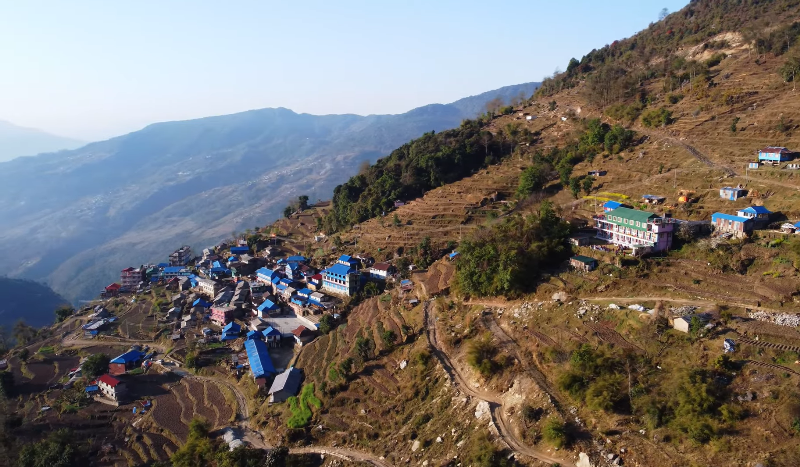
Your journey begins in Nayapul (1,075m), a short drive from Pokhara (850m). On the first day, you trek to Tikhedhunga (1,560m) for an overnight stay. The next day, you reach Ulleri (1,920m), known for its impressive terraced fields. Continuing onward, you arrive at Ghorepani (2,820m)—a colorful Poon Magar village full of guesthouses and restaurants.
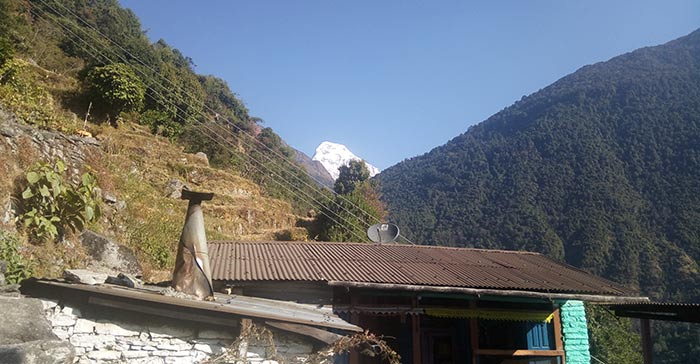
The trail to Poon Hill starts early in the morning, allowing you to witness the magical sunrise. The short hike to the summit takes around 50 minutes to an hour. From here, enjoy panoramic views of Annapurna South (7,219m), Annapurna I (8,091m), Dhaulagiri (8,167m), Nilgiri (South/North), Lamjung Himal, and Machhapuchhre (Fishtail, 6,993m).
After enjoying the sunrise, you trek to Tadapani (2,600m) via Thapla Danda and stay overnight. The following day, the trail continues through the forested ridges of Deurali and Banthati (2,600m), where you’ll stop for lunch. An hour’s walk takes you to Ghandruk (1,850m), a culturally rich village with numerous guesthouses.
In recent years, Ghandruk has become a hub for researchers, students, and trekkers thanks to its road access. The village, home to the Annapurna Conservation Area Project (ACAP), offers insights into local culture and environmental preservation.
Why poon hill sunrise trekking is so popular in Nepal?
Best seasons for Poon Hill sunrise trekking experience:
Difficulty Level Assessment for Poon Hill Trekking Route:
Benefits of Doing Poon Hill Sunrise Trekking With Us:
- Expert local guides — Experienced professionals ensuring safety and cultural insight
- Hassle-free planning — We manage permits, transport, and accommodation
- Best sunrise timing support — Proper schedule to catch perfect Himalayan sunrise views
- Comfortable teahouse stays — Clean, safe, and well-selected local lodges
- Flexible itinerary — Custom plans based on your pace and fitness level
- Authentic cultural experience — Explore Gurung and Magar villages with guidance
- Safety-first approach — First aid support and emergency coordination
- Value for money packages — Transparent pricing with no hidden costs
Short itinerary of Poon Hill, Sunrise Trekking:Outline Itinerary
Day 1: Drive from Kathmandu to Nayapul (the starting point of the trek) and trek to Tikhedhunga (1,570m),
Day 2: Trek from Tikhedhunga to Ghorepani (2,850m),
Day 3: Hike to Poon Hill (3,210m) for sunrise and then trek to Tadapani (2,610m),
Day 4: Trek from Tadapani to Ghandruk (1,940m),
Day 5: Trek from Ghandruk to Nayapul and drive back to Kathmandu.

Whats Included?
- Airport Pickup Service – Private vehicle transfer from Kathmandu Airport to your hotel upon arrival.
- Pokhara Hotel Stays – 2 nights of comfortable hotel accommodation in Pokhara with daily breakfast included.
- Luxury Tourist Bus Tickets – Round-trip luxury bus transportation between Kathmandu and Pokhara.
- Private Trek Accommodation – Comfortable stays in selected guesthouses and tea houses throughout the trek.
- All Trekking Meals Included – Daily breakfast, lunch, and dinner during the trek (one main course per meal).
- Licensed Professional Guide – Experienced, government-authorized Poon Hill trekking guide.
- Basic Medical Support – General first-aid and essential medicines available during the trek.
- Guide Expenses Covered – Guide’s salary, accommodation, transportation, and insurance included.
- Fresh Seasonal Fruits – Complimentary seasonal fruit served with dinner each trekking day.
- Emergency Rescue Assistance – Free rescue coordination and management in case of illness or emergency.
- Permits & Government Fees – All required paperwork, permits, government taxes, and service charges included.
- Extra Meals & Snacks – Any food or beverages beyond the included main-course meals.
- Travel & Trekking Insurance – Personal travel, medical, and trekking insurance are not included.
- Personal Expenses – Drinks, laundry services, telephone calls, Wi-Fi charges, and other personal purchases.
- Guide & Driver Tips – Gratuities for guides, drivers, and support staff are at your discretion.
- Porter Services – Porter assistance is available upon request at an additional cost.
- Trek Extension Costs – Additional accommodation, meals, and transport expenses caused by itinerary changes or natural disasters.
- Nepal Visa Fee – Visa charges for entering Nepal are not included in the package price.
- Personal Trekking Gear – Sleeping bags, trekking poles, down jackets, and other personal equipment. These can be rented or purchased in Kathmandu.
- Tea House Luxury Services – Hot showers, battery charging, Wi-Fi, and other optional amenities during the trek.
- Optional Activities – Any sightseeing tours, adventure activities, or excursions not mentioned in the itinerary.
- Additional Requested Services – Any extra services not specifically listed under the “Included Services” section.
Dates and Availability Departures
All our published dates are guaranteed departures. We also provide customized departures tailored to your travel plans.
September 2026
October 2026
November 2026
Travellers Reviews
Mitchell B
UK | 2025-7-2
Our best Family short hike to Poon hill with santosh
I felt the experience was priced just right, and Santosh did very well to actively adjust the plans to suit the ability of our group as required.
Even organising of a birthday apple pie with one of our hotel chefs was a lovely touch, thank you.
I can recommend for organising a trek to Pun hill.
Genaral Trip InfoInfos
Accommodation options along the Ghorepani Poon Hill trekking route:
Packing list essentials for Poon Hill sunrise trek:
About a Hot shower and a Private room during poon hill sunrise trekking
Yes, it is possible to have a hot shower and a private room during the Poon Hill sunrise trek. However, it is important to note that the availability of hot showers and private rooms may vary depending on the tea house or lodge you stay in.
Many tea houses offer hot showers for a small fee, typically ranging from 200 to 500 Nepali rupees. These showers are often shared with other trekkers and are located in specific rooms or areas designated for showering. The type of shower provided may vary as well, with some tea houses using solar-powered showers while others may use gas-powered showers.
In terms of private rooms, most tea houses offer basic, shared accommodation with communal bathrooms. However, some tea houses may have private rooms available for an additional fee, which can range from 500 to 1500 Nepali rupees per night, depending on the location and amenities provided.
It is important to note that during peak trekking season (October to November and March to April), the availability of hot showers and private rooms can be limited, so it is advisable to book in advance or arrive early to secure accommodation that meets your preferences.
Weather Conditions During the Poon Hill Sunrise Trek:
The weather has a big impact on your Poon Hill sunrise trekking experience. On clear mornings, trekkers can enjoy stunning views of the Annapurna, Dhaulagiri, and other Himalayan peaks as the first sunlight touches the mountains.
The best weather is usually found during spring (March–May) and autumn (September–November). These seasons offer clear skies, pleasant temperatures, and the highest chance of seeing a beautiful sunrise from Poon Hill.
In winter, mornings can be very cold, while the monsoon season brings rain, clouds, and slippery trails. Checking the weather forecast before your trek helps you prepare properly and enjoy the best possible mountain views.
Poon Hill Sunrise Trekking for Beginners:
Charging batteries during the poon hill sunrise trekking
Charging your batteries during the Poon Hill sunrise trek can be challenging due to the lack of access to electricity in some areas. However, there are several options available to keep your devices charged:
- Bring spare batteries: If you have a camera or other devices that use removable batteries, consider bringing extra batteries with you. This way, you can swap out the batteries as needed without worrying about finding a power source to recharge them.
- Use teahouse charging stations: Many tea houses and lodges along the trekking route offer charging services for a small fee. These charging stations are often powered by solar or hydroelectric power and may be limited in availability or capacity.
- Bring a portable power bank: A portable power bank can be a lifesaver on a trekking trip. They come in various sizes and capacities and can be used to charge your devices multiple times. Just remember to charge the power bank before you set out on your trek.
- Use solar chargers: Solar chargers are a great option for charging devices during the day. They are lightweight, portable, and can be attached to the outside of your backpack to charge as you walk.
- Plan: Consider reducing battery usage by turning off unnecessary apps or functions on your device. You can also plan by only using your device when necessary and conserving battery power when you’re not using it.
It is important to note that charging services may not be available at every tea house, so it is advisable to plan and bring spare batteries or a portable power bank to ensure you have enough power for the duration of your trek.
Can You Trek to Poon Hill Without a Guide?
Poon Hill Trek for Solo Travelers: Tips and Advice
Why Thousands of Trekkers Visit Poon Hill Every Year?
Poon Hill Trek Permits: Costs, Rules, and Requirements
To complete the Poon Hill Sunrise Trek, trekkers must obtain the required trekking permits before entering the Annapurna region. The main permit is the Annapurna Conservation Area Permit (ACAP), while additional registration requirements may apply depending on current trekking regulations.
Permit costs vary by nationality and government policy, so it is important to check the latest fees before traveling. Trekkers should carry their permits, passport, and other required documents throughout the trek. Following permit regulations helps support conservation efforts, local communities, and sustainable tourism in the Annapurna region.
How Cold Does It Get at Poon Hill Sunrise?
The temperature at Poon Hill Sunrise varies significantly by season, and the early morning viewpoint can feel much colder than nearby villages due to wind and elevation.
During spring (March–May), sunrise temperatures usually range from 0°C to 10°C, offering cool but comfortable conditions with clear mountain views. In summer and monsoon (June–August), temperatures are generally milder, around 5°C to 15°C, though clouds and rain can affect visibility.
In autumn (September–November), one of the most popular trekking seasons, sunrise temperatures often range between 0°C and 8°C. During winter (December–February), temperatures can drop below freezing, commonly reaching -5°C to 5°C, with occasional frost and cold winds at the viewpoint.
Regardless of the season, trekkers should carry a warm jacket, hat, and gloves for the early morning hike to enjoy the spectacular Poon Hill sunrise comfortably.
Poon Hill Trek Distance and Daily Walking Hours:
The Poon Hill Trek is one of Nepal’s most accessible Himalayan adventures, covering approximately 40–55 kilometers depending on the route and itinerary. Most trekkers complete the journey in 4 to 5 days, with daily walks ranging from 4 to 7 hours. The trail passes through charming Gurung and Magar villages, lush rhododendron forests, and spectacular mountain viewpoints.
Typical Distance and Walking Hours
| Day | Route | Distance | Walking Time |
|---|---|---|---|
| Day 1 | Nayapul – Ulleri | 10–12 km | 4–6 hours |
| Day 2 | Ulleri – Ghorepani | 9–11 km | 5–7 hours |
| Day 3 | Ghorepani – Poon Hill – Tadapani | 12–15 km | 6–8 hours |
| Day 4 | Tadapani – Ghandruk – Nayapul | 10–14 km | 4–6 hours |
Total trekking distance: approximately 40–55 km.
Detailed ItineraryItinerary
Arrival in Kathmandu (1350 m/4,429 ft.)
Upon arrival at Tribhuvan International Airport(TIA) in Kathmandu, you will be greeted by one of our airport representatives who will assist you in transferring to your designated Hotel. Once you have settled in, your tour leader will provide you with important information and details about the upcoming Poon Hill trek.
What to see in Kathmandu:
Kathmandu is home to several must-visit sites. The Pashupatinath Temple, a revered Hindu temple on the Bagmati River’s banks, is a spiritual hub known for its evening aarti. The Boudhanath Stupa, one of the world’s largest, offers a peaceful ambiance and vibrant prayer flags. The Swayambhunath, or Monkey Temple, provides stunning views of the city and is rich in Buddhist symbolism. Lastly, Kathmandu Durbar Square, a UNESCO World Heritage Site, showcases the city’s ancient architecture, temples, and the living goddess Kumari’s residence.
Accommodation : Hotel
Drive to Pokhara (850 m/2,788 ft.)
After an early start in Sorakhutte, Nayabazar, located just a short walk from Thamel(Tourist Hub in Kathmandu), we will embark on a scenic journey by tourist-standard Bus. The drive will take us through lush forests, picturesque streams, and traditional villages. With two brief stops along the way, we will reach the picturesque city of Pokhara after 7 hours of travel. We will spend the night in a lakeside hotel, enjoying the tranquility and natural beauty of this paradise.
What to see in Pokhara?
Pokhara is a beautiful city known for its natural attractions. Visit Phewa Lake for boating with stunning views of the Annapurna mountains. The World Peace Pagoda offers a peaceful spot with panoramic views. Explore Davis Falls, a unique underground waterfall, and Gupteshwor Cave, a sacred cave nearby. Don’t miss the International Mountain Museum to learn about the Himalayas. Sarangkot is perfect for sunrise views and paragliding over the city.
Accommodation : Hotel Meals : Breakfast
Drive to Nayapul, then trek to Thikhedunga (1,560 m/5,118 ft)
The first day of the Poon Hill trek itinerary involves a drive from Kathmandu to Nayapul(1,075m), which is the starting point of the trek. From Nayapul, you will begin your trek to Thikhedunga, which is a small village located at an altitude of 1,560 meters (5,118 ft). The trek will take you through beautiful forests, terraced fields, and traditional villages. The distance of the trek is around 14 km, and it will take around 4-5 hours to reach Thikhedunga. It is the first overnight stop on the itinerary.
What to see in Thikhedunga?
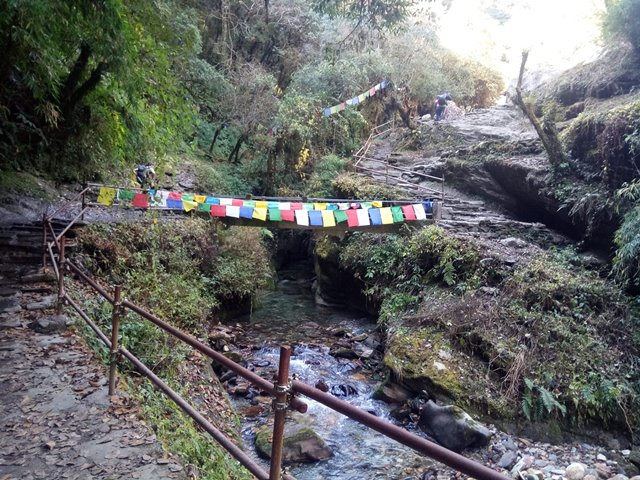
In Thikhedunga and Hille during the Poon Hill trek, you’ll encounter charming Gurung villages, where you can experience local culture. The trail features beautiful waterfalls and lush terraced fields. Crossing hanging bridges adds adventure to the journey. Enjoy the stunning views of green rolling hills that surround these serene villages, making the trek a memorable experience.
Accommodation : Hotel Meals : Breakfast, Lunch & Dinner
Trek to Ghorepani (2,820 m/9,251 ft.)
On the second day of the Poon Hill trek itinerary, you will begin your trek from Thikhedunga to Ghorepani, which is a small village located at an altitude of 2,820 meters (9,251 ft.). The trek will take you through beautiful Rhododendron forests, passing by traditional villages and terraced fields. Along the way, you will also have a chance to see the beautiful Annapurna mountain range. The distance of the trek is around 14 km, and it will take around 5-6 hours to reach Ghorepani. Ghorepani is a popular stopover for trekkers, as it offers beautiful views of the surrounding mountains and is a great spot to watch the sunset.
What to see around Ghorepani?
Around Ghorepani, immerse yourself in the Poon Magar village, where you can visit the Poon Museum to learn about local heritage. Hike up to Poon Hill viewpoint (3,210m) for breathtaking sunrise views over the majestic Dhaulagiri (8,167m), Annapurna South, and Nilgiri peaks. Engage with the friendly locals, who offer warm hospitality, and enjoy the stunning mountain vistas all around.
Accommodation : Tea House Meals : Breakfast, Lunch & Dinner
Trek to Tadapani (2,660 m/8,727 ft.) after dawn at Poon Hill (3,210 m/10,531 ft.)
On the third day of the Poon Hill trek itinerary, you will start early in the morning to hike up to Poon Hill (3,210 m/10,531 ft) to catch the beautiful sunrise over the Annapurna and Dhaulagiri mountain range. After enjoying the sunrise, you will return to Ghorepani for breakfast and then continue the trek to Tadapani (2,660 m/8,727 ft). The trek from Ghorepani to Tadapani is relatively steep and passes through beautiful forests of Rhododendron and oak. The distance of the trek is around 12 km, and it will take around 5-6 hours to reach Tadapani. Tadapani is a small village located on a hilltop and offers stunning views of the Annapurna mountain range. This is the overnight stop for the day.
What to see around Tadapani?
Around Tadapani, you’ll walk through beautiful rhododendron forests that burst with color in spring. The views are stunning, especially of Mount Machhapuchhre (Fishtail), Hiuchuli, and Annapurna South. You can also see temples and enjoy the peaceful sight of green valleys surrounded by other towering mountains, making Tadapani a picturesque and serene stop on your trek.
Accommodation : Tea House Meals : Breakfast, Lunch & Dinner
Trek from Tadapani to Ghandruk (1,850 m/6,069 ft.)
On the fourth day of the 5 days Affordable Poon Hill trek itinerary, you will begin your trek from Tadapani to Ghandruk, which is a traditional Gurung village located at an altitude of 1,850 meters (6,069 ft). The trek will take you through beautiful Rhododendron forests, passing by traditional villages and terraced fields. Along the way, you will also have a chance to see the beautiful Annapurna mountain range. The distance of the trek is around 12 km, and it will take around 3-4 hours to reach Ghandruk. Ghandruk is a popular stopover for trekkers, as it offers beautiful views of the surrounding mountains and is a great spot to explore the traditional Gurung culture.
What to see around Ghandruk Village?
Around Ghandruk, explore one of Nepal’s largest Gurung villages. Visit the Gurung Museum to learn about local culture, and see the Buddhist monastery for a peaceful experience. Enjoy stunning views of Annapurna South and Fishtail (Machhapuchhre). Watch a beautiful sunset, stroll through scenic terrace fields, and meet friendly Gurung people. The fresh atmosphere and river views add to the charm of this vibrant village.
Accommodation : Lodge Meals : Breakfast, Lunch & Dinner
Trek to Nayapul (1,075 m/3,526 ft.) and Drive to Pokhara.
On the last day of the Ghorepani Poon Hill and Ghandruk trek itinerary, you will begin your trek from Ghandruk to Nayapul, which is the endpoint of the trek and is located at an altitude of 1,075 meters (3,526 ft). The trek will take you through beautiful terraced fields and traditional villages. The distance of the trek is around 14 km, and it will take around 4-5 hours to reach Nayapul. After reaching Nayapul, you will take a drive to Pokhara, which is a beautiful city located in the western region of Nepal. The drive will take around 2-3 hours, and it will offer you a chance to see the beautiful landscapes of Nepal.
Accommodation : Lodge Meals : Breakfast, Lunch
Tourist standard transport to Kathmandu (1,350 m/4,429 ft.)
After reaching Pokhara, you will take a tourist-standard transport back to Kathmandu, which is the capital city of Nepal and located at an altitude of 1,350 meters (4,429 ft.). The transport ride will take around 6-7 hours, and it will offer you a chance to see the beautiful landscapes of Nepal. The ride will be comfortable and will provide you with a chance to reflect on the experiences of your Poon Hill trek. On arrival in Kathmandu, you will be transferred to your hotel and it will be the end of your Poon Hill trek.
Accommodation : Hotel Meals : Breakfast
Final Departure
On the final day of the Ghorepani Poon Hill Sunrise trek itinerary, you will have some free time in Kathmandu to do some last-minute shopping or to visit any sights that you may have missed during your stay. In the afternoon or evening, depending on your flight schedule, you will be transferred to the Tribhuvan International Airport in Kathmandu for your departure flight. This will mark the end of your Poon Hill sunrise trekking and your journey in Nepal. Your tour leader will assist you with your airport formalities and make sure that you have a smooth departure.
Meals : Breakfast
Poon Hill Sunrise Trekking (4N/5D) FAQs
Big, yes… On this trek, there are plenty of small restaurants that sell dry food, fruits, mineral water, bottled water, and various choices of food with local tastes. However, they have a food menu, and you choose.
We have to walk a total distance is about 51 km, going and back from Nayapul. It is 4 4-night 5-day trek if we follow the mild itinerary Hille-Ghorepani-Tadapani-Ghandruk and Pokhara.
Most trekkers start 45–90 minutes before sunrise, depending on the seaso
The route includes thousands of stone steps, making it one of the trek’s most challenging sections. however 3500 steps plus.
Yes, bottled, boiled, and filtered water are available in most villages.
No reliable ATMs are available on the trail. Carry sufficient cash from Pokhara.
Spring and autumn sunrises can be busy, especially around the viewpoint.
Basic toilets are available in villages and tea houses along the trail.
Yes, many families successfully complete the trek with proper pacing.
Most tea houses provide blankets, though an extra sleeping layer is recommended.
Yes, electricity is available in most villages, often for a small charging fee.
Special permits may be required. Always check current drone regulations before flying.
Many lodges prepare early breakfasts for trekkers returning from sunrise hikes.
Birds, monkeys, and other native Himalayan wildlife are occasionally spotted.
Yes, the route is generally well-marked and easy to follow.
Carry enough for meals, drinks, charging fees, WiFi, and personal expenses. We suggest you carry about 2500-3000 Nepali Rupee Per person per Day.
Yes, vegetarian options are widely available at tea hou
Most tea houses offer private twin rooms, depending on availability.
The final ascent is steep but manageable for most trekkers.
Yes, many older trekkers complete the route at a comfortable pace.
Small shops sell snacks, drinks, and basic trekking supplies.
Refund & Cancellation Policy
- Booking requires 20% non-refundable deposit (Nepal) or 100% upfront (Tibet/Bhutan).
- Remaining payment due before the trip or on arrival (trip-dependent).
Cancellation charges:
- 31+ days: 20%
- 16–30 days: 45%
- 8–15 days: 75%
- 7 days or less: 90%
- Prices may change due to flights, taxes, or exchange rates.
- Trip changes are allowed, but extra costs apply.
- If the company cancels, a full refund, except for unavoidable events (some costs deducted).
- Good health and travel insurance are mandatory.
- No refund if removed for unsafe or illegal behavior.
- Travel involves personal risk, which the client accepts.


