

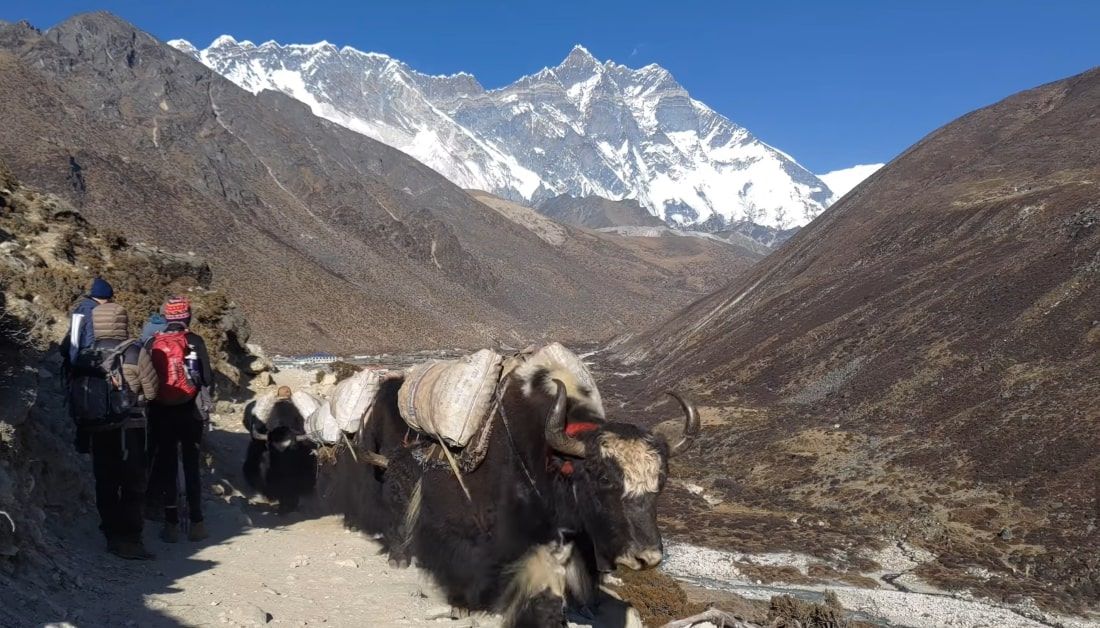

Small Group Trek: 8 Amazing Sites You’ll See Along the EBC Trail Highlights
- Scenic Kathmandu/Ramechhap to Lukla Flight: A thrilling adventure with breathtaking Himalayan views.
- Trekking in high-altitude regions amidst Sherpa and Tamang ethnicities: Meet local people and experience authentic hospitality.
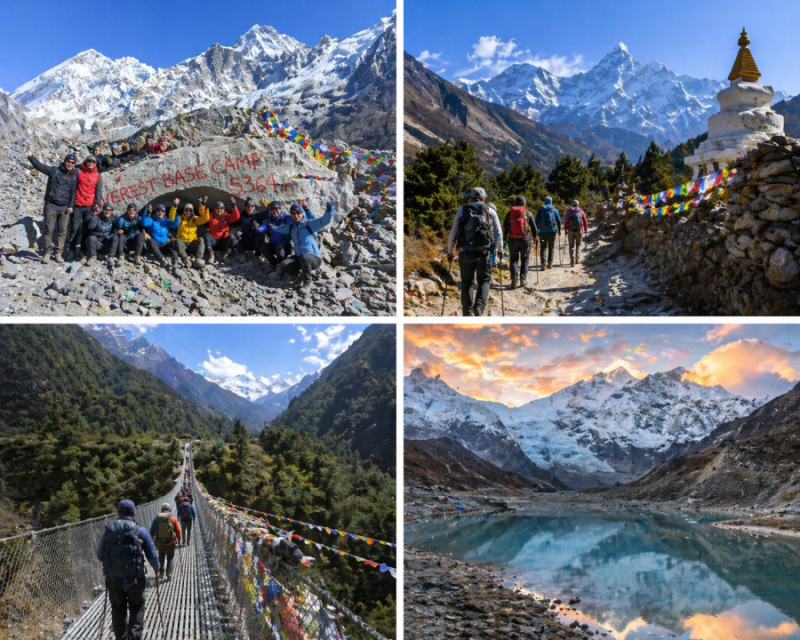
- Crossing Hillary Bridge with stunning valley and snow-capped mountain views: A thrilling highlight of the trek.
- Acclimatization days in Namche Bazaar and Dingboche: Hikes to vantage points with panoramic views for altitude adaptation.
- Visiting ancient monasteries of Tengboche and Pangboche: Cultural immersion in Buddhist traditions.
- Panoramic views from Nangarkha Hill at Dingboche: Majestic vistas of Everest, Lhotse, and Ama Dablam.
- Mesmerizing views from Kalapathar: Sunrise over Khumbu Glacier and peaks.
- Everest Base Camp: Fulfill the dream of standing at the world’s highest point.
Route Introduction: Overview
Are you a small group of adventurers eager to conquer the heights of the Everest Base Camp? Look no further! At Safe Holiday Adventure, we’ve tailored a budget-friendly Everest Base Camp Small Group Trek for you. Are you curious about the adventures that lie ahead on this exciting journey? Join us as we delve into the experience and uncover the thrills together.
Have you ever wanted to walk beneath the world’s highest mountains? Our Everest Base Camp trek could make that dream come true. What makes this adventure ideal for small groups like yours? Discover the unique features and affordability of this special journey.
The Everest Base Camp trail is often called the “steps to heaven,” and rightly so. Each step on the challenging Himalayan path brings you closer to the breathtaking beauty that defines the Everest Region. The rugged terrain may present its challenges, but the rewards are unparalleled. Nestled amid towering mountains, you’ll feel like you’re on top of the world.
The journey unfolds with captivating views of snowy peaks, the Khumbu Glacier, and the Khumbu Icefall, leaving you in awe. The fluttering prayer flags, stirred by the mountain breeze, add to the enchanting scenery. The Everest region’s natural splendor is unmatched. Four of the world’s six tallest mountains, including Mount Everest, Mount Lhotse, and Mount Makalu, grace the horizon.
As you traverse the landscape, you’ll encounter ancient monasteries, suspension bridges, and flowing rivers. The surroundings, featuring snow-covered peaks, barren plains, lush green forests, terraced fields, and quaint villages, create an atmosphere of gratitude for the pristine environment.
Immerse yourself in the rich Buddhist culture as you explore ancient monasteries along the trail, including Tengboche, Khumjung, and Pangboche. Our dedicated team is committed to making your Everest Base Camp trip a dream reality. With years of expertise in the Nepalese Himalayas, especially around the Everest region, we assure you an exceptional trekking experience.
So now, let’s explore the key points of your ideal Everest Base Camp Small Group Trek, designed for small groups, blending adventure with affordability. Don’t forget, once you complete the 12-day journey to Everest Base Camp, expand your adventure to the captivating Gokyo Valley via the challenging Chola Pass. It’s an exciting trail in the Everest region, perfect for those with the time and budget for a more extended exploration.
Extend Your Adventure: Gokyo Valley Trek from Everest Base Camp
After completing the Everest Base Camp small group trek, you can extend your journey with the stunning Gokyo Valley Trek, one of the most beautiful side trips in the Everest region.
This route passes through Lobuche, Dzongla, and the challenging Cho La Pass, connecting the EBC trail with the Gokyo valley. Compared to Everest Base Camp, Gokyo is slightly lower in altitude, making it a great extension for further exploration and acclimatization.
The highlight of this trek is the breathtaking Gokyo Lakes, a series of five crystal-clear turquoise lakes surrounded by massive Himalayan peaks, including Everest, Lhotse, and Makalu. The view from Gokyo Ri is considered one of the best panoramas in the Everest region.
From Gokyo, trekkers have multiple descent options. You can continue via the Renjo La Pass, one of the easier high passes in the region, and descend to Namche Bazaar via Thame and Thamo village, offering a rich cultural experience.
Alternatively, you can take a direct and easier route back to Namche Bazaar via Dole or Machhermo, depending on your time and fitness level.
The Gokyo Valley extension is perfect for trekkers who want more adventure, fewer crowds, and some of the most spectacular mountain scenery in Nepal.
Best Times for the Everest Base Camp Trek in a Small Group
September to November offers Nepal at its finest. Post-monsoon freshness paints the valleys in lush green. Clear skies make every mountain peak, from Ama Dablam to Everest, visible in stunning detail. This period also brings stable weather, ideal for trekking safely with a small group.
March to May transforms the trails into a vibrant tapestry of blooming rhododendrons. Snow melts from lower paths, revealing easy-to-walk trails. Moderate temperatures make each day comfortable for hiking and sightseeing. Visibility remains excellent, creating perfect opportunities for photography and unforgettable memories.
Both seasons ensure a harmonious balance of natural beauty, pleasant weather, and memorable experiences, making them the top choices for small-group treks to Everest Base Camp.
Choosing the Right Small Group for Everest Base Camp Trek:
When it comes to trekking to the majestic Everest Base Camp, the size of your group can transform your entire journey. Smaller groups offer personalized attention, fostering a closer connection with your guides and fellow trekkers. Evaluate the experience of your guides, the fitness and abilities of trekkers, and the flexibility of the itinerary to ensure a seamless adventure. Always prioritize companies that uphold strict safety standards and ethical trekking practices. A trekking company with a solid reputation and active community engagement guarantees not just a trek, but a memorable, responsible, and deeply rewarding Himalayan experience.
Benefits of Joining a Small Group Trek to Everest Base Camp:
- Intimate and private experience: Enjoy trekking in a close-knit, personal setting.
- Better access to personalized services: Guides and staff focus on your unique needs.
- Enhanced nature experience with minimal environmental impact: Small groups leave a lighter footprint.
- Higher quality food: Smaller group sizes ensure fresh, well-prepared meals.
- Flexible itinerary: Tailored to match participant preferences and pace.
- Avoidance of group dynamics issues: No worries about differing trekking speeds.
- Personalized guidance on surroundings, culture, and history: Learn more about the region from expert guides.
- Customized experience for solo travelers, couples, families, or friends: Everyone feels included and comfortable.
- Increased safety: Better guide-to-trekker ratio ensures closer attention.
- Greater opportunity for group bonding and camaraderie: Forge lasting friendships along the trail.
- Quicker decision-making and smoother logistics: Small groups move efficiently.
- Enhanced chances of wildlife sightings: Less disturbance increases your chances of spotting local fauna.
- Easier coordination for group photos and shared memories: Capture moments effortlessly.
- Potential for cost savings: Shared expenses make the adventure more affordable.
Don’t just take our word for it—see what our happy clients say on TripAdvisor about the Everest Base Camp small group Trek!
Everest Base Camp Small Group Trek OutlineOutline Itinerary
Whats Included?
Airport & Transportation Services
- Private airport pickup and drop-off in Kathmandu (Tribhuvan International Airport – TIA) by car or jeep
- All ground transportation as per the trekking itinerary
- Round-trip domestic flights: Kathmandu ↔ Lukla
Trekking Services
- Fully guided Everest Base Camp trek in a small group setting
- Experienced, licensed trekking guide with all wages, insurance, and expenses covered
- Required trekking permits and national park entry fees (including Lukla region permits)
Meals During Trek
- Daily full-board meals during the trek (Breakfast, Lunch, and Dinner)
- Hygienic and locally prepared meals along the trekking route
Cultural & Experience Inclusions
- Entry to Sherpa Museum in Namche Bazaar
- Guided cultural insight into Sherpa villages and the Himalayan lifestyle
Safety & Support
- Assistance in emergency rescue coordination if required
- Basic trek safety support and guidance throughout the journey
(Travel insurance with high-altitude coverage is strongly recommended)
International Travel
- International flights to and from Nepal
Visa & Personal Entry Costs
- Nepal visa fees (available on arrival at Kathmandu Airport)
- Personal travel documents or passport-related expenses
Accommodation in Kathmandu
- Hotel stays in Kathmandu before and after the trek (can be arranged upon request)
Personal Expenses
- Drinks (soft drinks, alcoholic beverages, bottled water, tea/coffee outside meals)
- Snacks, chocolates, and personal food items
- Hot showers, Wi-Fi, and charging services in mountain lodges (where applicable)
Personal Gear
- Trekking equipment (boots, jackets, sleeping bag, etc.)
- Personal clothing and gear for high-altitude trekking
Insurance & Emergency Costs
- Travel insurance (mandatory but not included)
- Emergency helicopter evacuation or medical treatment costs (covered by insurance only)
Optional Tips & Extras
- Tips for guides and porters
- Optional sightseeing tours or extra activities not mentioned in the itinerary
Important Note
We recommend all trekkers to have comprehensive travel insurance covering high-altitude trekking and emergency evacuation for a safe Everest Base Camp experience.
Dates and Availability Departures
All our published dates are guaranteed departures. We also provide customized departures tailored to your travel plans.
There are no group joining dates available at the moment. Please contact us for a private trip.
Travellers Reviews
Zona Tres & Luca Tamburini
Brazil | April, 2026
We Experience on the 7-Day Everest Base Camp Trek
Discover Nepal Step by Step!!!
We recently completed the incredible 7-Day Everest Base Camp Trek with Safe Holiday Adventure, and it was an unforgettable experience in the Himalayas.
The entire journey was well organized, with stunning mountain scenery, beautiful local villages, and a great trekking atmosphere from beginning to end.
We would especially like to thank our guide Ram for his professionalism, kindness, and excellent care throughout the trek. He was very knowledgeable and friendly, and he always made sure we felt safe and comfortable during the journey.
Special thanks also go to our porter, Prem, who worked incredibly hard and always wore a warm smile. His support and dedication were deeply appreciated every day of the trek.
We highly recommend Safe Holiday Adventure to anyone planning a trekking adventure in Nepal. Thank you for the wonderful memories and excellent hospitality.
— Brizel, Zona Tres & Luca Tamburini
Manello Clark
Brazil | sept, 2025
A Rewarding Journey: Everest Base Camp Trek with Like-Minded Travelers
The Everest Base Camp Small Group Trek was truly one of the most incredible experiences of my life. From the moment I arrived in Nepal, everything was well organized and smooth, and the journey only got better each day.
Trekking through the Himalayas with a small group made the experience feel personal and meaningful. Our guide was extremely professional, caring, and always attentive to everyone’s pace and health, especially at higher altitudes. I always felt safe and supported throughout the trek.
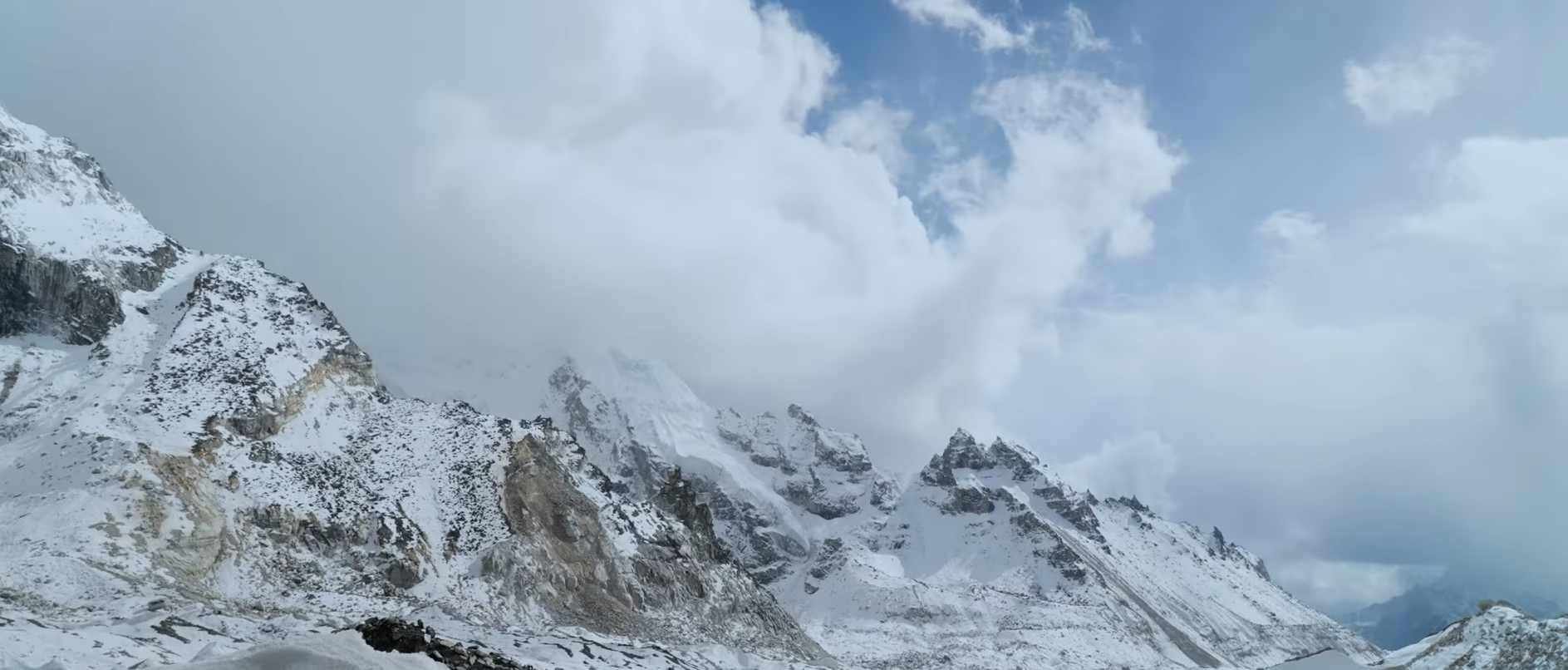
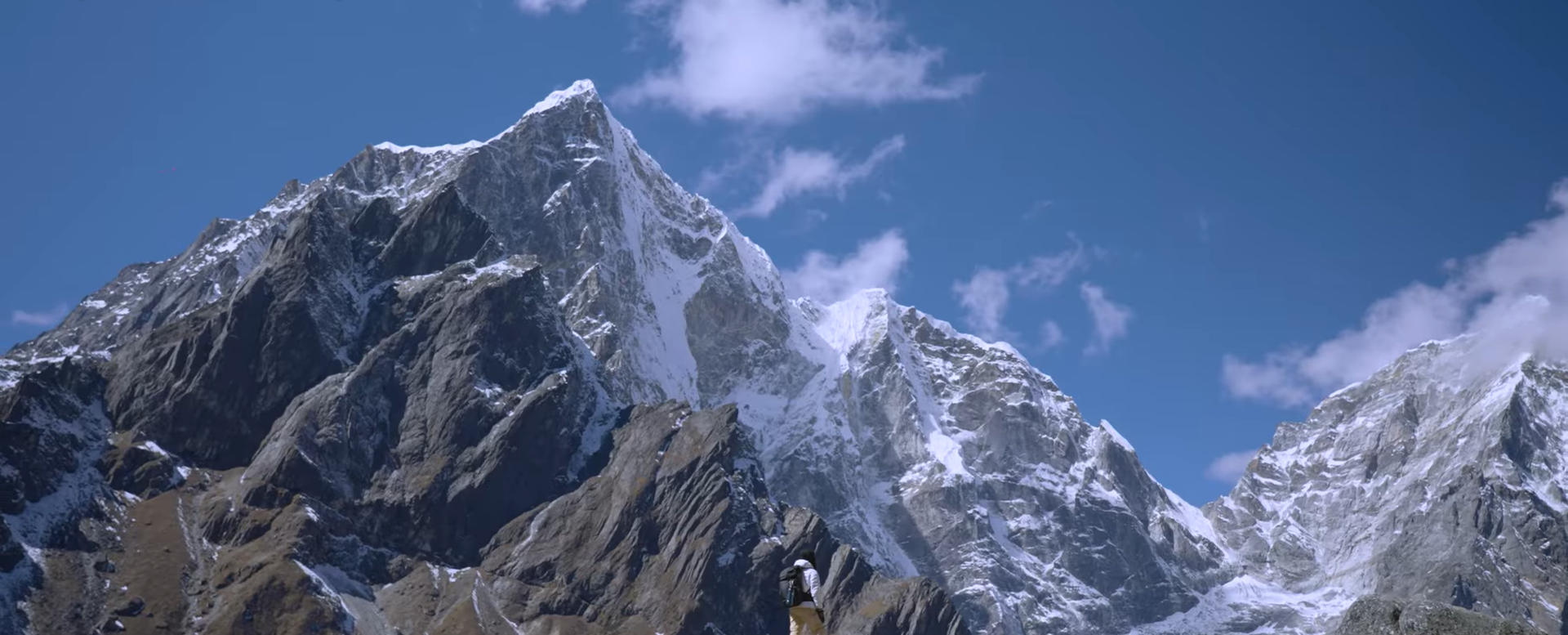
The scenery was beyond words—towering peaks, peaceful villages, prayer flags waving in the wind, and breathtaking views of Everest itself. Reaching Everest Base Camp was an emotional and unforgettable moment that I will carry for the rest of my life.
The lodges were comfortable considering the remote location, and the food was simple but satisfying after long trekking days. I also enjoyed the small group atmosphere—we quickly became like a family, encouraging each other every step of the way.
I highly recommend this trek to anyone who dreams of adventure and wants a real Himalayan experience. It is challenging, yes, but absolutely worth every step.
— Manello Clark, Brazil
EBC Trekking with Safe Holiday Adventure

Ruhan
South Africa | Dec 2025 •
Top-Rated Trekking Experience with Safe Holidays Adventure
Everything went according to plan
From the airport to hike
Loren Matarza
France | October 2, 2024
Great experience – Highly Recommend EBC Trek
I just got back from an amazing trek to Everest Base Camp with Safe Holiday Adventure Trek Agency, and I want to share how great it was. From start to finish, they made everything easy and fun.
First, our guide, Santosh, was fantastic. He knew so much about the area and made sure we were safe and happy the whole time. He planned everything perfectly, like where we stayed and when we rested.
The porters, Lukal, Prem, Bir, and Purna, were amazing too. They carried our stuff and helped us along the way. They were strong and friendly, making the trek even better.
We were really lucky with the weather. It was nice and clear most days, so we could see all the beautiful mountains around us.
The team at Safe Holiday Adventure Trek Agency took care of everything, from where we slept to what we ate. They made sure we had a great time.
Overall, it was an awesome trip. Safe Holiday Adventure Trek Agency made it all so easy and enjoyable. I totally recommend them if you want to trek in the Himalayas.
Everest Base Camp Small Group Trek Essential InformationInfos
Why Choose a Small Group for the Everest Base Camp Trek?
Joining a small group trek to Everest Base Camp gives you more personal attention and a friendly atmosphere. With fewer trekkers, guides can take care of everyone properly, and you feel like part of a close team. It’s safer, more comfortable, and you also get the chance to make new international friends during the journey.
Acclimatization strategy (climb high, sleep low)
The Everest Base Camp small group trek is carefully designed around altitude progression, starting from Lukla (2,860 m) and steadily climbing through Namche Bazaar (3,440 m), Tengboche (3,860 m), Dingboche (4,410 m), and Lobuche (4,940 m) before reaching Everest Base Camp at 5,364 m. The gradual ascent is essential because oxygen levels drop significantly above 3,500 m, making controlled pacing critical for safety and performance.
Acclimatization is built through planned rest days, especially in Namche and Dingboche, where trekkers take short hikes to higher elevations and return to sleep lower. This “climb high, sleep low” method helps the body adjust by improving oxygen efficiency over time. Small group treks enhance this process by allowing guides to closely monitor health, adjust pace, and respond early to symptoms of Acute Mountain Sickness such as headache, dizziness, or fatigue. Hydration and slow, steady walking remain key throughout.
Everest Base Camp Small Group Trek: Difficulty, Fitness & Preparation
Smart Packing Checklist for Everest Base Camp Trek
What to Expect from Rooms, Toilets, and Facilities in the Himalayas
During trekking in the Himalayas, the facilities are simple but comfortable enough for travelers. Most trekkers stay in local teahouses or mountain lodges. Rooms are usually small with two single beds, pillows, blankets, and basic furniture. In lower trekking regions, rooms may feel more comfortable, while higher altitude villages offer more basic accommodation because everything must be carried up the mountains.
Toilets and bathrooms are also basic in the Himalayas. Some teahouses have western-style toilets, but many still use squat toilets, especially at higher elevations. Hot showers may be available for an extra cost, but in remote areas the water can be very cold. Electricity, Wi-Fi, and charging facilities are available in many villages, though they may cost extra and become limited at higher altitudes. Trekkers should be prepared for simple mountain living while enjoying the beautiful Himalayan experience.
Quality of Guides and Porters in Small Group Treks
When trekking with a small group, you get an experienced guide who knows the trail, culture, and mountain conditions very well. Porters carry your bags carefully, making your trek easier. Safe Holiday Adventure ensures all guides and porters are insured and well-trained.
Fitness Level Required for Joining a Small Group Trek to EBC
You don’t need to be an athlete, but you should have basic fitness and stamina. Regular walking, hiking, or light jogging for a few weeks before the trek is enough. The trek is challenging but manageable for most people with preparation.
What if I Walk Slower or Faster Than the Group?
In small groups, the pace is set for comfort, not speed. The guide usually divides trekkers if needed, ensuring slower walkers are not rushed and faster walkers are not bored. Safety and group balance are always maintained.
Food Options and Local Meals on the Everest Base Camp Trek
- Dal Bhat – Traditional Nepali meal with rice, lentil soup, and vegetables. Best for energy during trekking days.
- Momos – Popular dumplings filled with vegetables, cheese, or meat. A favorite local snack.
- Thukpa – Warm noodle soup served with vegetables and spices, perfect for cold weather.
- Sherpa Stew – Thick soup made with potatoes, noodles, and vegetables, commonly eaten in mountain villages.
- Tibetan Bread – Fried bread usually eaten for breakfast with honey, jam, or eggs.
- Fried Rice and Noodles – Simple and filling meals available in most teahouses.
- Pasta and Pancakes – Common food options for trekkers who want lighter meals.
- Tea and Hot Drinks – Ginger tea, lemon tea, and hot chocolate are popular for staying warm.
- Vegetarian Meals – Safer and more common at higher altitudes during the trek.
- Snacks – Chocolates, biscuits, nuts, and energy bars help during long walking hours.
Simple Food Tips for Trekkers
- Eat warm and fresh meals
- Drink plenty of water every day
- Try local foods for a better trekking experience
- Avoid heavy or oily food at high altitude
- Carry extra snacks for the trail
Daily Walking Hours, Rest Stops, and Trekking Rhythm
The Everest Base Camp small group trek usually includes 5–7 hours of walking each day. Trekkers start early in the morning after breakfast and walk at a slow, steady pace to adjust to the high altitude.
During the trek, there are regular rest stops for water, tea, snacks, and photos. Lunch is normally taken in a mountain village along the trail. Guides encourage trekkers to walk comfortably without rushing.
Acclimatization days in places like Namche Bazaar and Dingboche help the body adapt to the altitude. Most trekkers reach tea houses by afternoon, where they can rest, eat dinner, and prepare for the next day’s journey.
Detailed ItineraryItinerary
Arrive in Kathmandu (1,350m)
Trip Facts:
- Altitude: 1,350m
- Elevation Gain/Loss: None
- Day Highlights: Arrival in Kathmandu, city exploration, trip briefing
Arrive at Kathmandu’s Tribhuvan International Airport, where a Safe Holiday Adventure representative will greet you. You will be transferred to a 3-star hotel in Thamel, the lively tourist hub of Kathmandu. Take the day to explore vibrant streets filled with shops, cafes, and multi-cuisine restaurants. In the evening, meet your trekking guide for a comprehensive trip briefing, including trekking tips, safety advice, and equipment checks. Rest well to prepare for your Himalayan adventure ahead.
Accommodation : Hotel
Kathmandu – Lukla (2,860m) – Phakding (2,660m)
Trip Facts:
- Altitude Start/End: 1,350m → 2,660m
- Elevation Gain: 1,310m / 4,298ft
- Elevation Loss: 200m / 656ft
- Day Highlights: Scenic flight to Lukla, first trek, Sherpa villages, suspension bridges
Begin your trek with a thrilling early morning flight from Kathmandu to Lukla, offering stunning views of the Himalayas, including snow-capped peaks and deep valleys. Upon landing at Lukla Airport, trek through charming villages like Chheplung and Thado Koshi, crossing sturdy suspension bridges over crystal-clear rivers. Your first trek day immerses you in the culture of the Sherpa people while providing gentle acclimatization to the Himalayan altitude. Reach Phakding, a serene riverside village, and settle into your cozy tea house.
Accommodation : Lodge Meals : Breakfast, Lunch, Dinner
Phakding – Namche Bazaar (3,450m)
Trip Facts:
- Altitude Start/End: 2,660m → 3,450m
- Elevation Gain: 830m / 2,723ft
- Day Highlights: Hillary Bridge, Sagarmatha National Park, Namche Bazaar arrival
Start with a hearty breakfast at Phakding and cross a suspension bridge over the Dudh Koshi River. Trek through Manjo for park permit formalities before enjoying lunch in Sallery, a picturesque village along the trail. Cross the iconic Hillary Bridge, a challenging ascent, and pass through small villages like Toktok and Banker. Arrive in Namche Bazaar, a bustling Sherpa market town nestled among towering Himalayan peaks. Explore its streets and interact with locals to understand the unique Khumbu culture.
Highest Elevation: 3,450m / 11,286ft
Accommodation : Lodge Meals : Breakfast, Lunch, Dinner
Namche Bazaar Acclimatization
Trip Facts:
- Altitude: 3,440m / 11,286ft
- Elevation Gain: 440m / 1,443ft
- Elevation Loss: 440m / 1,443ft
- Day Highlights: Everest View Hotel hike, Sagarmatha Museum, local culture
Spend the day acclimatizing with a 2–3 hour hike to the Everest View Hotel, offering panoramic views of Mt. Everest, Ama Dablam, Lhotse, and Nuptse. Descend to visit the Sagarmatha Museum, where Sherpa heritage and mountaineering history are beautifully showcased. Enjoy wandering Namche’s charming streets and local markets, tasting traditional Sherpa snacks or tea, before returning to your tea house for a restful night.
Accommodation : Tea House Meals : Breakfast, Lunch, Dinner
Namche Bazaar – Tengboche (3,780m)
Trip Facts:
- Altitude Start/End: 3,450m → 3,780m
- Elevation Gain: 550m / 1,804ft
- Day Highlights: Dudh Koshi Valley, Mt. Ama Dablam & Everest views, Tengboche Monastery
After breakfast, descend into the Dudh Koshi Valley at Phungi Thenga, then gradually climb toward Tengboche, one of the most scenic stretches of the Everest trek. Pass through prayer flags, lush landscapes, and stunning viewpoints of Everest, Nuptse, Lhotse, and Ama Dablam. Arrive at Tengboche, the spiritual heart of the Khumbu region, and visit the Tengboche Monastery. Overnight in a cozy tea house surrounded by majestic Himalayan vistas.
Accommodation : Lodge Meals : Breakfast, Lunch, Dinner
Tengboche – Dingboche (4,360m)
Trip Facts:
- Altitude Start/End: 3,780m → 4,360m
- Elevation Gain: 550m / 1,804ft
- Day Highlights: Ama Dablam view, Pangboche village, high-altitude trekking
After breakfast, descend to Debuche, cross a hanging bridge over the Dudh Koshi River, then slowly ascend to Pangboche, the oldest village in the Khumbu. Continue through scenic trails to Somare for lunch. Trek through barren landscapes with sparse settlements before arriving in Dingboche, a large village ideal for acclimatization. Enjoy panoramic mountain views while resting in your tea house.
Accommodation : Lodge Meals : Breakfast, Lunch, Dinner
Dingboche – Acclimatization / Rest Day
Trip Facts:
- Altitude: 4,360m / 14,300ft
- Day Highlights: Nangarkhang Hill hike, panoramic mountain views
Use this day to acclimatize with a 2–3 hour hike to Nangarkhang Hill, carrying a light daypack. The summit rewards you with views of Ama Dablam, Island Peak, Lhotse, and surrounding peaks. Return to Dingboche for lunch and relax in the serene Himalayan environment, soaking in the tranquility and majesty of the mountains.
Accommodation : Lodge Meals : Breakfast, Lunch, Dinner
Dingboche – Lobuche (4,910m)
Trip Facts:
- Altitude Start/End: 4,360m → 4,910m
- Elevation Gain: 550m / 1,804ft
- Day Highlights: Thukla rest stop, Memorial Hill, small mountain village experience
After breakfast, trek towards Lobuche, starting with a ridge that offers breathtaking mountain views. Continue for about 3 hours to Thukla, where you can take a short rest and enjoy the surrounding peaks. Then climb to Memorial Hill, a tribute to climbers who have attempted Everest. The trail then follows a small stream before reaching Lobuche, a quiet settlement with cozy tea houses surrounded by stunning Himalayan landscapes.
Lunch Spot: Thukla
Accommodation : Lodge Meals : Breakfast, Lunch, Dinner
Lobuche – Gorakshep – Everest Base Camp (5,180m) – Gorakshep
Trip Facts:
- Altitude Start/End: 4,910m → 5,180m → 4,910m
- Elevation Gain: 424m / 1,391ft
- Elevation Loss: 200m / 656ft
- Day Highlights: Gorakshep, Everest Base Camp, Khumbu Glacier
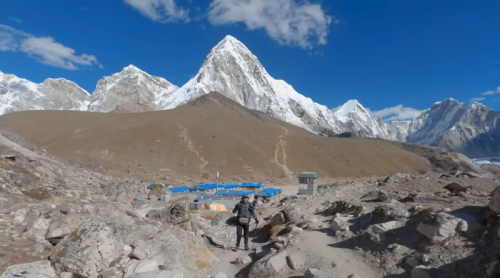
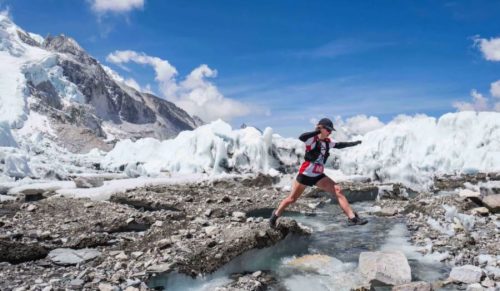
An early start takes you through rugged terrain to Gorakshep, the last settlement before Everest Base Camp. Take a short break, enjoy lunch, and prepare for the highlight of your trek – Everest Base Camp (EBC). Trek along glacial moraines to reach EBC, where you can marvel at the majestic Khumbu Glacier and surrounding peaks. After taking in the unforgettable views, return to Gorakshep for the night.
Lunch Spot: Gorakshep
Accommodation : Lodge Meals : Breakfast, Lunch, Dinner
Gorakshep – Kala Patthar – Pheriche (4,210m)
Trip Facts:
- Altitude Start/End: 5,180m → 5,545m (Kala Patthar) → 4,210m
- Elevation Gain: 480m / 1,575ft
- Elevation Loss: 1,273m / 4,177ft
- Day Highlights: Sunrise at Kala Patthar, panoramic Everest views, descent to Pheriche
Start before sunrise for the trek to Kala Patthar, the best vantage point to photograph Mount Everest, Nuptse, Lhotse, and the Khumbu Glacier. Witness the sunrise painting the peaks in golden light, an unforgettable Himalayan spectacle. Descend to Gorakshep for lunch, then continue trekking downhill through Lobuche and Thukla to reach Pheriche, a peaceful village with warm lodges.
Lunch Spot: Thukla
Accommodation : Lodge Meals : Breakfast, Lunch, Dinner
Pheriche – Namche Bazaar (3,450m)
Trip Facts:
- Altitude Start/End: 4,210m → 3,450m
- Elevation Gain/Loss: Descend 760m / 2,493ft
- Day Highlights: Scenic descent, Pangboche & Tengboche monasteries, Sherpa culture
Retrace your steps from Pheriche to Namche Bazaar, passing through Somare, Pangboche, Tengboche, and other picturesque villages. Stop at Pangboche Monastery to learn about Sherpa traditions, and marvel at the Himalayan landscapes along the trail. Descend gradually to Namche Bazaar, where you can enjoy the bustling market and local culture.
Accommodation : Lodge Meals : Breakfast, Lunch, Dinner
Namche Bazaar – Lukla (2,860m)
Trip Facts:
- Altitude Start/End: 3,450m → 2,860m
- Elevation Loss: 590m / 1,936ft
- Day Highlights: Scenic descent, Sherpa villages, final trekking day
The final trekking day retraces the trail through Toktok, Banker, Jorsalle, and Phakding. Enjoy lush landscapes, river views, and traditional Sherpa villages along the way. Reach Lukla, the gateway to the Khumbu, marking the end of your Everest Base Camp trek. Celebrate your accomplishment and reflect on the unforgettable Himalayan journey.
Accommodation : Lodge Meals : Breakfast, Lunch, Dinner
Lukla – Kathmandu (1,350m)
Trip Facts:
- Altitude Start/End: 2,860m → 1,350m
- Day Highlights: Scenic flight, return to Kathmandu, flexibility in flight timing
Take a short 30-minute flight back to Kathmandu, enjoying aerial views of the Himalayas and deep valleys. Early morning flights are recommended due to better weather conditions. Upon arrival, transfer to your hotel in Thamel, marking the completion of your adventure. Spend the rest of the day relaxing, shopping, or exploring Kathmandu’s vibrant streets before departing Nepal.
Accommodation : Hotel Meals : Breakfast
Everest Base Camp Small Group Trek FAQs
Small group treks give more personal attention, safety, and a family-like atmosphere. With fewer people, the guide can take care of everyone, and you can make new international friends while walking together.
Usually, a small group has 8–12 trekkers. At Safe Holiday Adventure, we keep groups small so no one feels left out or rushed.
Small group treks are more affordable because the cost is shared. You still get full services—guides, porters, permits, meals—but you pay less than going privately.
Included: permits, meals during trek, accommodation, guide, porter, Lukla flights or transport, and emergency support.
Excluded: meals in Kathmandu, personal expenses, hot showers, Wi-Fi, drinks, and tips.
Yes, safety is the top priority. Guides monitor everyone for altitude sickness and provide first aid or emergency helicopter support if needed.
You trek with experienced, licensed guides and friendly porters. At Safe Holiday Adventure, all staff are insured and trained for mountain safety.
You stay in local tea houses with simple twin-sharing rooms. They are basic but warm and comfortable, perfect for mountain conditions.
Yes! You meet trekkers from around the world, share stories, and support each other. The group becomes like a small trekking family.
The best seasons are March–May (spring) and September–November (autumn) when skies are clear, weather is stable, and the mountains look stunning.
It’s best to book 2–3 months in advance to secure flights, permits, and group spots—especially in peak season.
Yes, small groups usually follow fixed departure dates, but custom departures are possible if you have your own group.
Basic fitness is enough. Regular walking, hiking, or light jogging before the trek will prepare you well.
The pace is comfortable. The guide makes sure slower walkers are not rushed, and faster walkers are not bored. Everyone is managed fairly.
Yes. Before the trek, we organize a group meeting in Kathmandu to meet your guide, group members, and learn trek details.
There is no strict age limit. Usually, 12–65 years old can join. Fit children and older adults are also welcome with proper care.
Yes, trekking poles are highly recommended to protect your knees and improve balance.
Yes, vegetarian meals are easy to find. Vegan options are possible too—just inform us in advance.
Lower villages have Western toilets; higher areas may have squat toilets. Hot showers are available for an extra fee.
Yes. Carry Nepali rupees for personal expenses. ATMs are only available in Kathmandu and Namche Bazaar.
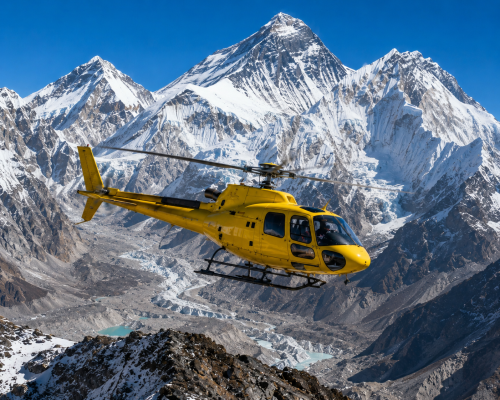
Weather delays are common. If needed, we arrange rebooking or a helicopter option (extra cost).
Yes, trekkers receive a trek completion certificate after reaching Everest Base Camp.
Yes, but you pay a small fee (USD 2–5 per charge). Power banks or solar chargers are useful.
Yes, Wi-Fi is available through Everest Link (paid). Mobile signal works in some areas but not everywhere.
The guide provides first aid for small issues. For serious cases, we arrange a helicopter evacuation with your insurance.
Yes. Many trekkers extend to Gokyo Lakes, Chola Pass, or Island Peak climbing. We can customize your trip.
Refund & Cancellation Policy
- Booking requires 20% non-refundable deposit (Nepal) or 100% upfront (Tibet/Bhutan).
- Remaining payment due before the trip or on arrival (trip-dependent).
Cancellation charges:
- 31+ days: 20%
- 16–30 days: 45%
- 8–15 days: 75%
- 7 days or less: 90%
- Prices may change due to flights, taxes, or exchange rates.
- Trip changes are allowed, but extra costs apply.
- If the company cancels, a full refund, except for unavoidable events (some costs deducted).
- Good health and travel insurance are mandatory.
- No refund if removed for unsafe or illegal behavior.
- Travel involves personal risk, which the client accepts.