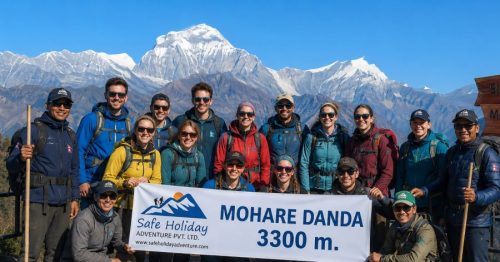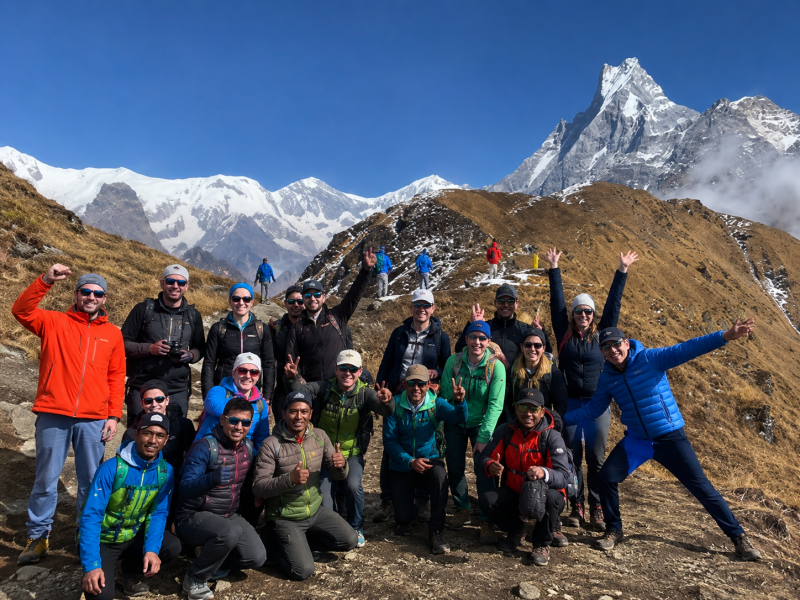
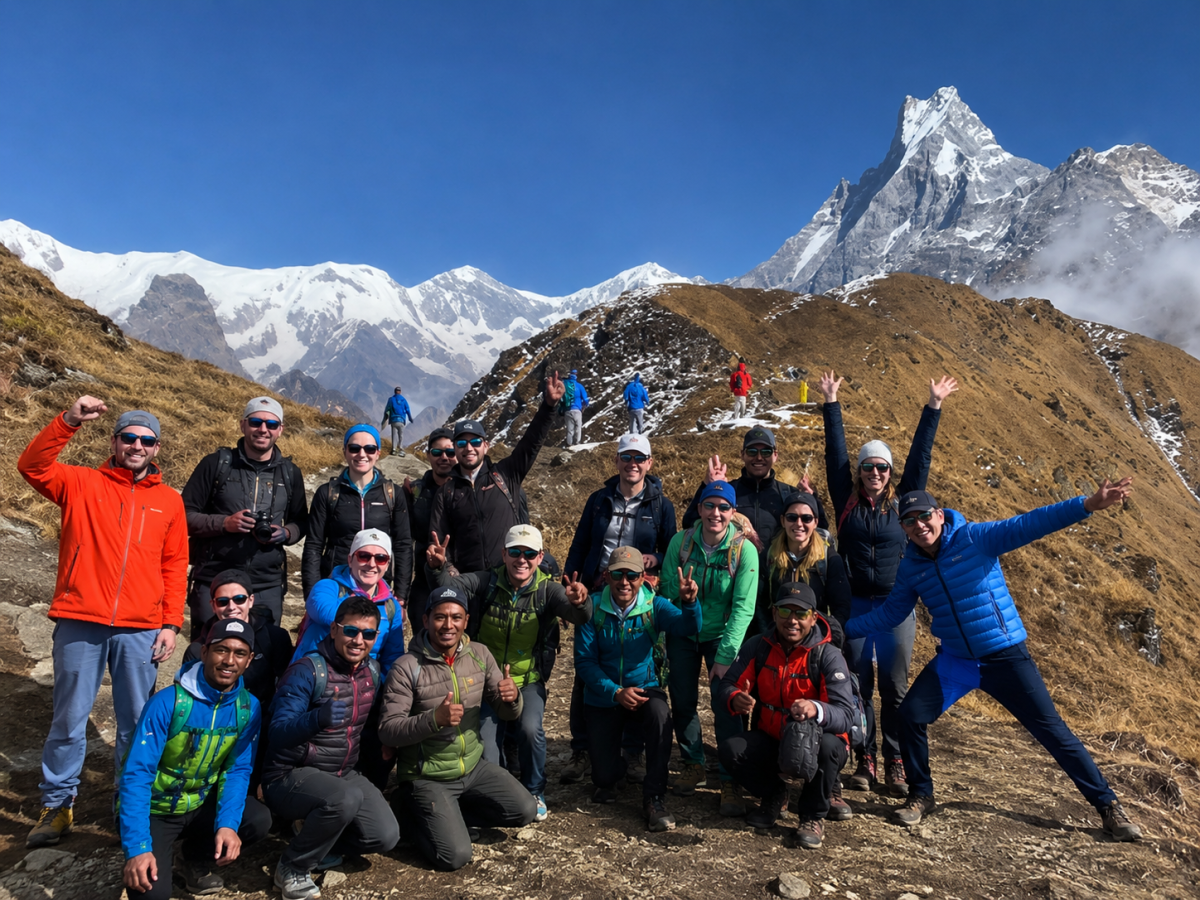

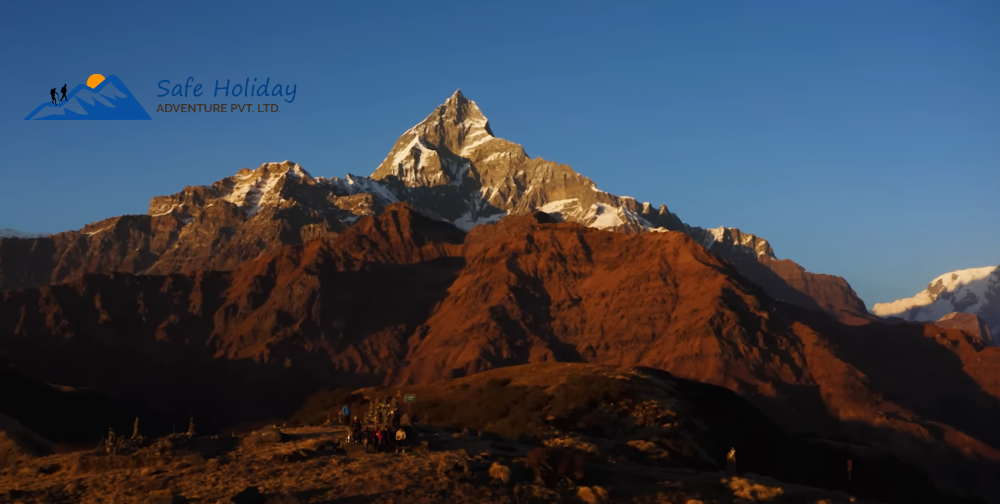
3-Day Mardi Himal Trek Highlights: Highlights
Introduction & Recognition: 3-day Mardi Himal Trek Overview
The 3-Day Mardi Himal Trek is specially designed for travelers who have limited time and budget. It is one of the best short trekking adventures in Nepal. This trek is perfect for beginners, students, researchers, nature lovers, and anyone looking for a quick Himalayan experience. Despite its short duration, the trek offers breathtaking mountain views, peaceful forests, and unforgettable landscapes.
If you are already in Kathmandu, we can customize this trek into a 4 to 5-day package according to your available time and travel preferences. The trek can start either from Kathmandu or Pokhara. This flexibility makes the Mardi Himal Trek one of the most convenient trekking options in Nepal.
The journey begins with a scenic drive from Kathmandu to Pokhara, which takes about 7 hours. Travelers starting from Pokhara can directly continue the adventure with a one-hour drive to Kande (1,770 m). Kande is the official starting point of the trek. From here, the trail climbs steadily through green forests, stone steps, and small local settlements.
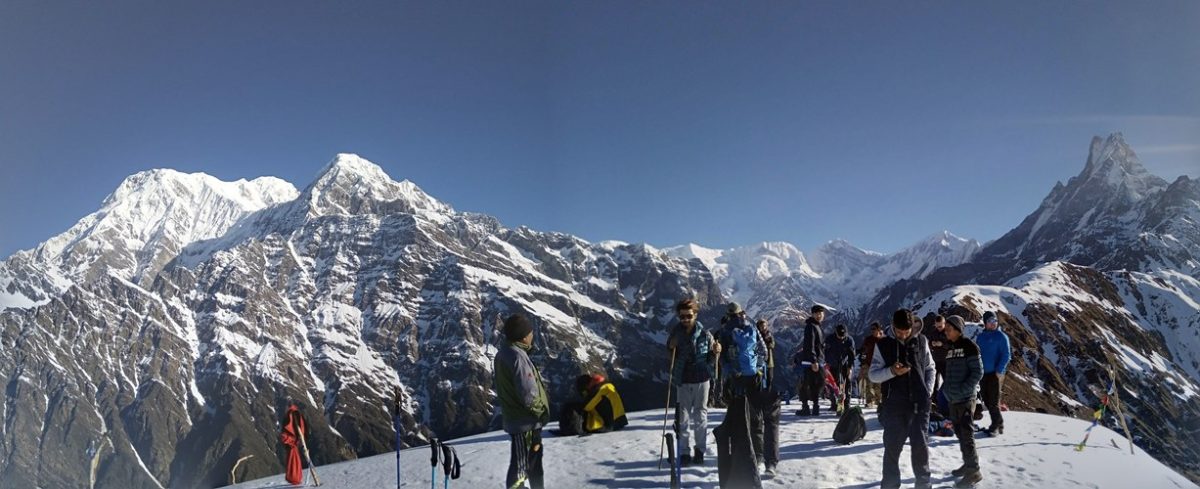
After about 50 minutes of uphill walking, trekkers reach Australian Camp (2,060 m). This is one of the most popular viewpoints near Pokhara. The panoramic mountain scenery from here is simply stunning. Trekkers can enjoy magnificent views of Mt. Machhapuchhre (Fishtail) (6,993 m), Annapurna South (7,219 m), Hiunchuli (6,441 m), Lamjung Himal (6,983 m), and several other Himalayan peaks.
From Australian Camp, the trail descends gently to the peaceful village of Pothana (1,950 m). This beautiful Gurung village offers a glimpse into local mountain life. After Pothana, the route climbs through dense rhododendron and oak forests toward Pitam Deurali (2,100 m). On clear days, trekkers can enjoy distant views of Mt. Dhaulagiri (8,167 m), the seventh-highest mountain in the world.
Pitam Deurali is an important junction. The trail to the left leads toward the Annapurna Base Camp and Poon Hill Trek routes. The right-hand trail leads to Mardi Himal. From this point onward, the trekking route becomes quieter and less crowded. The path passes through beautiful forests filled with birds, wildlife, and peaceful natural surroundings.
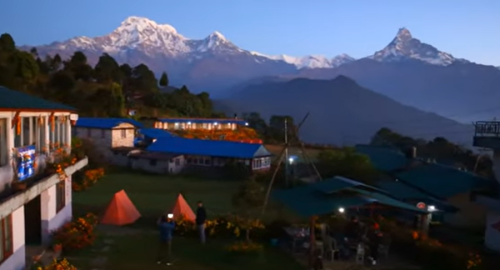
The trek continues through Forest Camp and gradually reaches Rest Camp (2,500 m) after about 3 to 4 hours of walking. Rest Camp is surrounded by dense forest and offers spectacular close-up views of Machhapuchhre. During clear evenings, trekkers can also enjoy distant views of the Pokhara Valley. A few cozy tea houses provide accommodation and meals in this peaceful location.
On the second day, the trail climbs steadily through forests to Low Camp (2,970 m). There are several tea houses here, making it a comfortable resting point. As the trek continues higher, the landscape slowly changes. The dense forest begins to thin out, and the first clear views of snow-covered mountains start appearing above the treeline.
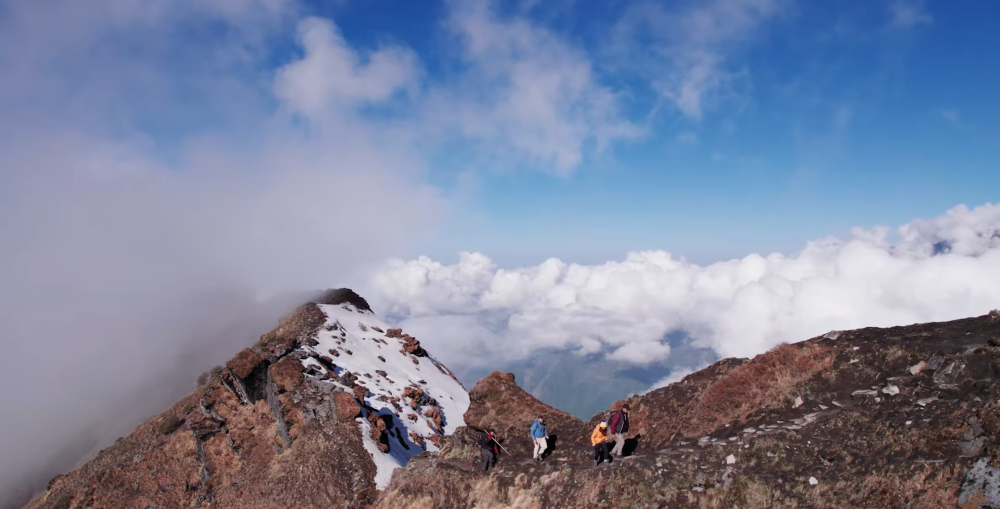
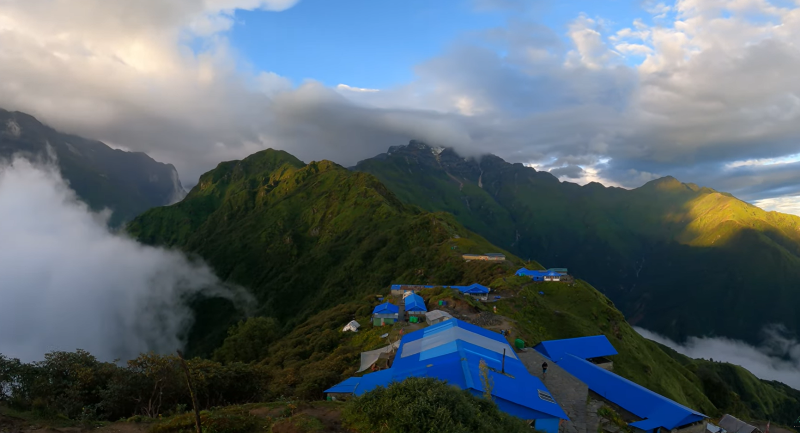
After another hour of trekking, travelers arrive at Badal Danda (3,250 m). This spectacular ridge is one of the highlights of the trek. The mountain scenery becomes more dramatic and much closer. Annapurna South, Hiunchuli, Machhapuchhre, and many surrounding peaks dominate the horizon. Clouds often drift below the ridge, creating magical views.
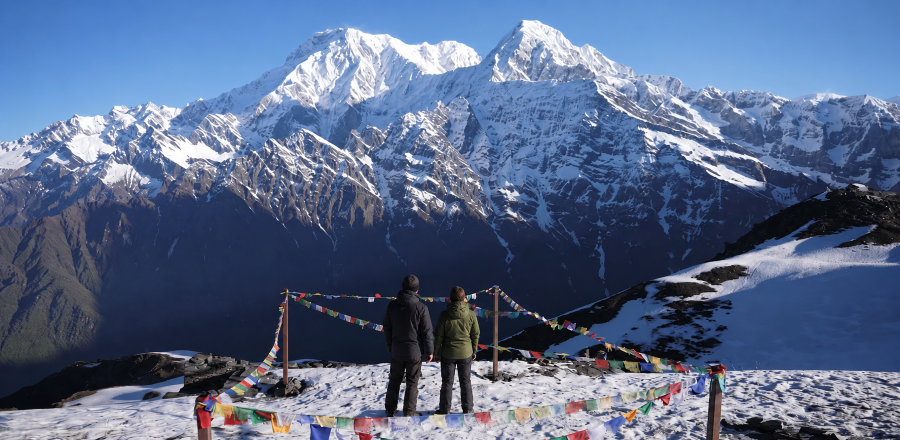
From Badal Danda, the trail continues to High Camp (3,580 m). High Camp is situated on an open ridge with panoramic Himalayan views in every direction. More than ten tea houses serve trekkers here. The location is famous for its incredible sunrise and sunset views. Watching the golden light touch the Annapurna range is an unforgettable experience.
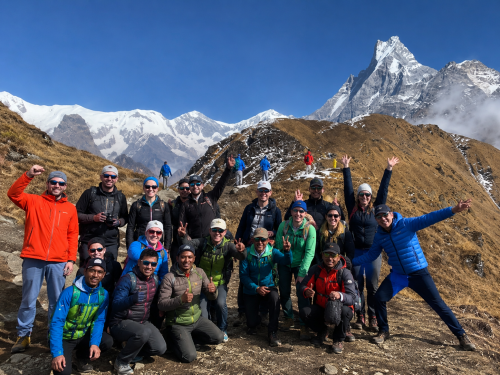
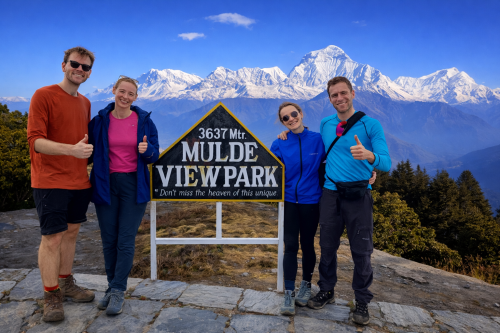
On the final day, trekkers wake up early and hike to Mardi Himal View Point (4,200 m). This is the highest point of the trek. The sunrise over the Annapurna massif creates a spectacular mountain panorama. Close-up views of Machhapuchhre, Annapurna South, Hiunchuli, and surrounding peaks make the early morning effort worthwhile.
After enjoying the mountain scenery, trekkers return to High Camp for breakfast and collect their bags. The trail then descends through beautiful landscapes toward Sidding Village (1,780 m). A jeep ride from Sidding takes travelers back to Pokhara, completing this wonderful short Himalayan adventure.
The 3-Day Mardi Himal Trek is easy, affordable, and rewarding. It is one of the best short treks in Nepal for people with limited time. The trek combines mountain views, forest walks, local culture, and peaceful trails in a short itinerary. It is the perfect choice for beginners and anyone seeking a memorable Himalayan experience.
Why Is the Mardi Himal Trek Famous?
The Mardi Himal Trek is famous for offering one of the most rewarding Himalayan trekking experiences in a short period of time. Unlike many crowded trekking routes in Nepal, this trail leads trekkers through peaceful forests, hidden mountain paths, and scenic ridges with incredible close-up views of some of the highest peaks in the Annapurna Region.
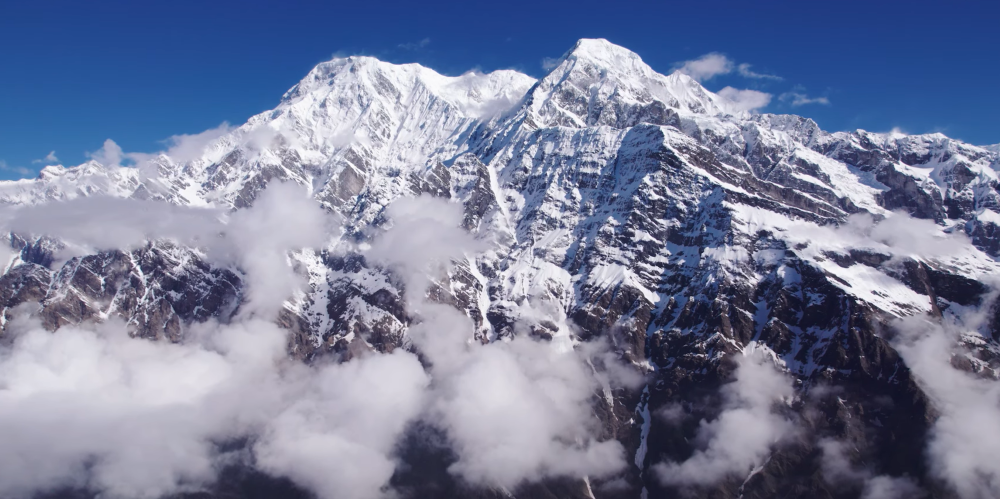
What makes the trek truly special is the feeling of walking directly beneath the magnificent Machhapuchhre (Fishtail) Mountain (6,993 m). As you gain altitude, the landscape changes from lush rhododendron forests to open alpine terrain, revealing breathtaking views of Mardi Himal (5,587 m), Annapurna South (7,219 m), Hiunchuli (6,441 m), and several surrounding snow-capped peaks.
The trek is also popular because it is suitable for beginners, families, students, and travelers with limited time. In just a few days, visitors can experience spectacular mountain scenery, beautiful sunrises, local culture, and the peaceful beauty of the Nepal Himalayas. This perfect combination of easy accessibility, natural beauty, moderate difficulty, and unforgettable mountain views has made the Mardi Himal Trek one of Nepal’s most loved short trekking adventures.
Why Choose Our 3-Day Mardi Himal Trek?
Is Mardi Himal Trek Difficult?
The Mardi Himal Trek is famous for offering one of the most rewarding Himalayan trekking experiences in a short period of time. Unlike many crowded trekking routes in Nepal, this trail leads trekkers through peaceful forests, hidden mountain paths, and scenic ridges with incredible close-up views of some of the highest peaks in the Annapurna Region.
What makes the trek truly special is the feeling of walking directly beneath the magnificent Machhapuchhre (Fishtail) Mountain (6,993 m). As you gain altitude, the landscape changes from lush rhododendron forests to open alpine terrain, revealing breathtaking views of Mardi Himal (5,587 m), Annapurna South (7,219 m), Hiunchuli (6,441 m), and several surrounding snow-capped peaks.
The trek is also popular because it is suitable for beginners, families, students, and travelers with limited time. In just a few days, visitors can experience spectacular mountain scenery, beautiful sunrises, local culture, and the peaceful beauty of the Nepal Himalayas. This perfect combination of easy accessibility, natural beauty, moderate difficulty, and unforgettable mountain views has made the Mardi Himal Trek one of Nepal’s most loved short trekking adventures.
3-day Mardi Himal Trek OutlineOutline Itinerary
Day 1:Drive from Pokhara Lakeside to Kande than Trek to Rest camp(2500m)( 1hrs Drive & 6 Hrs. Trek)
Day 2: Trek from Rest Camp to High Camp(3,580 m)-6 Hrs. Trek
Day 3: Morning Hike to View Point, then trek to Sidding Village(1780m)-(5-6 hrs. trek), after jeep drive to Pokhara.

Whats Included?
- Private Transportation Service: Enjoy comfortable private transportation from Pokhara to Kande, the starting point of your Mardi Himal Trek.
- Mardi Himal Trek Permits Included: All necessary permits, including the Annapurna Conservation Area Permit (ACAP), and required trekking documents are arranged for a hassle-free experience.
- Return Transportation to Pokhara: Convenient transport from Siding Village back to Pokhara is provided after successfully completing the trek.
- Meals and Tea House Accommodation: Daily bed and breakfast are included during the trek, along with comfortable private tea house accommodation for a relaxing and authentic Himalayan experience.
- Experienced Professional Trekking Guide: Trek with a government-licensed, English-speaking guide who is first-aid trained and highly experienced in the Mardi Himal region. Groups of more than 7 trekkers will be accompanied by an additional guide.
- Full Trekking Staff Support: All wages, meals, accommodation, insurance, equipment, and medical expenses for trekking staff are fully covered.
- Government Taxes and Administrative Fees: All applicable government taxes, permit processing charges, and administrative expenses are included in the package cost.
- Lunch and Dinner Meals: Lunch and dinner during the trek are not included and can be purchased directly at the tea houses.
- International Flights and Departure Taxes: International airfare to and from Nepal, as well as any airport departure taxes, are excluded from the package price.
- Drinks and Bottled Water: All beverages, including soft drinks, alcoholic drinks, bottled water, and boiled drinking water, are at your own expense.
- Travel Insurance Coverage: Comprehensive travel insurance, including coverage for high-altitude trekking and emergency helicopter evacuation, is mandatory and not included.
- Guide, Porter, and Driver Tips: Gratuities for your trekking guide, porter, and driver are not included and are greatly appreciated for excellent service.
- Nepal Entry Visa Fee: Nepal visa fees are not included. Visas are available on arrival at Tribhuvan International Airport. The current fee is approximately USD 50 for a 30-day visa and USD 125 for a 90-day visa.
- Personal Trekking Equipment: Personal trekking gear and equipment such as trekking boots, jackets, sleeping bags, trekking poles, and other personal items are not included.
- Personal Expenses: Any additional personal expenses, including snacks, laundry, phone calls, charging fees, WiFi, hot showers, and other services not specifically mentioned in the “Cost Includes” section, are excluded.
Dates and Availability Departures
All our published dates are guaranteed departures. We also provide customized departures tailored to your travel plans.
There are no group joining dates available at the moment. Please contact us for a private trip.
Travellers Reviews

Robert Holmes
England | Feb, 2025
Best Yoga Trekking Experience in Nepal
Our family recently completed the Mardi Himal Yoga and Meditation Trek with Santosh, and it was one of the best trekking experiences we have ever had. My wife, our two sons, and I enjoyed every moment of the journey.
From the beginning, Santosh organized everything professionally. The itinerary was well planned, the accommodations were comfortable, and the pace of the trek was perfect for our family. We always felt safe, relaxed, and well cared for.
The combination of trekking, yoga, and meditation made this experience truly unique.
The trail itself is spectacular, passing through lush rhododendron forests, charming villages, and breathtaking mountain viewpoints.
Santosh is not only an experienced trekking guide but also a kind, patient, and knowledgeable person. He shared local culture, ensured everyone was comfortable, and made our children feel welcome throughout the trek.
This was the most comfortable trek our family has experienced in Nepal. We highly recommend the Mardi Himal Yoga and Meditation Trek to families, couples, beginners, and anyone looking for a peaceful adventure in the Himalayas.
Thank you, Santosh, for creating such wonderful memories.
We look forward to trekking with you again!

Per Landquist
Sweden | April,2026
Peaceful Trails and Amazing Mountain Views in Mardi Himal Trek
Our Budget Mardi Himal Trek in Nepal was a truly wonderful experience. Our guide, Rupesh, was kind, professional, and very supportive throughout the entire journey. He always ensured that we felt safe, comfortable, and happy during the trek. The stunning mountain scenery, quiet trails, and beautiful local culture made this adventure unforgettable. Everything was well arranged, and we would highly recommend this trek to anyone planning to visit Nepal. Thank you very much, Rupesh, for making our trip so memorable!
Per Landquist
Genaral Trip InfoInfos
Mardi Himal Trek For Beginners And Students:
The Mardi Himal Trek is an excellent choice for beginners and students who want to experience the beauty of the Himalayas. The trail is relatively easy, well-established, and does not require any technical climbing skills. Most people with a normal level of fitness can enjoy this trek comfortably.
This trek offers spectacular views of Machhapuchhre (6,993 m), Annapurna South (7,219 m), Hiunchuli (6,441 m), and Mardi Himal (5,587 m). Along the way, trekkers walk through beautiful forests, peaceful villages, and scenic mountain ridges, making every day enjoyable and rewarding.
For students, the trek is both affordable and educational. It provides an opportunity to learn about local culture, mountain life, and the natural environment of the Annapurna region. With short trekking durations and manageable walking hours, it is a perfect adventure for those with limited time and budget.
Daily Walking Hours On Mardi Himal Trek:
The Mardi Himal Trek involves moderate daily walking, making it suitable for most trekkers. Depending on the itinerary, trekkers usually walk between 4 and 7 hours per day. The trails include forest paths, stone steps, and mountain ridges with gradual altitude gain.
Walking hours vary according to the route, weather conditions, and individual pace. Lower sections of the trek are generally easier, while the trail becomes steeper as you approach High Camp and Mardi Himal View Point. Regular breaks for rest, meals, and photography help make the journey comfortable.
Most trekkers find the daily walking distance manageable, especially with proper preparation and a steady pace. The rewarding mountain views and peaceful surroundings make each day enjoyable, regardless of the walking hours.
How To Reach Mardi Himal Trek:
The journey to the Mardi Himal Trek begins in Kathmandu. Most trekkers travel to Pokhara, which is the main gateway to the Annapurna region. You can reach Pokhara by tourist bus, private vehicle, or a short domestic flight.
From Pokhara, a drive takes you to the trek’s starting point, usually Kande, Phedi, or Dhampus, depending on the itinerary. The drive passes through beautiful hills, villages, and countryside scenery.
After reaching the trailhead, the trek follows forest paths, traditional settlements, and mountain ridges toward Mardi Himal View Point. The route is well-established and easy to follow with the help of a guide. Most itineraries can be completed within 3 to 5 days, making it a convenient trekking option for travelers with limited time.
Packing Essentials:
- Hiking Boots: Sturdy and comfortable hiking boots with good ankle support are a must for tackling various terrains.
- Trekking Poles: Provide stability and reduce the strain on your knees during descents.
- Backpack: A reliable and comfortable backpack to carry your essentials and water.
Clothing:
- Moisture-wicking T-shirts,
- Long-sleeve shirts (for sun protection and warmth),
- Lightweight and quick-drying trekking pants,
- Warm fleece or down jacket for higher altitudes,
- Waterproof and windproof jacket,
- Waterproof pants.
Headwear:
- Sun hat/cap,
- A beanie or a hat for warmth,
- Sunglasses with UV protection,
- Gloves: Lightweight gloves for lower altitudes and insulated gloves for higher elevations.
Sleeping Bag: A warm and compact sleeping bag suitable for the trek’s temperatures.
Sleeping Pad/Mattress: An inflatable or foam mattress for added comfort during the night.
Is Mardi Himal less crowded than Annapurna Base Camp?
Food and Accommodation on the Mardi Himal Trek
Food and accommodation on the Mardi Himal Trek are provided by comfortable local teahouses located throughout the trail. Most teahouses offer clean twin-sharing rooms with basic bedding and shared bathroom facilities. As the altitude increases, accommodation becomes simpler, but it remains adequate for trekkers.
A wide range of meals is available during the trek, including Dal Bhat, fried rice, noodles, pasta, soups, potatoes, eggs, and Tibetan bread. Vegetarian options are common, and hot beverages such as tea, coffee, hot chocolate, and lemon tea can be found in most teahouses.
Although facilities are basic compared to city hotels, the teahouses provide a warm and welcoming atmosphere. The combination of hearty meals, comfortable lodging, and genuine local hospitality ensures a pleasant and memorable trekking experience in the Mardi Himal region.
How much does Mardi Himal Trek cost?
The cost of the Mardi Himal Trek depends on your travel style, trekking season, and whether you hire a guide or porter. Most trekkers spend between USD 200 and USD 800 for the entire trek.
Budget trekkers can complete the trek for around USD 200–350. This usually includes permits, local transportation between Kathmandu and Pokhara, basic teahouse accommodation, and meals. Teahouses typically charge USD 5–15 per night, while daily food costs range from USD 15–30. Prices increase as you climb higher because supplies must be carried up the mountain.
Guided trekkers usually spend USD 400–800 or more. A licensed guide generally costs USD 25–40 per day, while a porter costs USD 20–30 per day. Trek packages often include permits, transportation, accommodation, meals, guide services, and sometimes airport transfers. These packages provide convenience, local knowledge, and extra safety.
Trekkers must also pay for permits. Most foreign visitors need the Annapurna Conservation Area Permit (ACAP) and, depending on current regulations, may need additional trekking registration requirements. Other expenses can include hot showers, charging electronic devices, Wi-Fi, snacks, drinks, travel insurance, and trekking gear rental or purchase.
For a typical 5–7 day Mardi Himal Trek, many independent trekkers spend around USD 300–500, while those choosing a guide and more comfortable services often spend USD 500–800. Even with these costs, Mardi Himal remains one of the most affordable and rewarding trekking routes in Nepal, offering spectacular views of Machapuchare, Annapurna South, and Hiunchuli.
Mardi Himal Trek Weather:
The weather on the Mardi Himal Trek changes with the season. Spring (March to May) and autumn (September to November) have the best weather. During these months, the skies are usually clear, and trekkers enjoy beautiful mountain views.
Winter (December to February) is colder, especially at higher elevations. Snow can fall near High Camp and Mardi Himal Base Camp. However, the trails are quieter, and the mountains look stunning with fresh snow.
The monsoon season (June to August) brings frequent rain, cloudy skies, and slippery trails. Mountain views may be limited because of clouds. Before starting your trek, always check the weather forecast and pack suitable clothing for changing conditions.
Mardi Himal Trek With and Without Guide:
Fitness required for Mardi Himal Trek:
Detailed ItineraryItinerary
Drive from Pokhara to Kande and Trek to Rest Camp (2,600m)


Accommodation : Tea house Meals : Lunch & Dinner
Trek from Rest Camp to High Camp


Accommodation : Tea house Meals : Breakfast, Lunch & Dinner
Morning Hike to Mardi View Point, then trek to Sidding Village(1780m)-than drive to Pokhara

Accommodation : Hotel Meals : Breakfast, & Lunch
Mardi Himal Trek 3 Days FAQs
The Mardi Himal Trek is considered a moderate trek in terms of difficulty. While it doesn’t require technical climbing skills, it involves walking on steep and uneven terrain. The trek includes some steep ascents and descents, so a reasonable level of fitness and previous trekking experience is beneficial.
The Mardi Himal Trek offers breathtaking views of the Annapurna and Dhaulagiri mountain ranges, including Machapuchare (Fishtail) Peak. The trek takes you through lush rhododendron forests, charming villages, and serene landscapes. The Base Camp of Mardi Himal and the High Camp are the major highlights, providing stunning panoramas of the Himalayas.
There is no official age restriction for the Mardi Himal Trek, but it is recommended for individuals aged 12 and above. Younger children may find the trek challenging due to the duration and physical demands.
No, camping is not required for the Mardi Himal Trek. The route is well-served by teahouses and lodges, providing basic accommodation and meals along the way. These teahouses are run by locals and offer a cozy place to rest.
The best time to undertake the Mardi Himal Trek is during the pre-monsoon (spring) and post-monsoon (autumn) seasons. The months of March to May and September to November offer stable weather conditions, clear skies, and better views of the mountains.
Yes, it is possible to do the Mardi Himal Trek independently without a guide. The trail is well-marked, and the teahouses provide accommodation and meals. However, hiring a local guide can enhance your experience by offering insights into the culture and nature, and ensuring your safety.
In case of emergencies, there are basic medical facilities available at some of the larger settlements along the trail, like Low Camp and High Camp. However, it is essential to have travel insurance that covers emergency helicopter evacuation, as that may be necessary in severe cases.
Yes, you can extend the Mardi Himal Trek to include other popular treks in the Annapurna region, such as Annapurna Base Camp Trek or Ghorepani Poon Hill Trek. These extensions offer more diverse experiences and additional stunning views of the Himalayas.
While the Mardi Himal Trek is not primarily wildlife-focused, there are opportunities to spot some local fauna. Common sightings include various bird species like pheasants, and if you’re lucky, you might even catch a glimpse of the elusive snow leopard.
Yes, the trek takes you through several villages inhabited by different ethnic groups, including Gurung, Magar, and Brahmin communities. You’ll have opportunities to experience their unique cultures, traditions, and warm hospitality along the way.
Refund & Cancellation Policy
- Booking requires 20% non-refundable deposit (Nepal) or 100% upfront (Tibet/Bhutan).
- Remaining payment due before the trip or on arrival (trip-dependent).
Cancellation charges:
- 31+ days: 20%
- 16–30 days: 45%
- 8–15 days: 75%
- 7 days or less: 90%
- Prices may change due to flights, taxes, or exchange rates.
- Trip changes are allowed, but extra costs apply.
- If the company cancels, a full refund, except for unavoidable events (some costs deducted).
- Good health and travel insurance are mandatory.
- No refund if removed for unsafe or illegal behavior.
- Travel involves personal risk, which the client accepts.