

19 Dec 2025 26 min to read
The Manaslu Circuit Trek is a beautiful and less crowded trekking route in Nepal. It takes you around Mount Manaslu (8,163m), the eighth-highest mountain in the world. This trek is perfect for travelers who want a quiet trail, natural scenery, and local village life. Compared to popular routes like the Annapurna Circuit Trek, Manaslu is more remote and peaceful.
The trek follows the Budi Gandaki River and passes through small villages, green forests, suspension bridges, and Buddhist monasteries. As you walk higher, the landscape changes to alpine valleys with stunning mountain views. The highlight of the trek is crossing Larkya La Pass (5,135m), which is challenging but very rewarding. If you have already enjoyed shorter treks such as the Poon Hill Trek or classic routes like the Annapurna Base Camp (ABC) Trek, Annapurna Circuit Trek, Manaslu offers a more adventurous experience.
The Manaslu Circuit is a restricted area trek, so trekkers must have special permits and a licensed guide. Many travelers combine this trek with a Nepal Tour or a Kathmandu City Tour to explore temples, culture, and heritage sites before or after the trek.
This full travel guide covers the itinerary, cost, difficulty, permits, best time, food, and accommodation for the Manaslu Circuit Trek.
The Manaslu Circuit Trek cost depends on permits, transportation, guide and porter services, meals, and accommodation.
Below is a clear and detailed cost breakdown to help you understand all expenses involved in the Manaslu Trek.
| Cost Item | Details | Approx. Cost (USD) |
|---|---|---|
| Manaslu Restricted Area Permit (Sep–Nov) | USD 100 for first 7 days + USD 15 per extra day | 100 – 160 |
| Manaslu Restricted Area Permit (Dec–Aug) | USD 75 for first 7 days + USD 10 per extra day | 75 – 120 |
| Manaslu Conservation Area Permit (MCAP) | Government fee | 30 |
| Annapurna Conservation Area Permit (ACAP) | Required after Dharapani | 30 |
| Cost Item | Route Details | Approx. Cost (USD) |
|---|---|---|
| Kathmandu to Machha Khola / Soti Khola | Local bus or private jeep | 30 – 80 |
| Dharapani to Kathmandu | Jeep and tourist/local bus | 25 – 50 |
| Local sharing jeeps | Depending on road condition | 10 – 30 |
| Service | Details | Approx. Cost (USD) |
|---|---|---|
| Licensed Trekking Guide | USD 30–35 per day (12–14 days) | 360 – 490 |
| Porter | USD 25–30 per day | 300 – 420 |
| Staff Insurance | Guide and porter insurance | Included |
| Food & Accommodation for Staff | During the trek | Included |
| Accommodation | Details | Approx. Cost (USD) |
|---|---|---|
| Teahouse accommodation (trek) | USD 5–10 per night | 60 – 120 |
| Hotel in Kathmandu | Before and after trek | 40 – 80 |
| Meal Type | Details | Approx. Cost (USD) |
|---|---|---|
| Breakfast, Lunch & Dinner | USD 20–30 per day | 250 – 400 |
| Hot drinks | Tea, coffee, hot lemon | 30 – 60 |
| Expense | Details | Approx. Cost (USD) |
|---|---|---|
| Drinking water | Bottled or boiled water | 20 – 40 |
| Hot shower | USD 3–5 per shower | 10 – 25 |
| Battery charging | Phone/camera charging | 10 – 20 |
| Wi-Fi | Limited availability | 10 – 20 |
| Item | Details | Approx. Cost (USD) |
|---|---|---|
| Trekking gear rental | Sleeping bag, down jacket | 30 – 80 |
| Travel insurance | Must cover high altitude trekking | 50 – 150 |
| Tips | Guide and porter tips | 80 – 150 |
| Personal expenses | Snacks, drinks, souvenirs | Variable |
| Trek Type | Estimated Cost (USD) |
|---|---|
| Budget Trek | USD 1,050 – 1,250 |
| Standard Trek | USD 1,250 – 1,500 |
| Comfort Trek | USD 1,500 – 1,800 |
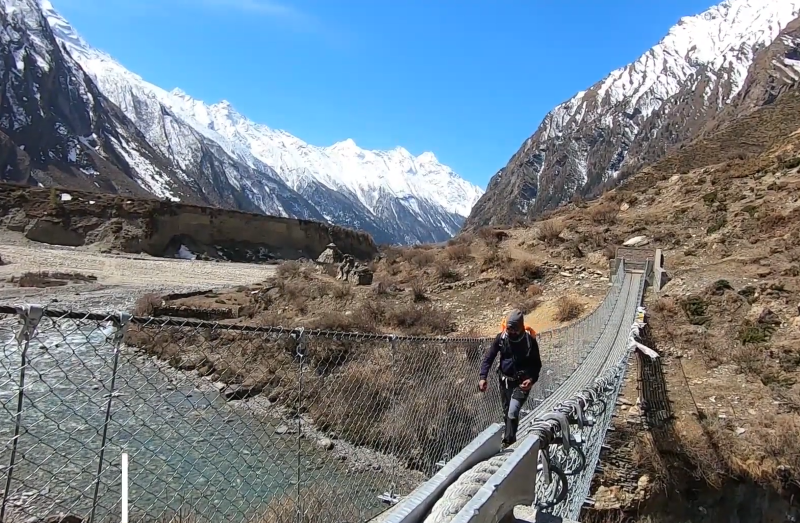
The Manaslu Circuit Trek is a moderately difficult to challenging trek. It is more demanding than popular treks like Everest Base Camp or Annapurna Base Camp due to its remote location, long walking days, and high mountain passes.
The main challenge of the trek is crossing Larkya La Pass (5,106 m). On this day, the trail is long, cold, and can be snowy, especially in spring and autumn. The ascent is steady but tiring, and the descent is long. Good physical fitness and strong mental preparation are essential.
The trek usually takes 14–16 days, with daily walking of 6–8 hours on narrow trails, rocky paths, and landslide areas. Facilities are basic, especially after Samagaon, which can make the trek more demanding. Weather can change quickly, and altitude gain is gradual but continuous.
This trek is best for trekkers with prior high-altitude trekking experience. With proper acclimatization, a licensed guide, and good preparation, the Manaslu Circuit Trek is safe and very rewarding.
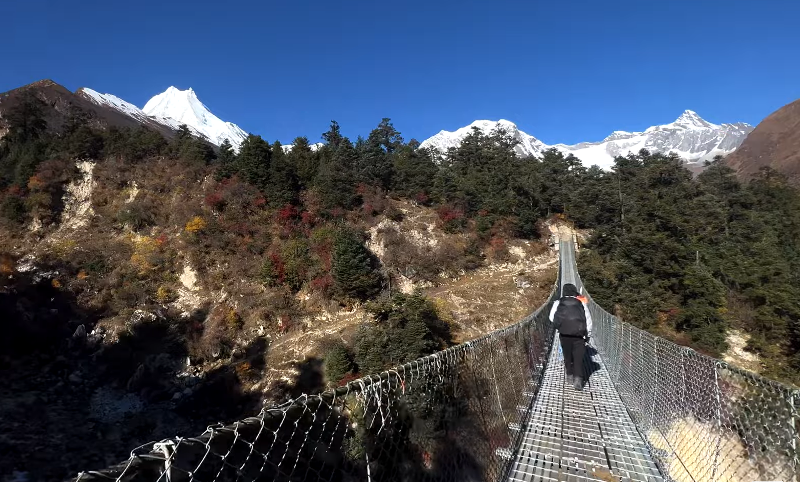
Choosing the right season is very important for a safe and enjoyable Manaslu Circuit Trek. Because this trek goes through a remote Himalayan region and crosses the high Larkya La Pass (5,106 m), weather and trail conditions play a big role. Based on real trekking conditions, spring and autumn are the best times to trek Manaslu.
Spring is one of the best seasons for the Manaslu Circuit Trek.
Day temperature: 10°C to 18°C (lower areas)
Night temperature: can drop below 0°C at higher altitudes
Best spring months: April and early May
This season is perfect for trekkers who want good weather and colorful nature.
Autumn is considered the best and most popular time for the Manaslu Circuit Trek.
Day temperature: 8°C to 15°C
Night temperature: very cold above Samdo and Dharamsala
Best autumn month: October
This month offers the safest crossing of Larkya La Pass and the best visibility.
Monsoon is the least suitable time for Manaslu trekking.
This season is only suitable for very experienced trekkers with flexible schedules.
Winter trekking in Manaslu is possible but difficult.
This season is recommended only for experienced trekkers with proper winter gear.
| Season | Months | Trek Quality |
|---|---|---|
| Autumn (Best) | Sep – Nov | ⭐⭐⭐⭐⭐ |
| Spring (Excellent) | Mar – May | ⭐⭐⭐⭐⭐ |
| Monsoon | Jun – Aug | ⭐ |
| Winter | Dec – Feb | ⭐⭐ |
For the best weather, clear views, and safe pass crossing, choose October or April for the Manaslu Circuit Trek. These months offer the perfect balance of safety, scenery, and comfort.

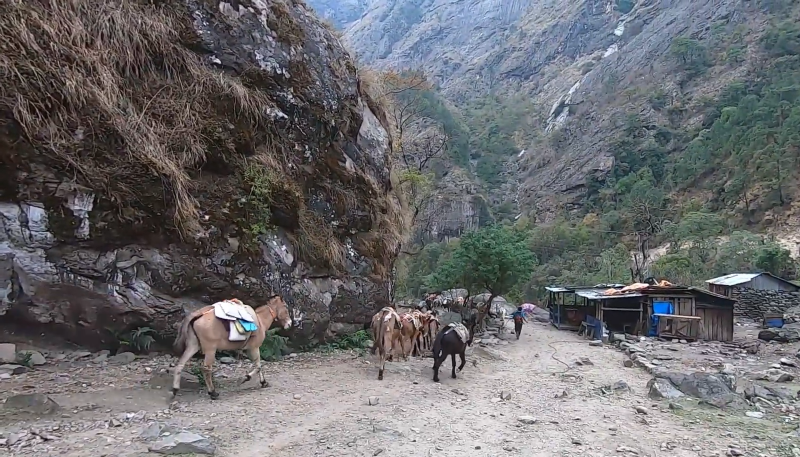
Highlights: Scenic hills, riverside village, first views of the Himalayan foothills.
Highlights: Suspension bridges, forest trail, local villages, river scenery.
Highlights: Enter Manaslu Conservation Area, terraced fields, first mountain views, and river crossings.
Highlights: Forests, waterfalls, traditional villages, river views.
Highlights: Alpine scenery, Tibetan-influenced villages, monasteries, mountain views.
Highlights: Close-up views of Manaslu, monasteries, cliff trails, and village culture.
Highlights: Manaslu Base Camp approach, Tibetan-style village, mountain scenery.
Highlights: Acclimatization, Manaslu Base Camp hike, monastery visits, village exploration.
Highlights: High alpine scenery, yak pastures, Tibetan culture, glacier views.
Highlights: Larkya La Pass, high Himalayan views, alpine meadows, glacier landscapes.
Highlights: Alpine meadows, glacier streams, village life, mountain photography.
Highlights: Forest trails, terraced fields, village culture, river crossings.
Highlights: Riverside villages, terraced fields, final trek through the Manaslu Conservation Area.
Highlights: Scenic drive, last views of Himalayan landscapes, arrival in Kathmandu.
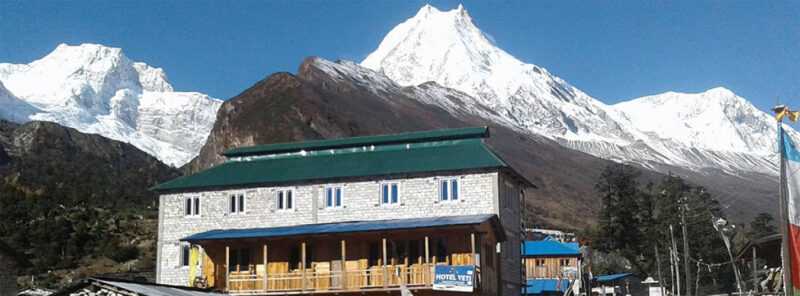
The Manaslu Circuit Trek takes you through remote Himalayan villages, and your accommodation is mainly in local tea houses (lodges). These are small, family-run guesthouses where trekkers stay overnight. Each village along the route has different types of lodging depending on the altitude and remoteness.
Visual: Imagine a cozy two-story lodge with wooden doors and windows, a warm dining room with a small stove, and friendly locals serving hot food.

Visual: A stone lodge with colorful prayer flags outside, a communal dining room with a stove, and a few trekkers chatting while enjoying hot soup.
Visual: A small stone lodge on a hillside, overlooking snow-capped peaks, with the smoke of a wood stove rising into the crisp mountain air.
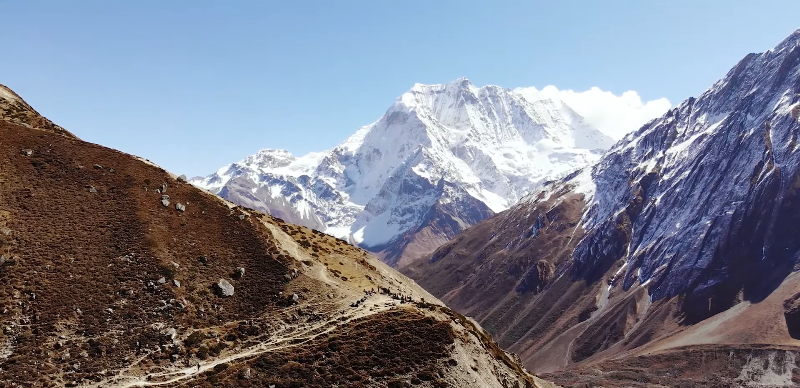
Visual: A tiny stone hut surrounded by high mountains, small windows, and a single stove in the dining hall providing warmth for exhausted trekkers.
Visual: A wooden lodge surrounded by pine forests, with smoke from the dining stove rising, and trekkers enjoying noodles or dal bhat after a long day.
However, Accommodation on the Manaslu Circuit is authentic and simple, ranging from cozy lodges in lower villages to basic huts near the high pass. While not luxurious, the lodges provide warmth, meals, and local hospitality, making your trek a true Himalayan experience.
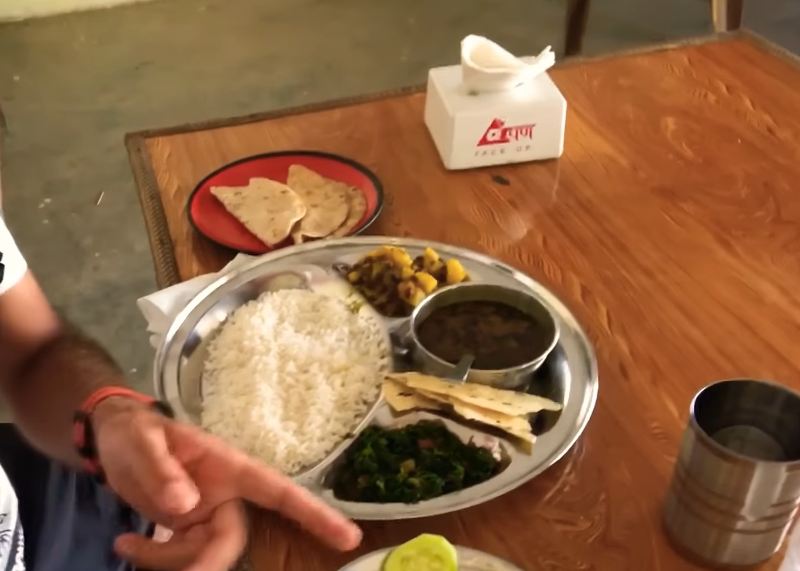
Tips:
| Day | Route | Distance (km) | Trekking Time (hrs) | Altitude (m) | Highlights |
|---|---|---|---|---|---|
| 1 | Soti Khola → Machha Khola | 7 | 3-4 | 760 → 870 | Riverside walk, small suspension bridges, and farmland views |
| 2 | Machha Khola → Jagat | 10 | 5-6 | 870 → 1,340 | Terraced fields, Gurung villages, Bhudi Gandaki River, first major checkpoint |
| 3 | Jagat → Deng | 12 | 6-7 | 1,340 → 1,860 | Forest trail, suspension bridges, Shringi Himal views, and local villages |
| 4 | Deng → Namrung | 11 | 5-6 | 1,860 → 2,630 | Mani walls, Buddhist shrines, terraced fields, village culture |
| 5 | Namrung → Lho | 8 | 5-6 | 2,630 → 3,180 | Tibetan-style villages, Larkya River valley, and local monasteries |
| 6 | Lho → Samagaon | 7 | 3-4 | 3,180 → 3,530 | Stunning views of Manaslu, monasteries, and traditional teahouses |
| 7 | Acclimatization / Exploration in Samagaon | 0 | – | 3,530 | Rest day, optional Manaslu Base Camp day hike, glacier views |
| 8 | Samagaon → Samdo | 5 | 2-3 | 3,530 → 3,850 | Small Tibetan village, prayer flags, final preparations for the high pass |
| 9 | Samdo → Larkya La Pass → Bimtang | 20 | 10-12 | 3,850 → 5,160 → 3,720 | Challenging day, crossing Larkya La Pass, panoramic Himalayan views |
| 10 | Bimtang → Dharapani | 15 | 6-7 | 3,720 → 1,860 | Descending through alpine meadows, rivers, and pine forests |
| 11 | Dharapani → Jagat | 13 | 5-6 | 1,860 → 1,340 | Return trail, village settlements, forest path |
| 12 | Jagat → Arughat / Soti Khola | 15 | 5-6 | 1,340 → 760 | Trek ends, buses or jeeps to Kathmandu/Pokhara |
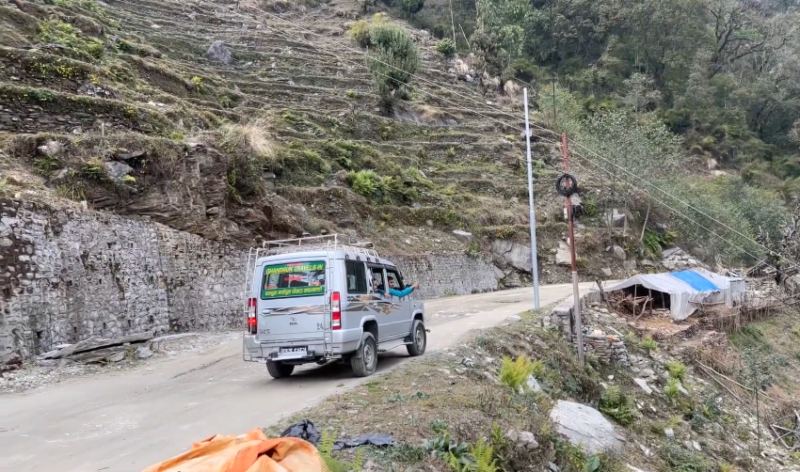
The Manaslu Trek usually starts from Soti Khola or Machha Khola. To reach these places from Kathmandu, you mainly travel by road.
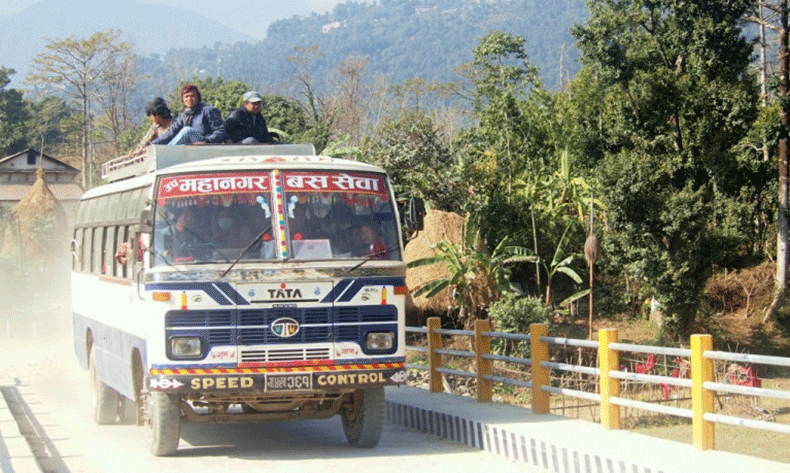
The Manaslu Circuit Trek is one of Nepal’s most spectacular high-altitude treks. Proper preparation is essential for safety, comfort, and enjoyment. This guide covers the key aspects: clothing, gear, and practical tips for a successful trek.
Trekking in the Manaslu region involves a wide range of temperatures, from warm valley days to freezing nights at higher altitudes. Layered clothing is essential:
Base Layer: Thermal tops and bottoms made from wool or synthetic materials to retain body heat.
Mid Layer: Fleece jacket or lightweight down vest for insulation.
Outer Layer: Waterproof and windproof jacket and pants (preferably Gore-Tex or similar).
Trekking Pants and Shirts: Quick-dry, comfortable, and breathable for daily walks. Include both long-sleeve and short-sleeve options.
Gloves, Hat, and Beanie: Warm gloves for high-altitude cold, a sun hat for daytime, and a warm beanie for evenings.
Socks: Wool or thermal socks, at least 3–4 pairs.
Sleepwear: Comfortable clothing for teahouse nights.
Trekking Boots: Waterproof, with good ankle support, suitable for rocky and uneven trails.
Camp or Teahouse Shoes: Lightweight shoes or sandals for relaxing at night.
Gaiters (Optional): Protects legs and boots from mud, snow, or water.
Backpack: 50–65 L capacity with rain cover.
Daypack: 20–30 L for daily essentials.
Trekking Poles: Recommended for steep or uneven terrain.
Sleeping Bag: Rated for -10°C to -15°C for high-altitude nights.
Headlamp or Torch: With extra batteries.
Water Bottles or Hydration Bladder: Minimum 2 L capacity.
Sunglasses: With UV protection for high-altitude sunlight.
Sun Protection: Sunscreen and lip balm with SPF 30+.
First Aid Kit: Bandages, blister treatment, painkillers, and altitude sickness medication.
Snacks: Energy bars, nuts, or chocolate for extra energy during trekking.
Toiletries: Toothbrush, toothpaste, soap, hand sanitizer, and toilet paper.
Quick-Dry Towel
Camera or Phone: Extra battery or power bank.
Dry Bags or Plastic Bags: To protect clothes and electronics from rain or snow.
An additional down jacket for very cold nights.
Microspikes or crampons if trekking in snow or icy conditions.
Lightweight travel pillow for comfort during long nights.
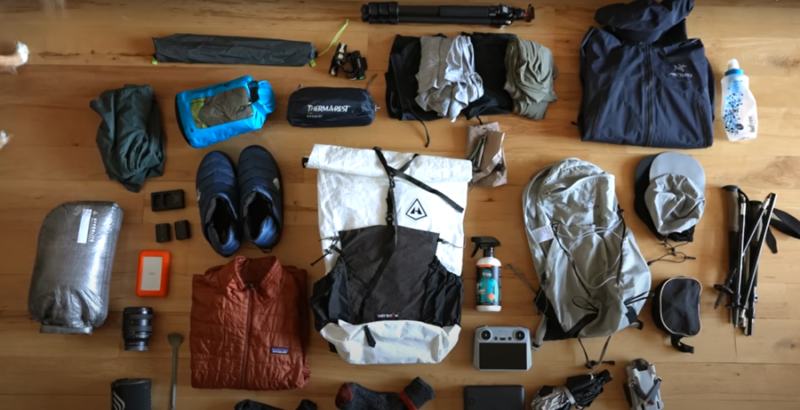
Pack Light: If hiring a porter, limit personal items to reduce weight.
Layer Clothing: Adapt to changing weather and temperature fluctuations.
Start Early: Begin trekking early in the day to avoid afternoon fatigue and reach your teahouse on time.
Stay Hydrated and Eat Well: Drink water regularly and maintain energy levels with snacks.
Be Prepared for Weather Changes: Mountain weather is unpredictable; carry rain gear and warm layers even in summer.
Conclusion: Proper preparation is the key to enjoying the Manaslu Larke Pass Trek safely and comfortably. With the right clothing, gear, and planning, you can fully experience the breathtaking landscapes, remote villages, and high mountain vistas of this remarkable trek
| Month | Temperature (Lowlands / High Altitude) | Rainfall / Weather | Trekking Advice | Packing & Scenery Notes |
|---|---|---|---|---|
| Jan | 5–15°C / -10–5°C | Cold, some snow at high altitudes | Quiet trails, very cold nights, prepare winter gear | Pack heavy winter layers, a down jacket, gloves, warm hat; enjoy clear views of snow-covered peaks |
| Feb | 7–17°C / -8–6°C | Cold, dry | Good for experienced trekkers, fewer crowds | Pack warm clothing, thermal layers; early spring snow adds scenic beauty |
| Mar | 12–22°C / -5–8°C | Moderate, mostly clear | Start of spring, rhododendron bloom, ideal trekking conditions | Pack light layers, trekking gear; enjoy blossoming forests and colorful villages |
| Apr | 15–25°C / -3–10°C | Low, clear skies | Best month for mountain views, pleasant temperatures | Light layers and sun protection; excellent mountain panoramas and alpine flowers |
| May | 18–27°C / 0–12°C | Slightly higher rainfall | Warm and colorful, a very popular season | Light clothing, rain jacket; vibrant landscapes, rhododendrons, green valleys |
| Jun | 20–28°C / 5–15°C | Heavy rainfall (monsoon) | Trails are slippery, risky landslides; not recommended for beginners | Waterproof gear is essential; expect lush green forests but limited mountain views |
| Jul | 20–28°C / 5–15°C | Heavy rainfall (monsoon) | Difficult conditions, avoid unless experienced | Full rain protection required; muddy trails, rivers swollen |
| Aug | 20–28°C / 5–15°C | Heavy rainfall (monsoon) | Trails are muddy, and mountain views are often blocked | Waterproof clothing and footwear; limited visibility, fewer trekkers |
| Sep | 15–25°C / -2–10°C | Low rainfall, clear skies | Ideal trekking, excellent views, pleasant weather | Moderate layers, trekking gear; crisp air, clear views of Manaslu and surrounding peaks |
| Oct | 12–25°C / -5–10°C | Low rainfall, clear skies | Peak season, best visibility, slightly crowded | Layered clothing; enjoy clear mountain vistas and vibrant villages |
| Nov | 10–22°C / -5–8°C | Low rainfall, dry | Clear skies, calm weather, great for photography | Warm layers for cold nights; excellent for photography and less crowded trails |
| Dec | 5–15°C / -10–5°C | Cold, occasional snow | Quiet trails, very cold nights, good for experienced trekkers | Heavy winter gear needed; enjoy snow-capped mountains and peaceful trekking |
The Manaslu Circuit Trek is one of Nepal’s most beautiful and challenging treks. To keep it safe and legal, you must hire a licensed trekking guide. Independent trekking is not allowed in this area because it is inside the Manaslu Conservation Area.
Your guide will know the routes, weather, and local culture, help you manage permits, and make sure you are safe from altitude sickness or tricky trails. Usually, one guide is enough for a small group, but bigger groups may need more. Guides often help arrange porters, too, so you can carry less and enjoy the trek comfortably.
Always choose a licensed, experienced guide who carries first aid equipment and knows emergency procedures. This makes your Manaslu adventure safe, smooth, and unforgettable.
To trek the Manaslu Circuit, you need three main permits because part of the route is in a restricted area and part goes through conservation areas.
This is the most important permit because the Manaslu region is officially a restricted trekking area.
Must be applied through a registered trekking agency; cannot go on your own.
Must trek with a licensed guide, usually a minimum of two people per group.
Cost by season (for foreign trekkers):
| Season | Cost for First 7 Days | Cost per Extra Day |
|---|---|---|
| Peak Season (Sep–Nov, Mar–May) | USD 100 | USD 15 per day |
| Off‑Peak Season (Dec–Aug) | USD 75 | USD 10 per day |
Example: 14-day trek in peak season → USD 100 + 7 × USD 15 = USD 205.
This permit allows trekking within the Manaslu Conservation Area.
Foreign nationals: NPR 3,000 (~USD 25–30)
Same price all year
Valid for the duration of your stay in the area
The trek passes into the Annapurna Conservation Area after Larke La Pass.
Foreign nationals: NPR 3,000 (~USD 25–30)
Fixed cost, the same all year
No. A TIMS card is not required for the Manaslu Circuit because the restricted area permit tracks trekkers.
14-Day Trek (Peak Season)
RAP: USD 205
MCAP: USD 25–30
ACAP: USD 25–30
Total ≈ USD 255–265 per person
14-Day Trek (Off-Peak Season)
RAP: USD 145
MCAP: USD 25–30
ACAP: USD 25–30
Total ≈ USD 195–205 per person
The Manaslu Circuit Trek takes you through some of the highest and most remote areas of Nepal, reaching altitudes above 5,000 meters at points like Larkya La Pass. At such heights, there is a significant risk of altitude sickness, also known as Acute Mountain Sickness (AMS). The symptoms can include headache, nausea, dizziness, shortness of breath, and difficulty sleeping. The risk increases if trekkers ascend too quickly without proper acclimatization.
To reduce the chance of altitude sickness on the Manaslu Trek, it is important to follow a gradual ascent, take rest days at key points like Samagaon or Manaslu Base Camp, and stay well hydrated. Listening to your body and avoiding overexertion are crucial. In some cases, mild medication can be used under a doctor’s guidance, but the safest approach is to ascend slowly and monitor your health carefully.
Although Manaslu is less crowded than Everest or Annapurna treks, its remoteness means medical help can be far away, making prevention essential. Trekkers should also be aware that descending immediately is the most effective treatment if severe symptoms appear. By taking precautions, most travelers can complete the Manaslu Circuit safely while enjoying stunning mountain views, traditional villages, and the serene natural beauty of this remote region.
Choosing the right travel company is very important for the Manaslu Circuit Trek, as this is a remote and challenging route. A good company ensures proper planning, safe trekking, reliable guides, and all necessary permits, so you can enjoy the trek without stress.
Safe Holiday Adventure Pvt. Ltd. is a trusted local company for this trek. They provide experienced guides and trained porters who know the trail well. The company arranges all permits, TIMS cards, and logistics, making your trek smooth and safe.
Safety is a priority with proper first-aid support, emergency arrangements, and communication systems along the route. They also select comfortable tea houses and provide good meals, ensuring trekkers are well cared for throughout the journey.
Being a local company, Safe Holiday Adventure supports local communities, practices responsible tourism, and gives authentic cultural experiences. Choosing a company like theirs ensures a safe, well-organized, and memorable Manaslu Circuit Trek.
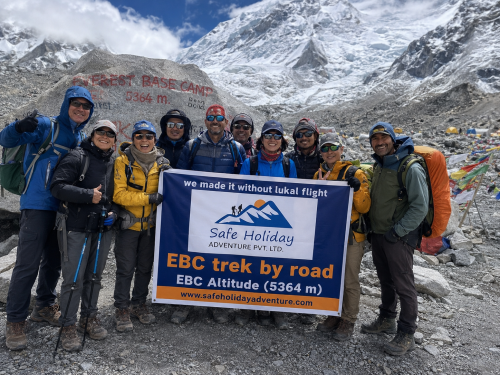
Standing at the foot of the world’s highest mountain is a dream shared by millions of adventure lo
Continue Reading
Introduction Every trekking season, thousands of travelers arrive in Nepal with the dream of reachin
Continue Reading
Introduction Nepal is home to some of the world’s highest mountains, deepest valleys, and most
Continue Reading
Introduction Every successful Everest Base Camp Trek depends on more than physical fitness. One of t
Continue Reading
“Can you drive all the way to Everest Base Camp?” is one of the most common questions asked by t
Continue Reading
The Langtang Valley Trek is one of Nepal’s most rewarding Himalayan adventures, offering breat
Continue Reading